04 / Construction knowledge
Material Guide
How to compare natural fibers, blends, and care compatibility by composition.
- 06
- Chapters
- 04
- Minutes
- 20
- Related products
Read composition as one part of the fabric
Fiber percentages identify ingredients, but they do not fully explain how a finished material feels or performs. Yarn thickness, twist, weave or knit structure, fabric weight, density, brushing, coating, washing, and finishing can make two fabrics with the same composition behave very differently. Lining, interlining, padding, reinforcement, and decorative elements also affect warmth, drape, and care. Use the composition stated on a reliable label or source rather than guessing from a photograph. When the exact fiber content is unavailable, describe only observable qualities such as smooth, textured, structured, or lightweight appearance, and keep the material field pending verification. This distinction protects product pages from turning visual impressions into unsupported technical claims.
Understand natural fibers
Cotton is used in many weights and structures, from crisp poplin to dense jersey and fleece, so the fiber name alone does not determine softness or durability. Wool includes fine and coarse fibers and may be woven, knitted, felted, or blended; warmth depends on structure and weight as well as percentage. Linen is valued for breathability and a characteristic crease, while silk can range from fluid satin to textured or structured weaves. Leather varies by animal source, layer, tanning, finish, coating, and thickness. None of these categories is automatically superior. Compare the confirmed material with the product's intended use, climate, contact with the skin, likely abrasion, and realistic care routine.
Evaluate manufactured fibers and blends
Polyester, nylon, acrylic, elastane, viscose, lyocell, acetate, and related fibers are used for different reasons. They may add strength, stretch, shape retention, softness, moisture behavior, surface effect, or cost control, depending on the construction. A small elastane percentage can change recovery, while nylon can reinforce a delicate blend; viscose may add fluid drape but still vary substantially by weave and finish. Do not judge a blend from one percentage in isolation. Ask what each component contributes and whether the resulting fabric suits the garment. Care can also be constrained by the least tolerant fiber, coating, trim, adhesive, print, or lining rather than the dominant percentage shown on the label.
Separate surface appearance from identity
Photography can show grain, shine, pile, weave, and color variation, but it may not prove exact composition. Coated textiles can resemble leather, synthetic suede-like materials can resemble animal suede, and polished hardware can look different under studio light. The safest product record distinguishes confirmed facts from visual description. Terms such as leather, cashmere, silk, sterling silver, waterproof, or recycled should be used only when supported by dependable documentation. Neutral observations remain useful: a product can be described as having a pebbled surface, soft-looking pile, reflective finish, or open knit without claiming what creates that effect. This evidence-based approach also makes later corrections easy while preserving the same stable product URL.
Match material to use and climate
Consider the conditions in which the product will be worn. Warm climates often favor breathable structures, light weight, and manageable layers, while cold conditions may benefit from loft, wind resistance, and room for insulation. Frequent travel can place more value on crease recovery, abrasion resistance, easy storage, and simple care. Bags and shoes need surfaces suited to repeated handling and ground conditions, while accessories may come into contact with cosmetics, skin oils, or hardware. No material performs best in every situation. Compare verified composition, construction, and finish with the intended routine, then account for how often cleaning will be practical. The best choice is the one whose real properties and maintenance needs support regular use.
Use care information to validate the choice
A care label often reveals important limits that are not obvious from the fiber list. Dry-clean-only instructions may reflect dyes, interfacing, structure, or trims rather than the main fabric. Low-temperature washing, no tumble drying, reshape-flat guidance, or restrictions on solvents can indicate sensitivity to heat, agitation, or finish damage. Follow product-specific instructions first and treat general fiber advice as background only. If a listing lacks confirmed care information, do not invent a detailed routine; keep the product in draft or state the limitation clearly. Linking material, care, and sizing guidance creates a more complete decision path and avoids the thin product pages that result when a name and external image album are the only available information.
Continue exploring
Put the guide into context.
Products related to this guide
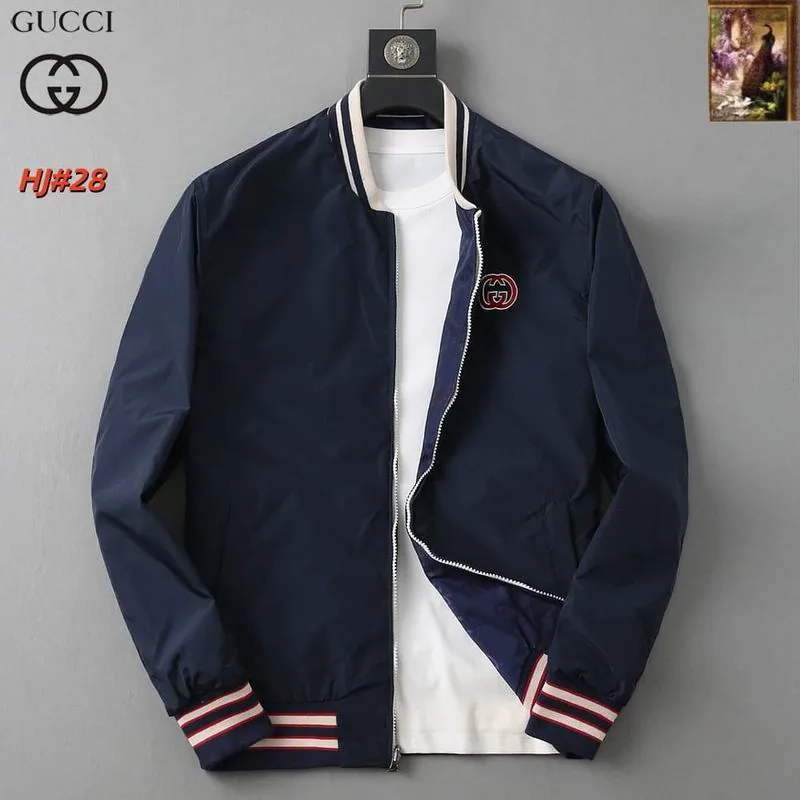
Gucci 12yr219 Navy Bomber Jacket
SKU 12yr219View product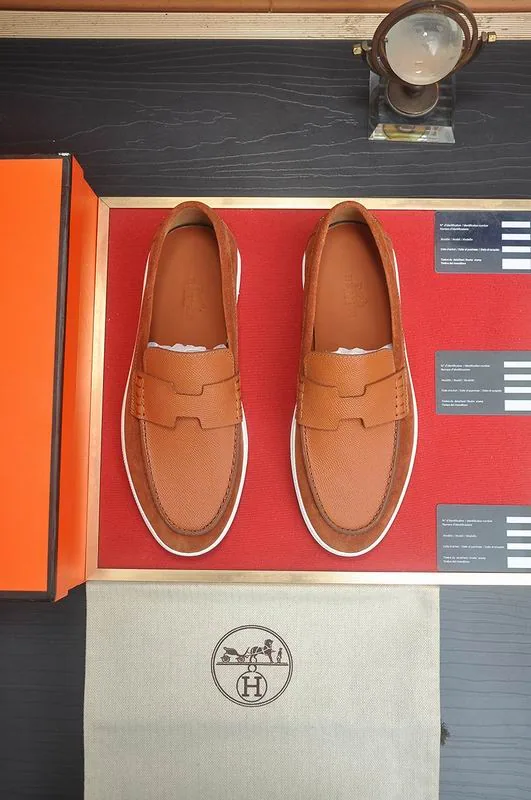
Hermes hnh0503 Tan Loafers
SKU hnh0503View product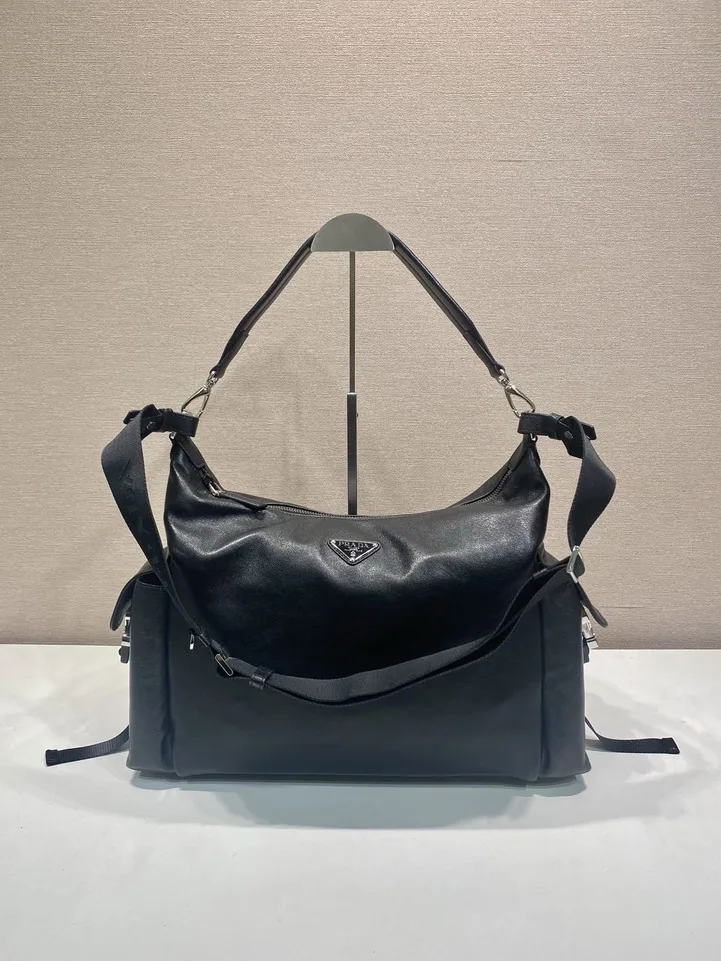
Prada 2VH204 Black Shoulder Bag
SKU 2VH204View product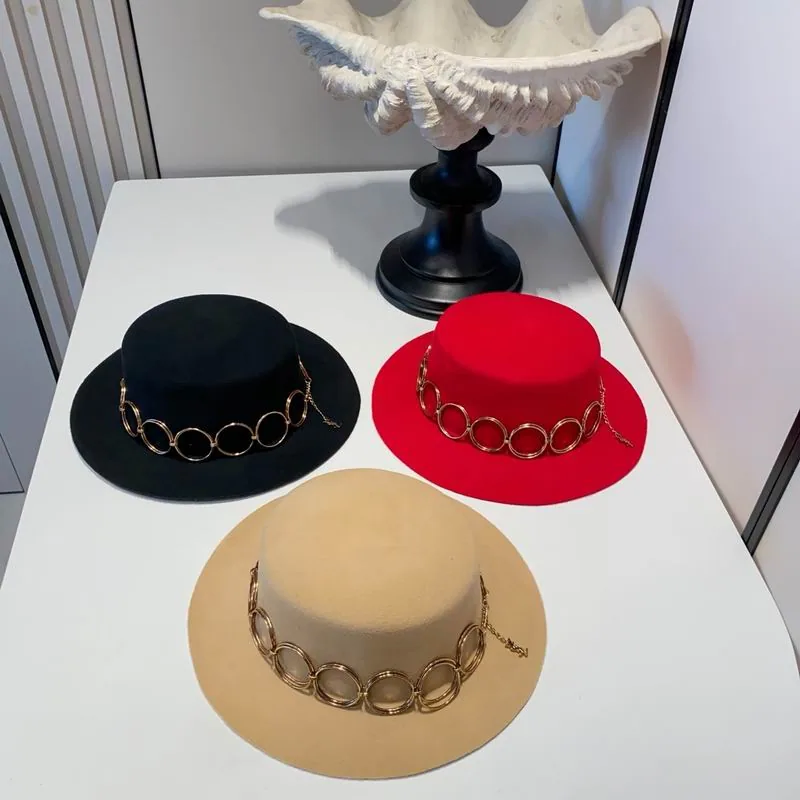
YSL Chain-Detail Wide-Brim Hat
SKU SRC4222856View product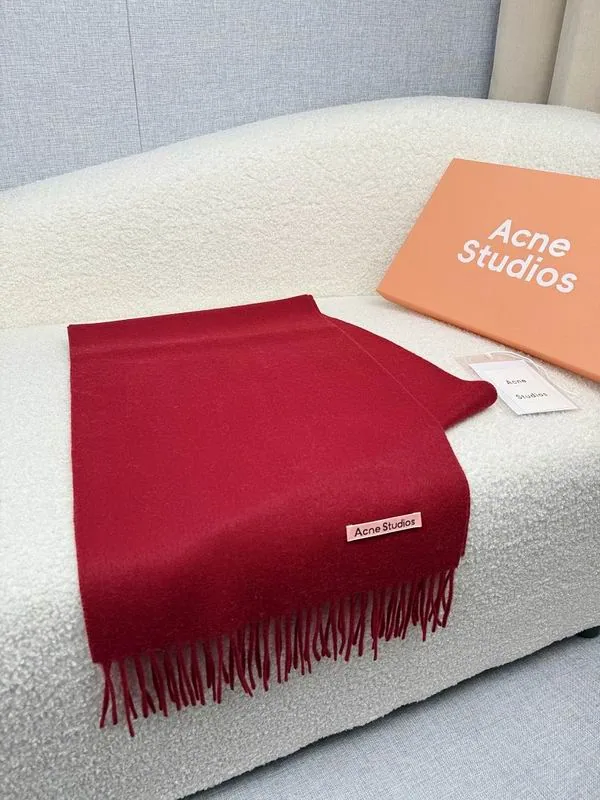
Acne SRC4178203 Scarf
SKU SRC4178203View product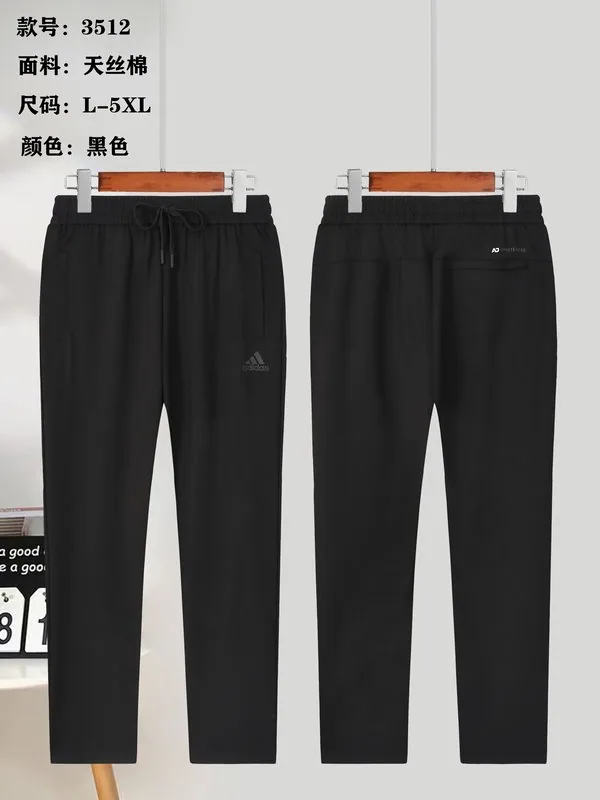
Adidas yfx3512 Pants
SKU yfx3512View product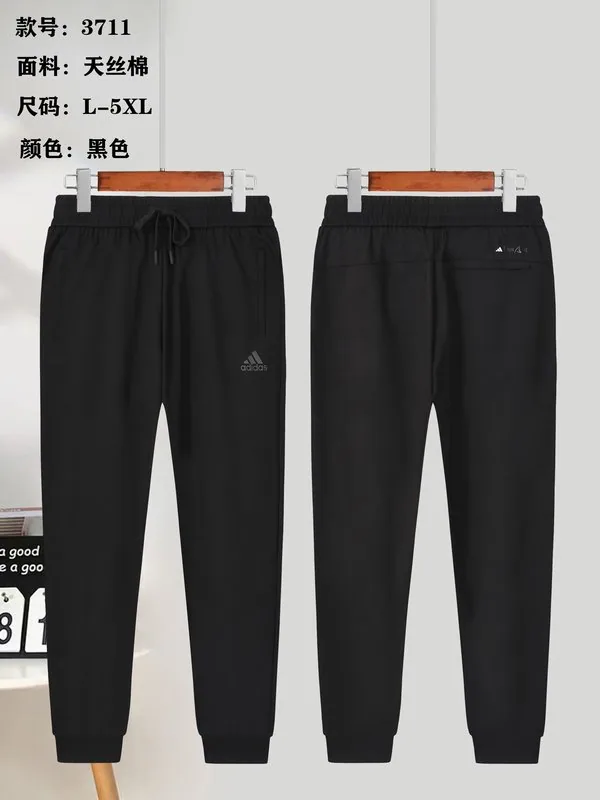
Adidas yfx3711 Pants
SKU yfx3711View product
Alma M53151 Top-Handle Bag
SKU M53151View product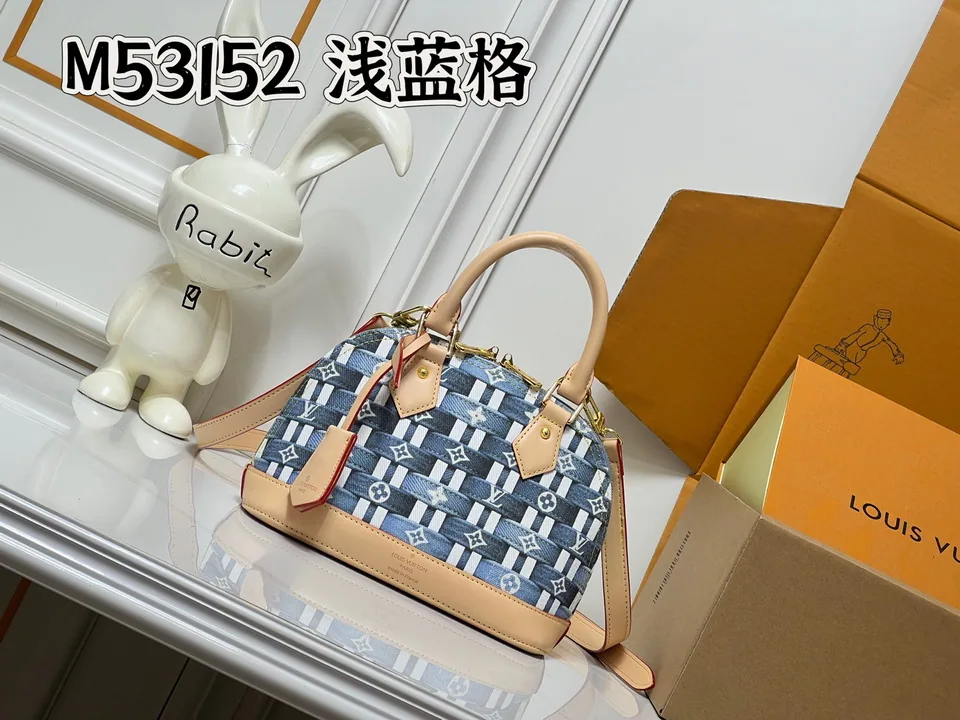
Alma M53152 Top-Handle Bag
SKU M53152View product
Alma M82717 Top-Handle Bag
SKU M82717View product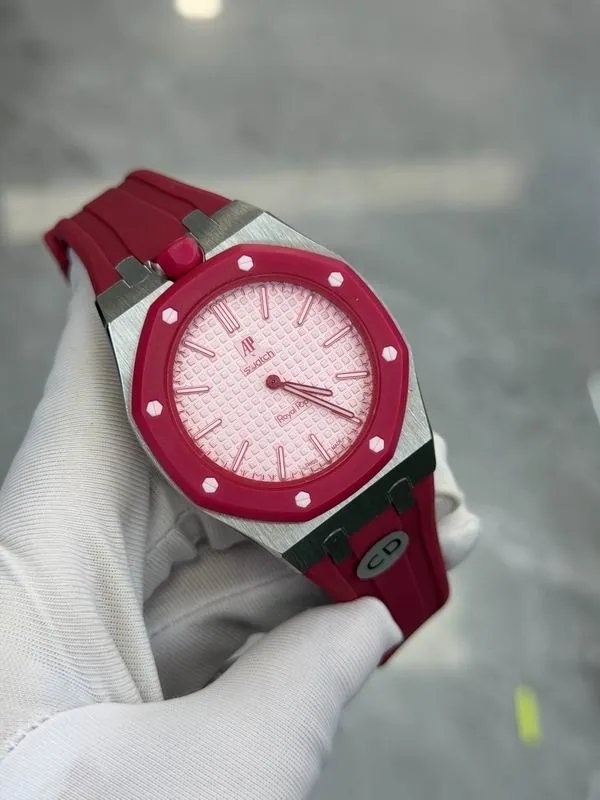
AP 12 Watch
SKU 12View product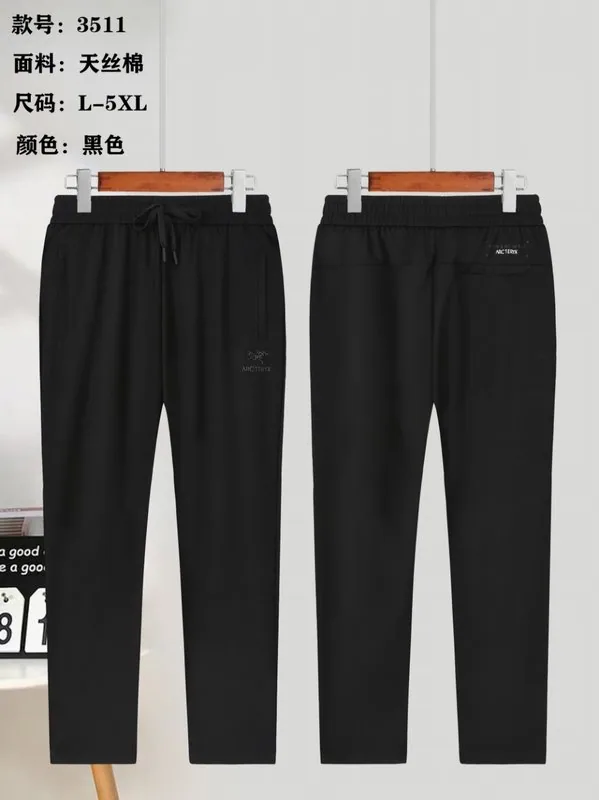
Arcteryx yfx3511 Pants
SKU yfx3511View product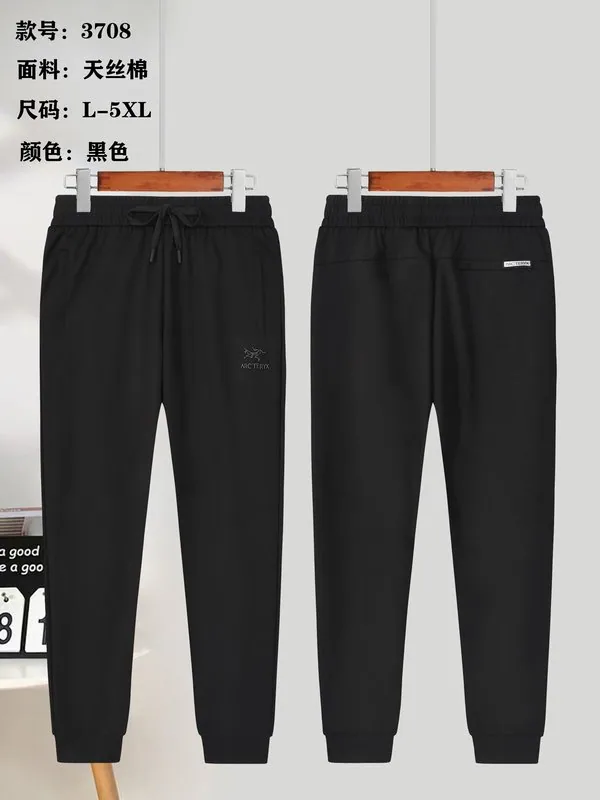
Arcteryx yfx3708 Pants
SKU yfx3708View product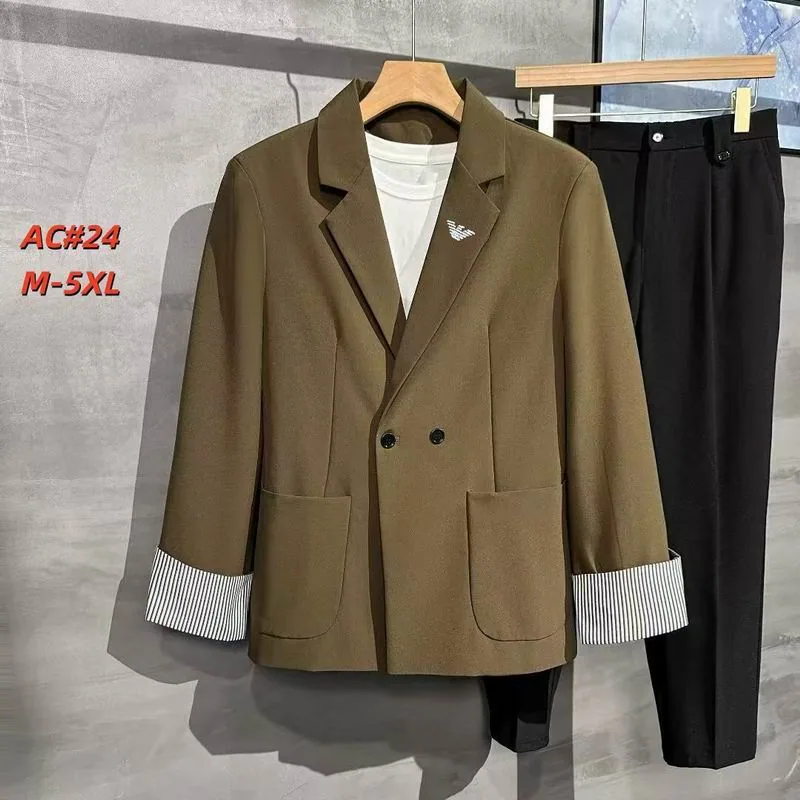
Armani 12yr60 Blazer
SKU 12yr60View product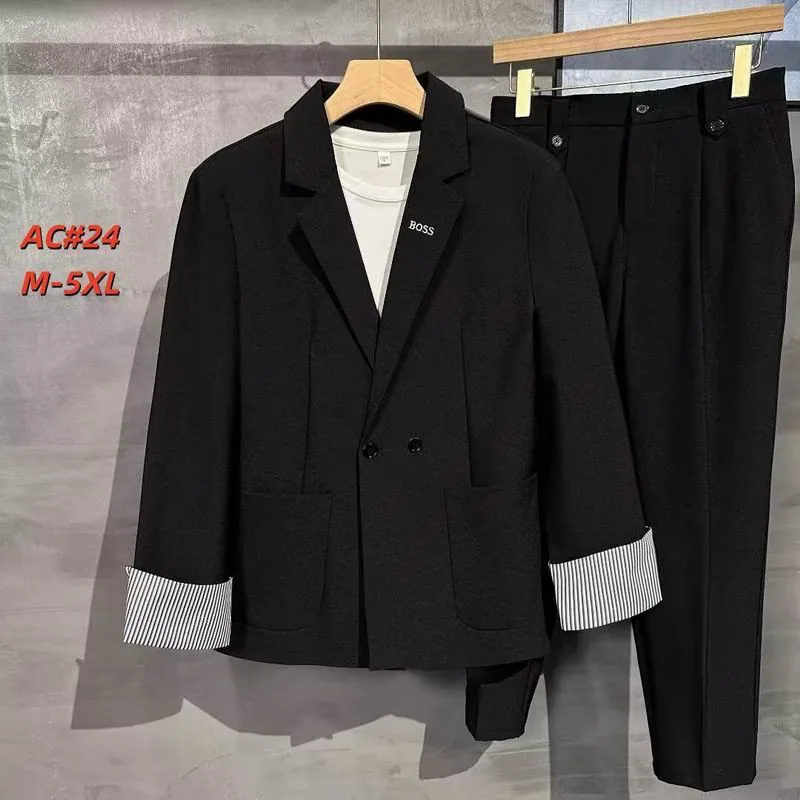
Boss 12yr03 Blazer
SKU 12yr03View product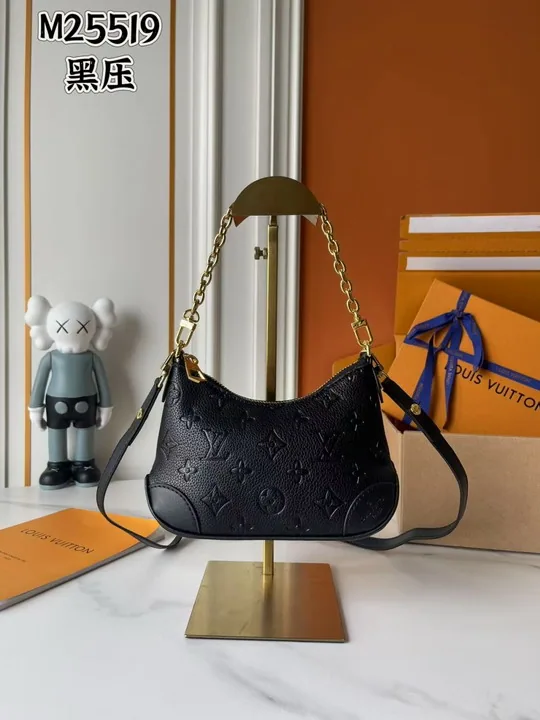
Boulogne M25519 Hobo Bag
SKU M25519View product
Breitling 54 Watch
SKU 54View product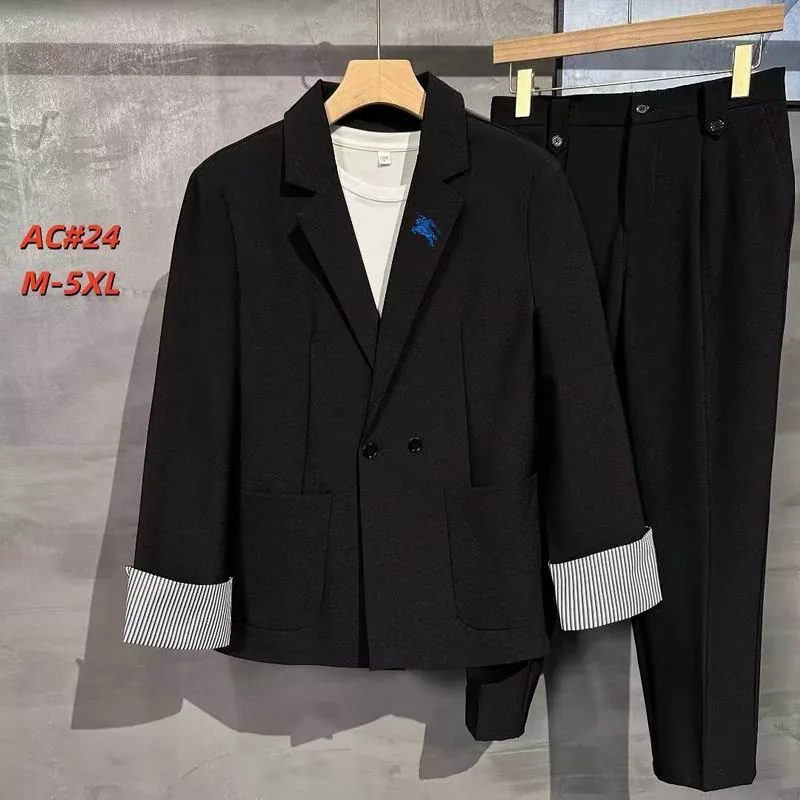
Burberry 12yr224 Blazer
SKU 12yr224View product
Burberry SRC4178168 Scarf
SKU SRC4178168View product