03 / Order preparation
Shipping Guide
Delivery windows, packaging process, and customs notes for different regions.
- 06
- Chapters
- 04
- Minutes
- 20
- Related products
Confirm details before dispatch
Review the recipient name, full address, postal code, telephone number, and any building or delivery instructions before a shipment is prepared. The format should match local postal conventions and the recipient should be able to provide identification if the destination requires it. Check whether the carrier serves the address directly or transfers the parcel to a local partner. Product availability, processing time, and delivery time are separate concepts and should not be merged into one promise. Because this site does not publish unverified inventory or shipping offers, the product page provides discovery information only. Any transaction-specific schedule must come from the responsible seller or carrier and should be confirmed at the time arrangements are made.
Understand the delivery timeline
A shipping estimate usually contains several stages: order confirmation, preparation, carrier acceptance, export handling, international transit, customs review, transfer to a local network, and final delivery. A delay in one stage does not always indicate that the parcel is lost. Weekends, public holidays, severe weather, peak seasons, security checks, and remote destinations can extend the interval. Use a range rather than a guaranteed date unless a carrier has provided a service commitment for that shipment. Keep the acceptance receipt and initial tracking number. When a local carrier assigns a second number, record both so the shipment can be traced across the handoff instead of relying on screenshots from a single tracking page.
Read tracking events carefully
Tracking scans describe events reported by logistics systems, not a continuous live location. A parcel may travel between facilities without a new public scan, and time-zone differences can make the sequence appear unusual. Status terms vary by carrier: pre-shipment may mean a label exists but the parcel has not been accepted, while customs-related messages may indicate routine processing rather than a problem. Use the official carrier record as the primary source and avoid entering personal details on unknown tracking sites. If there has been no movement beyond the carrier's normal investigation window, contact the party that purchased the label because that party may need to open the trace or claim. Preserve packaging and documents until the issue is resolved.
Plan for customs and import rules
International parcels may be reviewed by customs authorities in the destination country. Duties, taxes, brokerage fees, documentation, restricted materials, and personal import limits vary by jurisdiction and can change. The recipient should check current local rules before shipment, particularly for leather, exotic materials, batteries, liquids, or high-value goods. A declared description and value must be accurate; asking for false declarations creates legal and delivery risk. Customs processing time is controlled by the authority and local carrier, not by the product discovery site. If additional information or payment is requested, verify the request through the official carrier or government channel. Keep invoices and material details available in case classification or proof of value is required.
Inspect packaging and delivery
Appropriate packaging protects the item without creating unnecessary pressure or moisture. Clothing should be clean and folded to avoid hard creases, shoes should be supported, bags should not be crushed, and hardware should be isolated from delicate surfaces. Weather-resistant outer packaging can reduce exposure, but products should not be sealed while damp. At delivery, inspect the exterior before opening and photograph any visible damage, tampering, or wet areas. Compare the received contents with the dispatch record and retain labels, packaging, and images if something is missing or damaged. Report issues promptly through the transaction channel that arranged shipping, because investigation deadlines differ by carrier and local law.
Protect privacy and avoid false promises
Shipping requires personal information, so share address and contact details only with the parties necessary to complete delivery. Do not post tracking numbers publicly, because they can expose location or delivery events. Be cautious with messages requesting urgent payment or address changes; confirm them using a known carrier website or contact method. This guide provides general preparation and tracking principles, not a shipping offer, guaranteed delivery time, customs calculation, or return policy for a specific product. Those terms must be supplied by the actual seller before a transaction. Keeping discovery content separate from transaction claims prevents the site from displaying fabricated price, inventory, or availability data and allows product pages to remain accurate even when logistics conditions change.
Continue exploring
Put the guide into context.
Products related to this guide
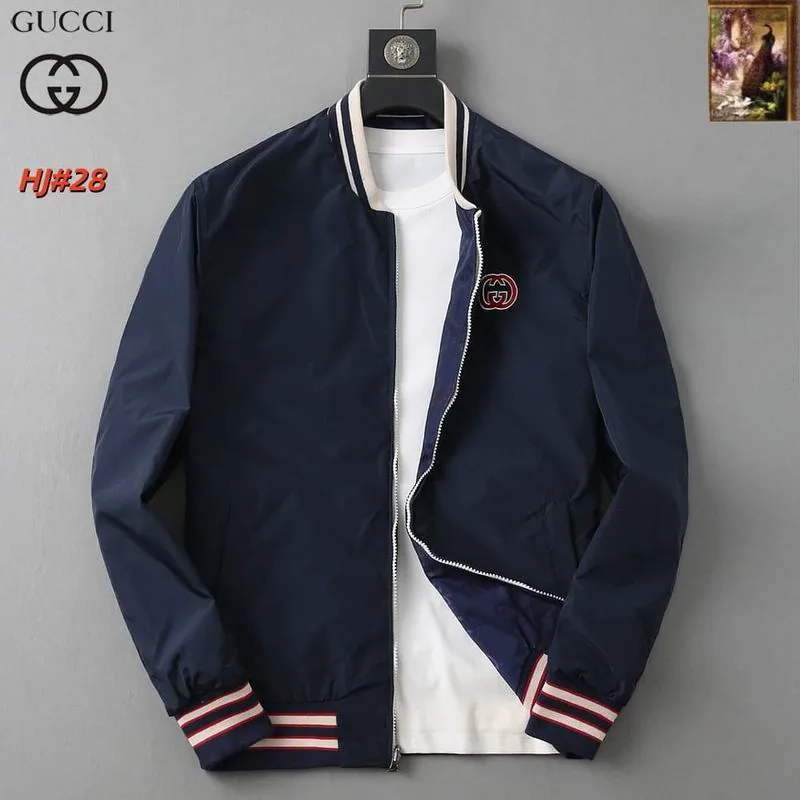
Gucci 12yr219 Navy Bomber Jacket
SKU 12yr219View product
Hermes hnh0503 Tan Loafers
SKU hnh0503View product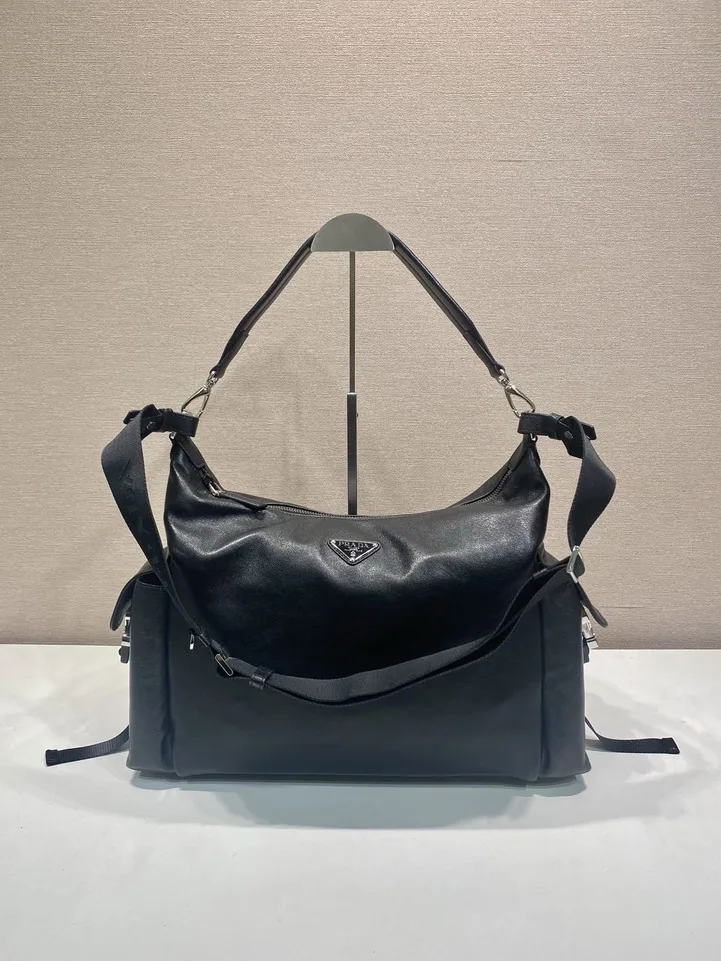
Prada 2VH204 Black Shoulder Bag
SKU 2VH204View product
YSL Chain-Detail Wide-Brim Hat
SKU SRC4222856View product
Acne SRC4178203 Scarf
SKU SRC4178203View product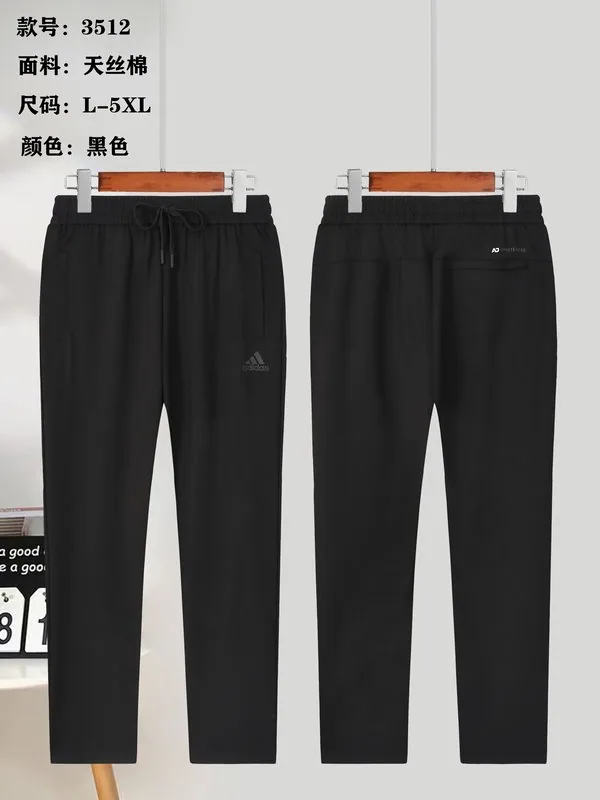
Adidas yfx3512 Pants
SKU yfx3512View product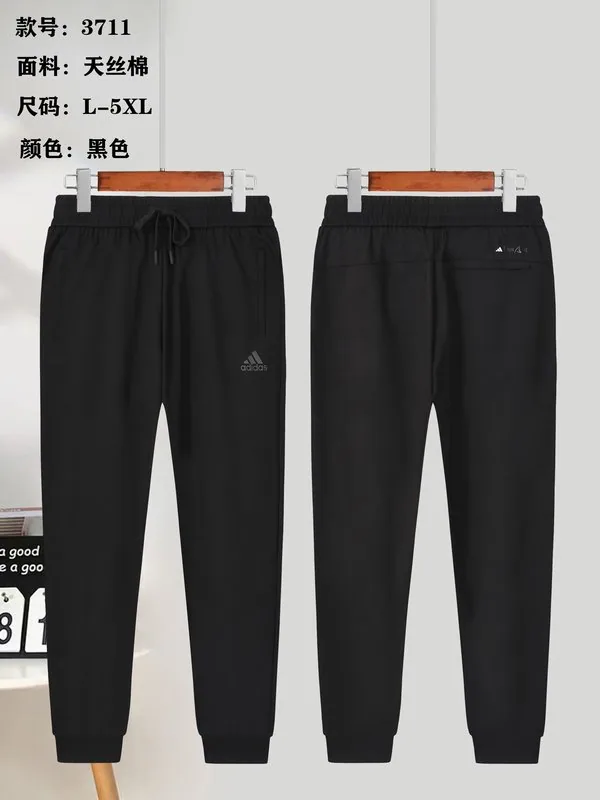
Adidas yfx3711 Pants
SKU yfx3711View product
Alma M53151 Top-Handle Bag
SKU M53151View product
Alma M53152 Top-Handle Bag
SKU M53152View product
Alma M82717 Top-Handle Bag
SKU M82717View product
AP 12 Watch
SKU 12View product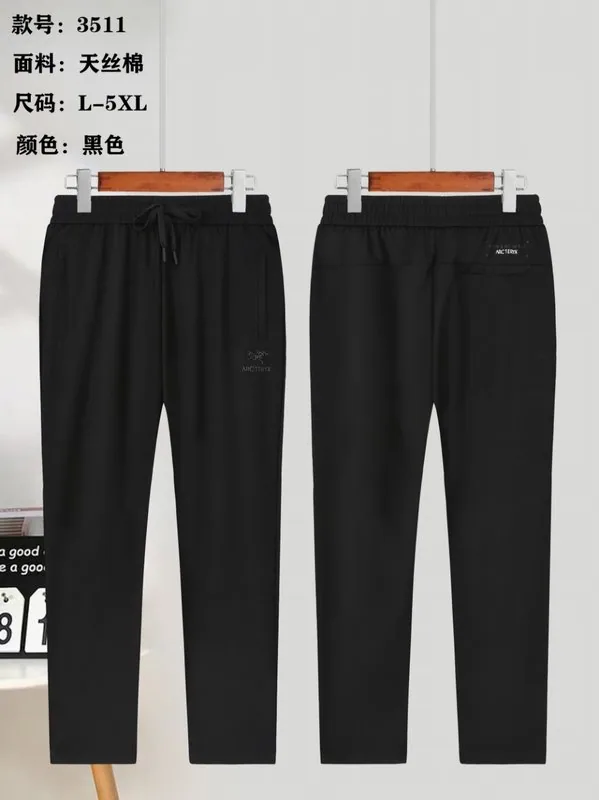
Arcteryx yfx3511 Pants
SKU yfx3511View product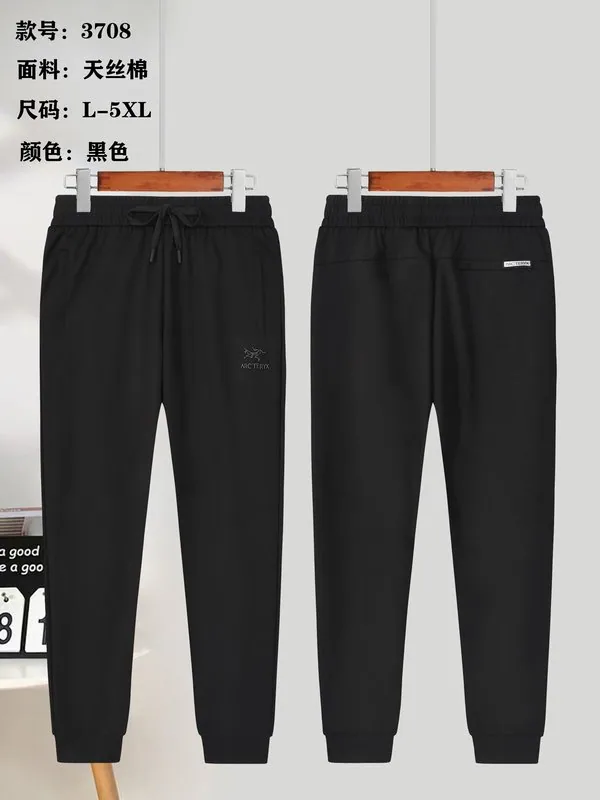
Arcteryx yfx3708 Pants
SKU yfx3708View product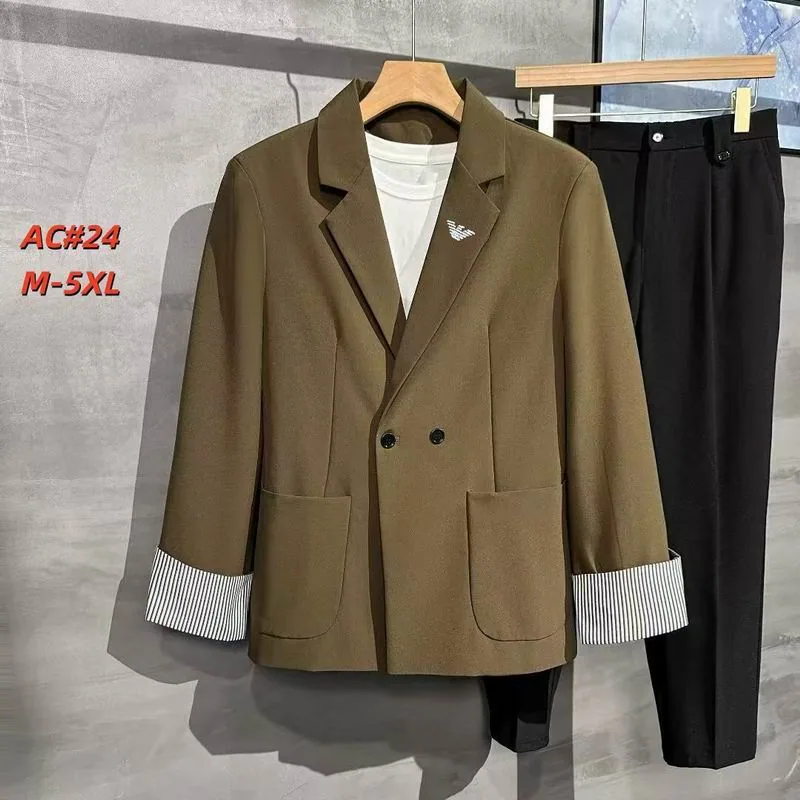
Armani 12yr60 Blazer
SKU 12yr60View product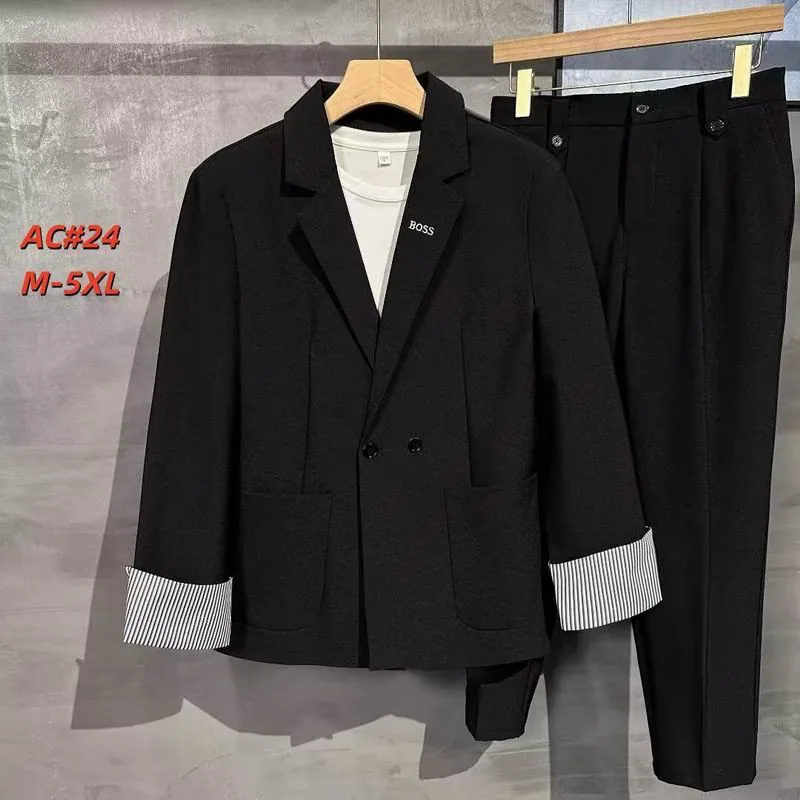
Boss 12yr03 Blazer
SKU 12yr03View product
Boulogne M25519 Hobo Bag
SKU M25519View product
Breitling 54 Watch
SKU 54View product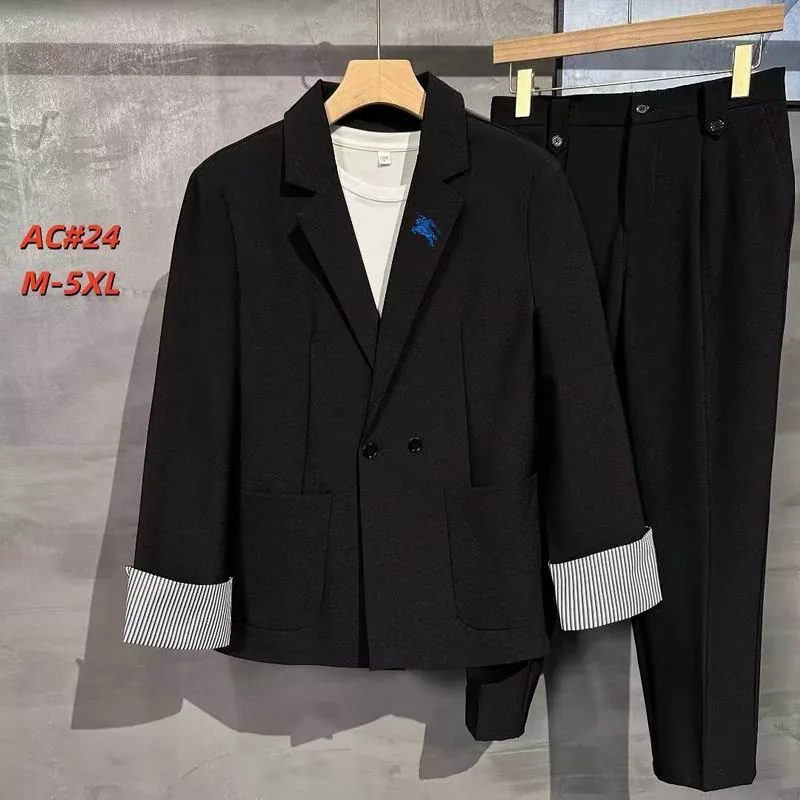
Burberry 12yr224 Blazer
SKU 12yr224View product
Burberry SRC4178168 Scarf
SKU SRC4178168View product