05 / Long-term use
Care Guide
Washing, storage, and long-term care methods for premium textiles and leather.
- 06
- Chapters
- 04
- Minutes
- 20
- Related products
Follow the product-specific label
The sewn-in care label or verified manufacturer instruction should take priority over general advice. A garment may combine an outer fabric with lining, interfacing, padding, print, embroidery, buttons, adhesive, leather trim, or coated hardware, and the most sensitive component can determine the safe method. Read every symbol before cleaning and record the instruction in the product data only when it is visible or reliably supplied. Do not infer washability from the dominant fiber. If the label is missing, use a conservative approach and seek professional advice for structured, dyed, coated, embellished, or high-value pieces. Transparent uncertainty is preferable to a detailed but fabricated care recommendation that could permanently damage the item.
Clean only when necessary
Repeated washing creates friction, heat exposure, chemical contact, and dimensional stress. Air garments after wear, brush or wipe suitable surfaces gently, and address small marks promptly before deciding on a full clean. Test any product on an inconspicuous area and avoid rubbing, which can spread a stain or alter surface texture. Separate colors, close fasteners, empty pockets, and protect delicate details when the care label permits home washing. Use the recommended temperature and a measured amount of suitable detergent; excess detergent can remain in fibers and attract soil. Never combine cleaning agents without clear instructions. For leather, suede-like surfaces, structured tailoring, or complex trims, specialist cleaning may be safer than experimentation.
Control drying and reshaping
Drying can change a product as much as washing. Heat may shrink fibers, weaken elastic, distort coatings, affect adhesives, or set creases, so follow the label and avoid direct heat unless specifically allowed. Reshape knitwear and soft garments while damp, support their weight, and dry them flat when required. Structured items may need a broad hanger, while heavy knits should not hang because gravity can lengthen them. Shoes and bags should dry naturally with clean internal support, away from radiators and strong sunlight. Do not store anything while it remains damp. Ensure air can circulate and allow sufficient time, especially through linings, padded sections, folded seams, and enclosed footwear interiors.
Store with the right support
Storage should protect shape while limiting dust, light, moisture, pressure, and contact between incompatible surfaces. Use broad hangers for structured shoulders, fold heavy knitwear, and avoid tightly compressing padded garments. Support bags with clean, colorfast material without overfilling them, keep detachable straps in gentle curves, and isolate prominent hardware from soft surfaces. Store shoes clean and dry with appropriate toe support. Breathable covers are generally preferable to long-term sealed plastic when humidity could be trapped. Leave space between items so dyes, coatings, and hardware do not transfer or rub. Review stored products periodically, particularly in seasonal climates where condensation, insects, or prolonged heat can develop unnoticed.
Treat materials according to evidence
Cotton, wool, silk, linen, leather, synthetic fibers, coated fabrics, and blends each include many constructions, so no single method covers an entire category. A wool knit and a tailored wool coat have different structural needs; smooth finished leather and suede require different surface treatment; a polyester shell may still contain heat-sensitive print or adhesive. Use confirmed composition and the exact care instruction together. Avoid household remedies presented as universal solutions, because acids, alcohol, oils, heat, and abrasive powders can alter dye, finish, or texture. When uncertain, stop before applying a treatment and consult a qualified cleaner with the product information and clear photographs of the material, label, and affected area.
Keep an auditable maintenance record
For frequently used or valuable pieces, record the date and method of cleaning, the product used, any specialist service, and changes noticed afterward. Photograph labels before they fade and keep spare buttons, laces, straps, dust covers, and repair information together. Early repair of loose stitching, worn heel components, edge damage, or failing fasteners can prevent a small issue from becoming structural. Product pages should update care details when verified information becomes available while preserving the stable ID, canonical path, and publication history. This creates durable content rather than a disposable listing. The external supplier gallery can provide additional views, but the main site remains the place for verified specifications, contextual guidance, and transparent updates.
Continue exploring
Put the guide into context.
Products related to this guide
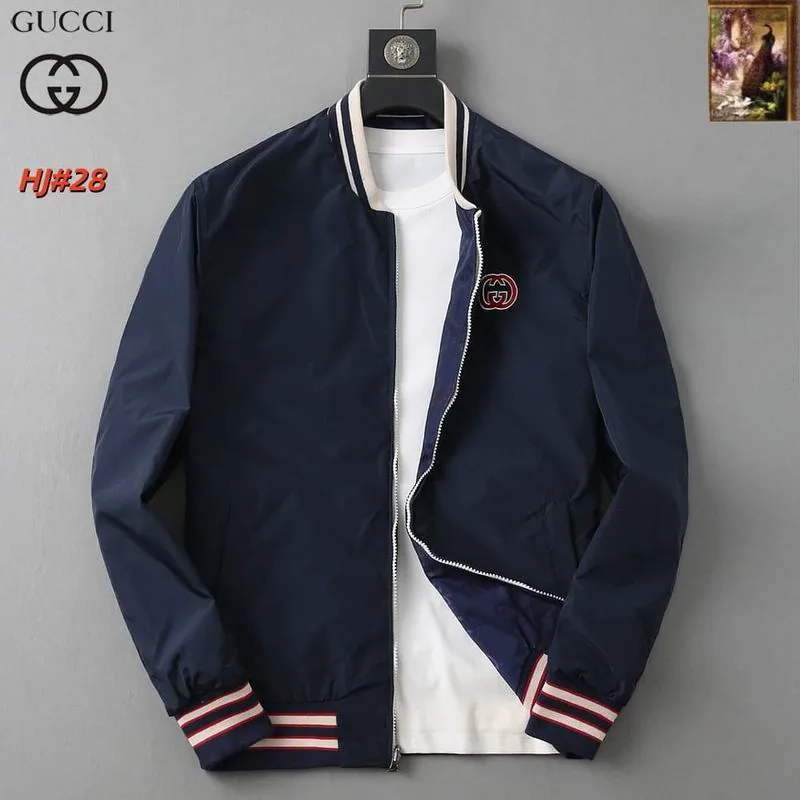
Gucci 12yr219 Navy Bomber Jacket
SKU 12yr219View product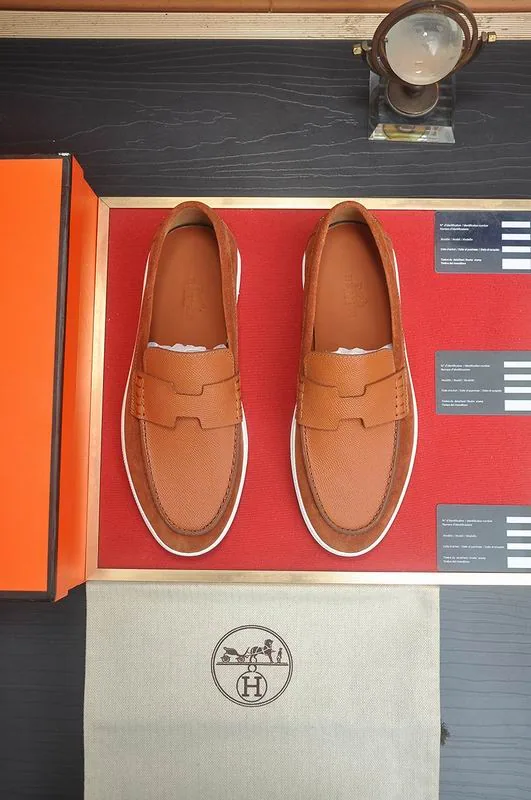
Hermes hnh0503 Tan Loafers
SKU hnh0503View product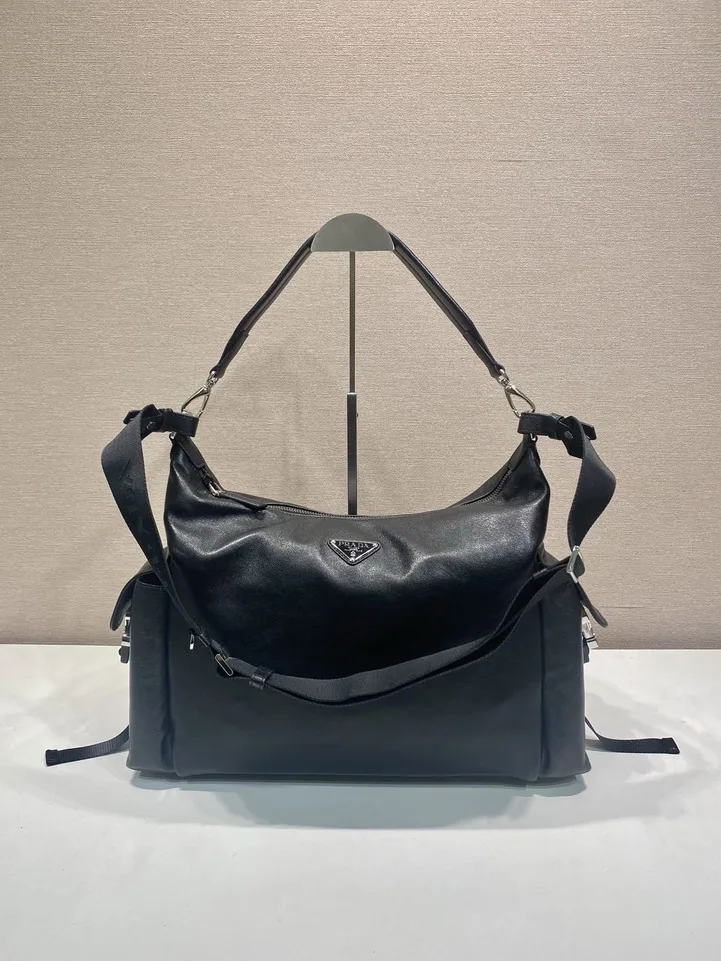
Prada 2VH204 Black Shoulder Bag
SKU 2VH204View product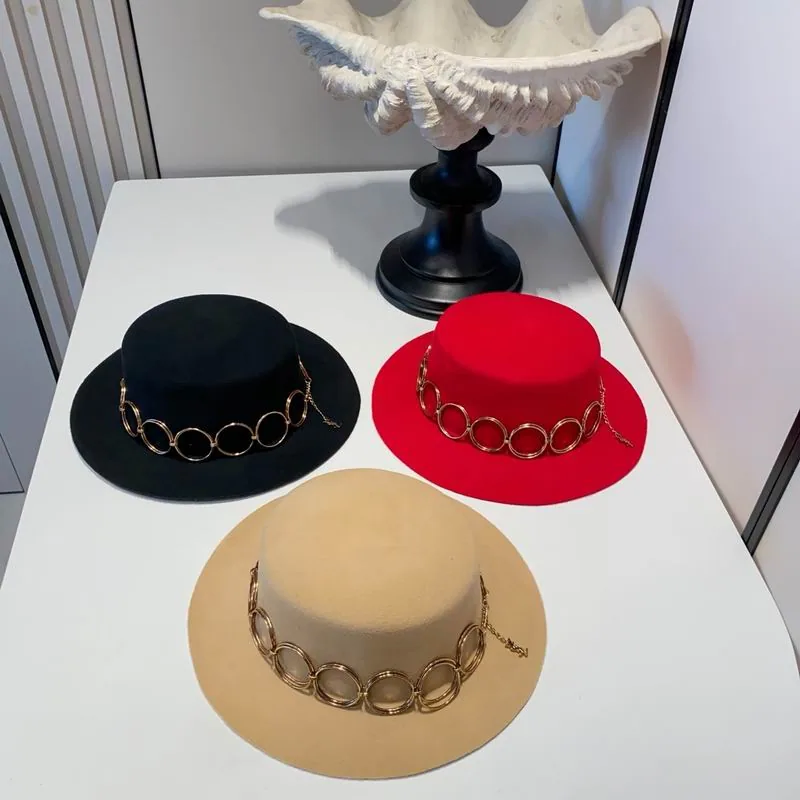
YSL Chain-Detail Wide-Brim Hat
SKU SRC4222856View product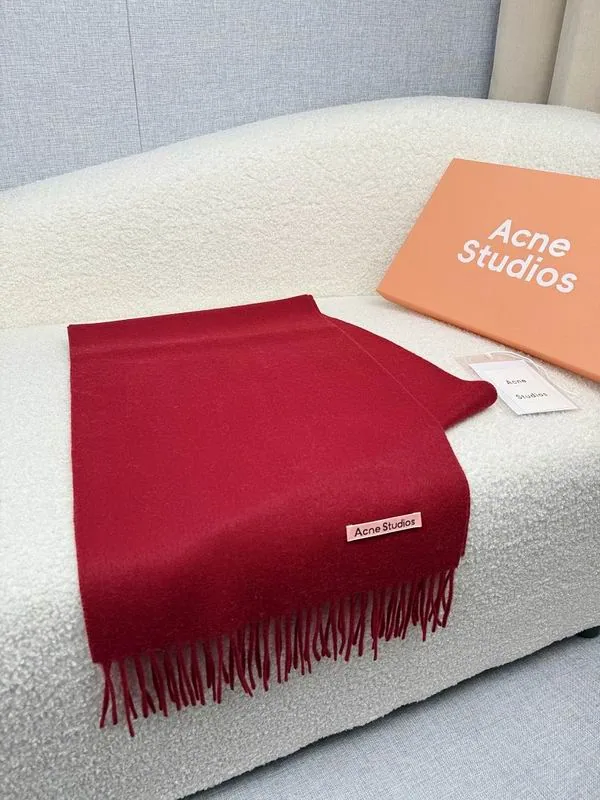
Acne SRC4178203 Scarf
SKU SRC4178203View product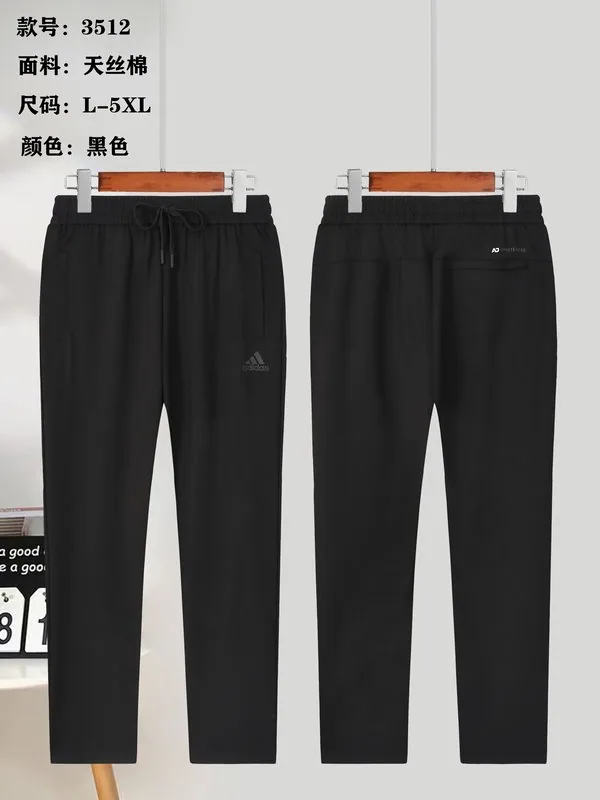
Adidas yfx3512 Pants
SKU yfx3512View product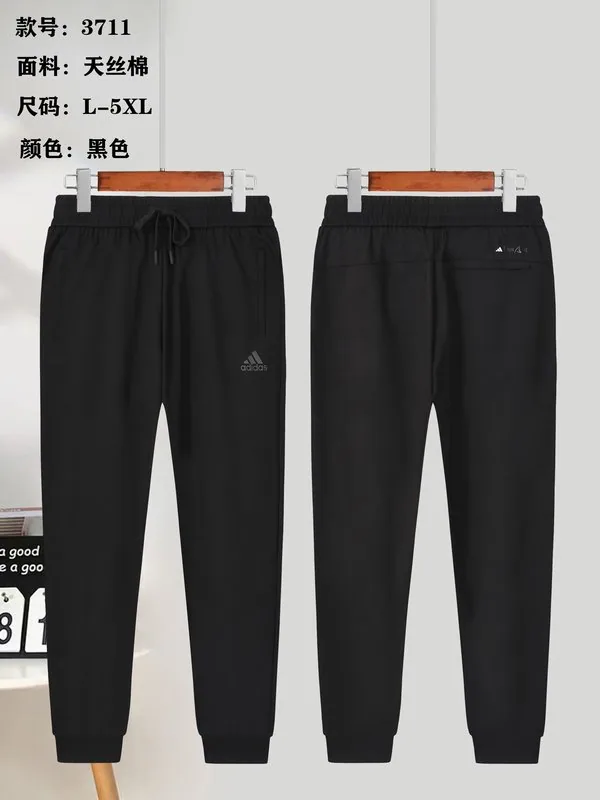
Adidas yfx3711 Pants
SKU yfx3711View product
Alma M53151 Top-Handle Bag
SKU M53151View product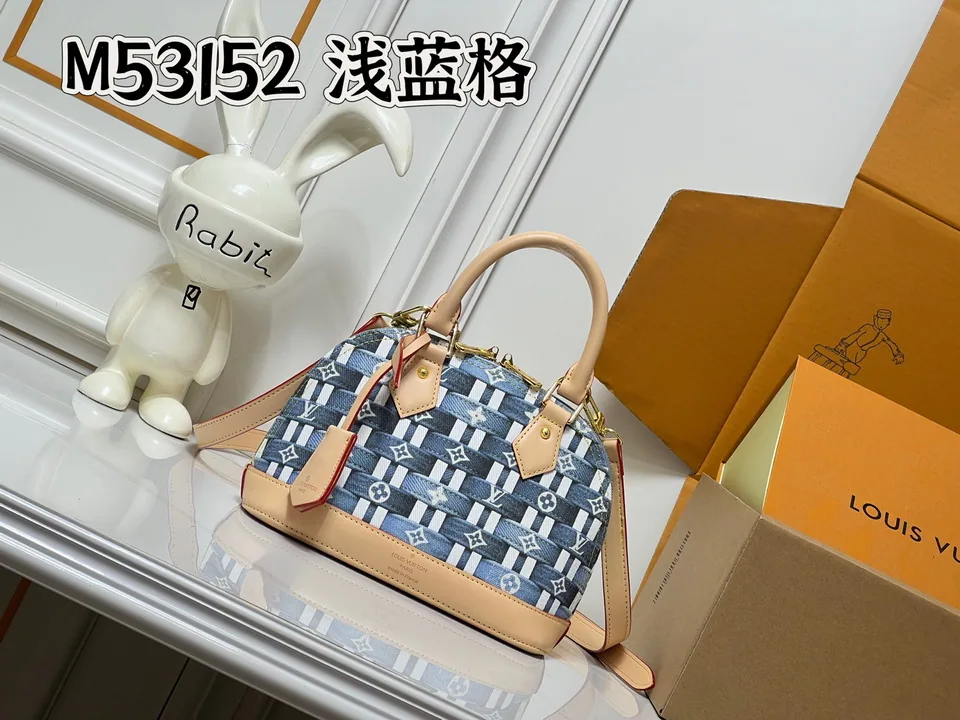
Alma M53152 Top-Handle Bag
SKU M53152View product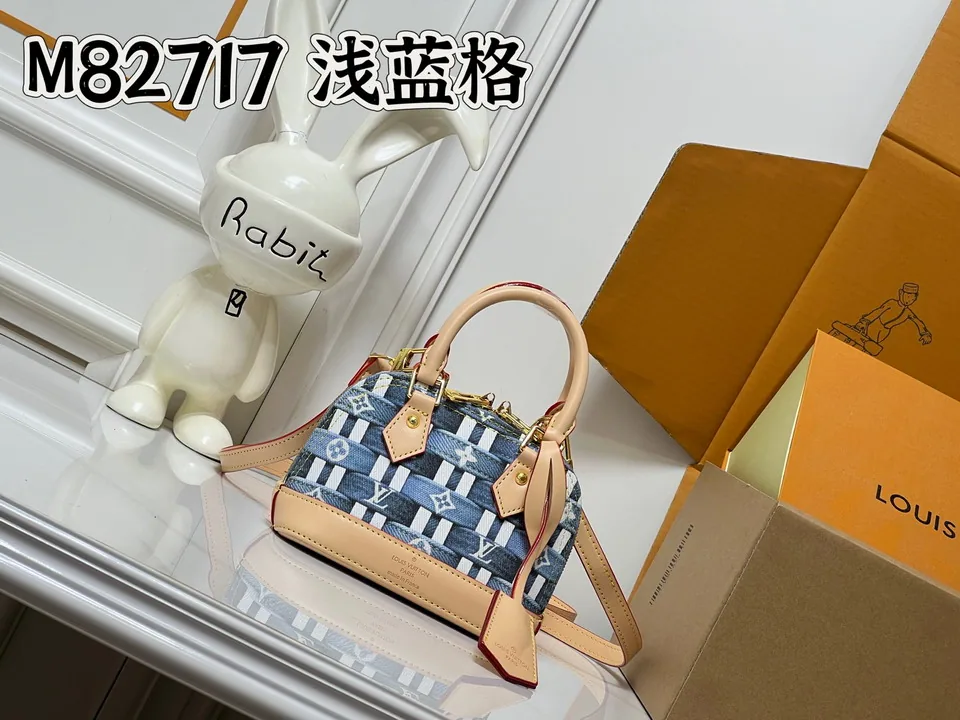
Alma M82717 Top-Handle Bag
SKU M82717View product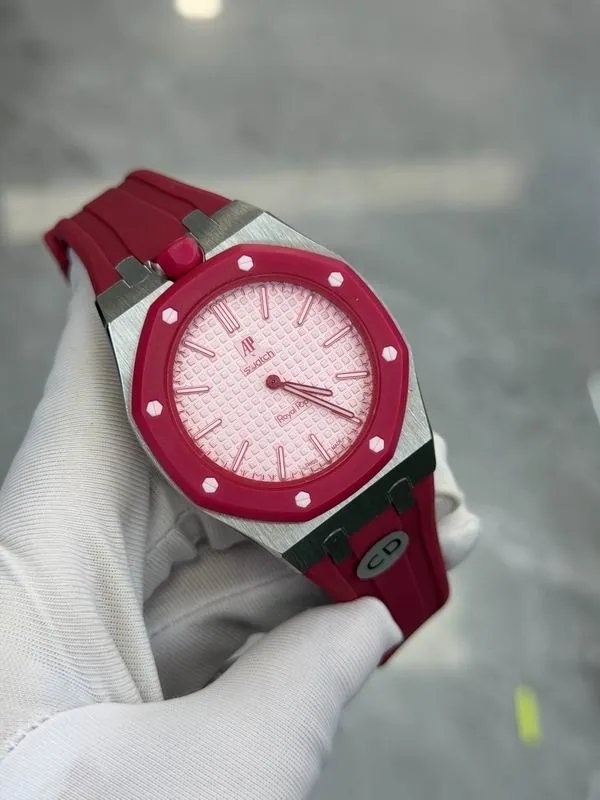
AP 12 Watch
SKU 12View product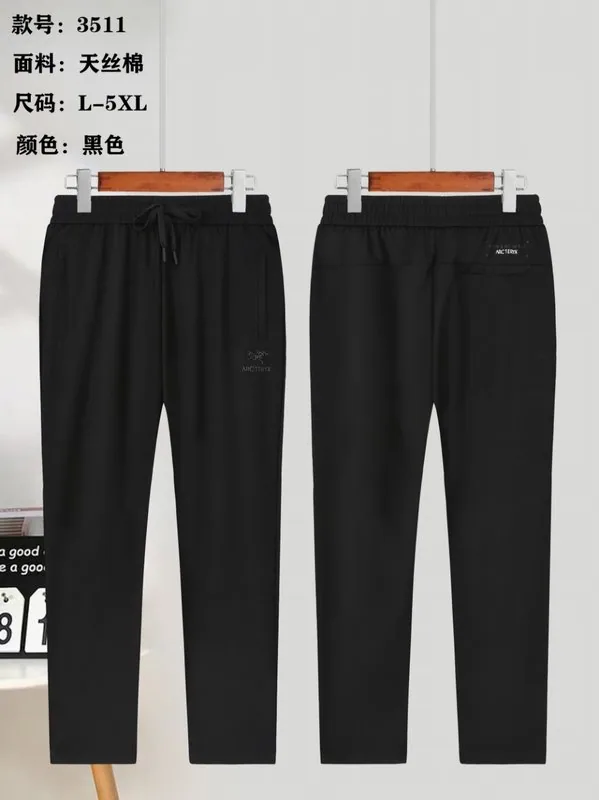
Arcteryx yfx3511 Pants
SKU yfx3511View product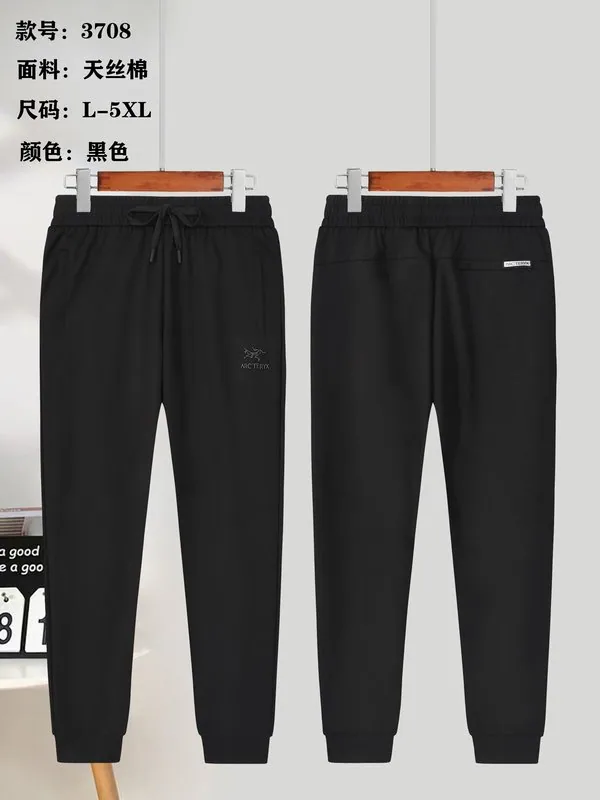
Arcteryx yfx3708 Pants
SKU yfx3708View product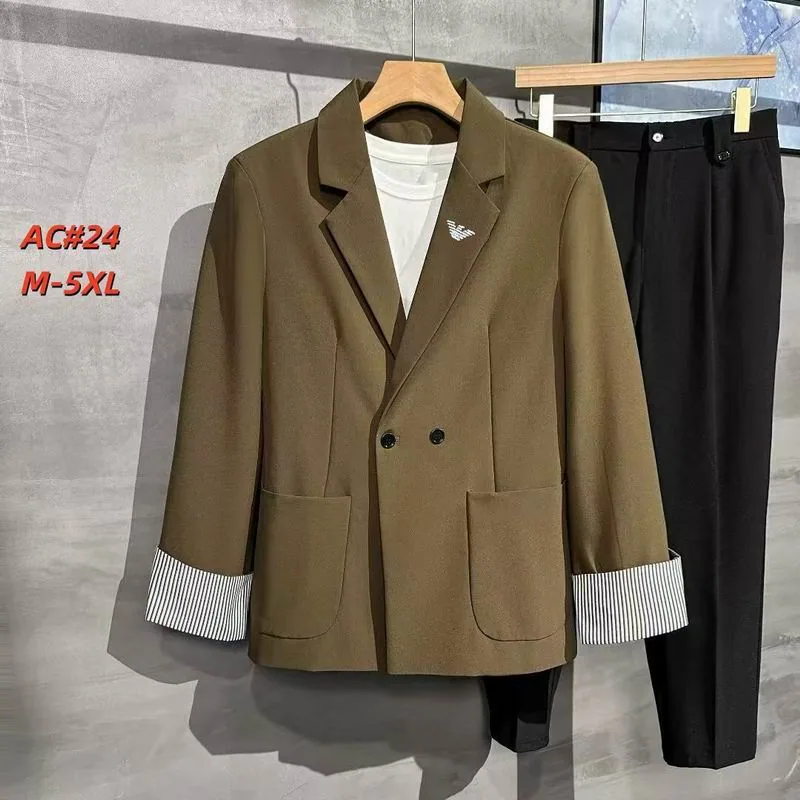
Armani 12yr60 Blazer
SKU 12yr60View product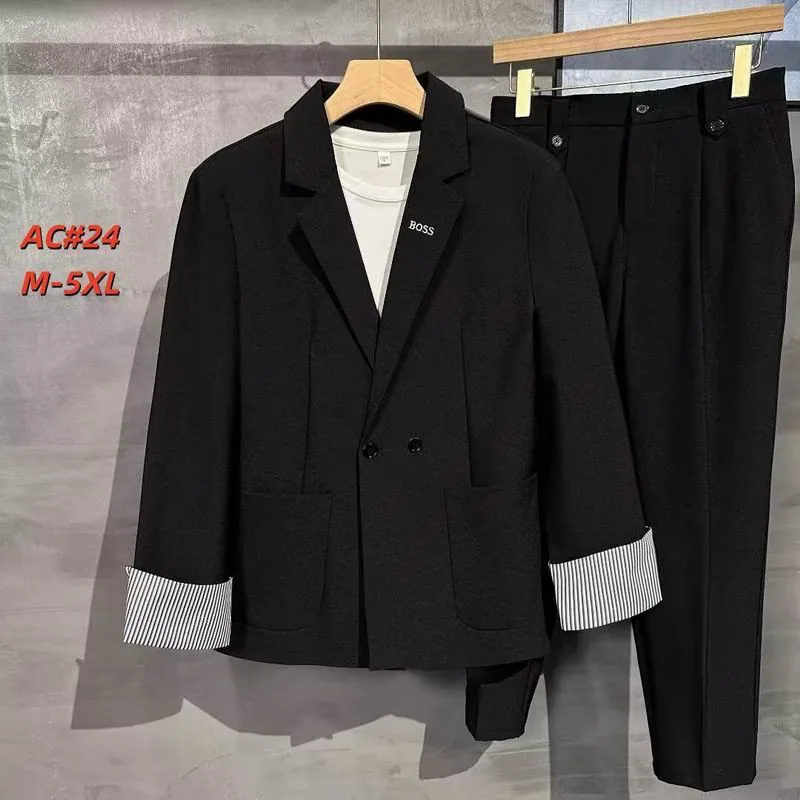
Boss 12yr03 Blazer
SKU 12yr03View product
Boulogne M25519 Hobo Bag
SKU M25519View product
Breitling 54 Watch
SKU 54View product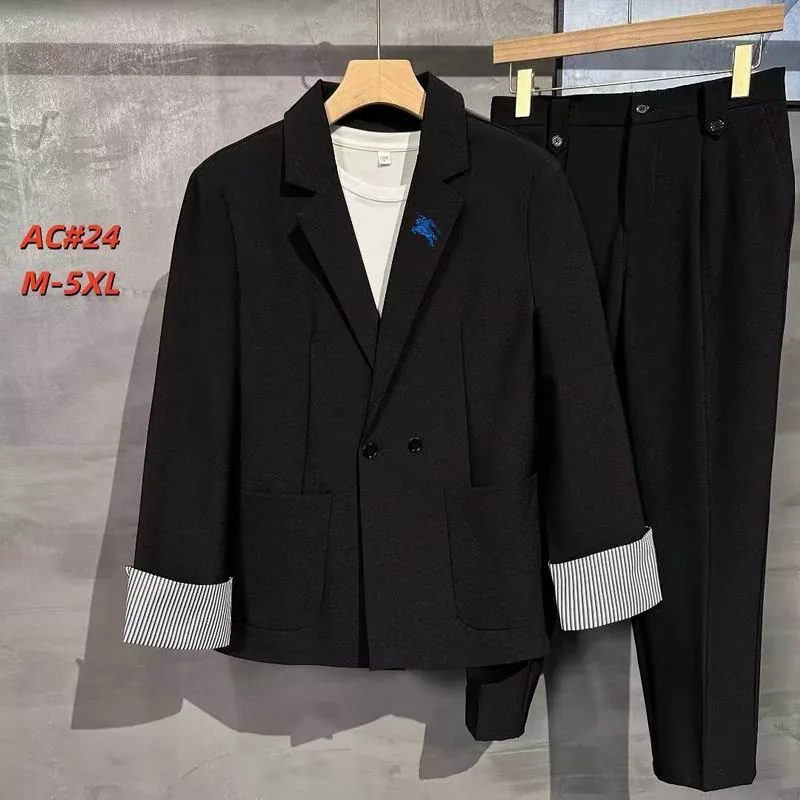
Burberry 12yr224 Blazer
SKU 12yr224View product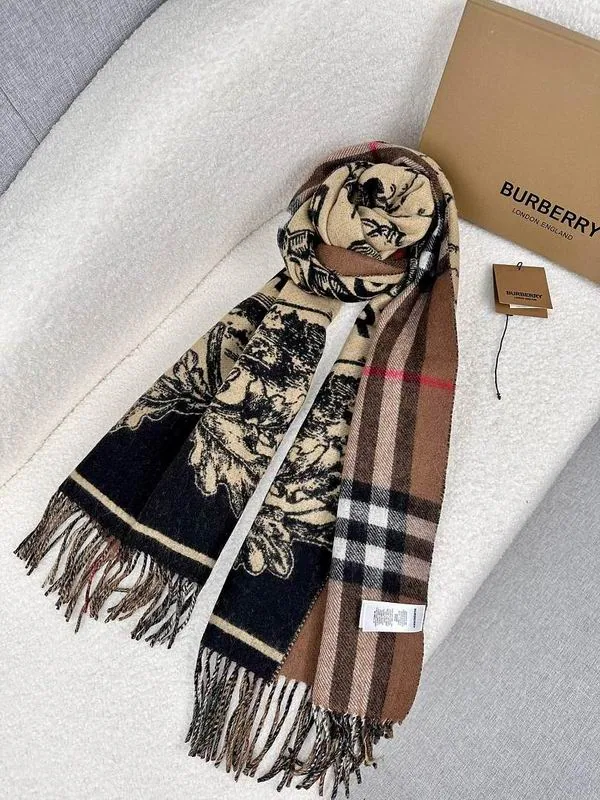
Burberry SRC4178168 Scarf
SKU SRC4178168View product