Finishing details
Accessories
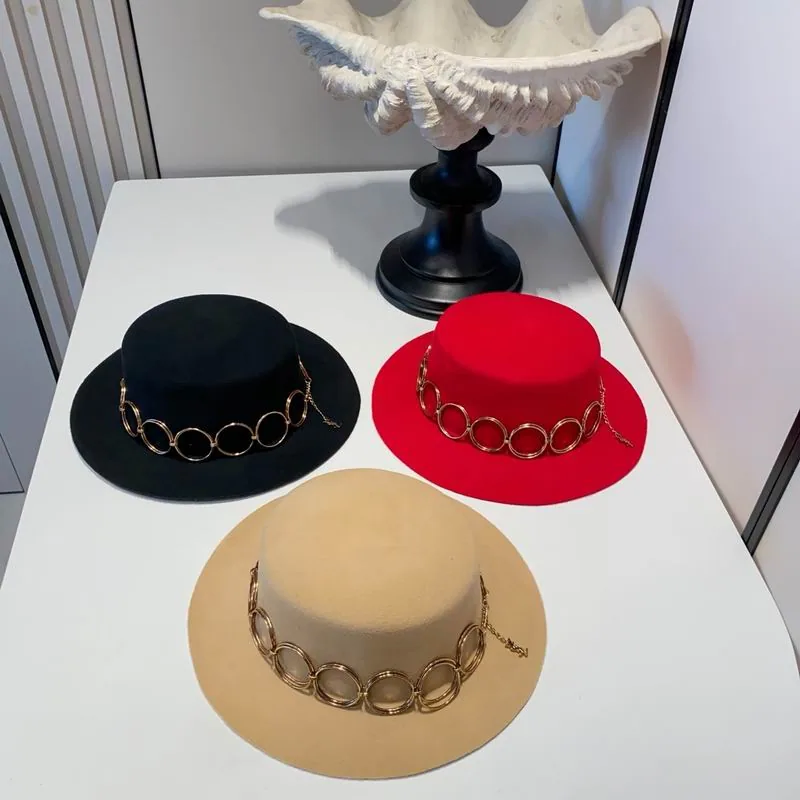
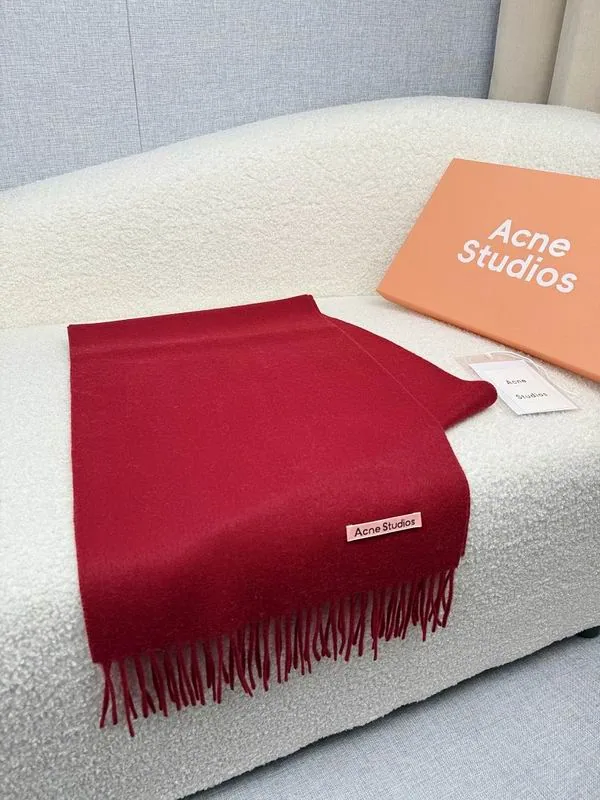
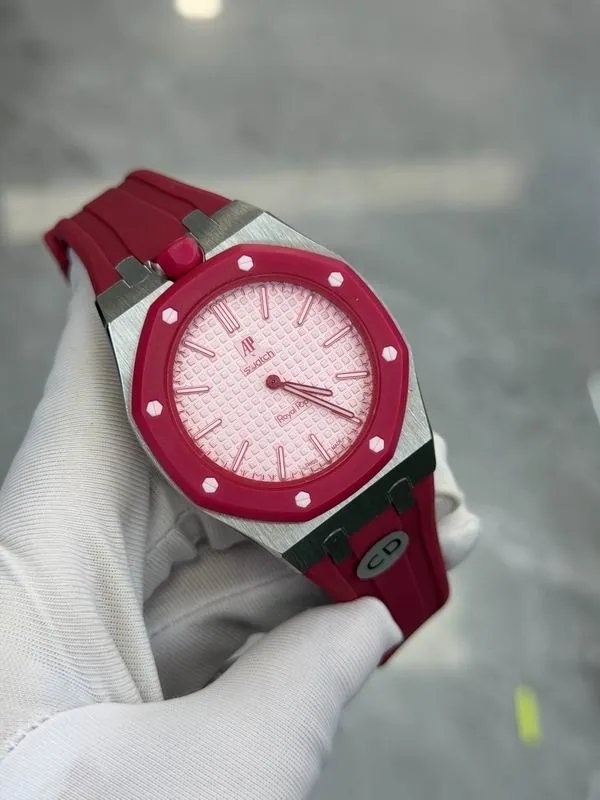
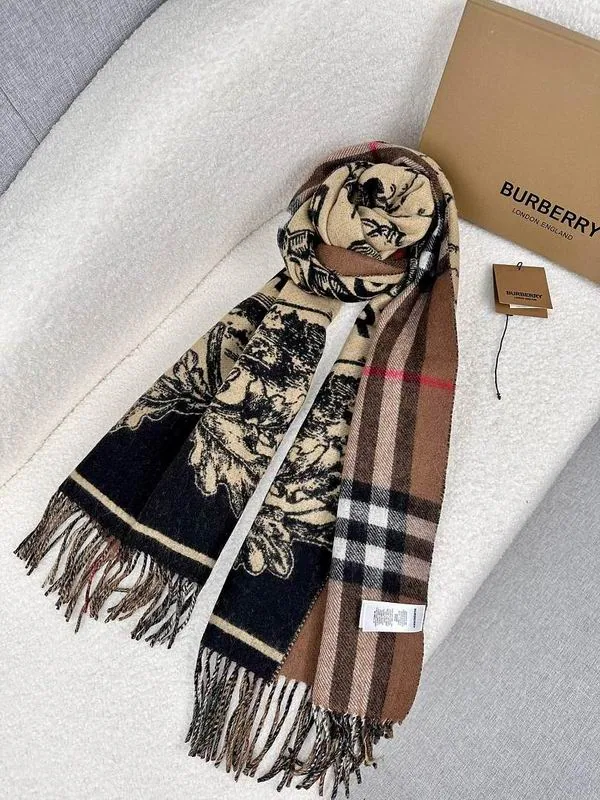
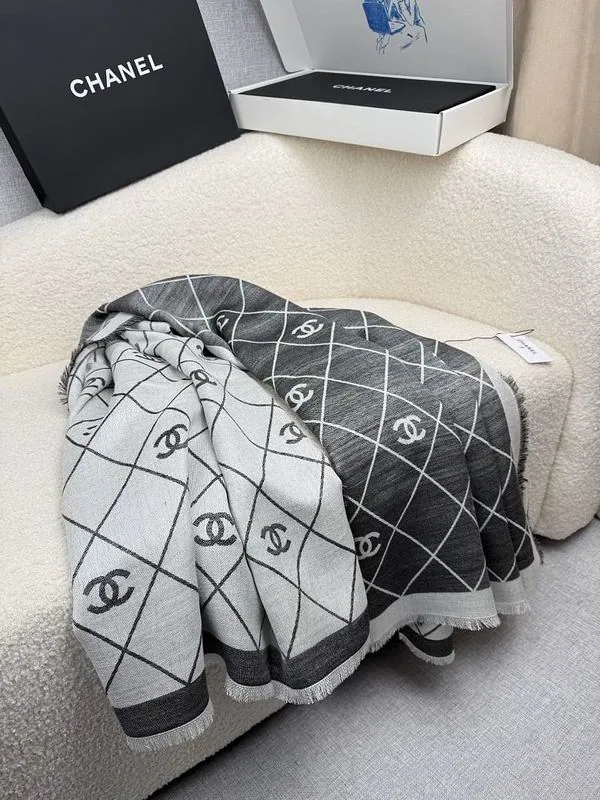
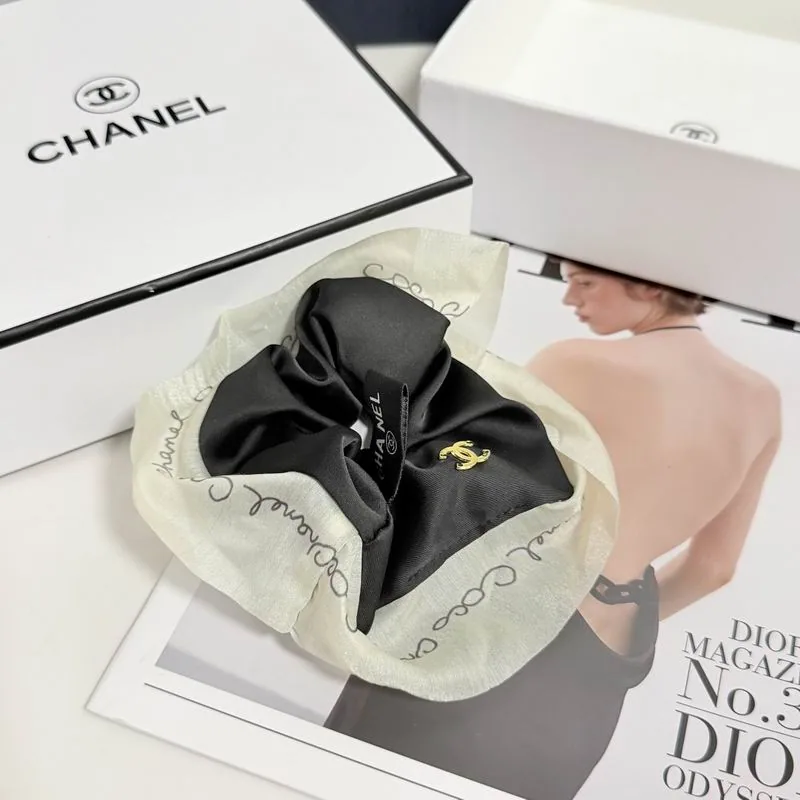
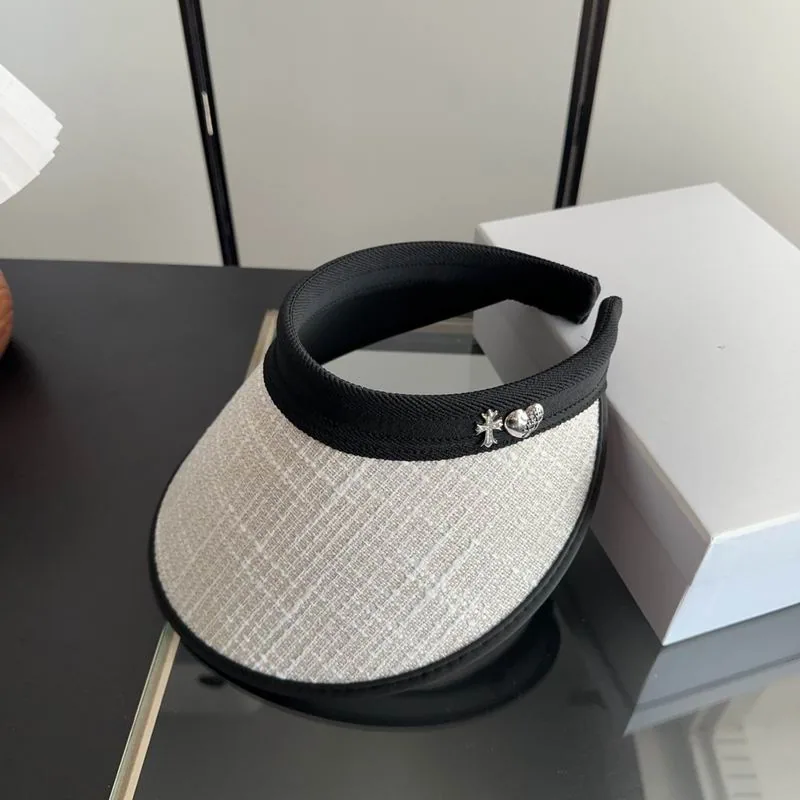
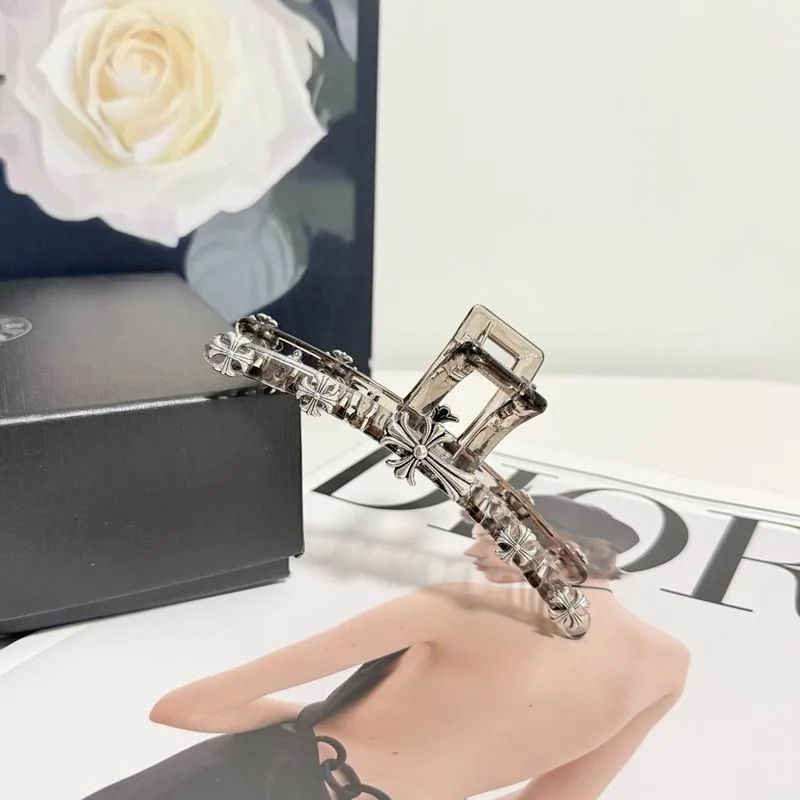
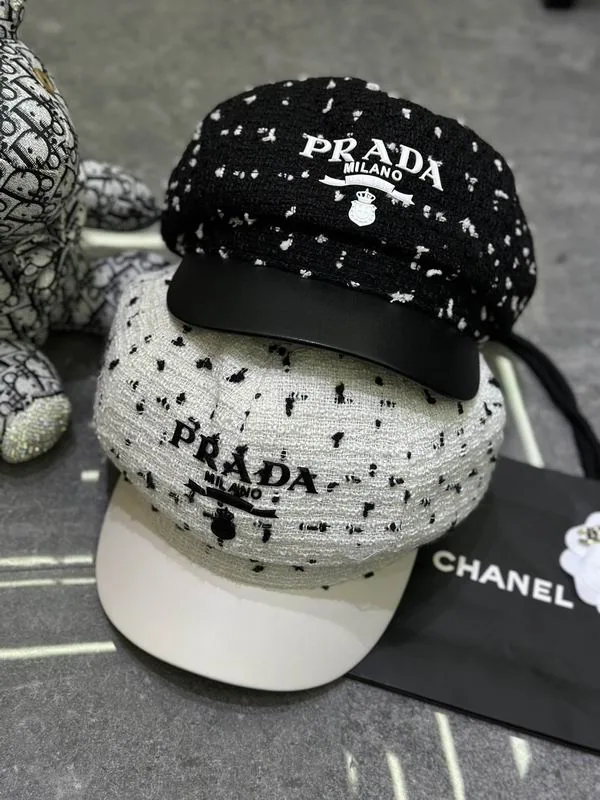
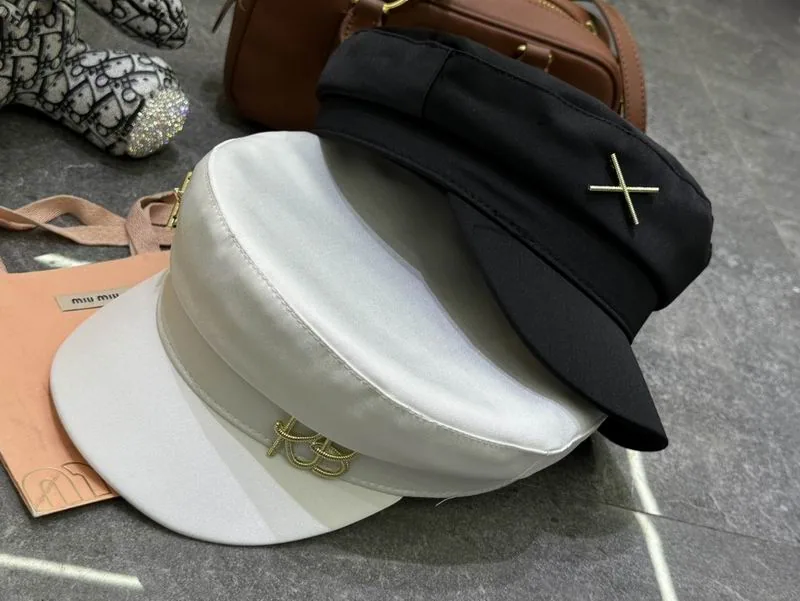
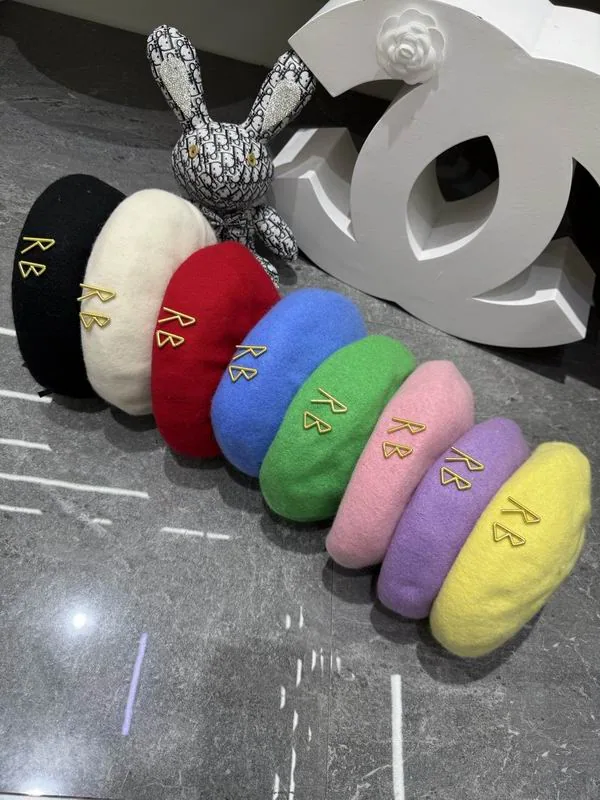
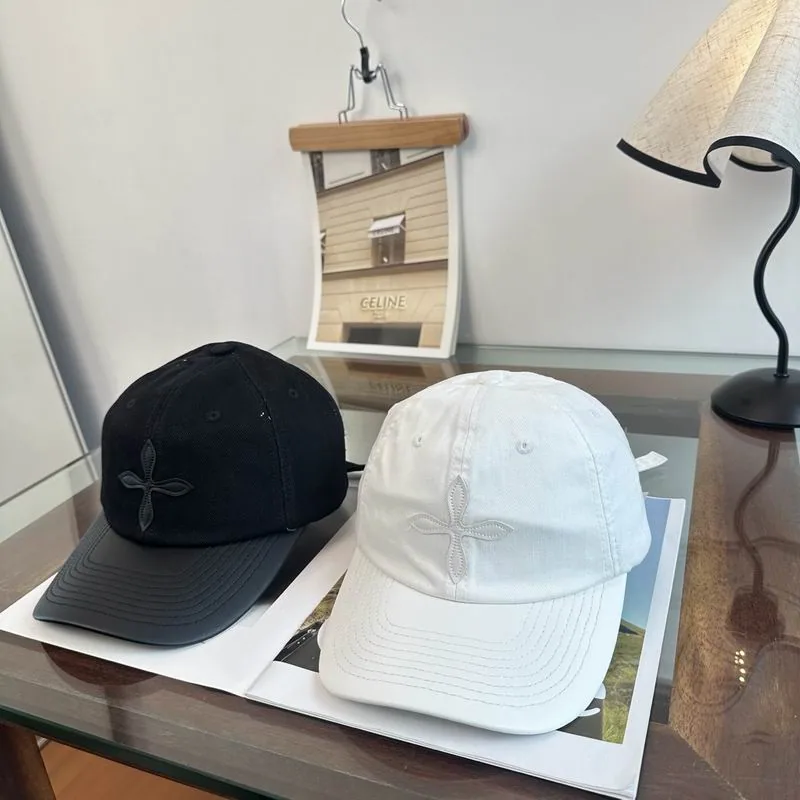
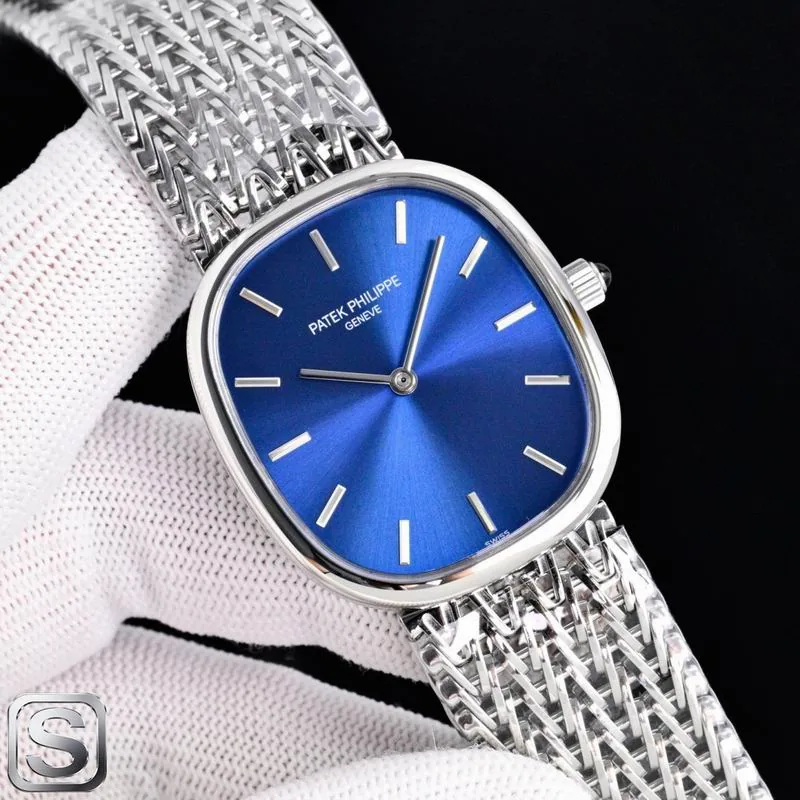
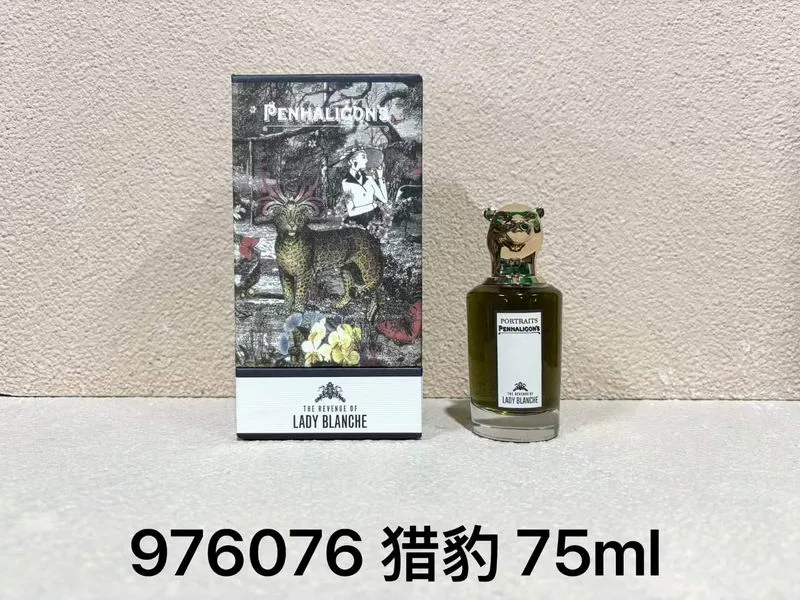
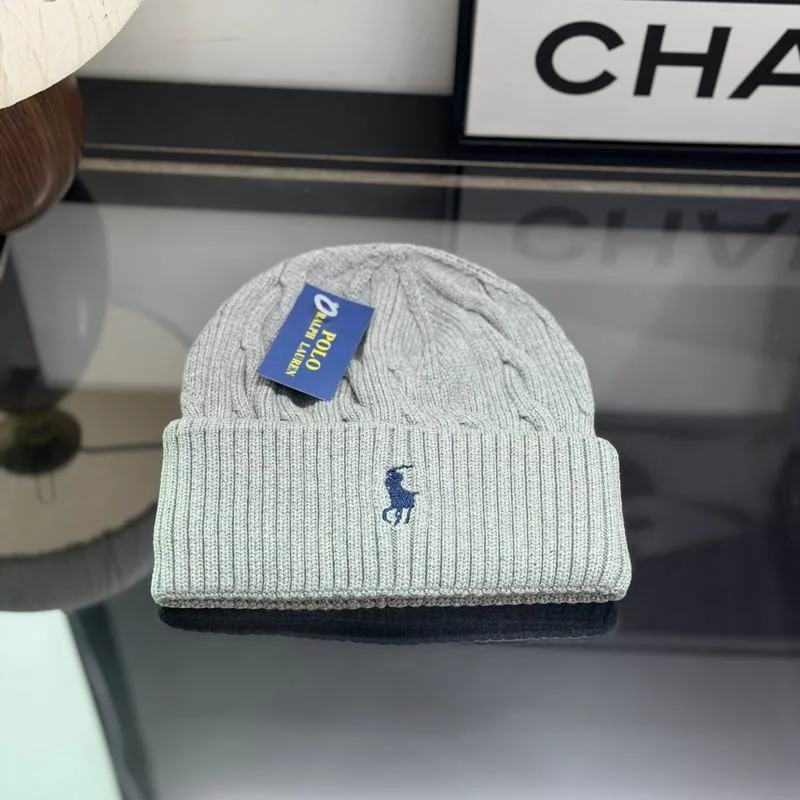
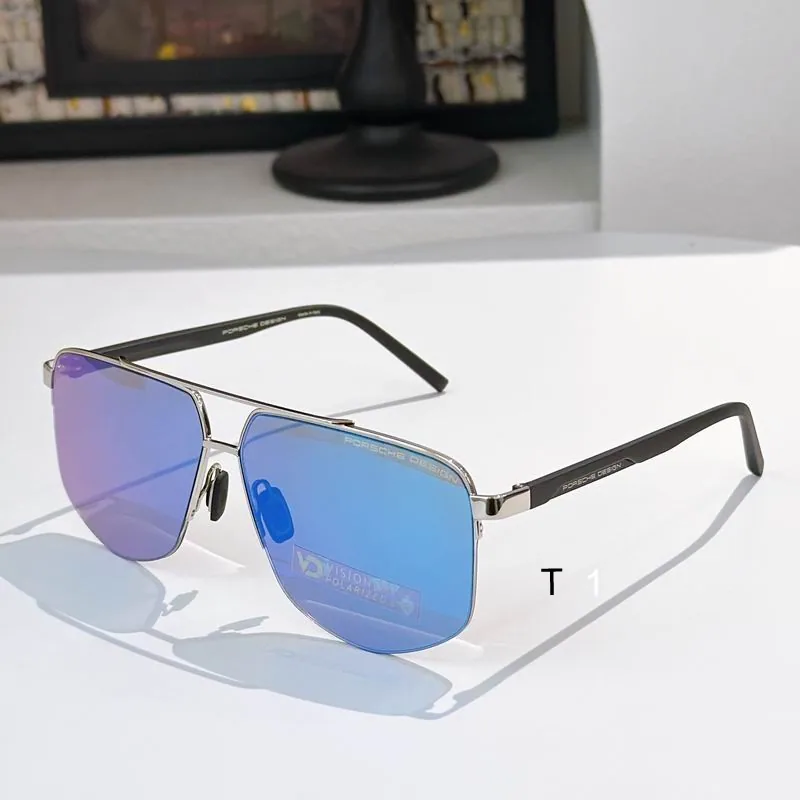
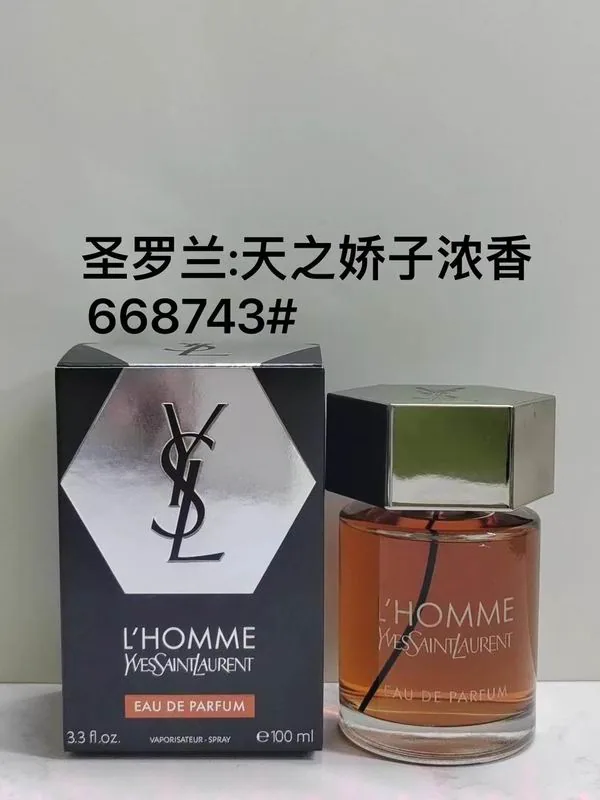
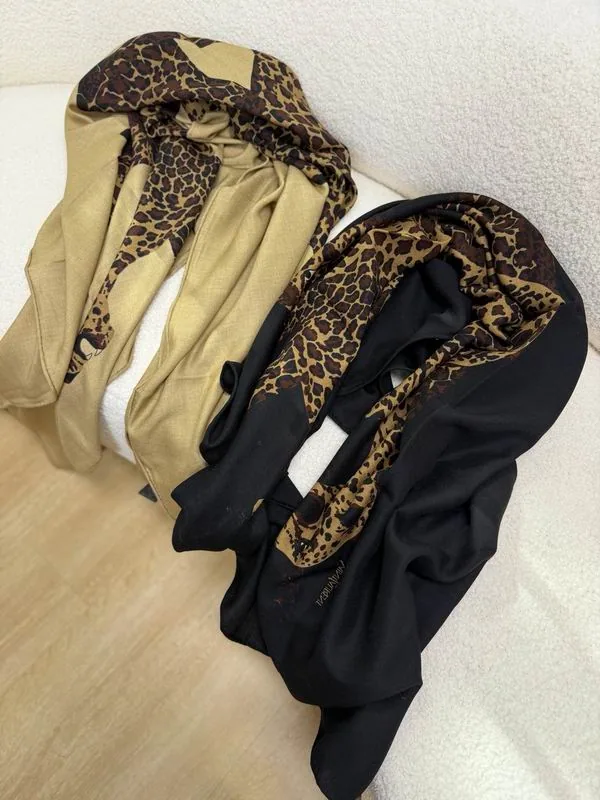
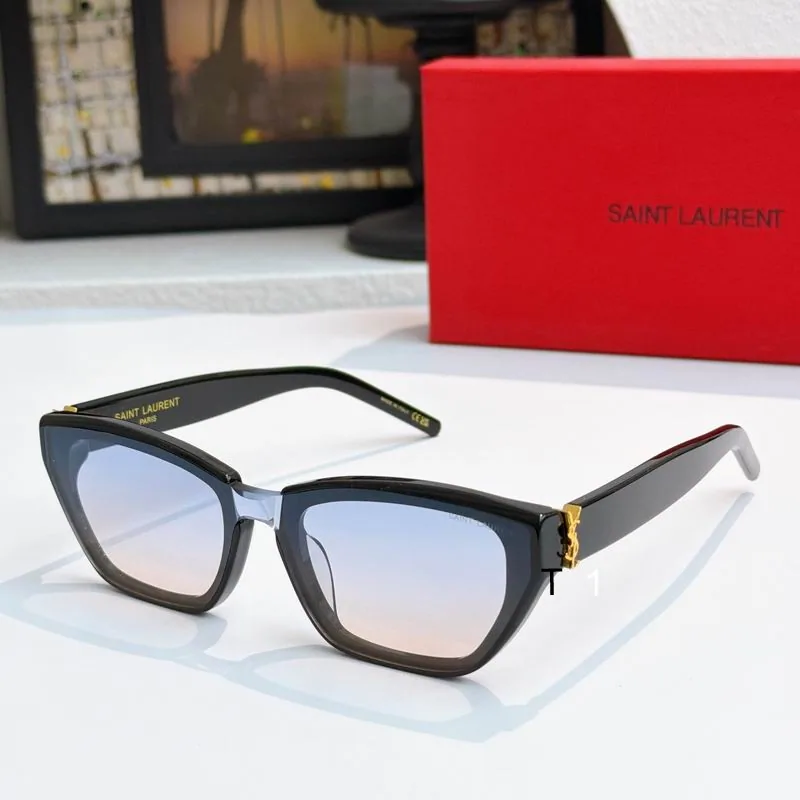
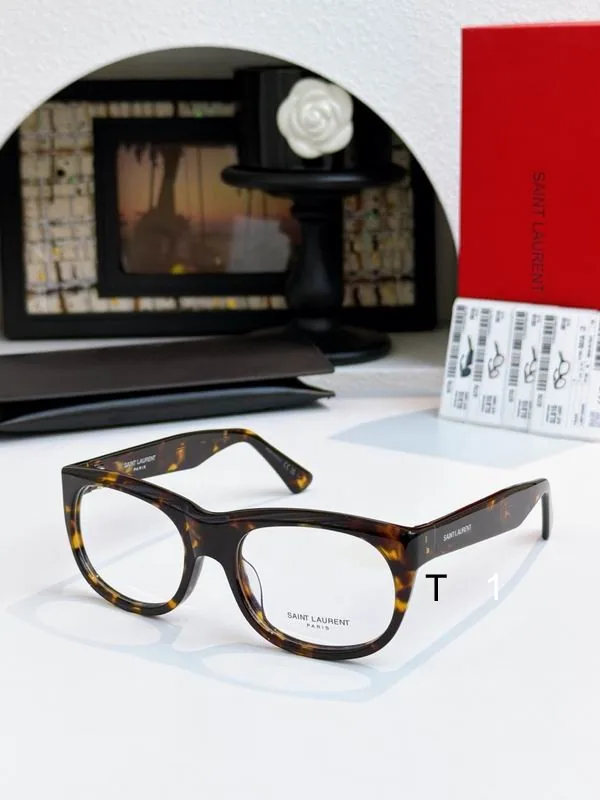
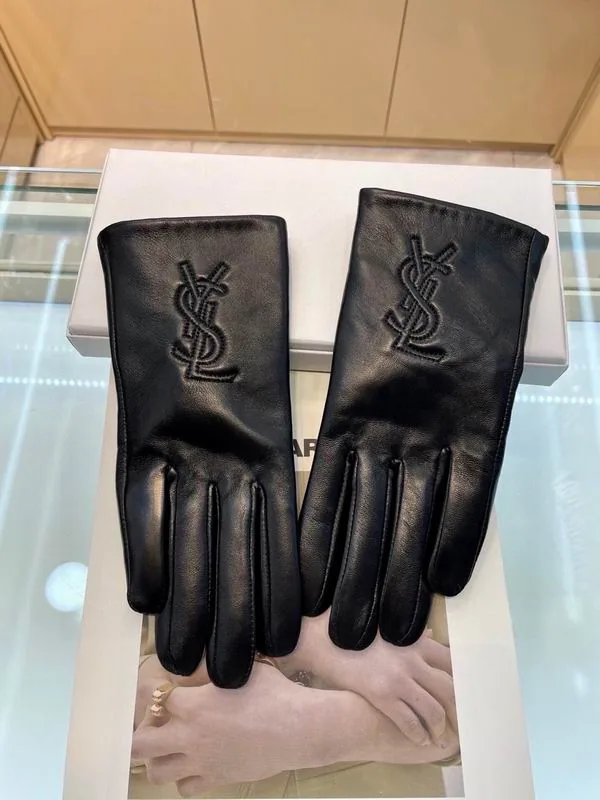
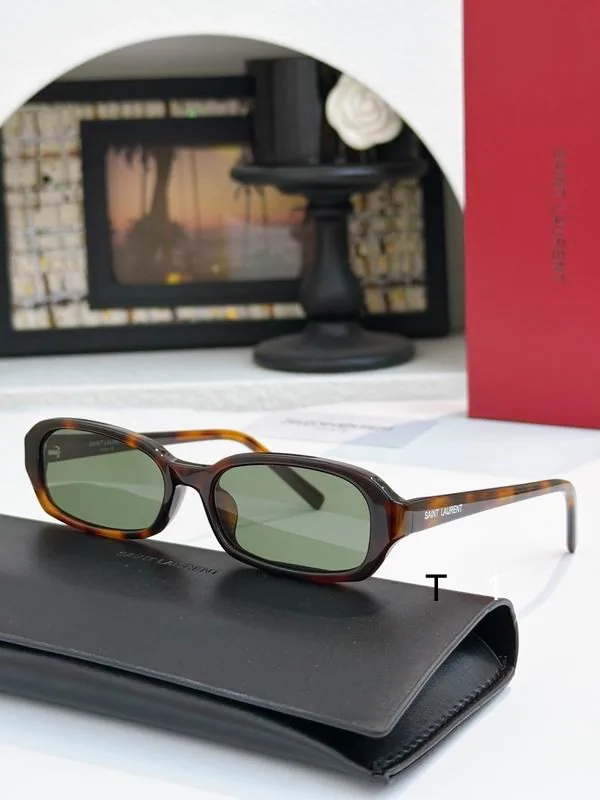
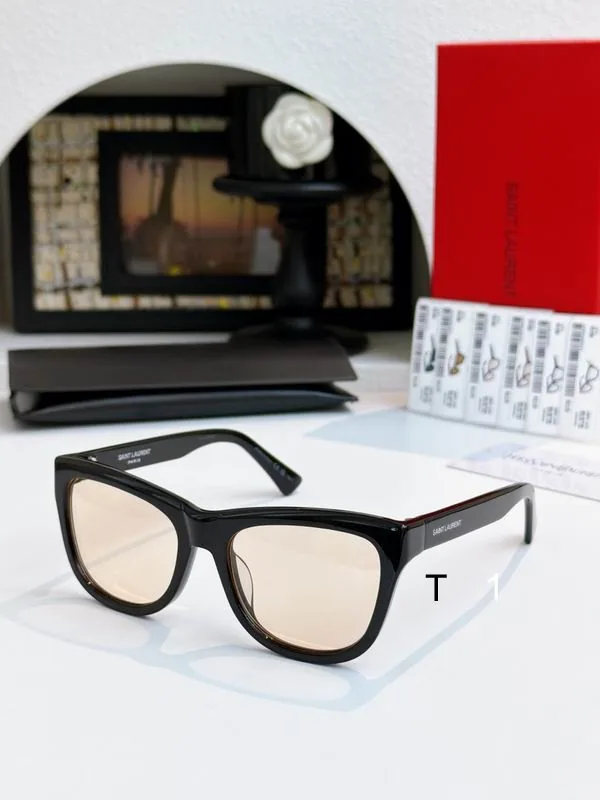
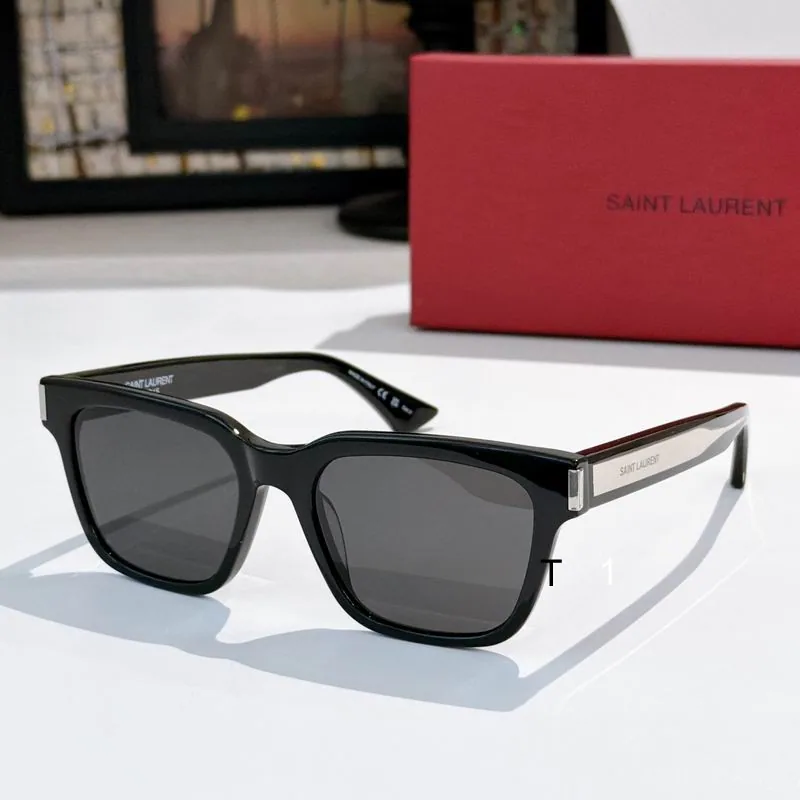
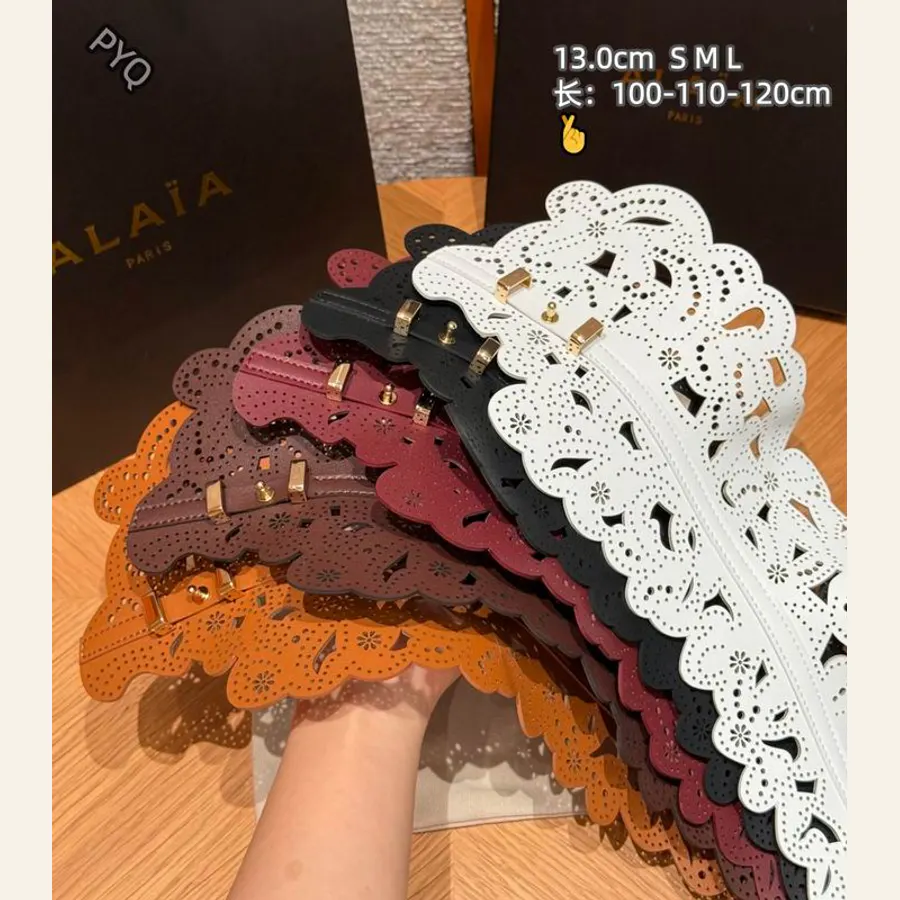
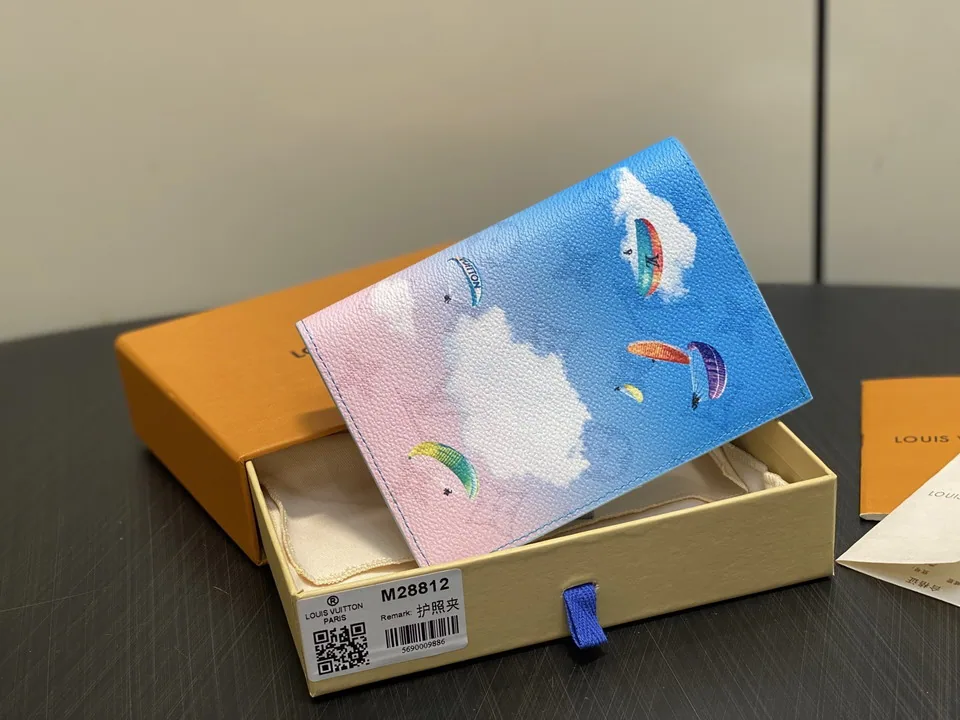
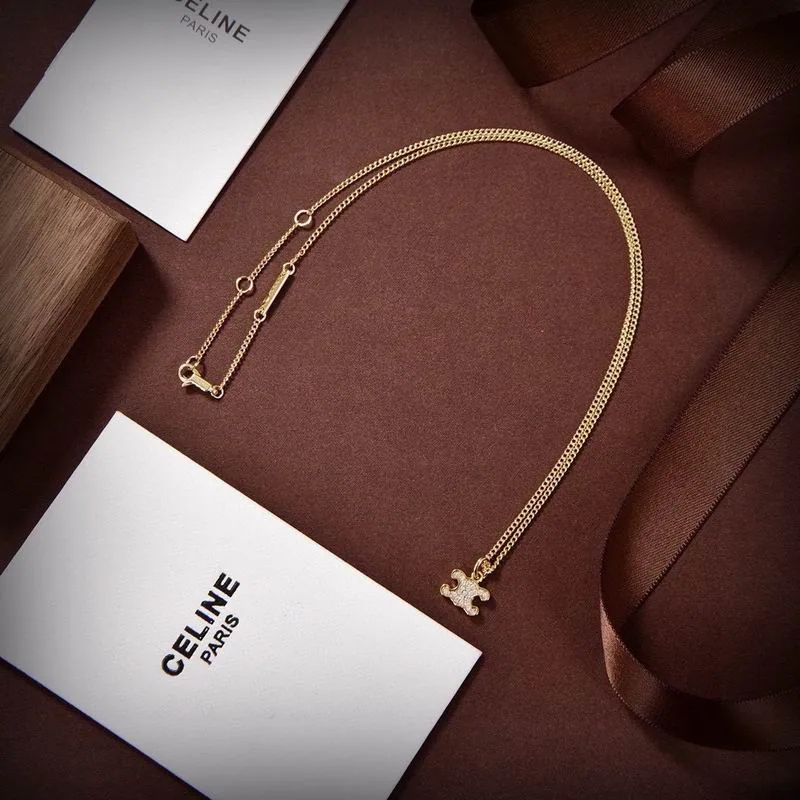
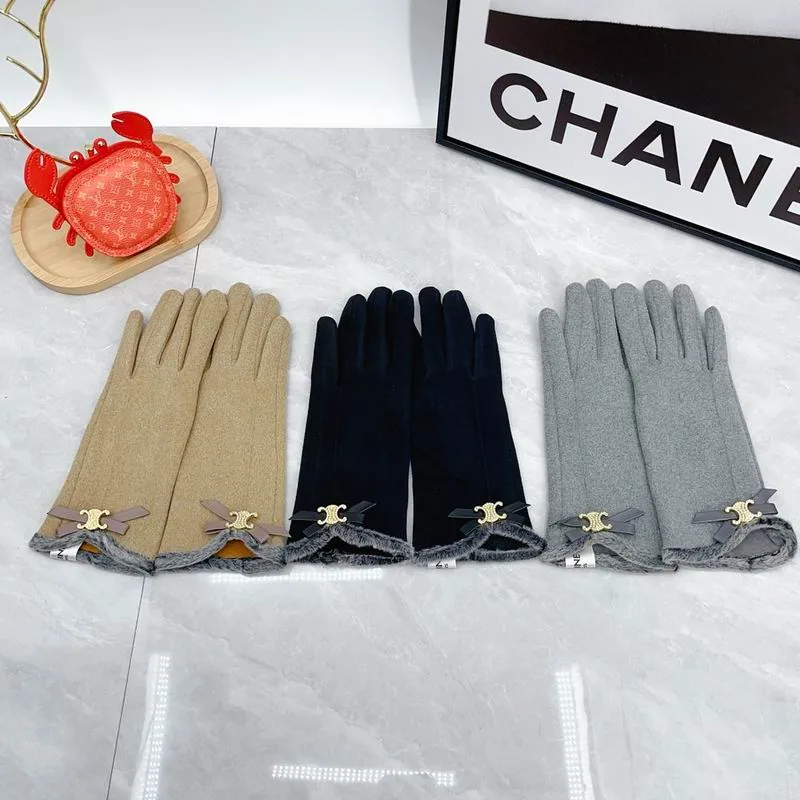
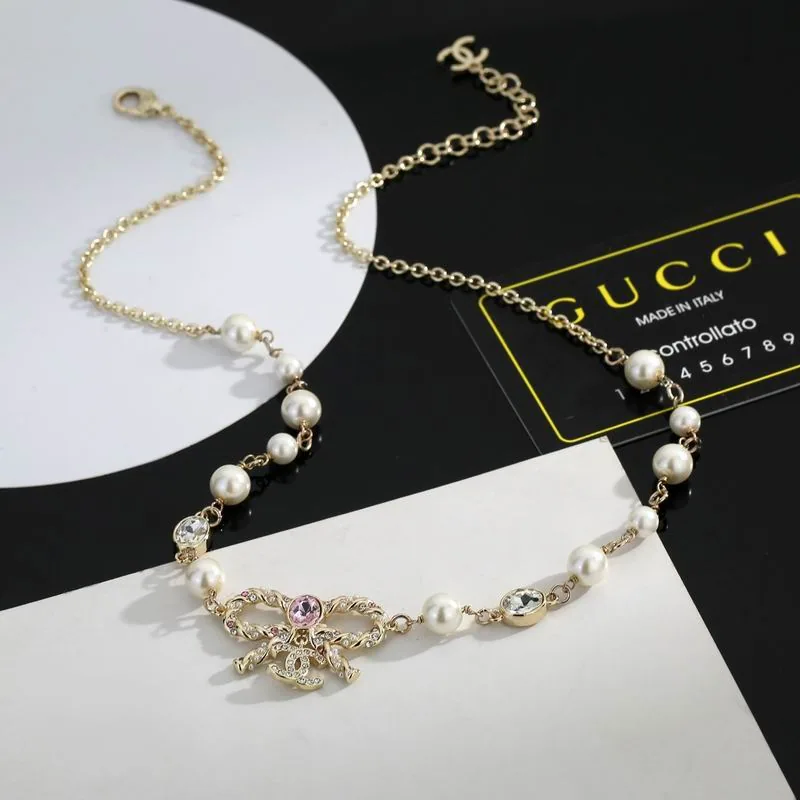
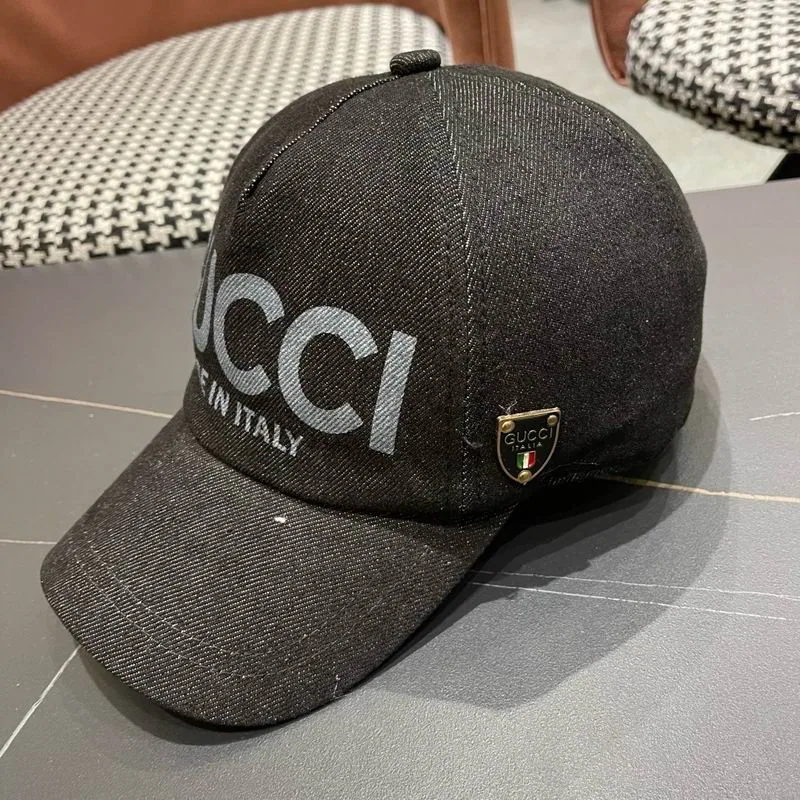
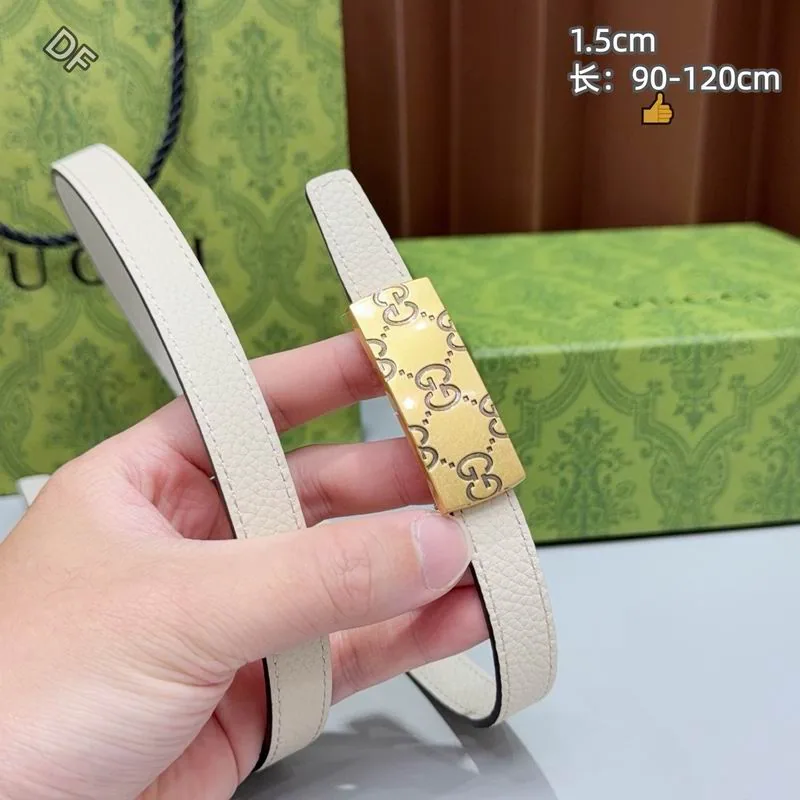
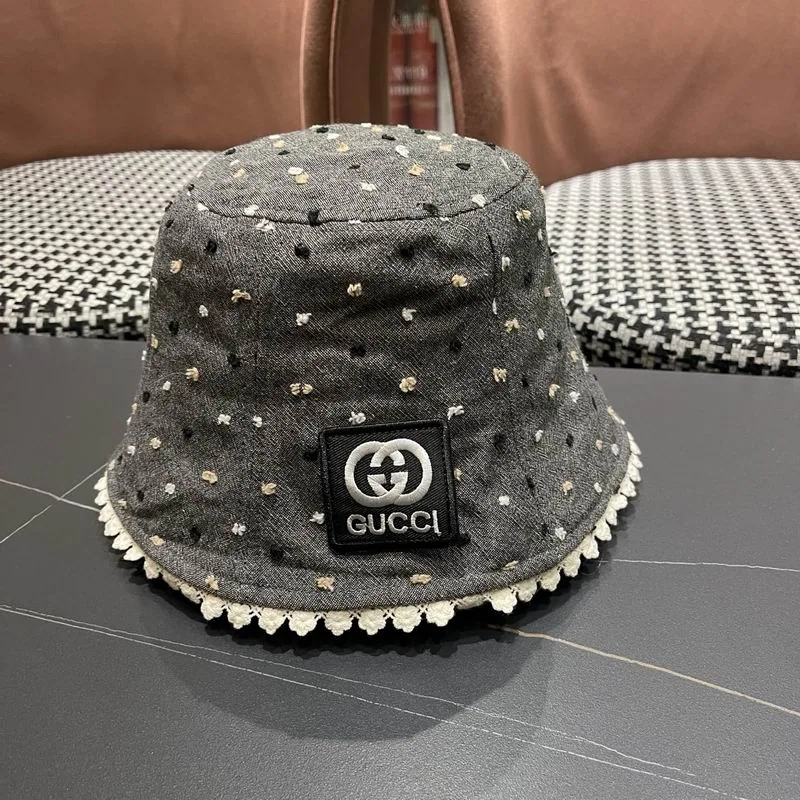
Belts, eyewear, small leather goods, scarves, hats, jewelry-like details, and other finishing pieces organized by function, scale, material, and wardrobe role.
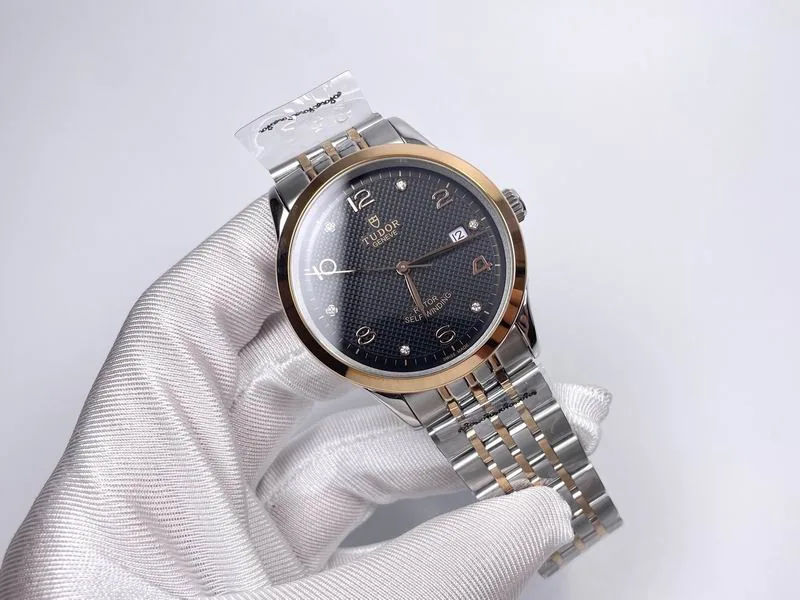
Use function to narrow the category
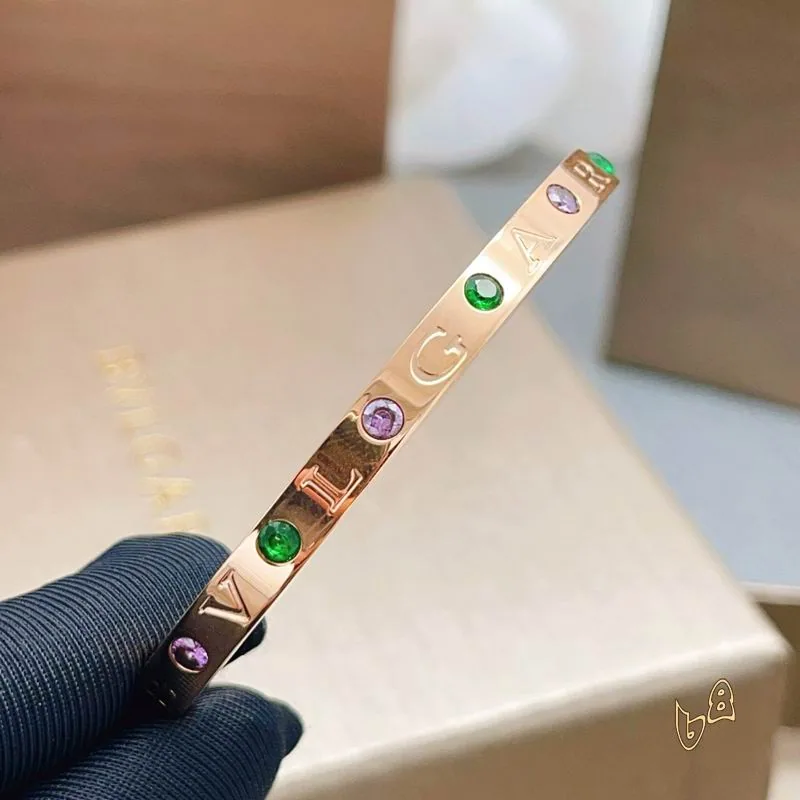
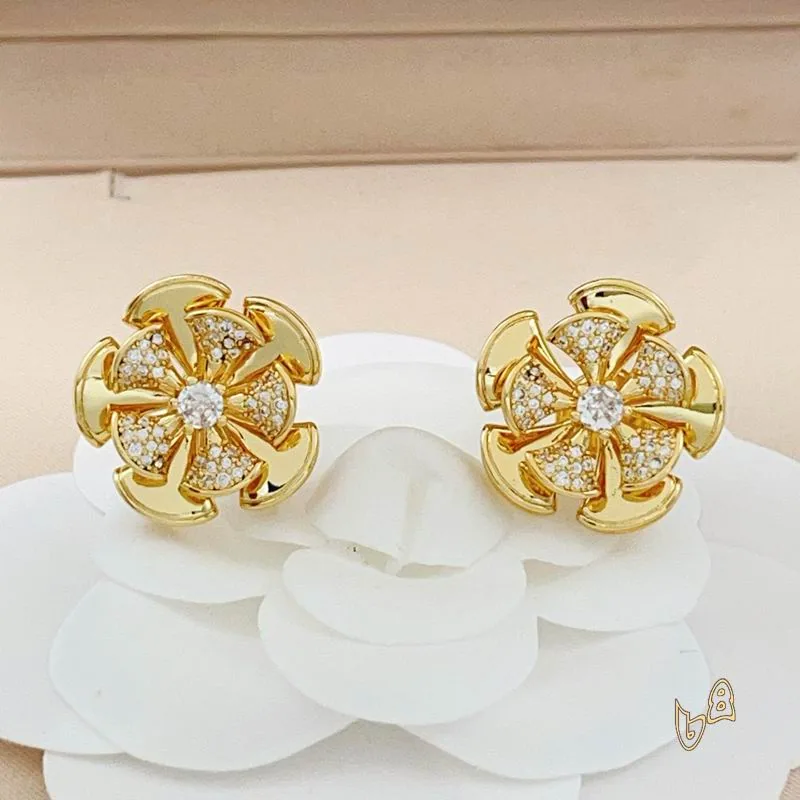
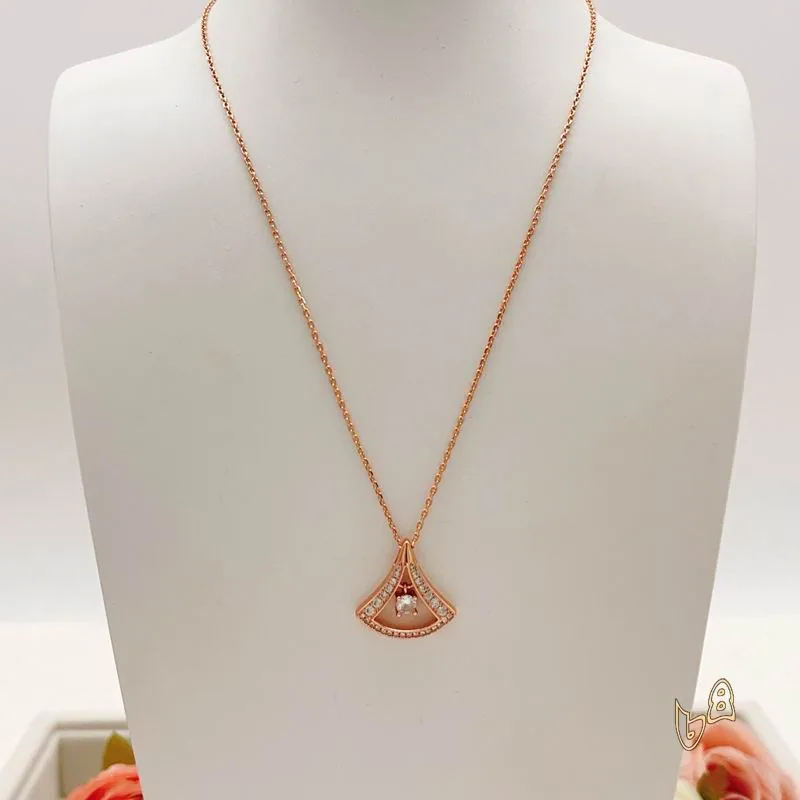
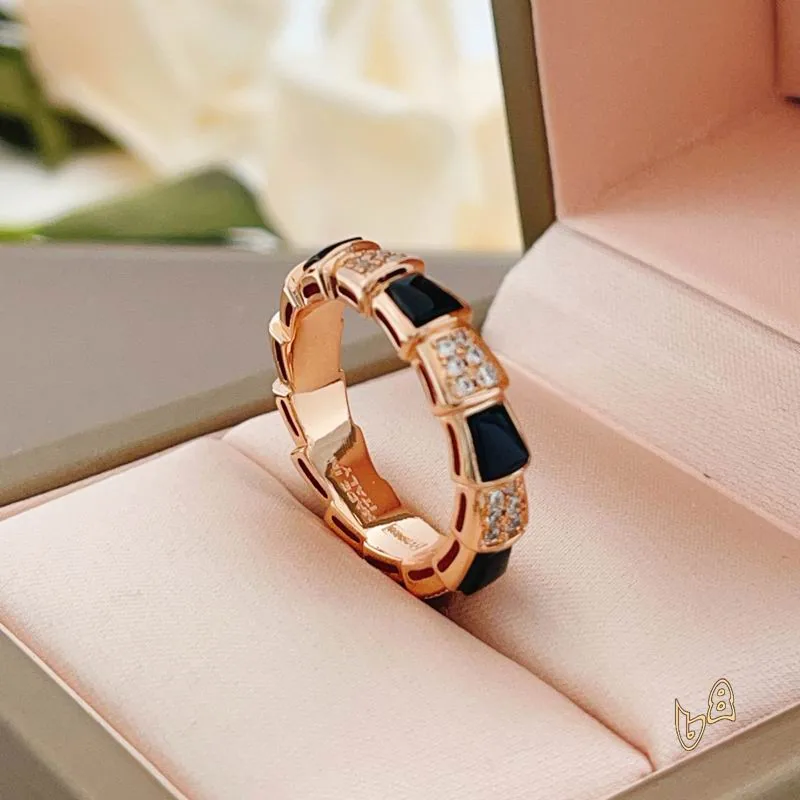
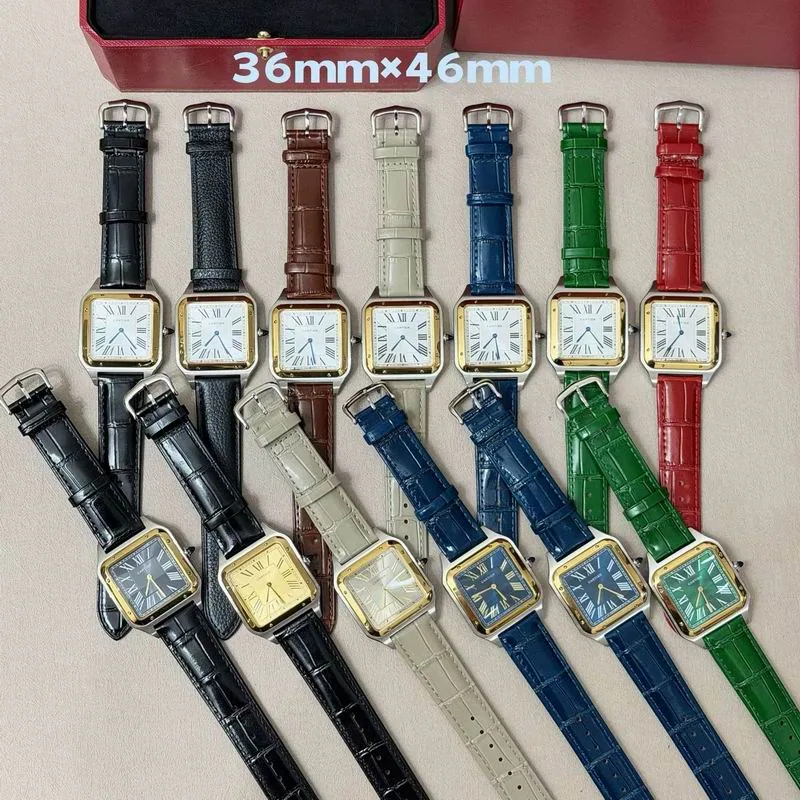
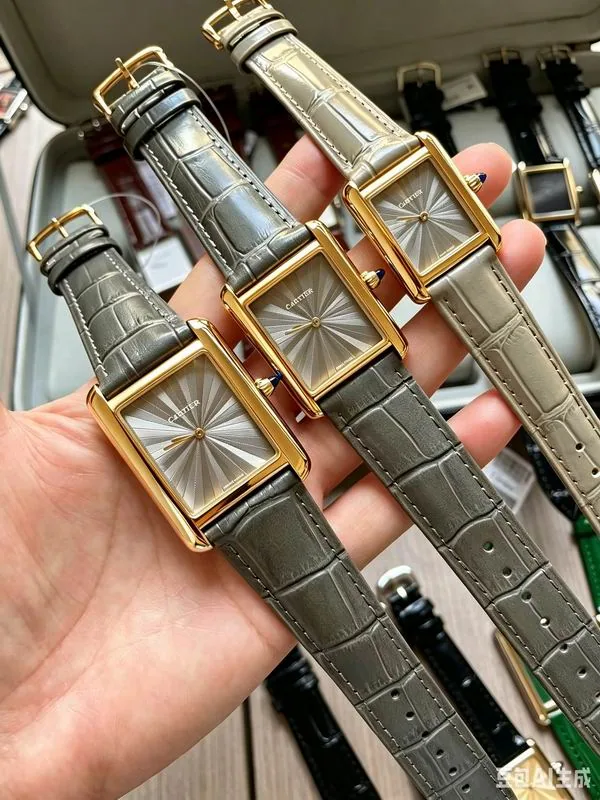
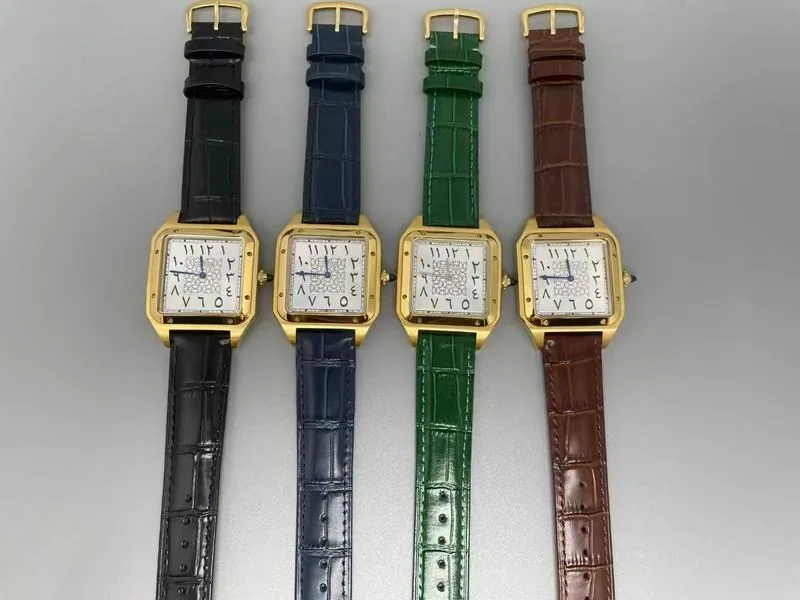
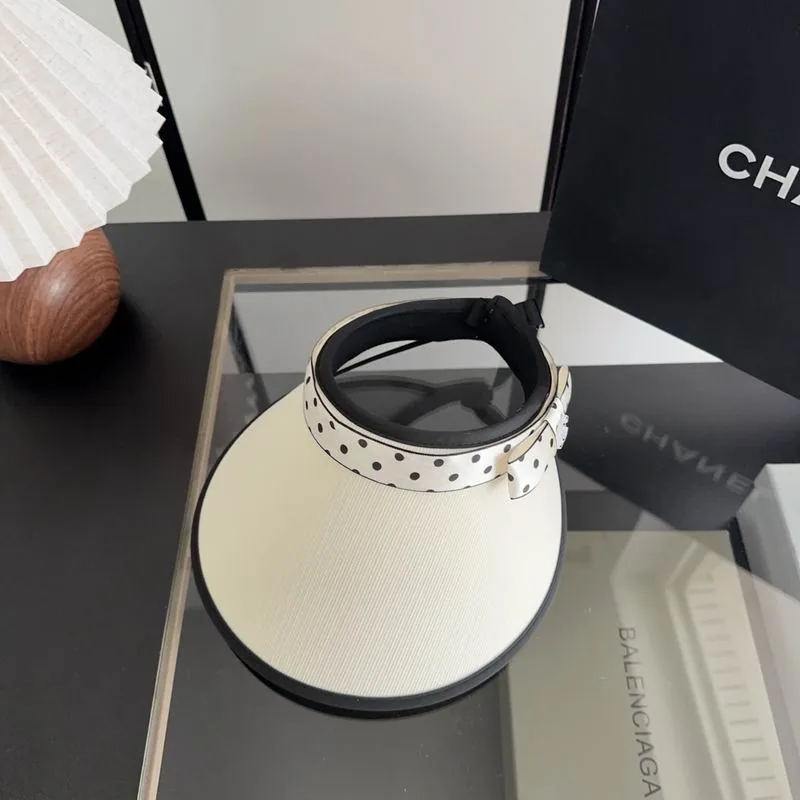
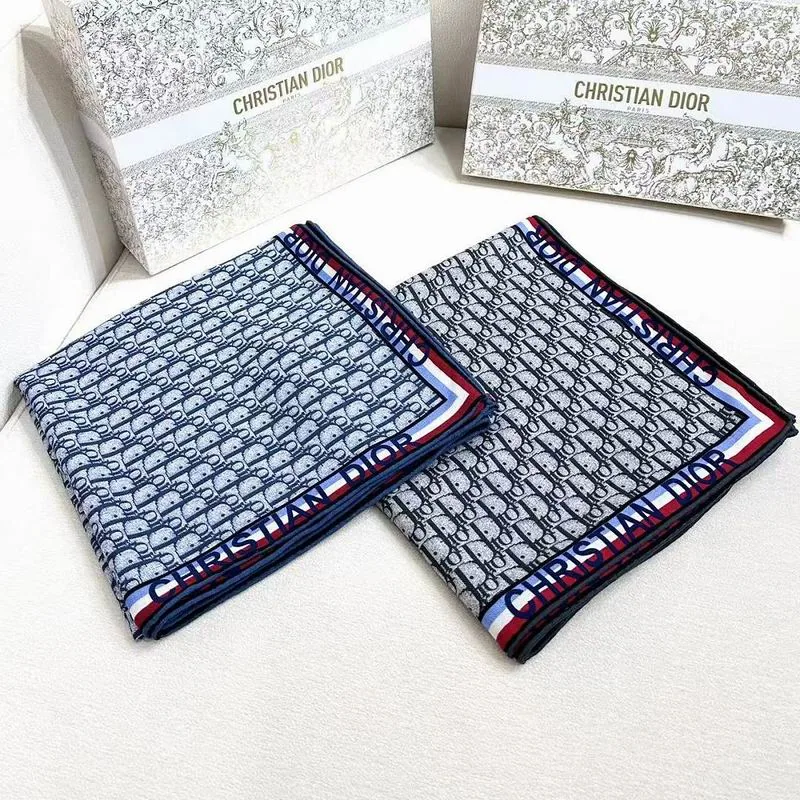
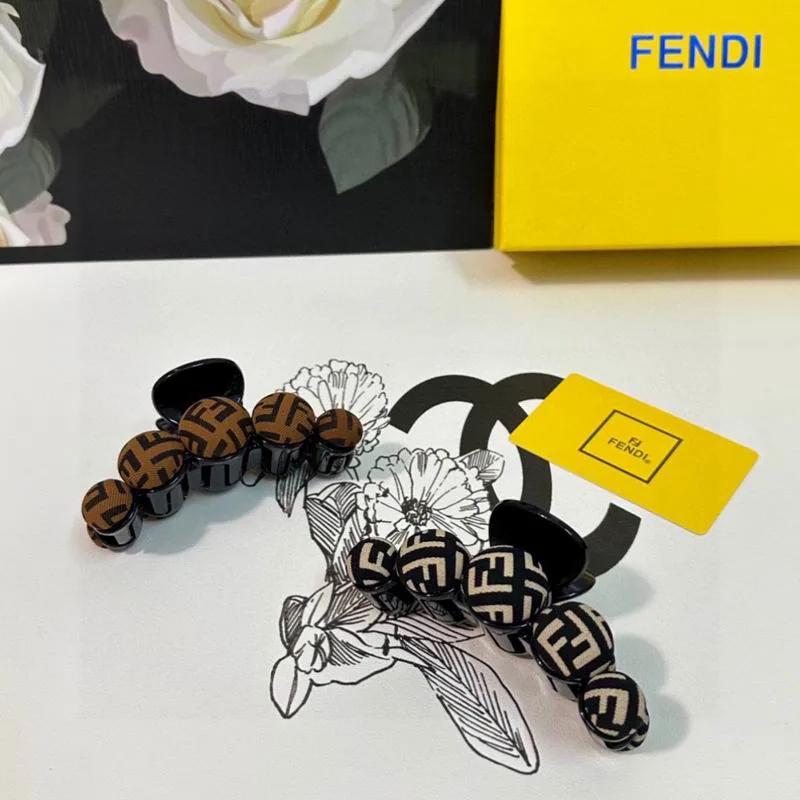
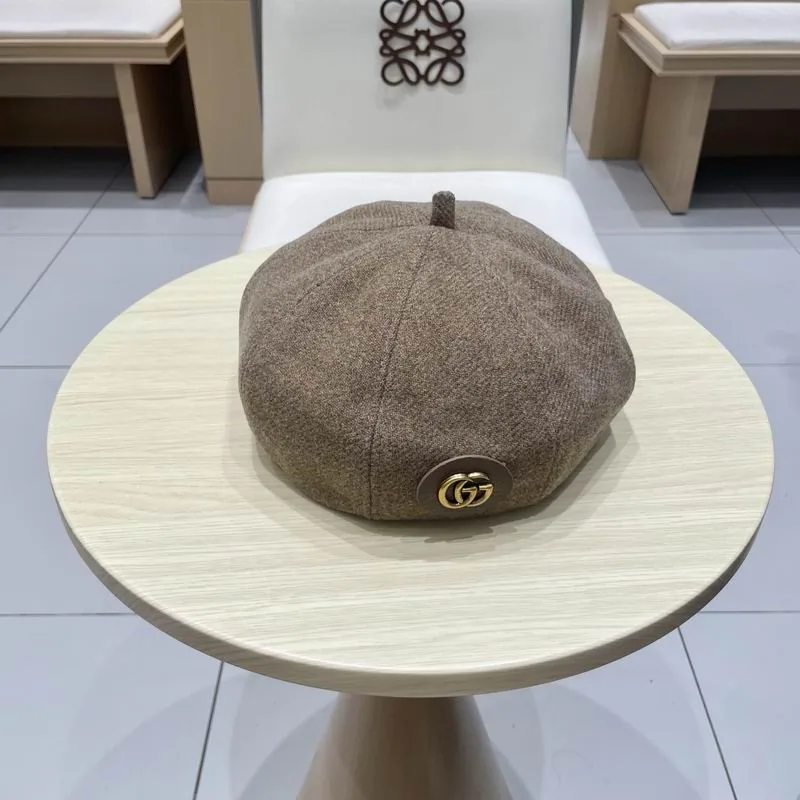
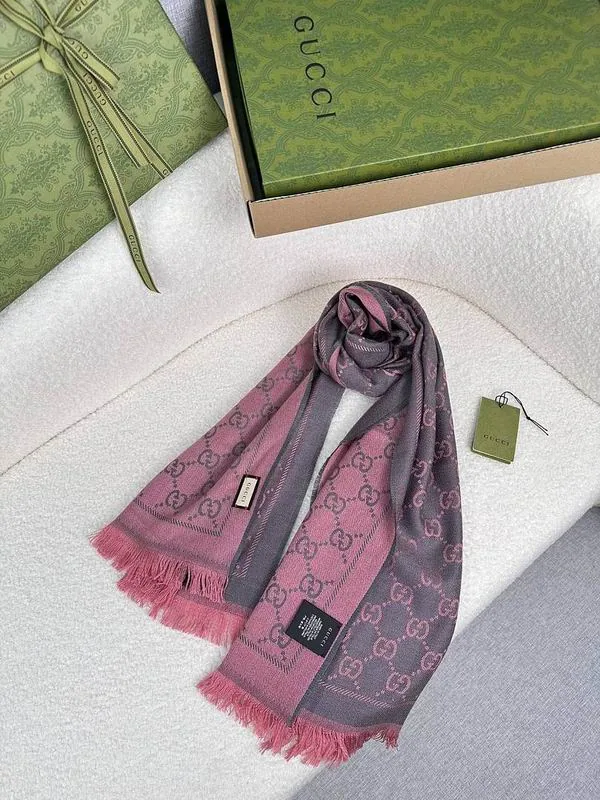
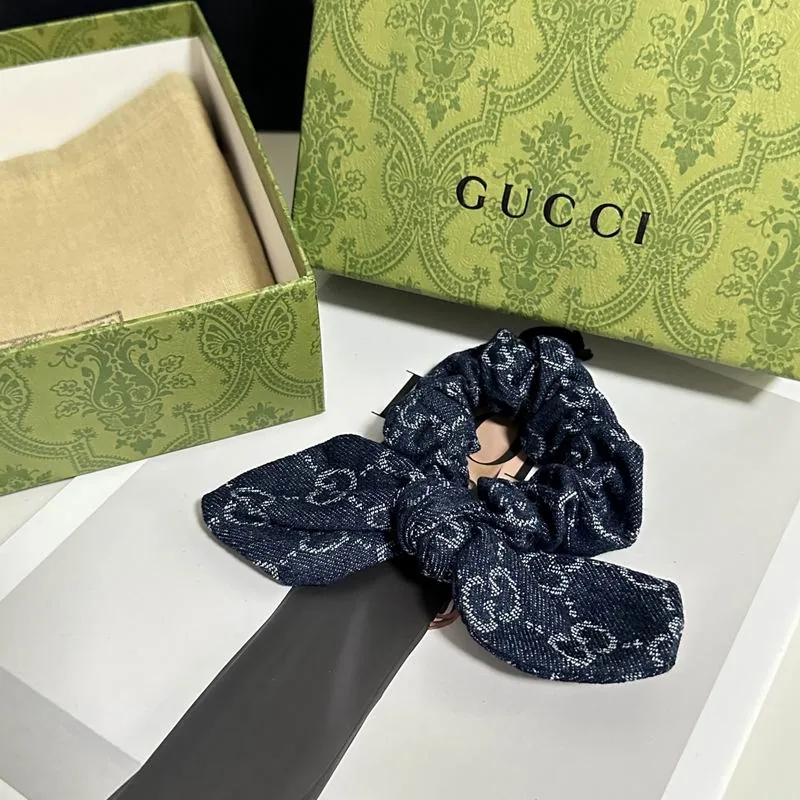
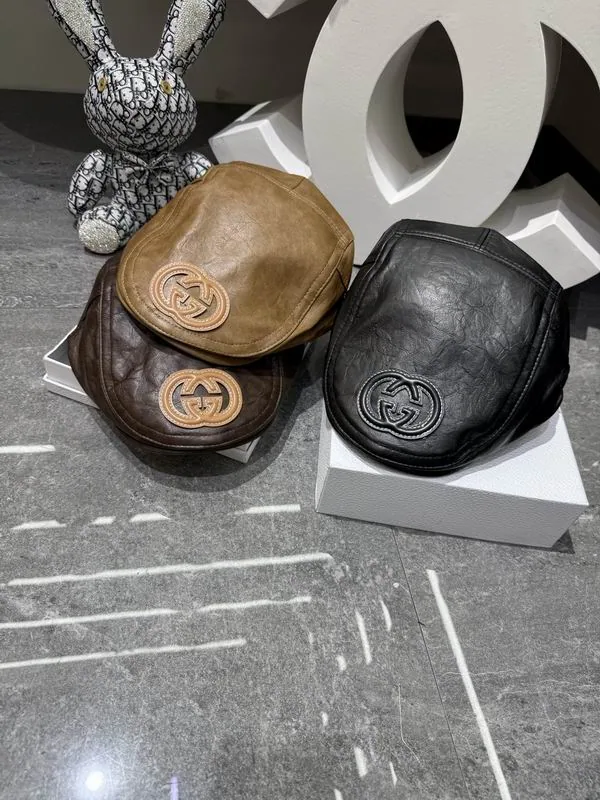
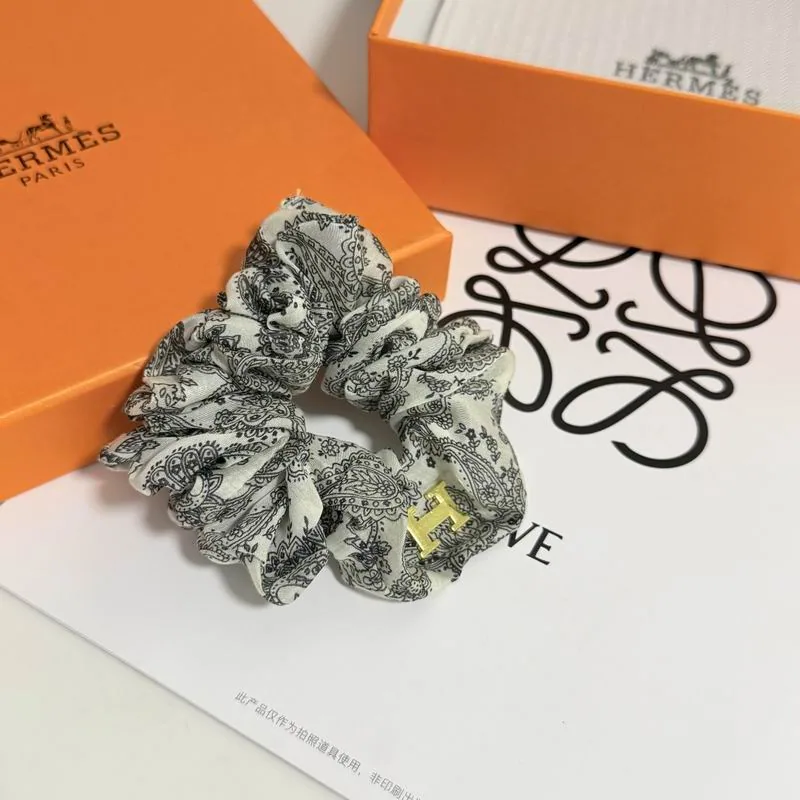
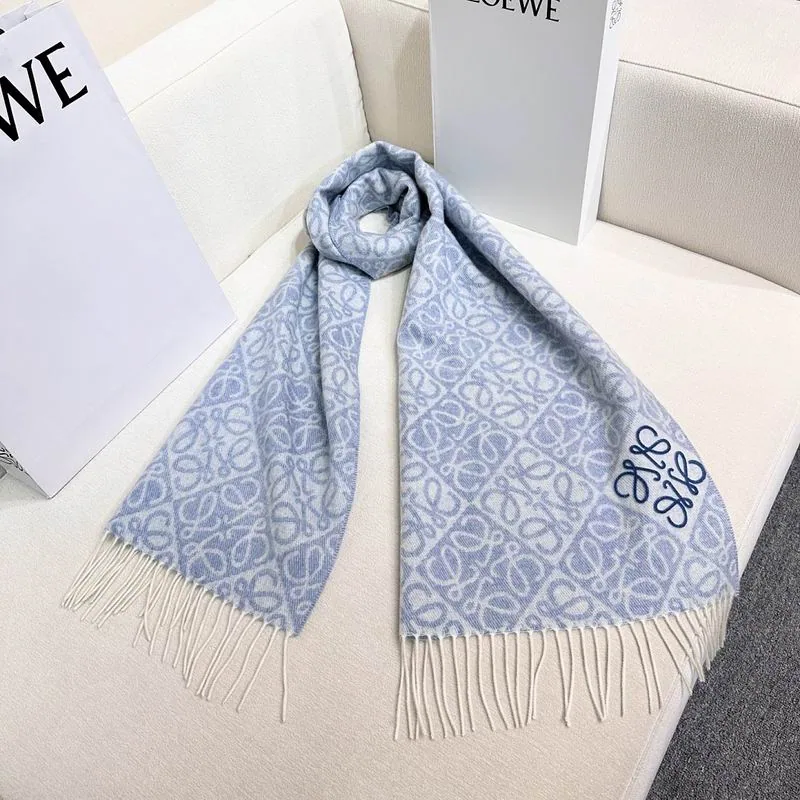
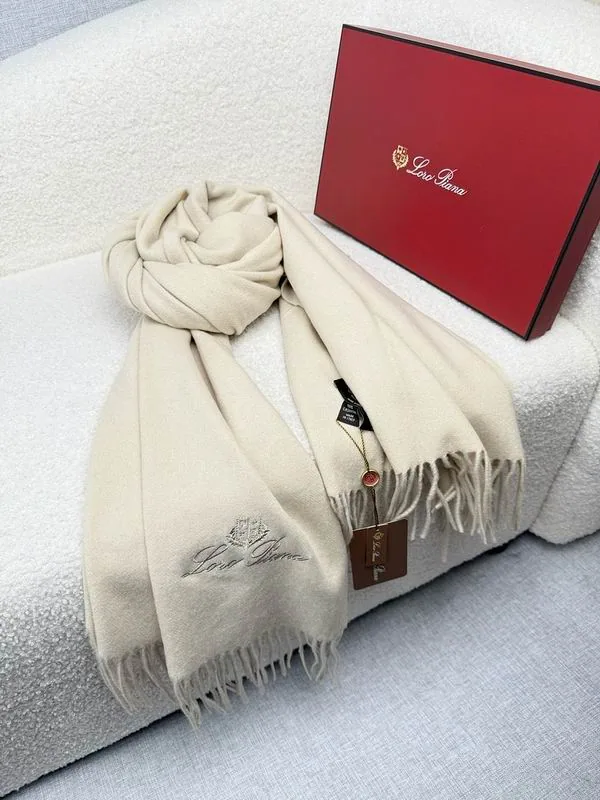
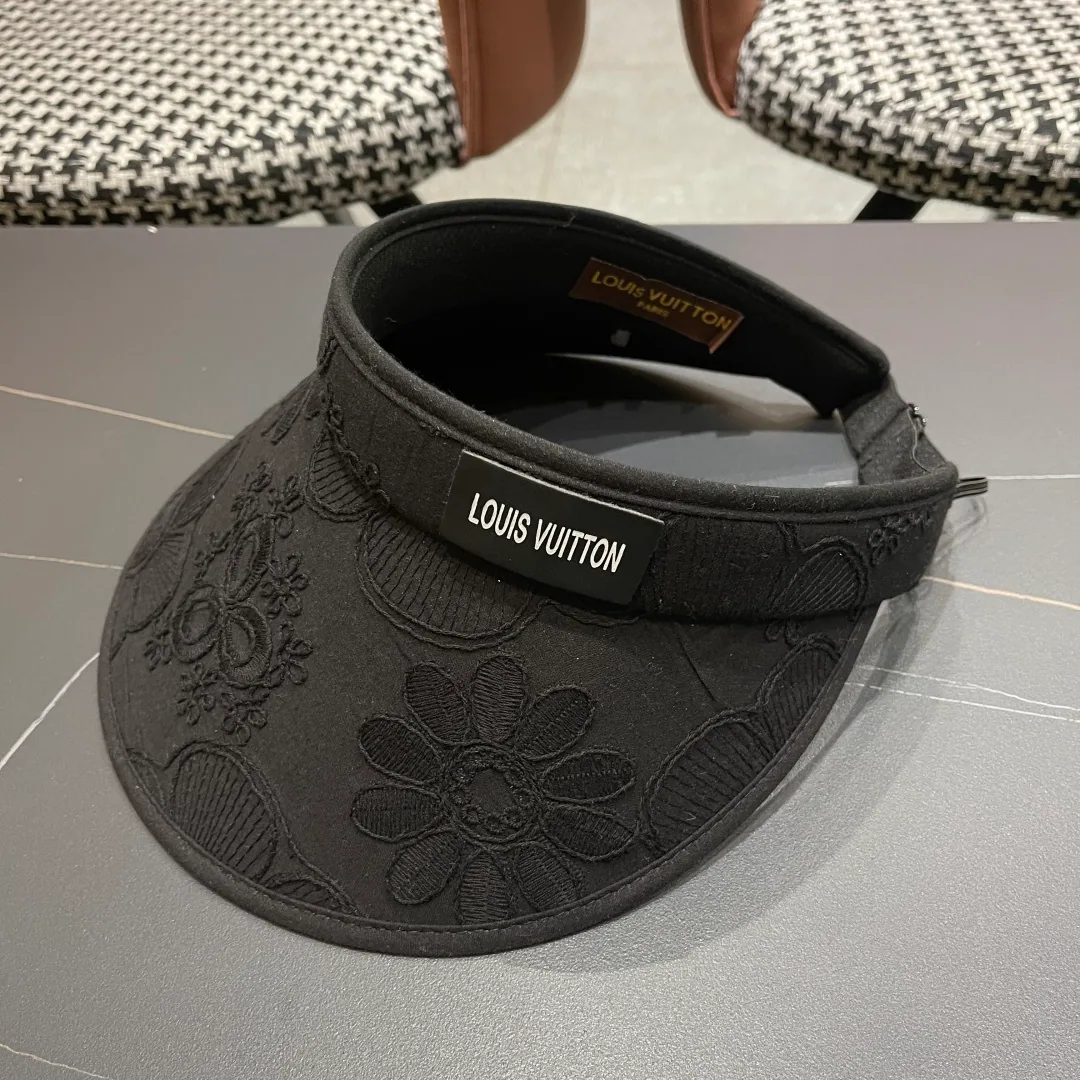
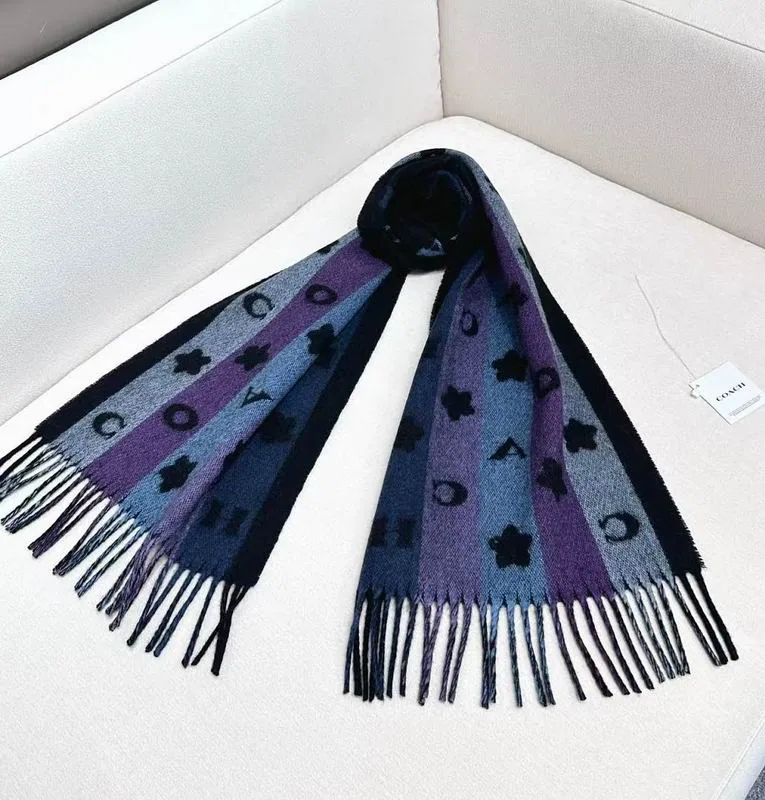
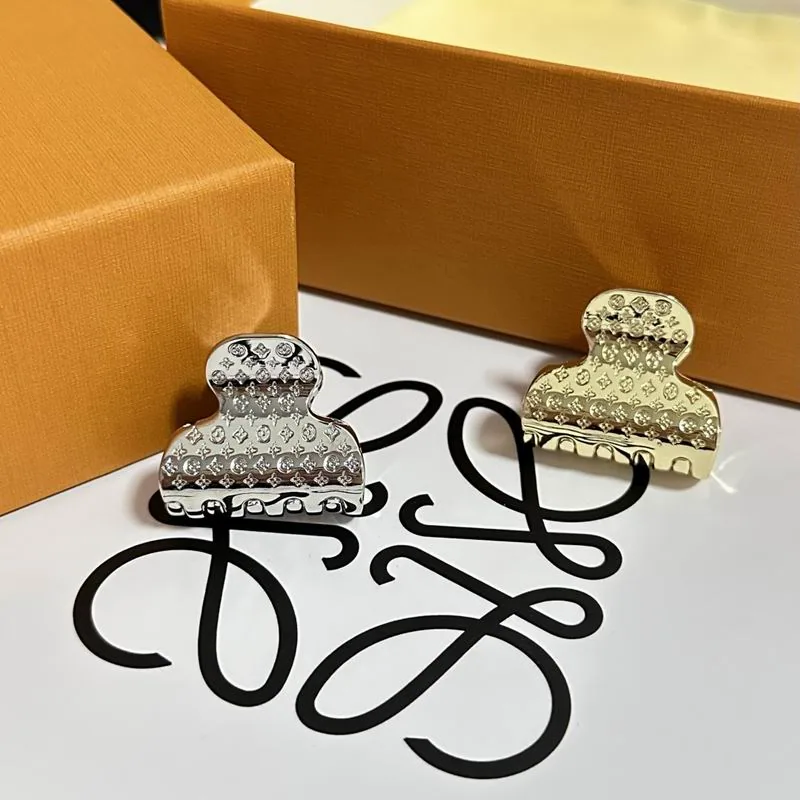
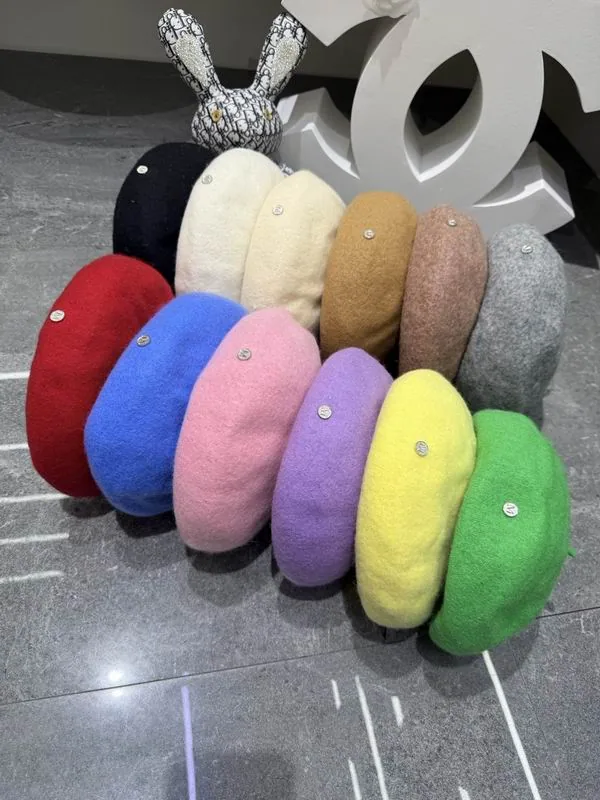
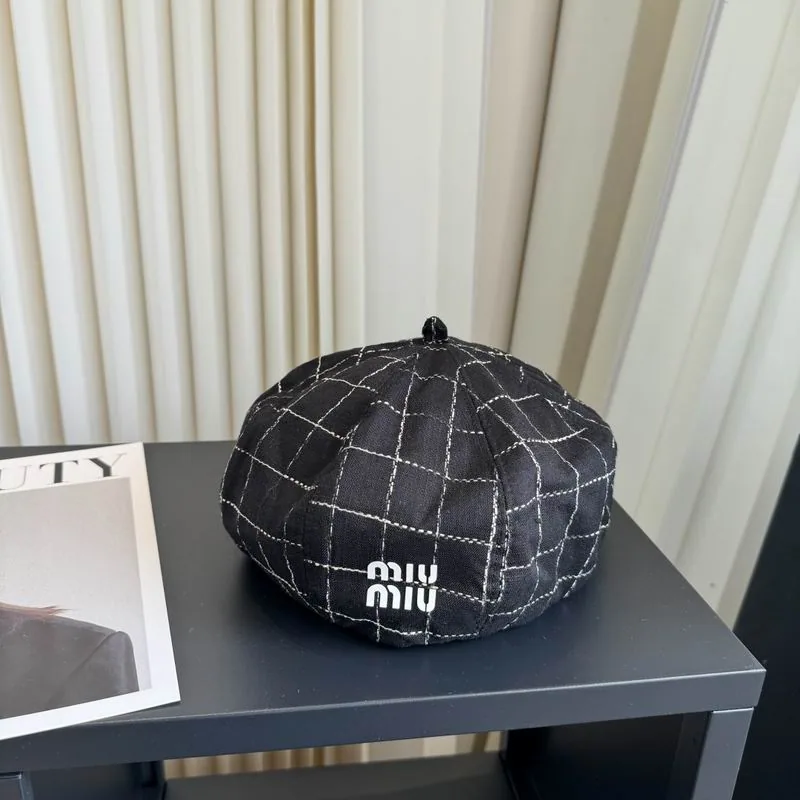
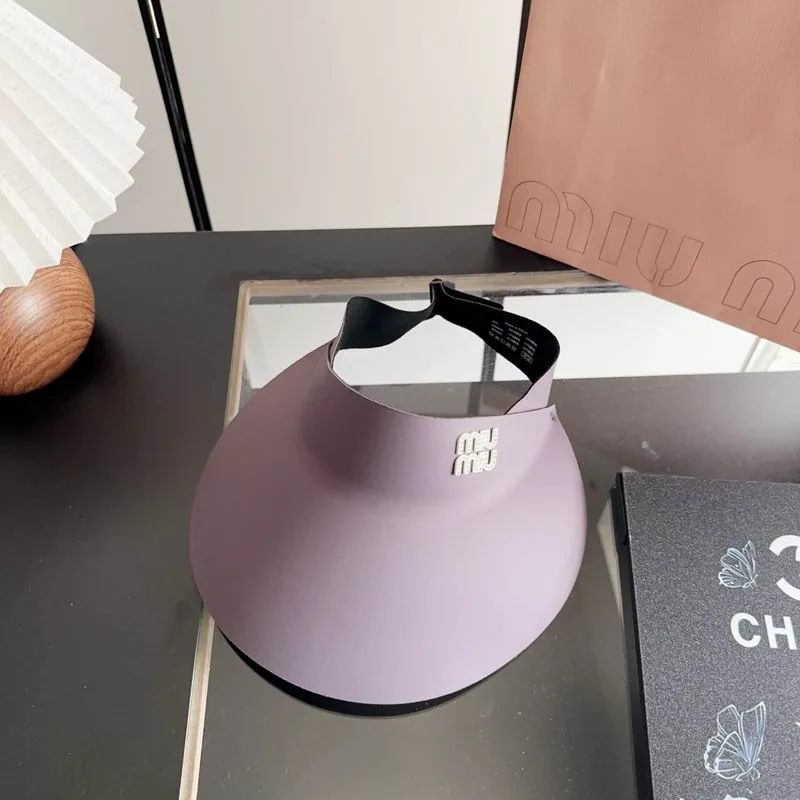
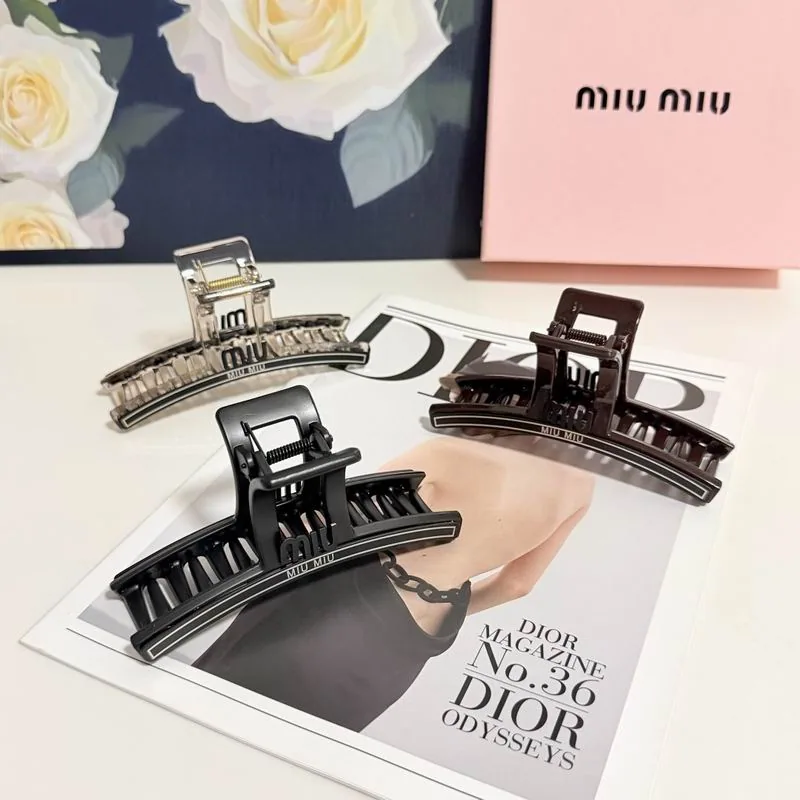
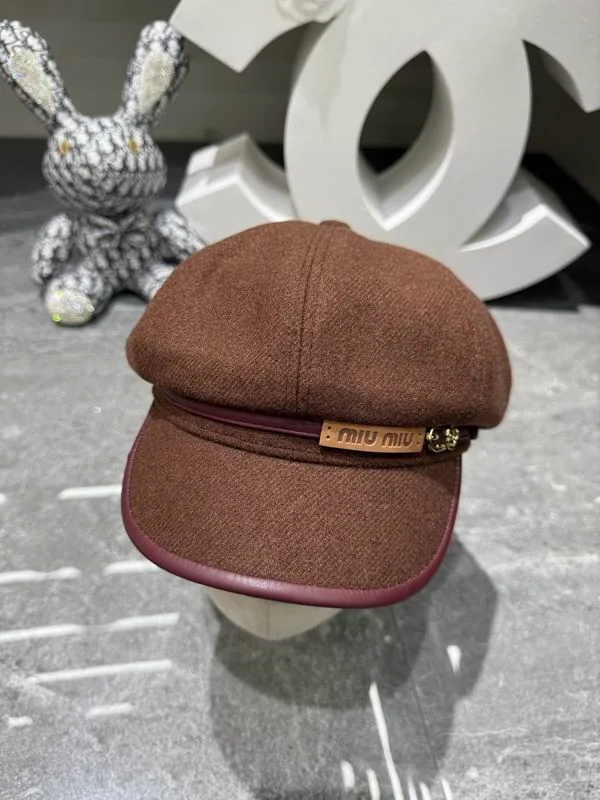
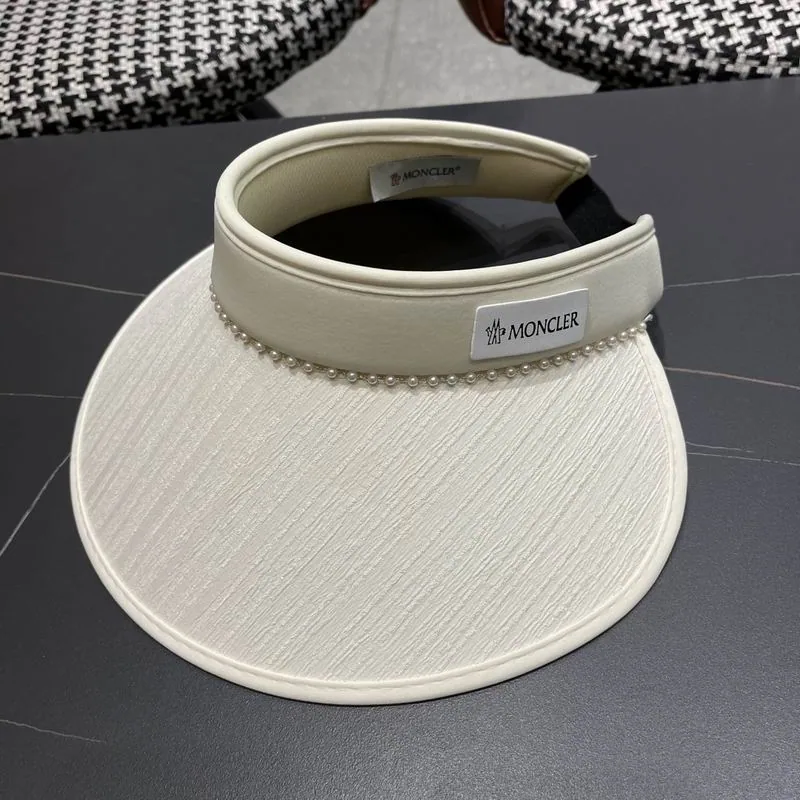
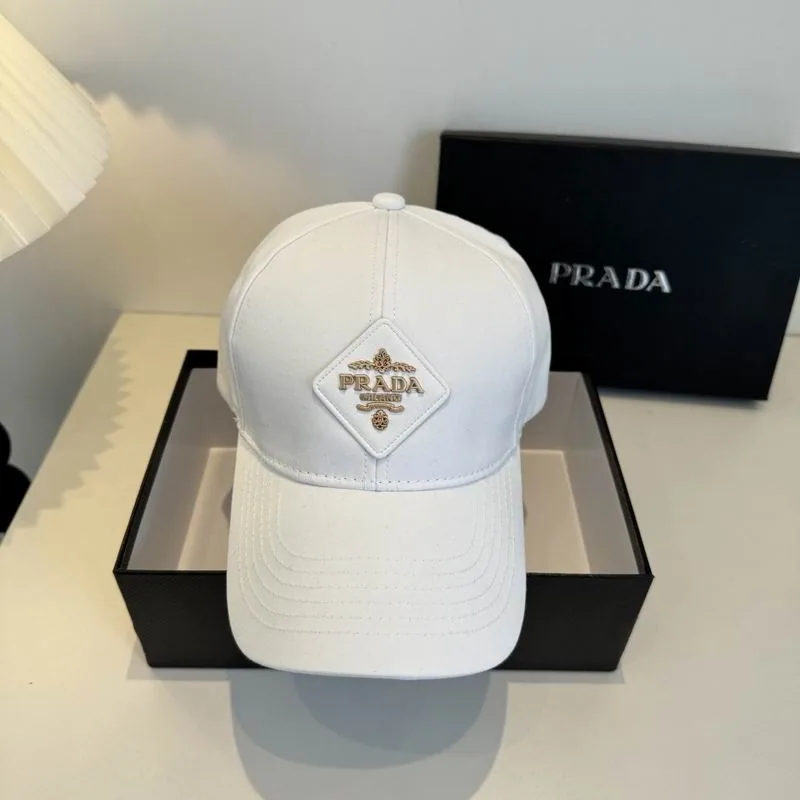
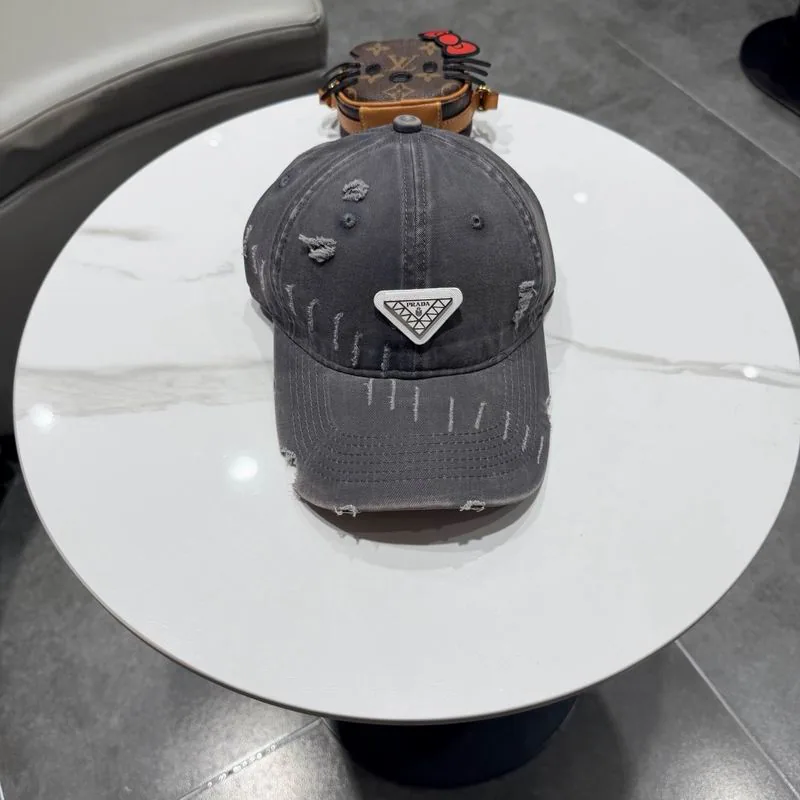
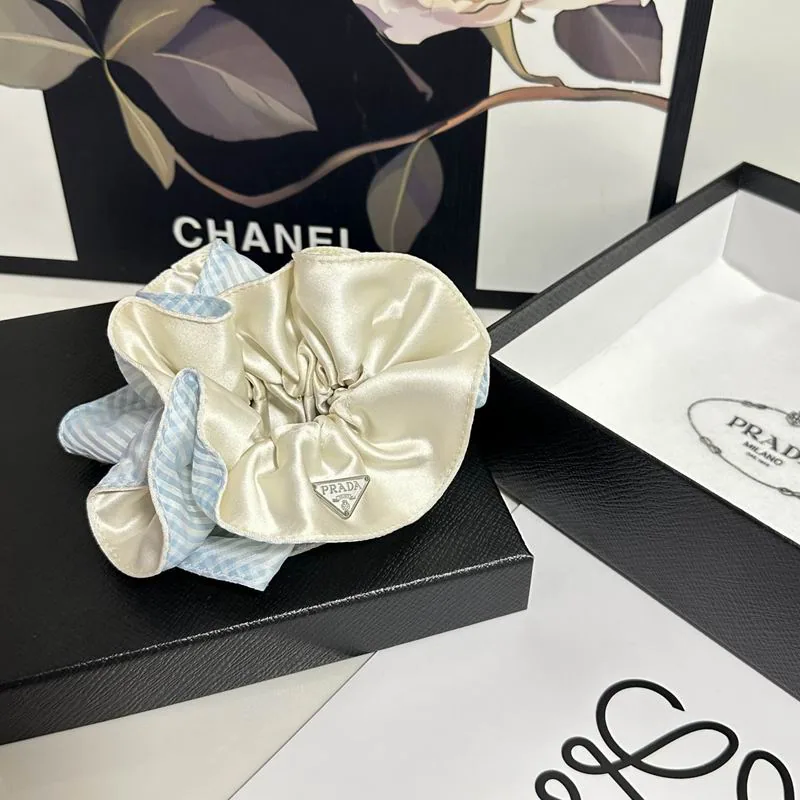
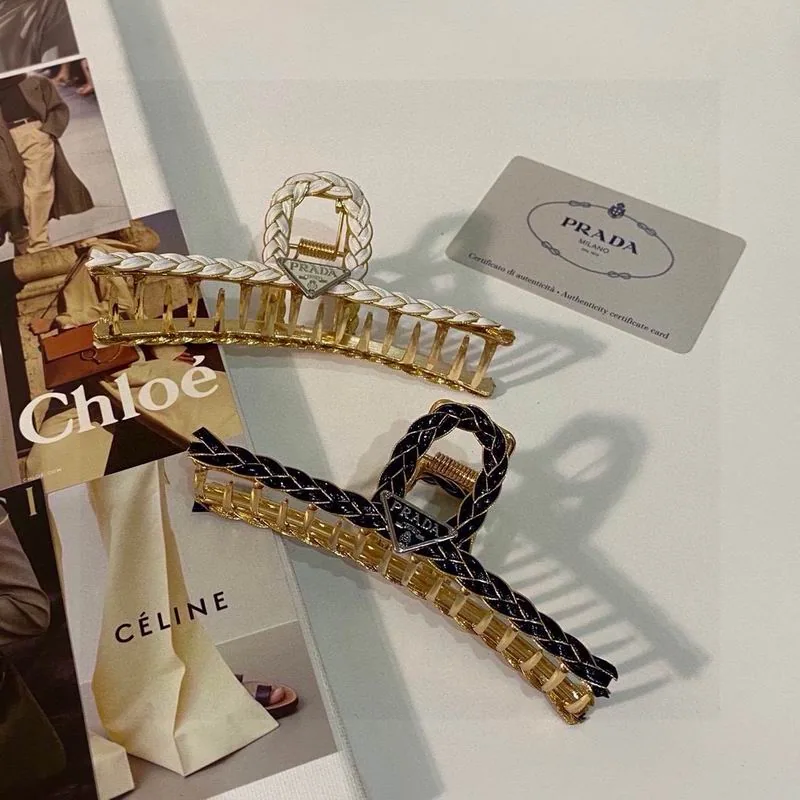
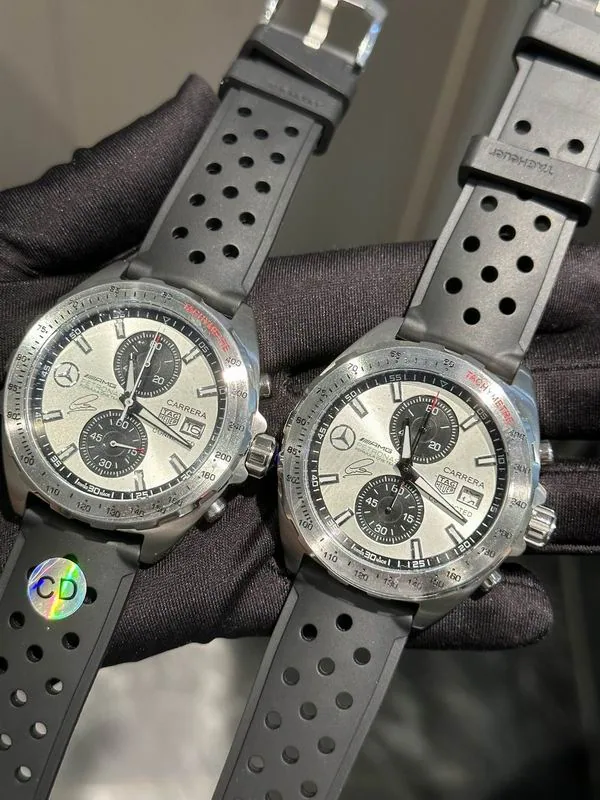
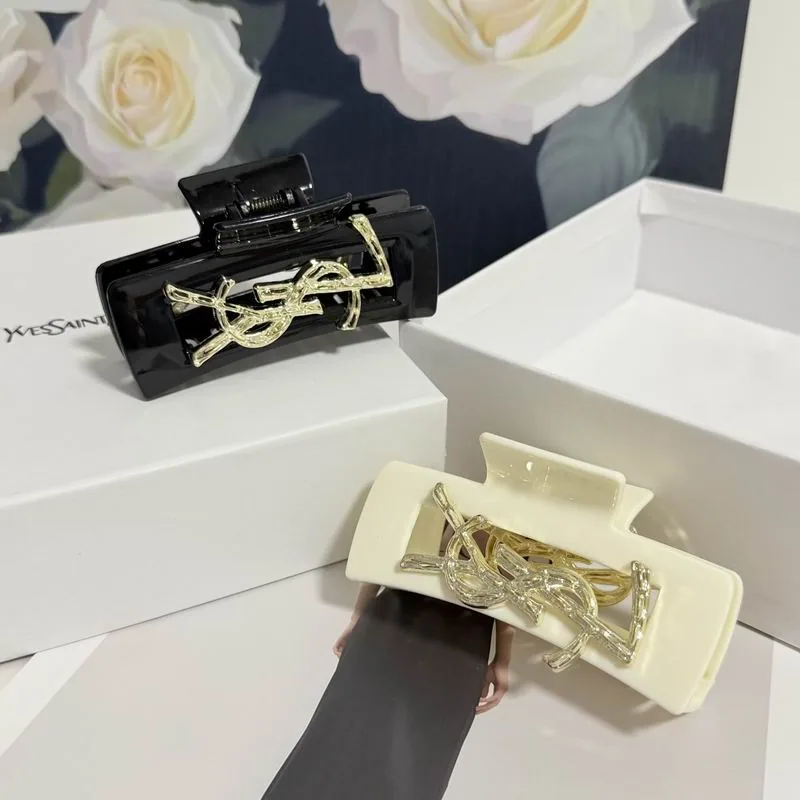
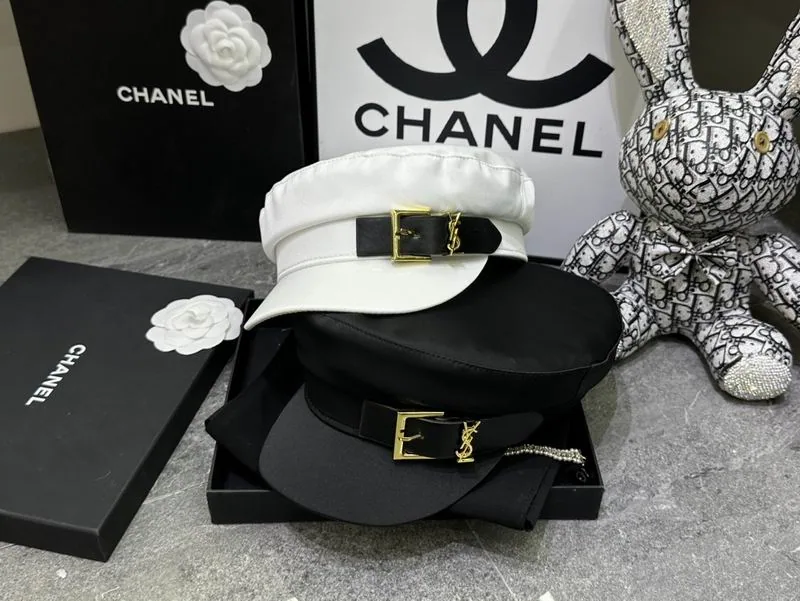
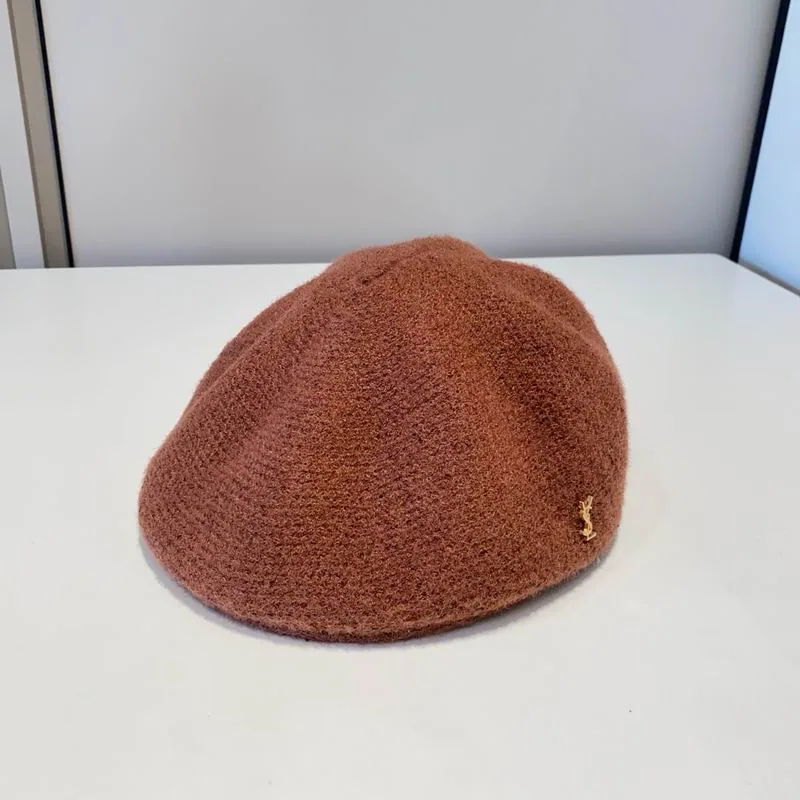
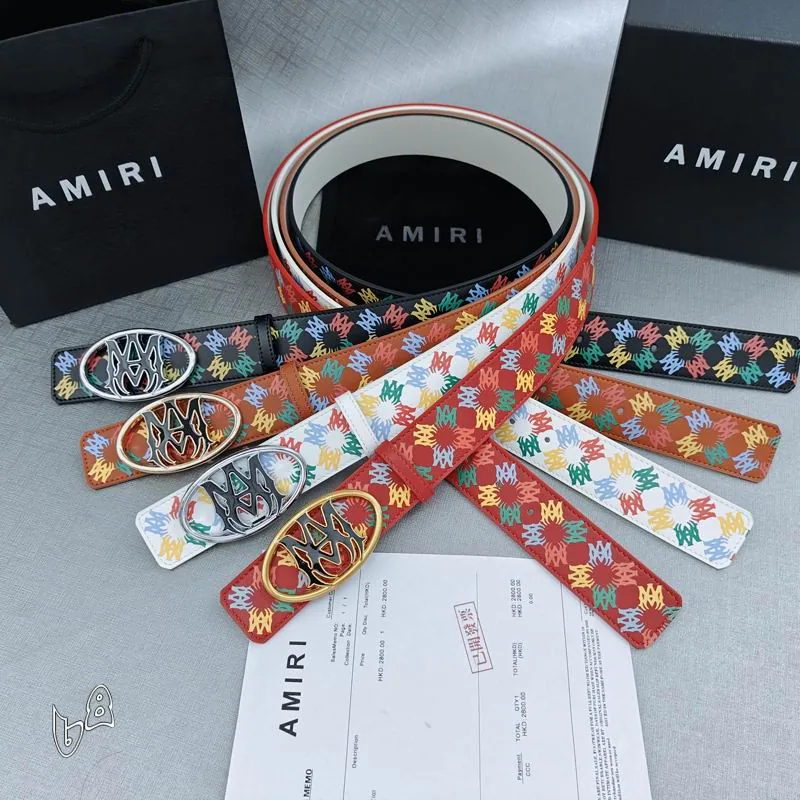
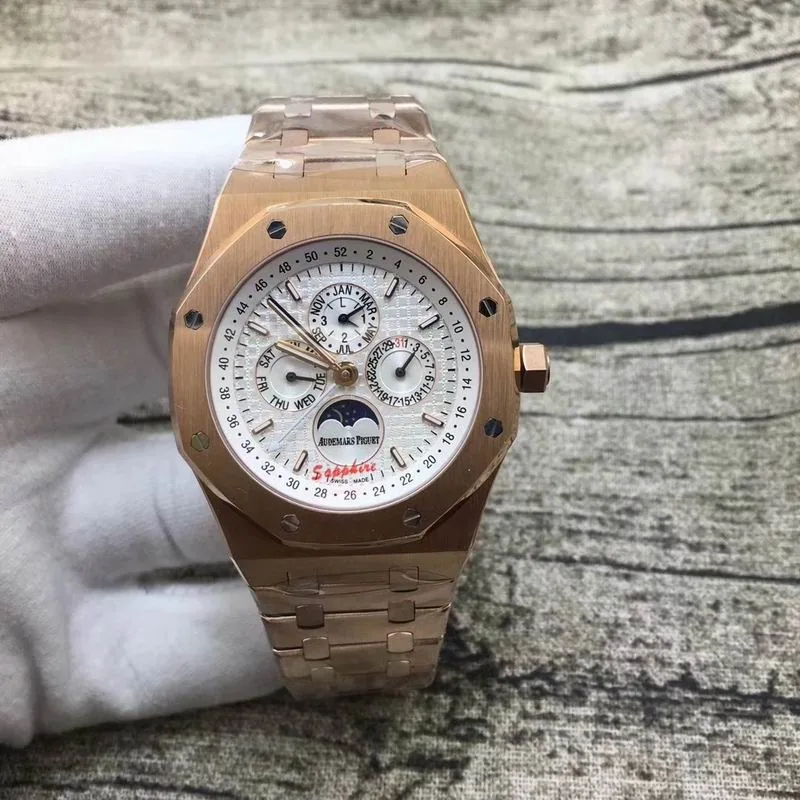
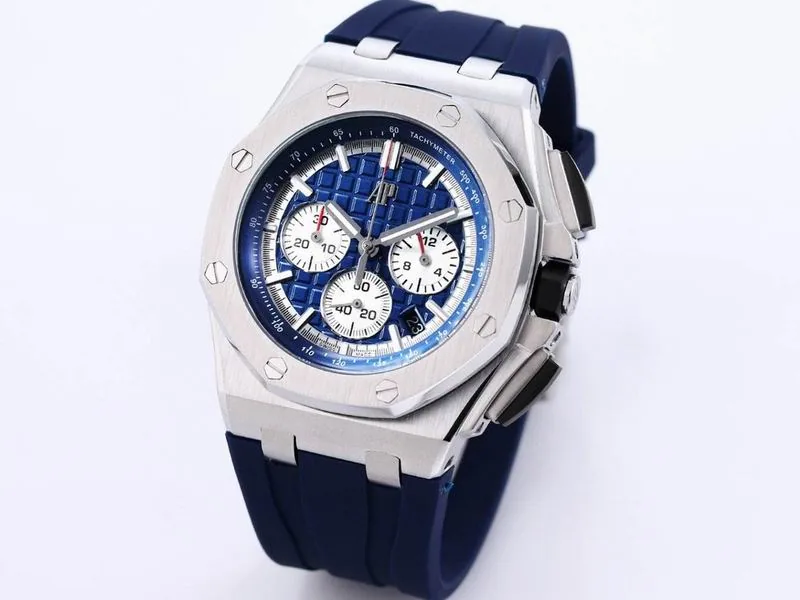
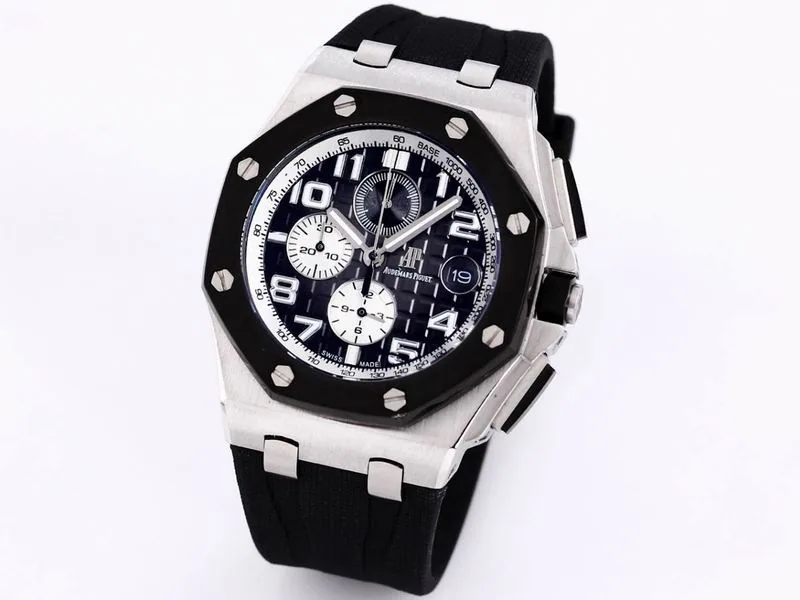
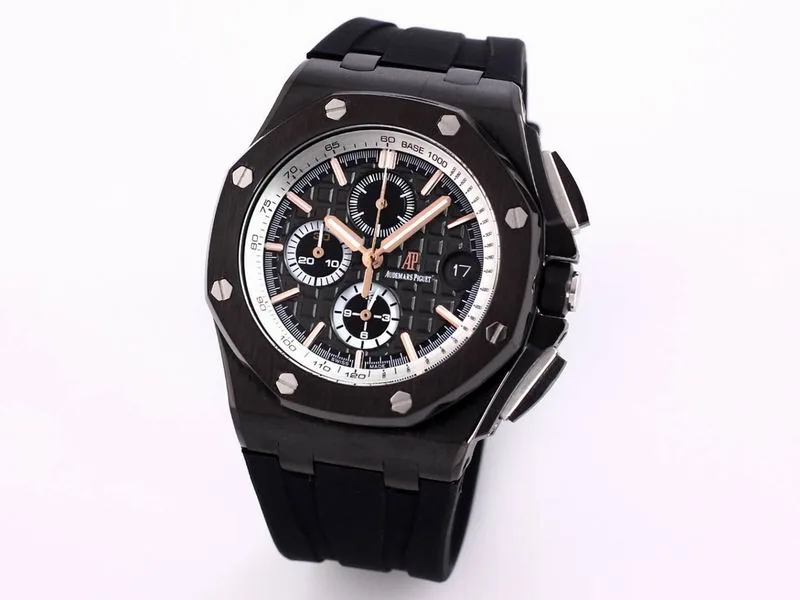
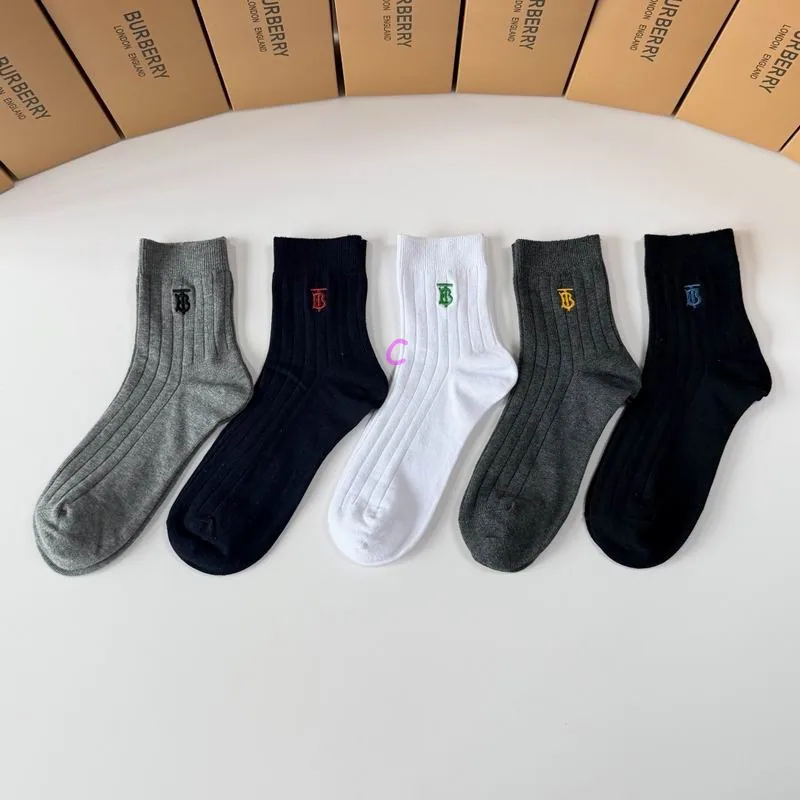
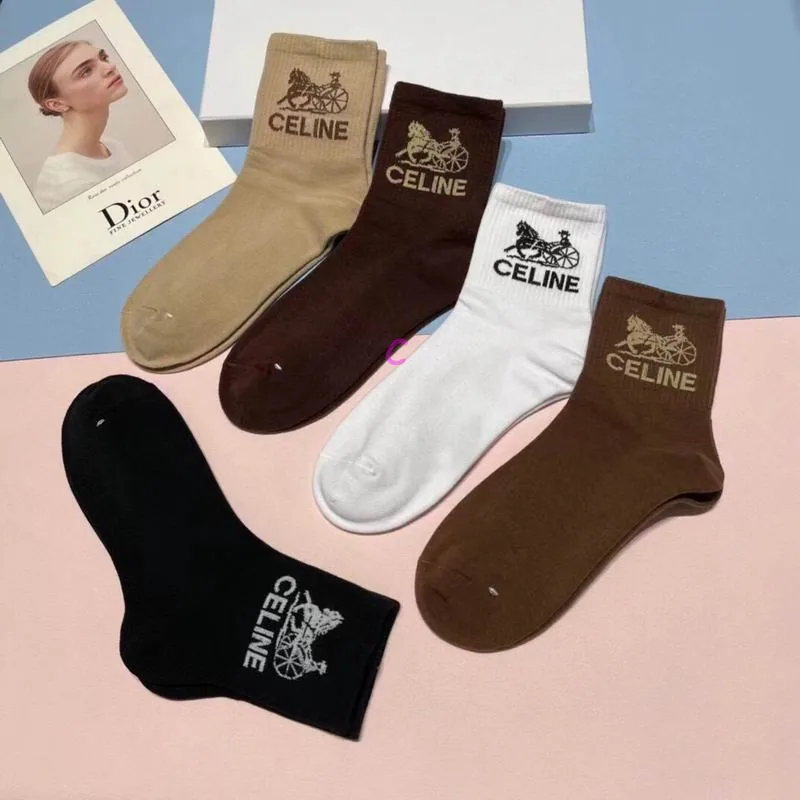
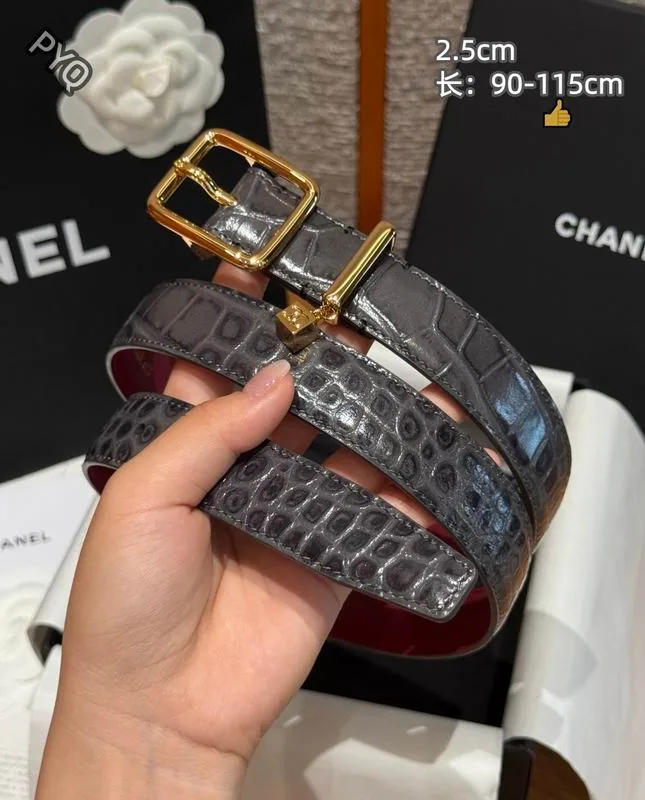
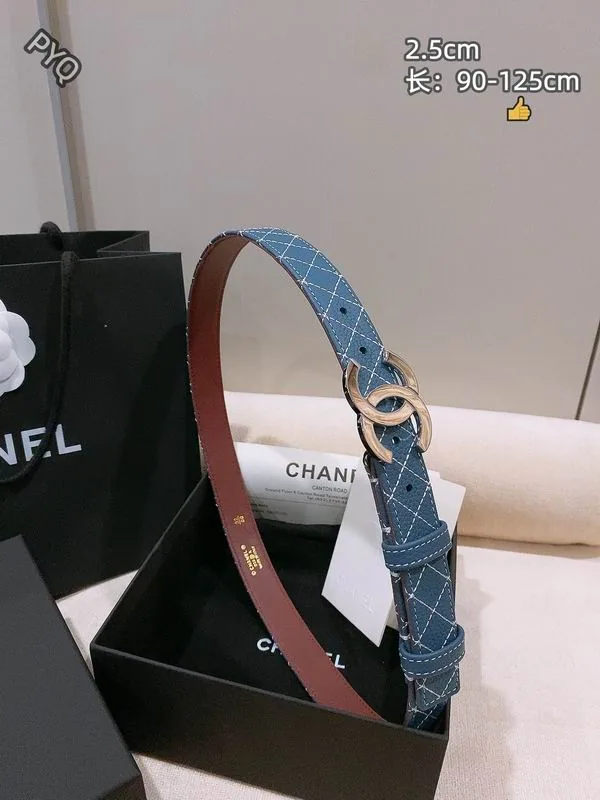
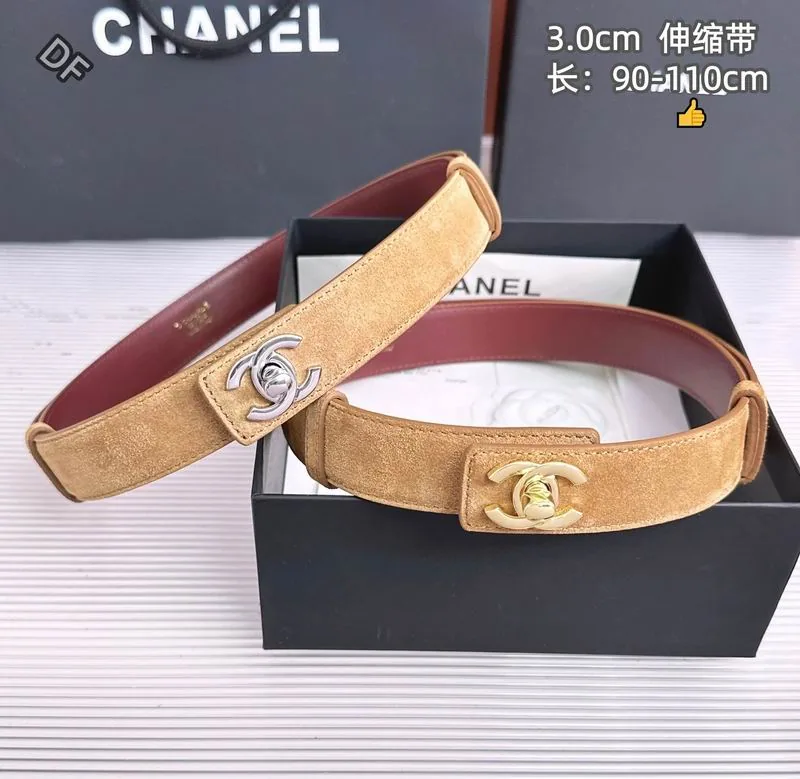
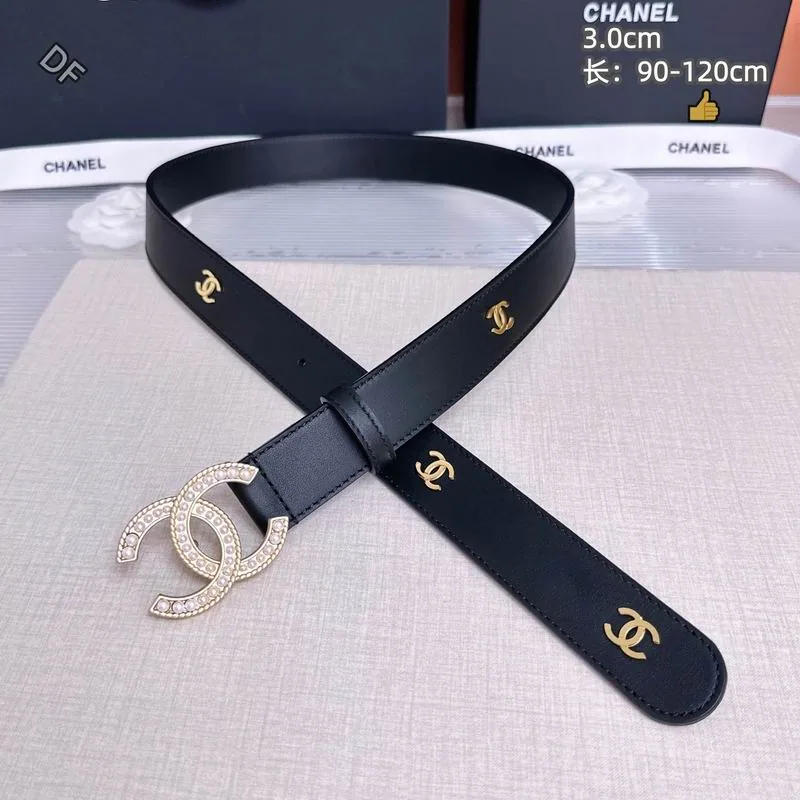
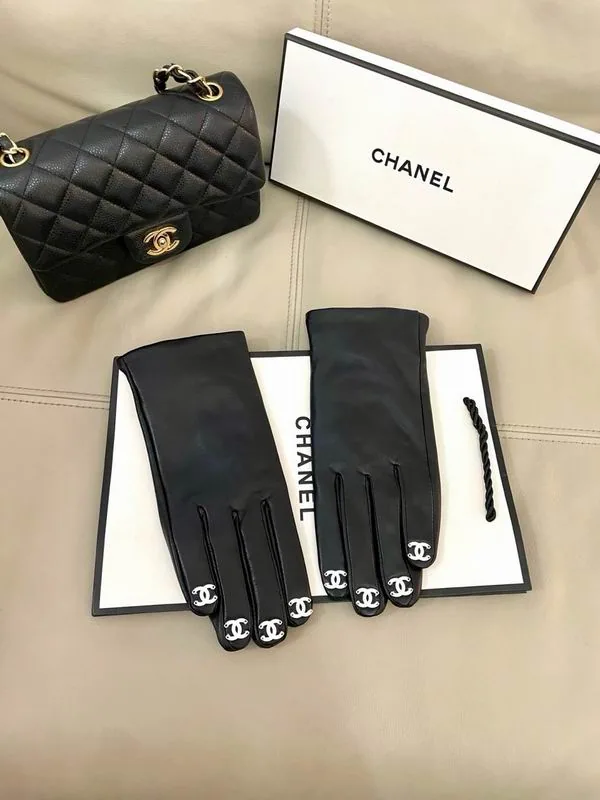
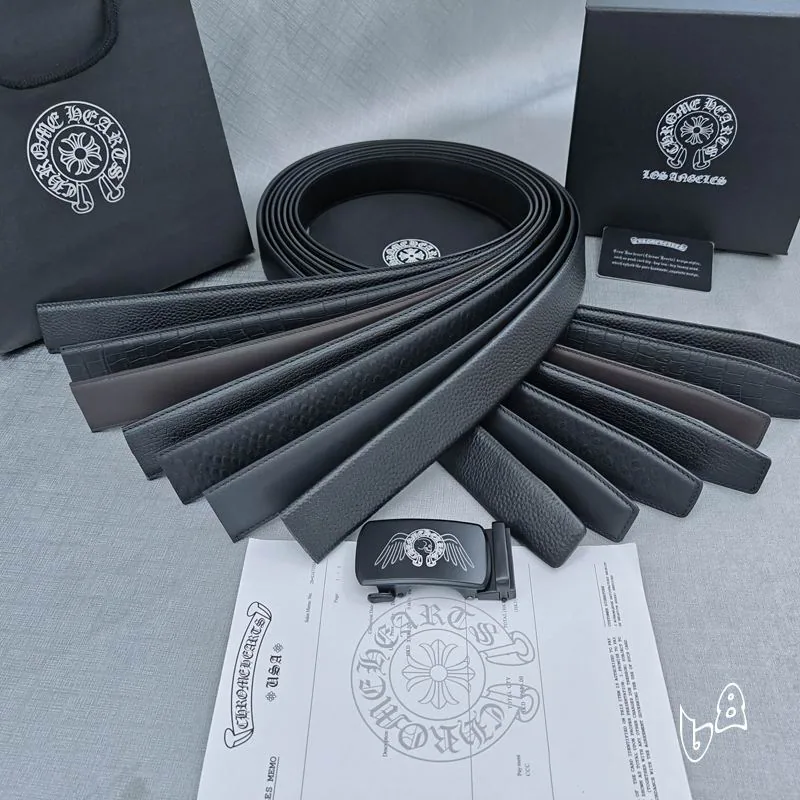
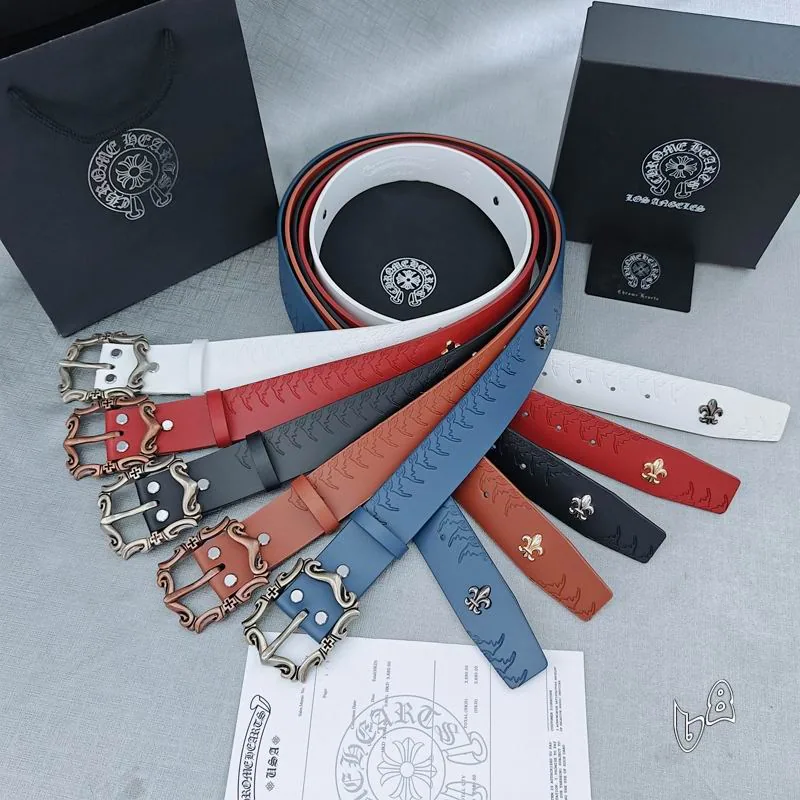
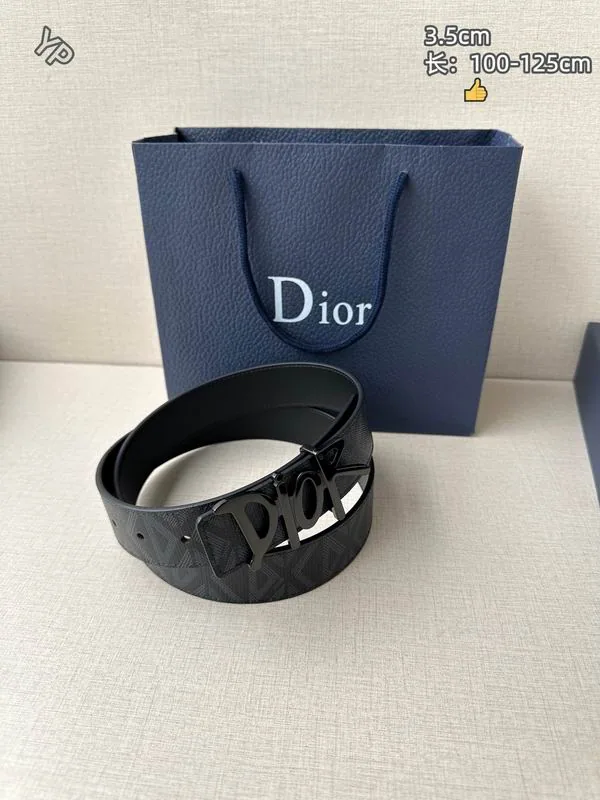
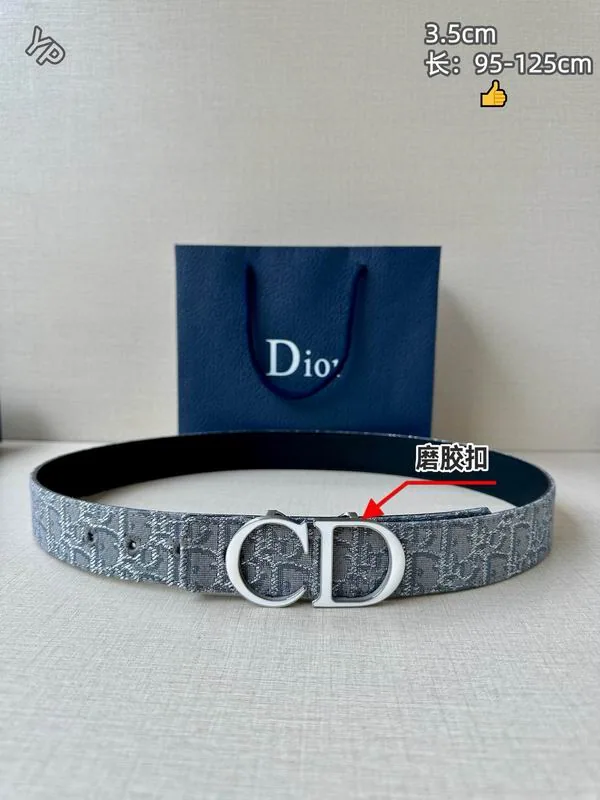
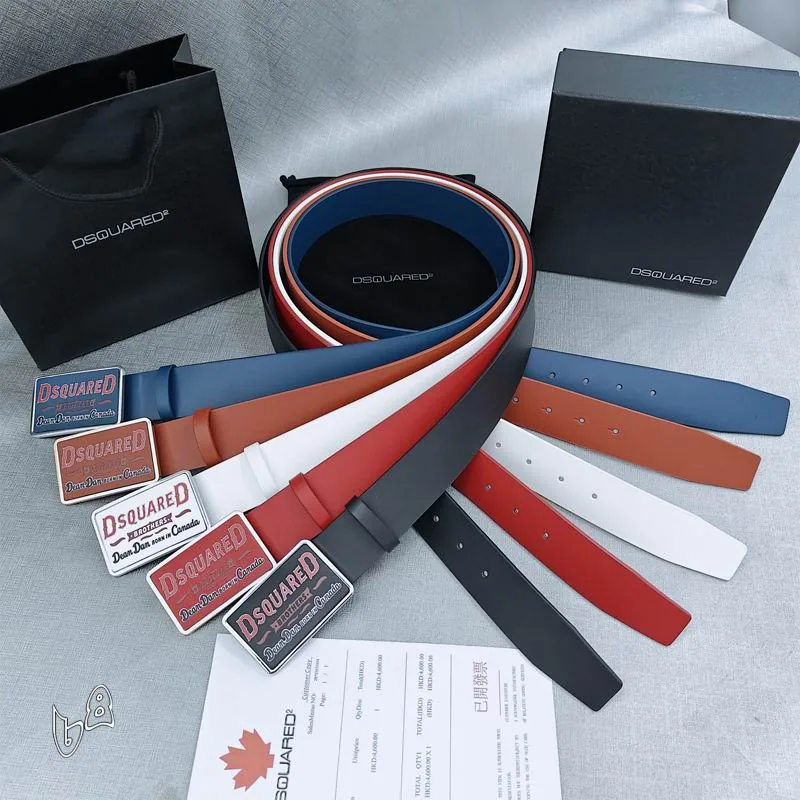
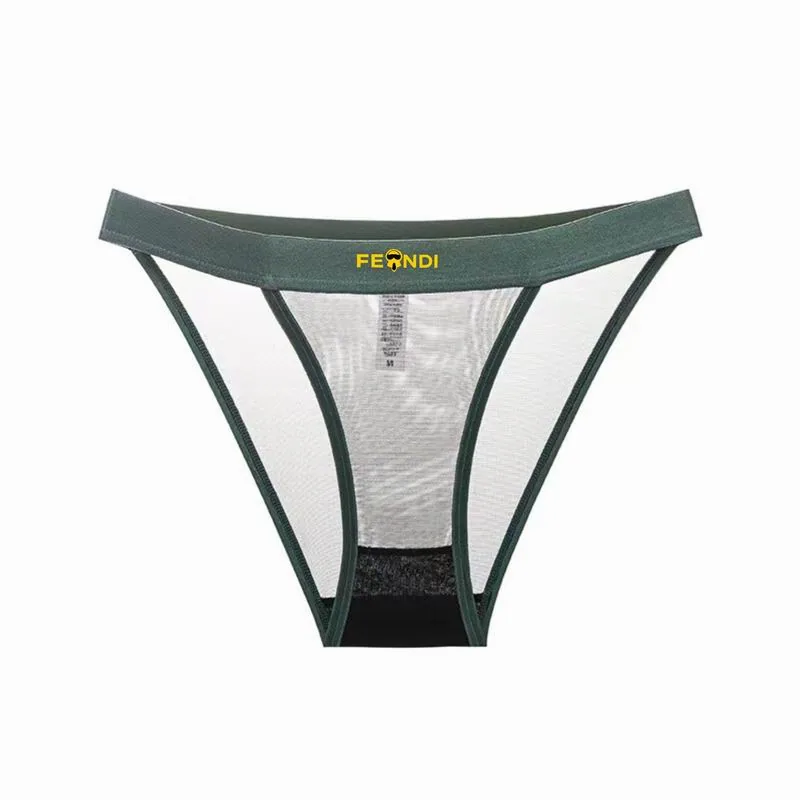
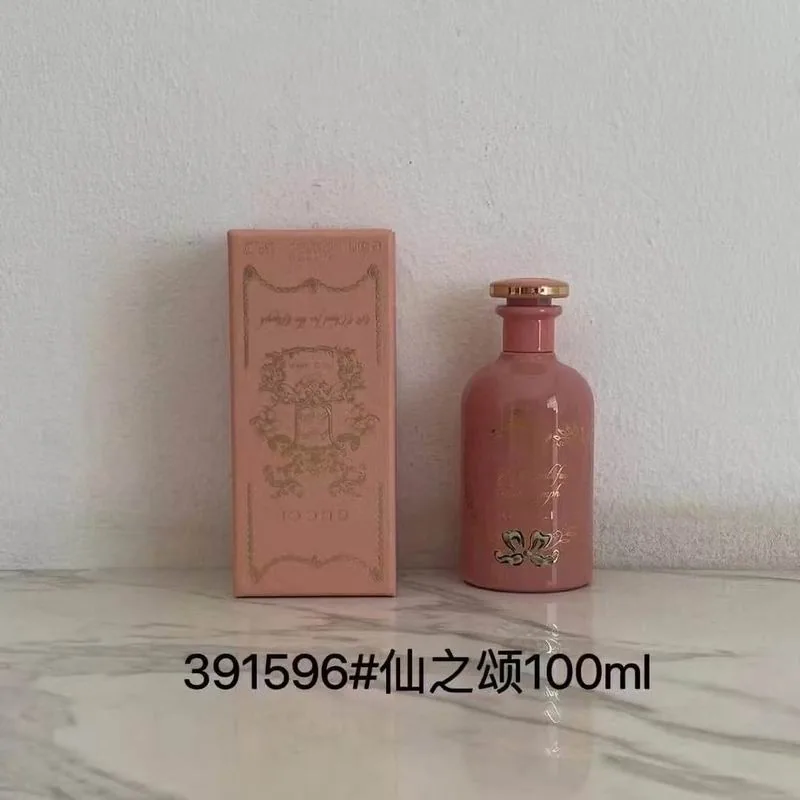
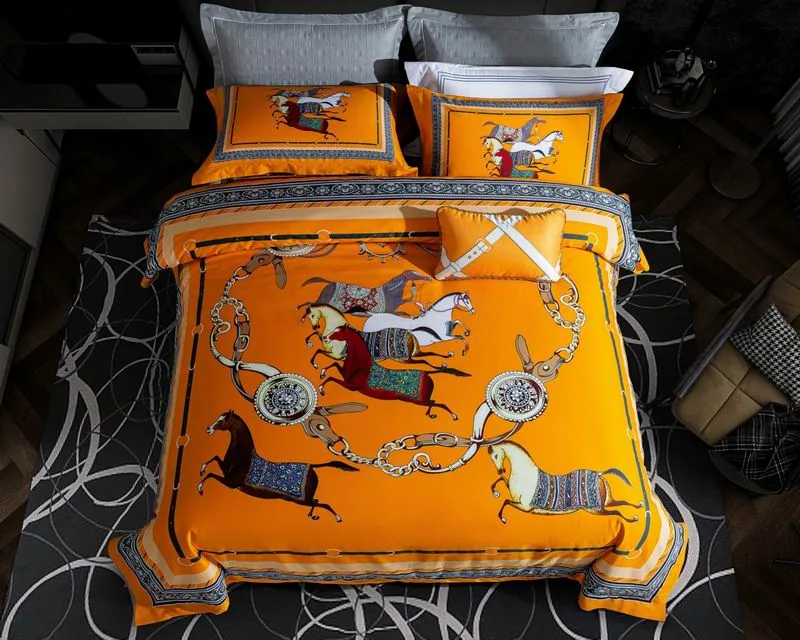
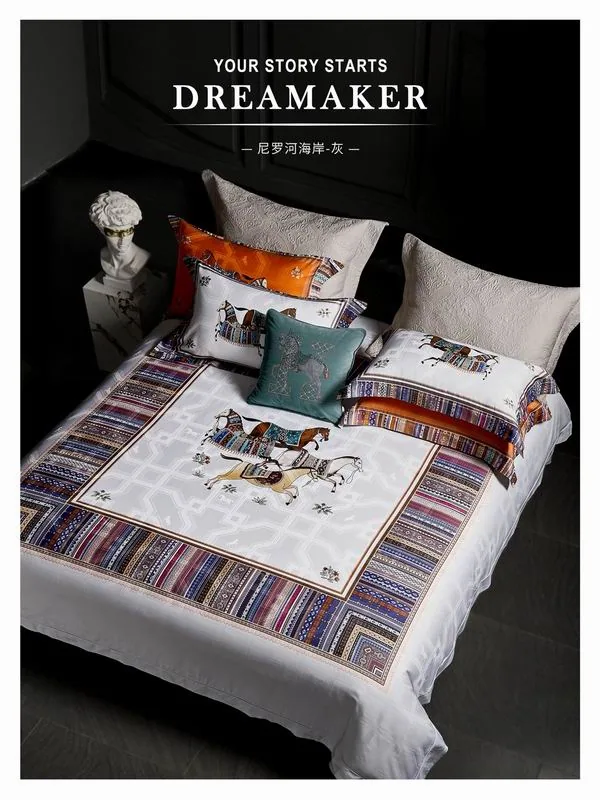
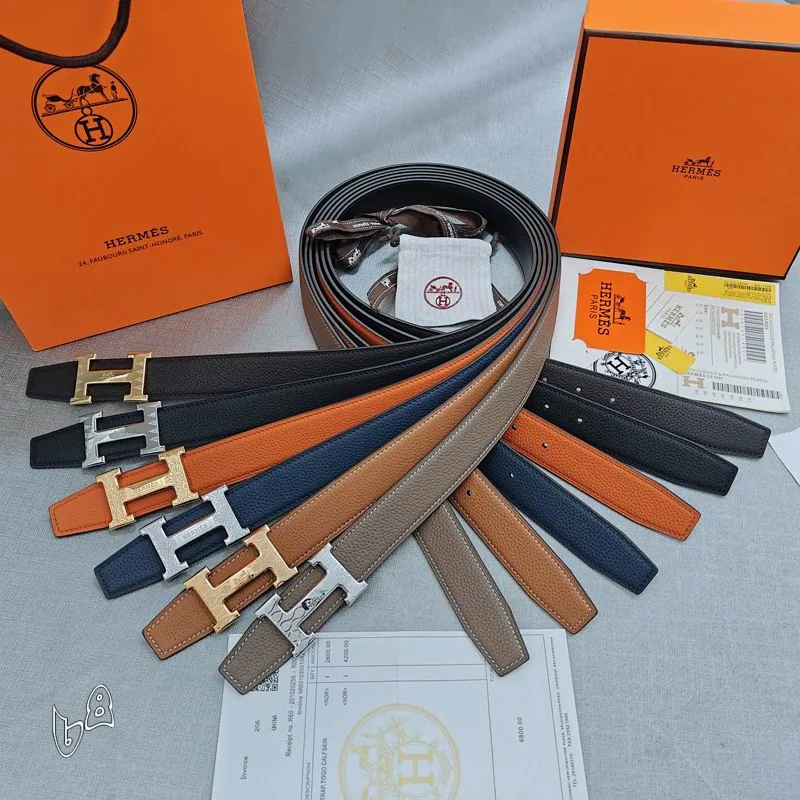
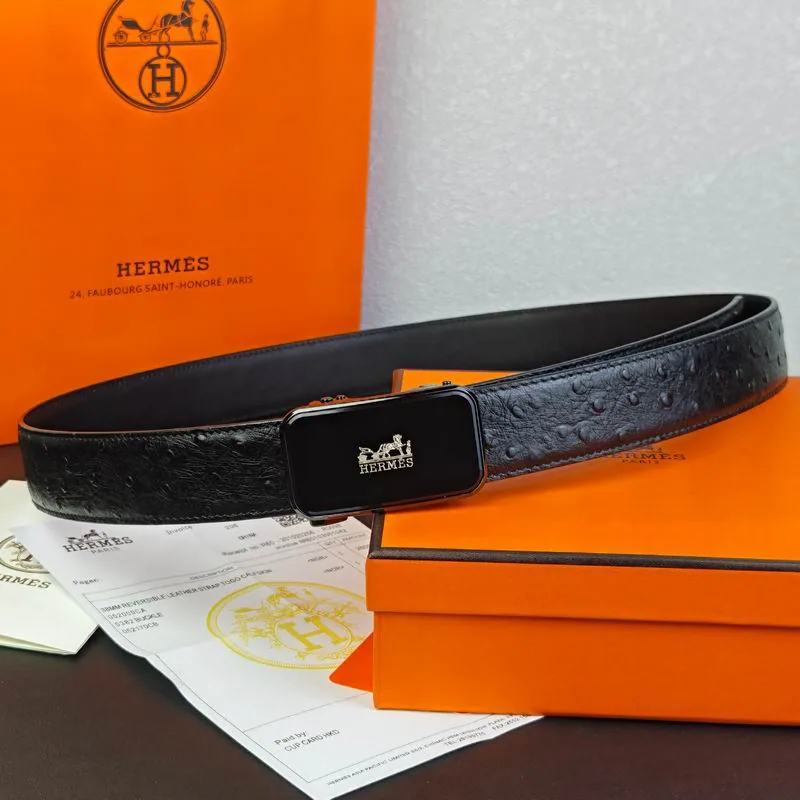
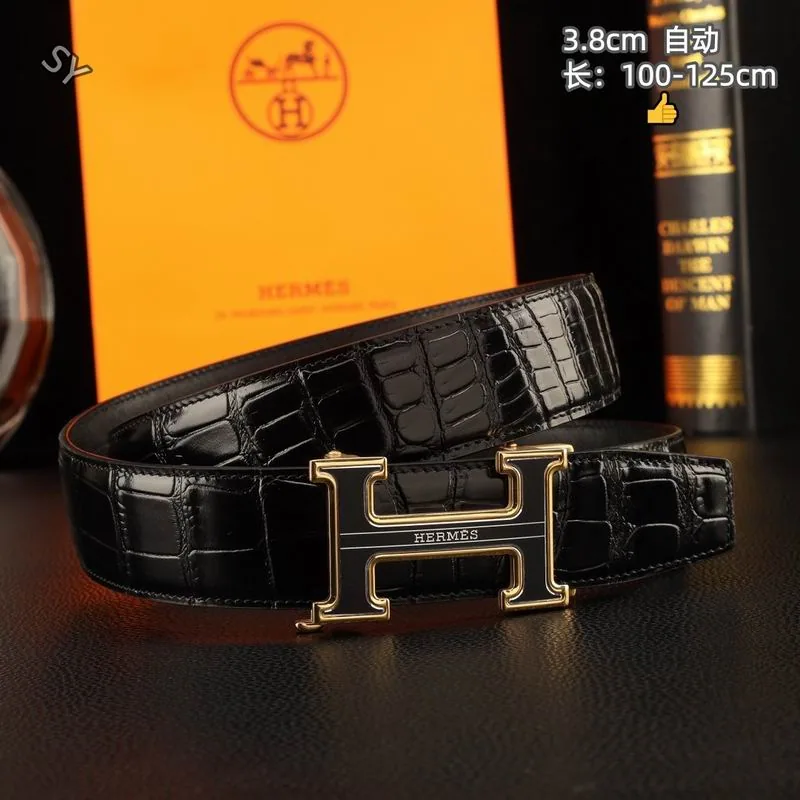
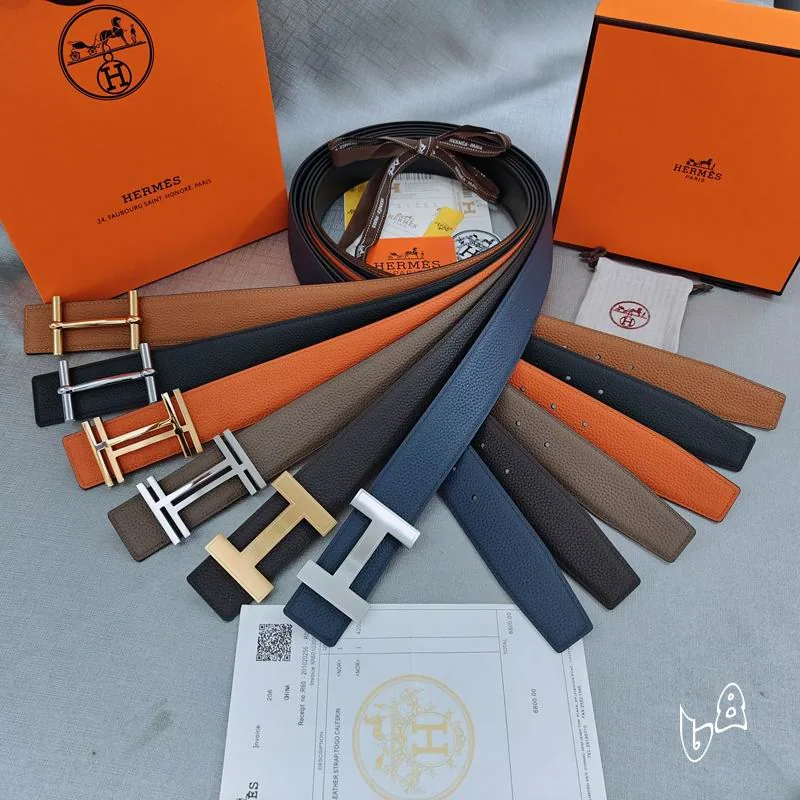
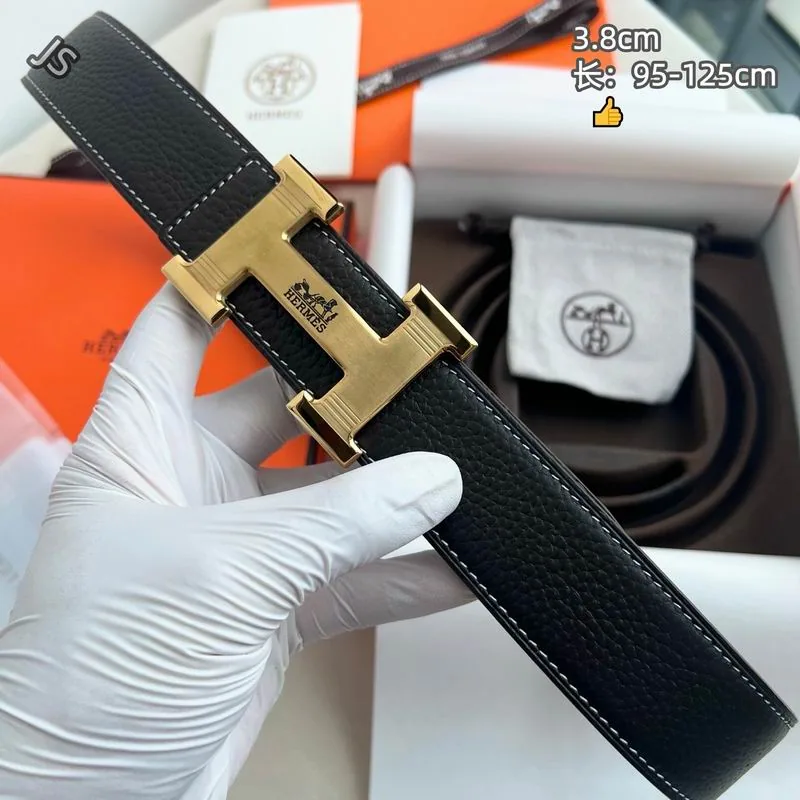
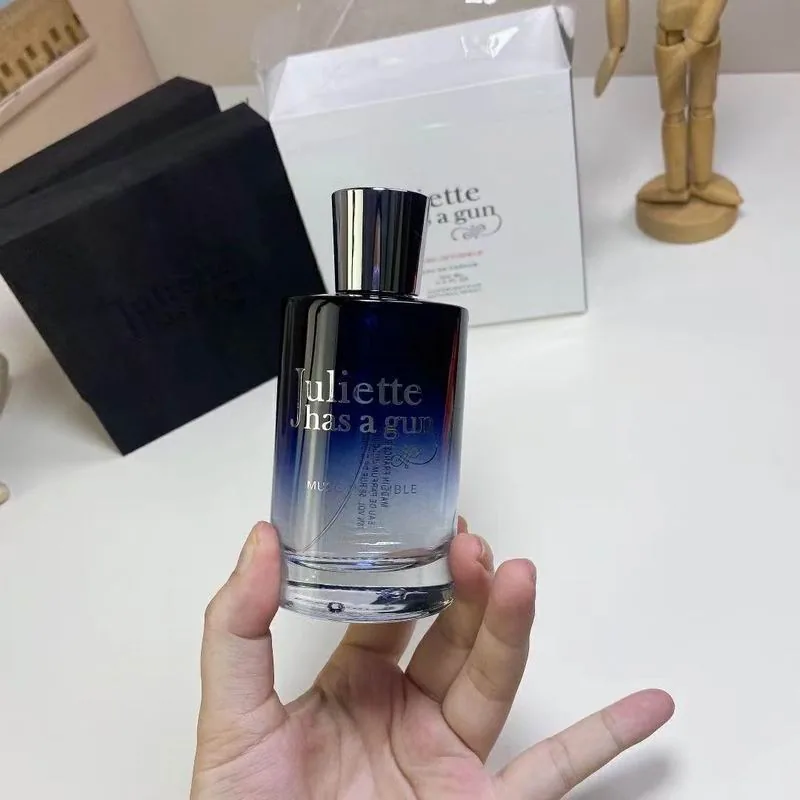
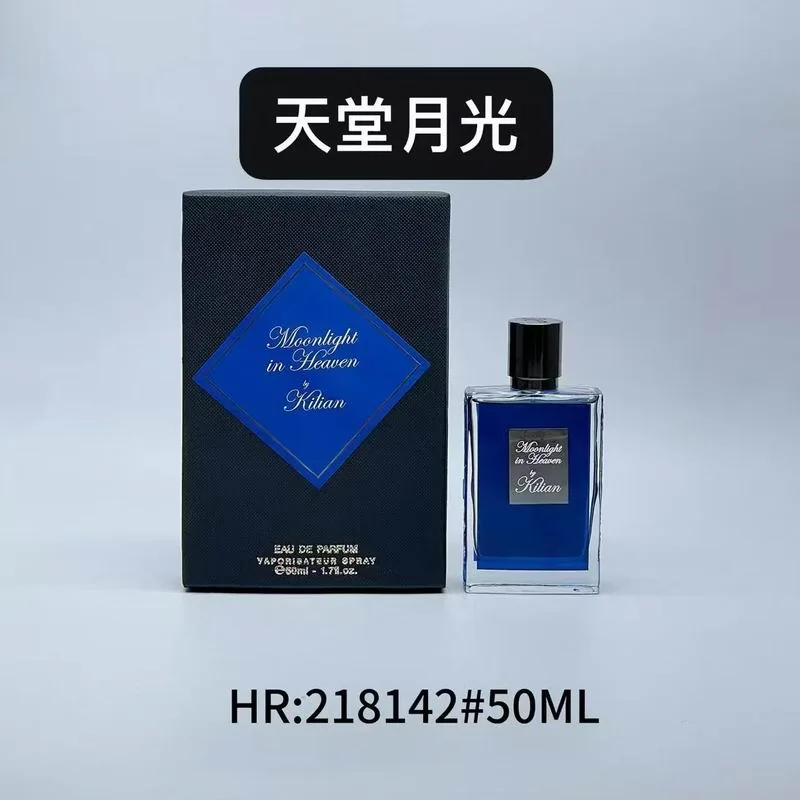
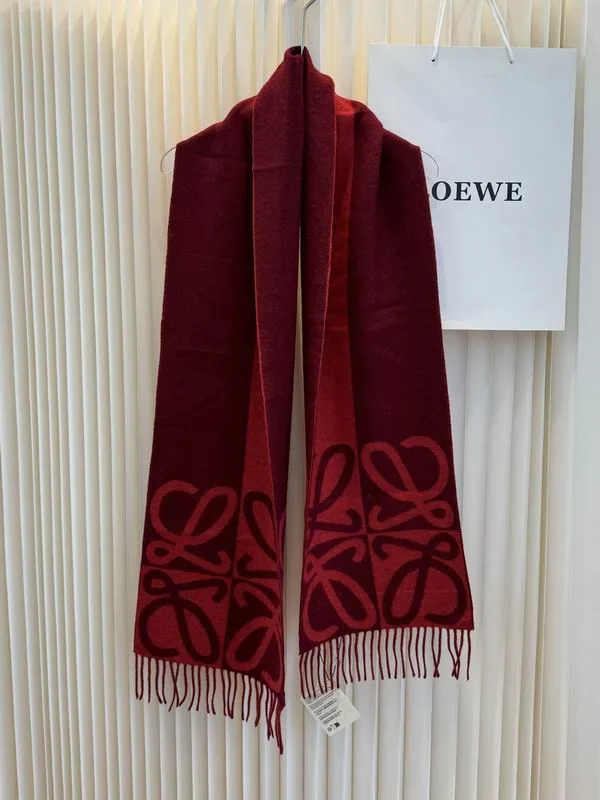
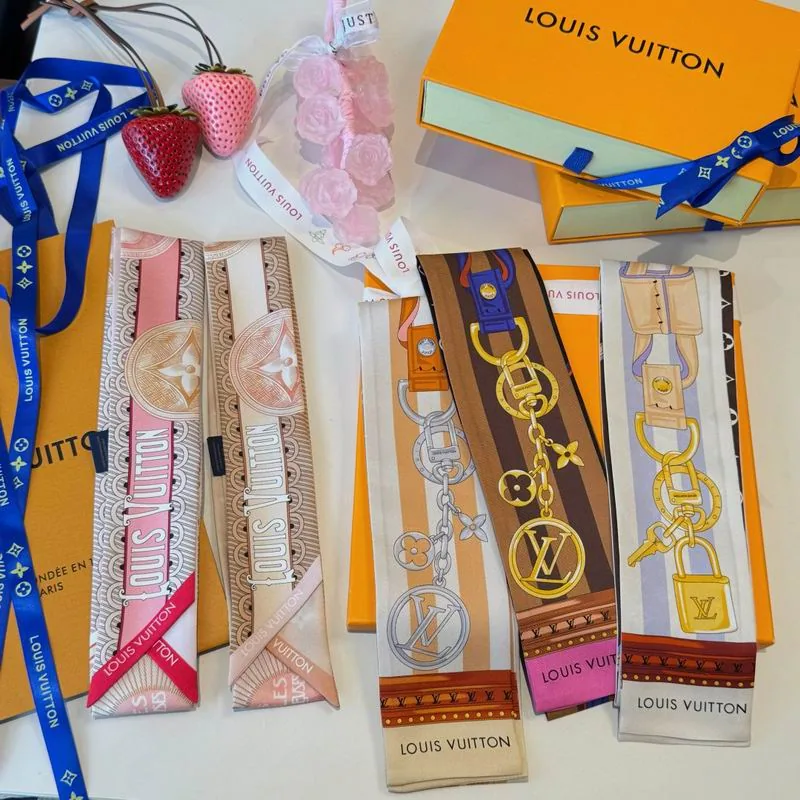
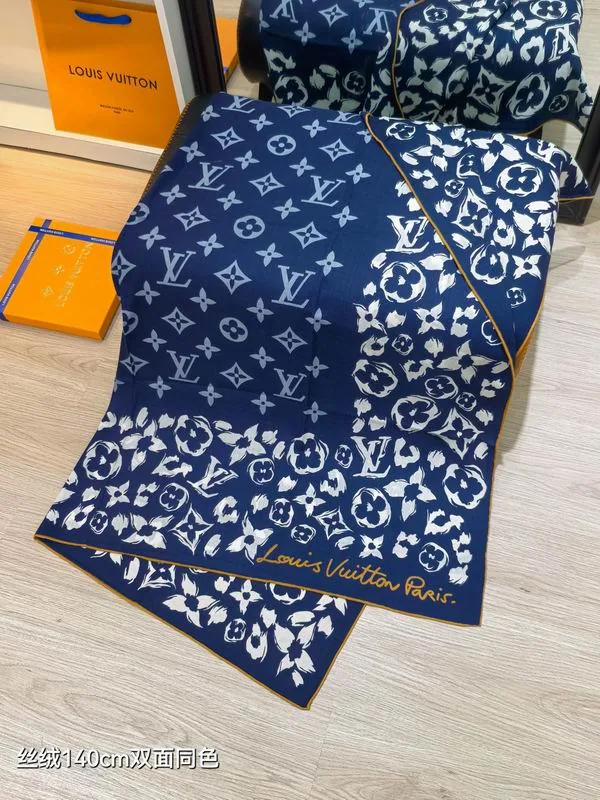
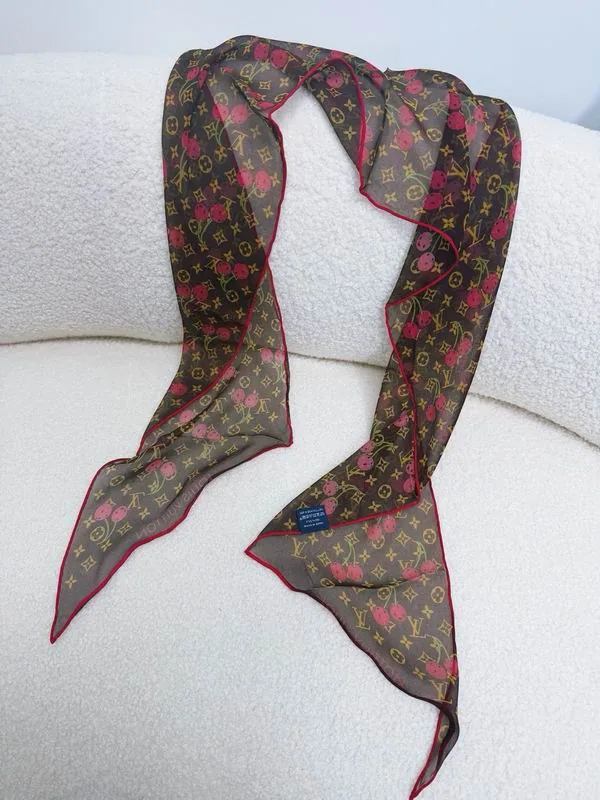
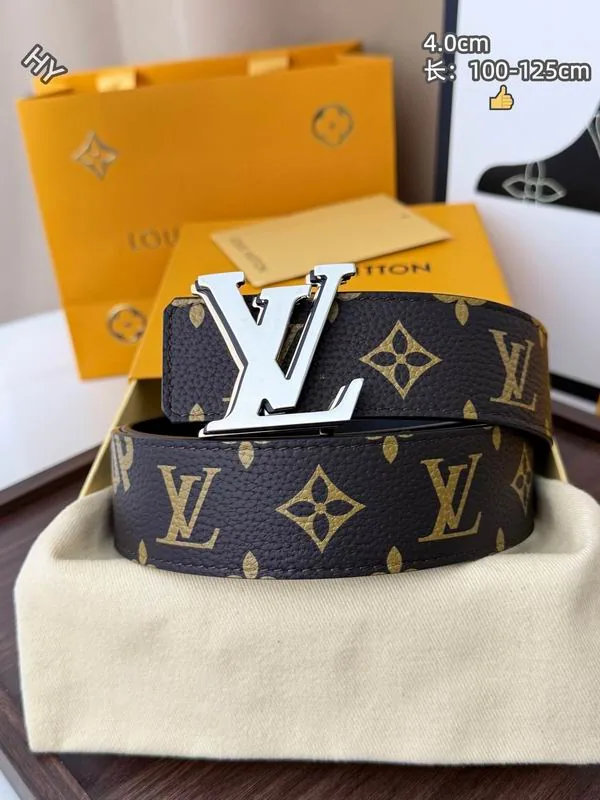
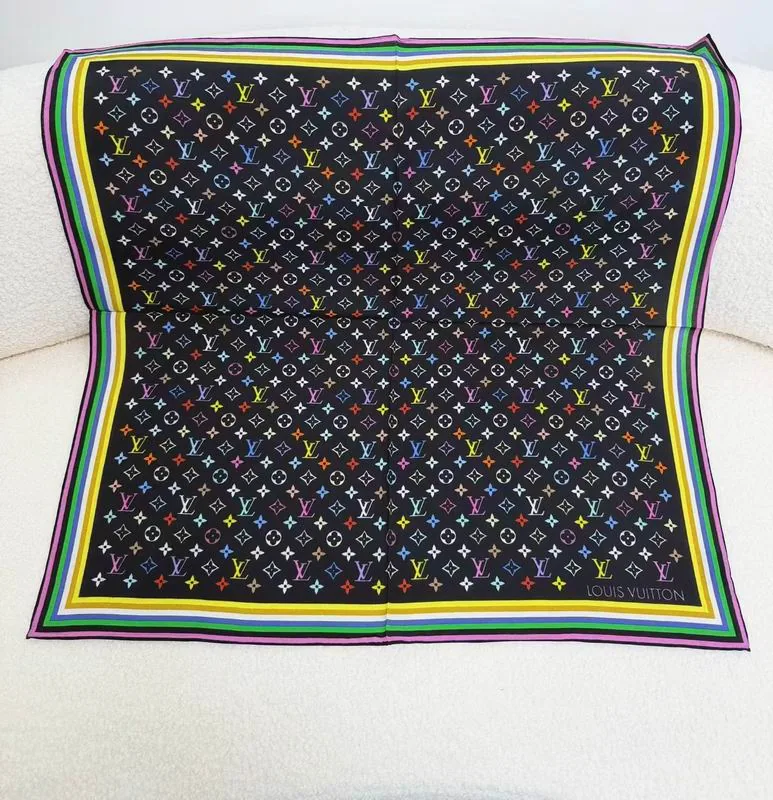
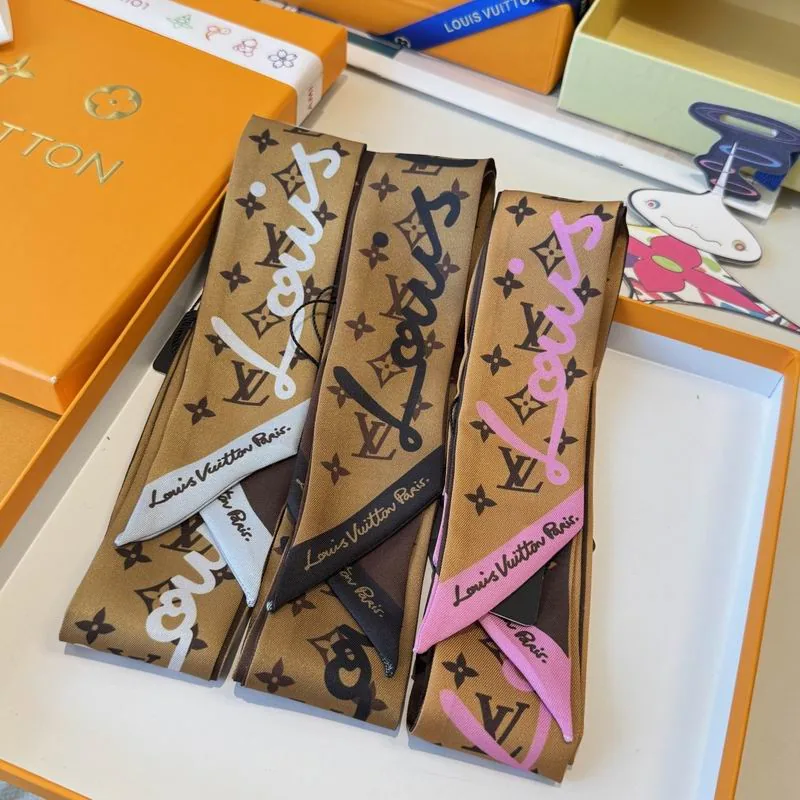
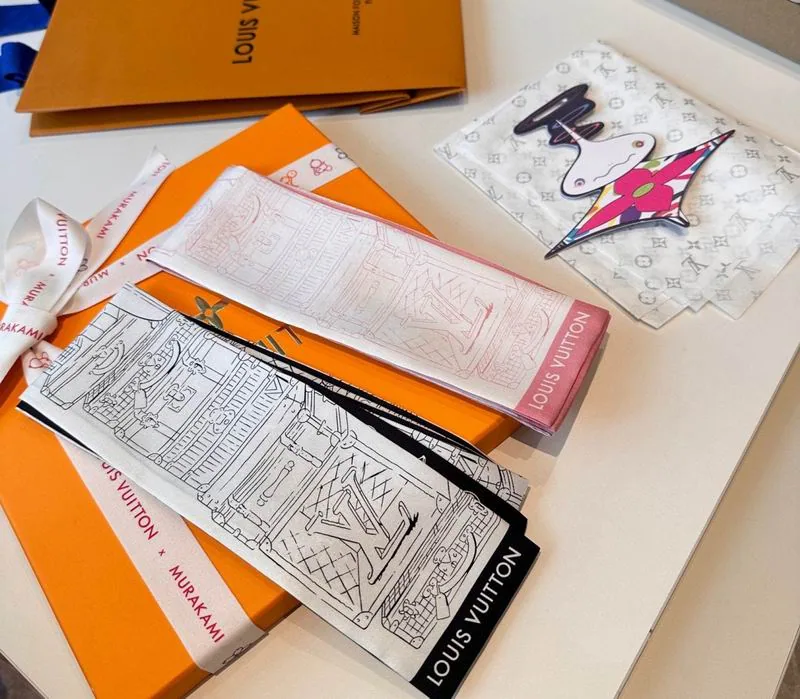
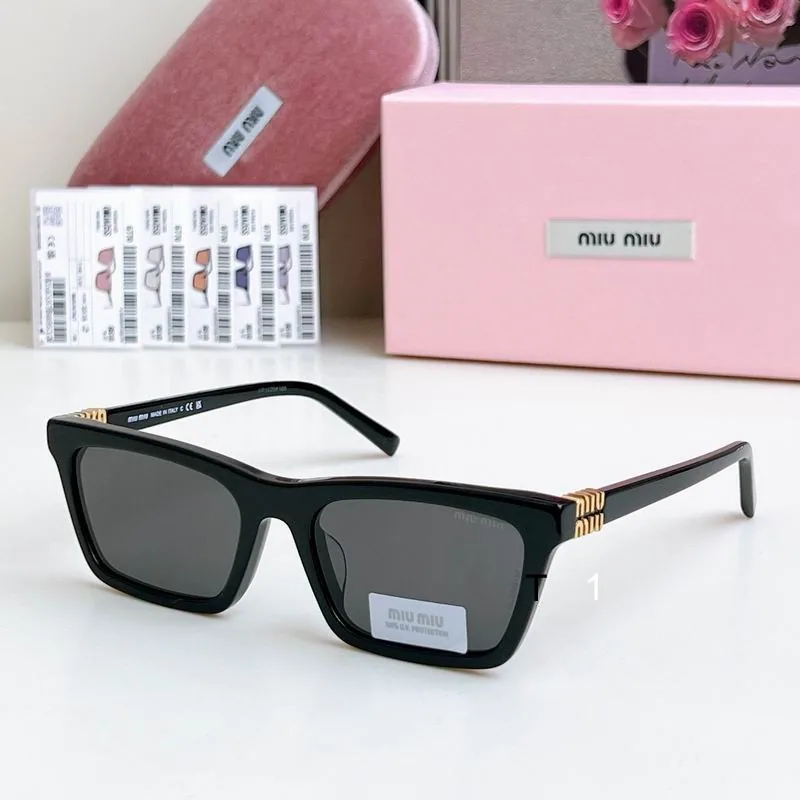
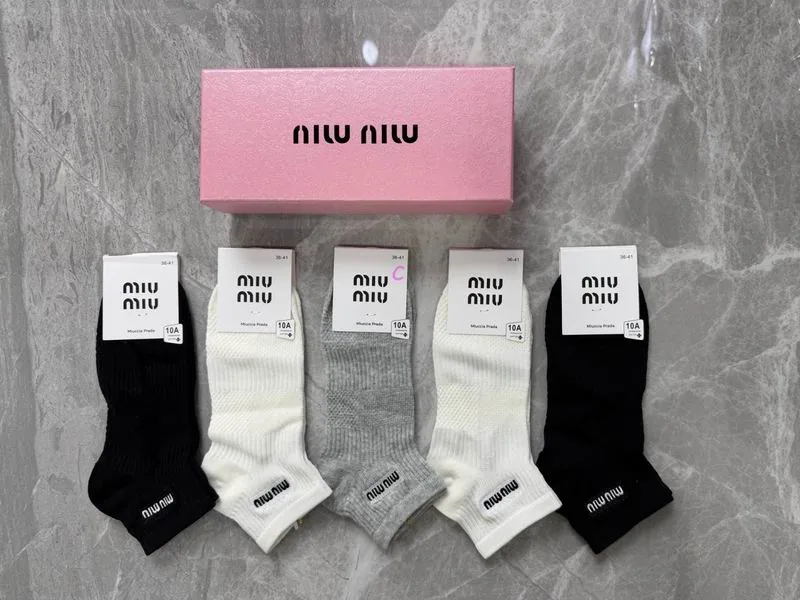
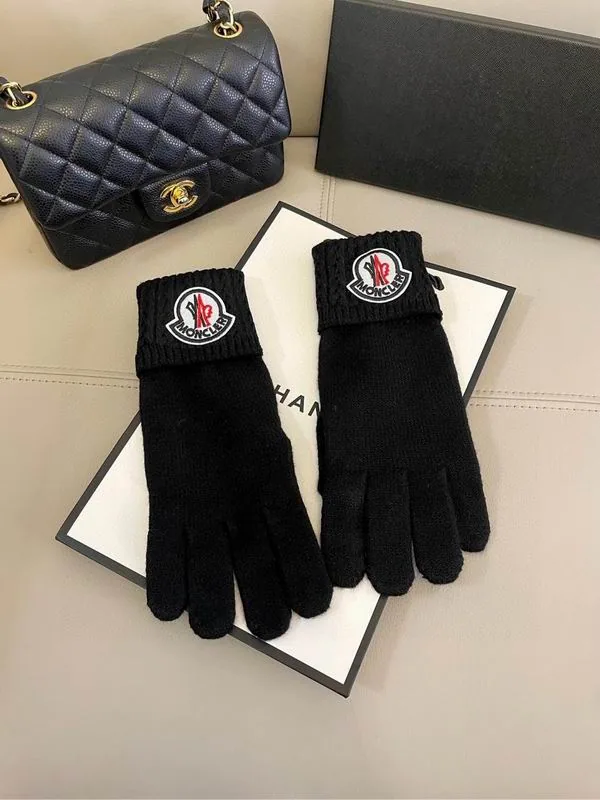
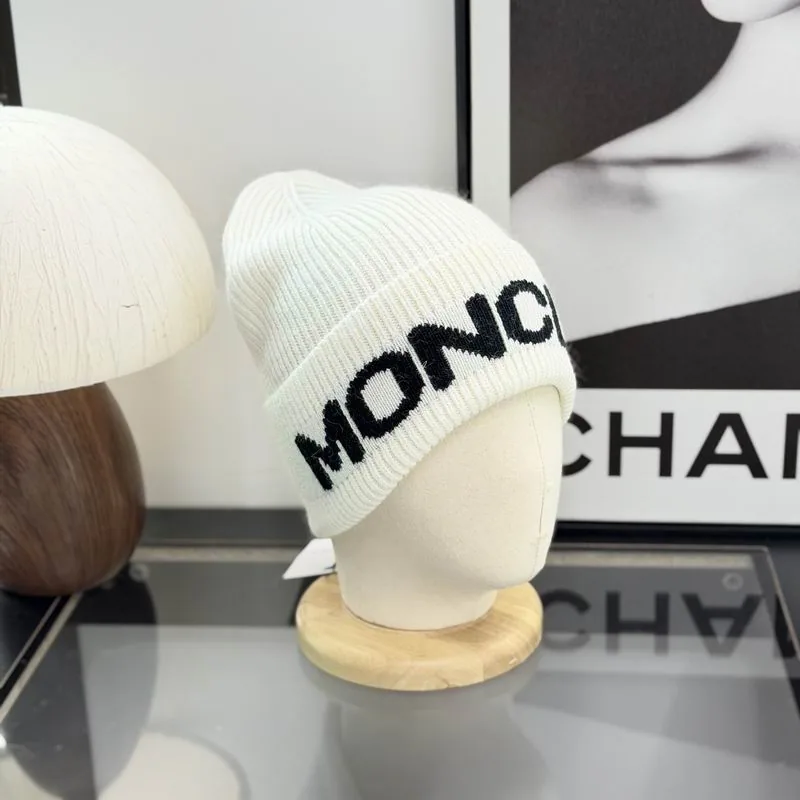
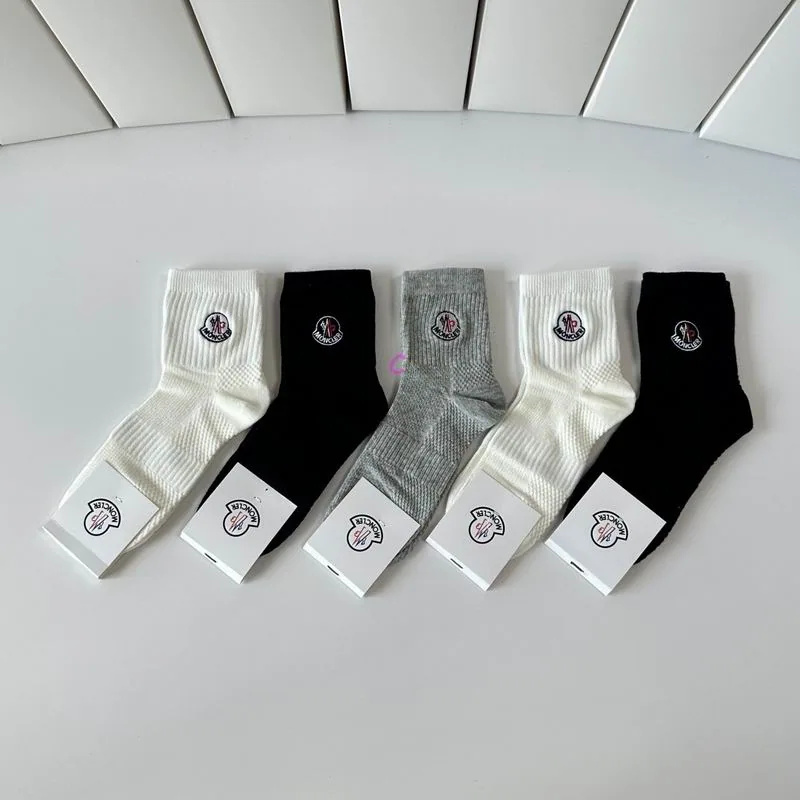
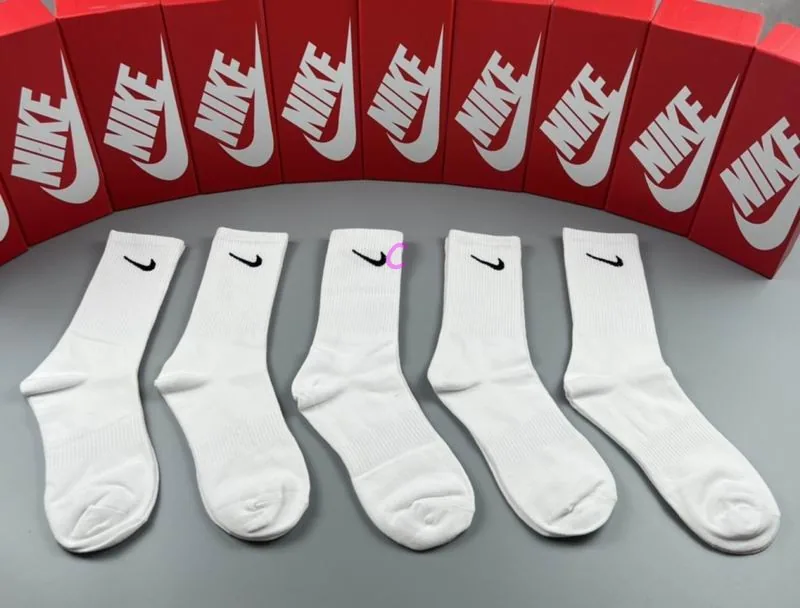
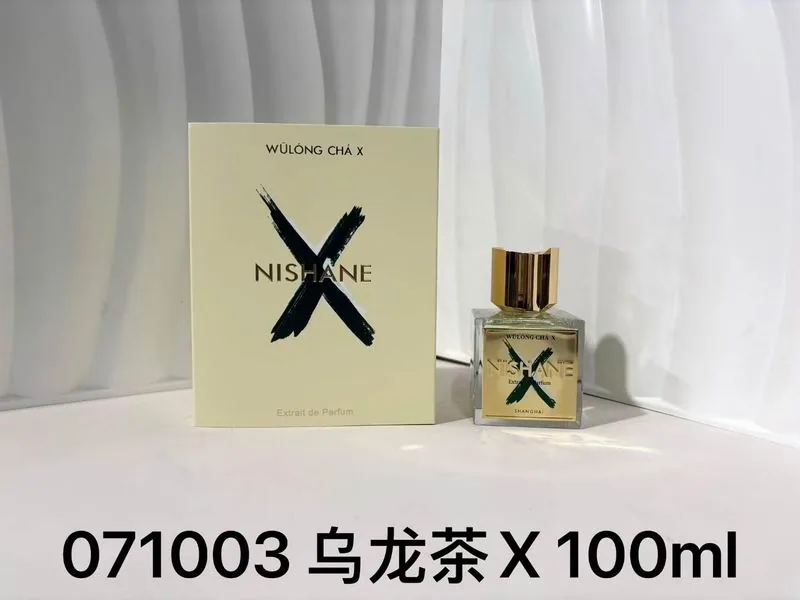
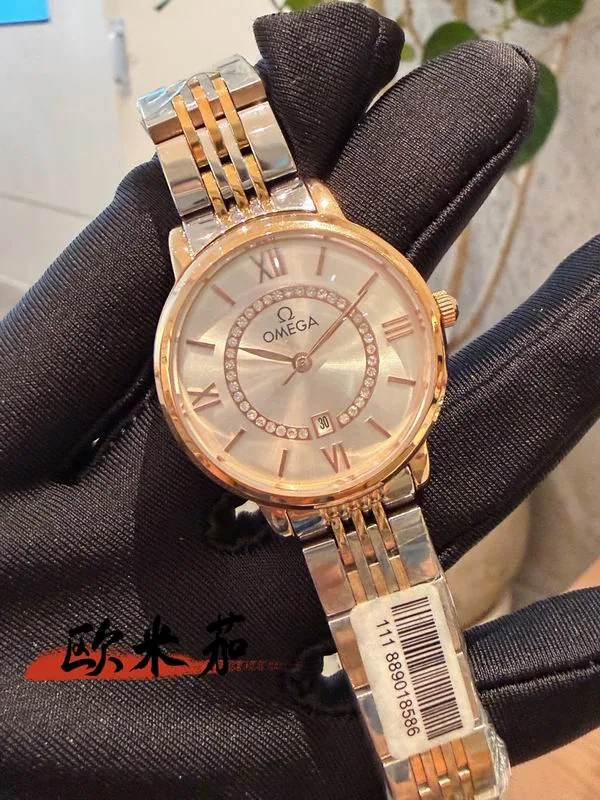
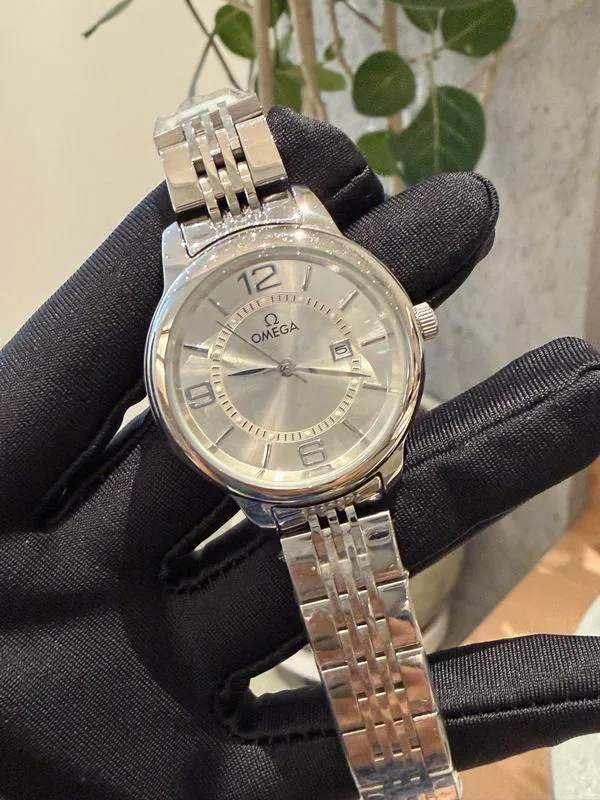
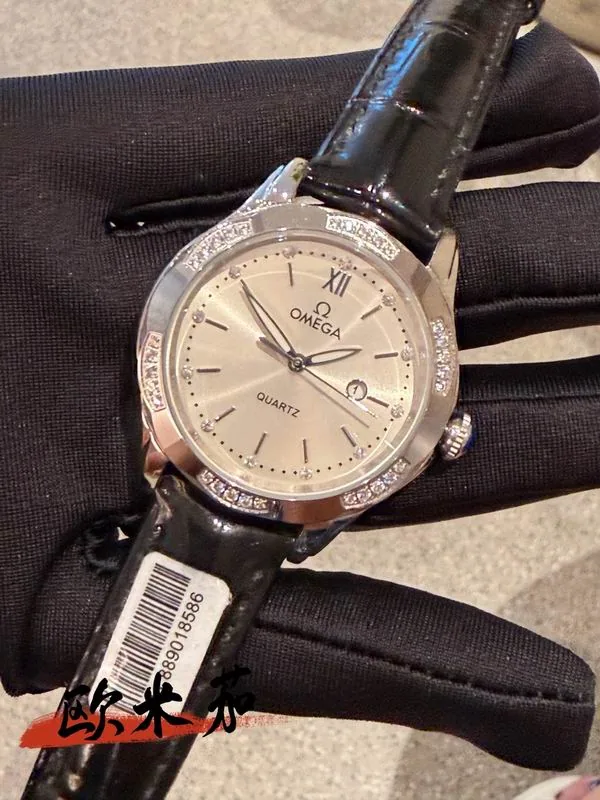
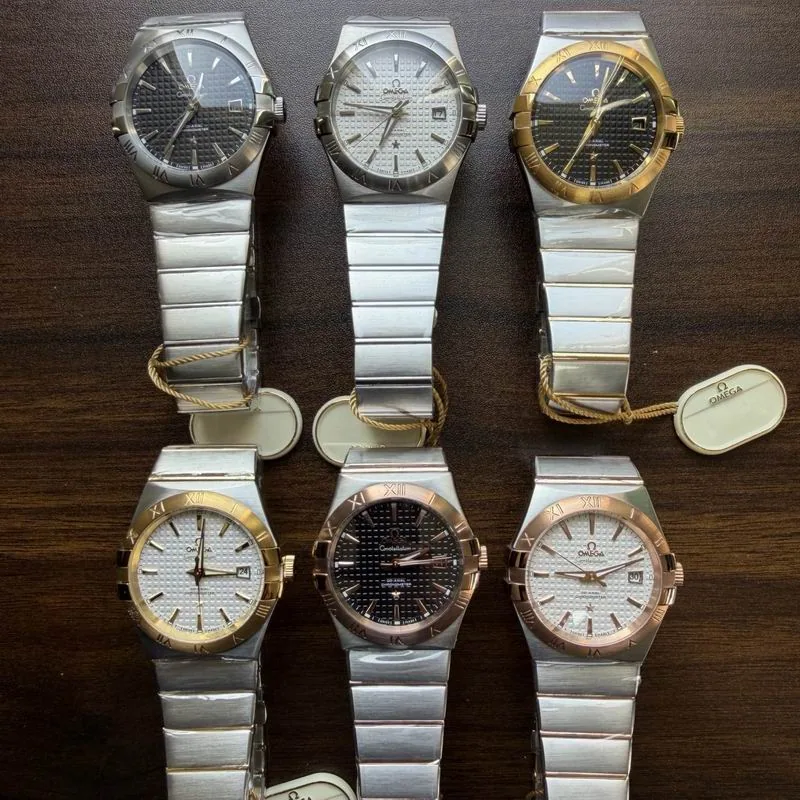
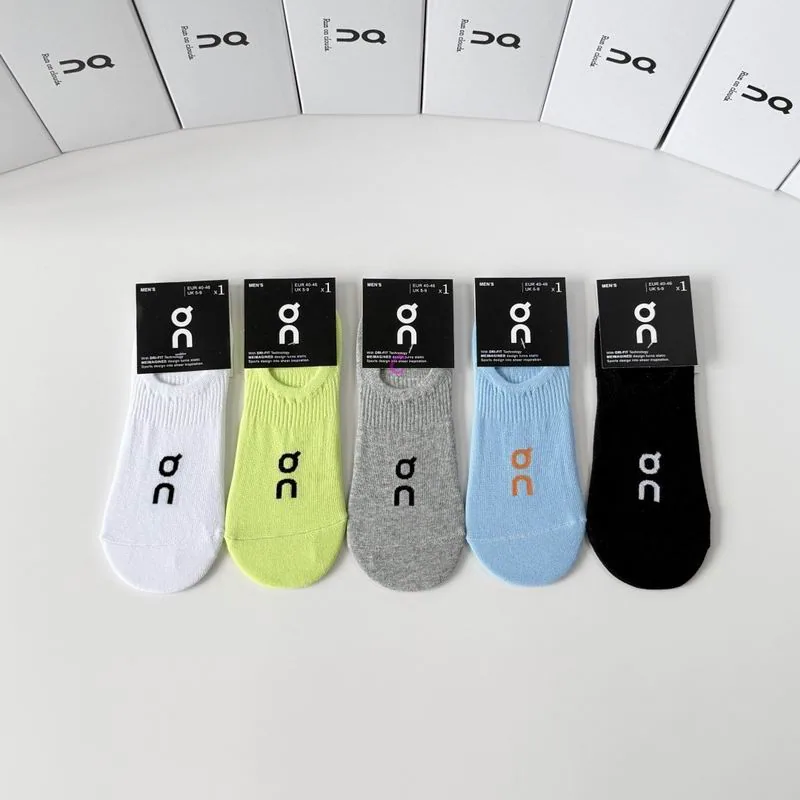
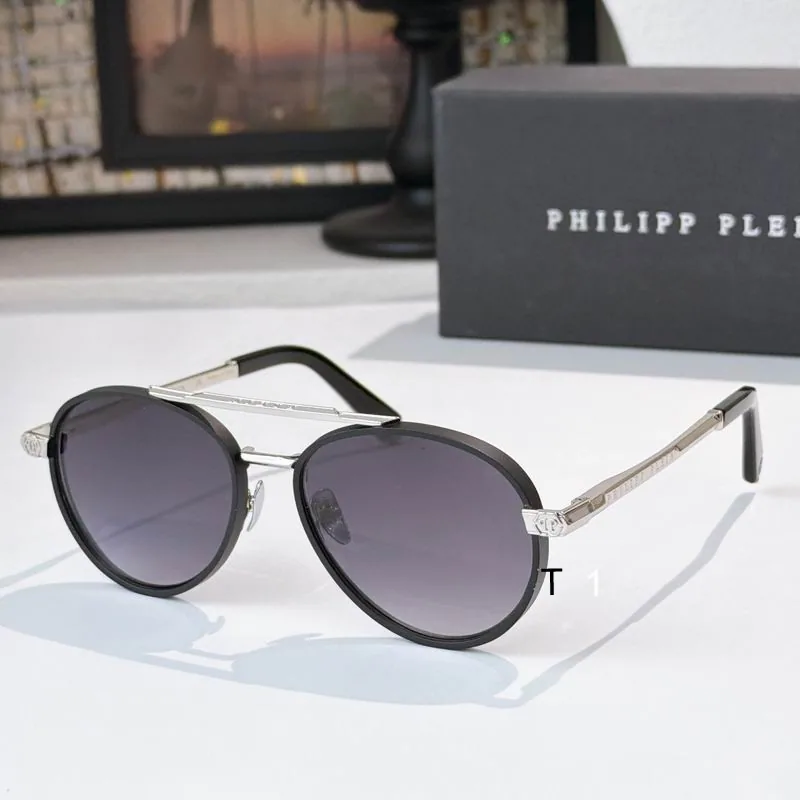
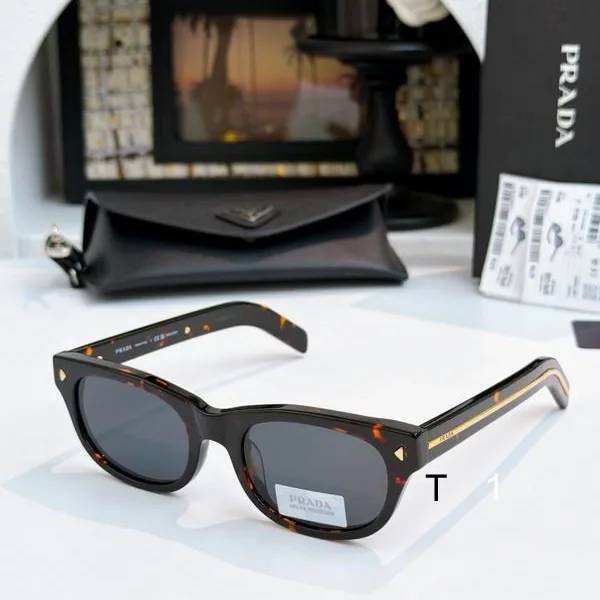
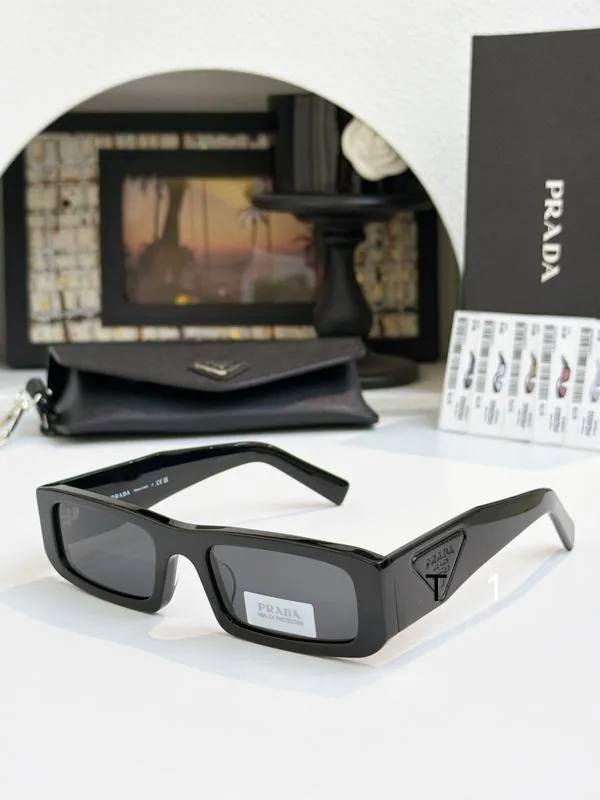
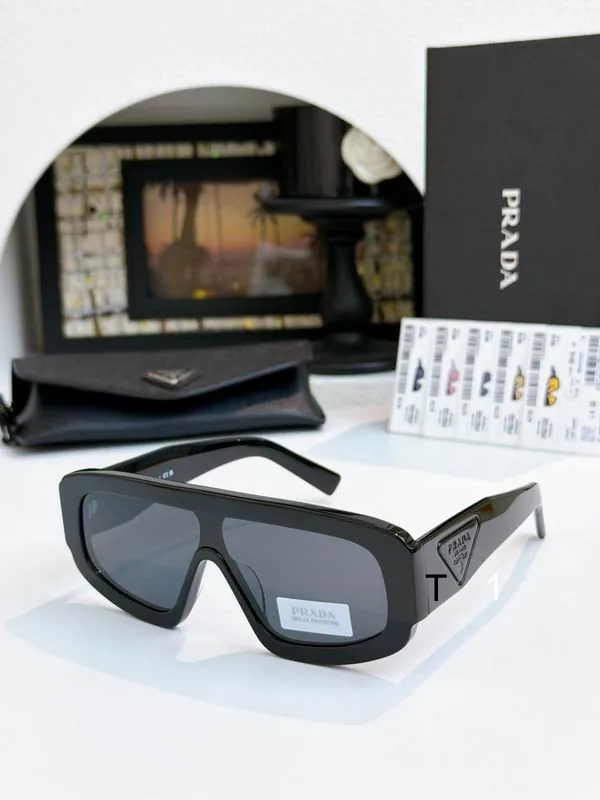
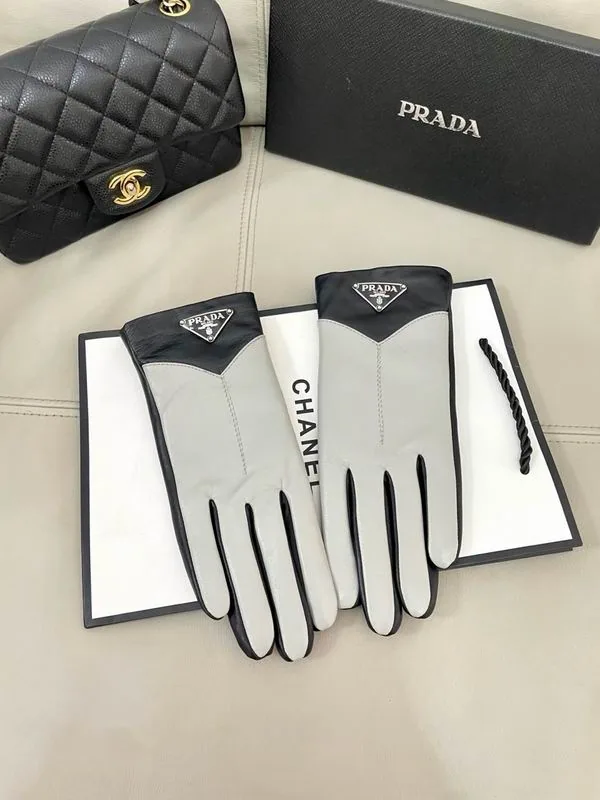
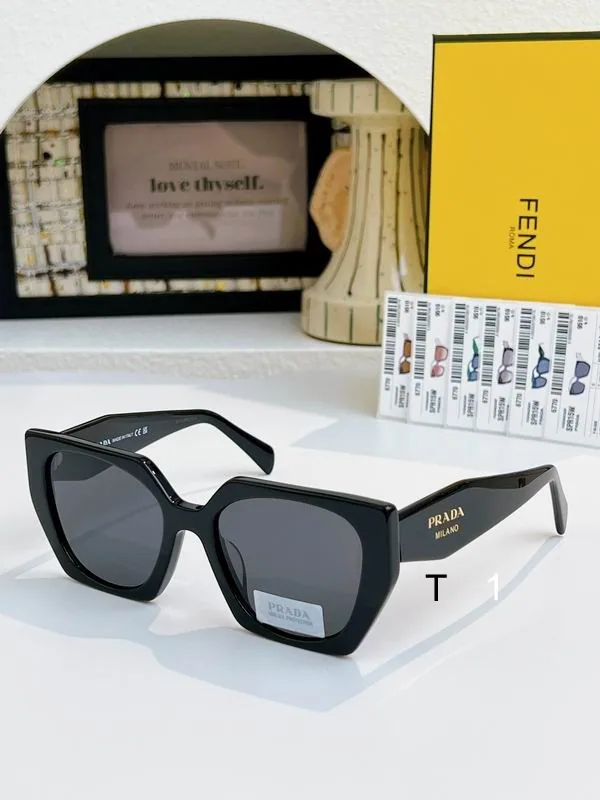
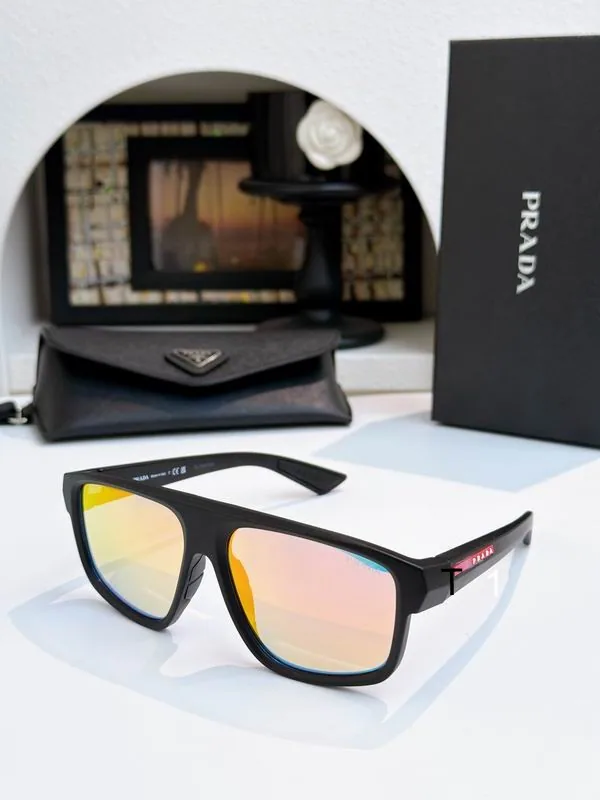
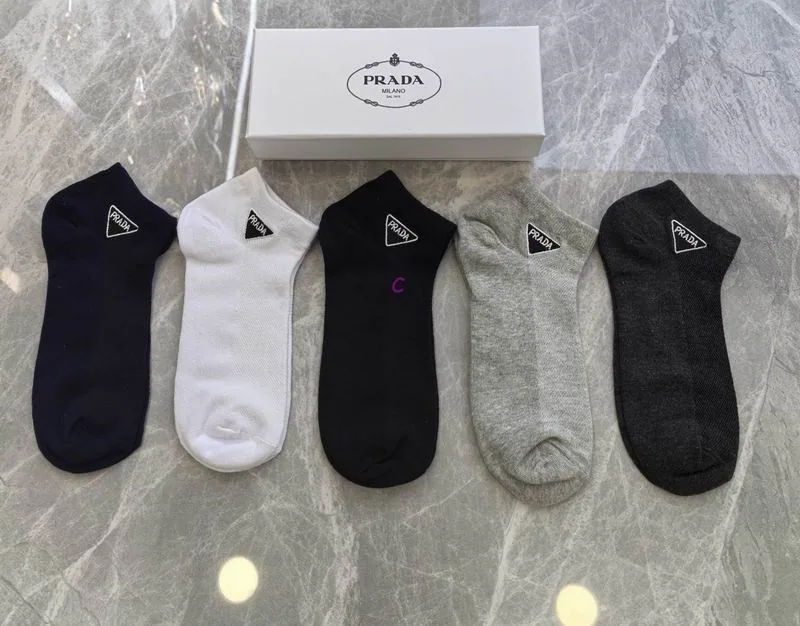
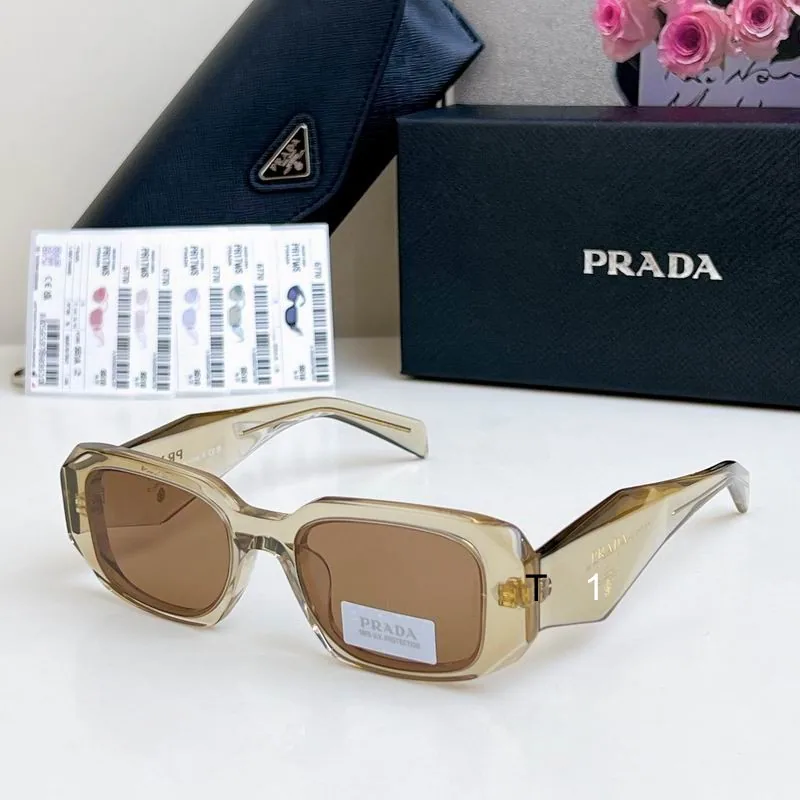
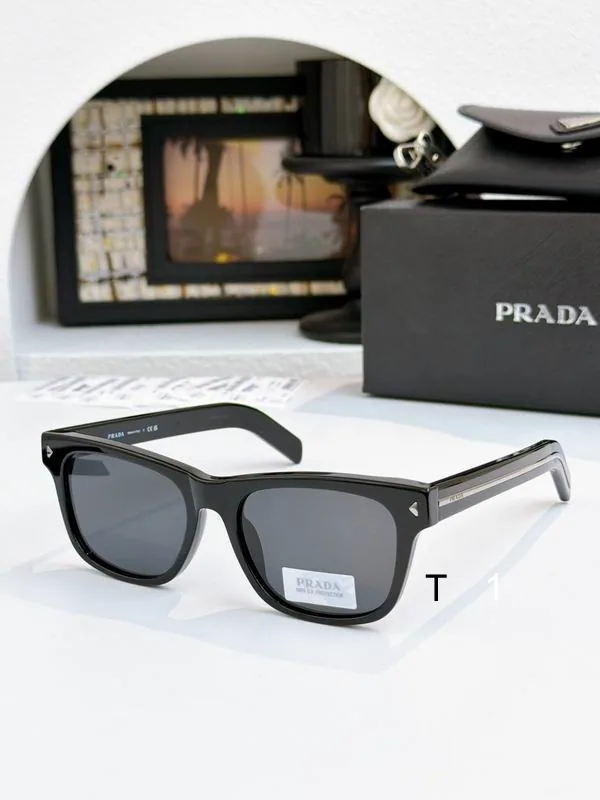
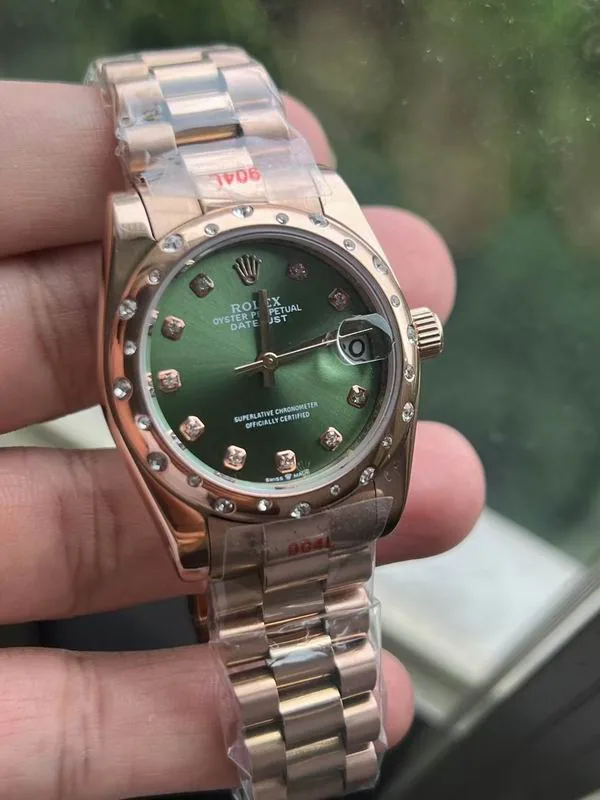
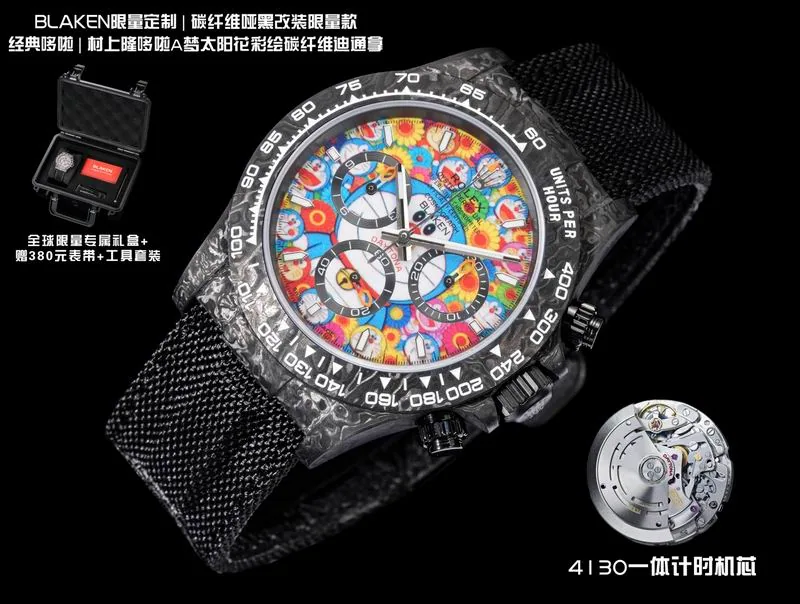
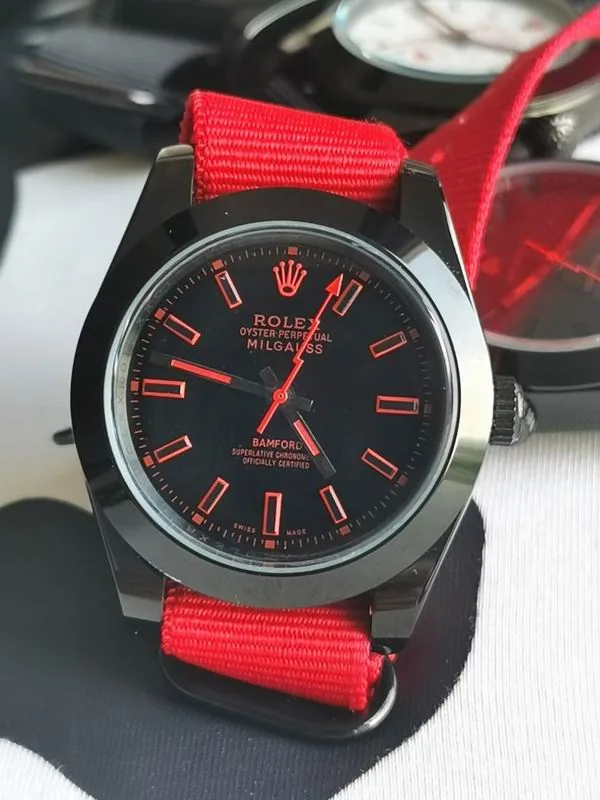
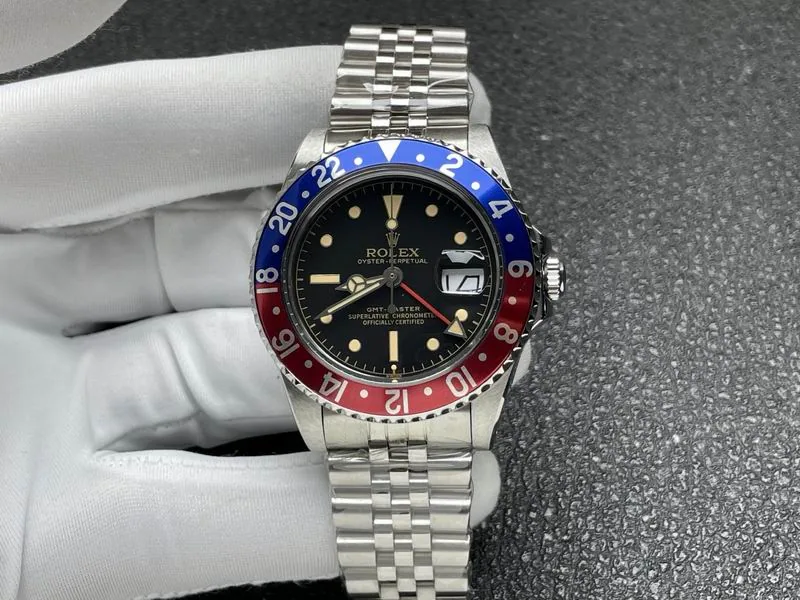
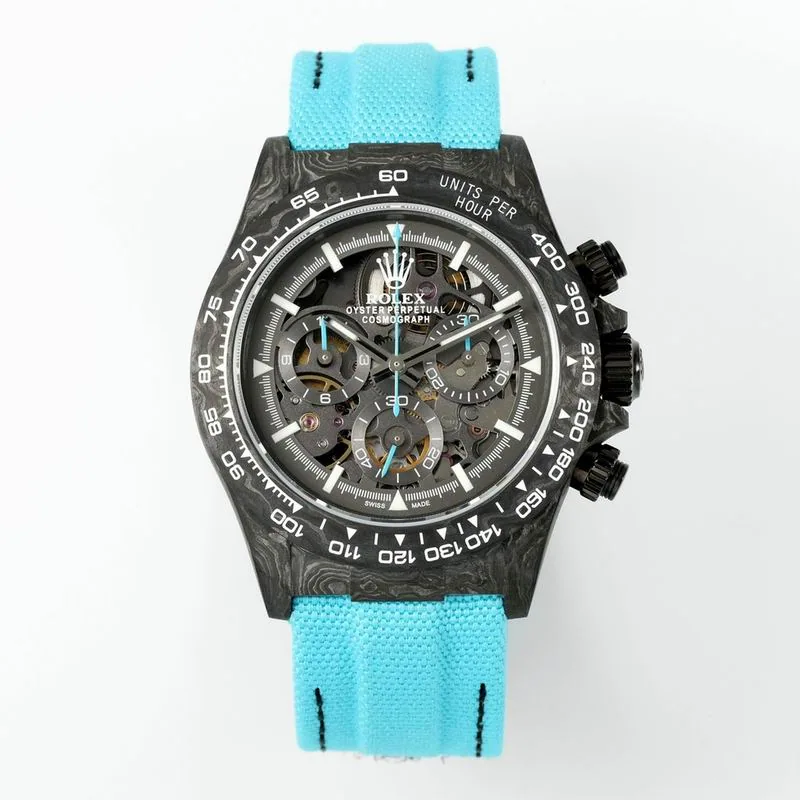
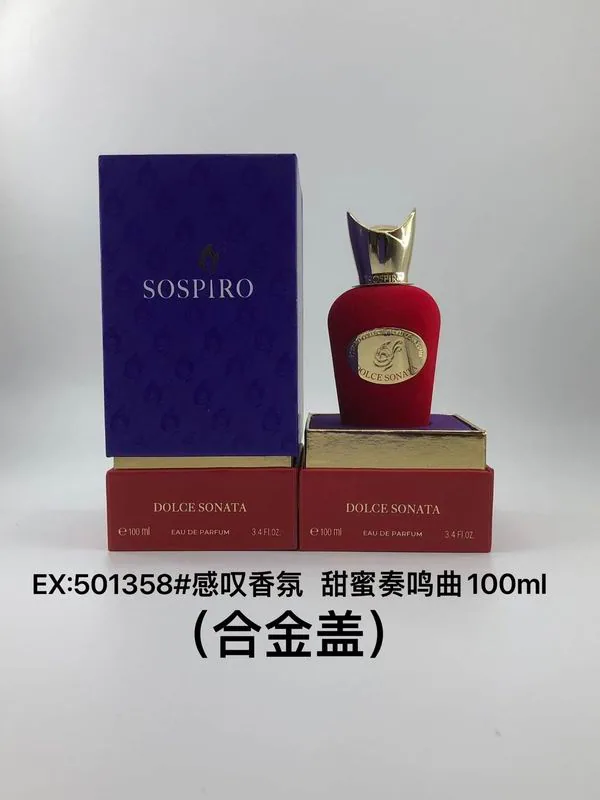
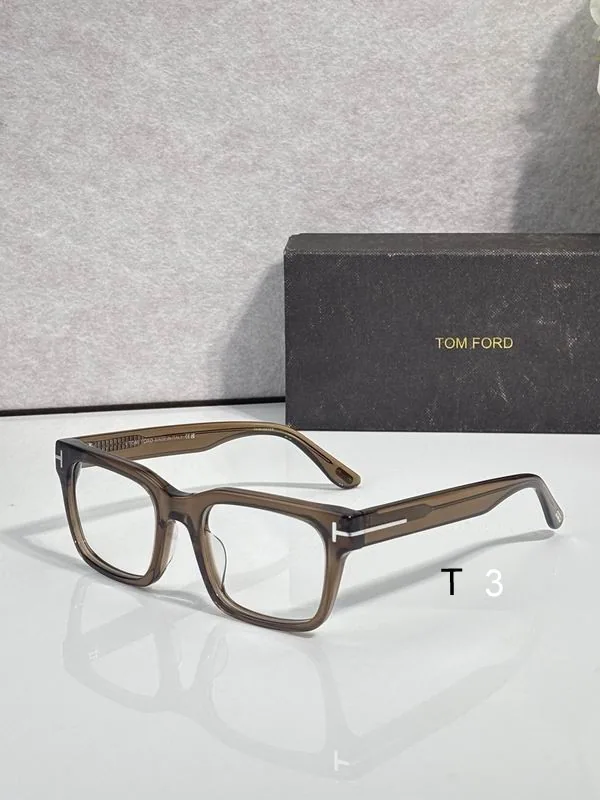
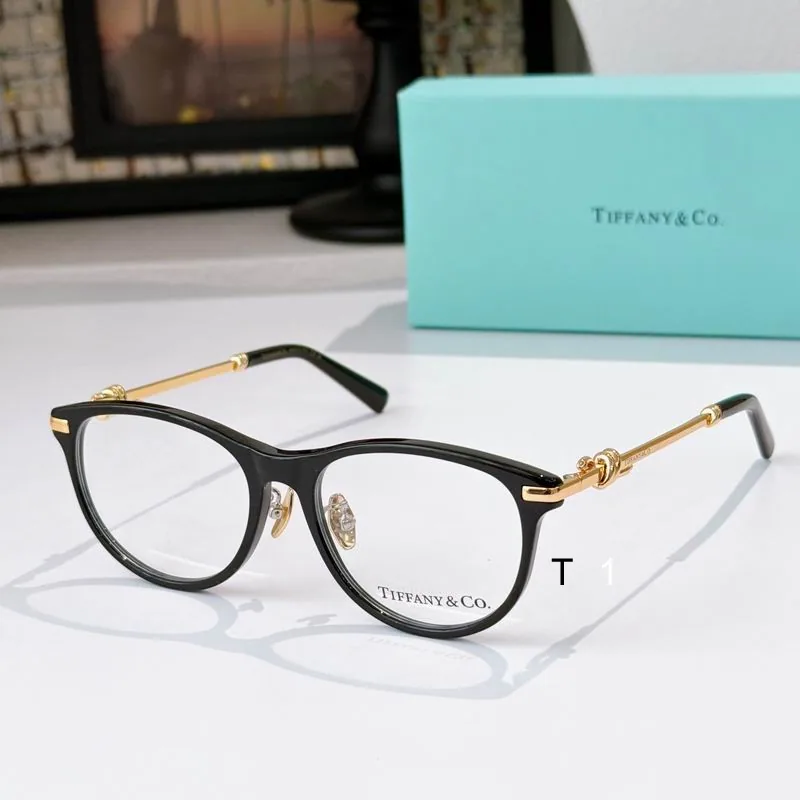
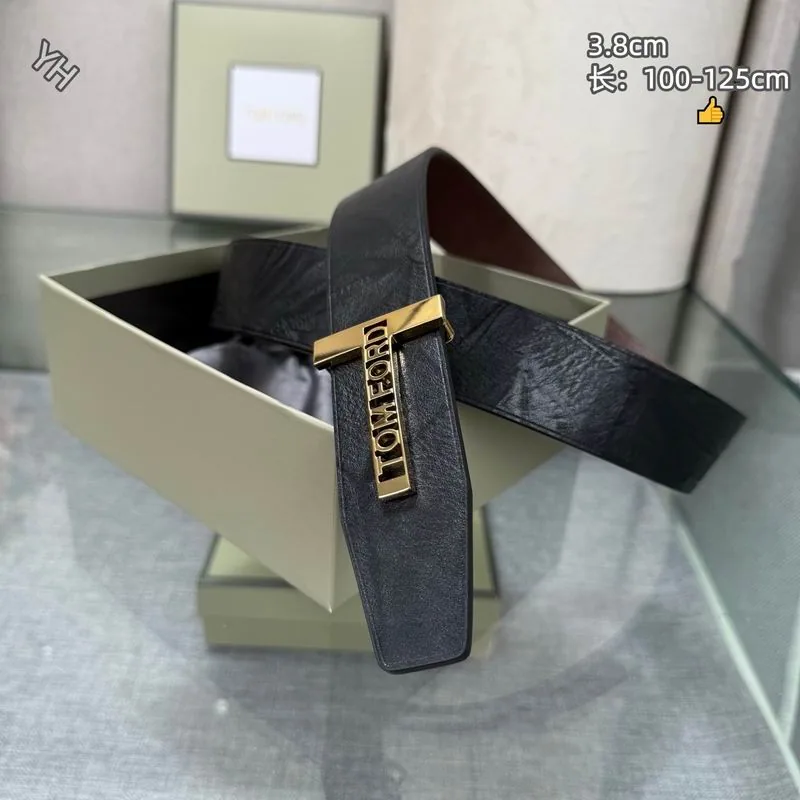
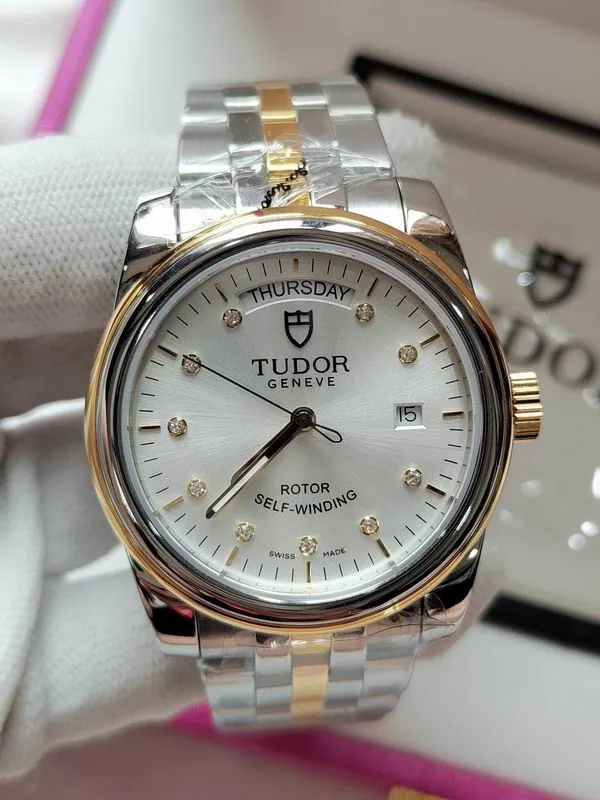
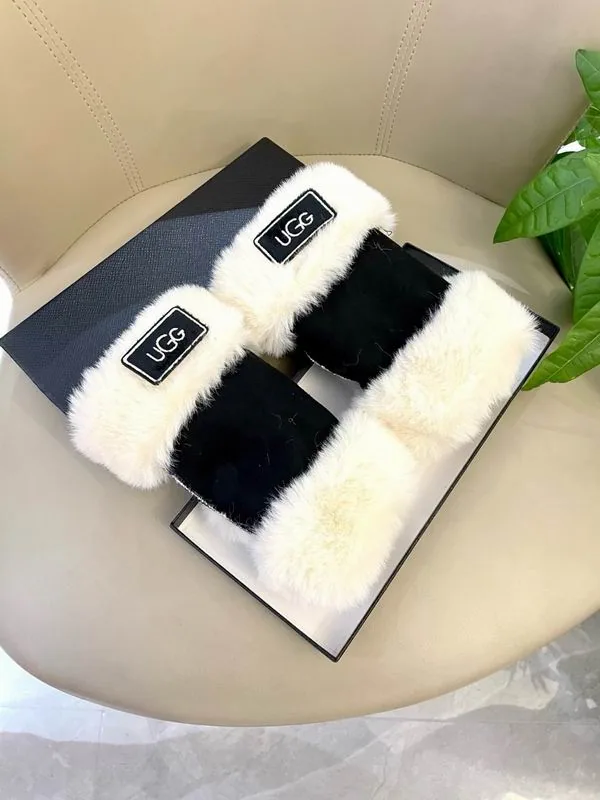
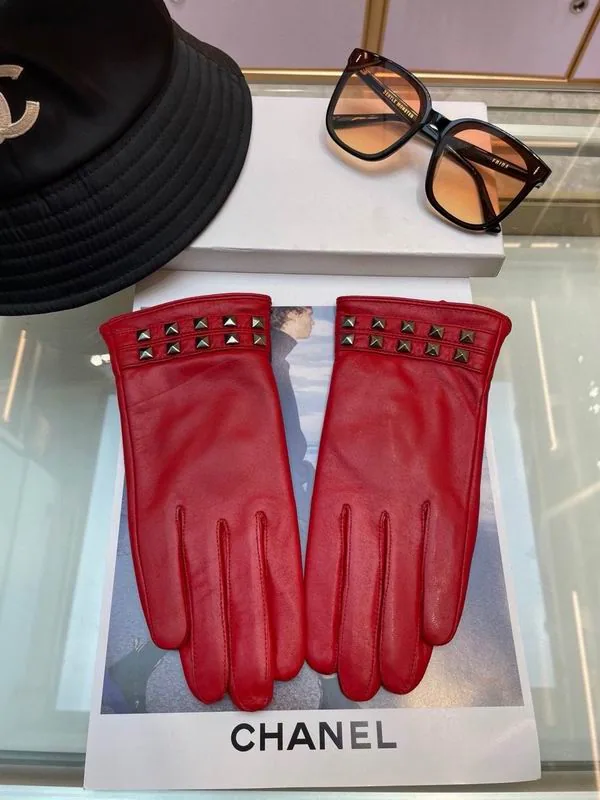
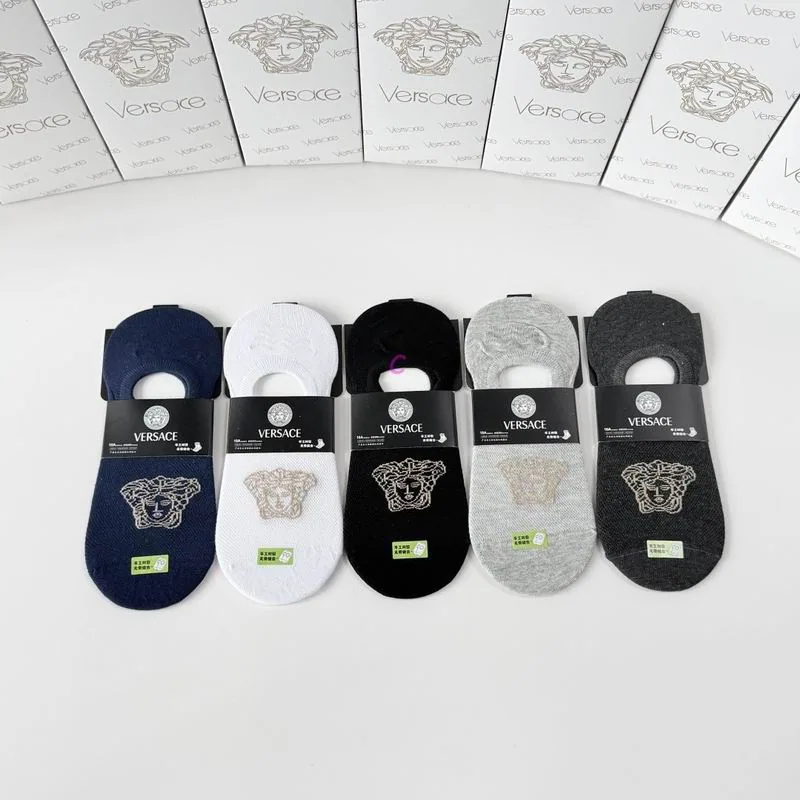
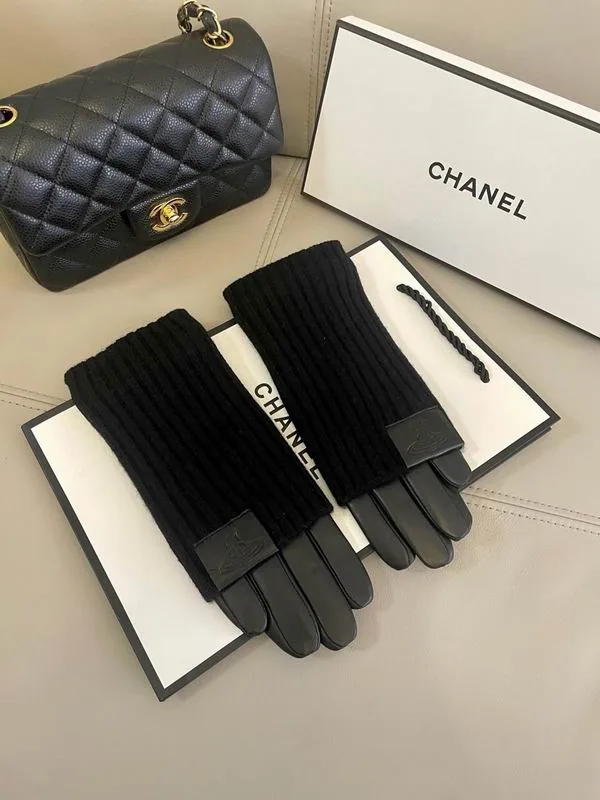
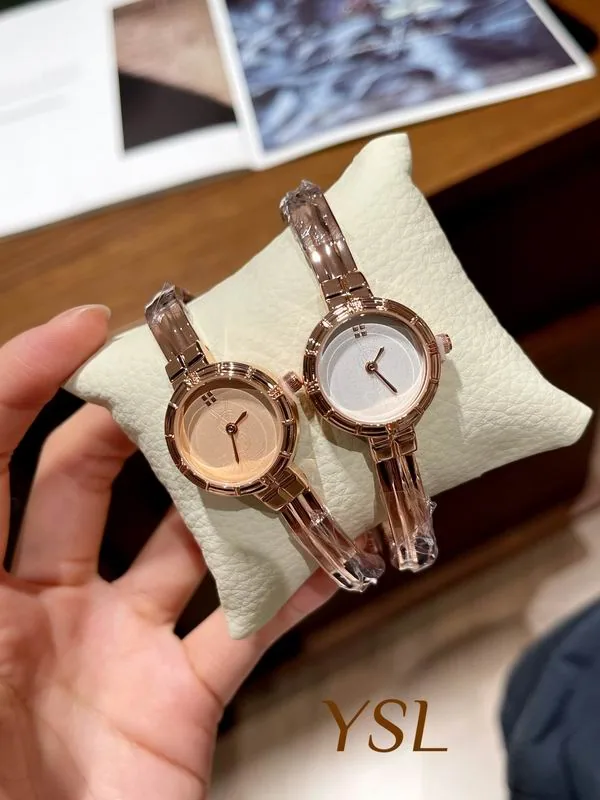
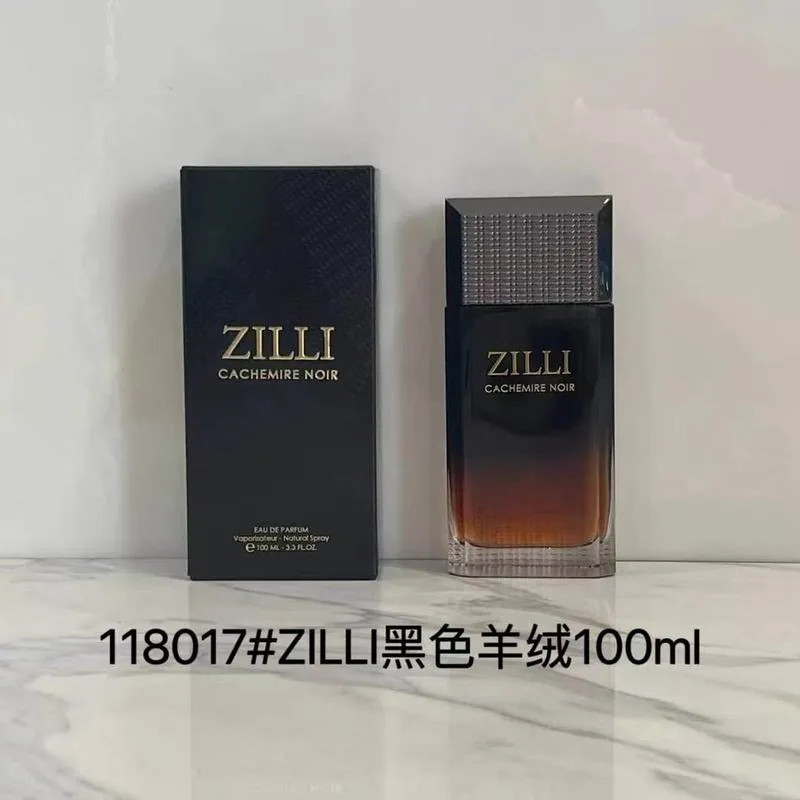
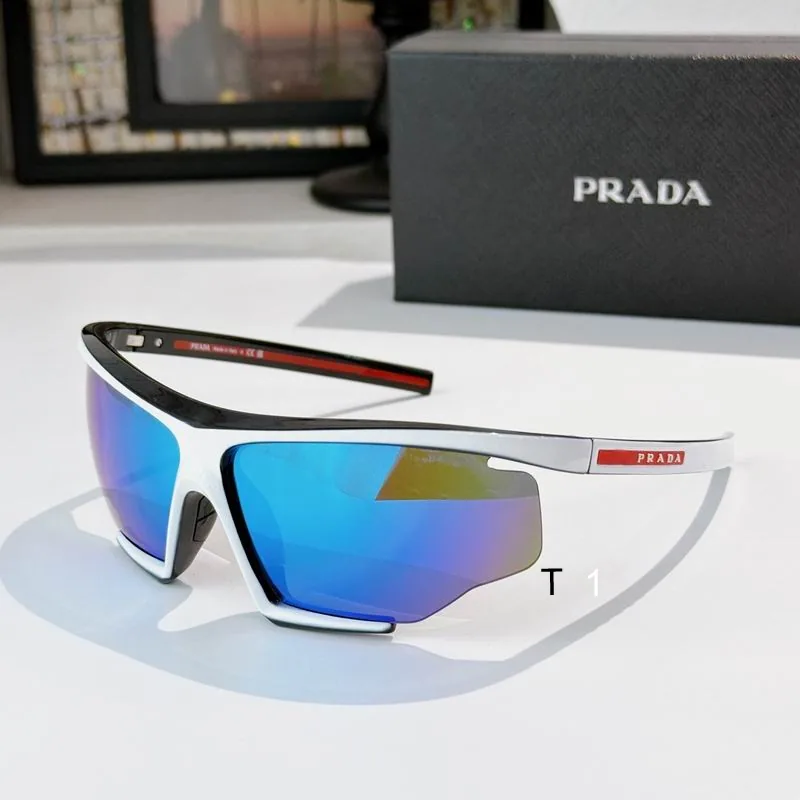
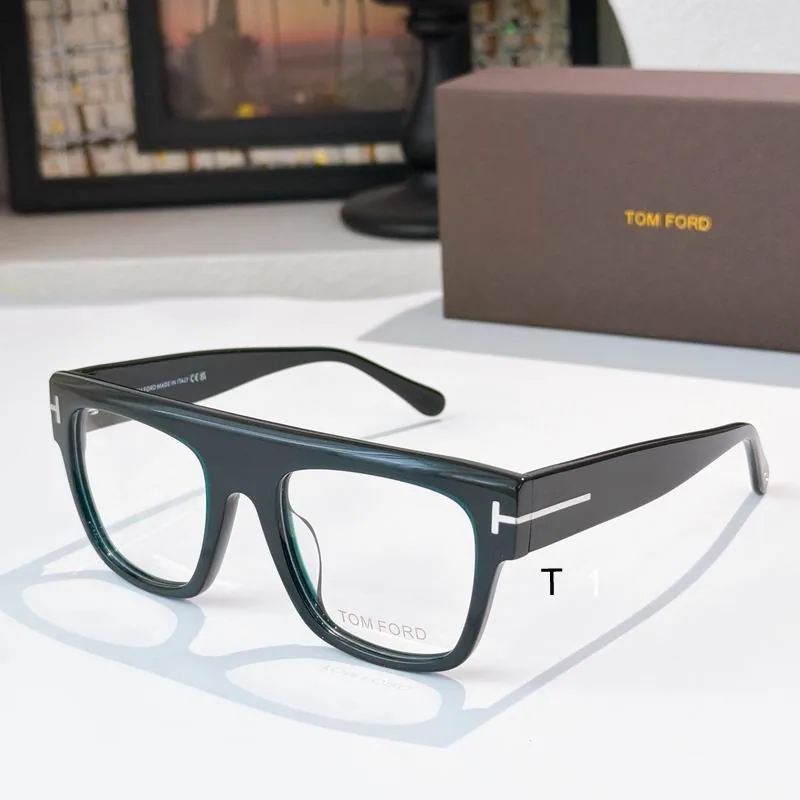
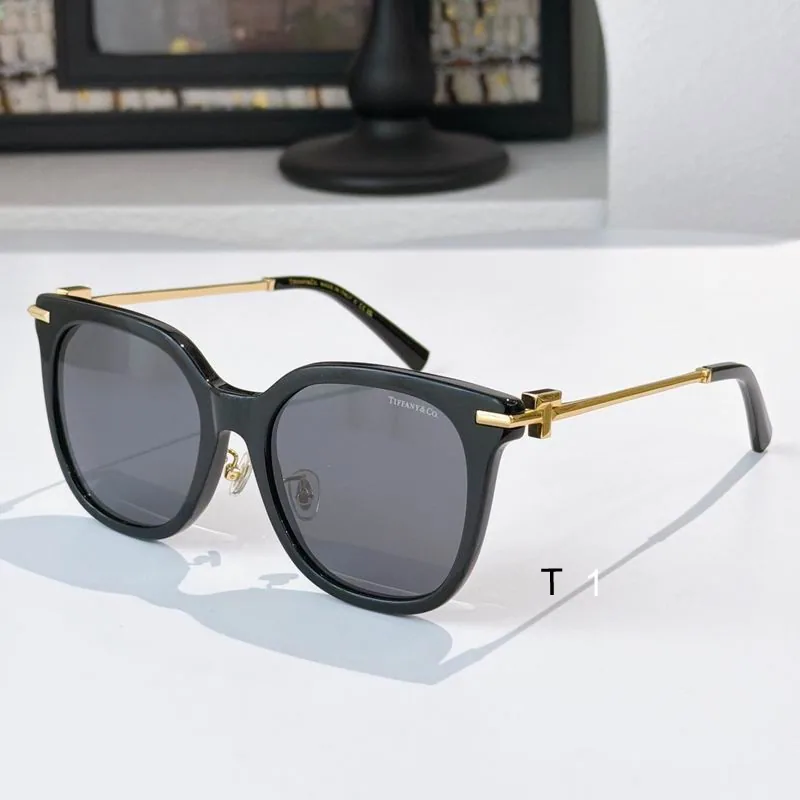
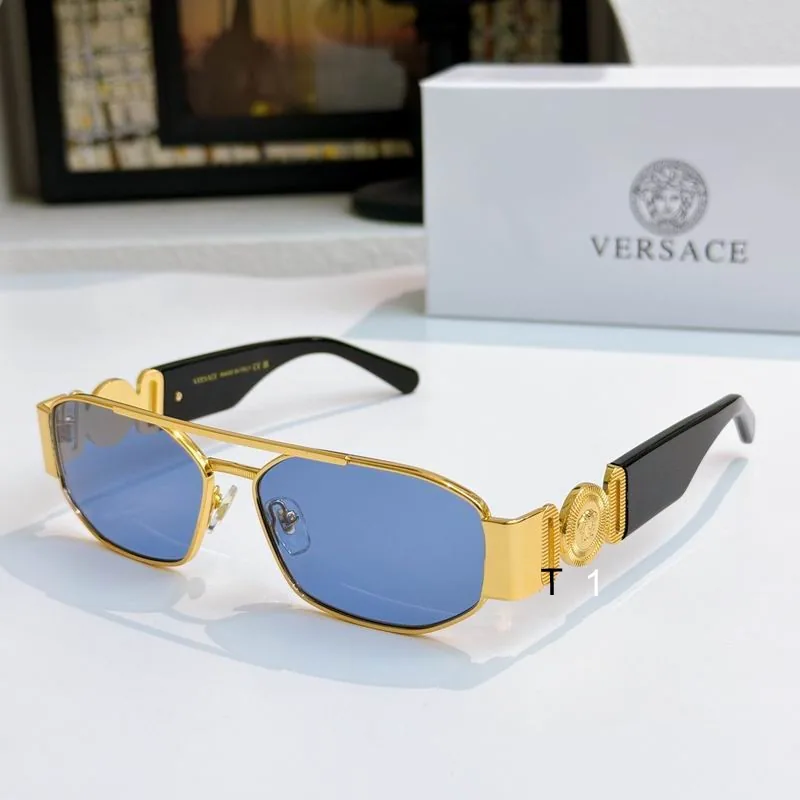
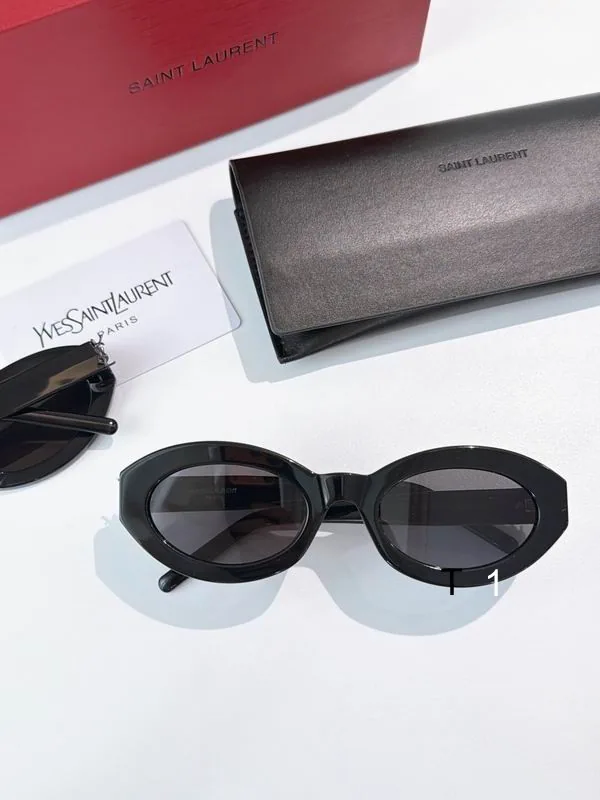
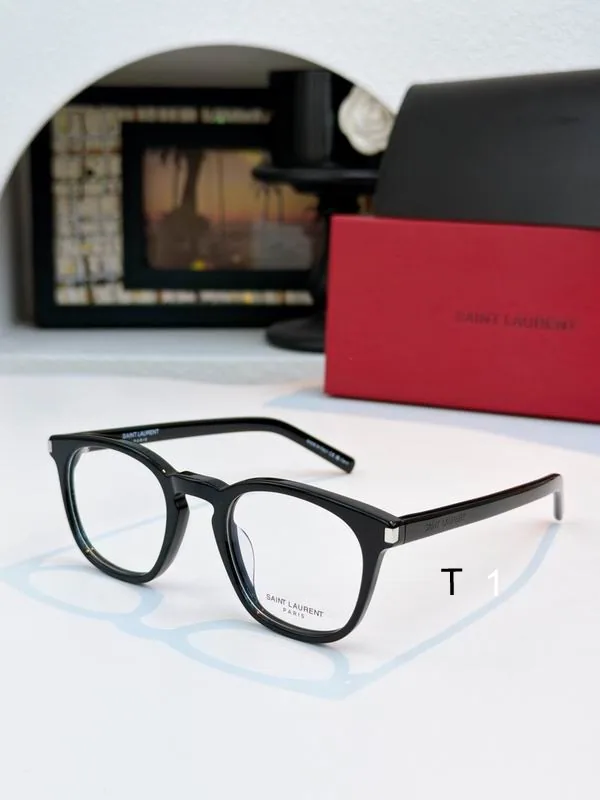
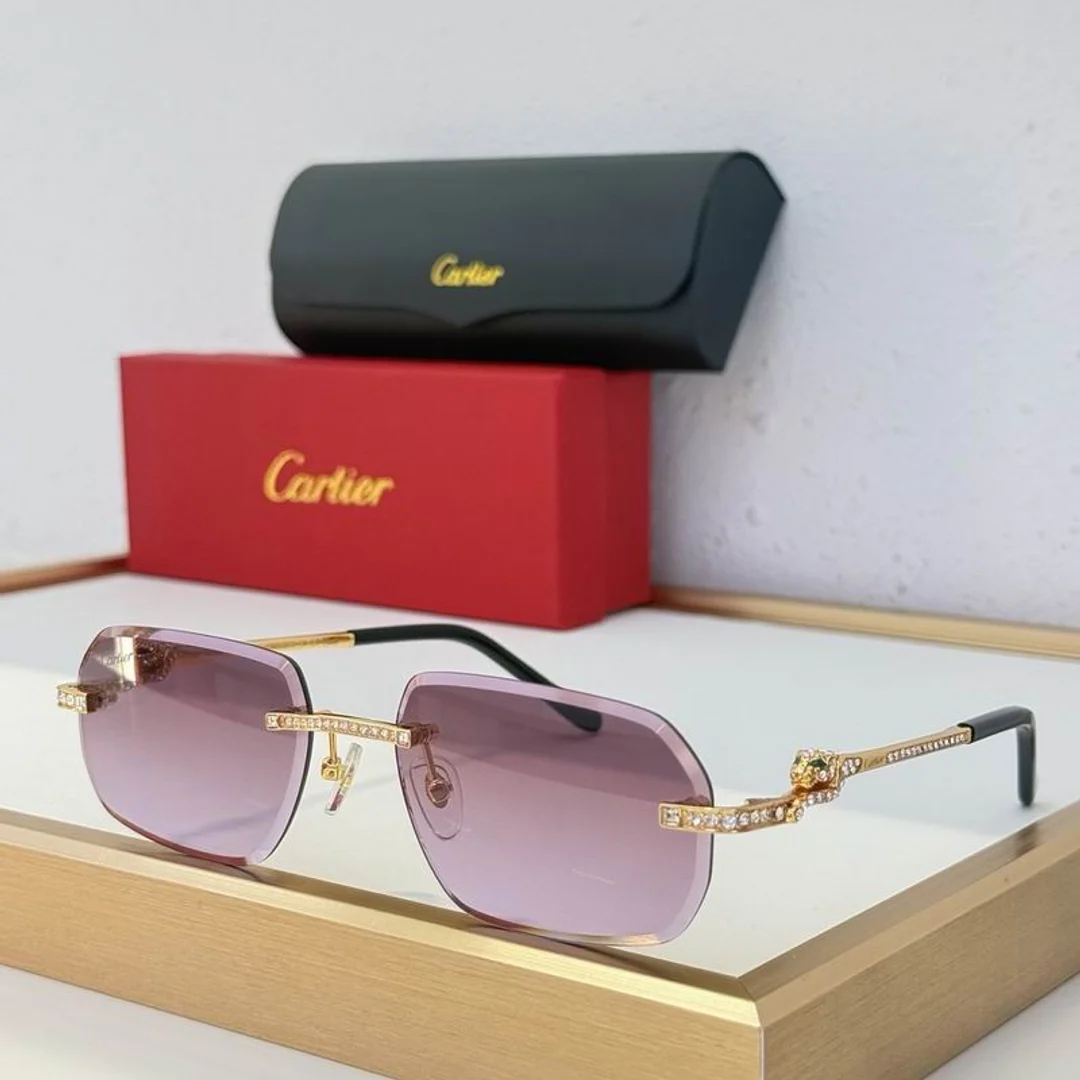
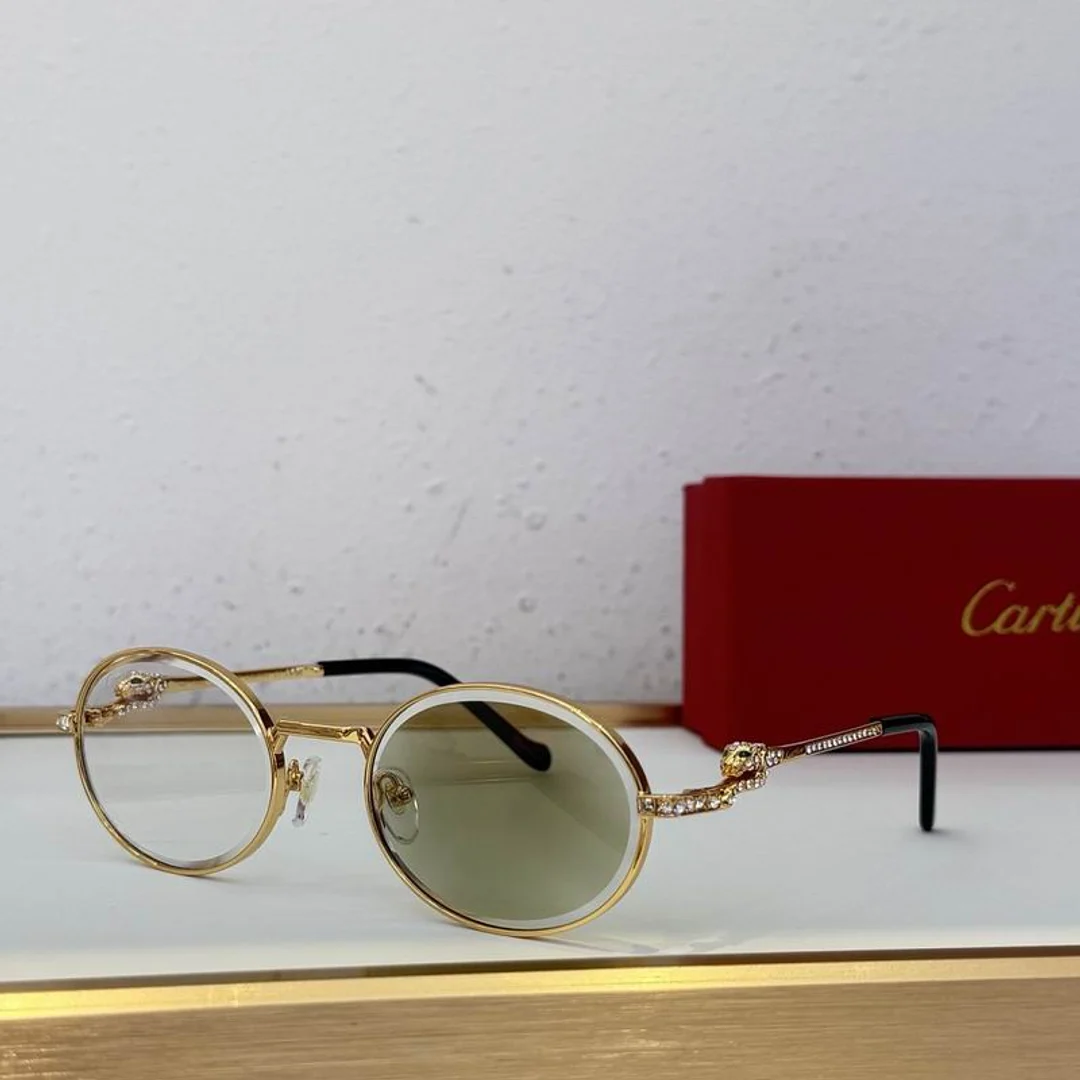
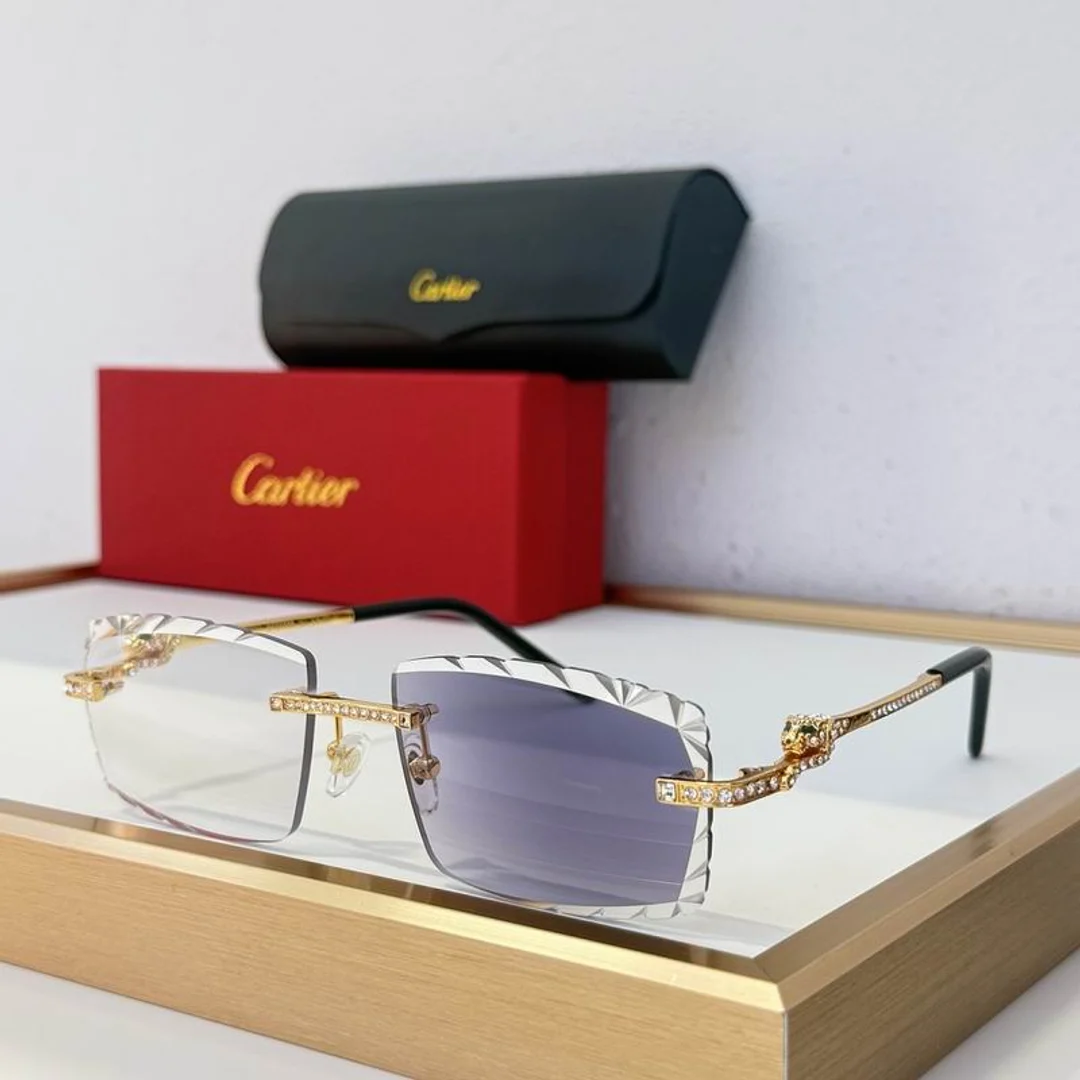
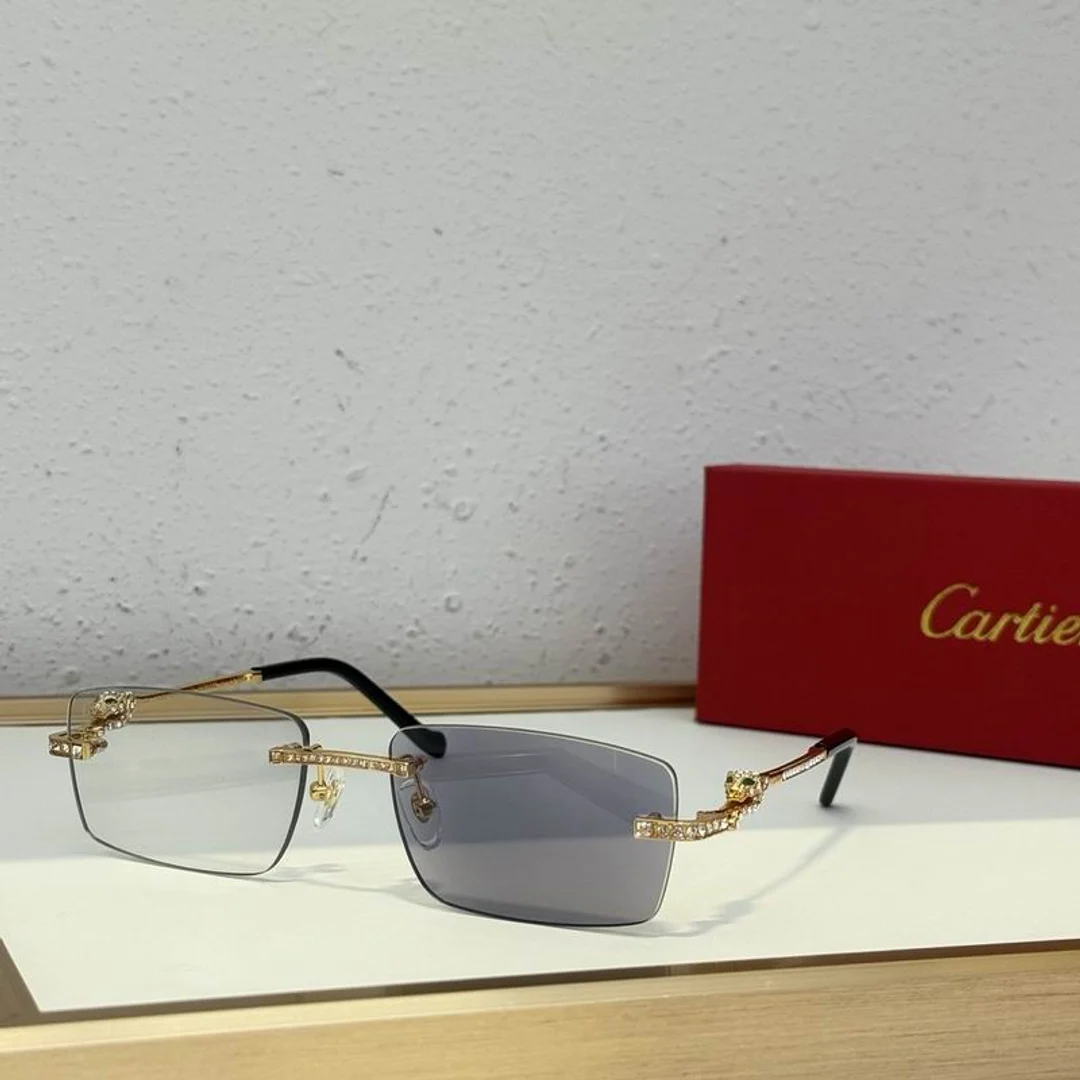
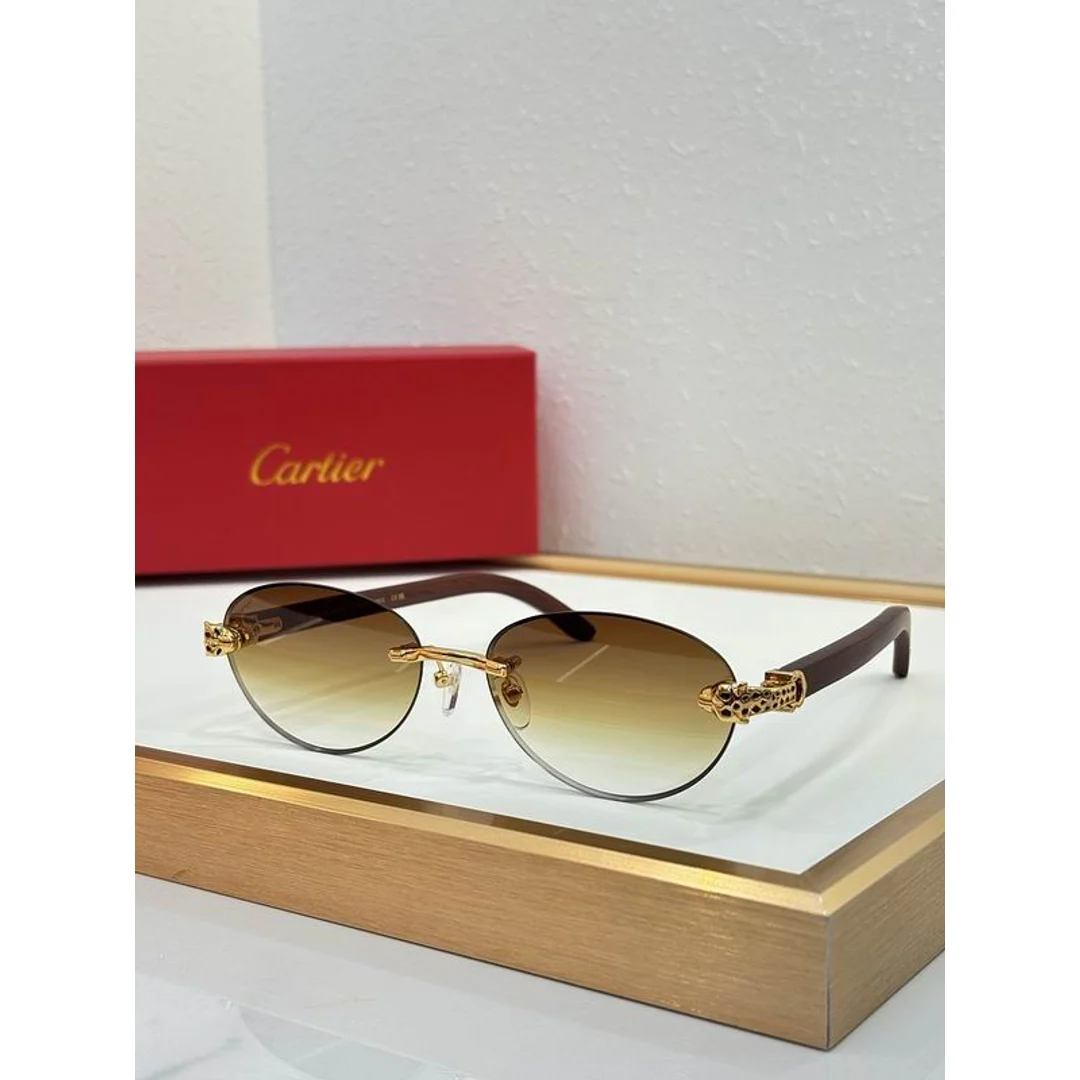
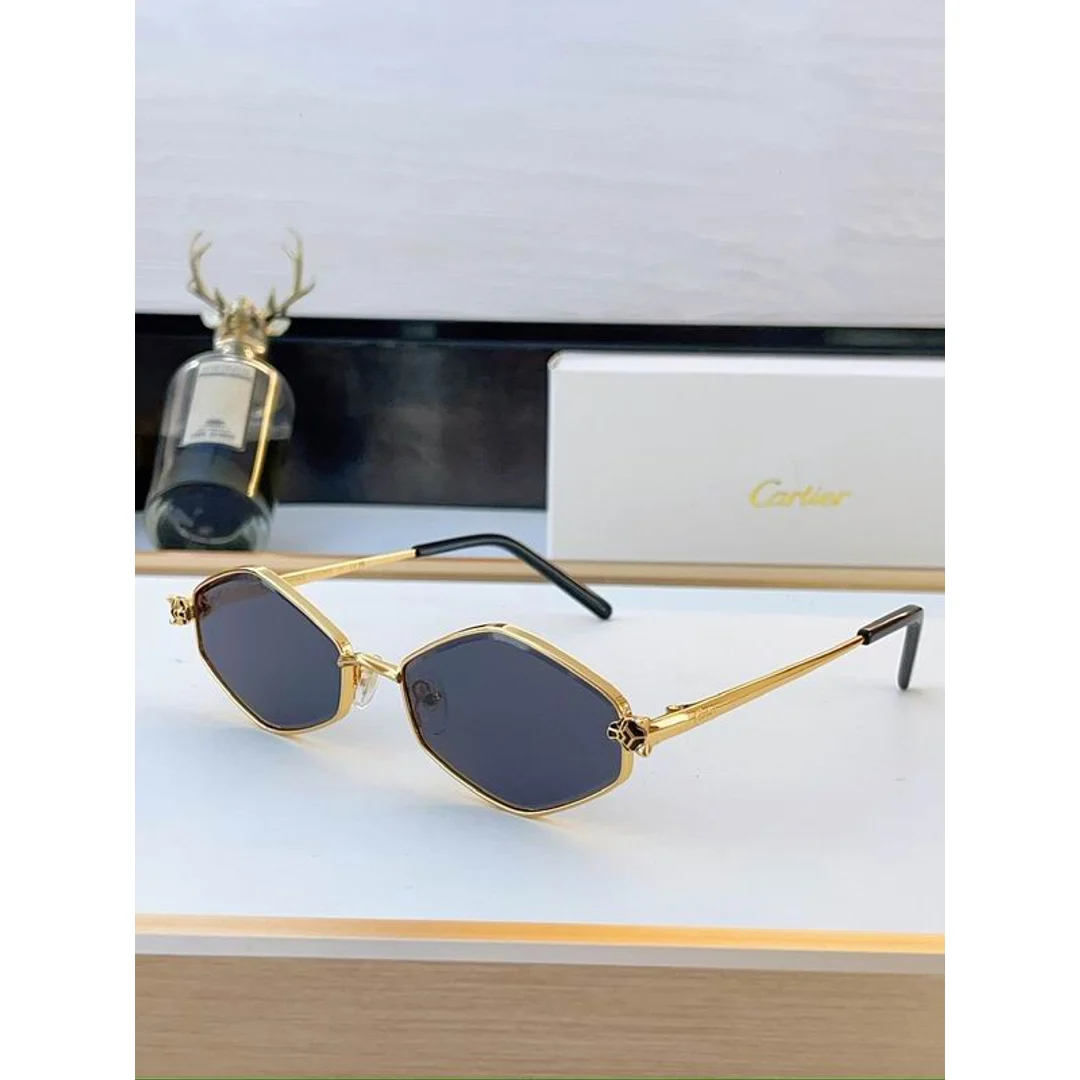
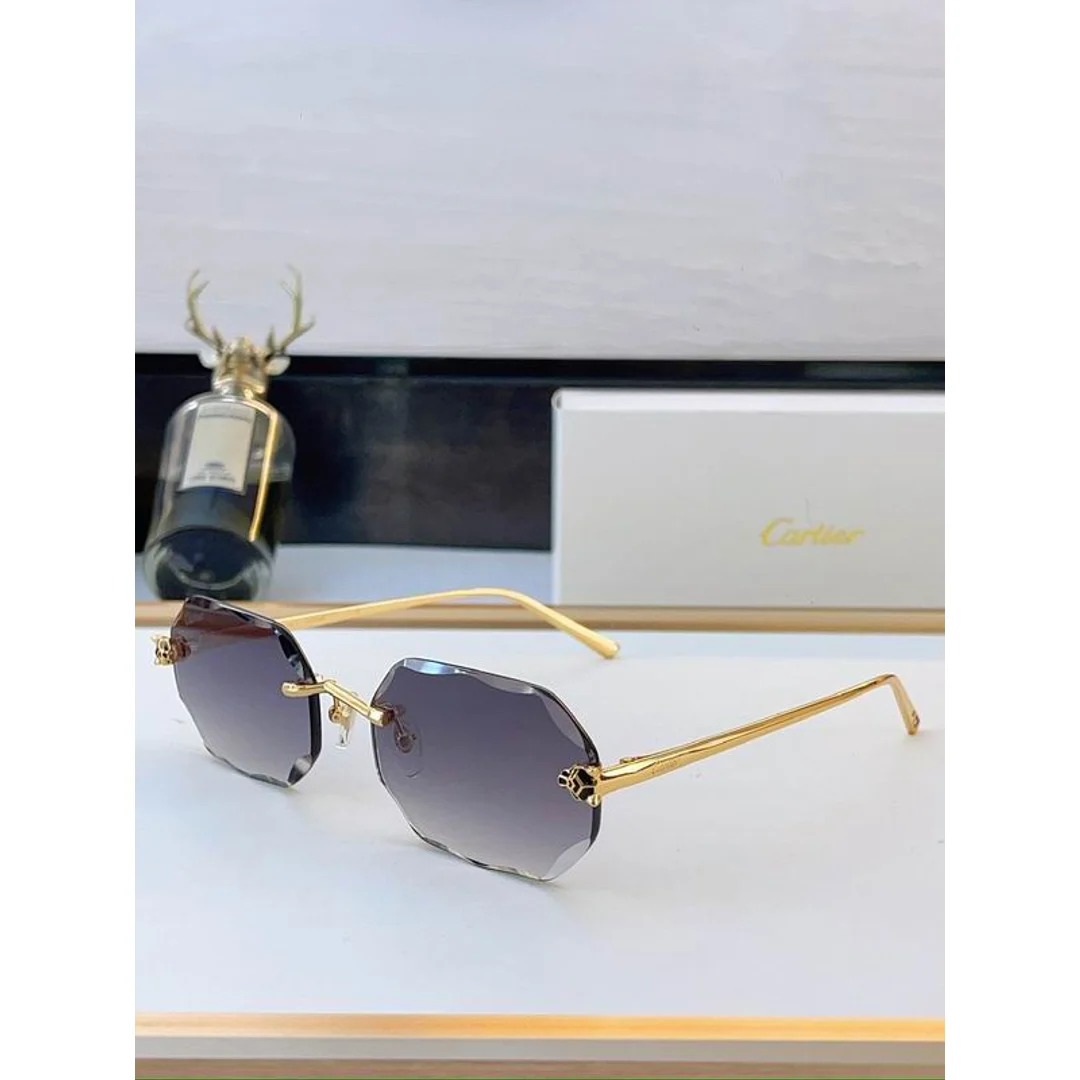
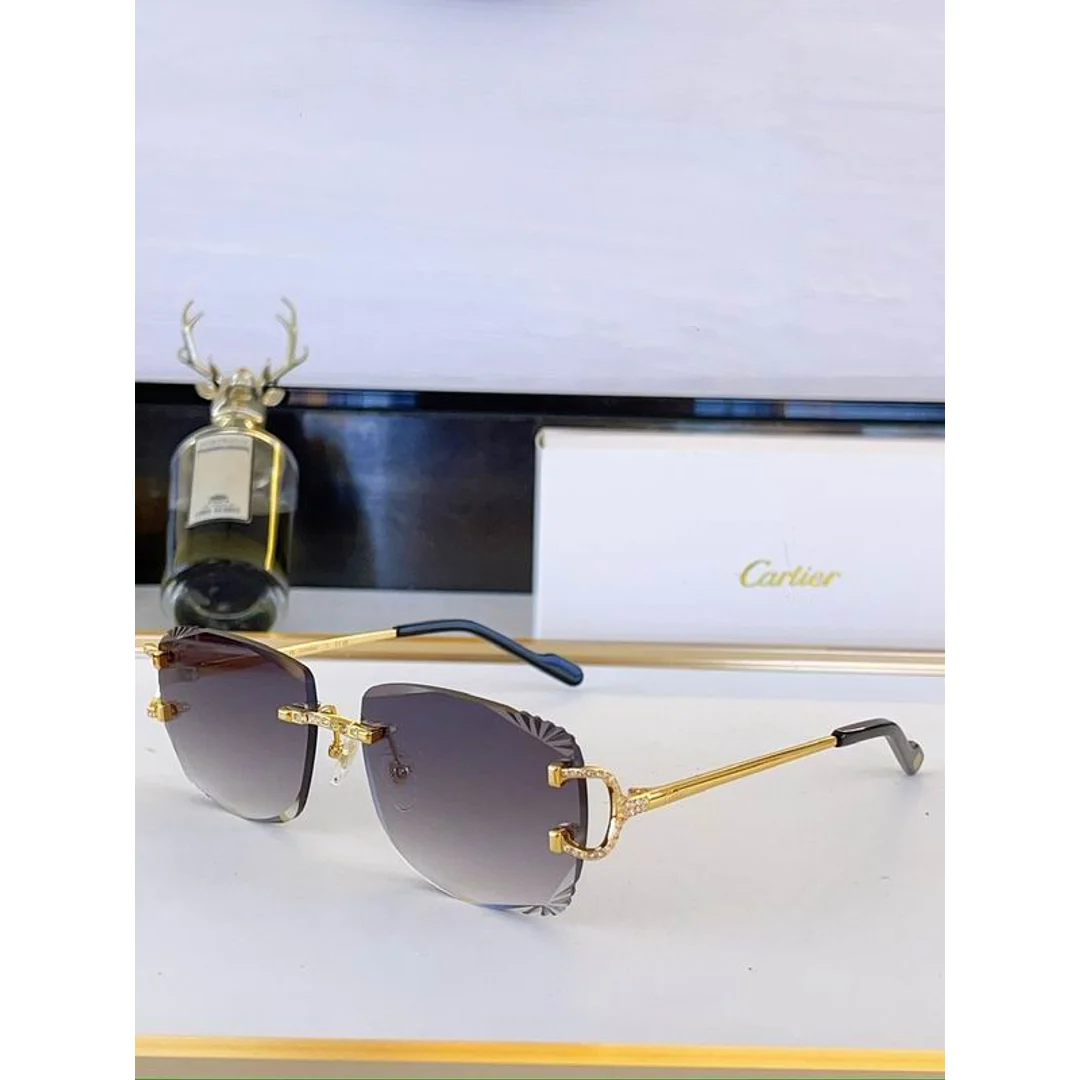
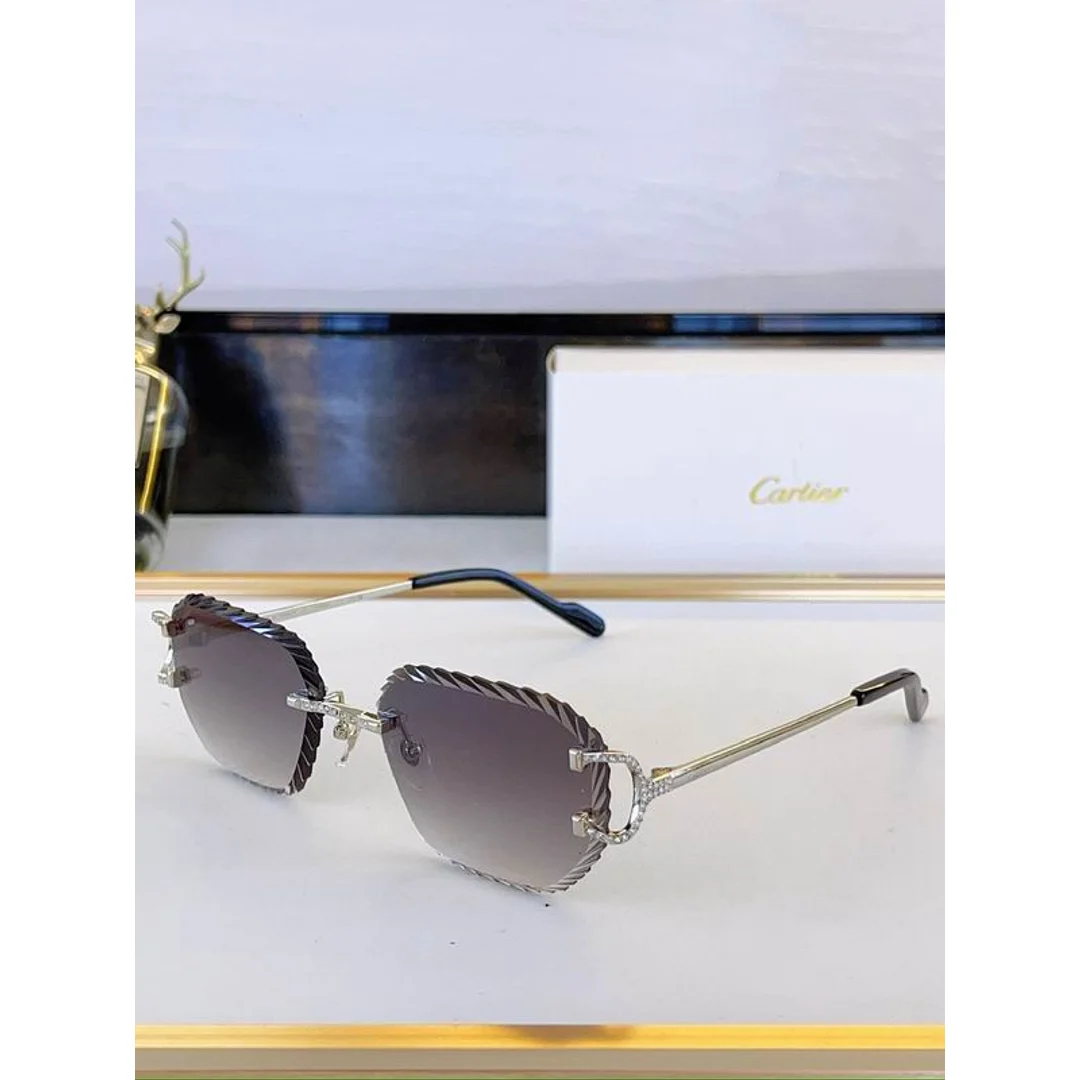
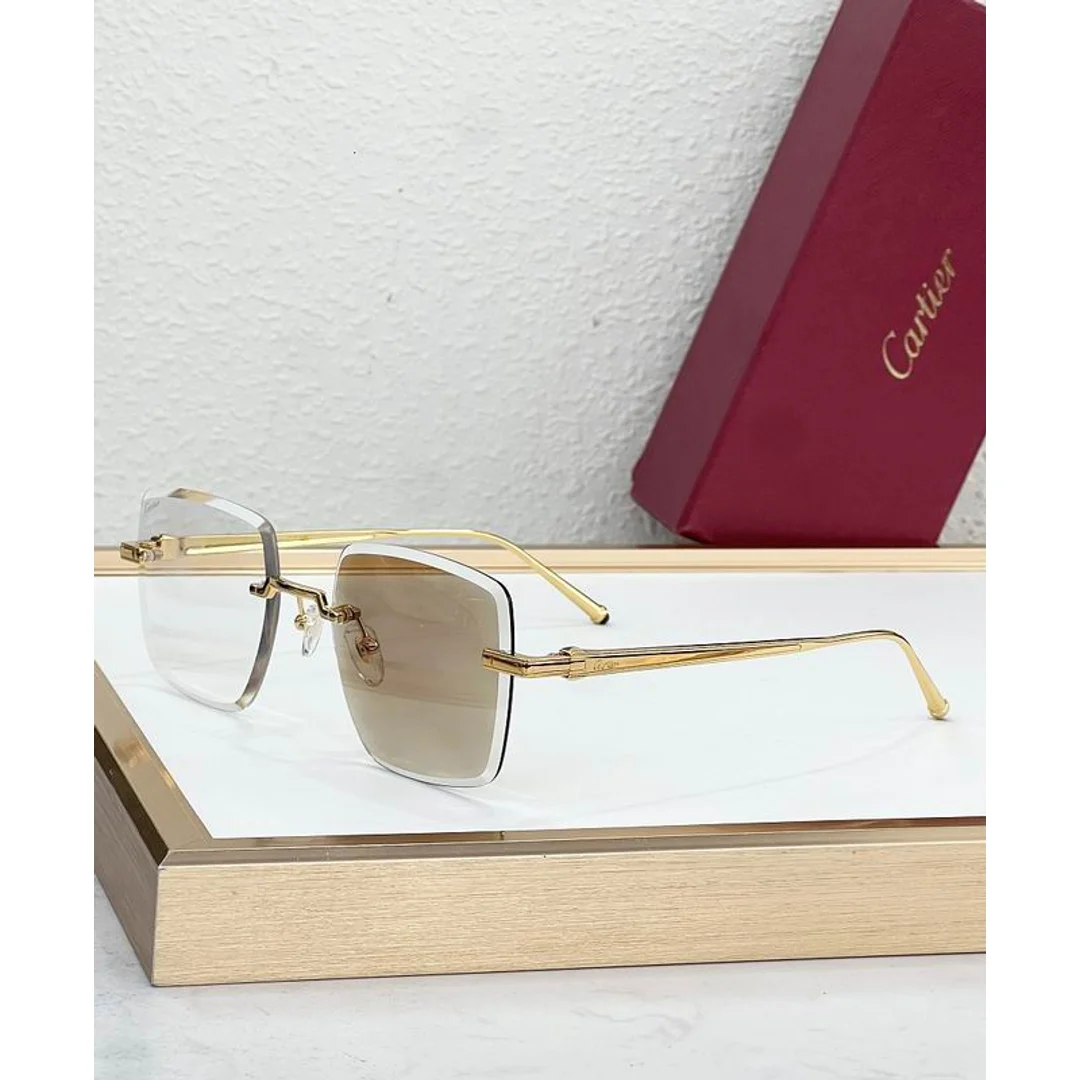
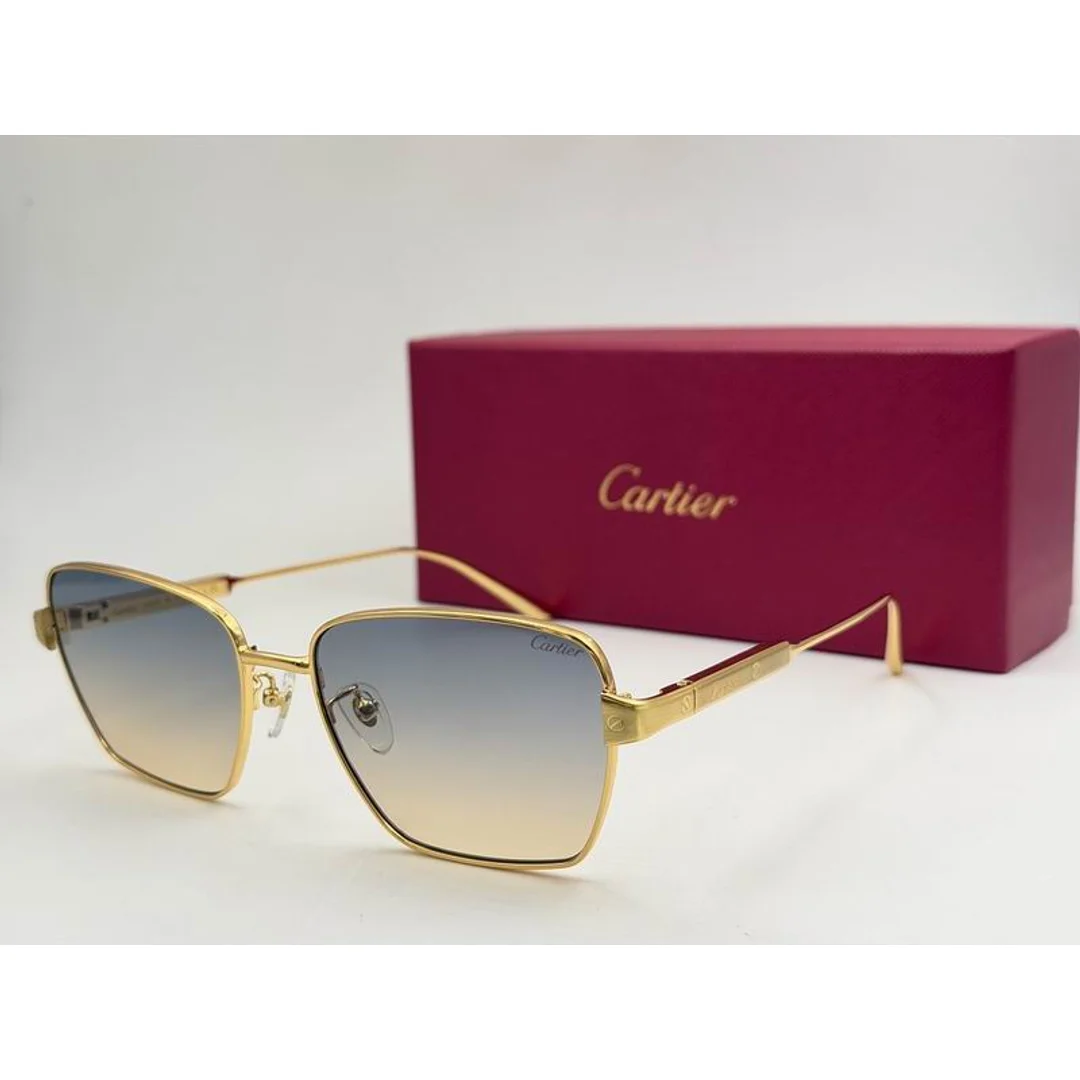
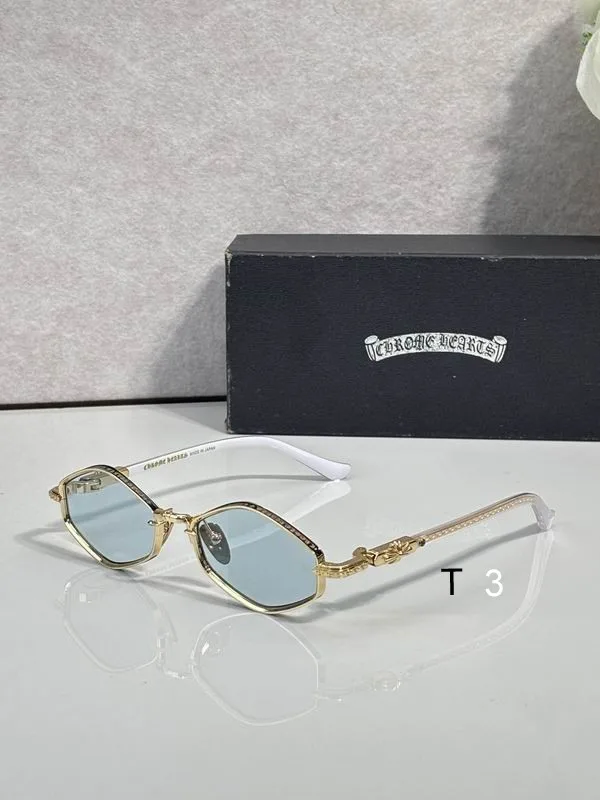
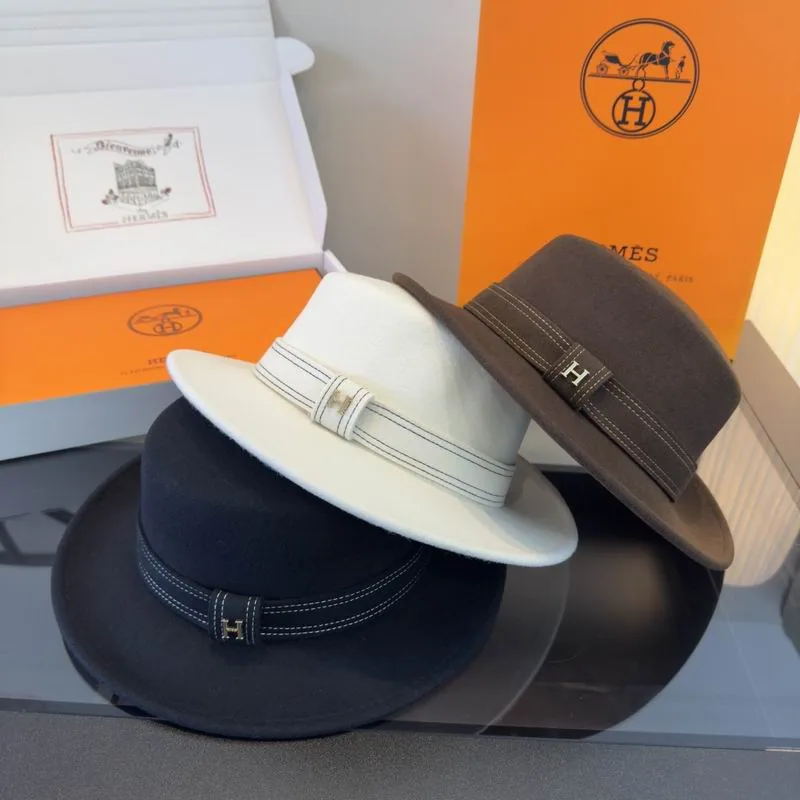
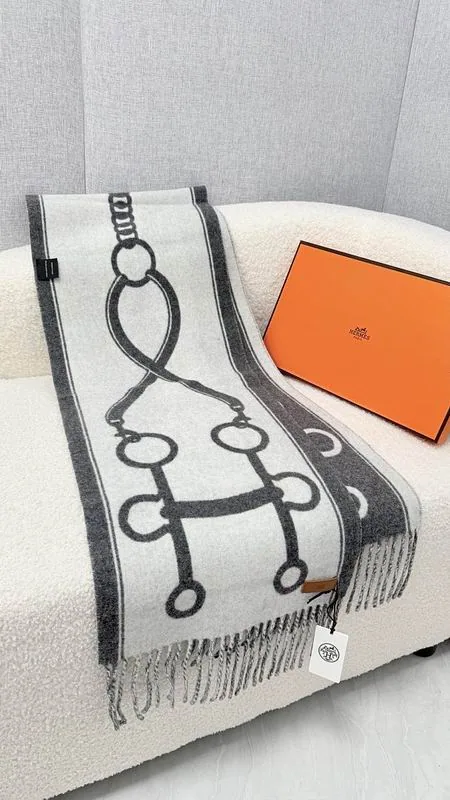
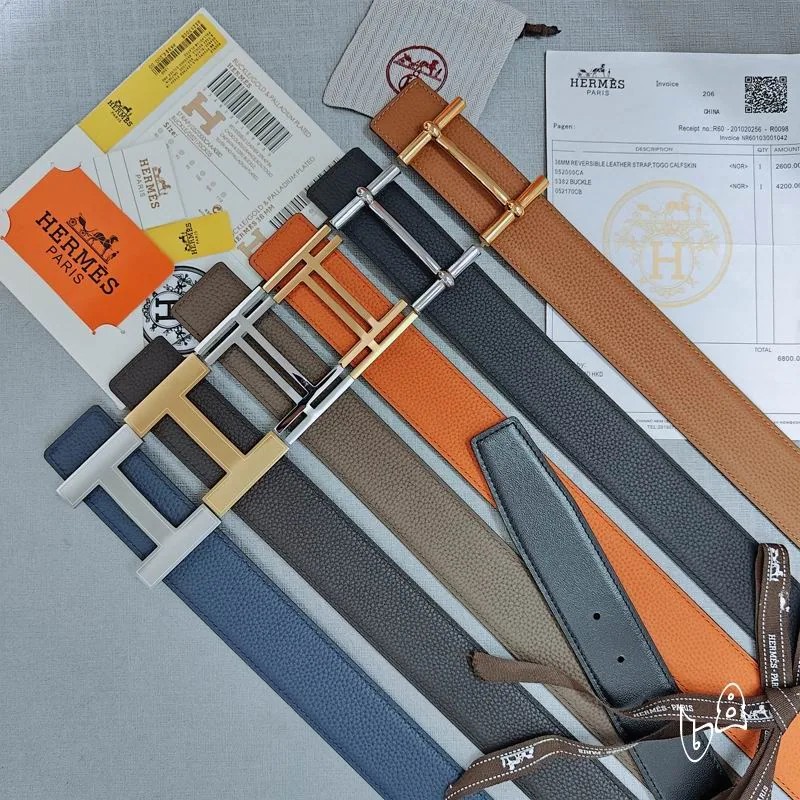
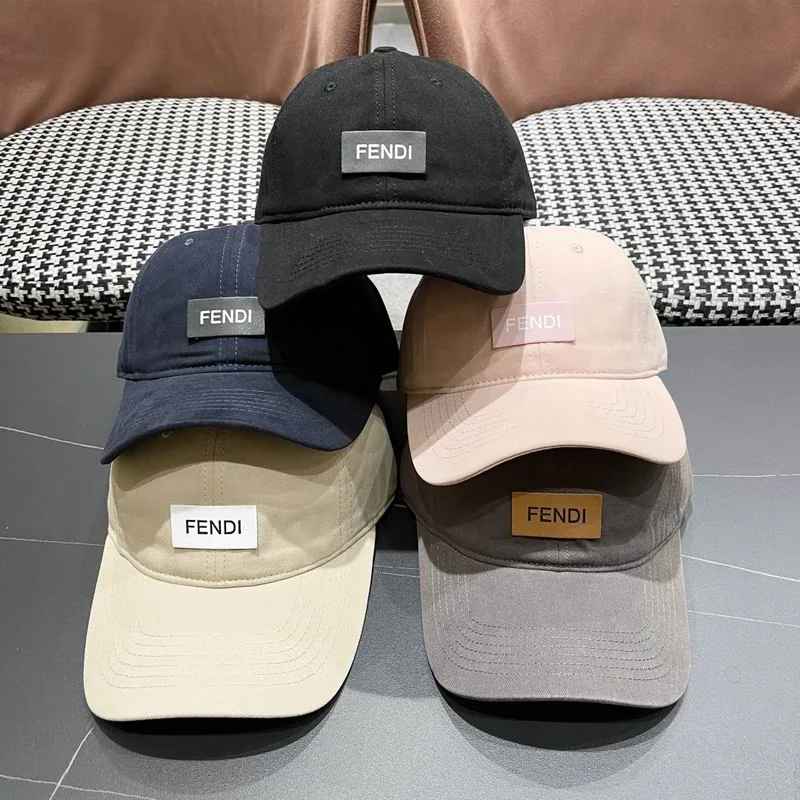
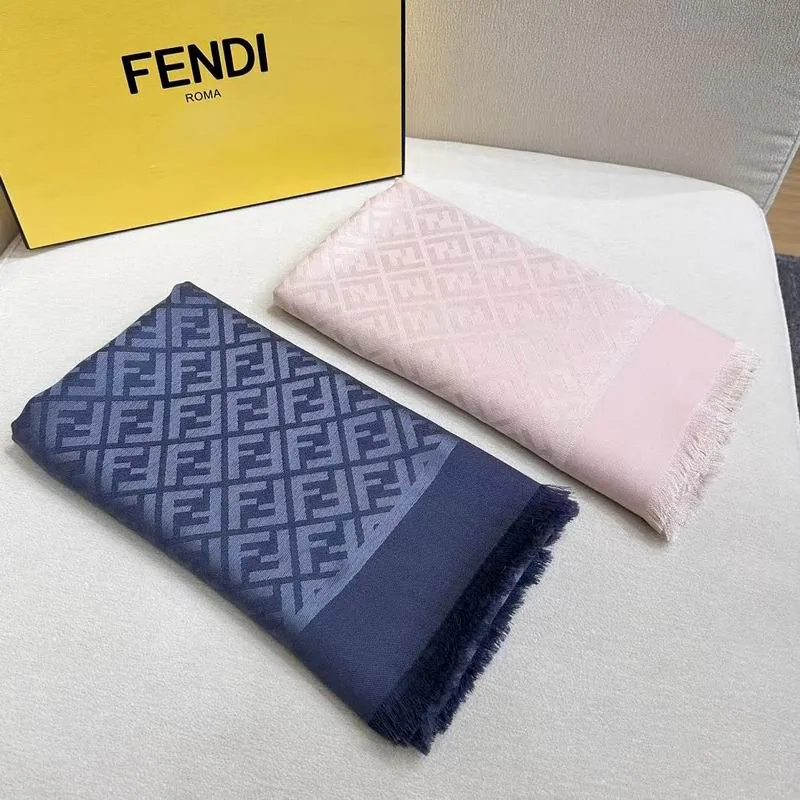
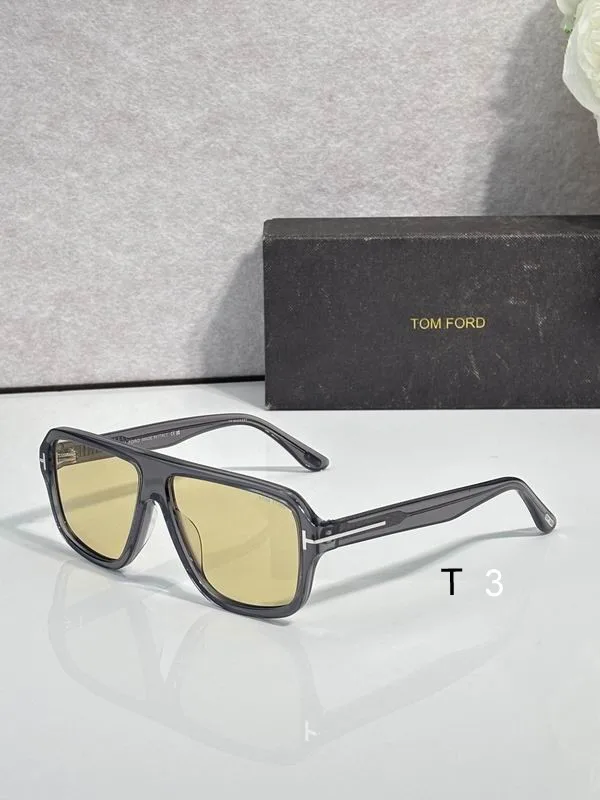
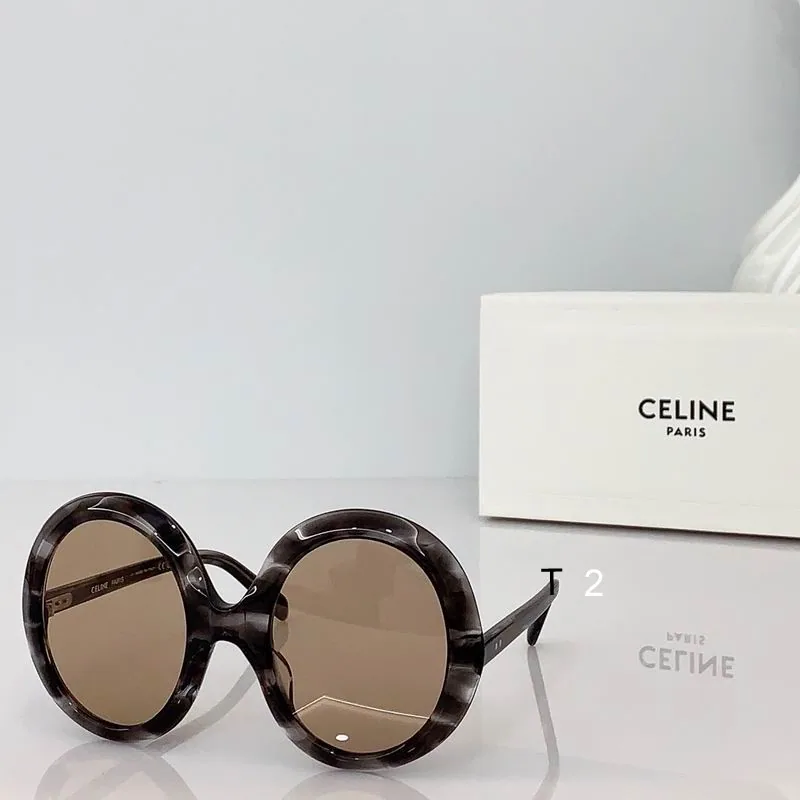
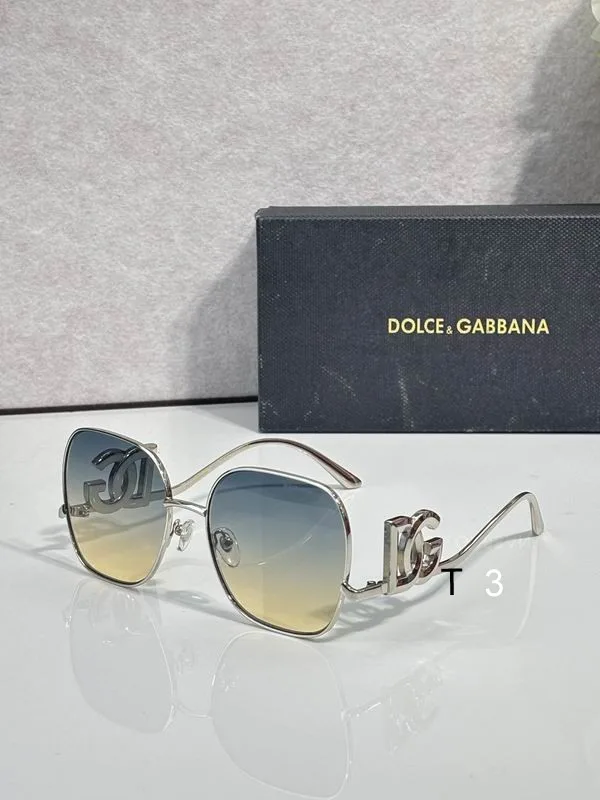
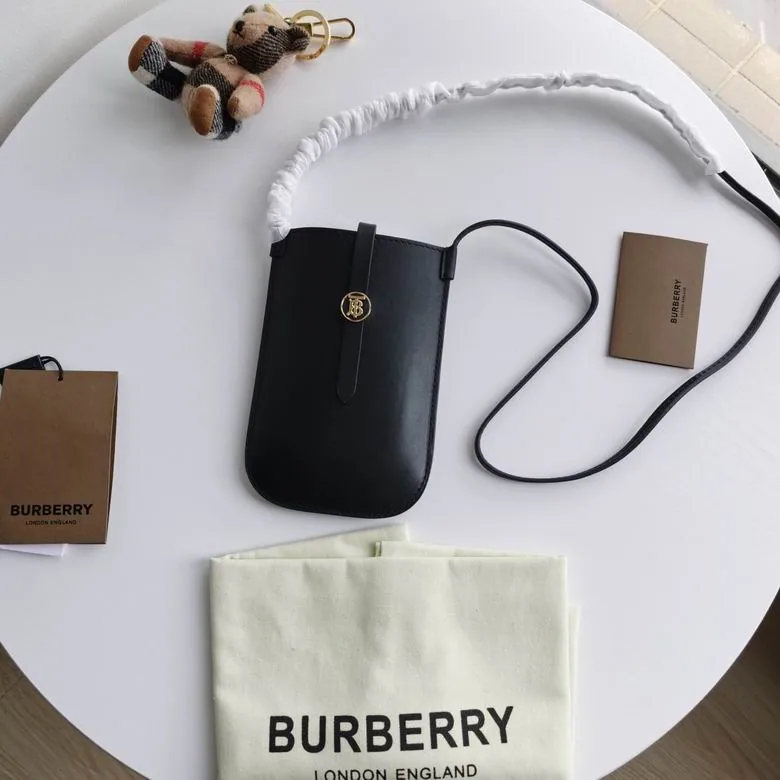
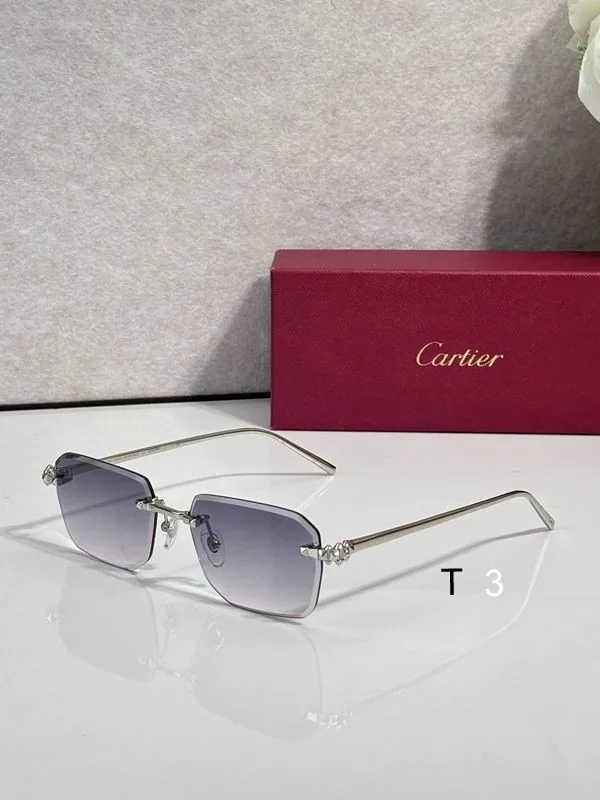
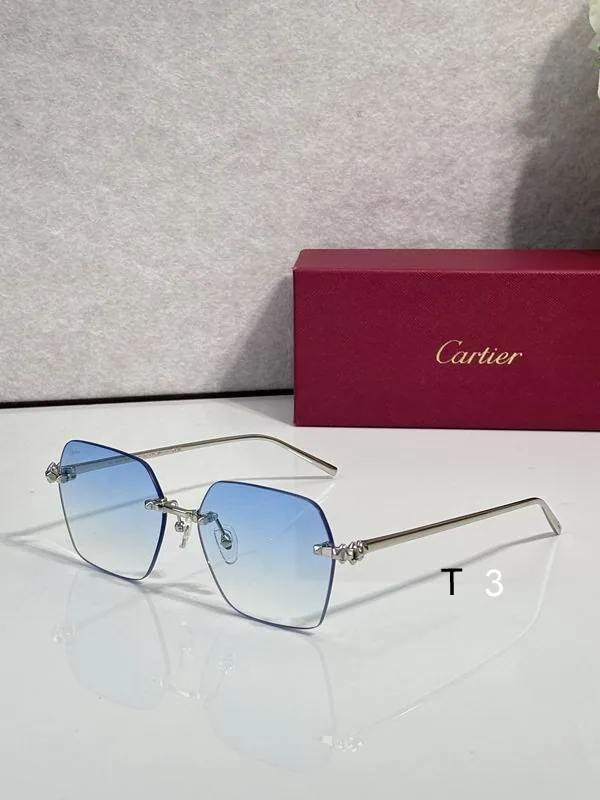
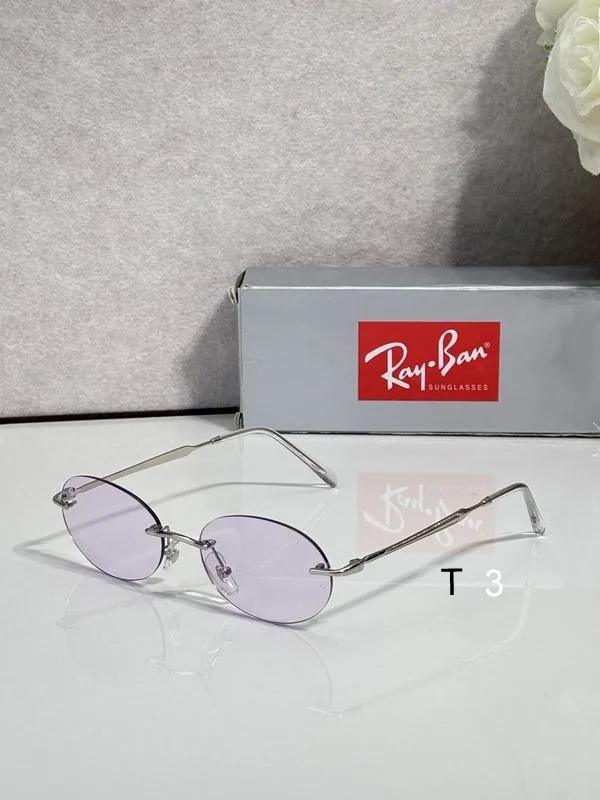
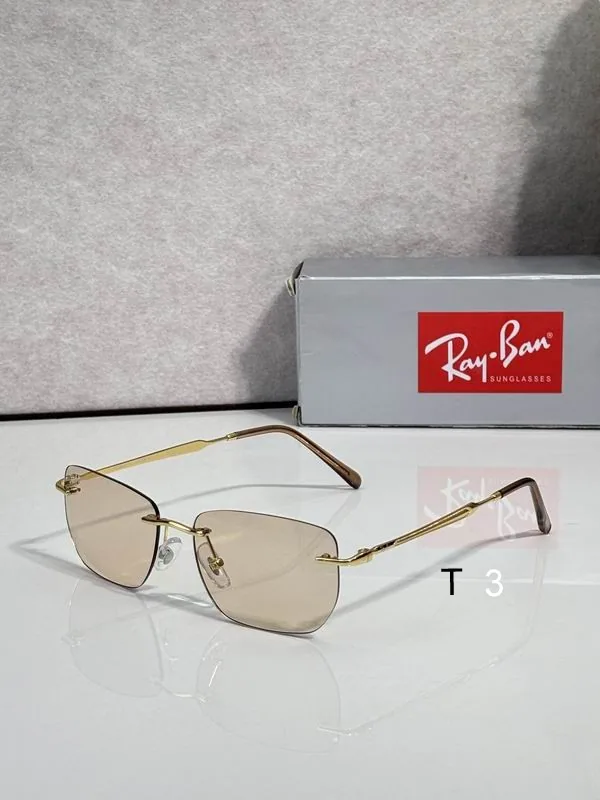
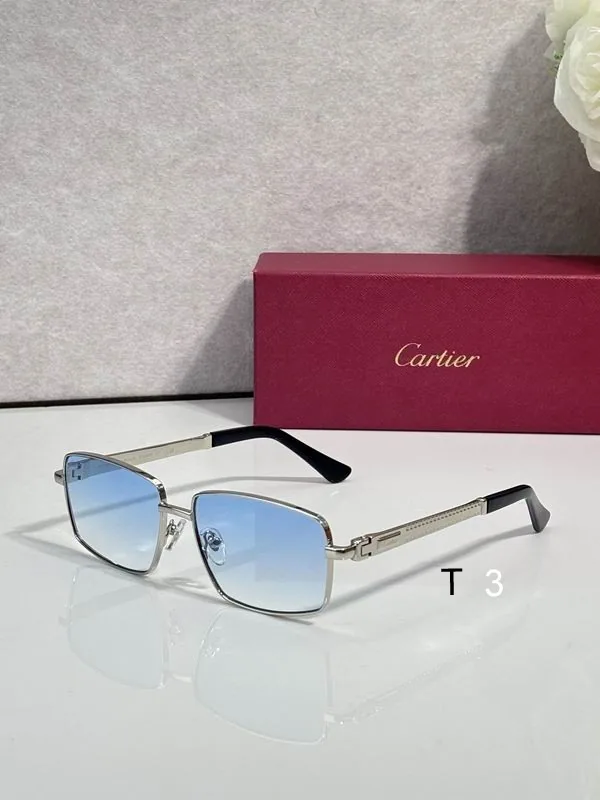
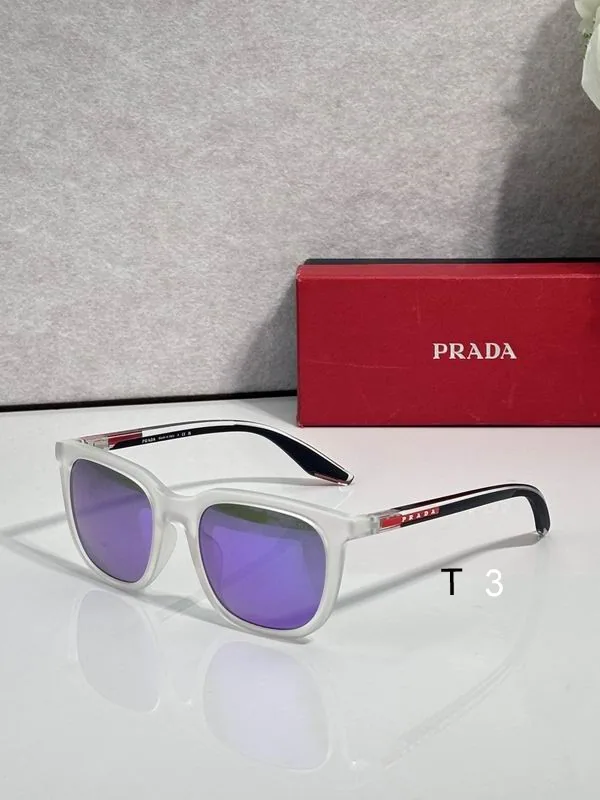
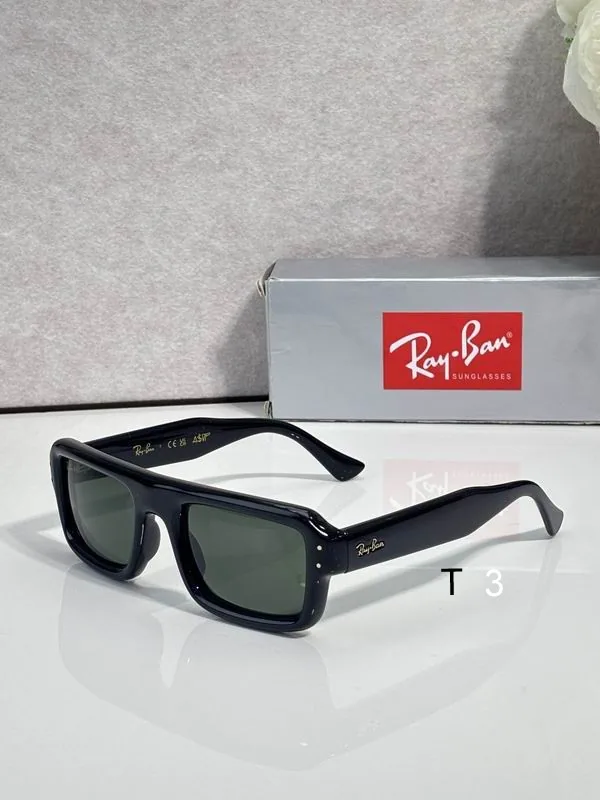
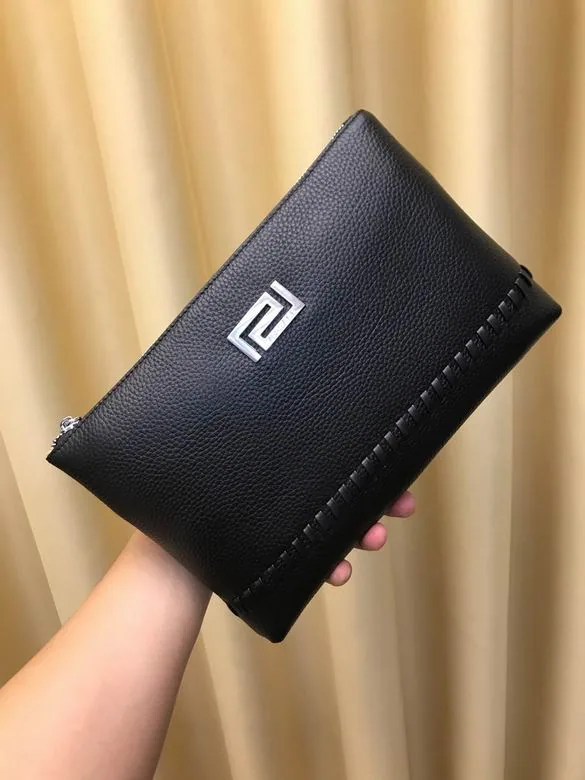
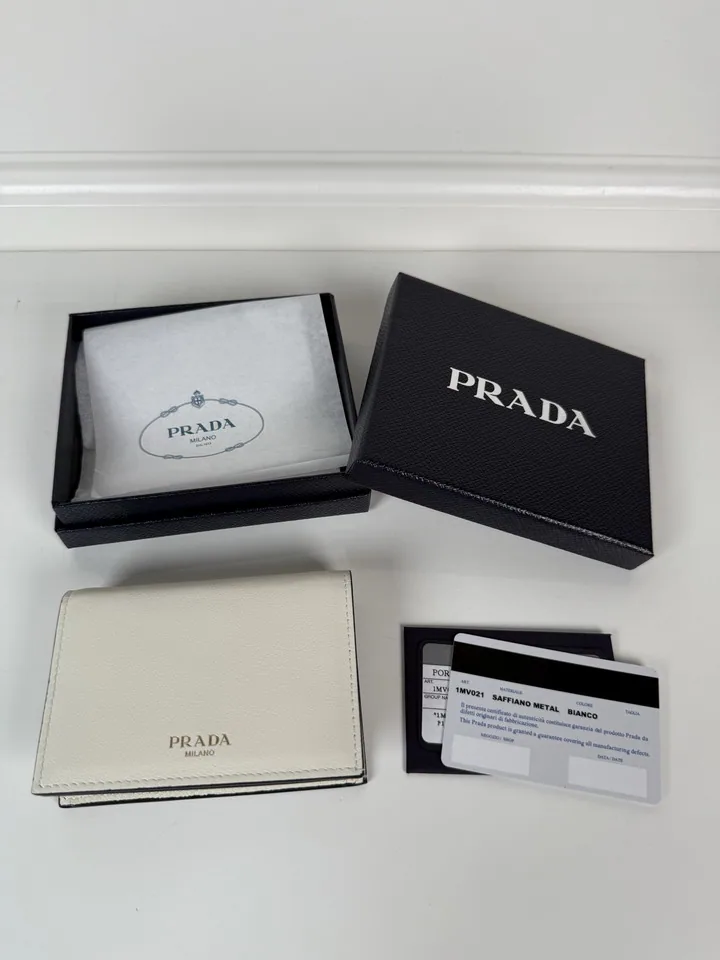
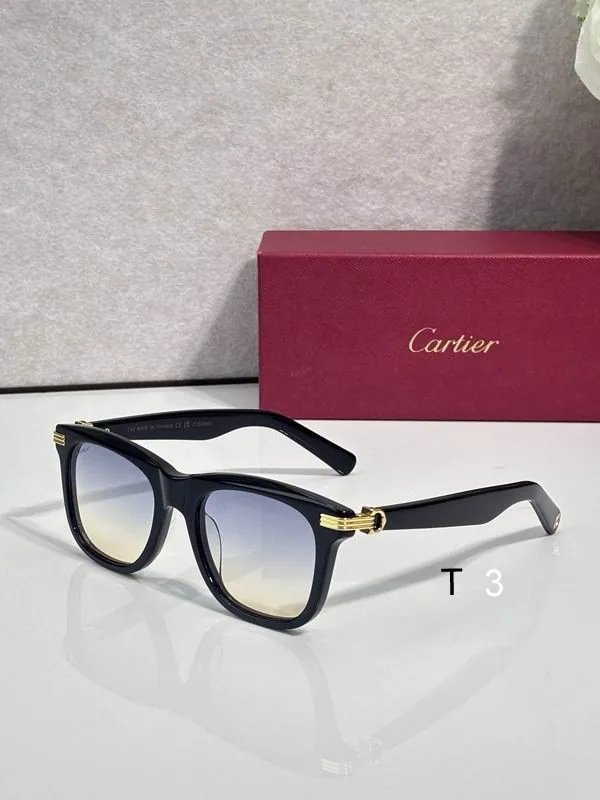
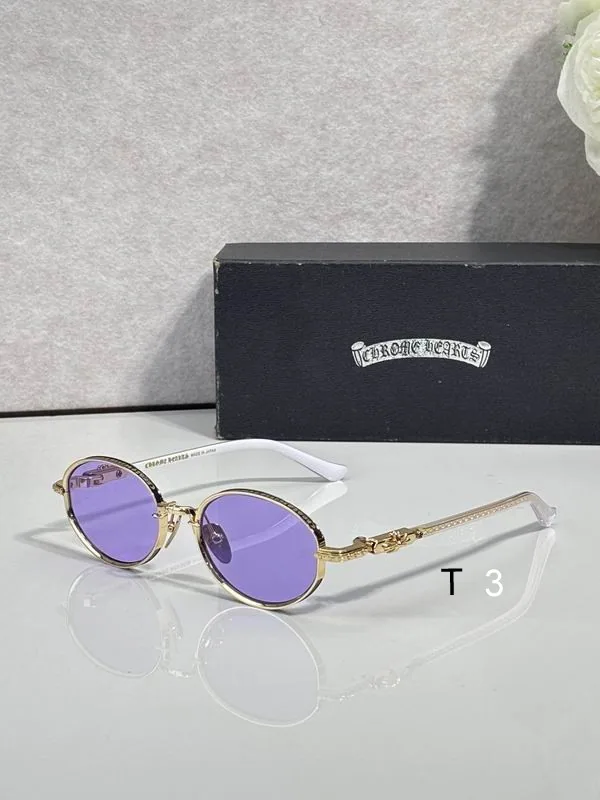
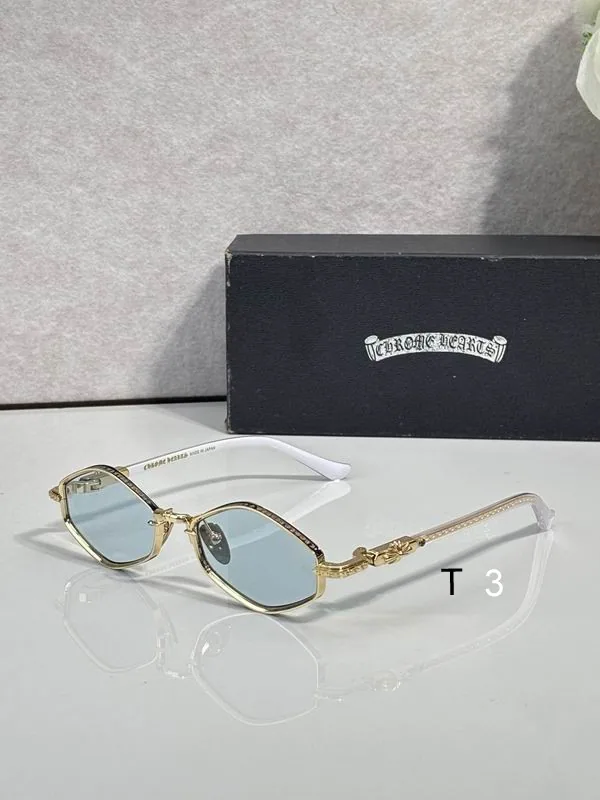
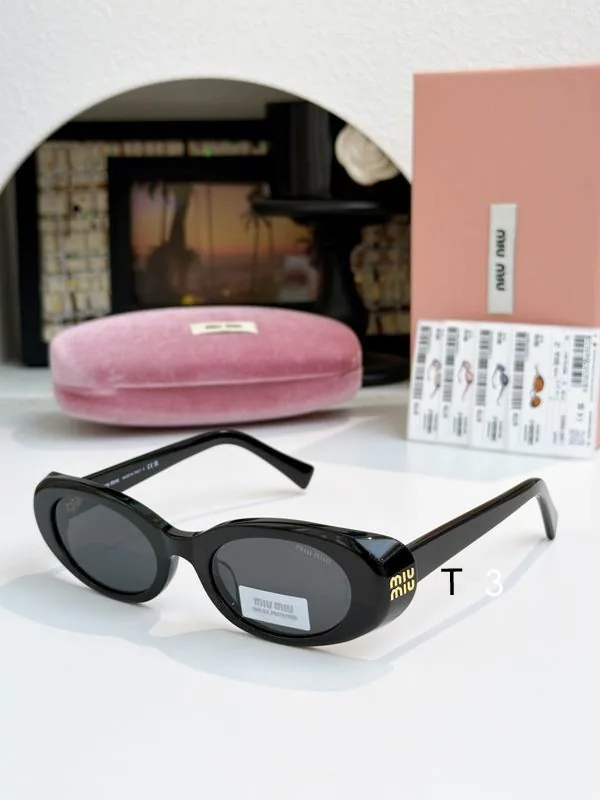
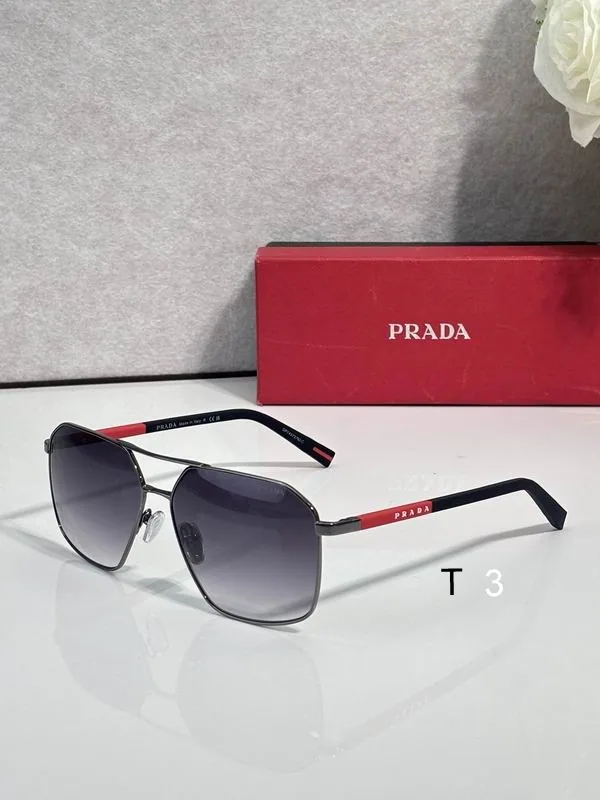
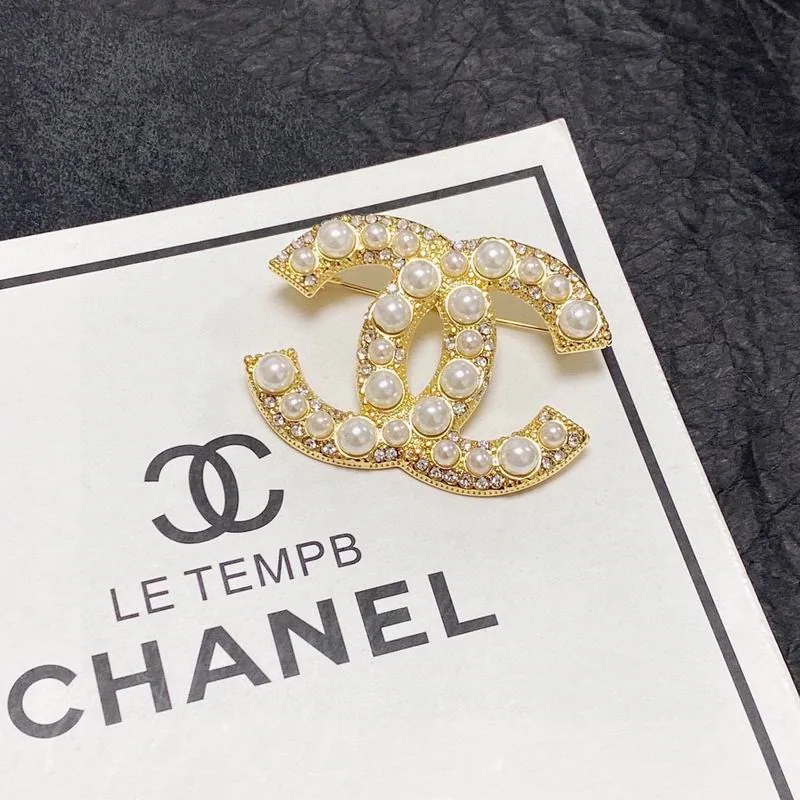
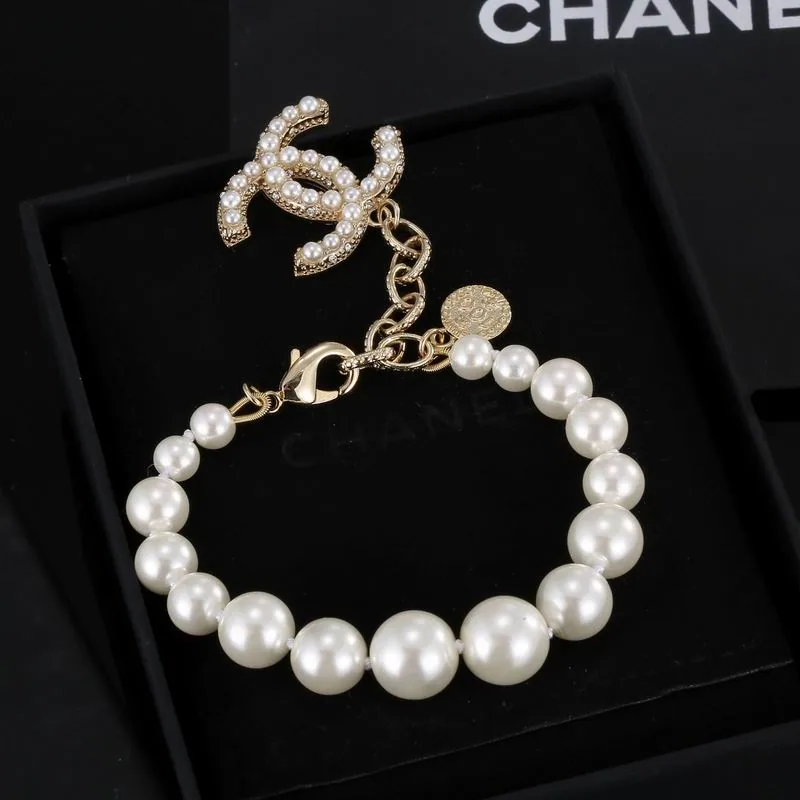
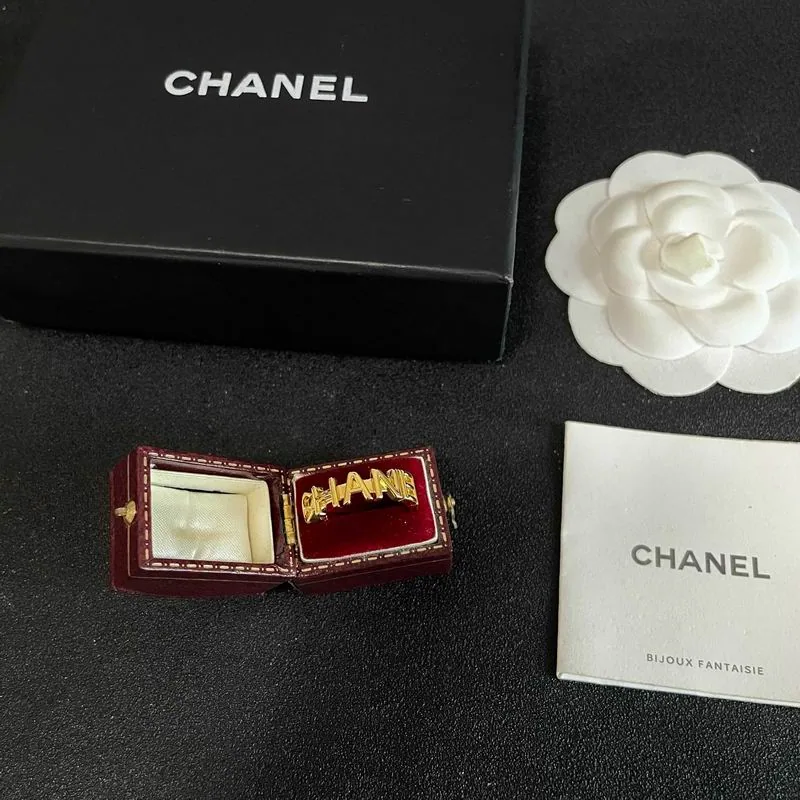
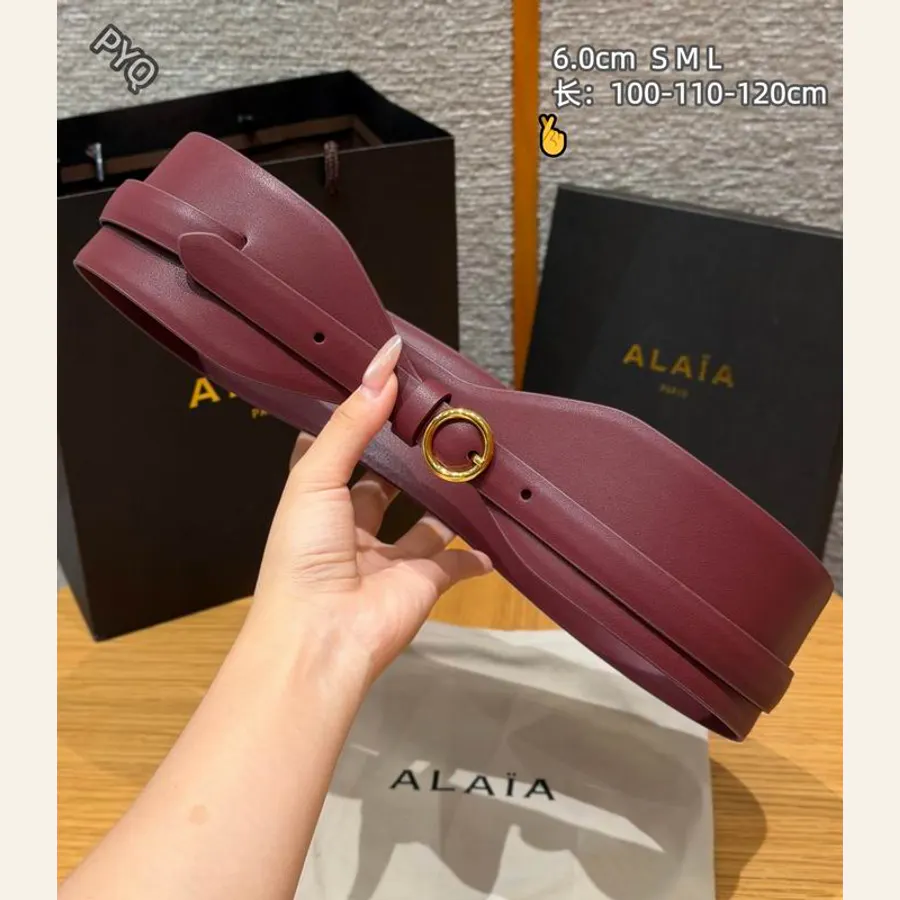
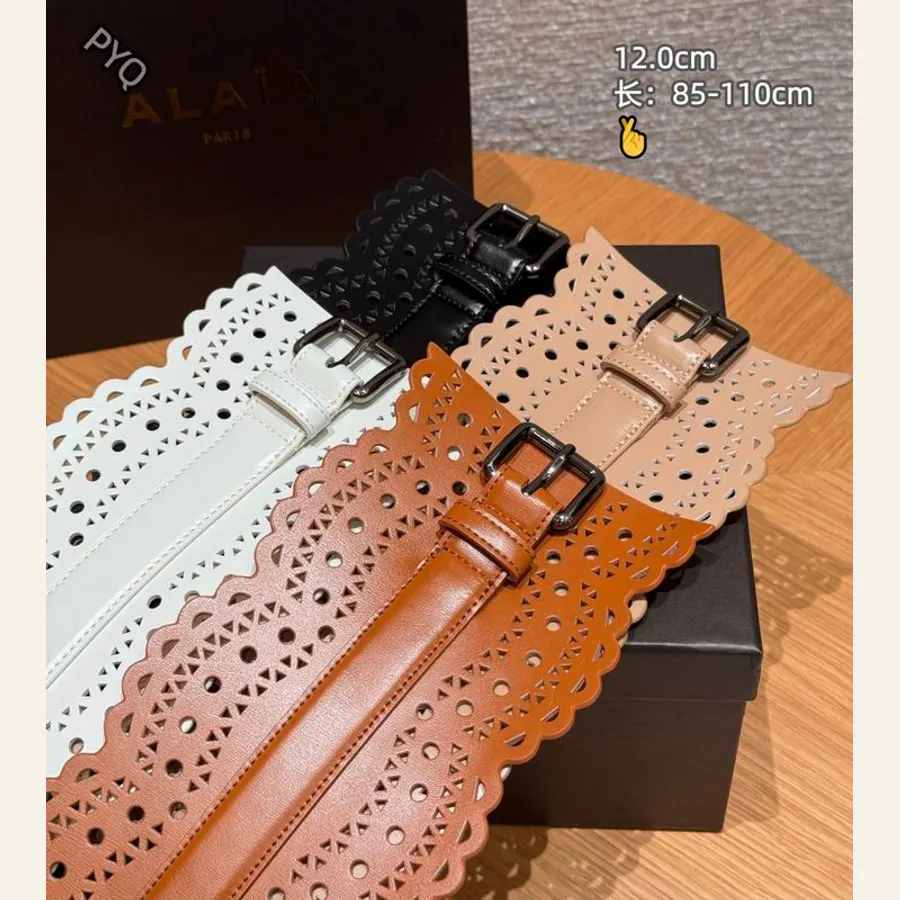
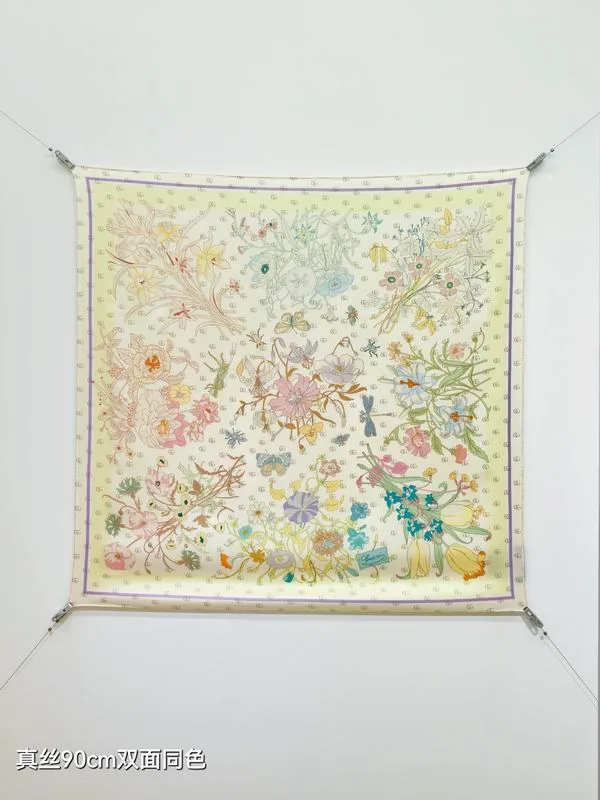
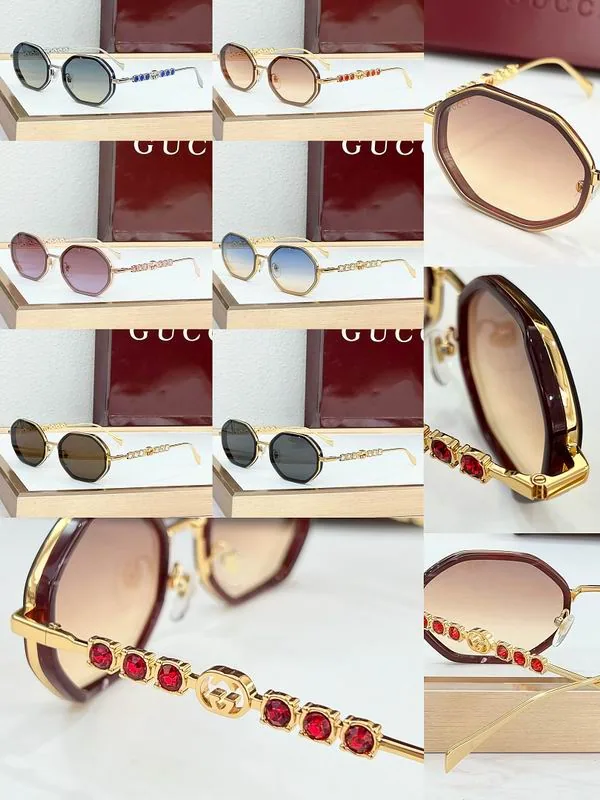
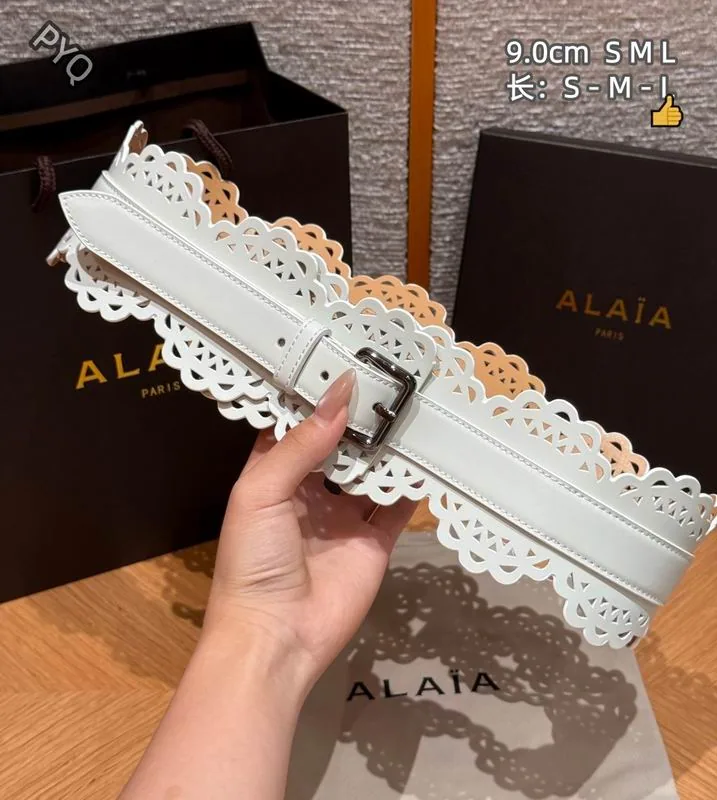
Accessories cover many unrelated objects, so begin with the task the item needs to perform. A belt may define the waist or secure trousers, eyewear changes the line around the face, a scarf adds warmth or color, and a small leather good organizes daily essentials. The right comparison fields differ for each subcategory. Dimensions, closure type, adjustability, lens information, strap width, pocket layout, or fastening method should appear only when confirmed. This category avoids turning a broad brand label into a substitute for product detail. Each published page identifies the specific subcategory, records a stable SKU, and uses local preview images to make the object's scale and visible construction understandable before any external gallery link.
Judge proportion in relation to the wearer
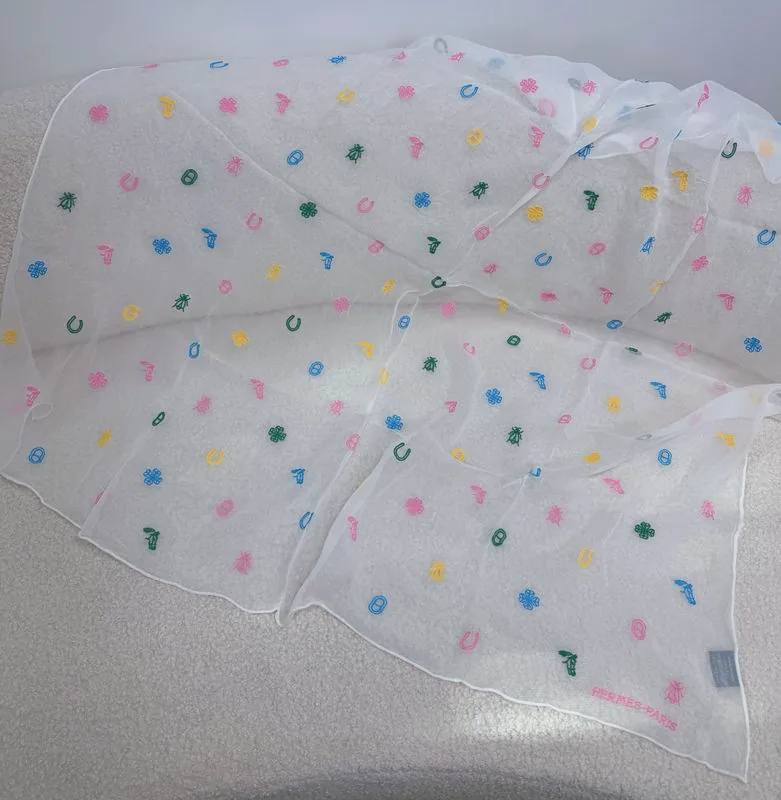
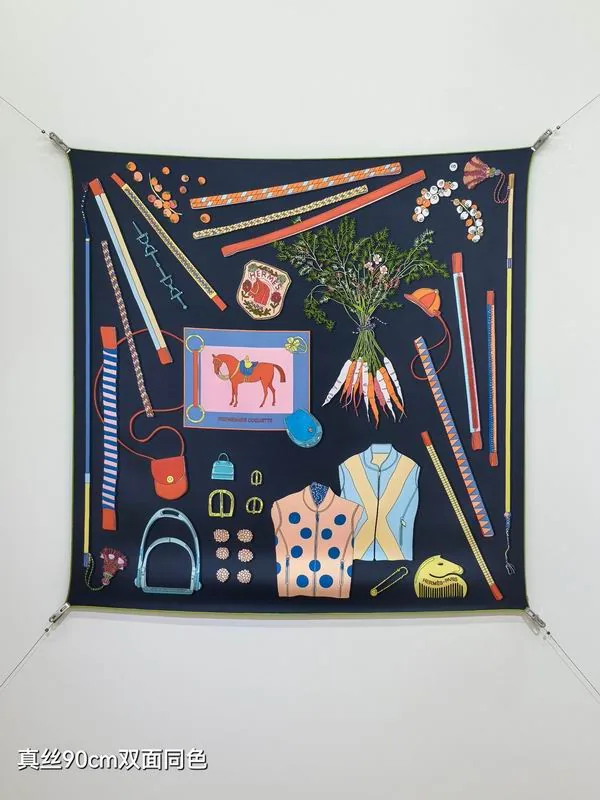
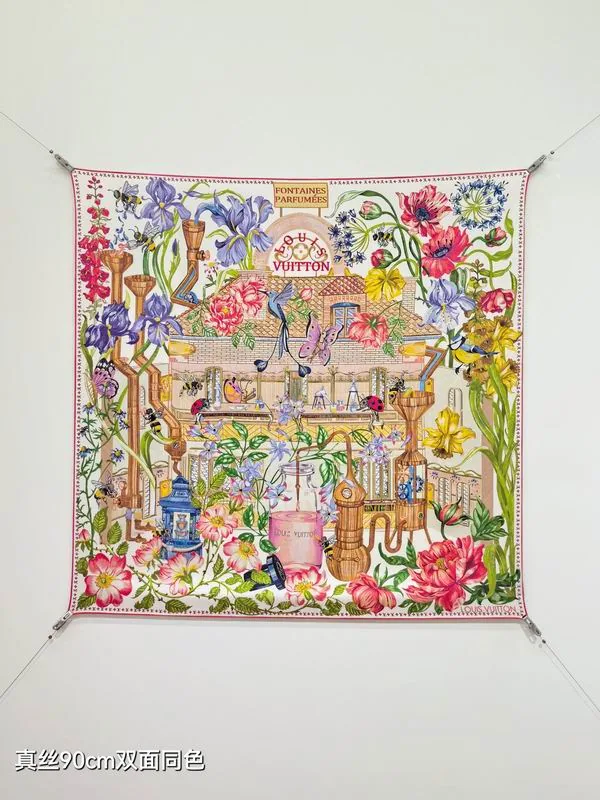
Small changes in width, length, and visual weight can make an accessory feel understated or dominant. A broad belt creates a different break in an outfit from a narrow one; oversized frames occupy more facial space than a compact shape; a large scarf adds volume near the shoulders; and a substantial cuff changes the balance of a sleeve. Use verified dimensions whenever possible and compare them with a familiar object rather than relying on a close photograph, which can exaggerate scale. Worn views are useful but should not be treated as universal fit evidence. The style guide explains how to repeat one visual element, such as color, metal tone, or shape, without making every accessory match exactly.
Confirm materials before making claims
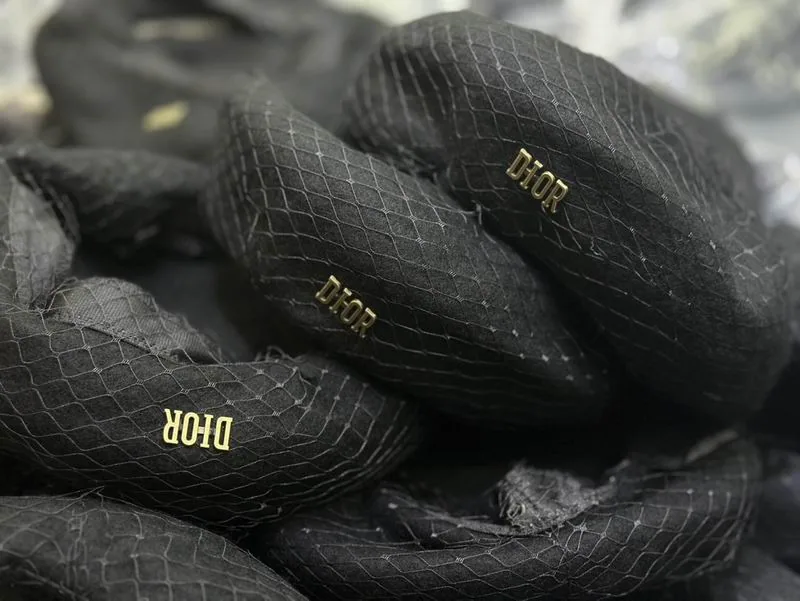
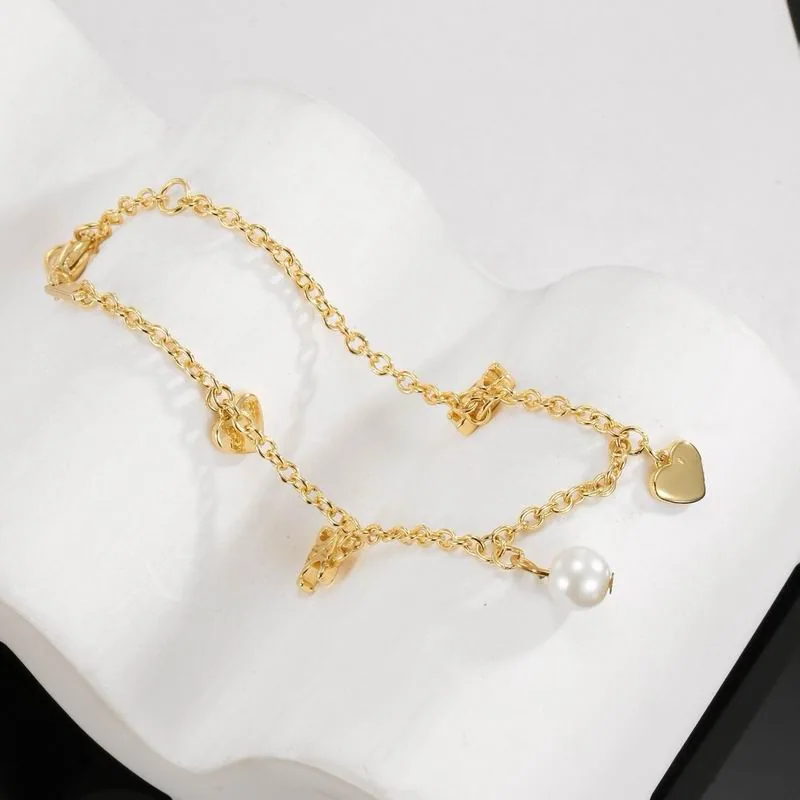
Accessories often combine several materials in a small area. A single item may include leather or a leather-like surface, textile, coated fabric, plated hardware, resin, glass, synthetic lens material, lining, adhesive, and stitching. Images can reveal texture and construction but may not establish exact composition, precious-metal content, lens performance, or leather type. Those claims require reliable source documentation. Product records therefore separate the confirmed material field from neutral descriptions of observable surface and form. This protects readers from unsupported assumptions and makes later updates straightforward when verified specifications arrive. The material guide provides context for common categories while emphasizing that product-specific labels and documentation remain the primary evidence.
Build a controlled color and detail system
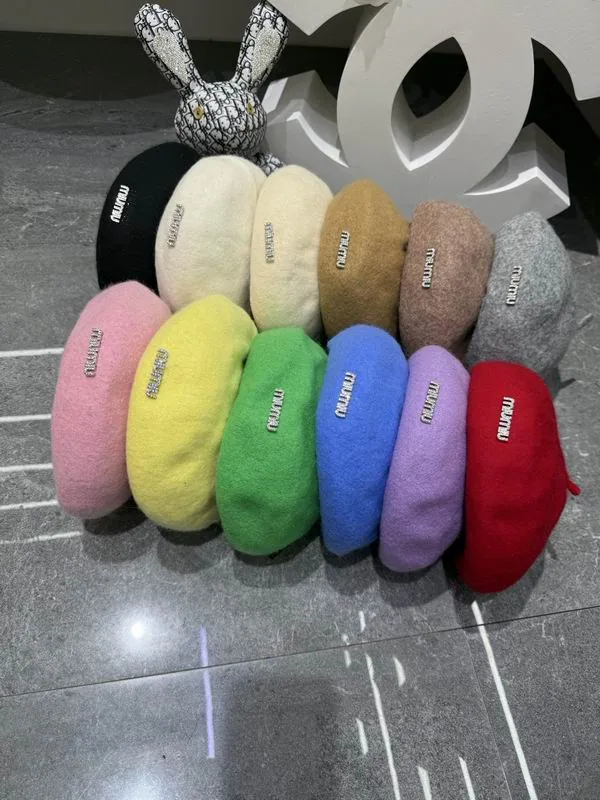
Accessories are effective when they connect an outfit rather than compete for attention. Start with one repeated element: a neutral color family, a hardware tone, a geometric shape, or a surface texture. A belt can echo footwear without being an exact match, frames can relate to hair or outerwear tone, and a scarf can carry an accent already present in a shirt or bag. When several accessories are visually strong, vary their scale so one remains the focus. Product photography is affected by lighting and screen calibration, so color descriptions should stay specific but cautious. Related category and guide links help readers compare combinations on the main site instead of sending product cards directly to an external album.
Store small pieces to prevent friction and distortion
Accessories are often damaged by contact with other objects rather than ordinary use. Keep eyewear in a protective case, avoid placing lenses face down, roll or loosely fold scarves according to their material, and store belts without sharp creases. Separate metal details from soft or coated surfaces that can scratch, transfer color, or develop pressure marks. Close fasteners gently before storage so chains and straps do not tangle. Moisture, cosmetics, fragrance, salt, and prolonged sunlight can affect finishes, but the correct cleaning method depends on confirmed composition. Use a soft dry cloth only where appropriate and follow any product-specific label first. The care guide expands these conservative principles without inventing durability or treatment claims.