02 / Fit and proportion
Sizing Guide
How to read product dimensions and avoid fit mismatches before purchase.
- 06
- Chapters
- 04
- Minutes
- 20
- Related products
Use a comparable garment
The most reliable starting point is a garment or pair of shoes with a similar shape that already fits well. Body measurements are valuable, but product listings often provide flat garment dimensions, and those two systems should not be compared as if they were identical. Choose a reference item from the same category and intended fit: a fitted shirt should not be the only reference for an oversized overshirt, and a narrow dress shoe should not define the expected fit of a broad sneaker. Fasten closures, smooth the item without stretching it, and measure on a level surface. Record the method along with each number so future comparisons use the same points.
Measure tops and outerwear
For tops, begin with chest width measured straight across from underarm to underarm, then double it only if a full circumference is needed. Record shoulder width between the relevant seam points, sleeve length using the method stated by the seller, and total length from the highest shoulder point or back neck reference. Raglan sleeves require a different method because there is no standard shoulder seam. For jackets and coats, account for the layers intended underneath and consider bicep width, cuff opening, and hem circumference when available. Structured, lined, or non-stretch garments generally need more ease than soft knits. Never infer a body-size recommendation from a label alone when garment measurements are missing.
Measure trousers and bottoms
Lay trousers flat with the waistband aligned naturally and measure waist width without pulling elastic. Record front rise, back rise, hip width at a consistent distance below the waistband, thigh width near the crotch, inseam, outseam, knee, and hem opening where relevant. The rise influences where the waist sits and can change how the same waistband measurement feels. A curved waistband, stretch fabric, pleats, and elastic sections also affect usable room. Compare the whole shape rather than focusing only on waist and length. For denim or rigid woven fabrics, note whether the reference pair has relaxed through wear, because a newly measured product may not behave the same way after repeated use.
Evaluate footwear sizing
Foot length is useful, but shoe fit also depends on width, toe shape, instep volume, heel shape, lining thickness, and the construction of the last. Measure both feet near the end of the day while wearing the expected sock, and use the larger result as the reference. If a removable insole is available, its length and widest point can provide another comparison, though it still does not fully describe interior volume. Keep the original regional size system unless a verified manufacturer conversion is supplied. Generic conversion charts can hide meaningful differences between models. When product-specific dimensions are unavailable, the listing should state that limitation instead of offering a confident recommendation unsupported by evidence.
Account for fabric and intended ease
Measurements describe dimensions at rest, not how a garment moves. Stretch percentage, knit recovery, fabric weight, lining, seam placement, and finishing can change comfort and silhouette. A soft knit may accommodate movement with less measured ease, while a rigid coated fabric may require additional room. Intended fit matters too: slim, regular, relaxed, and oversized labels are useful only when supported by measurements or clear cut information. Compare the difference between body and garment measurements at key points, then consider whether that ease suits the desired look. Avoid sizing down solely to make an oversized design resemble a regular fit, because shoulders, armholes, pockets, and length may shift in ways the original pattern did not intend.
Record uncertainty honestly
A high-quality product page distinguishes confirmed measurements from estimates and does not fill gaps with invented conversions. If the source provides only a size range, preserve that range and request further measurements before making a fit decision. If two sources conflict, keep the product in draft until the discrepancy is resolved. Photograph labels and measurement points when possible so updates remain auditable. Published stable IDs and URLs should not change when more accurate specifications arrive; only the underlying product record and updated date need revision. This approach is slower than copying a generic size chart, but it protects users from false precision and creates durable pages that can improve over time without changing their canonical addresses.
Continue exploring
Put the guide into context.
Products related to this guide
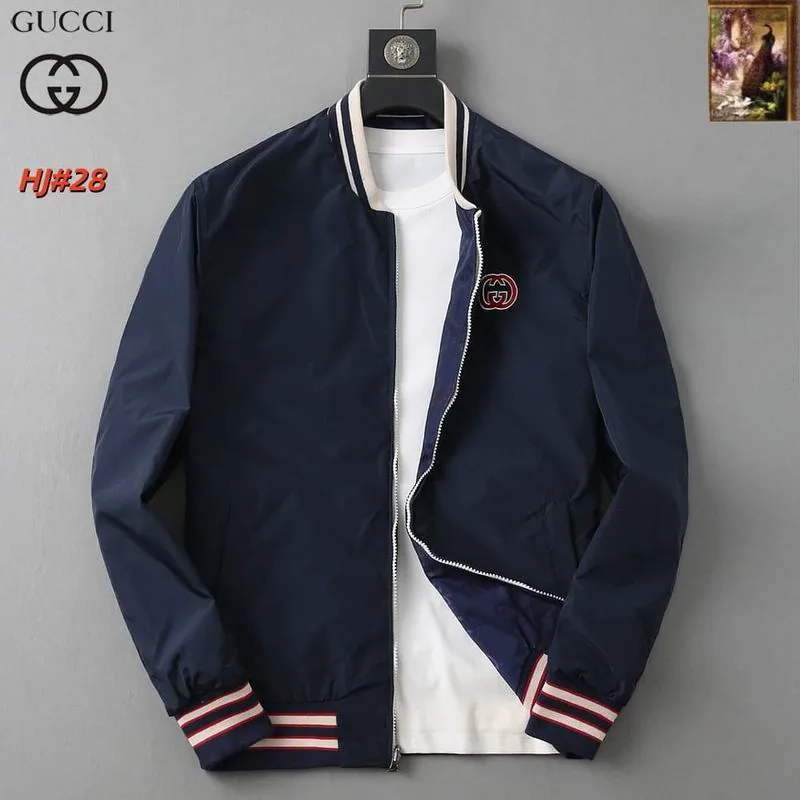
Gucci 12yr219 Navy Bomber Jacket
SKU 12yr219View product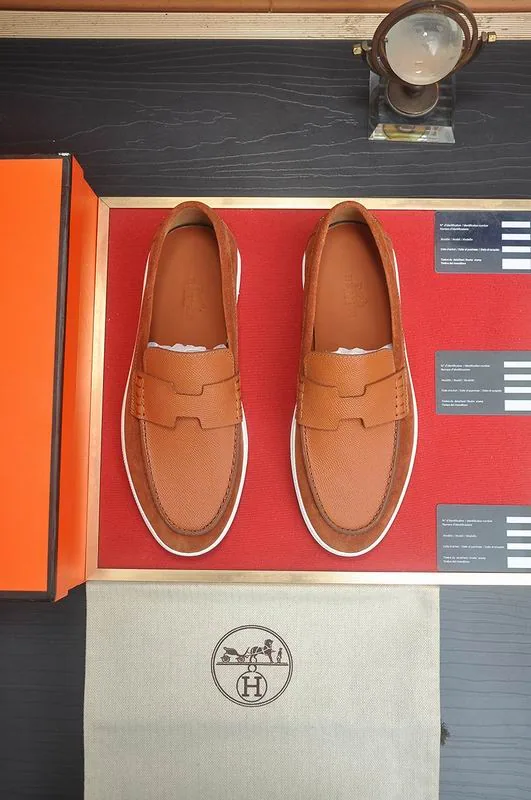
Hermes hnh0503 Tan Loafers
SKU hnh0503View product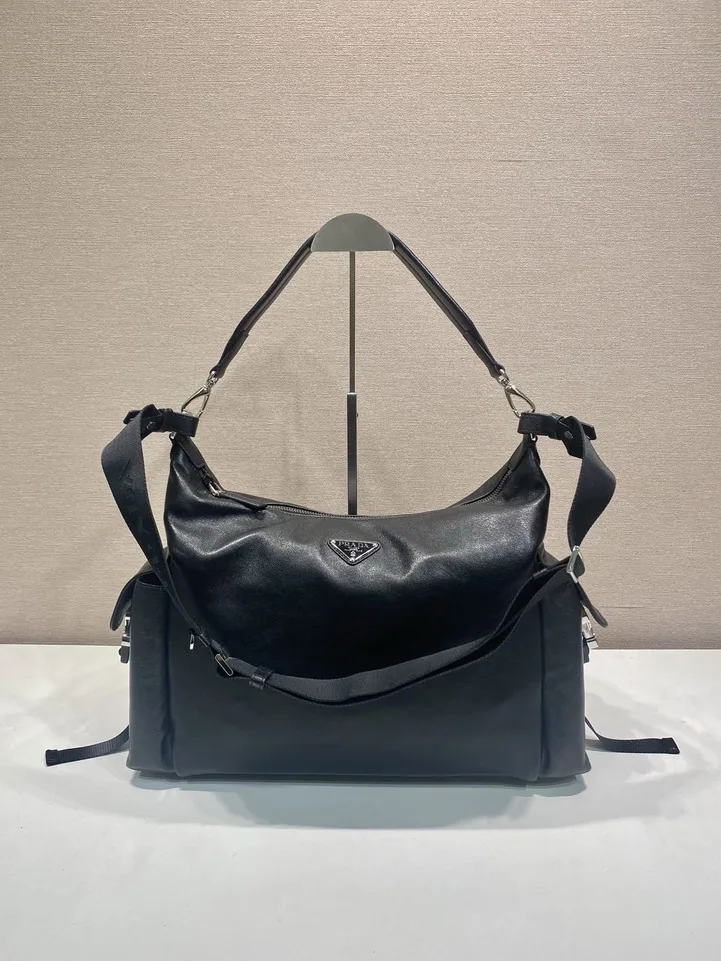
Prada 2VH204 Black Shoulder Bag
SKU 2VH204View product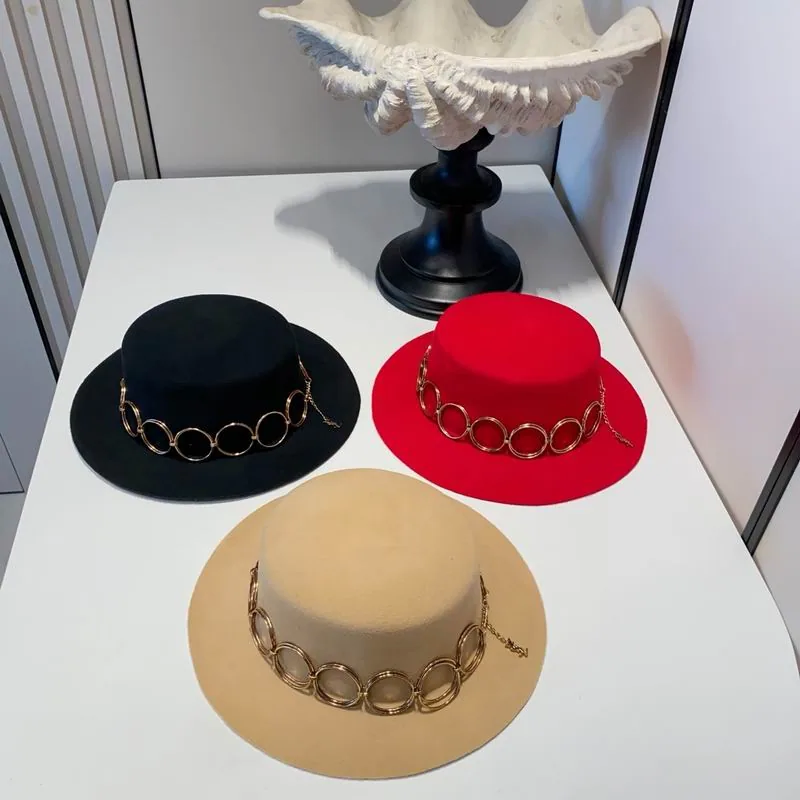
YSL Chain-Detail Wide-Brim Hat
SKU SRC4222856View product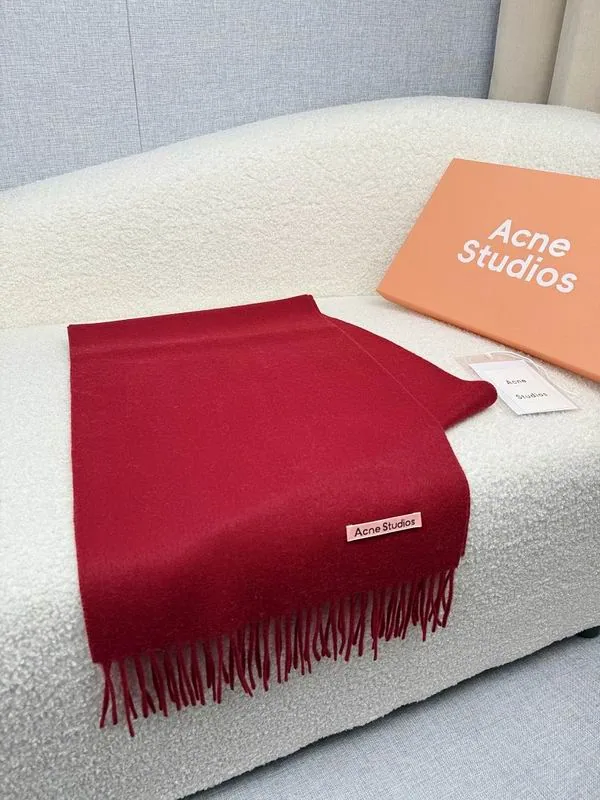
Acne SRC4178203 Scarf
SKU SRC4178203View product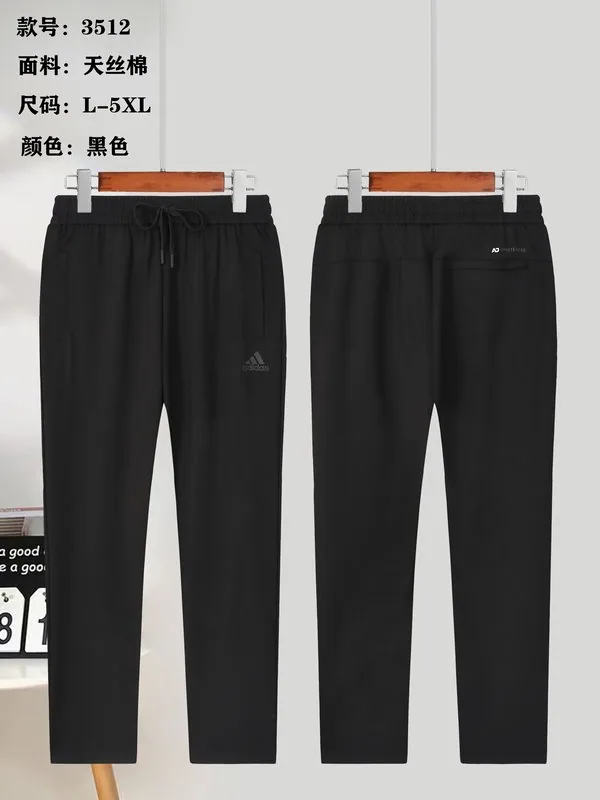
Adidas yfx3512 Pants
SKU yfx3512View product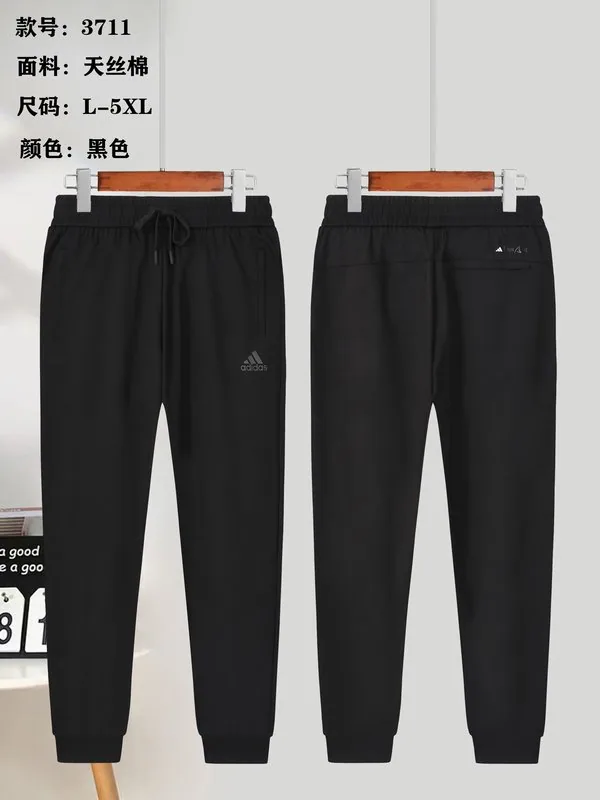
Adidas yfx3711 Pants
SKU yfx3711View product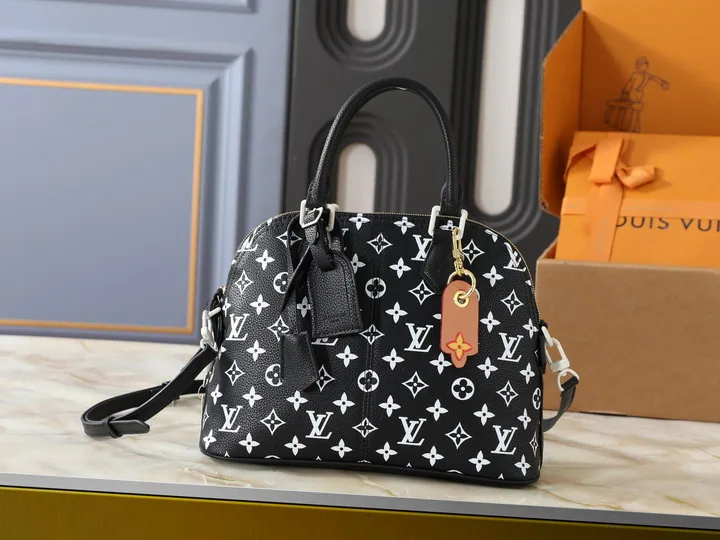
Alma M53151 Top-Handle Bag
SKU M53151View product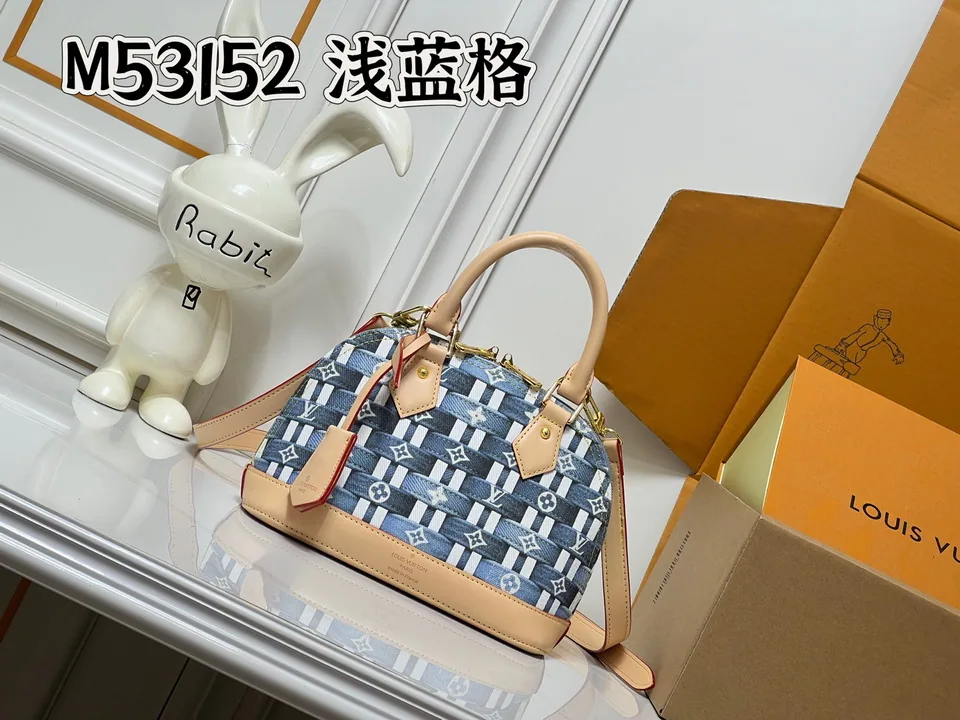
Alma M53152 Top-Handle Bag
SKU M53152View product
Alma M82717 Top-Handle Bag
SKU M82717View product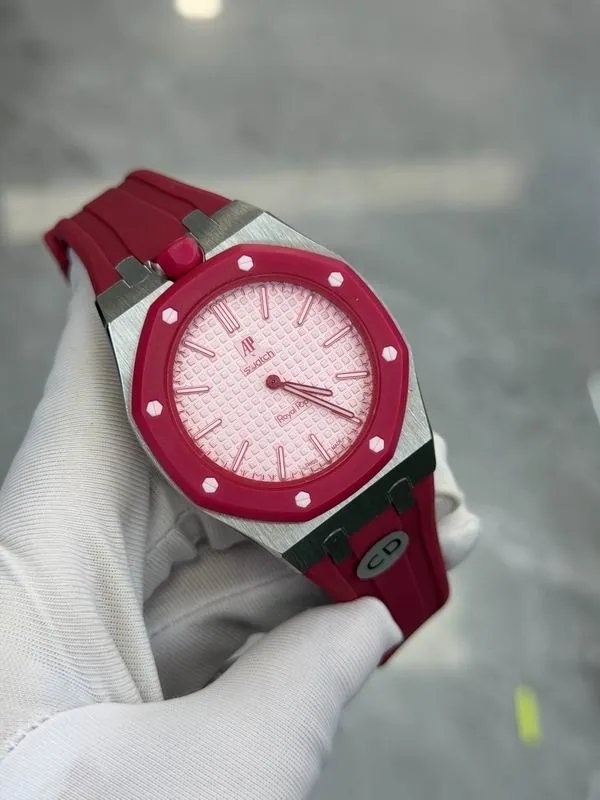
AP 12 Watch
SKU 12View product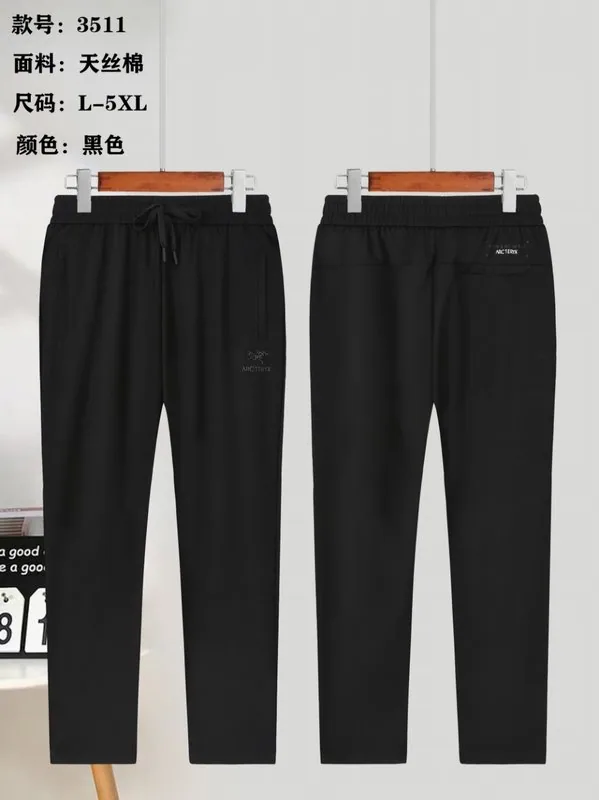
Arcteryx yfx3511 Pants
SKU yfx3511View product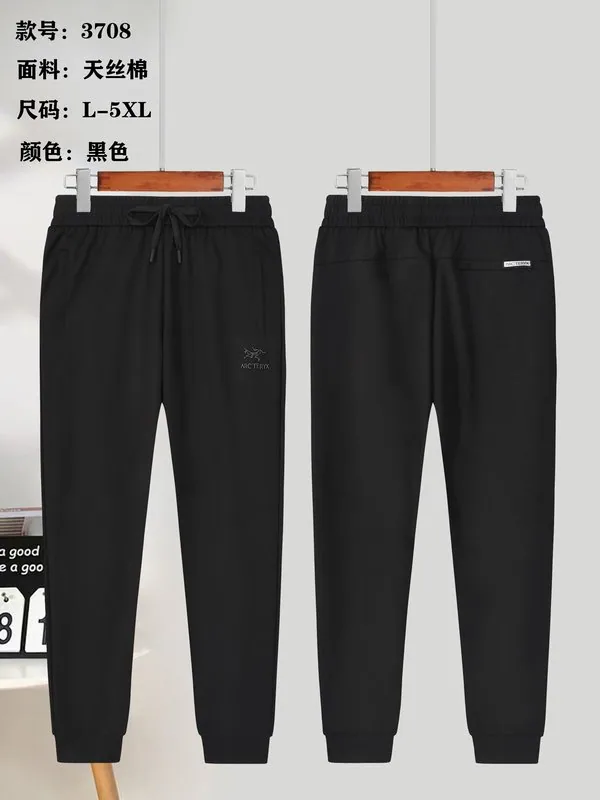
Arcteryx yfx3708 Pants
SKU yfx3708View product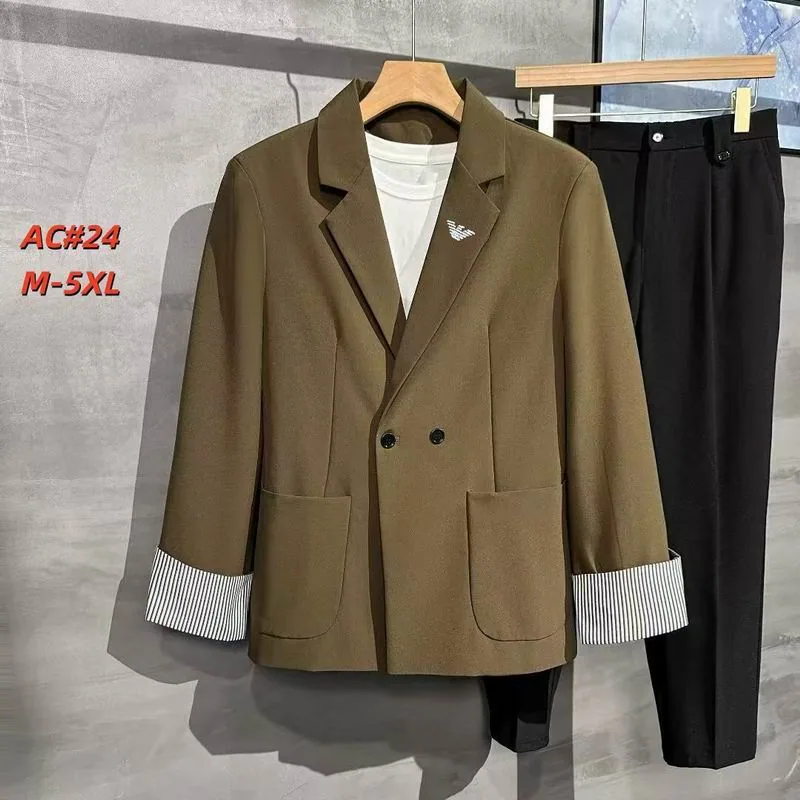
Armani 12yr60 Blazer
SKU 12yr60View product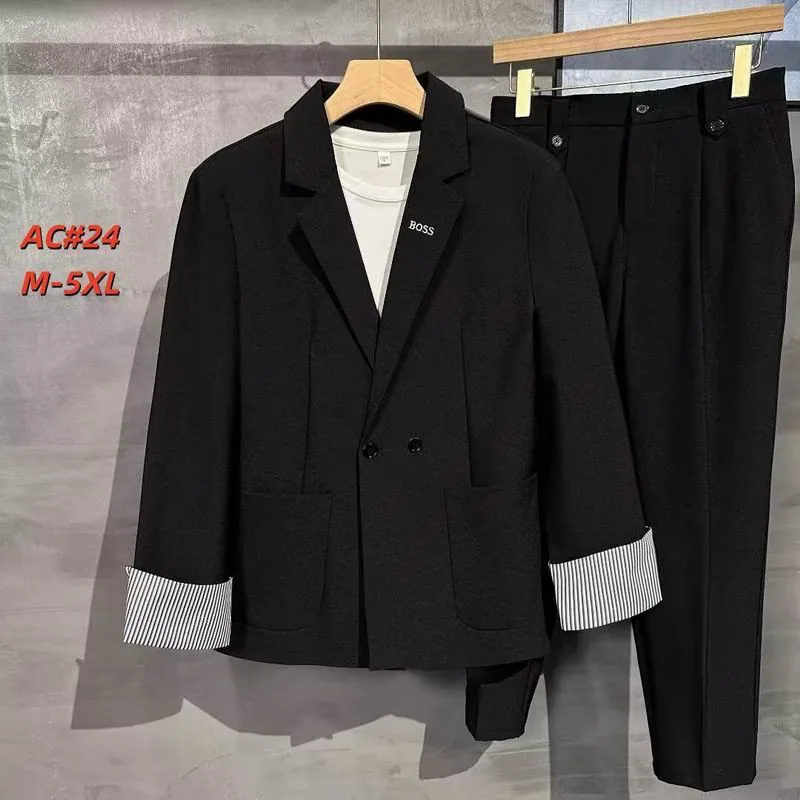
Boss 12yr03 Blazer
SKU 12yr03View product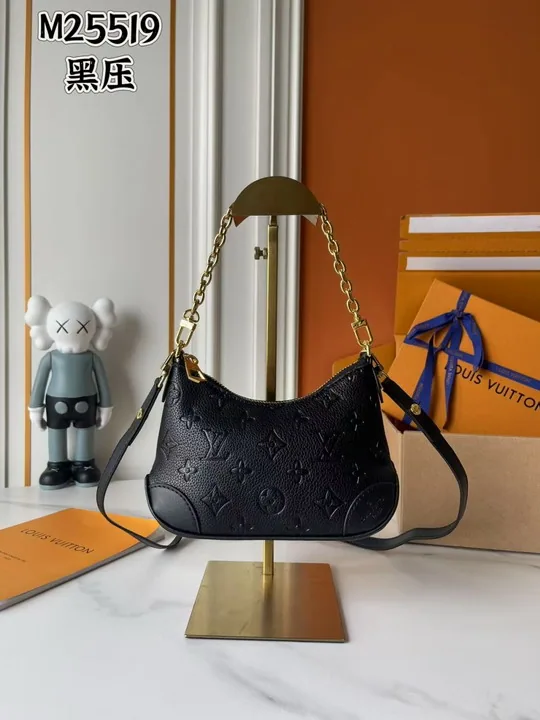
Boulogne M25519 Hobo Bag
SKU M25519View product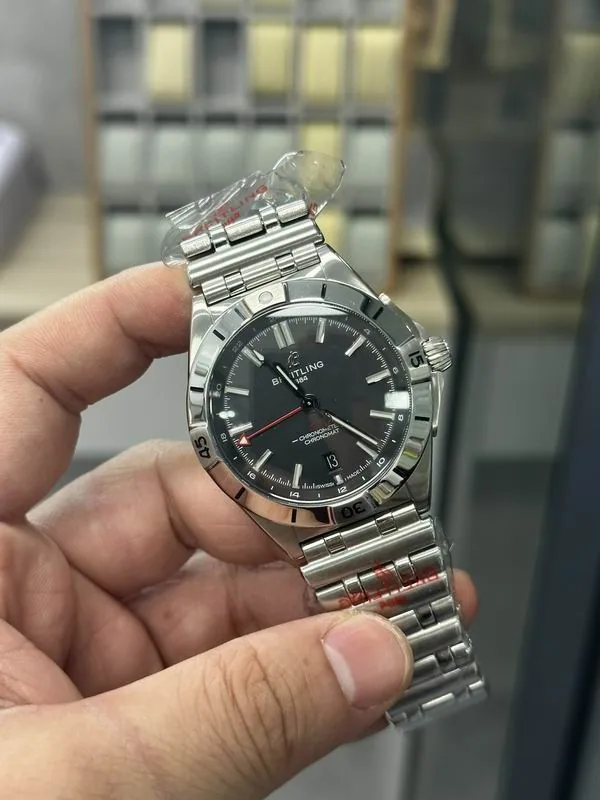
Breitling 54 Watch
SKU 54View product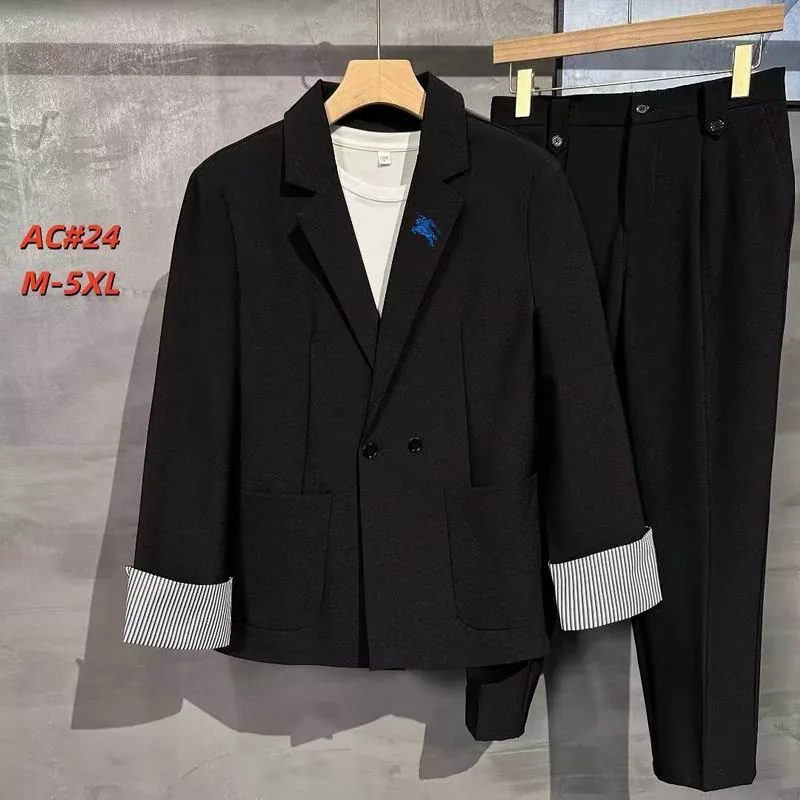
Burberry 12yr224 Blazer
SKU 12yr224View product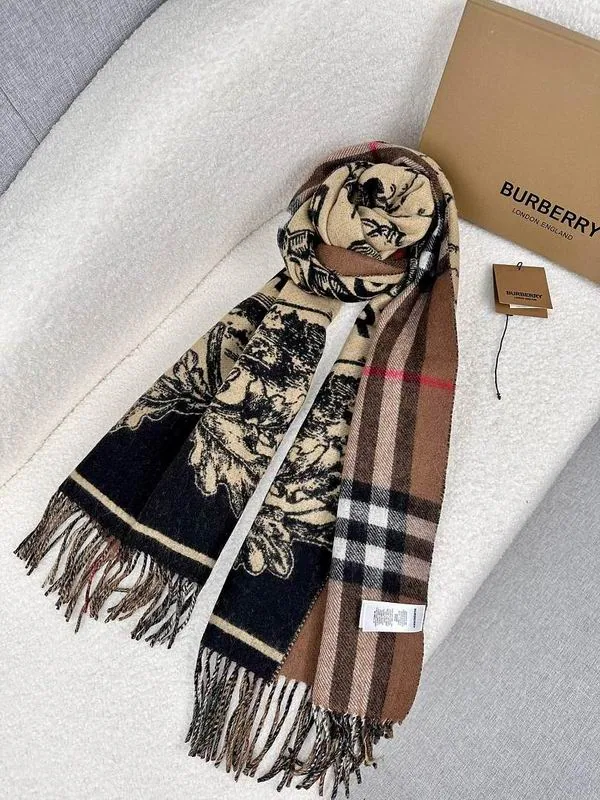
Burberry SRC4178168 Scarf
SKU SRC4178168View product