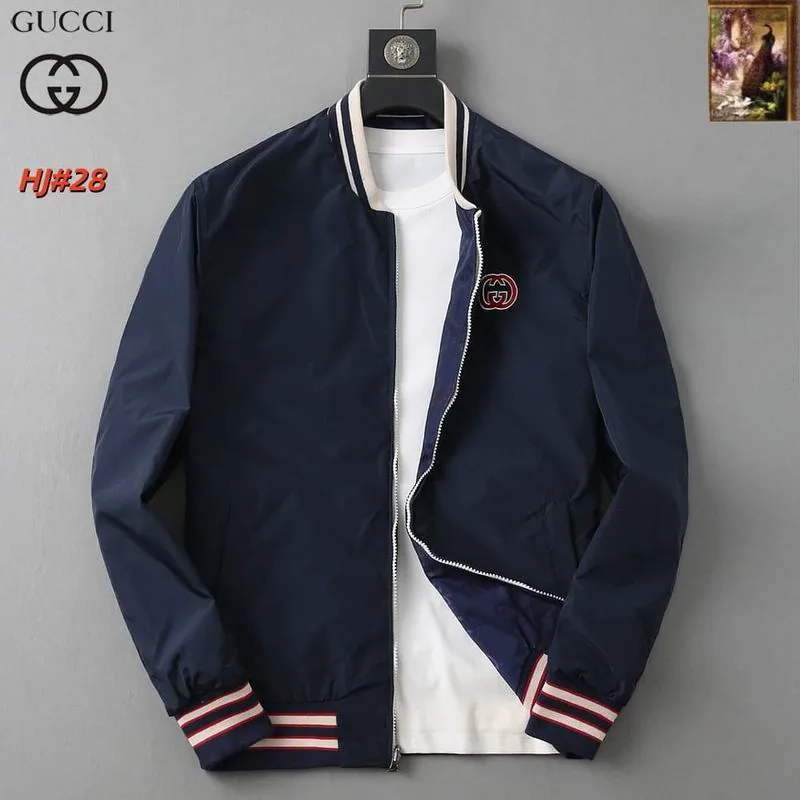
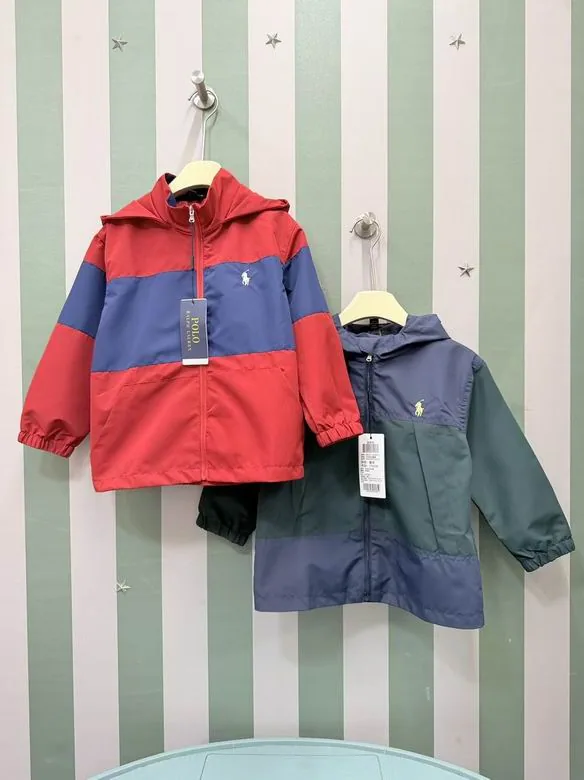
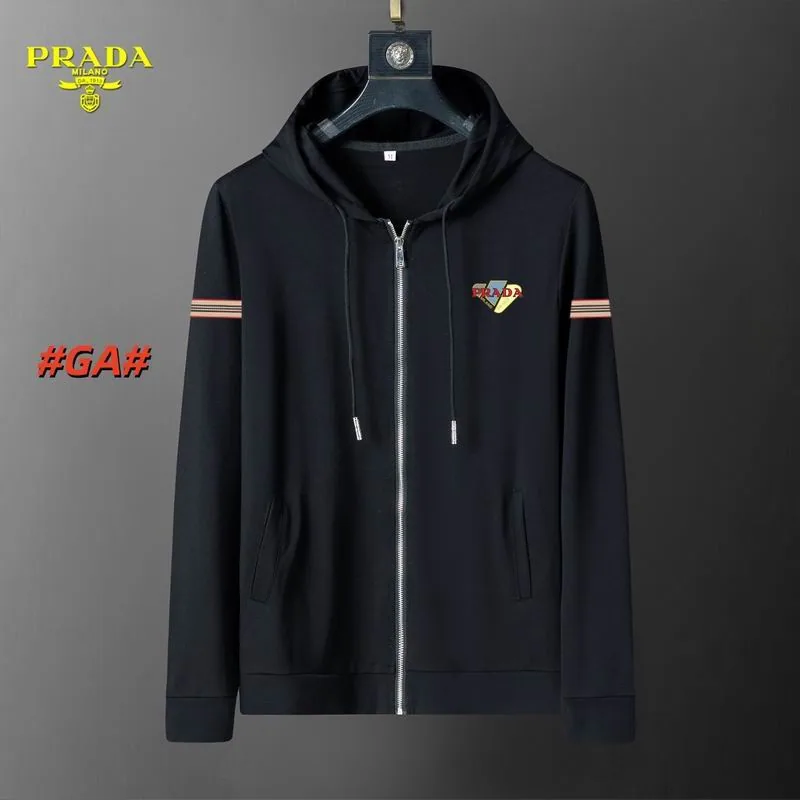
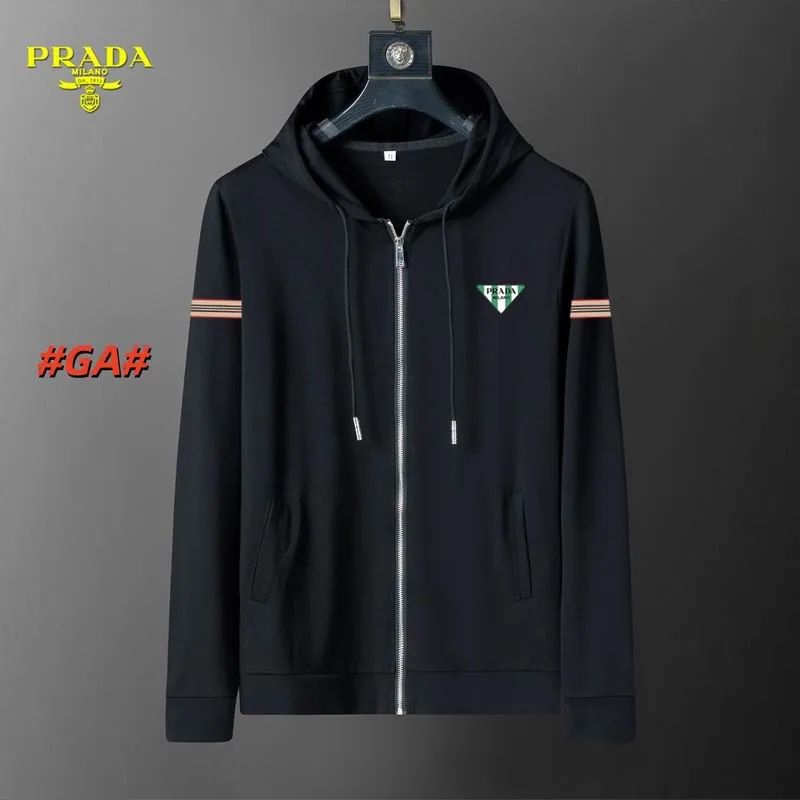
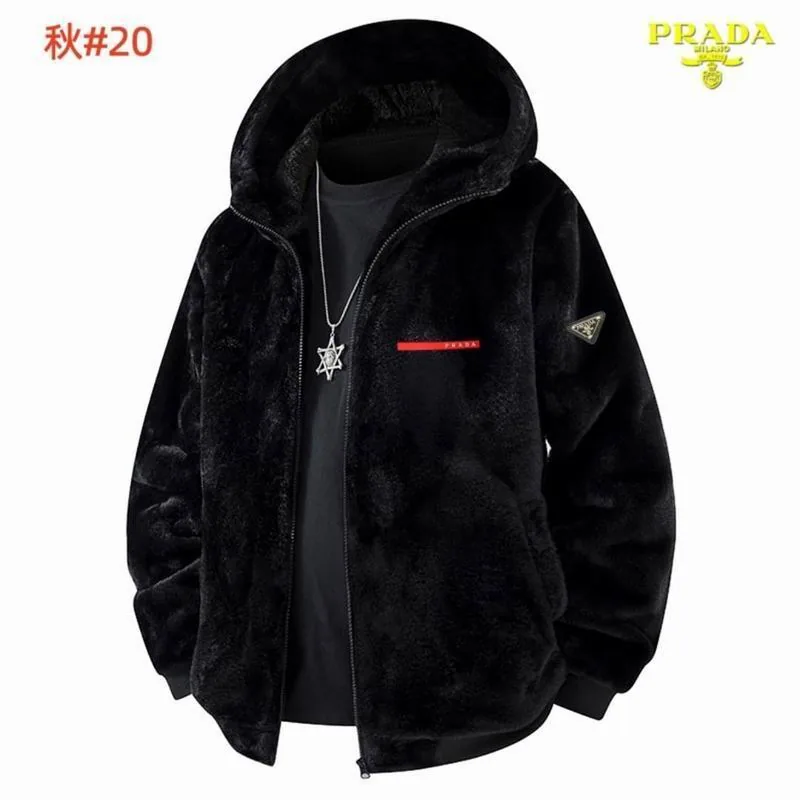
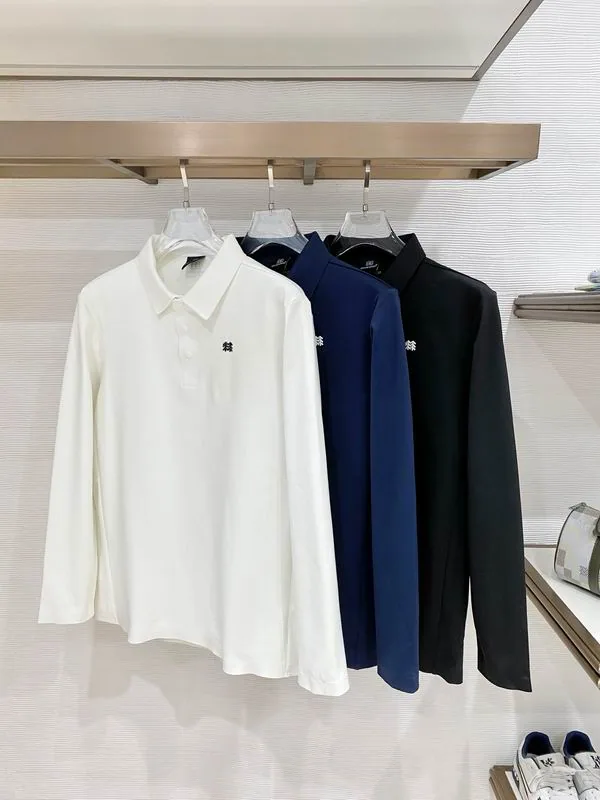
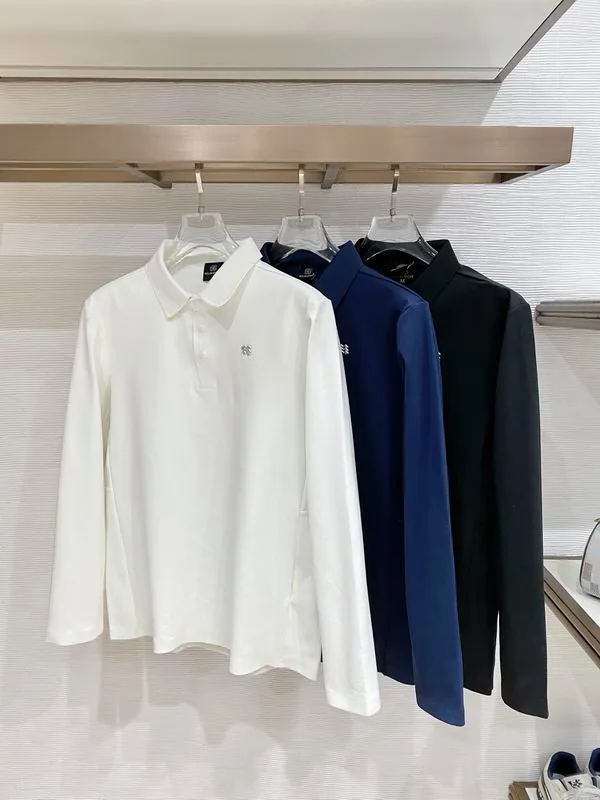
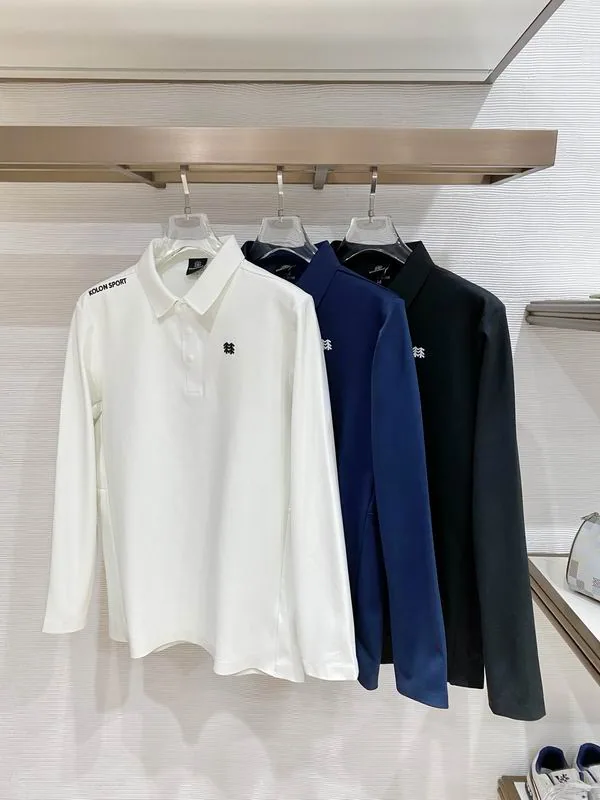
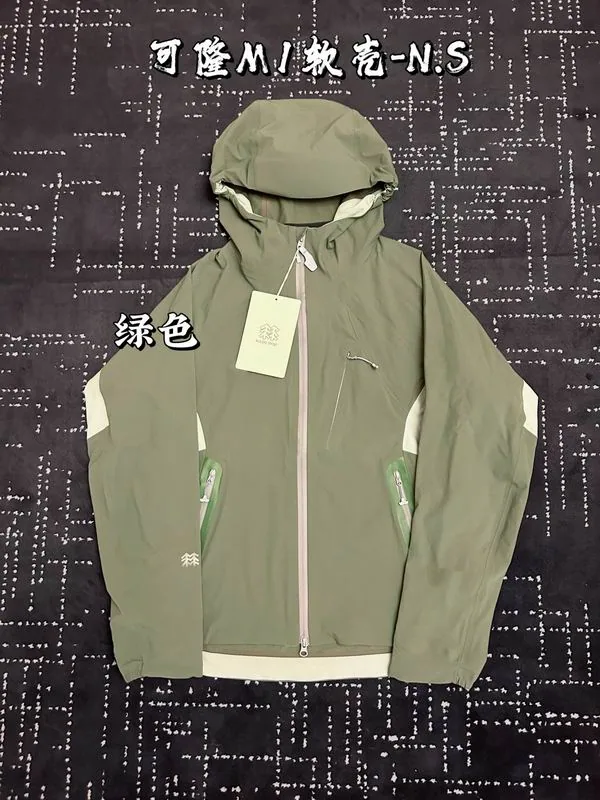
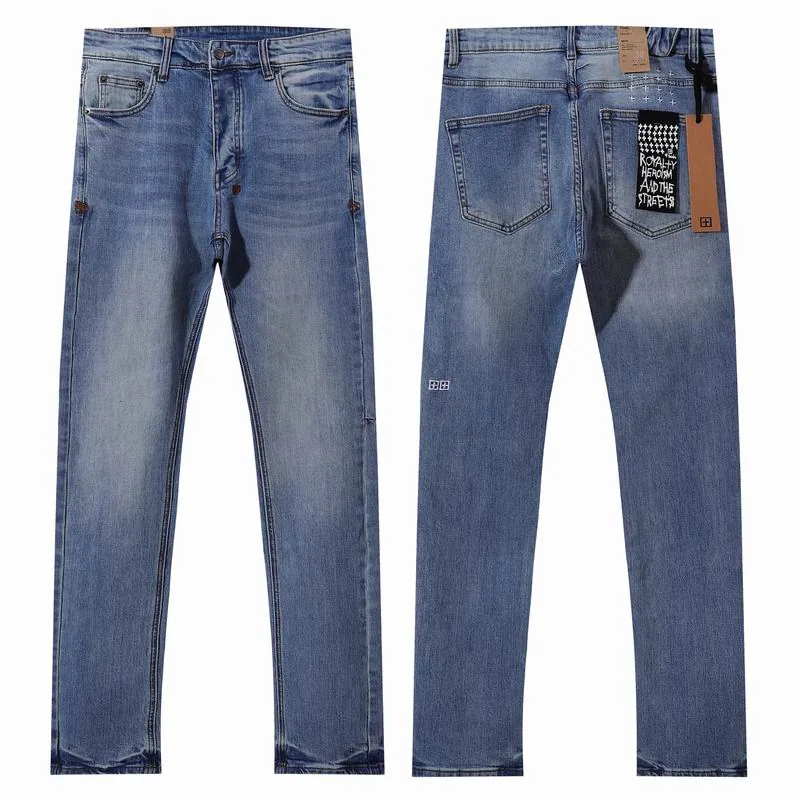
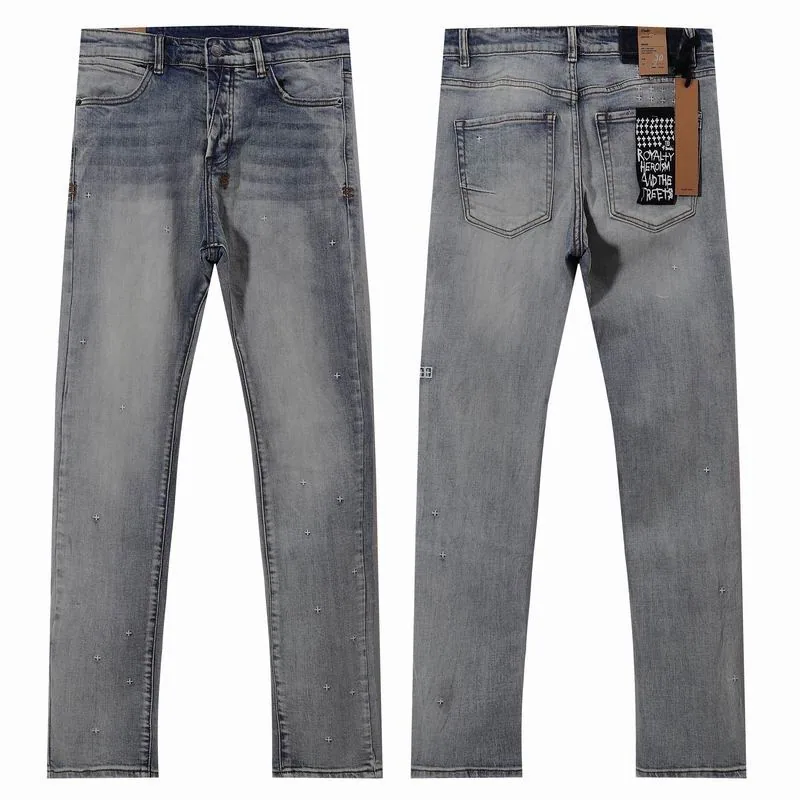
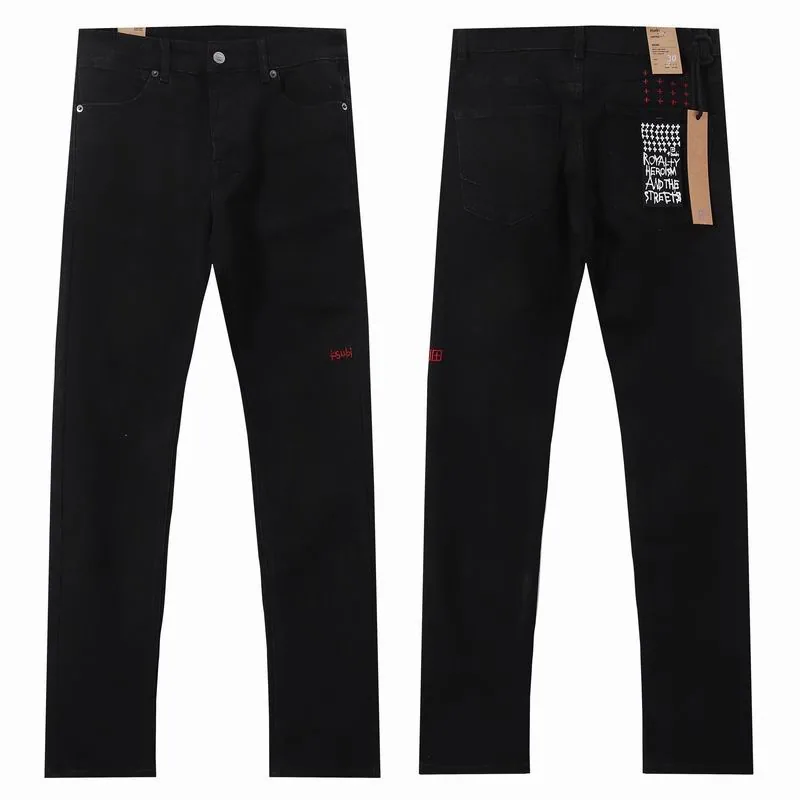
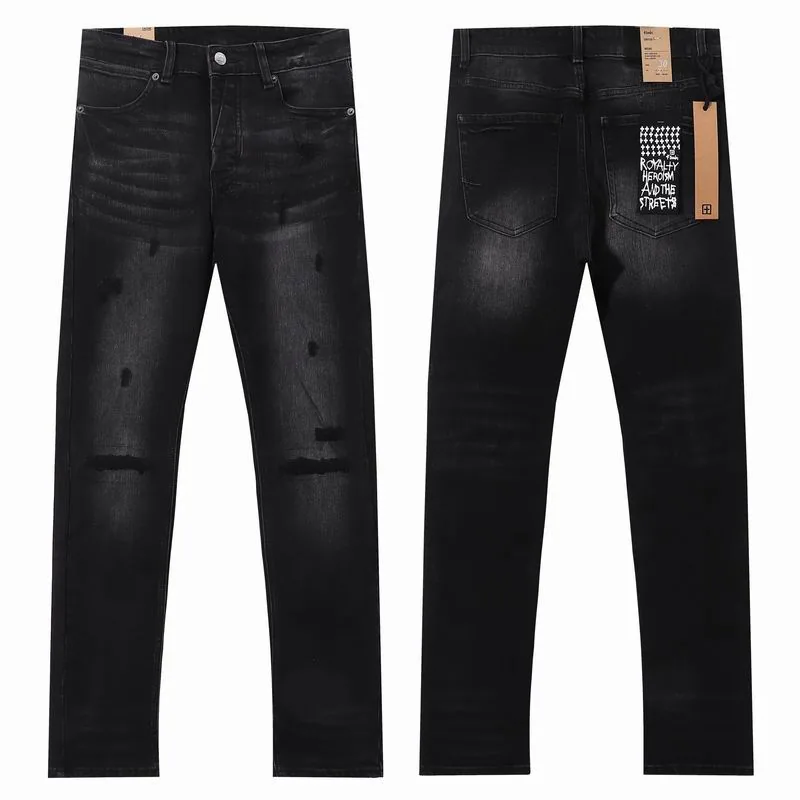
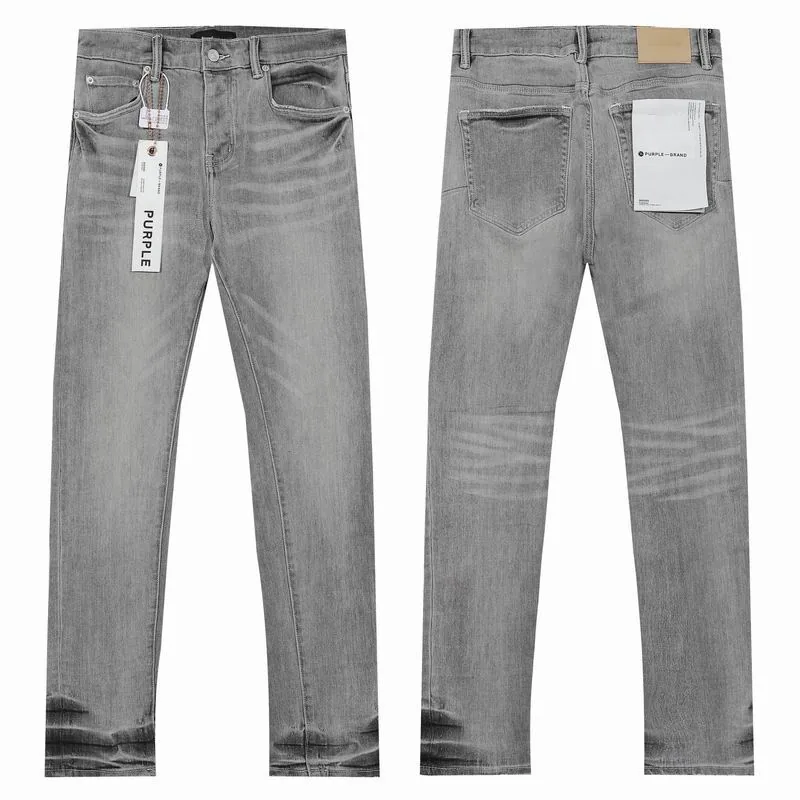
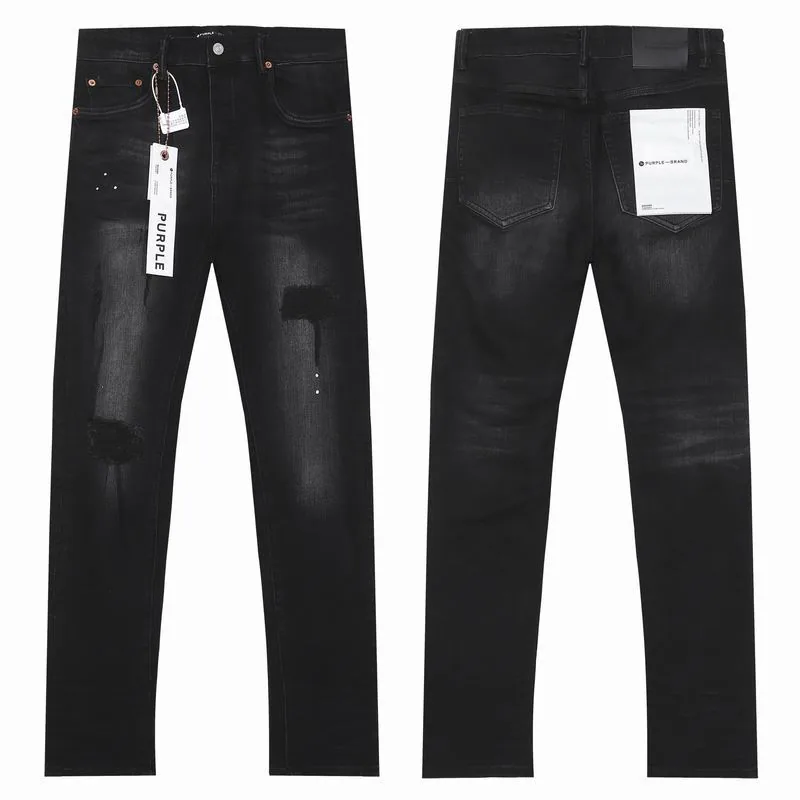
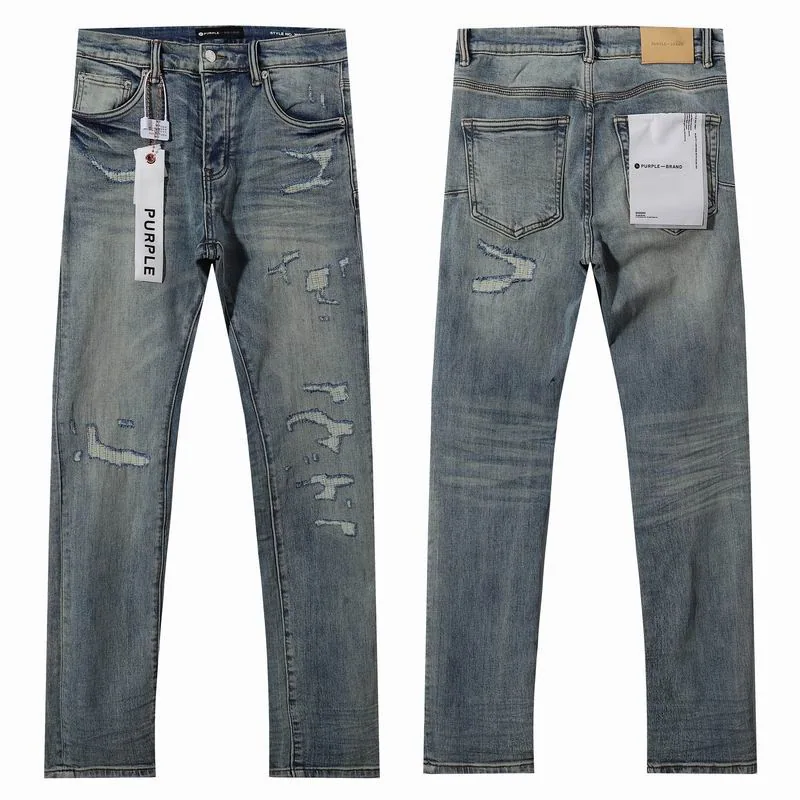
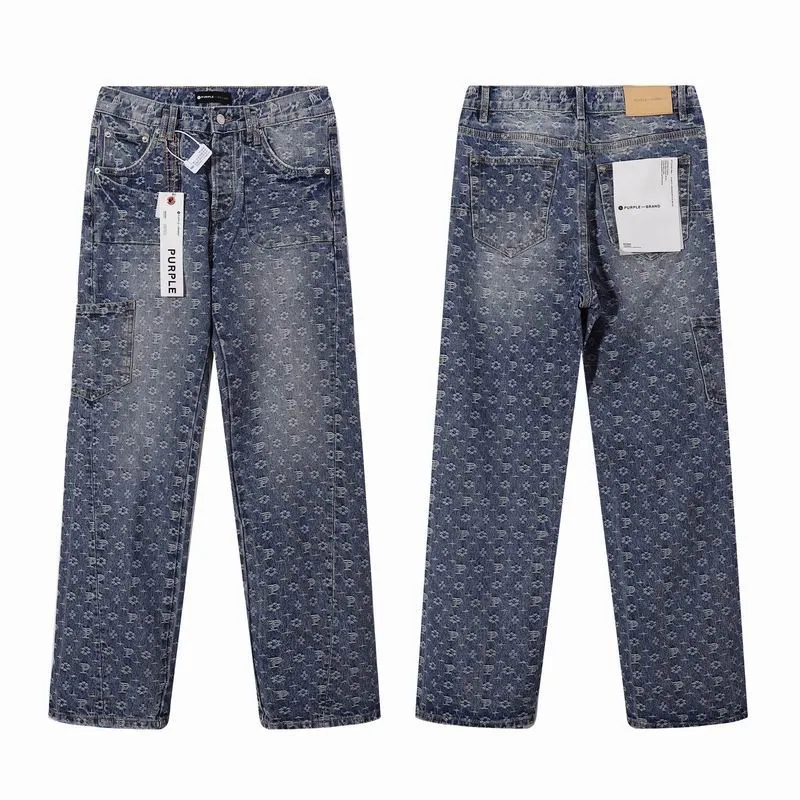
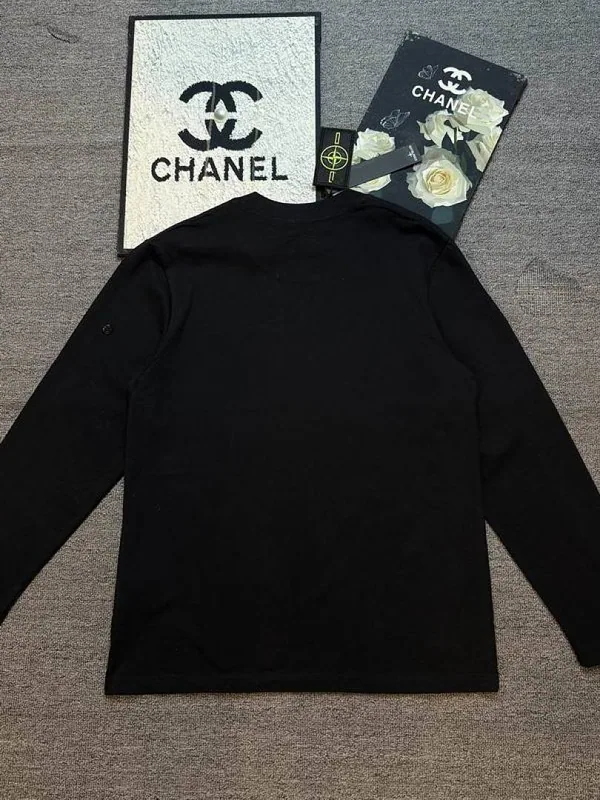
Wardrobe foundations
Clothing
A considered edit of outerwear, knitwear, shirts, trousers, and everyday layers, organized around fit, fabric, construction, and practical wardrobe use.

Start with silhouette and purpose
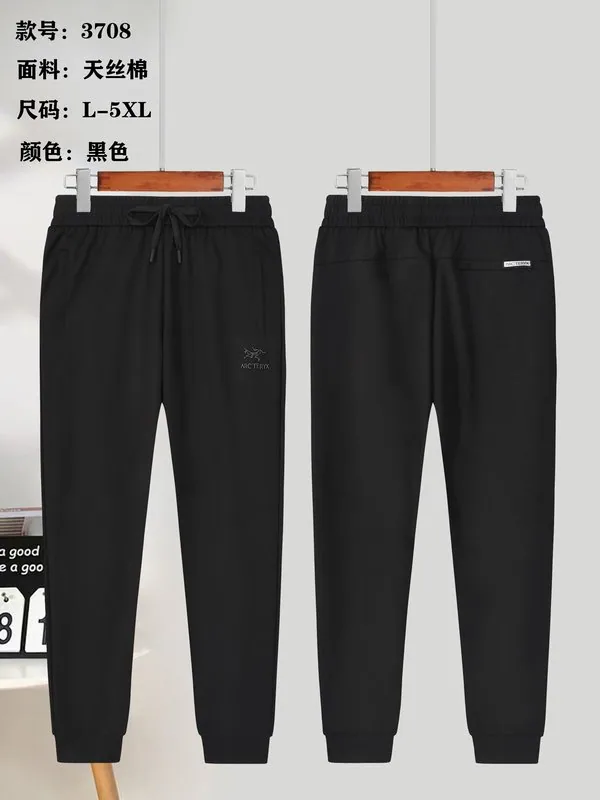
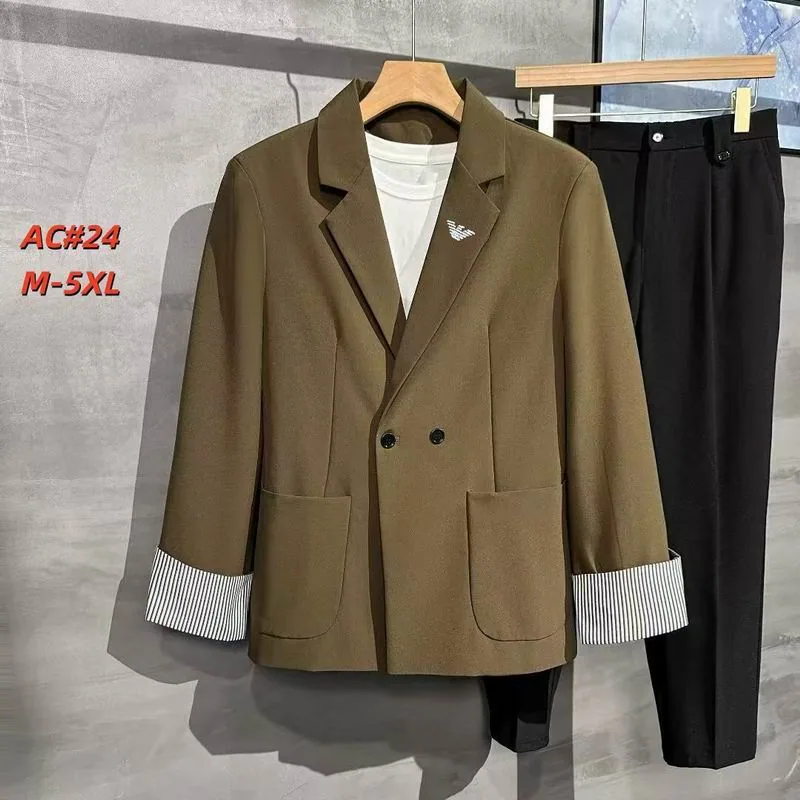
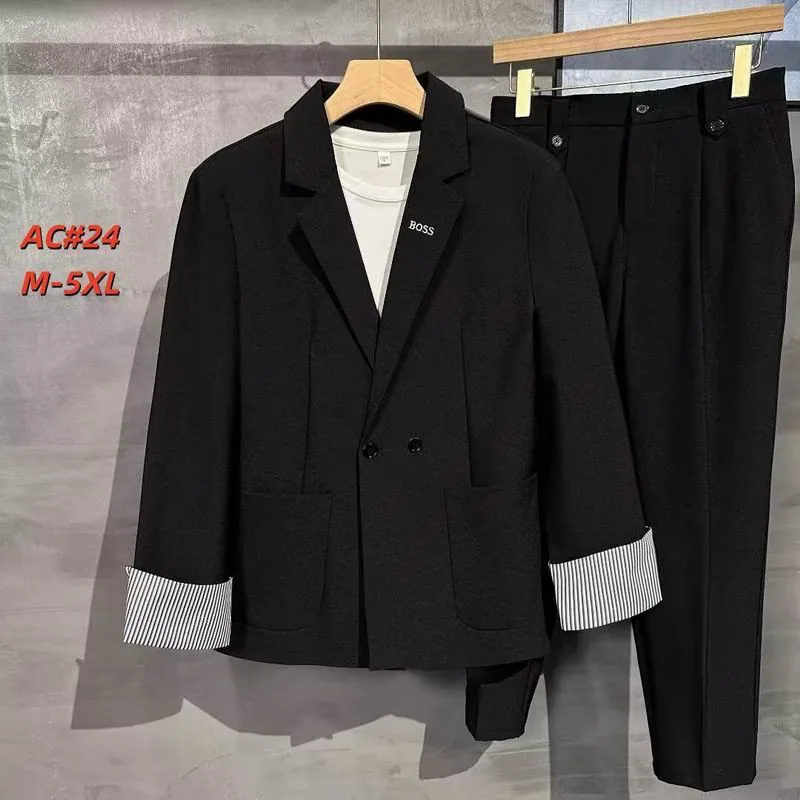
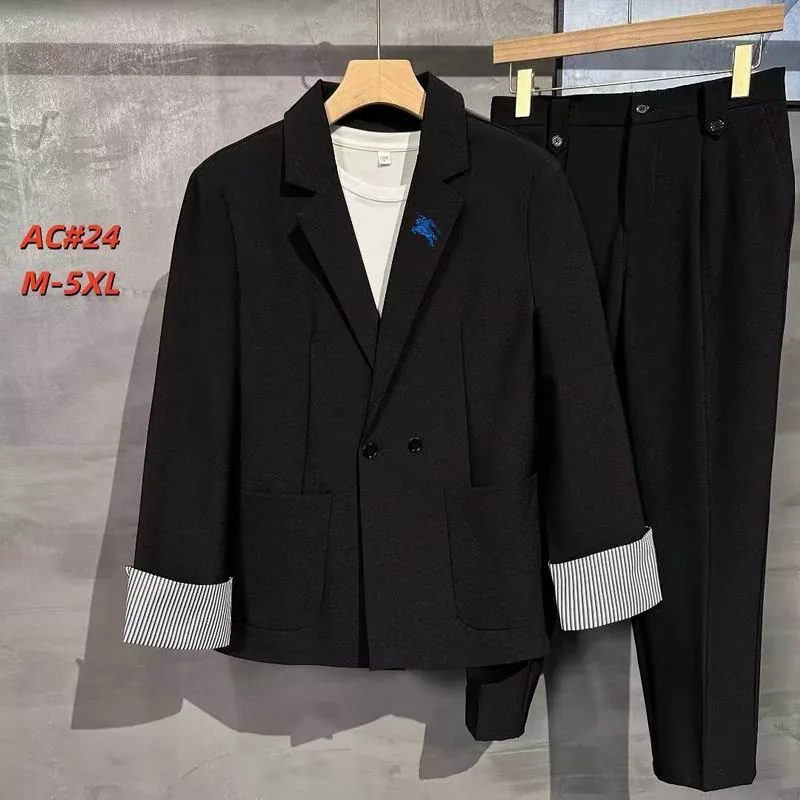
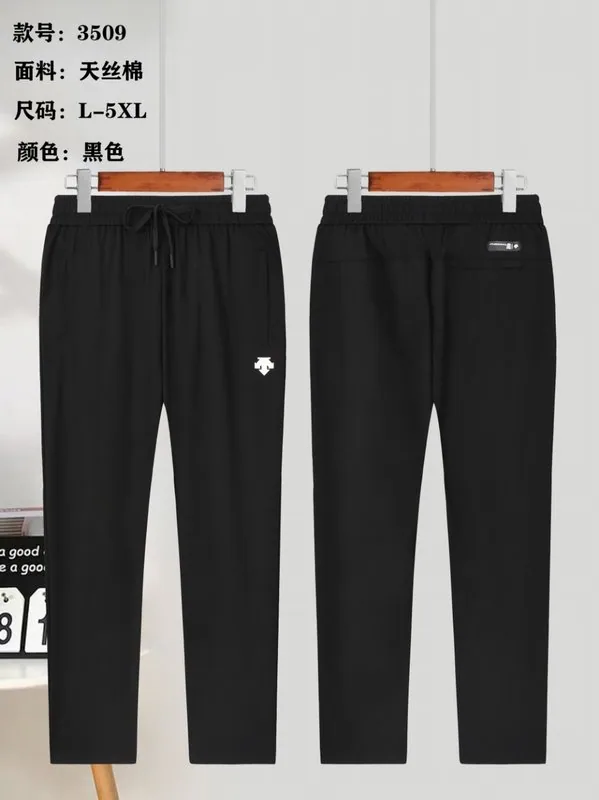
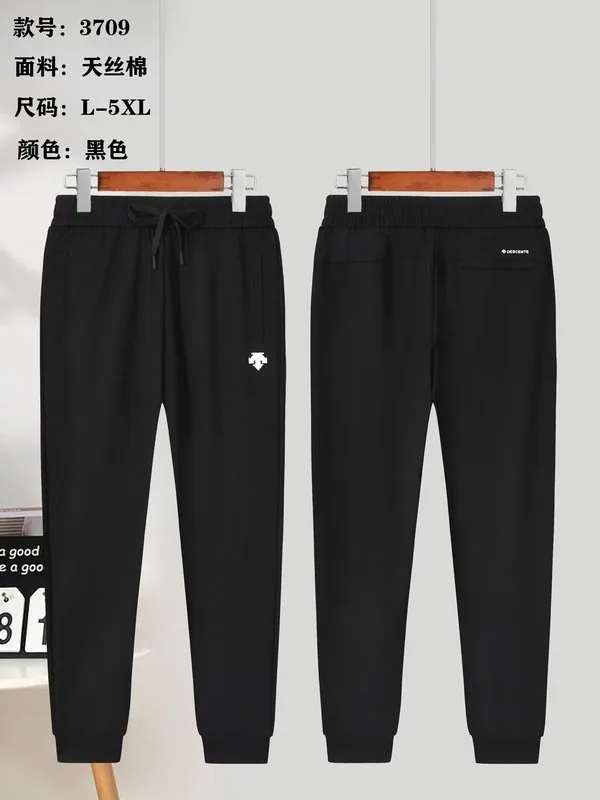
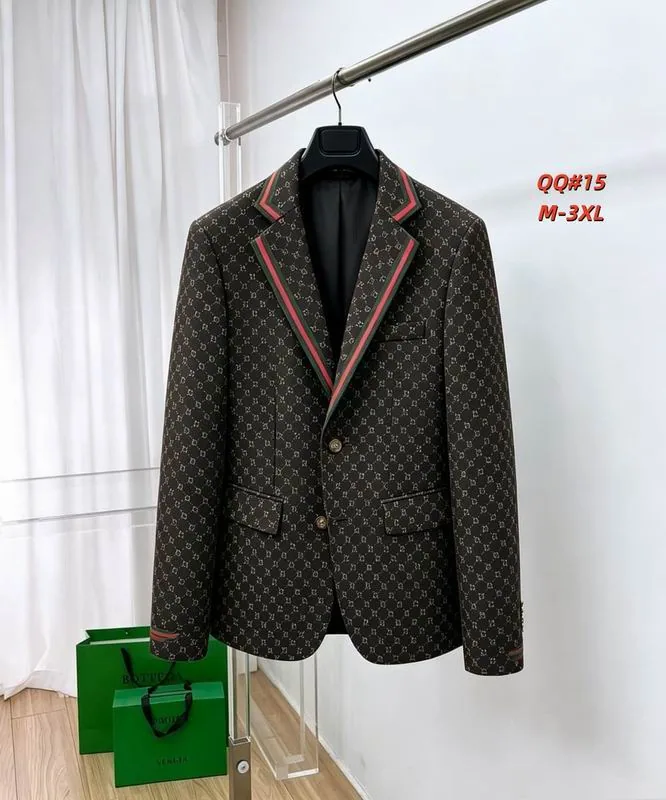
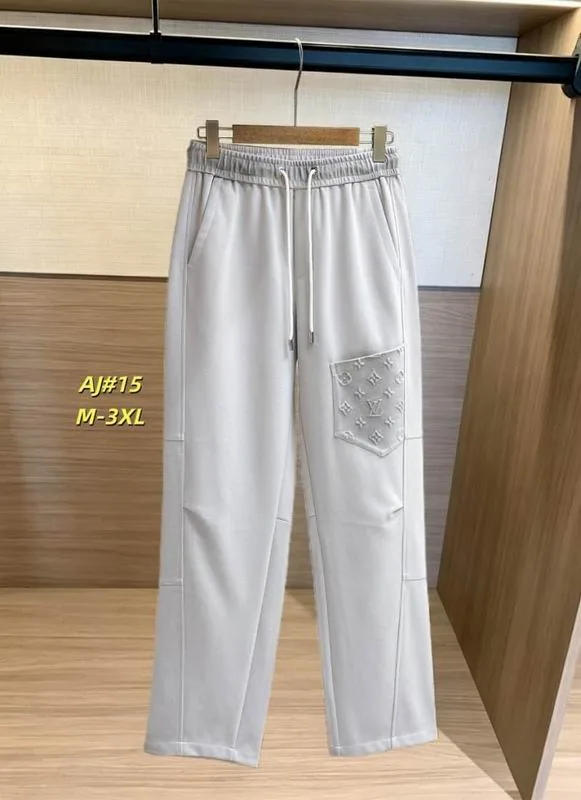
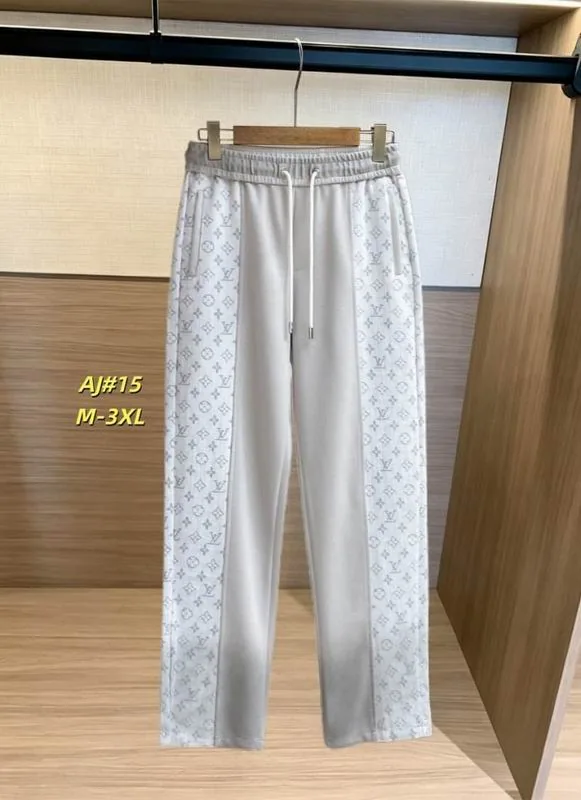
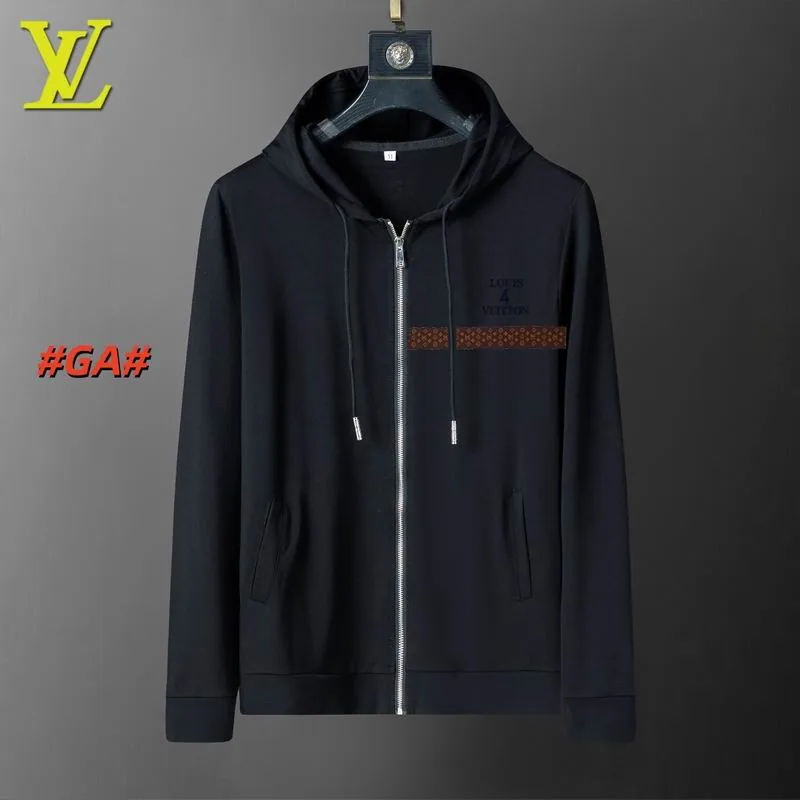
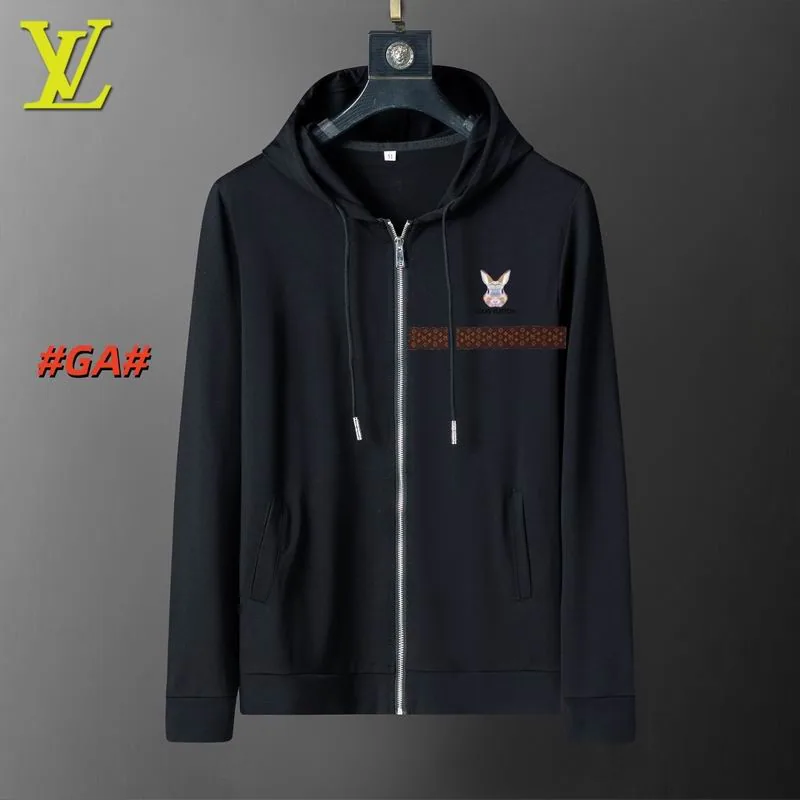
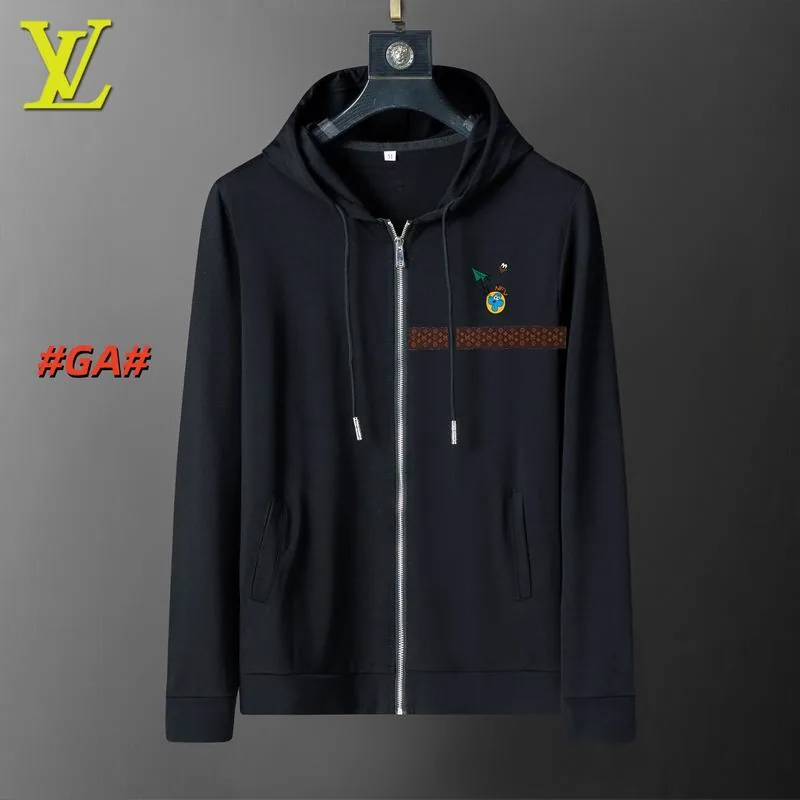
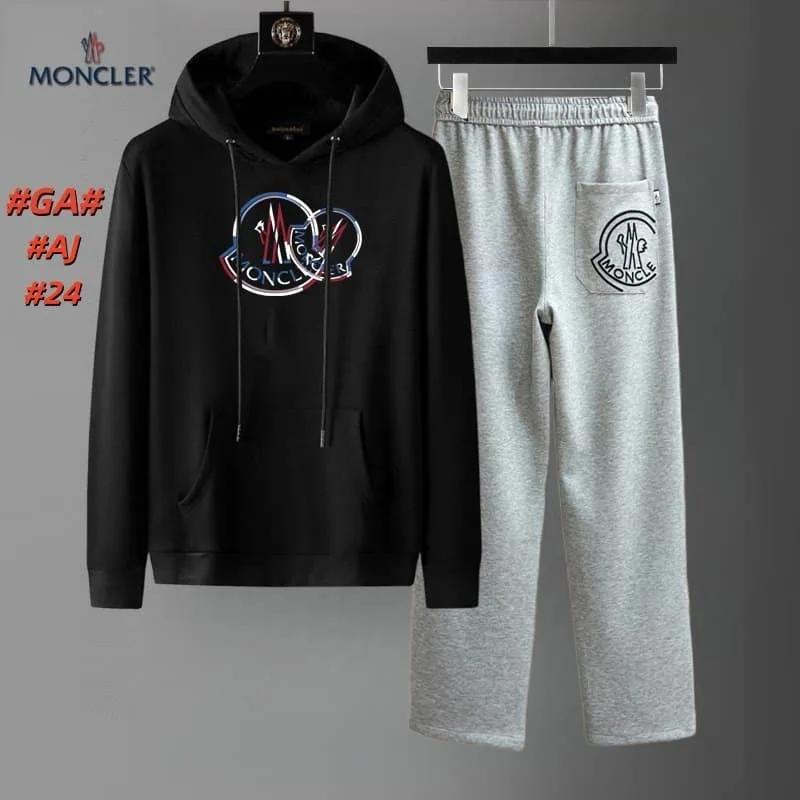
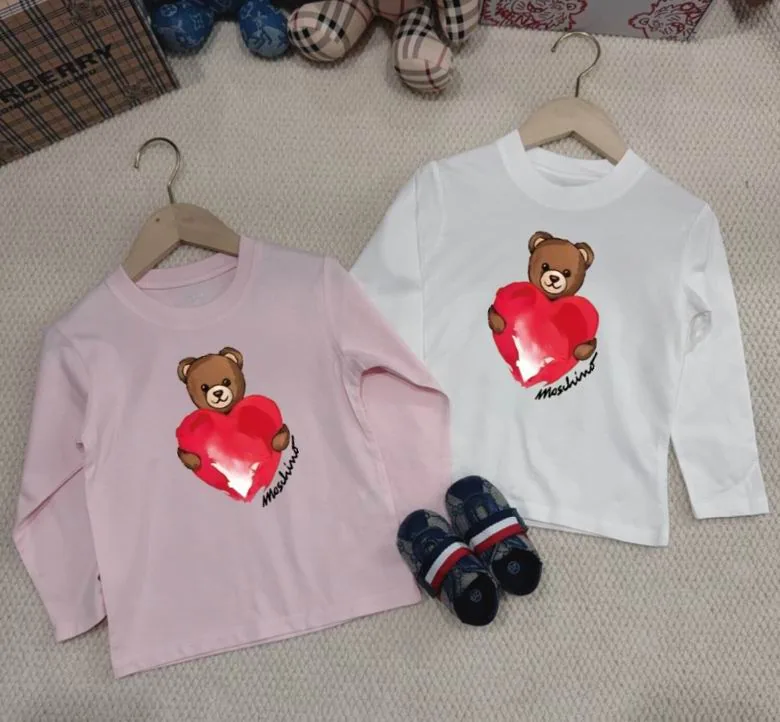
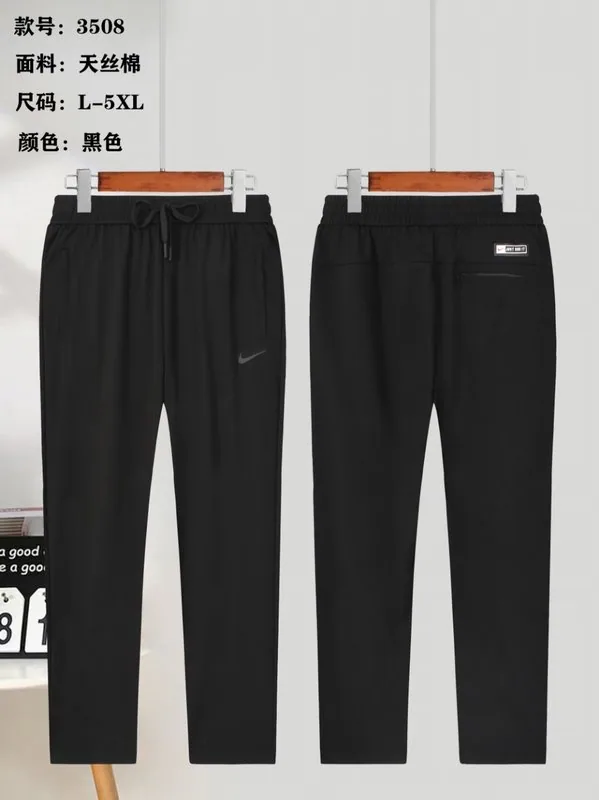
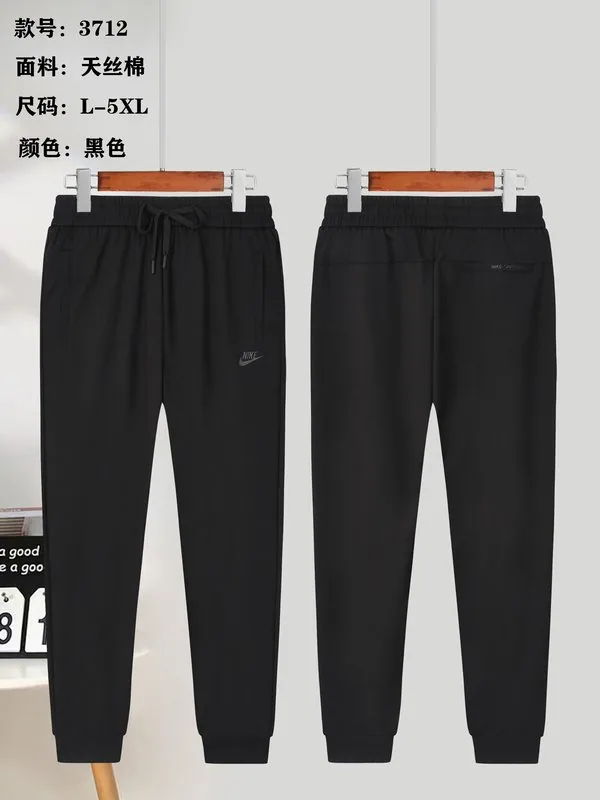
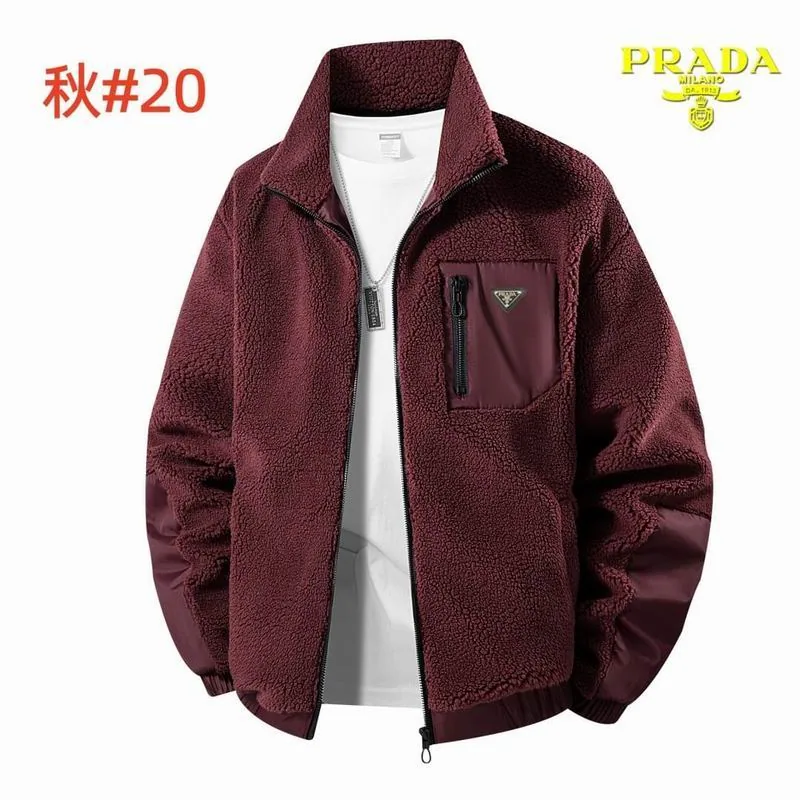
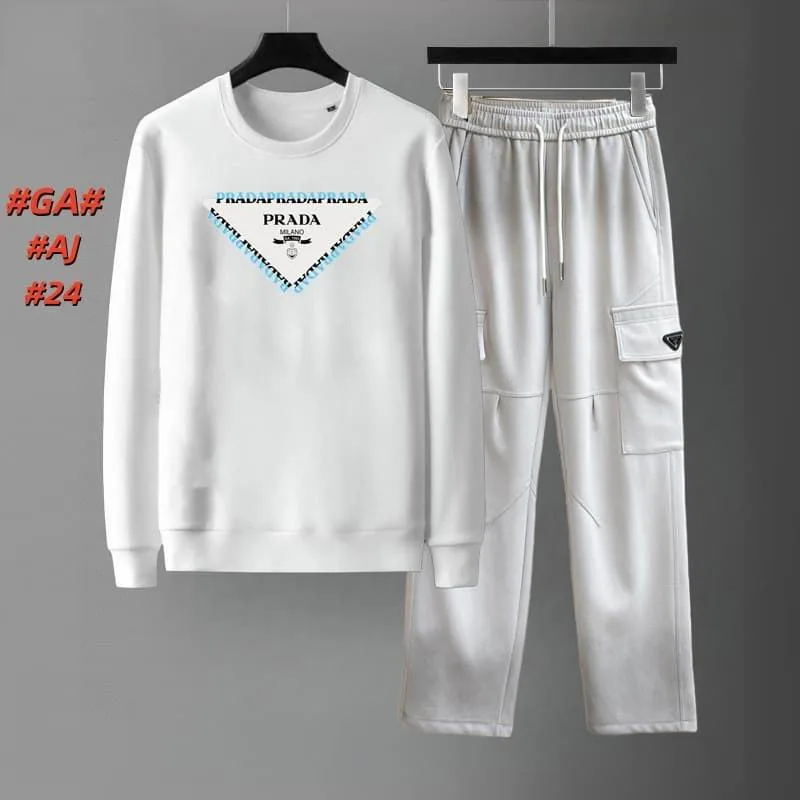
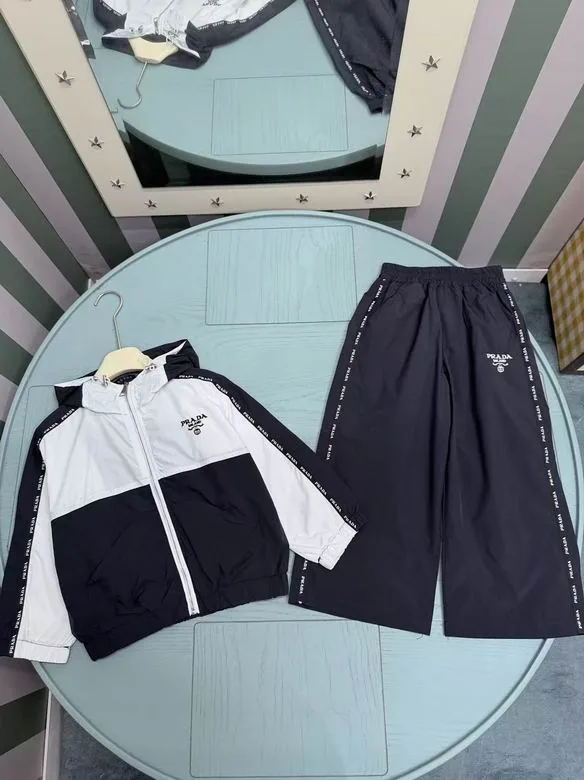
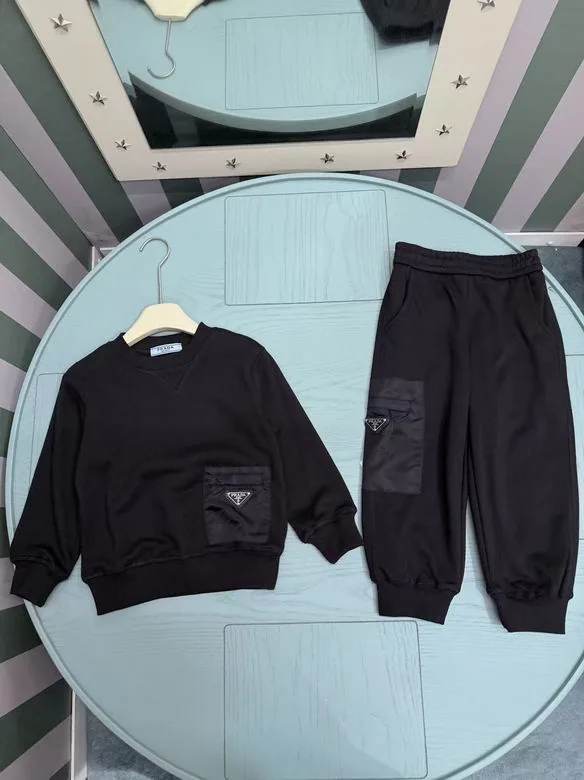
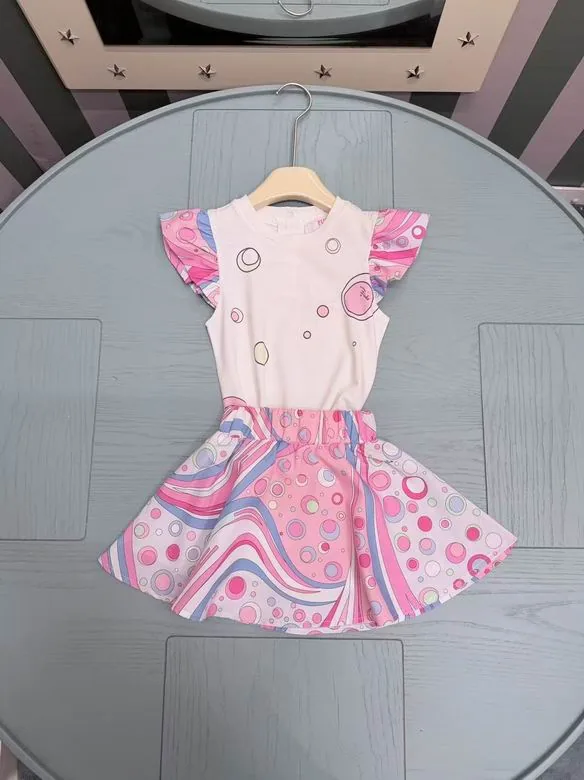
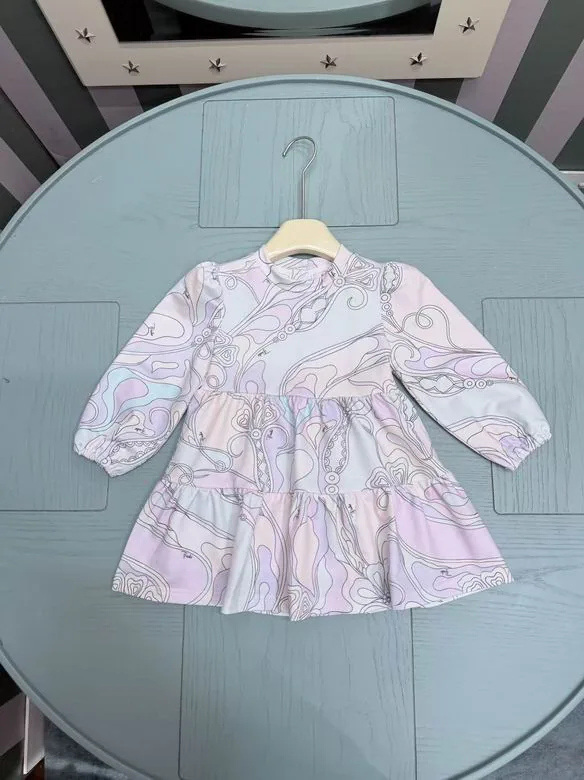
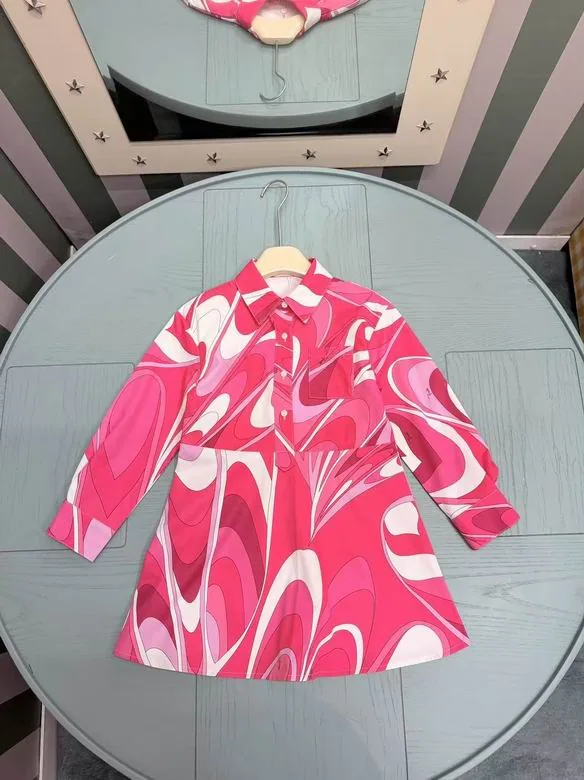
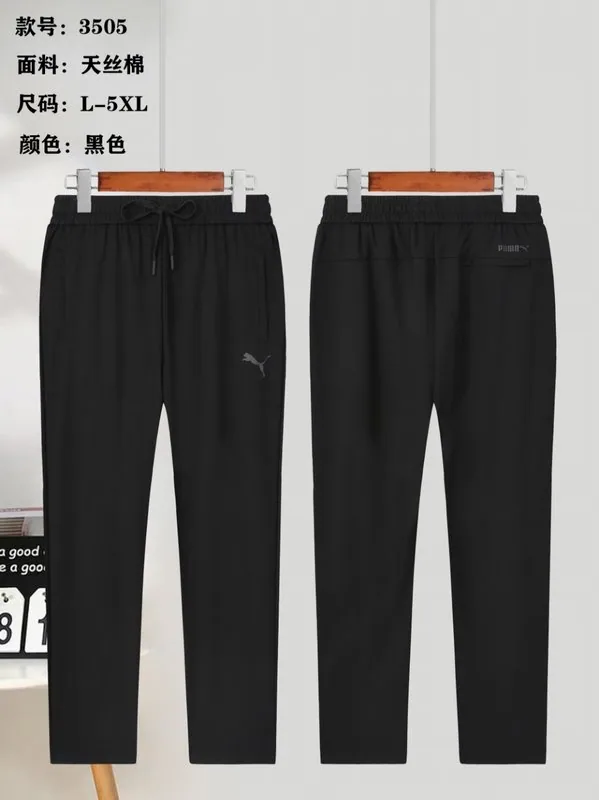
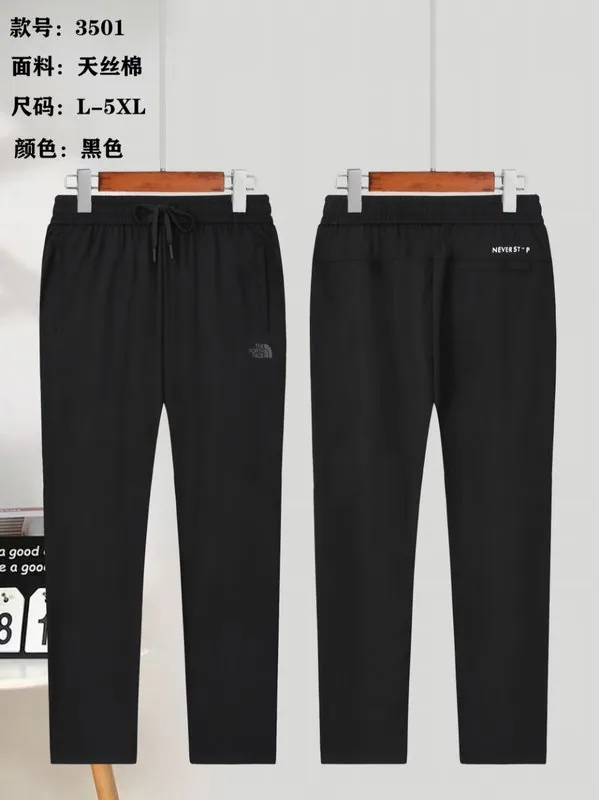
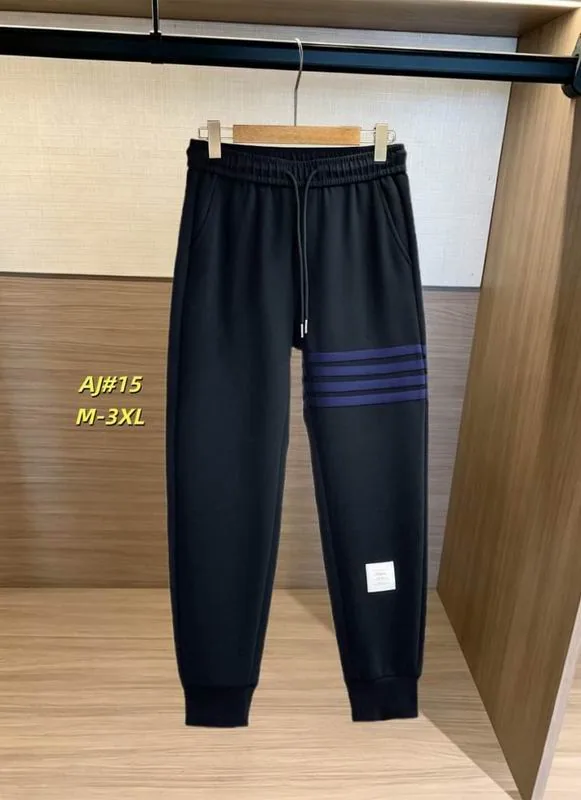
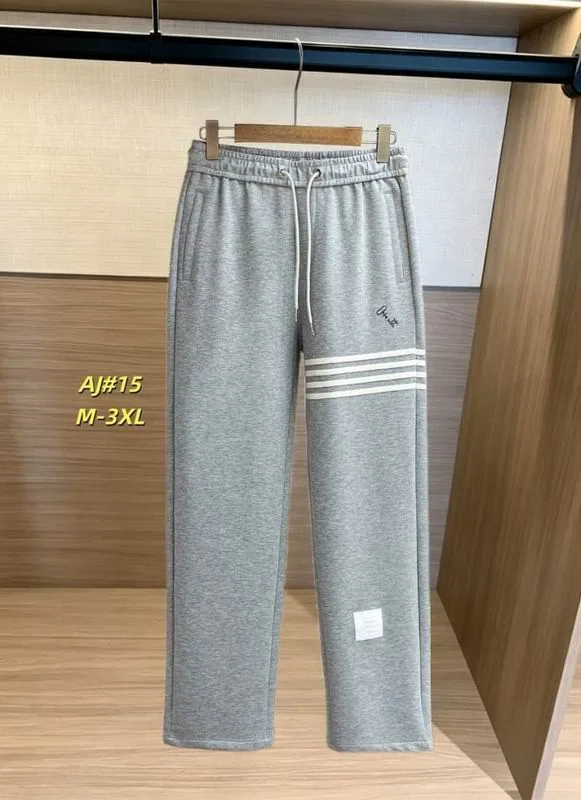
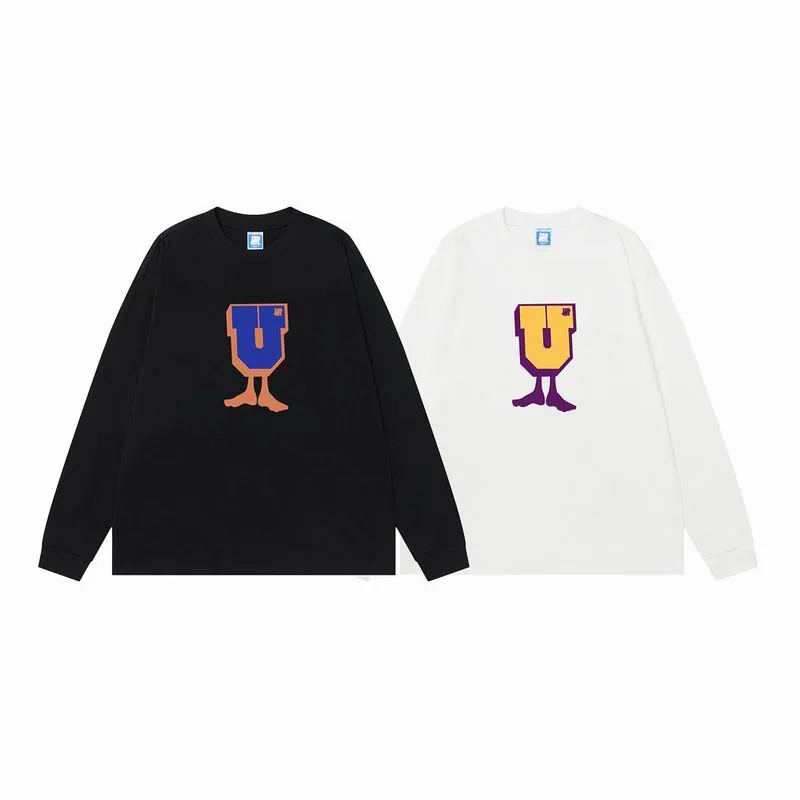
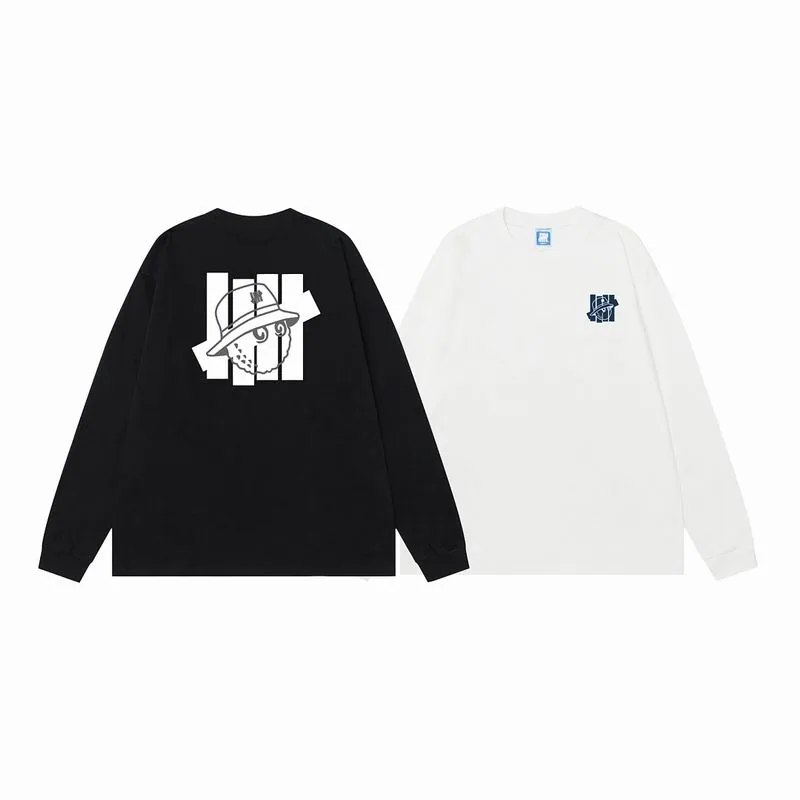
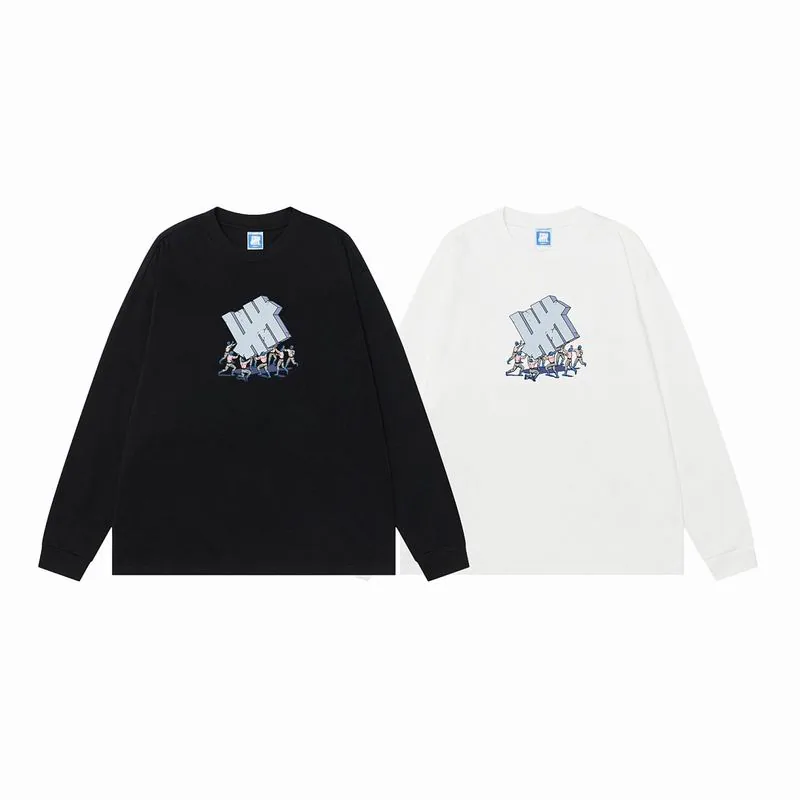
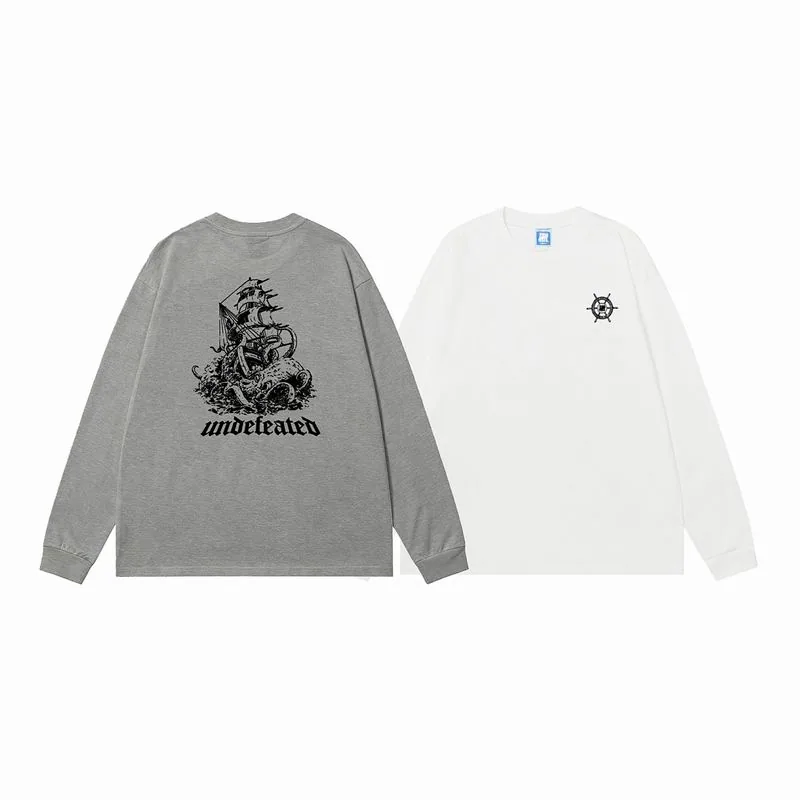
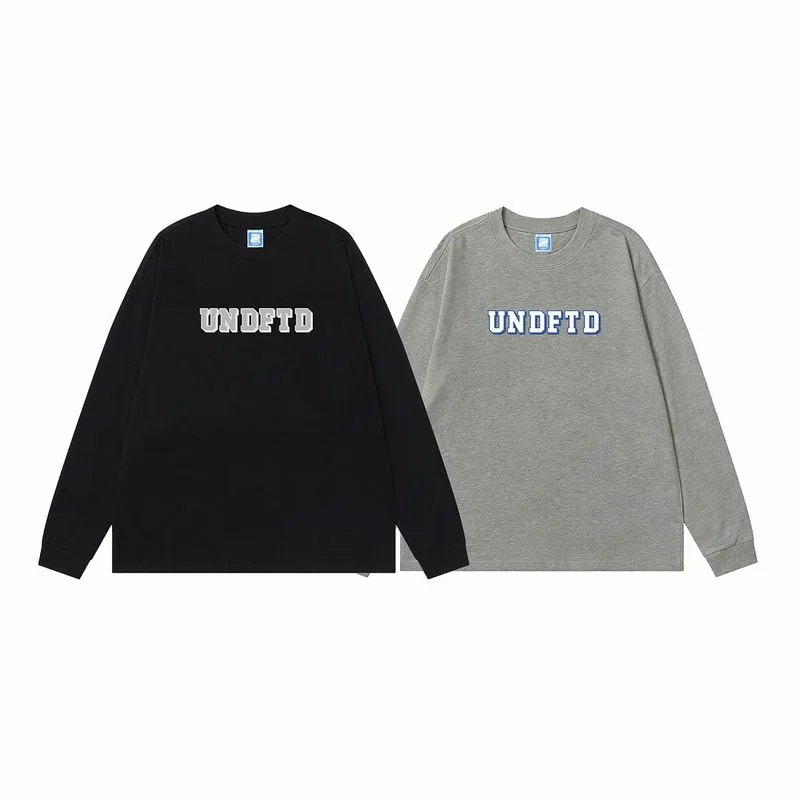
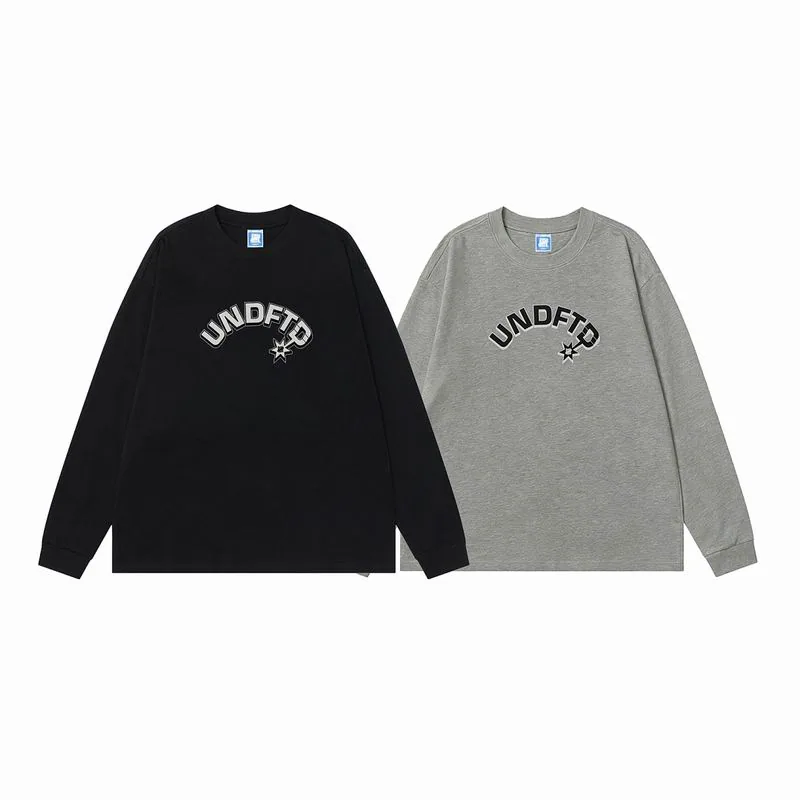
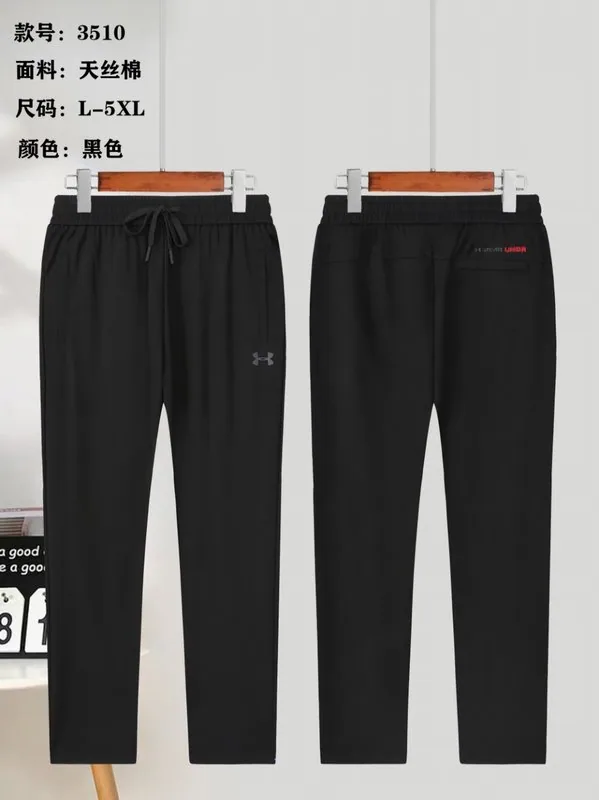
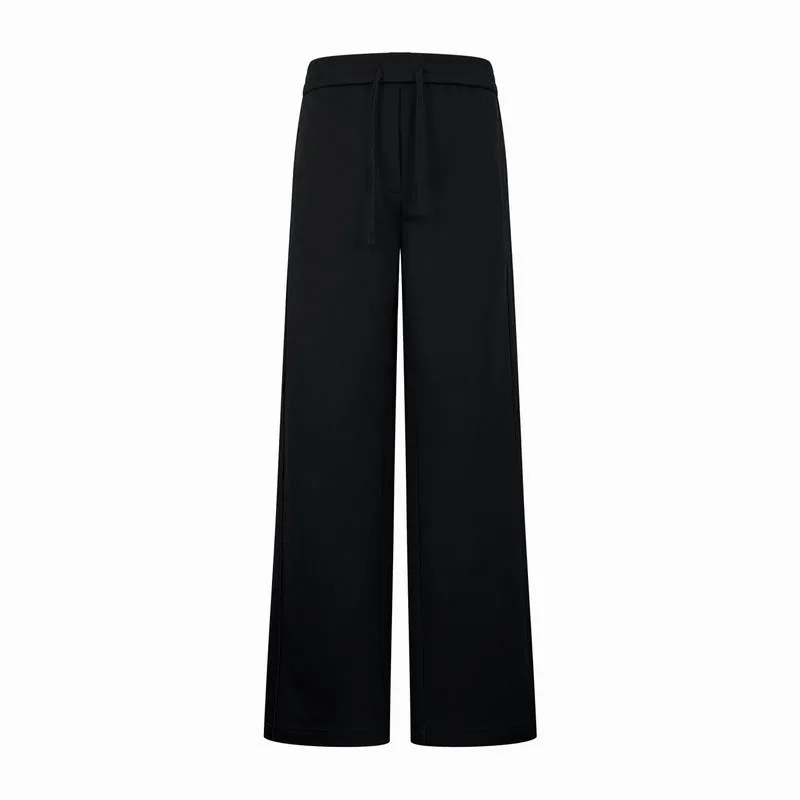
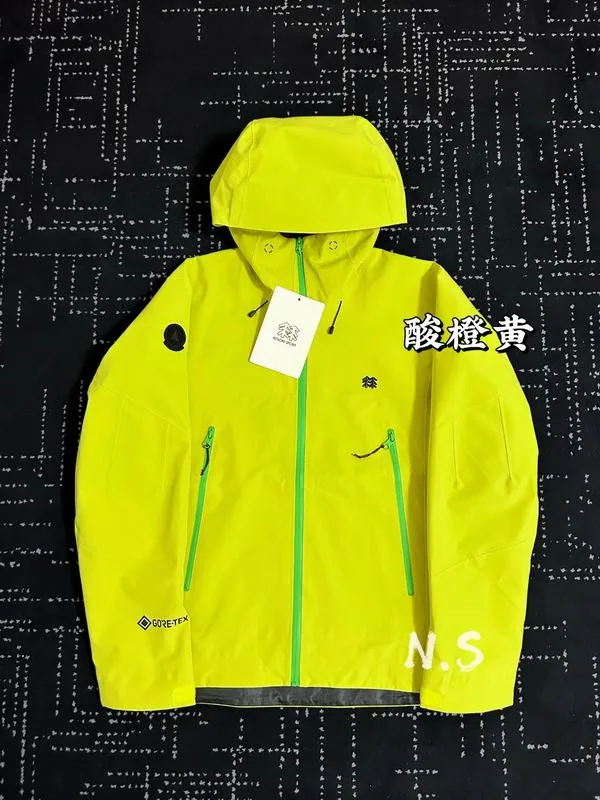
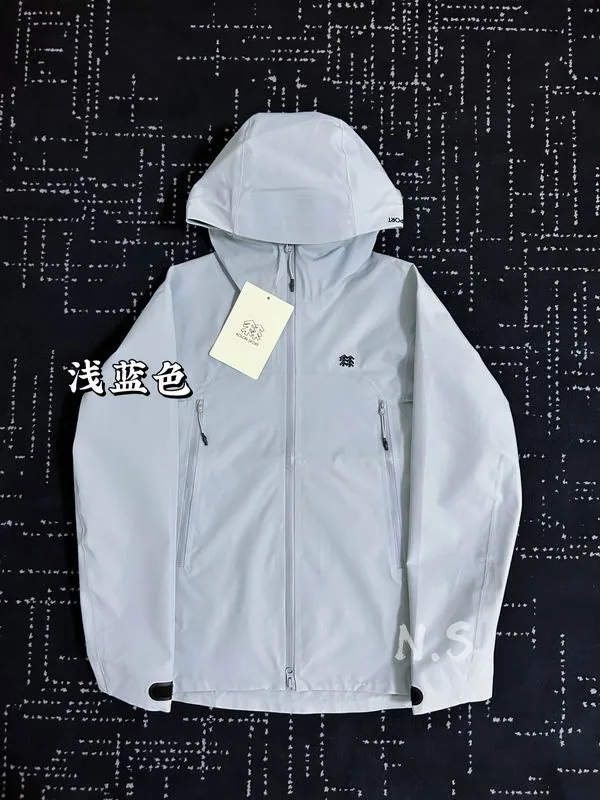
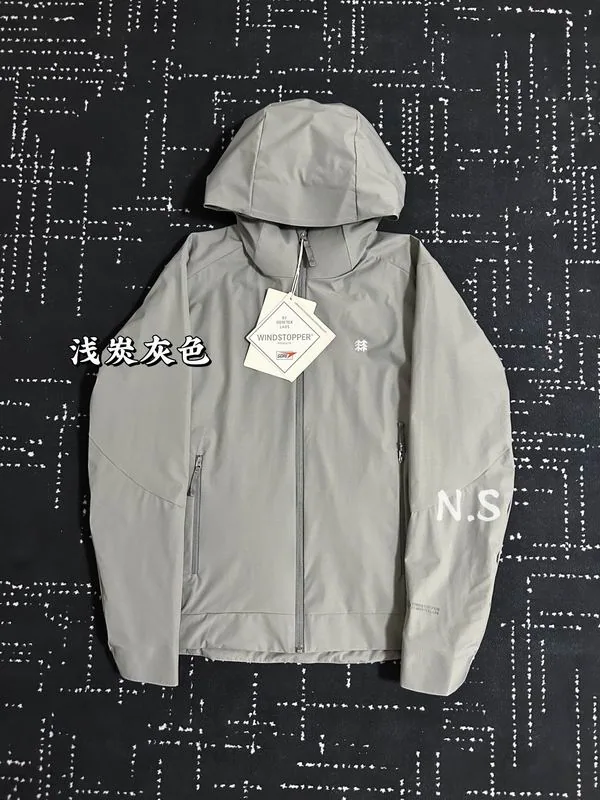
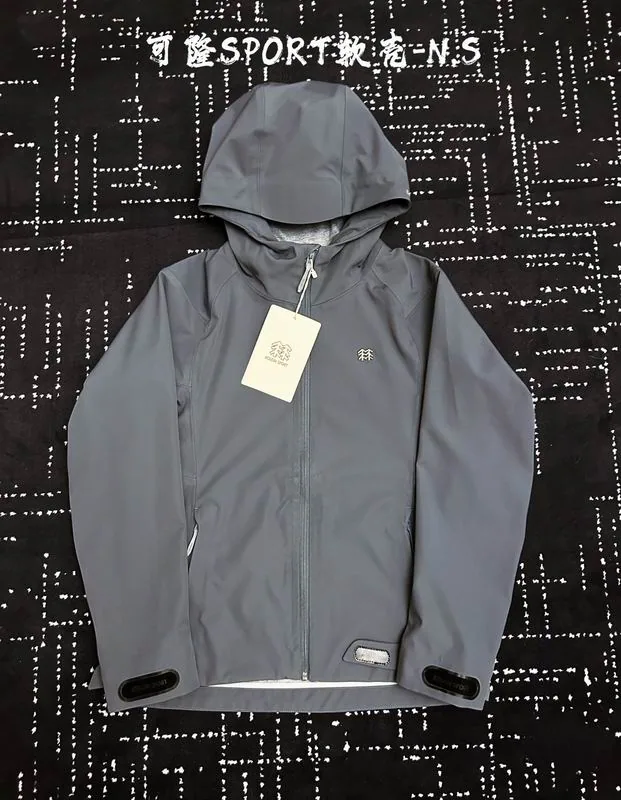
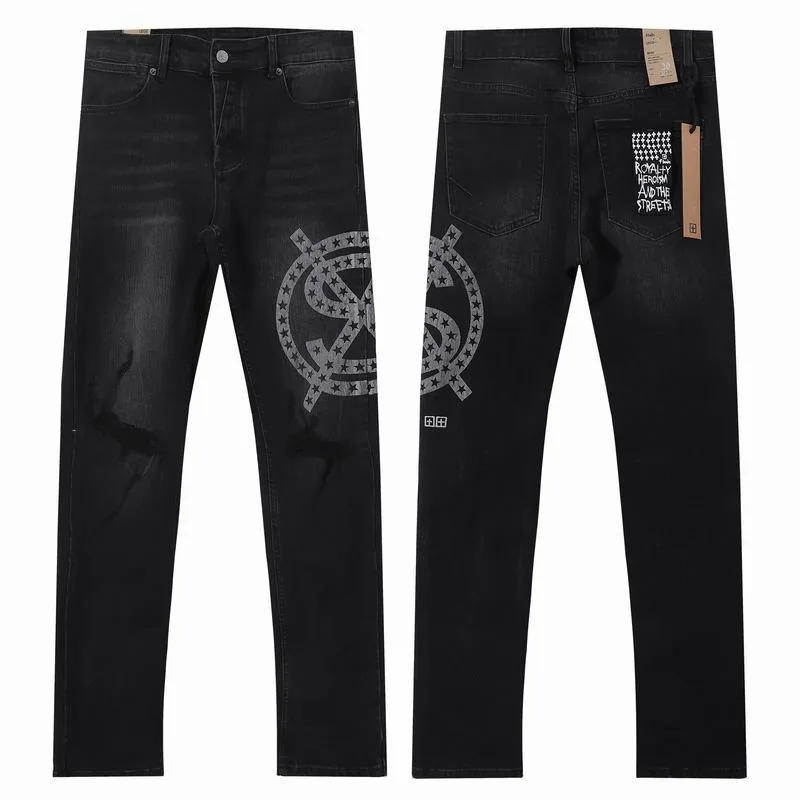
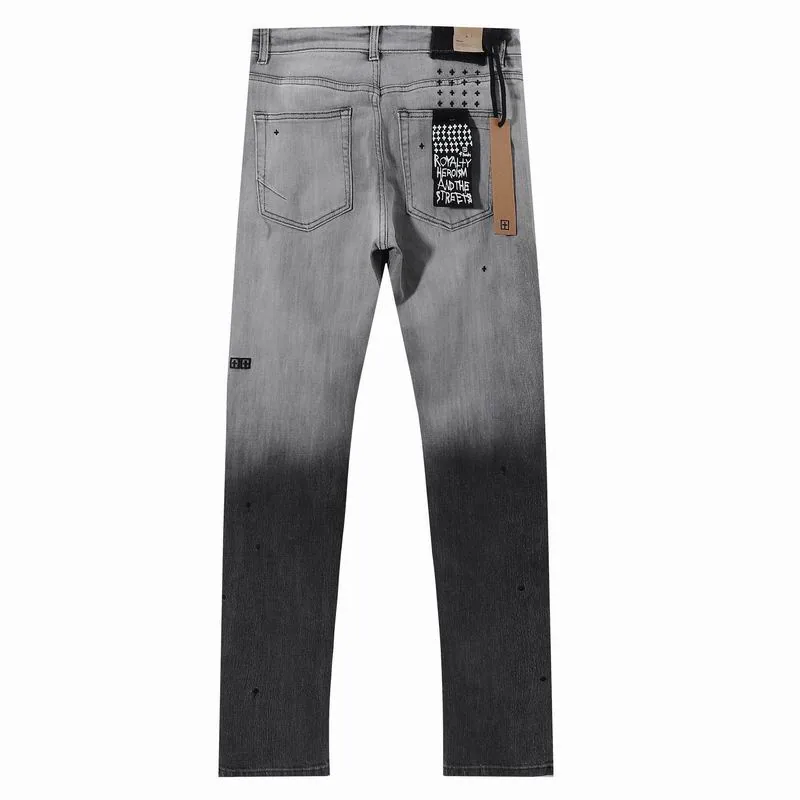
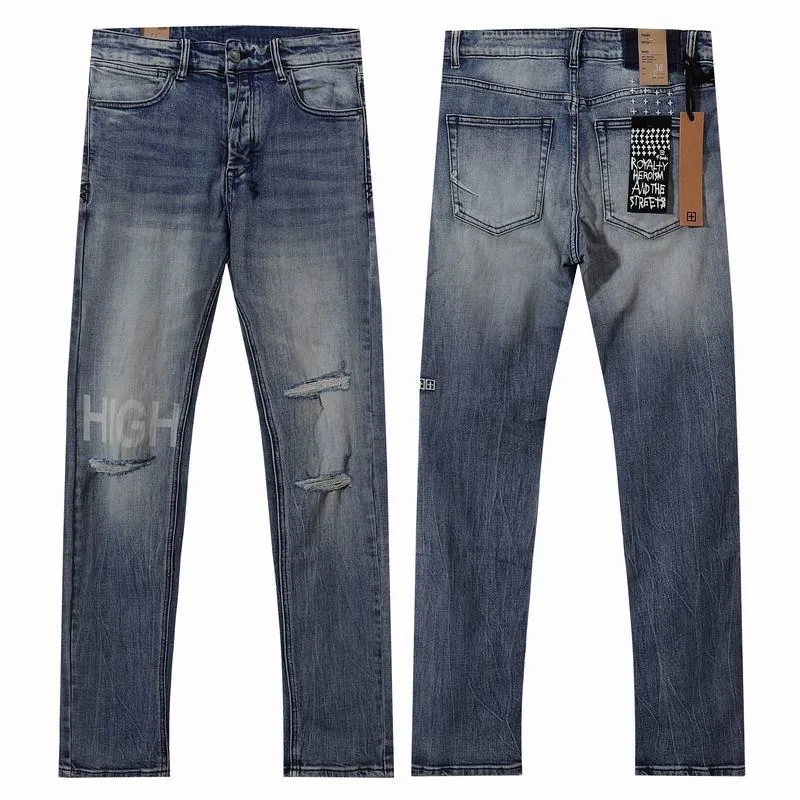
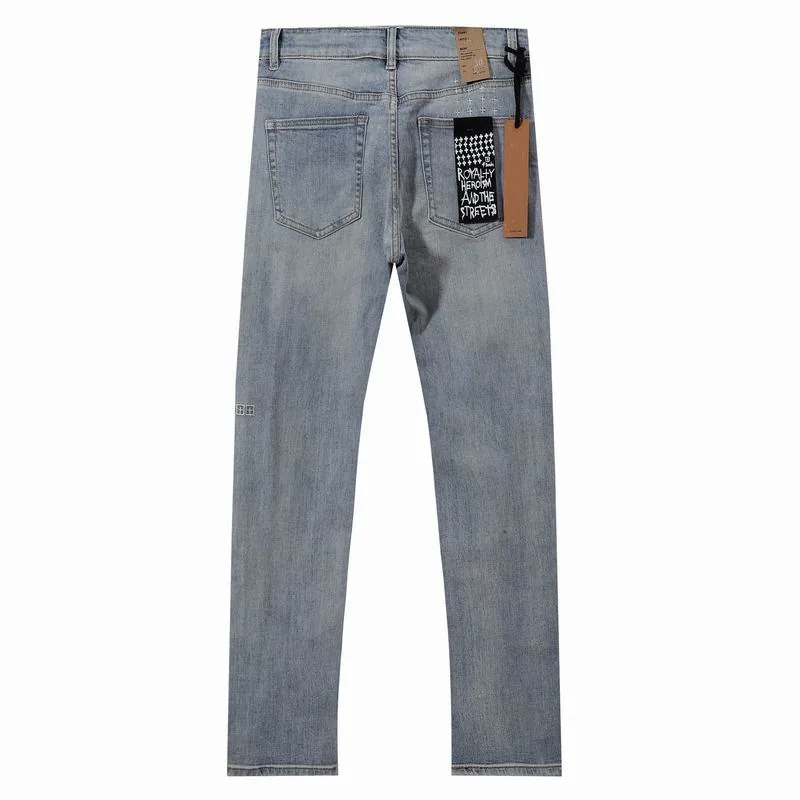
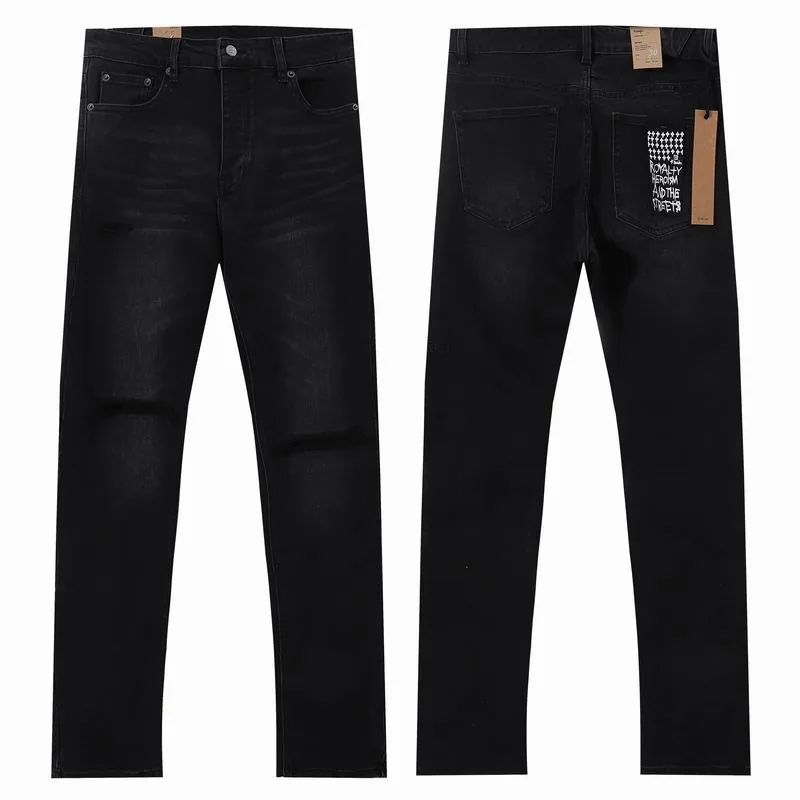
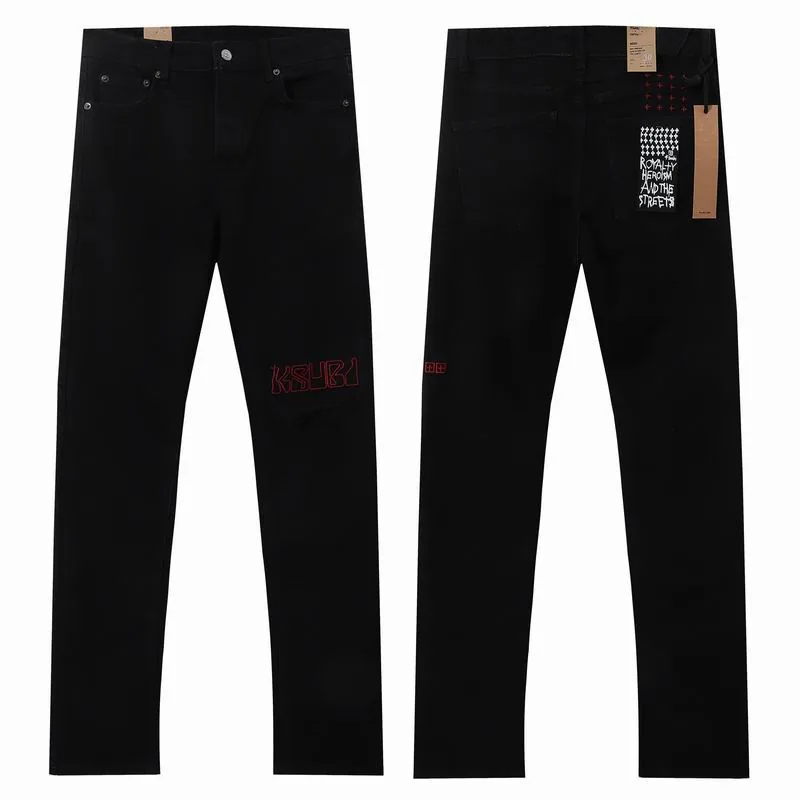
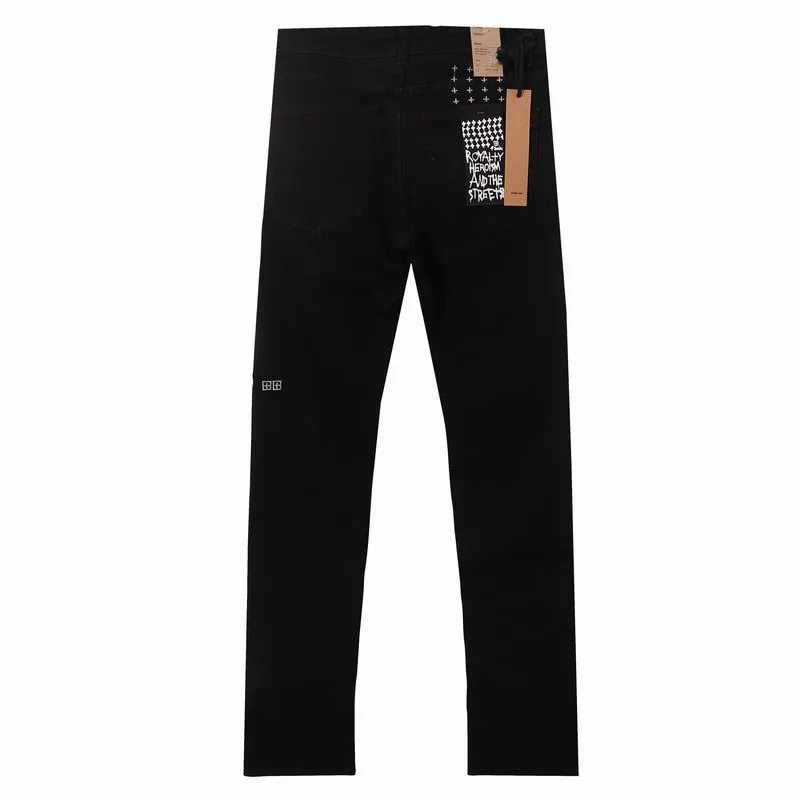
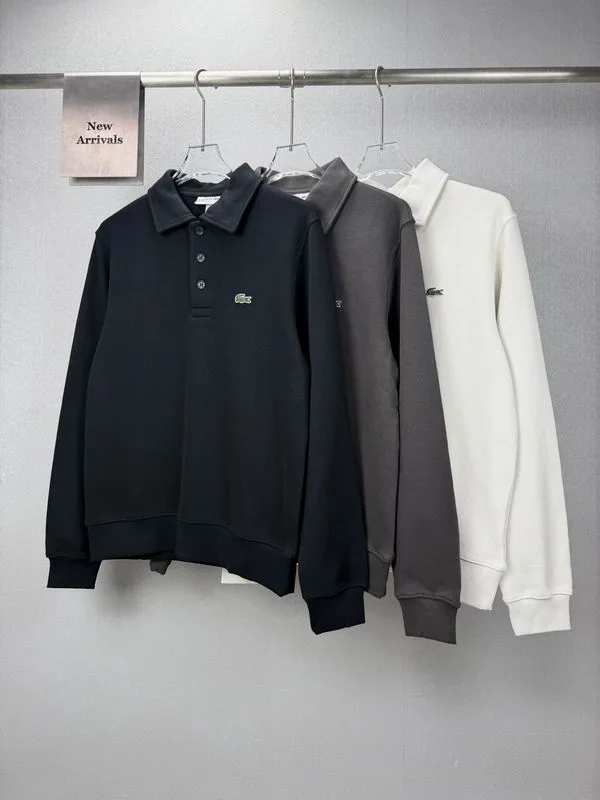
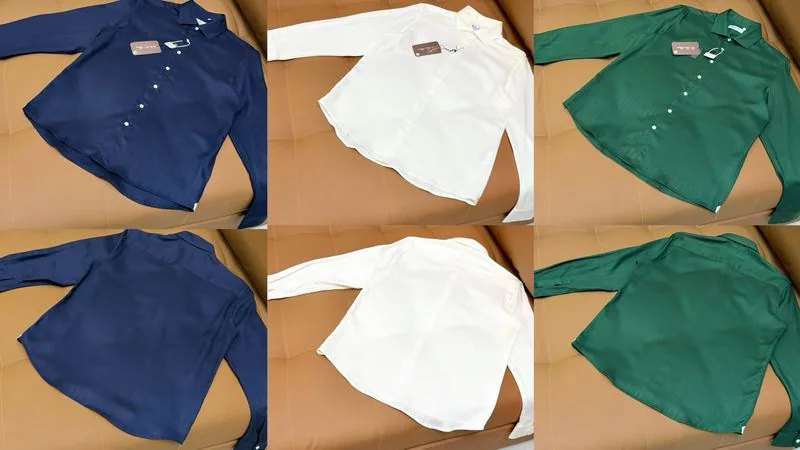
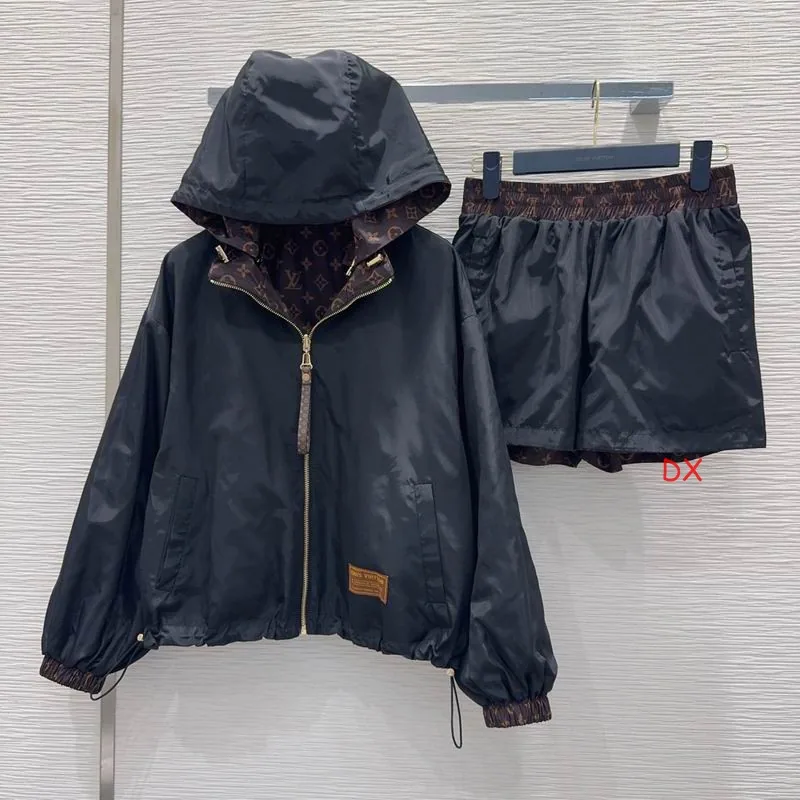
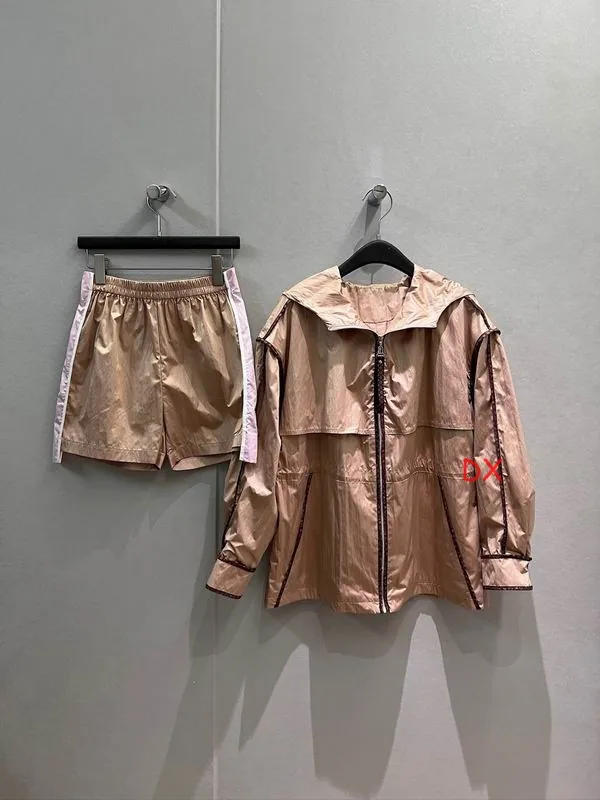
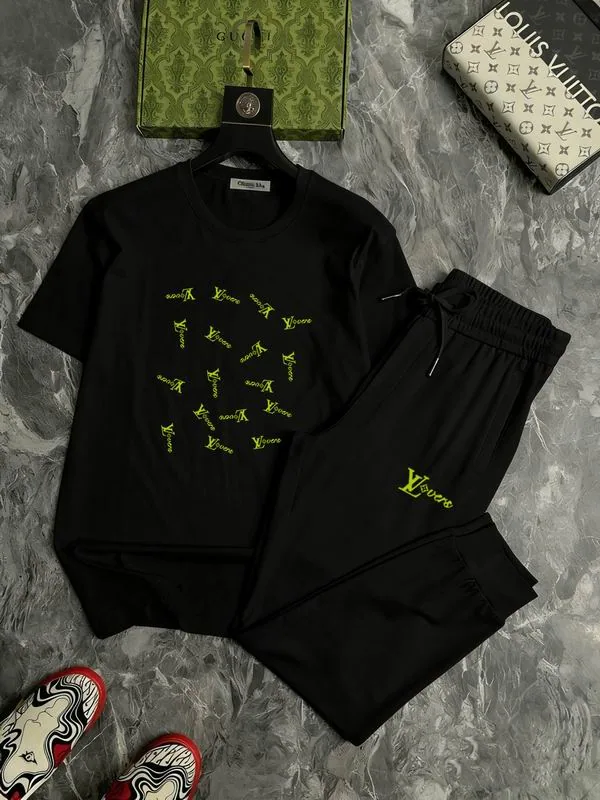
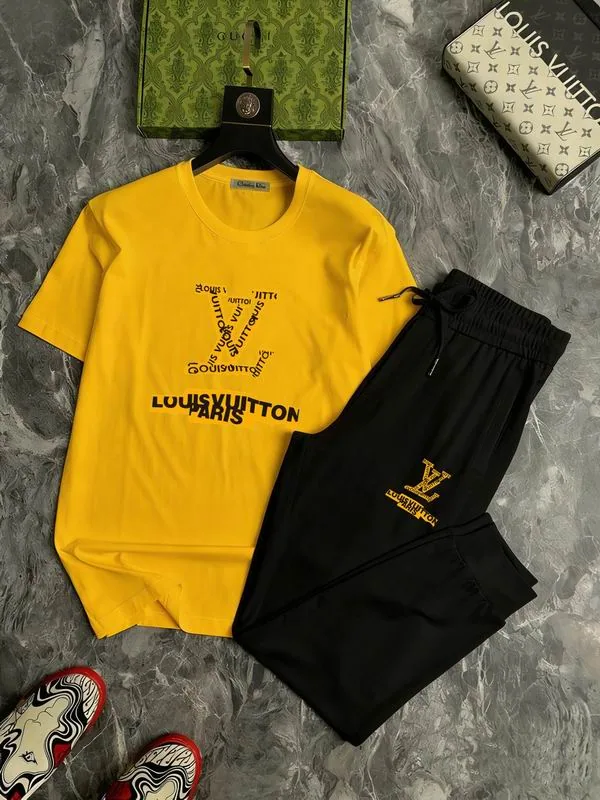
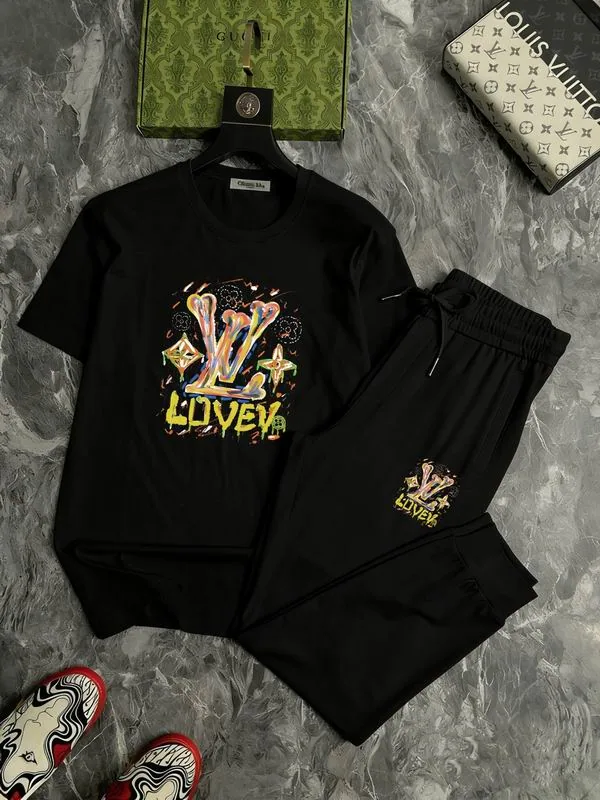
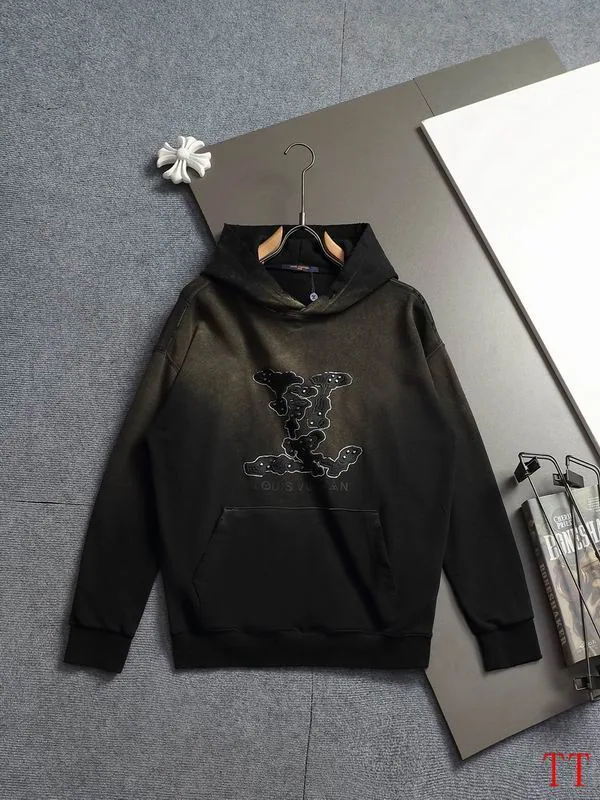
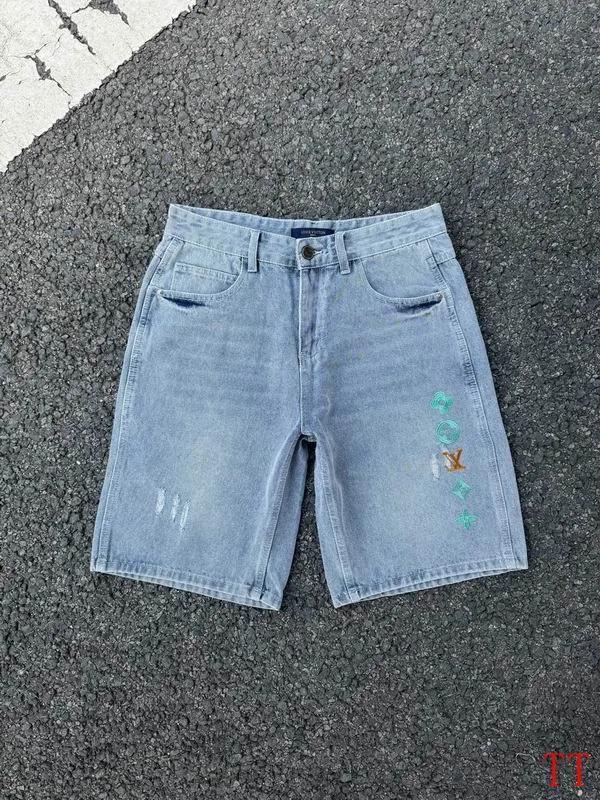
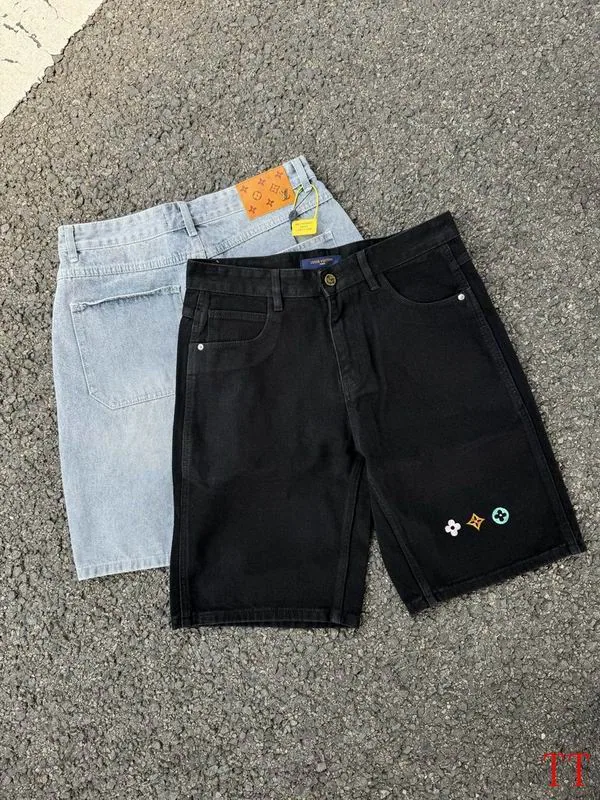
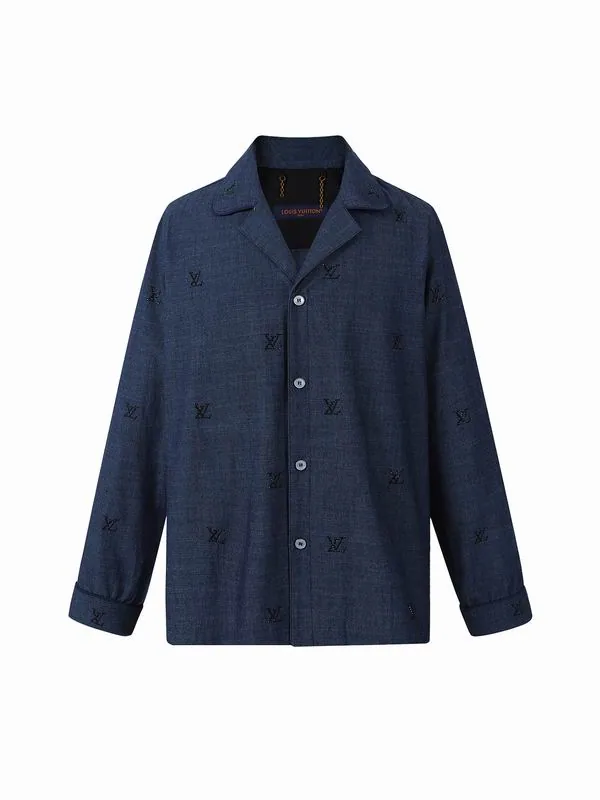
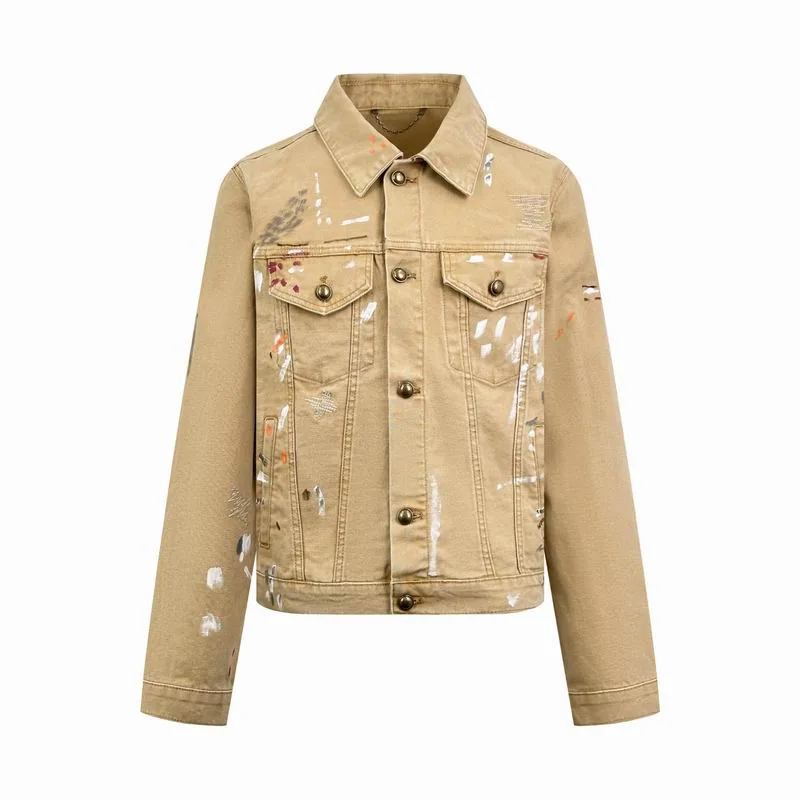
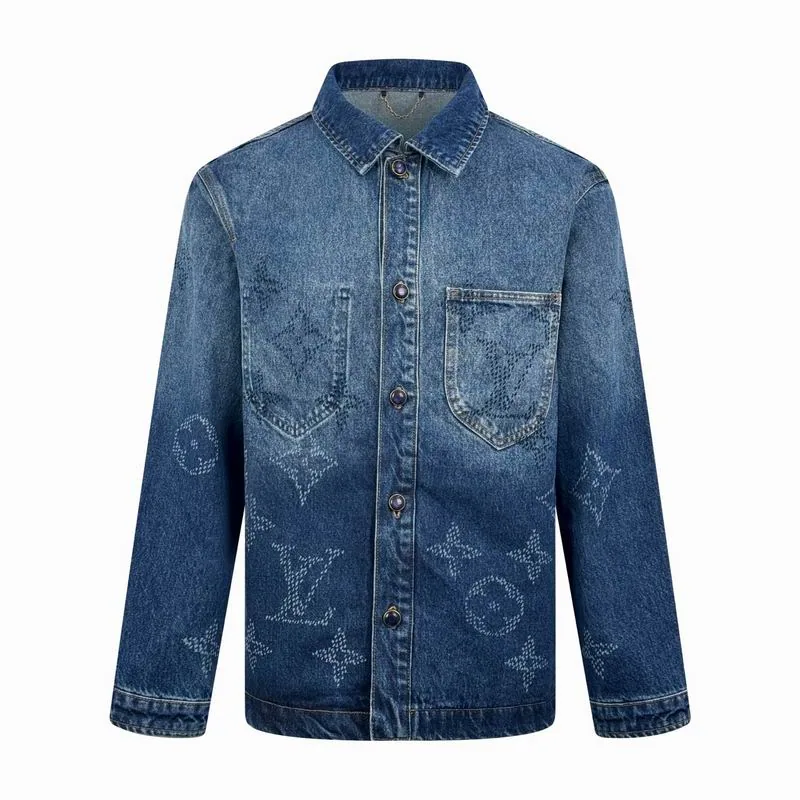
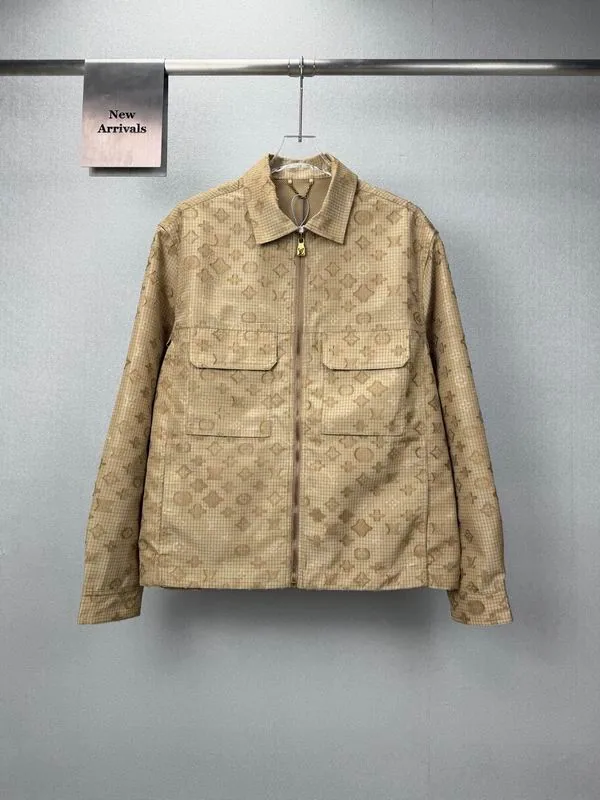
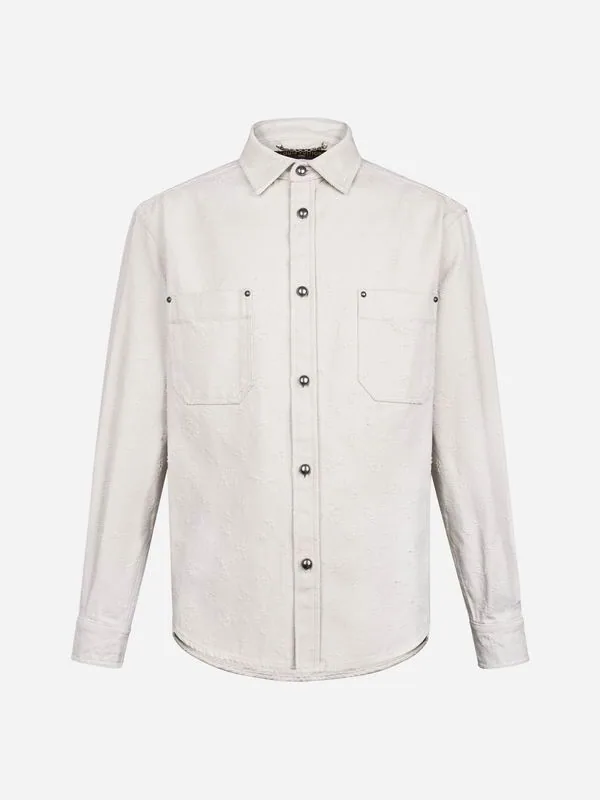
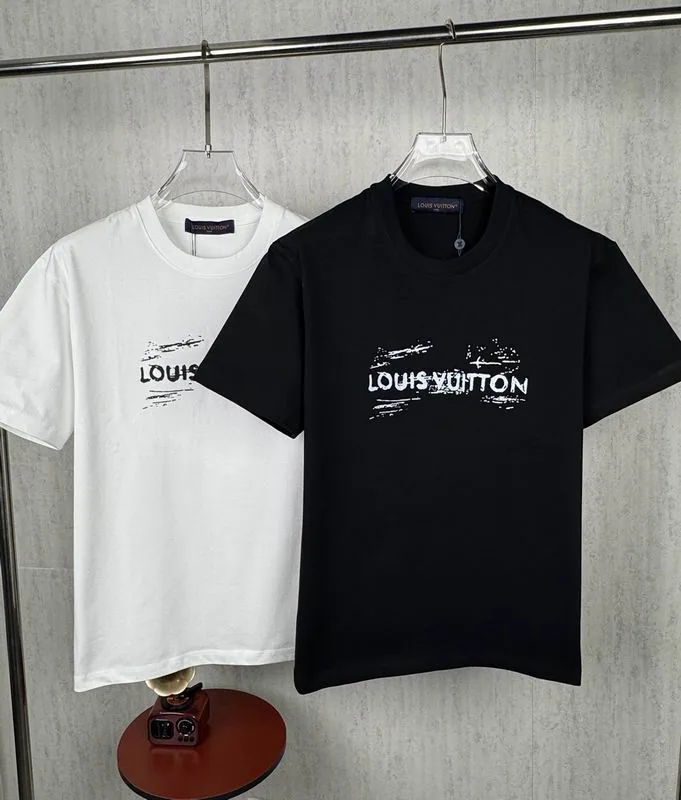
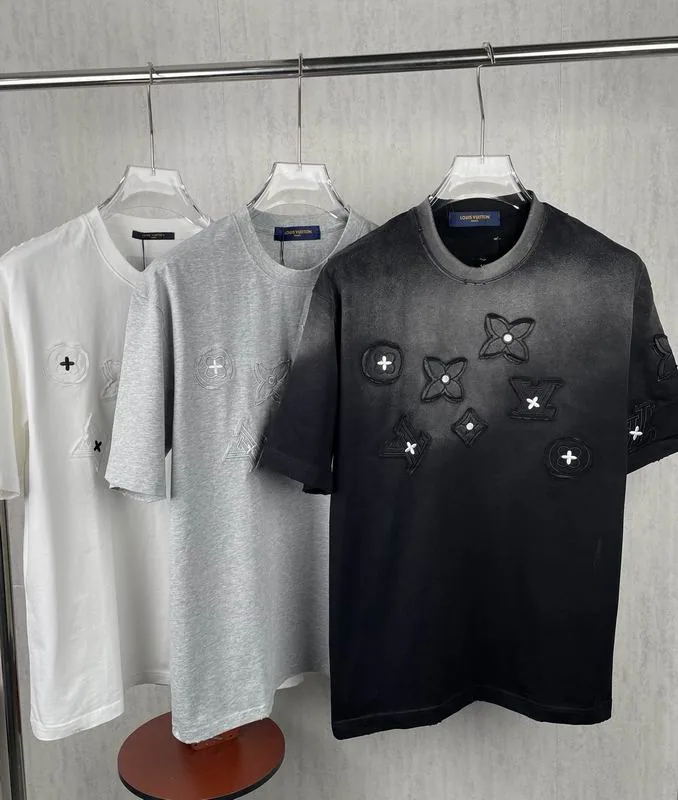
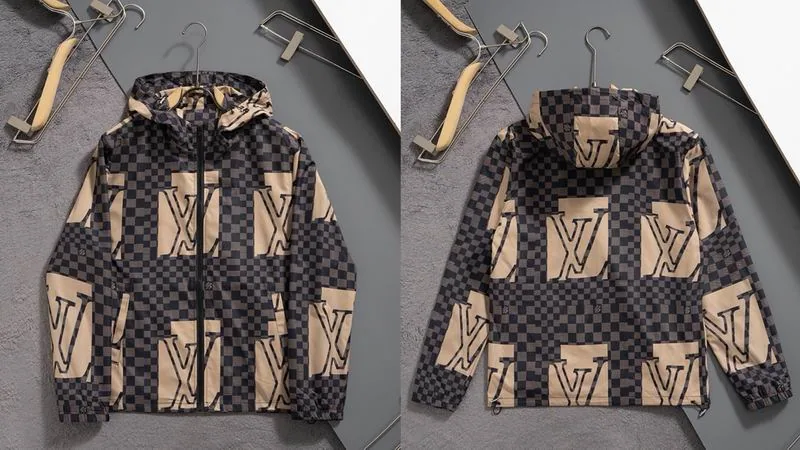
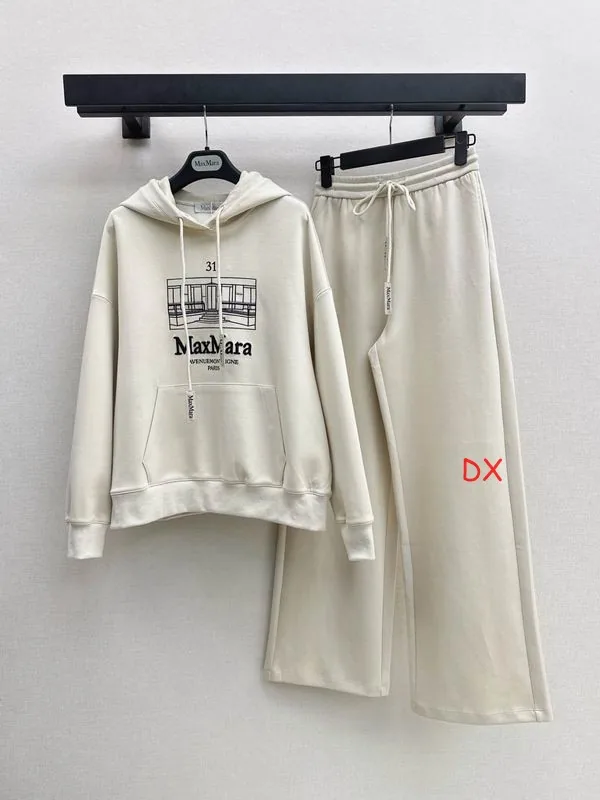
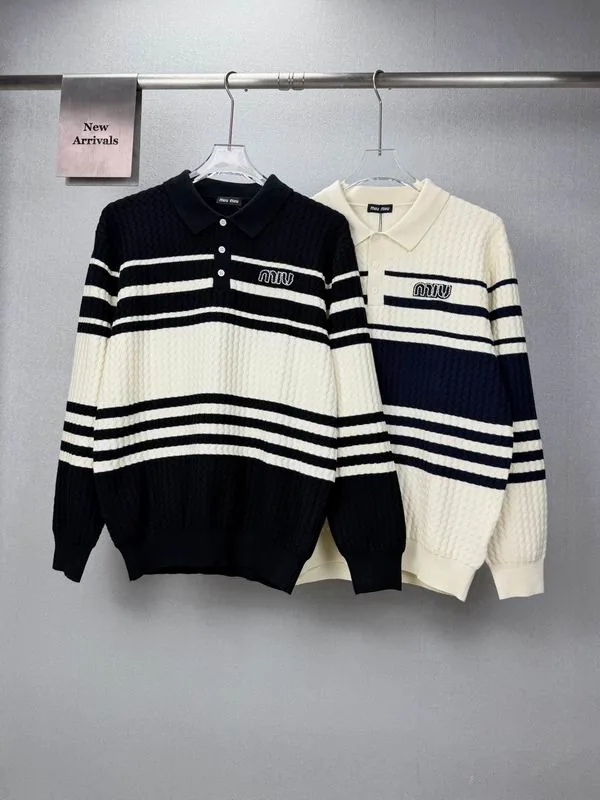
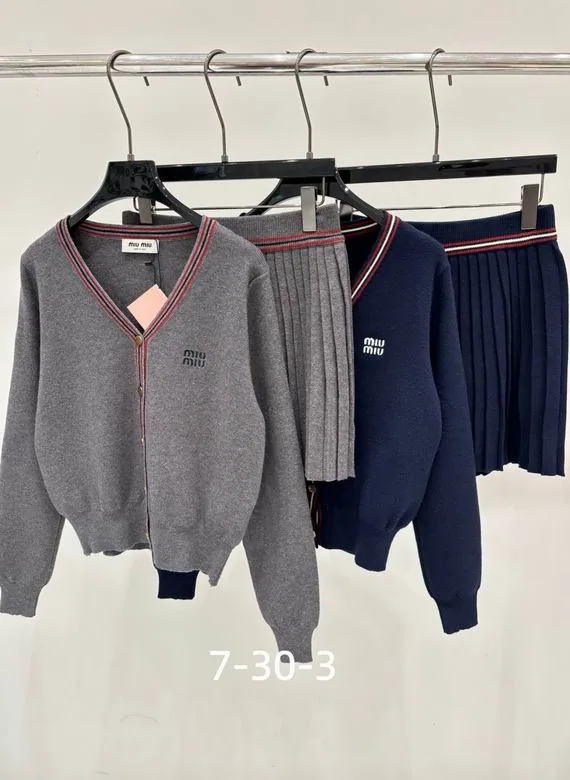
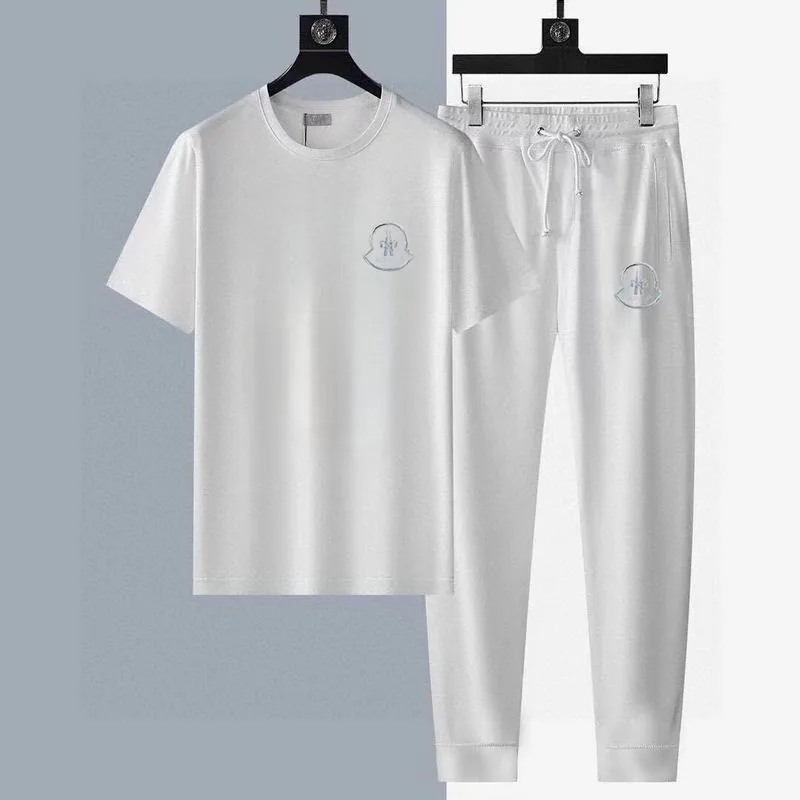
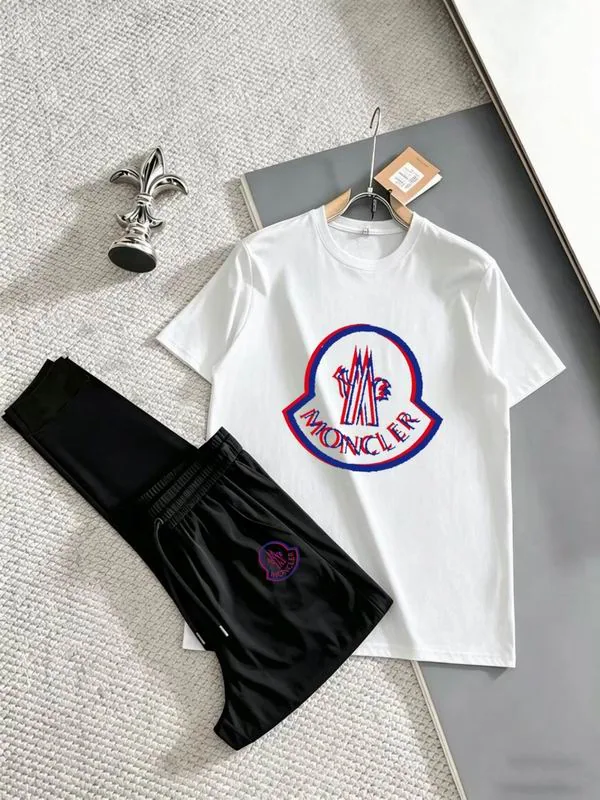
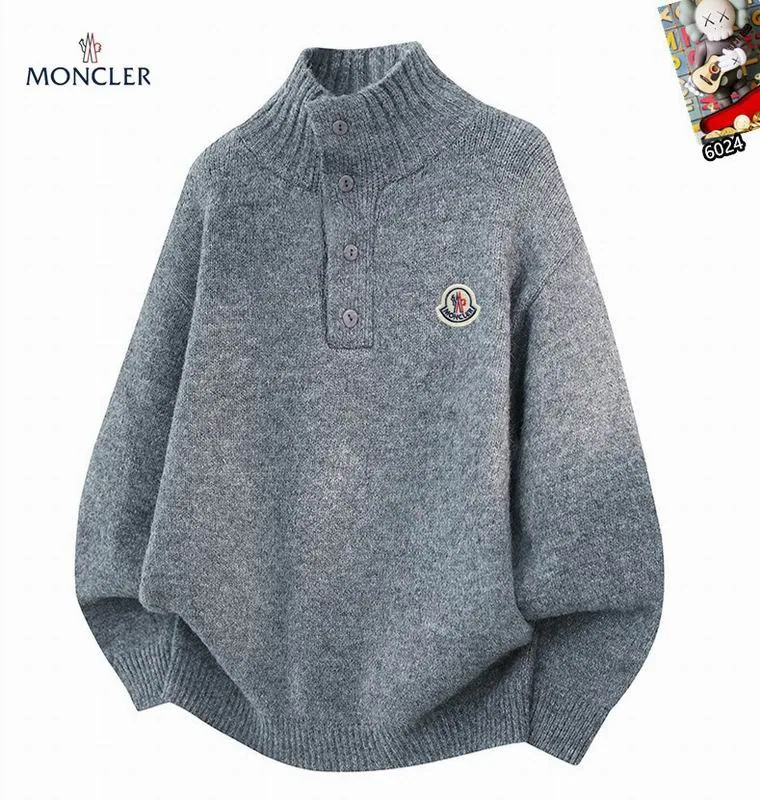
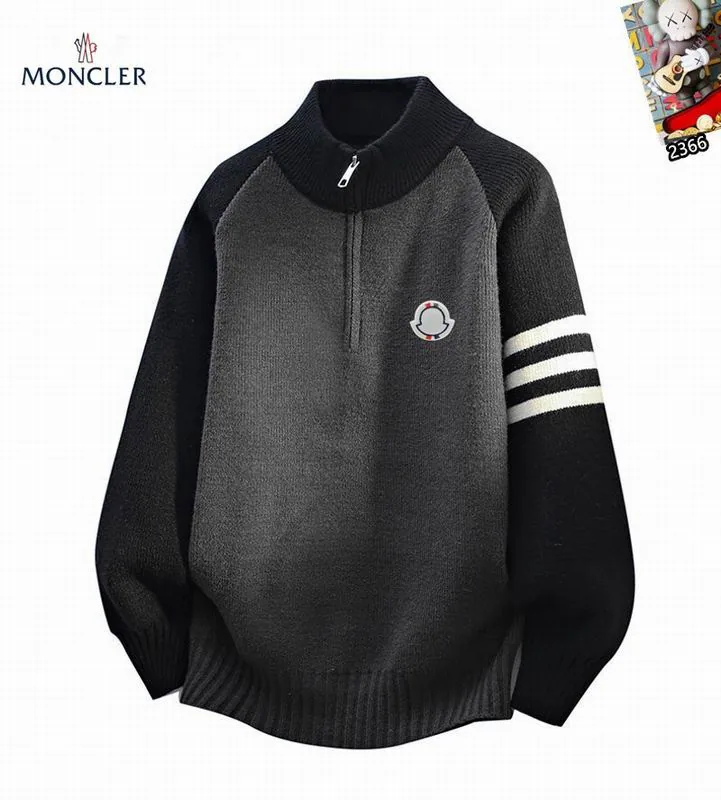
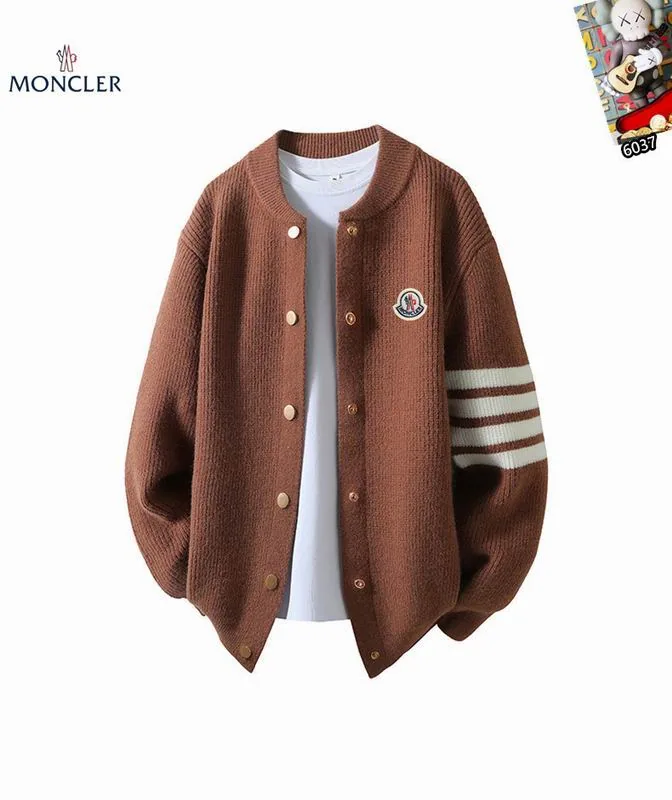
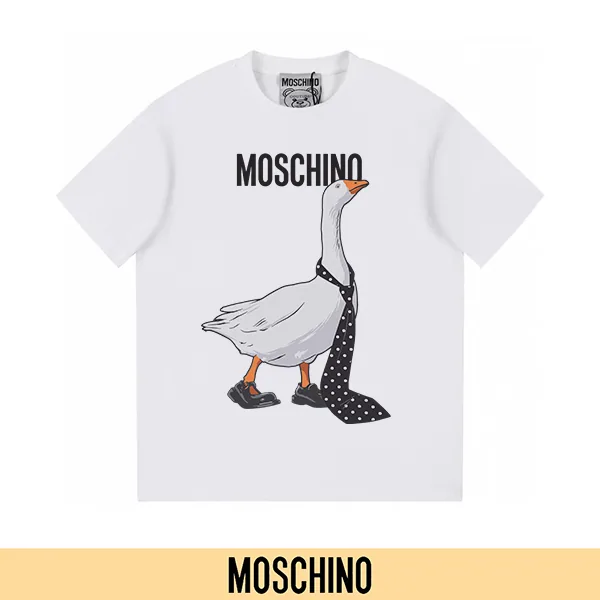
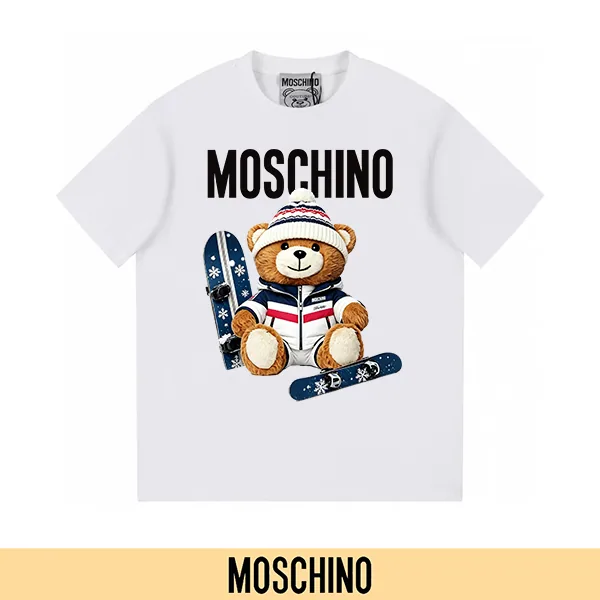
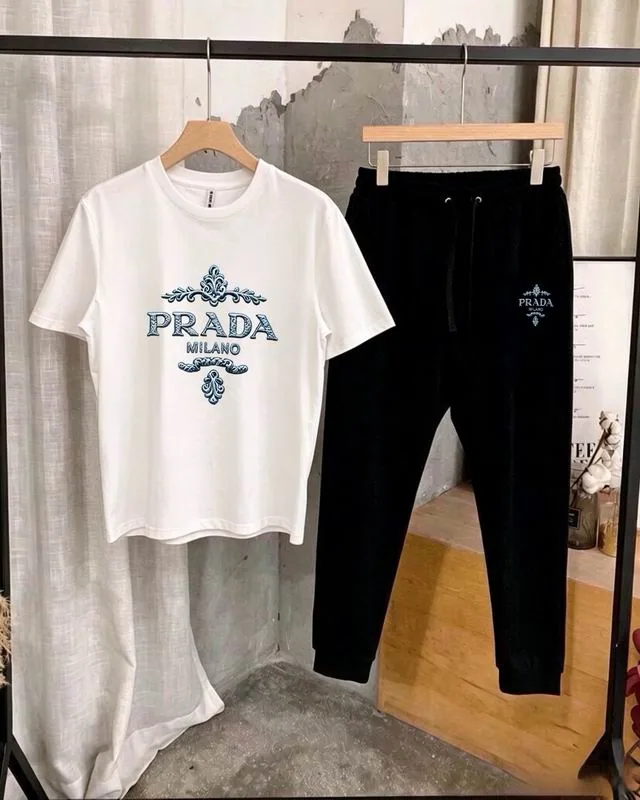
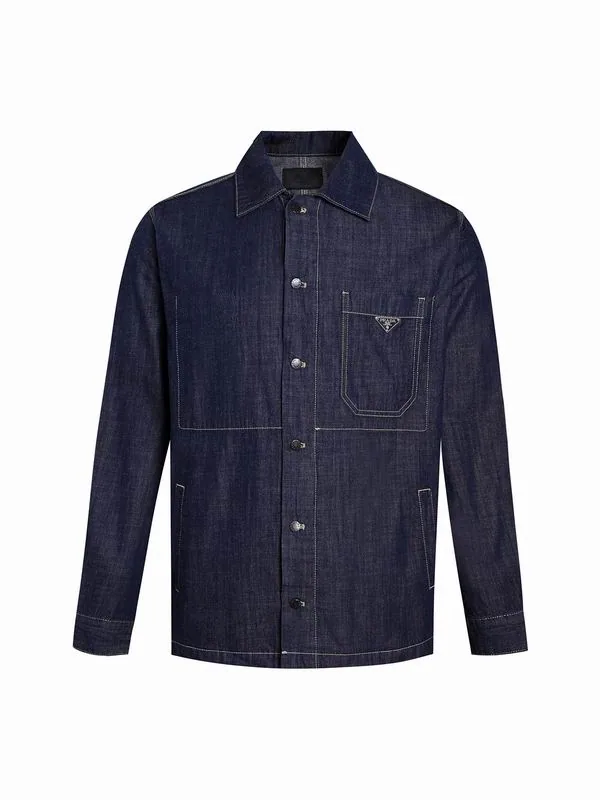
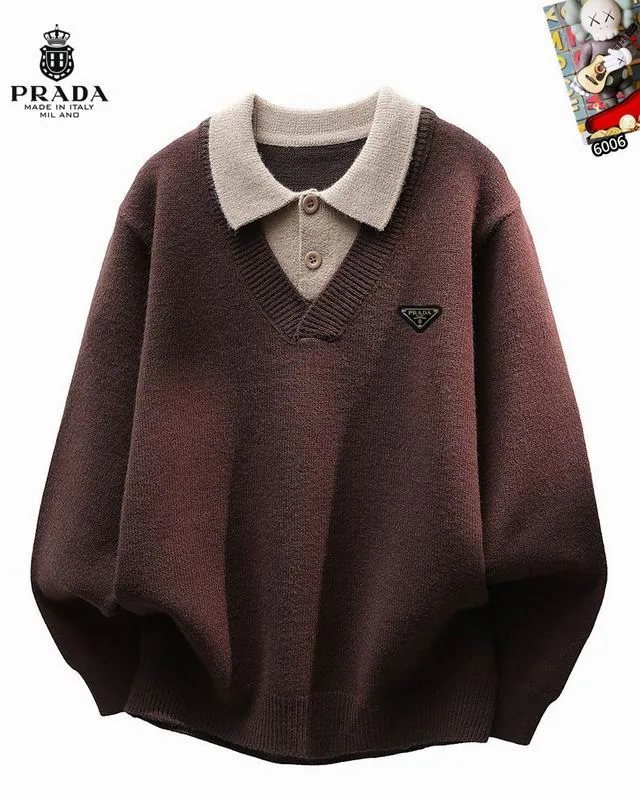
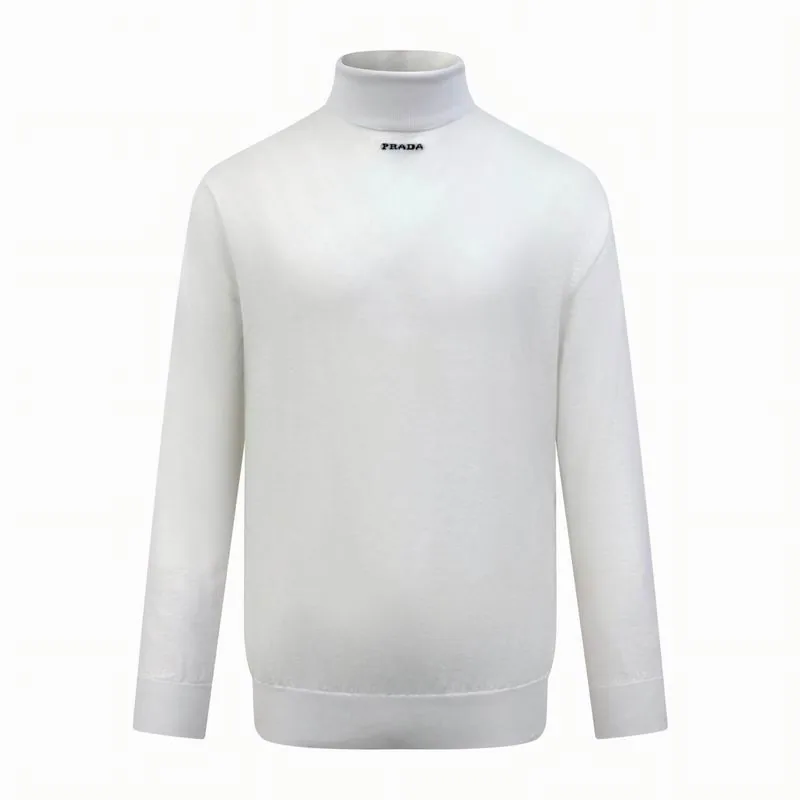
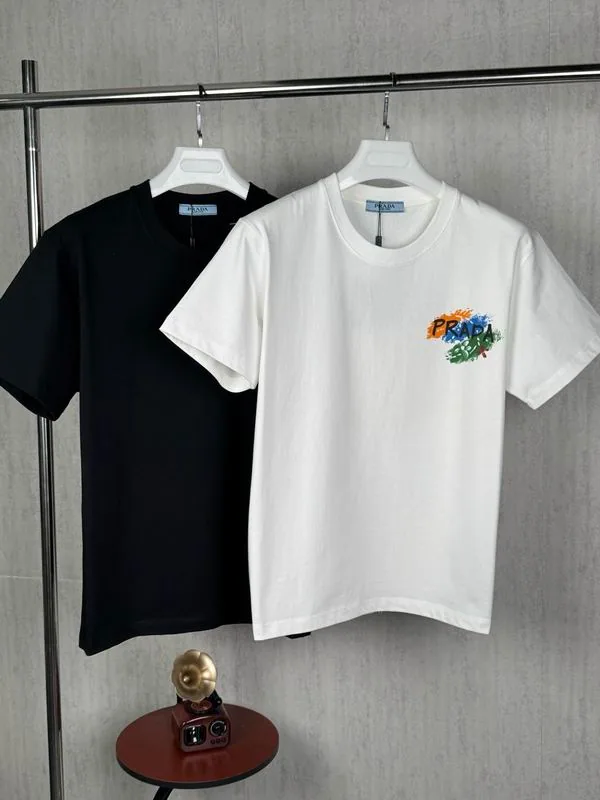
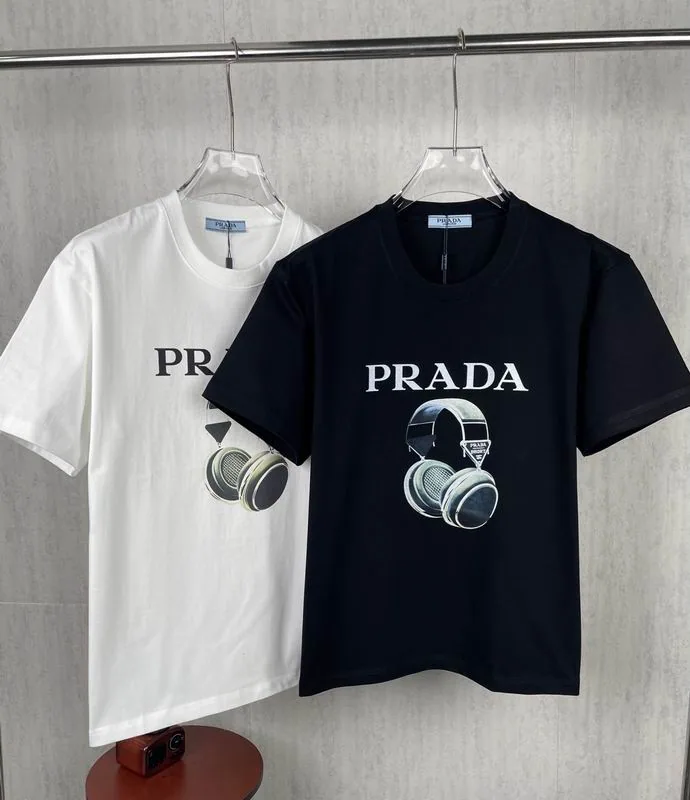
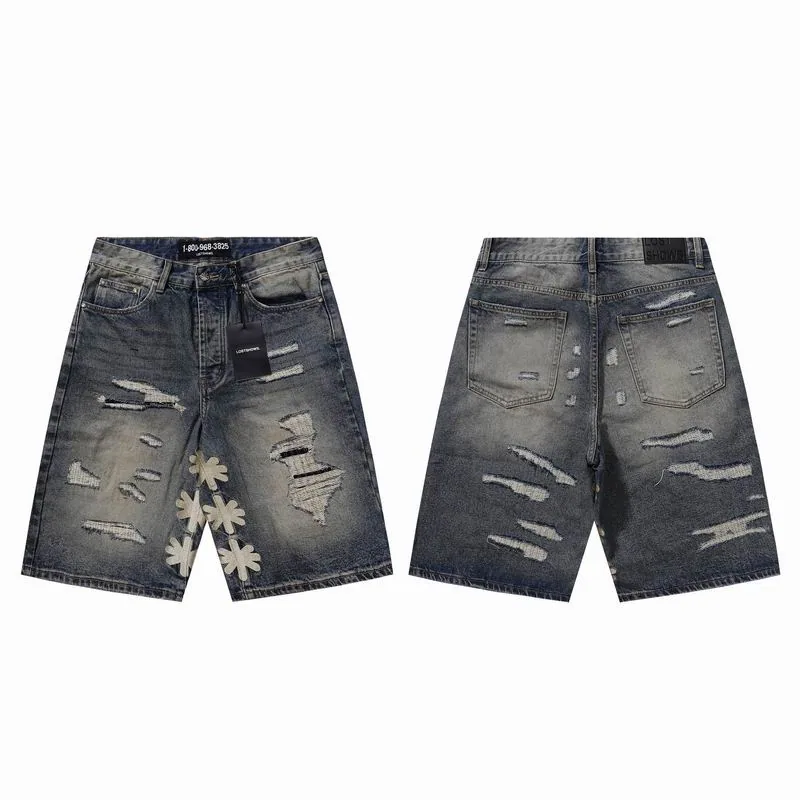
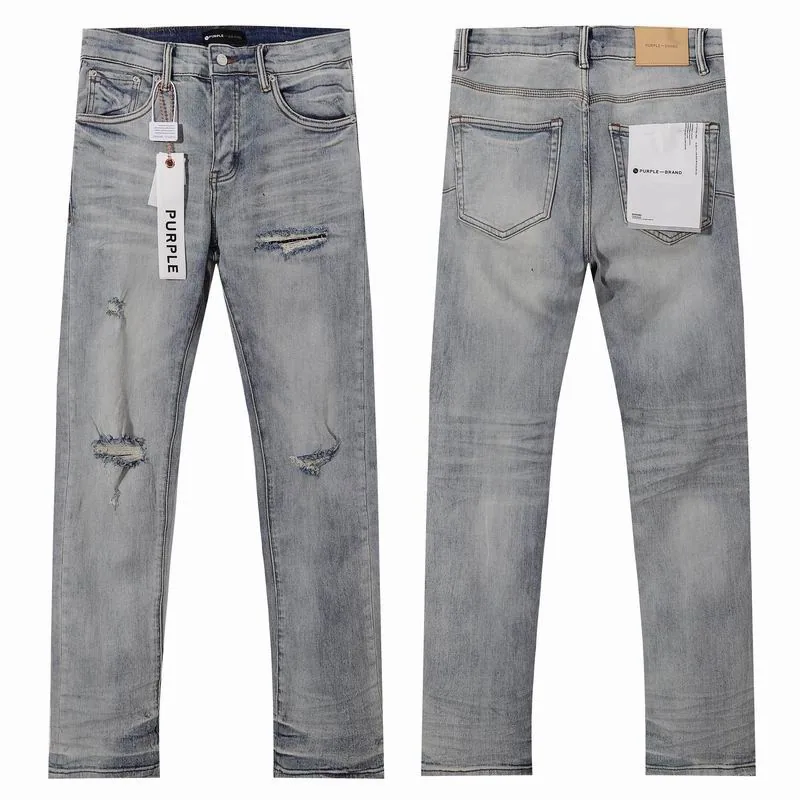
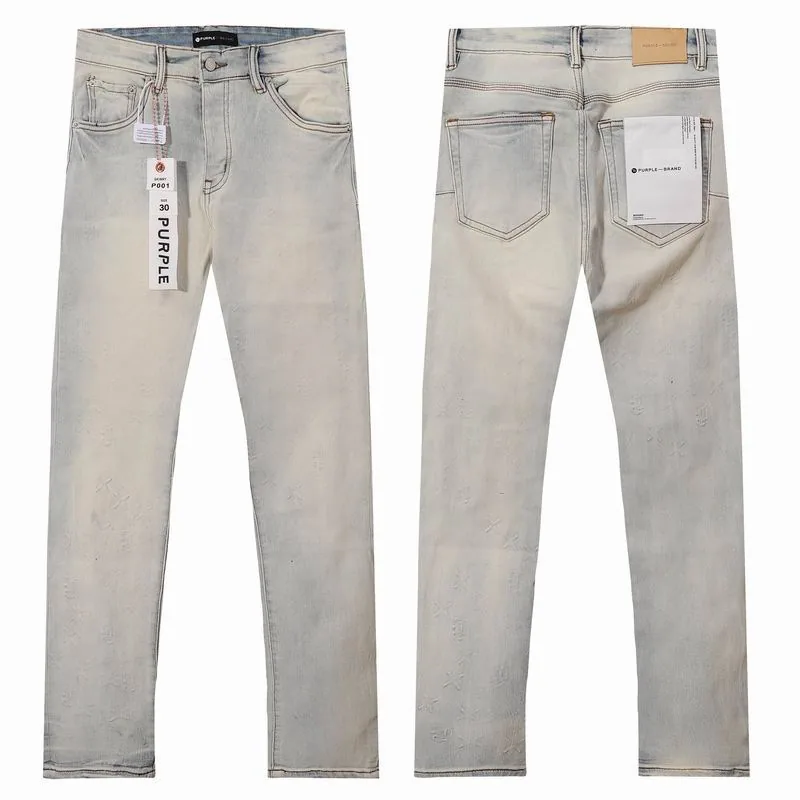
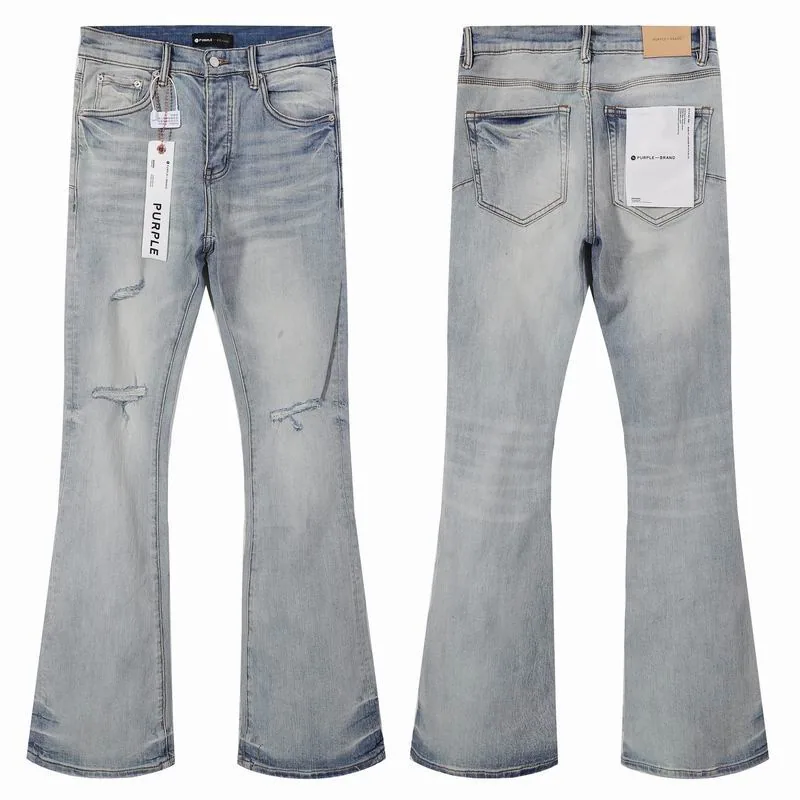
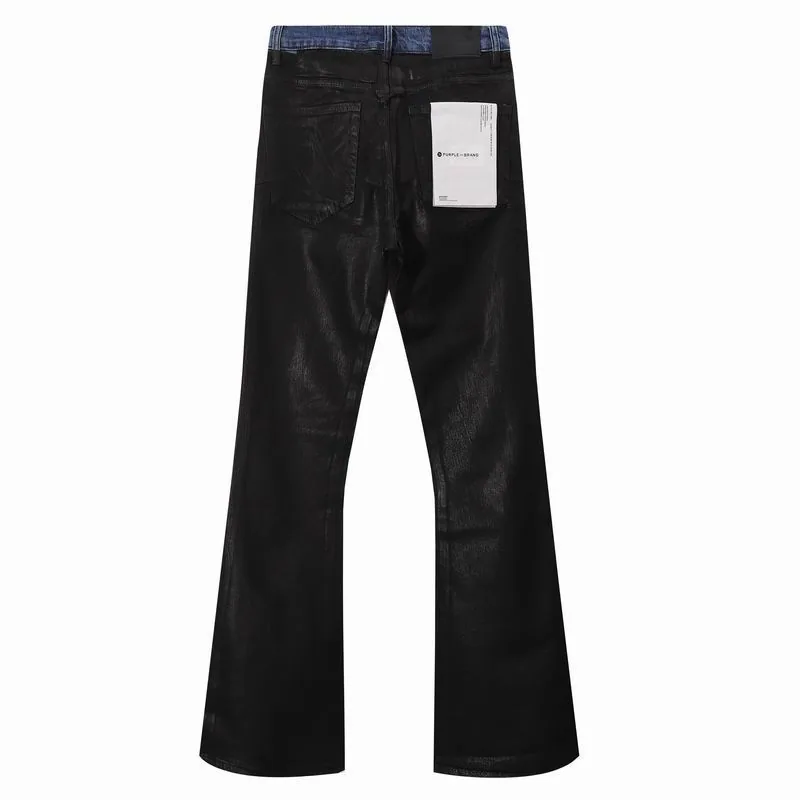
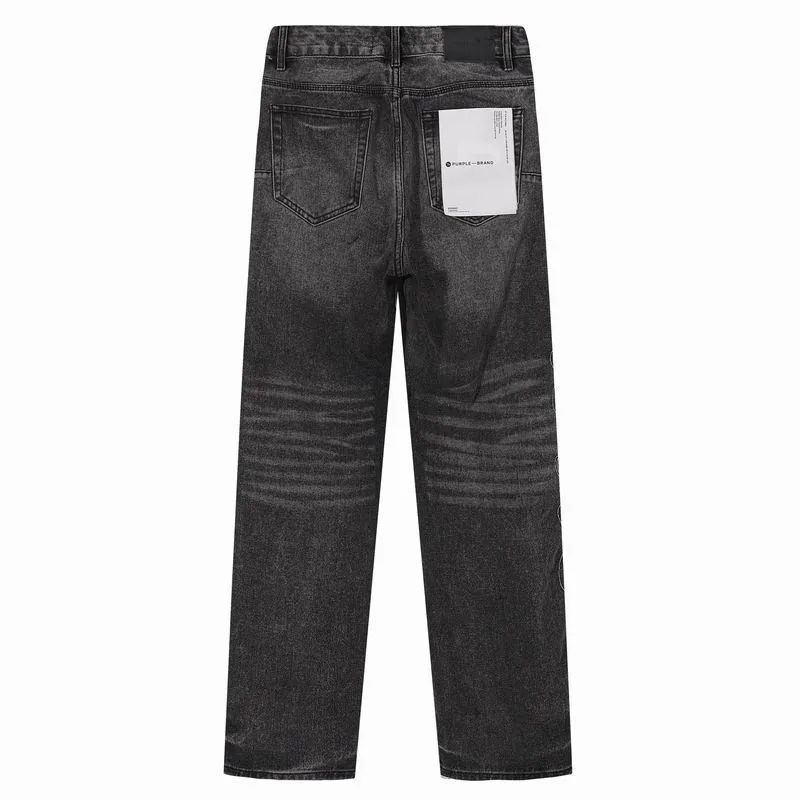
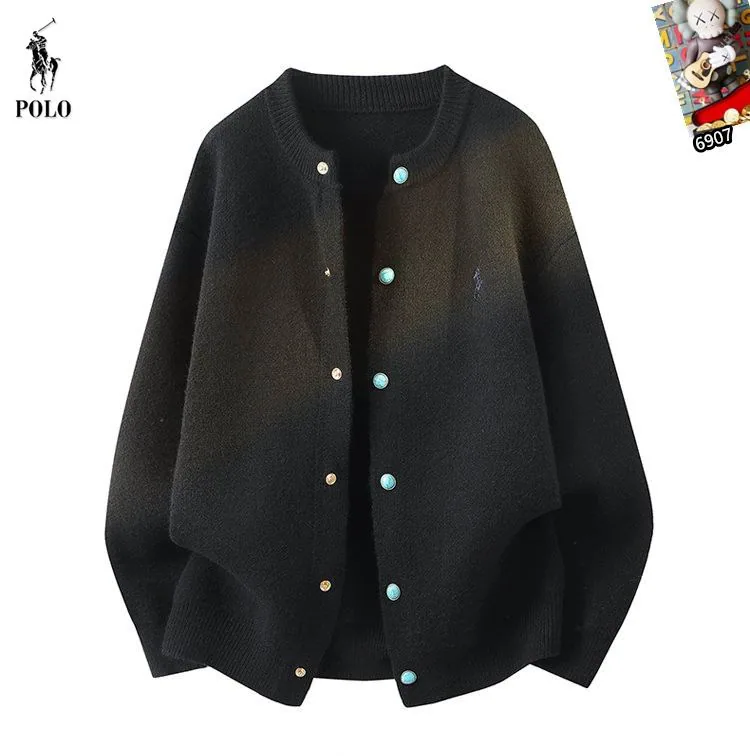
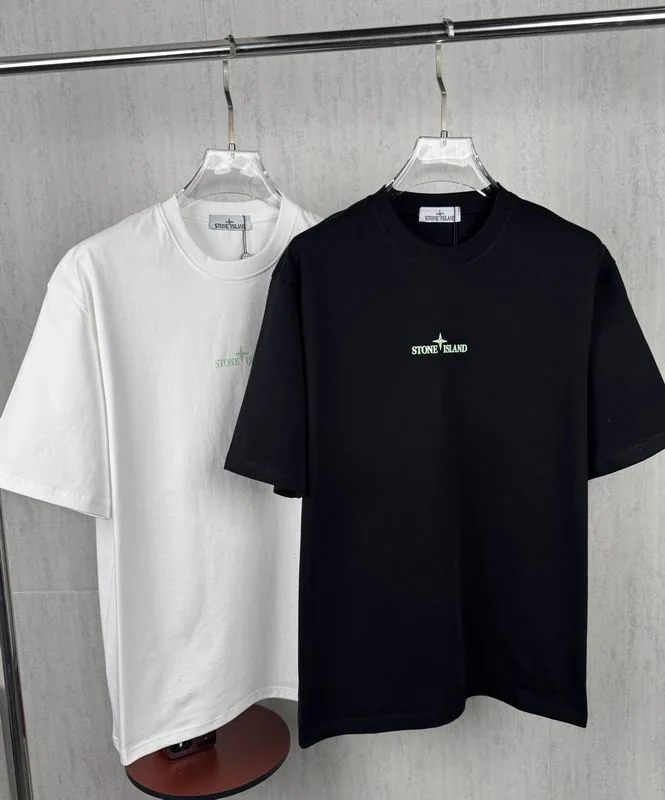
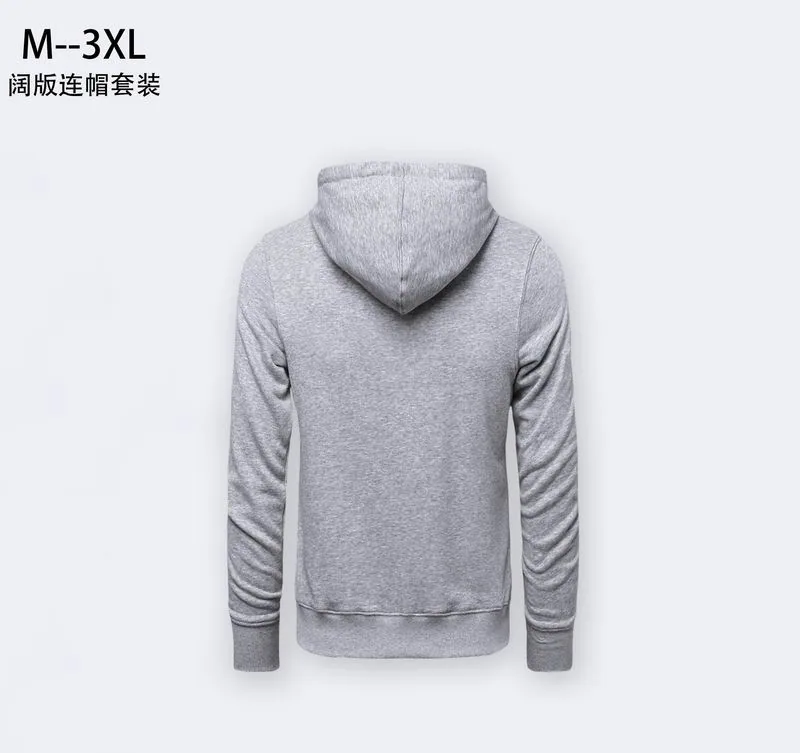
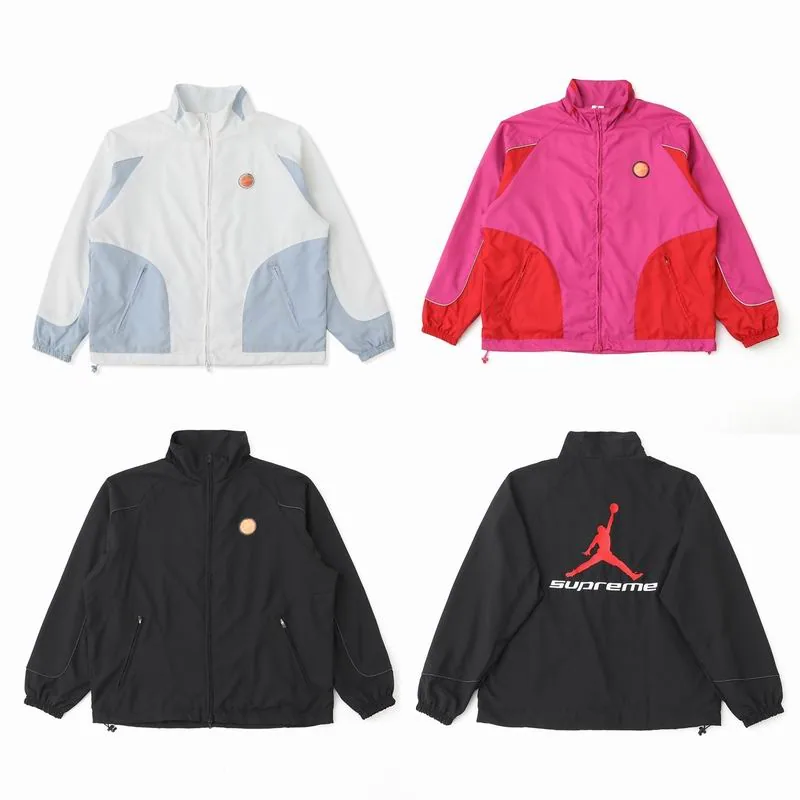
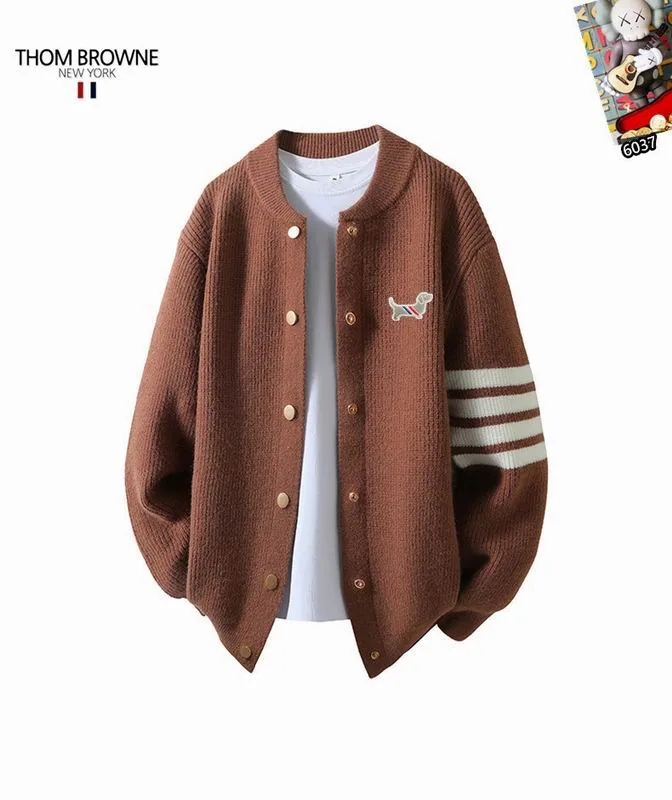
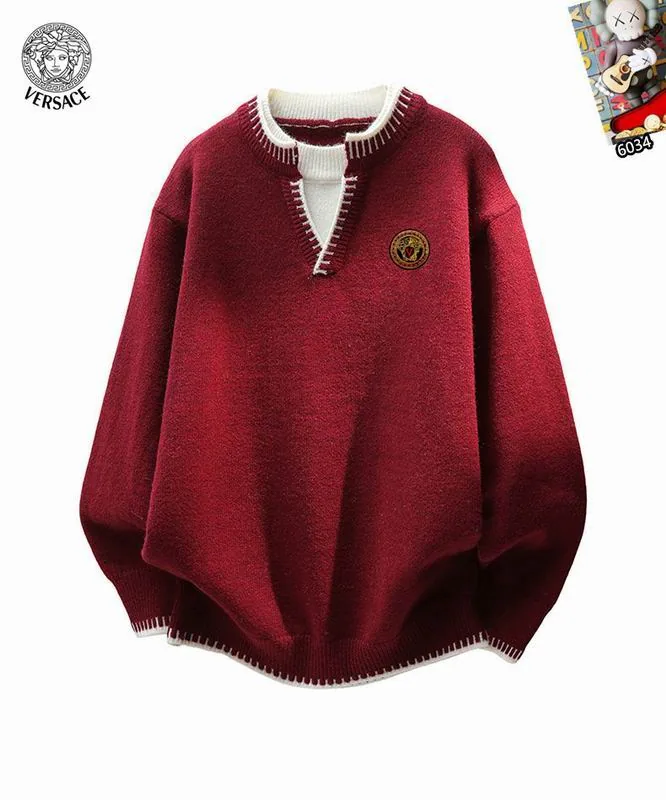
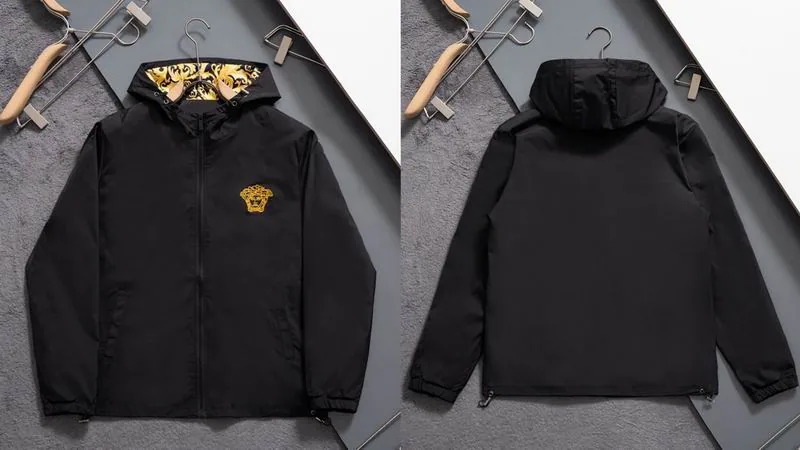
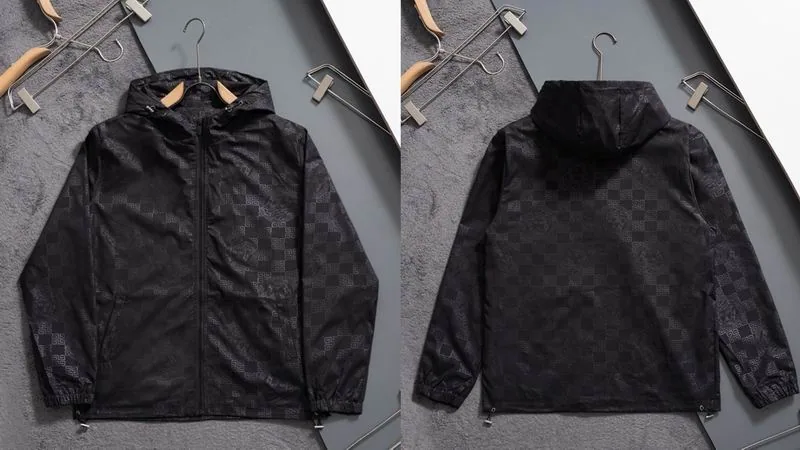
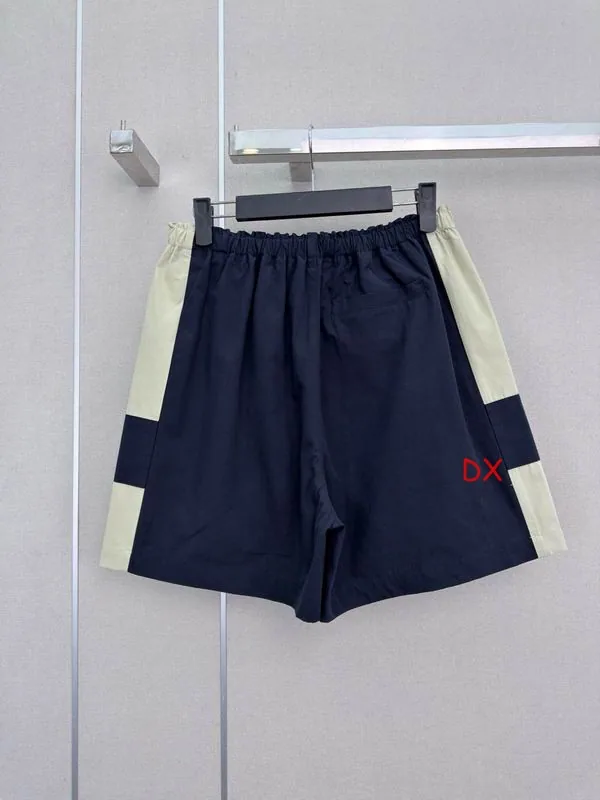
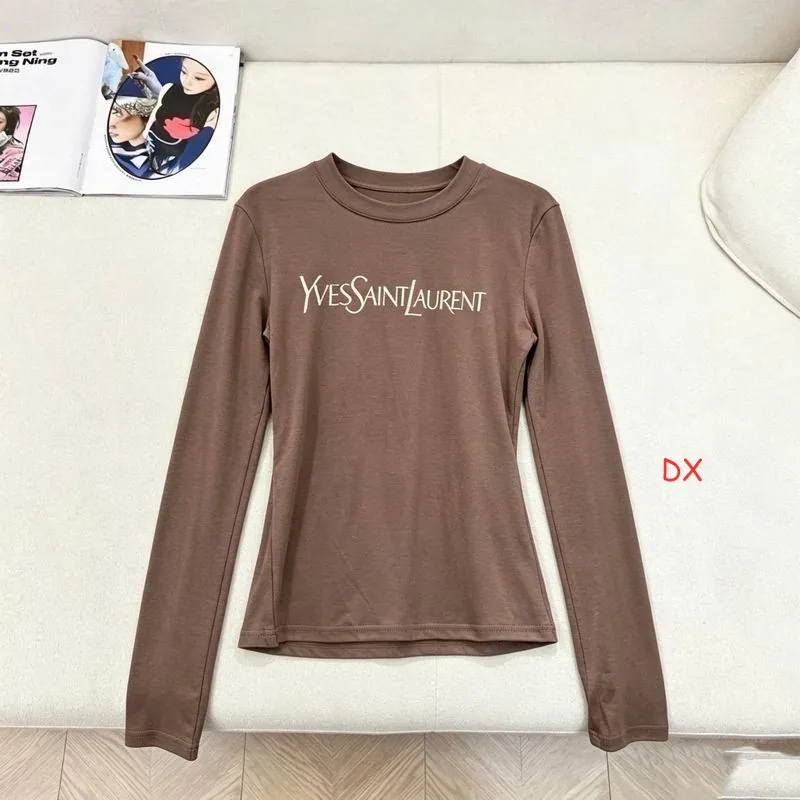
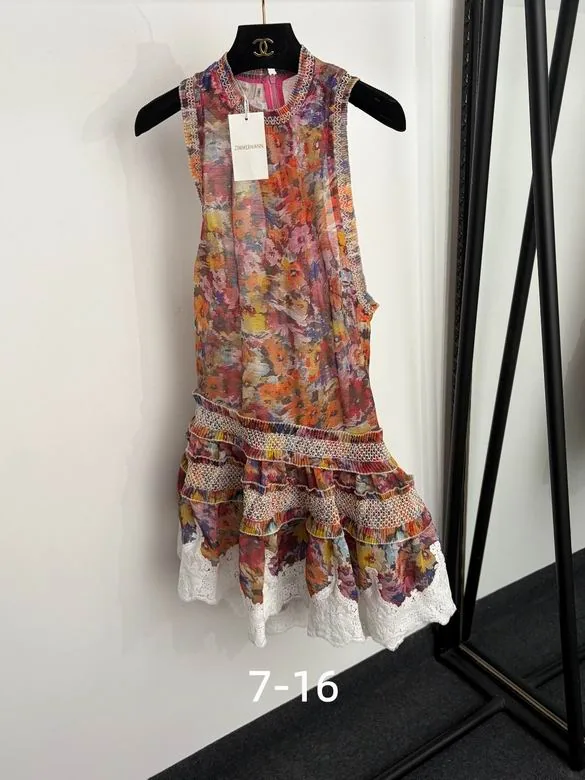
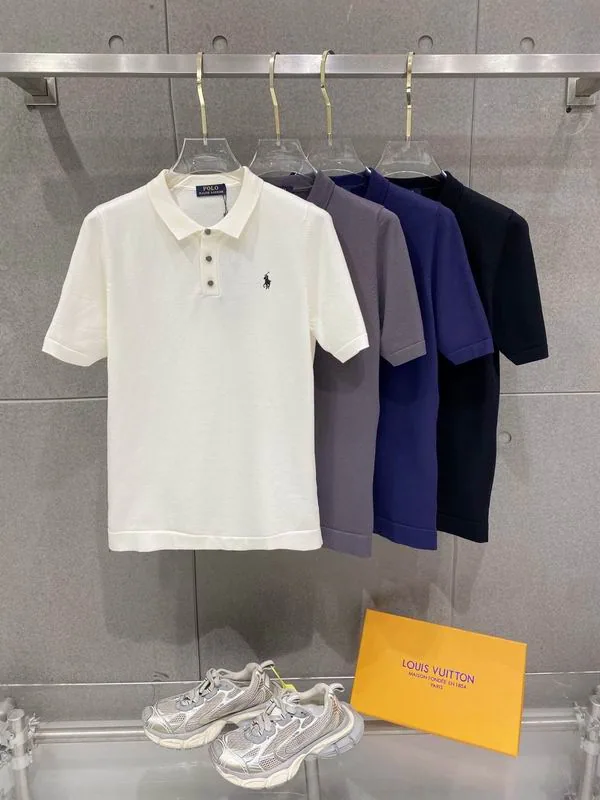
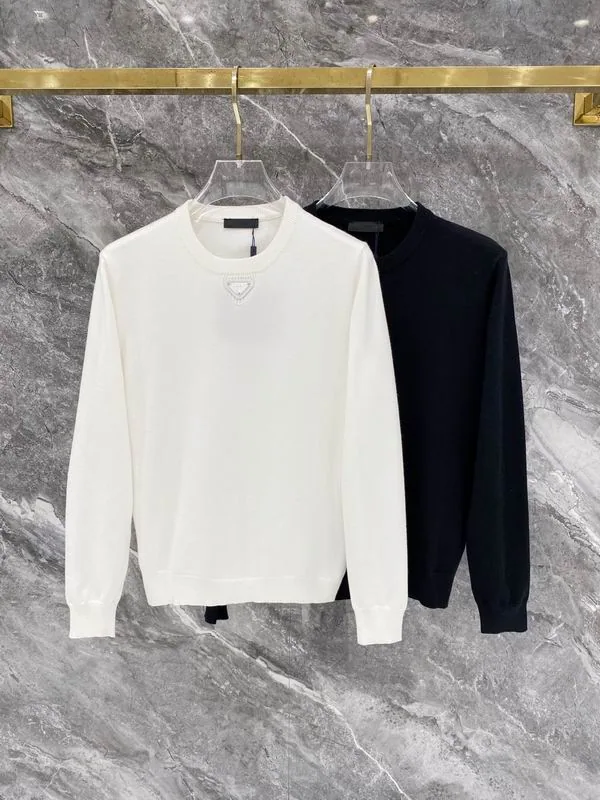
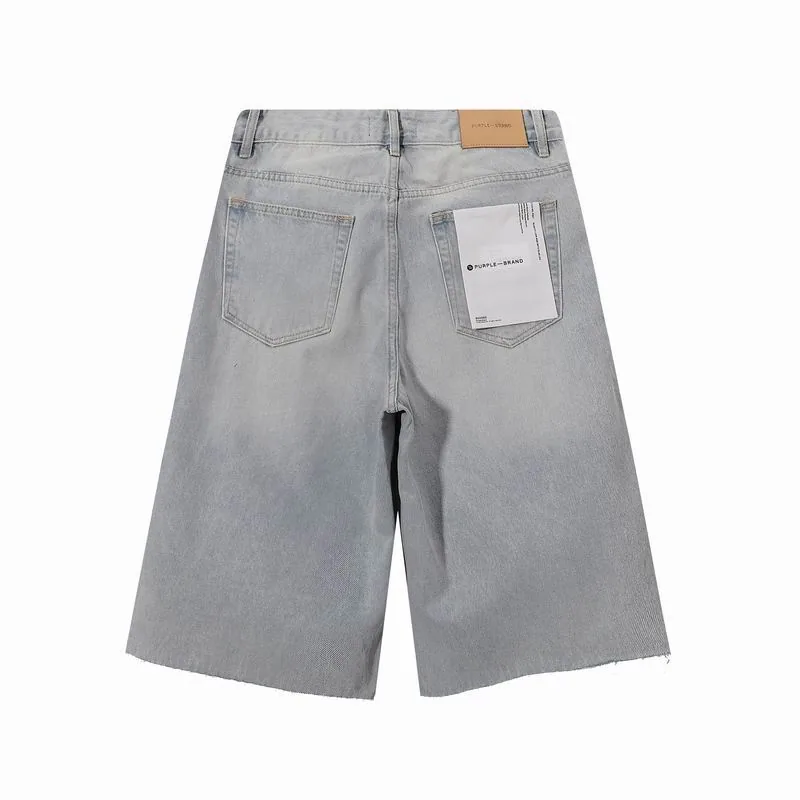
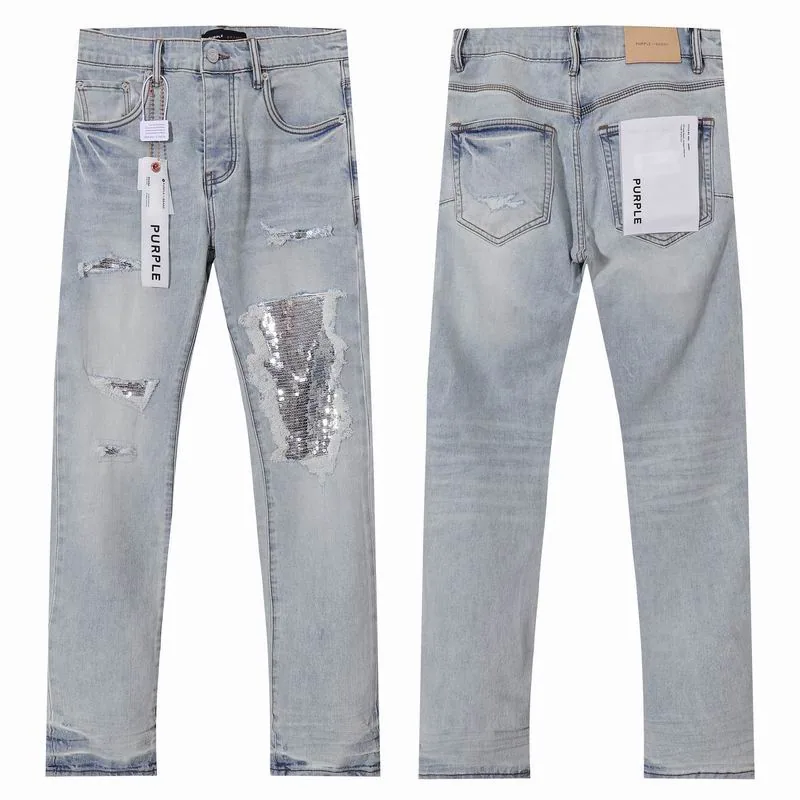
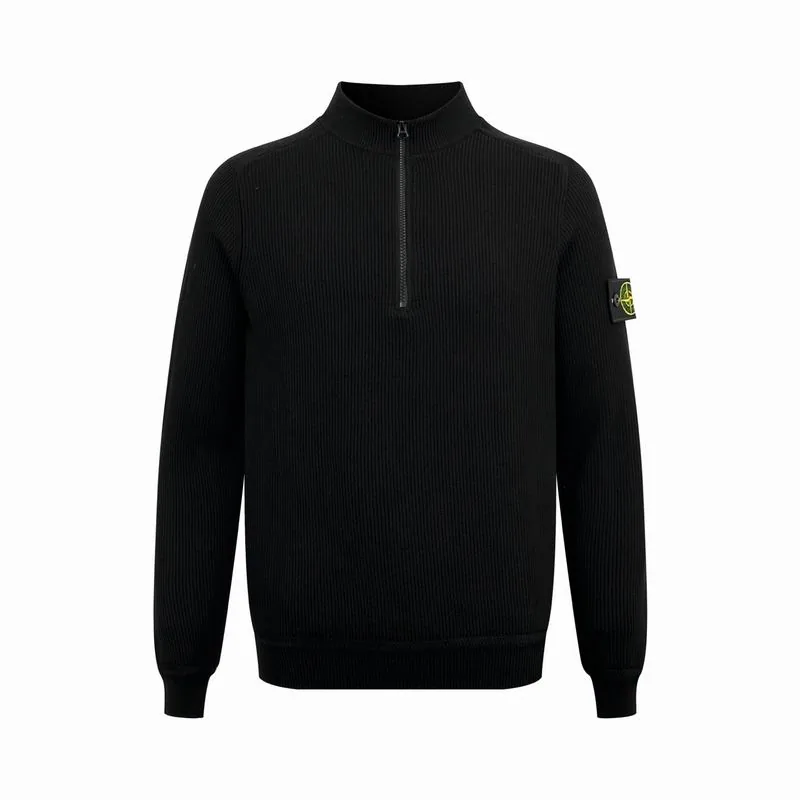
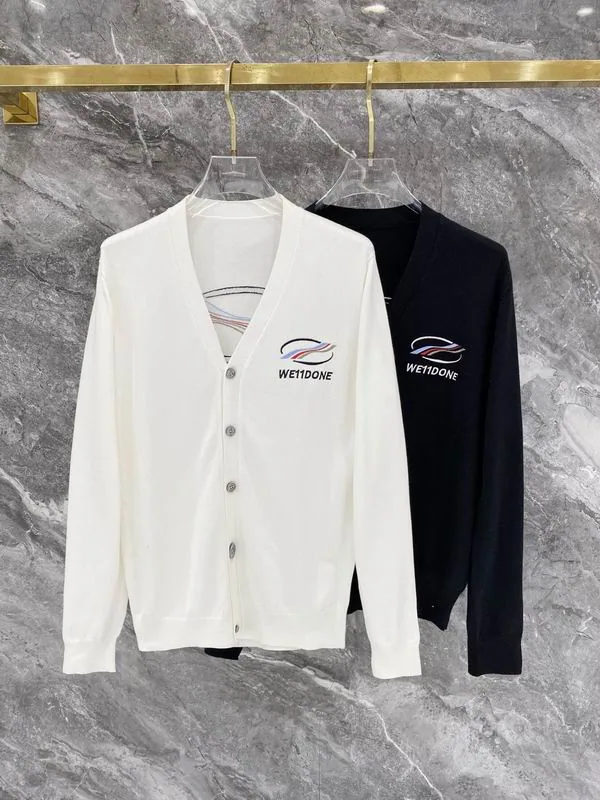
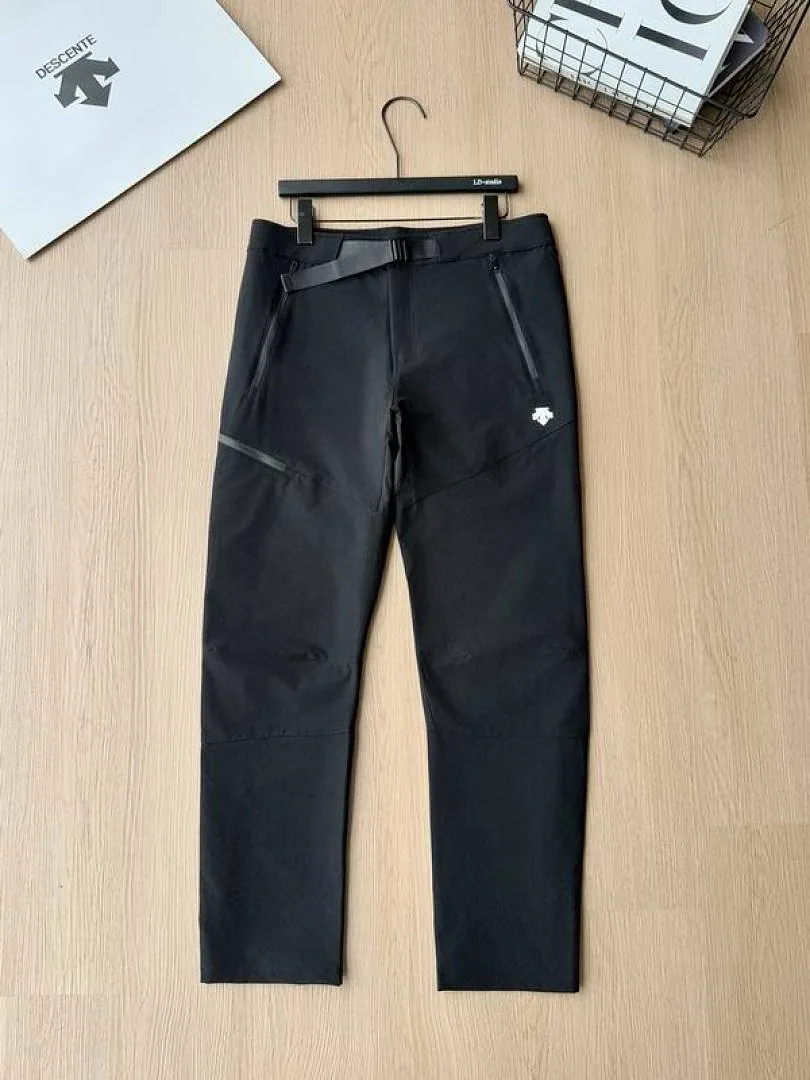
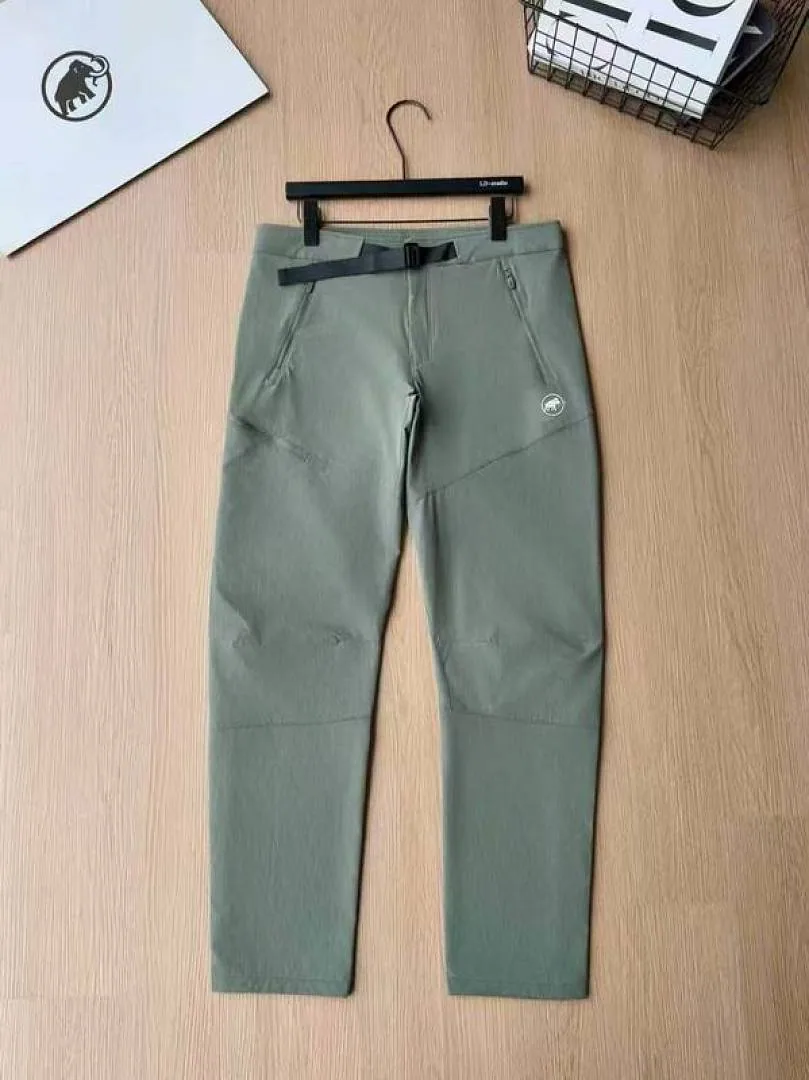
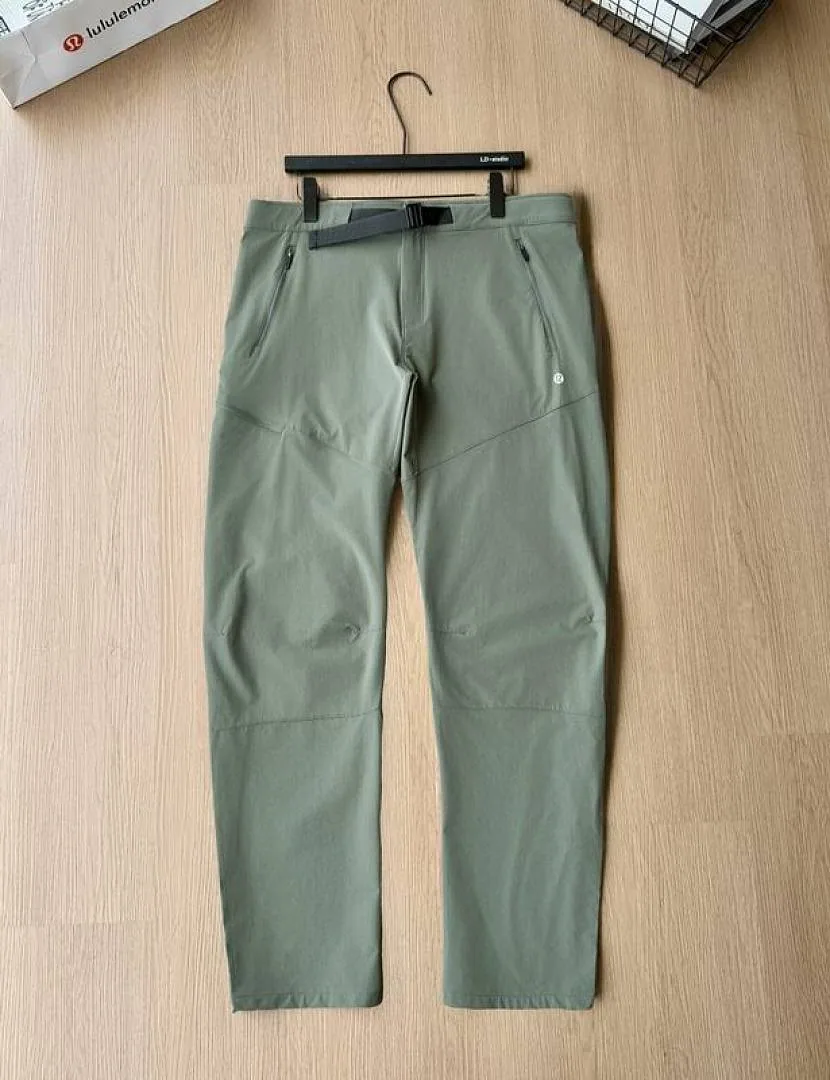
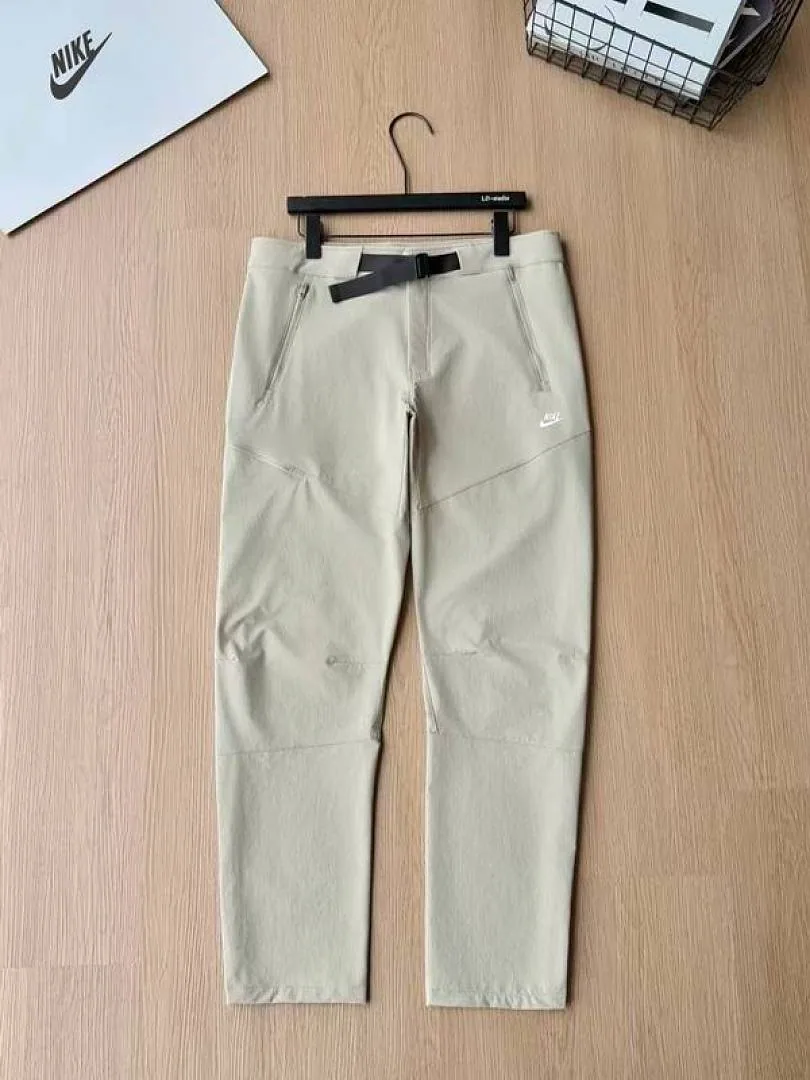
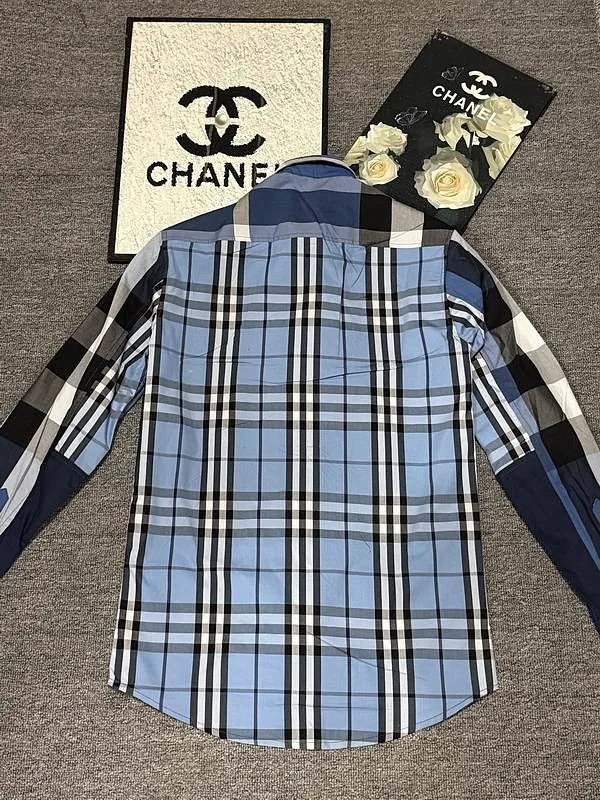
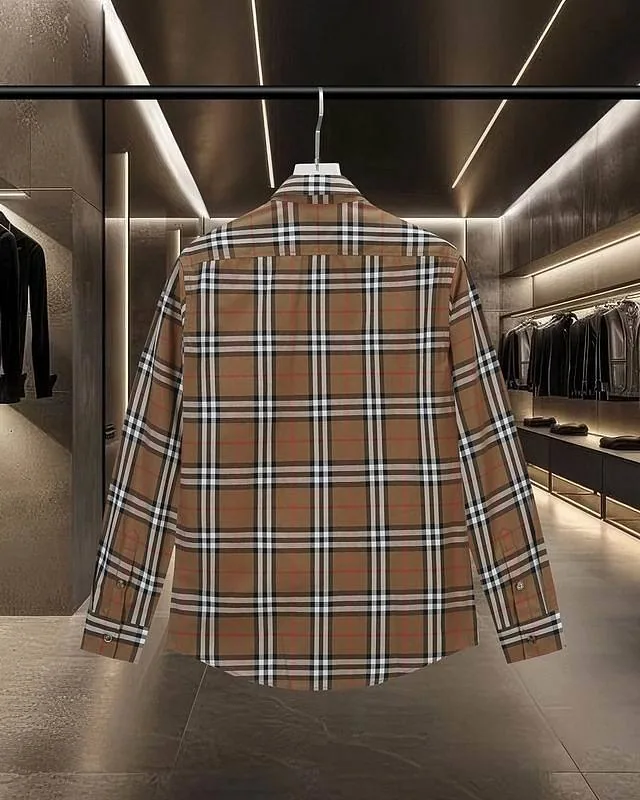
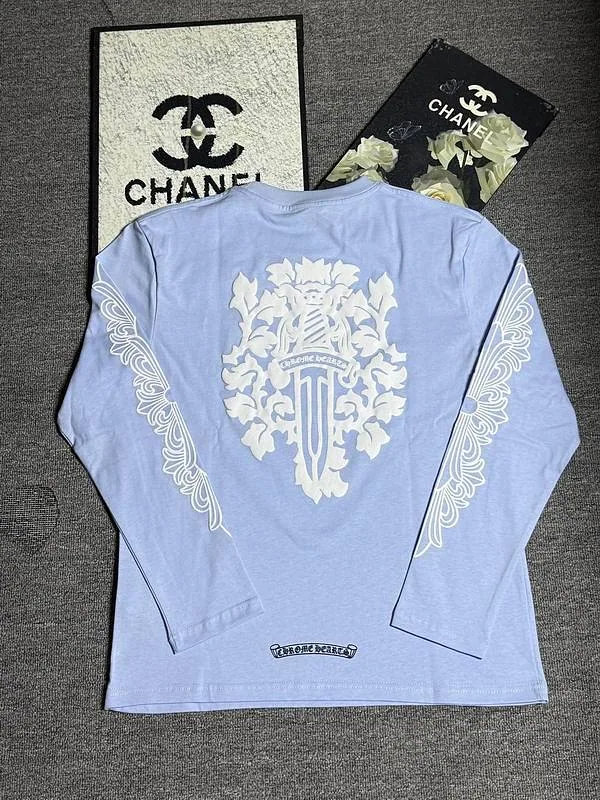
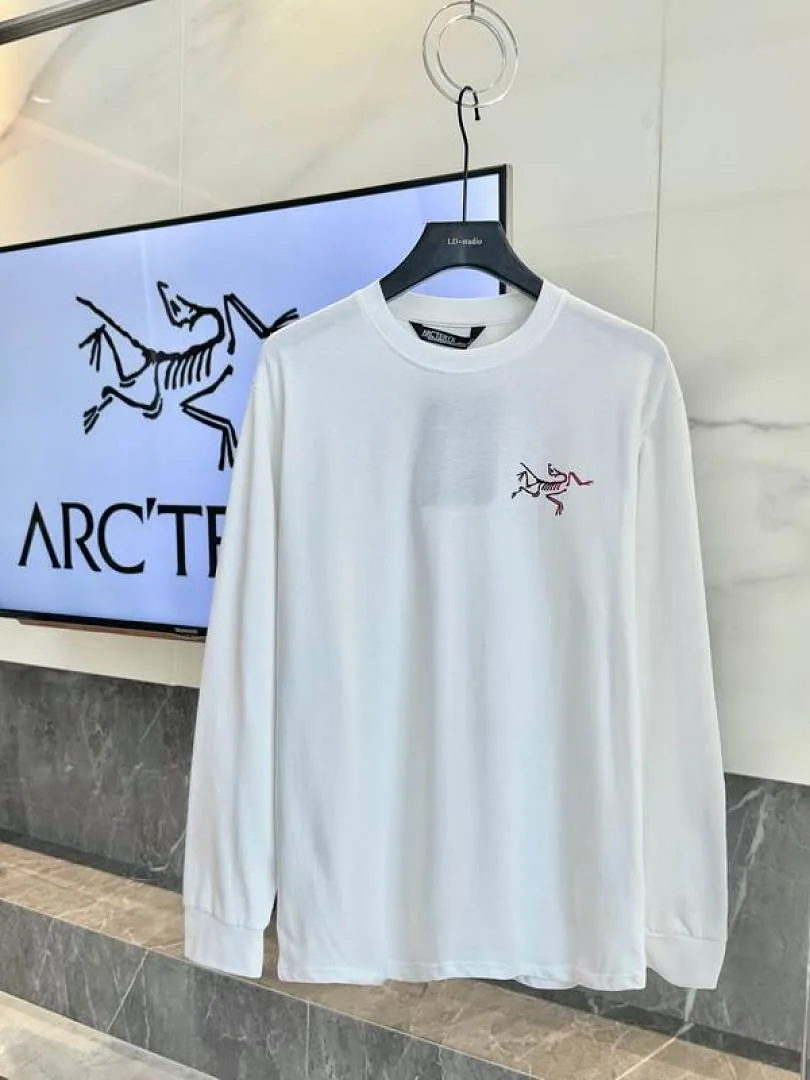
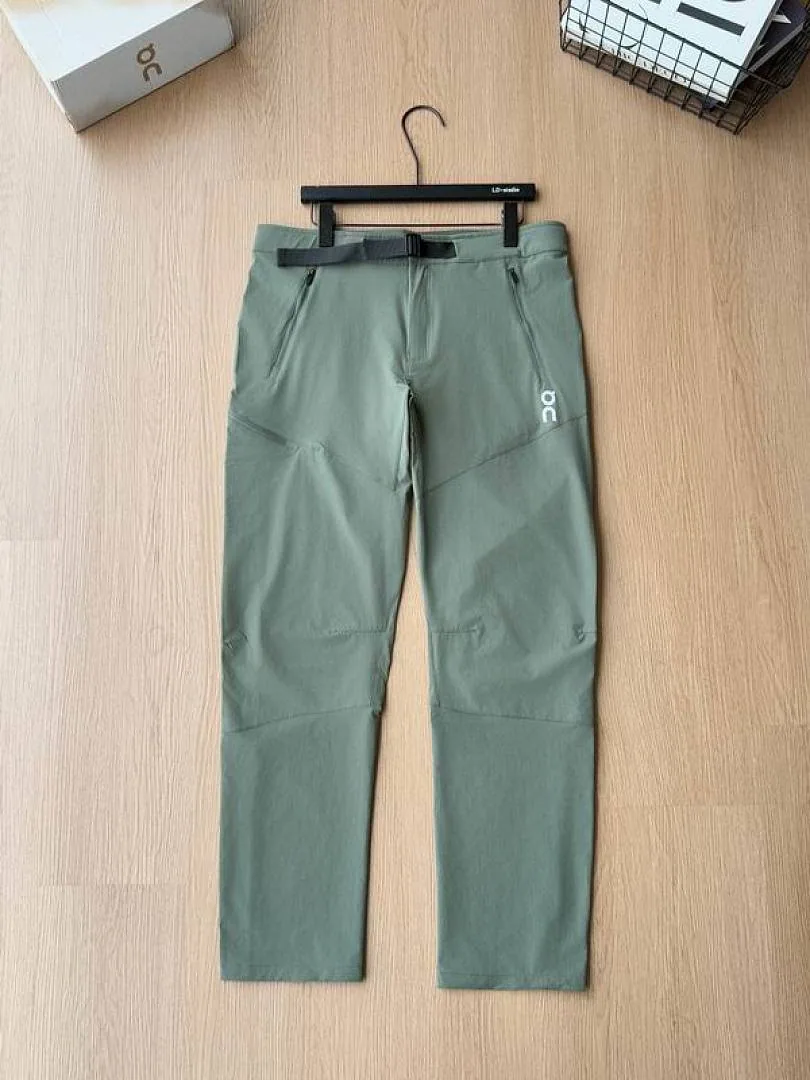
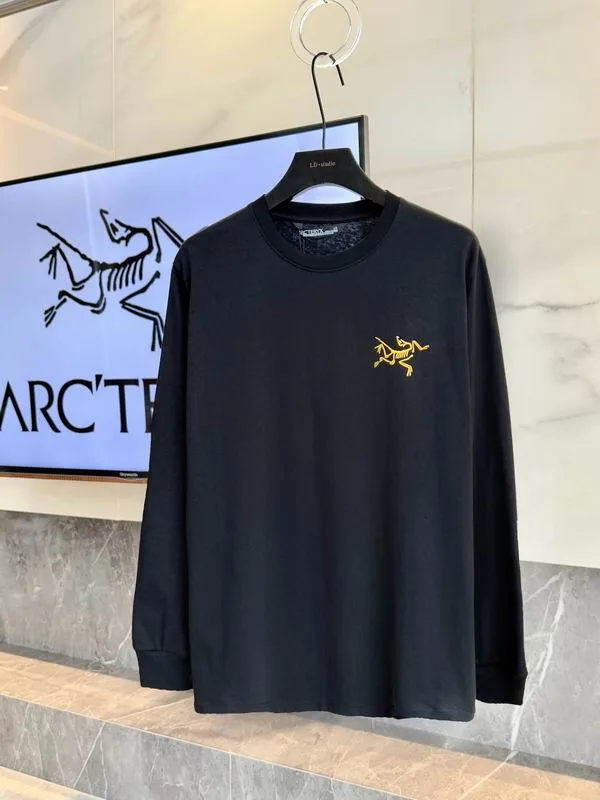
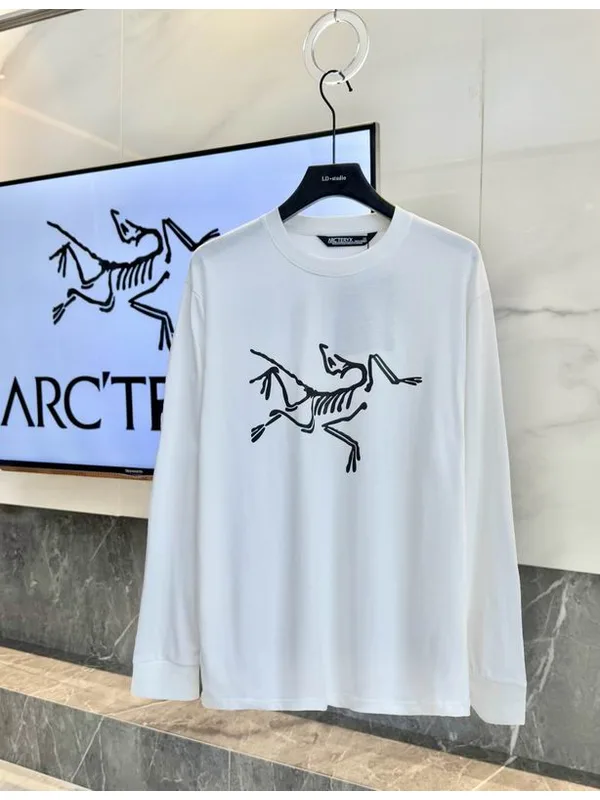
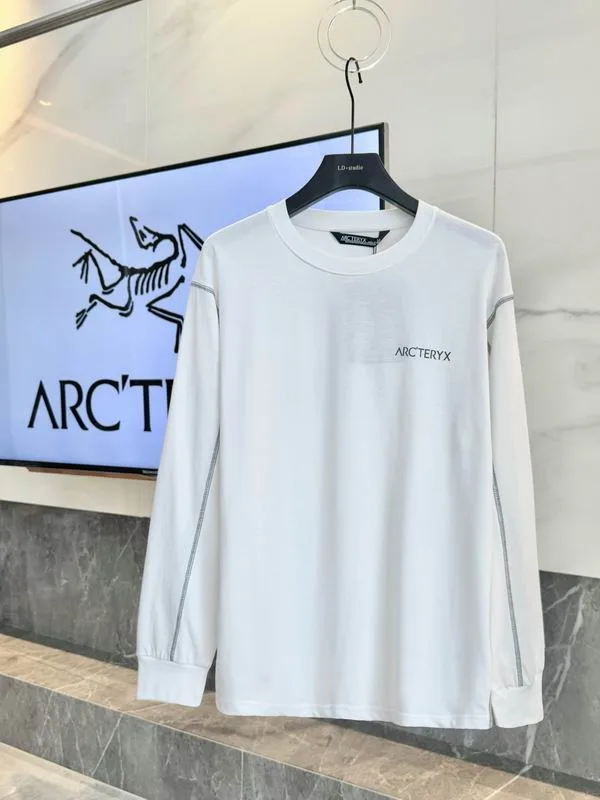
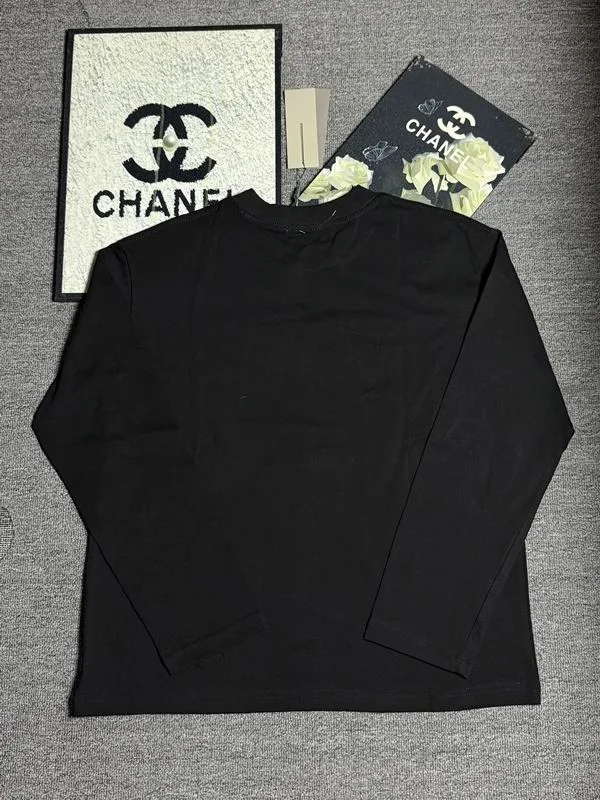
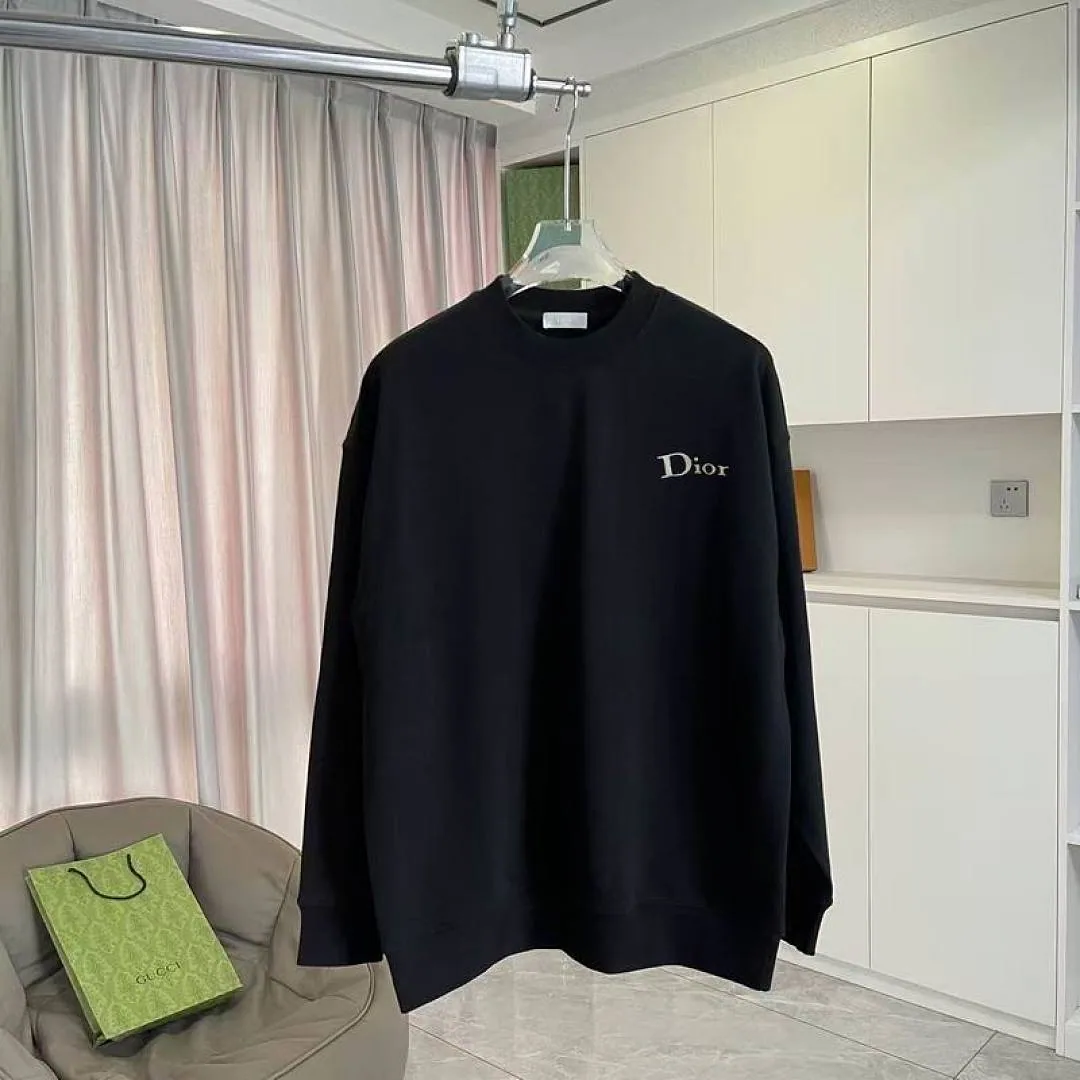
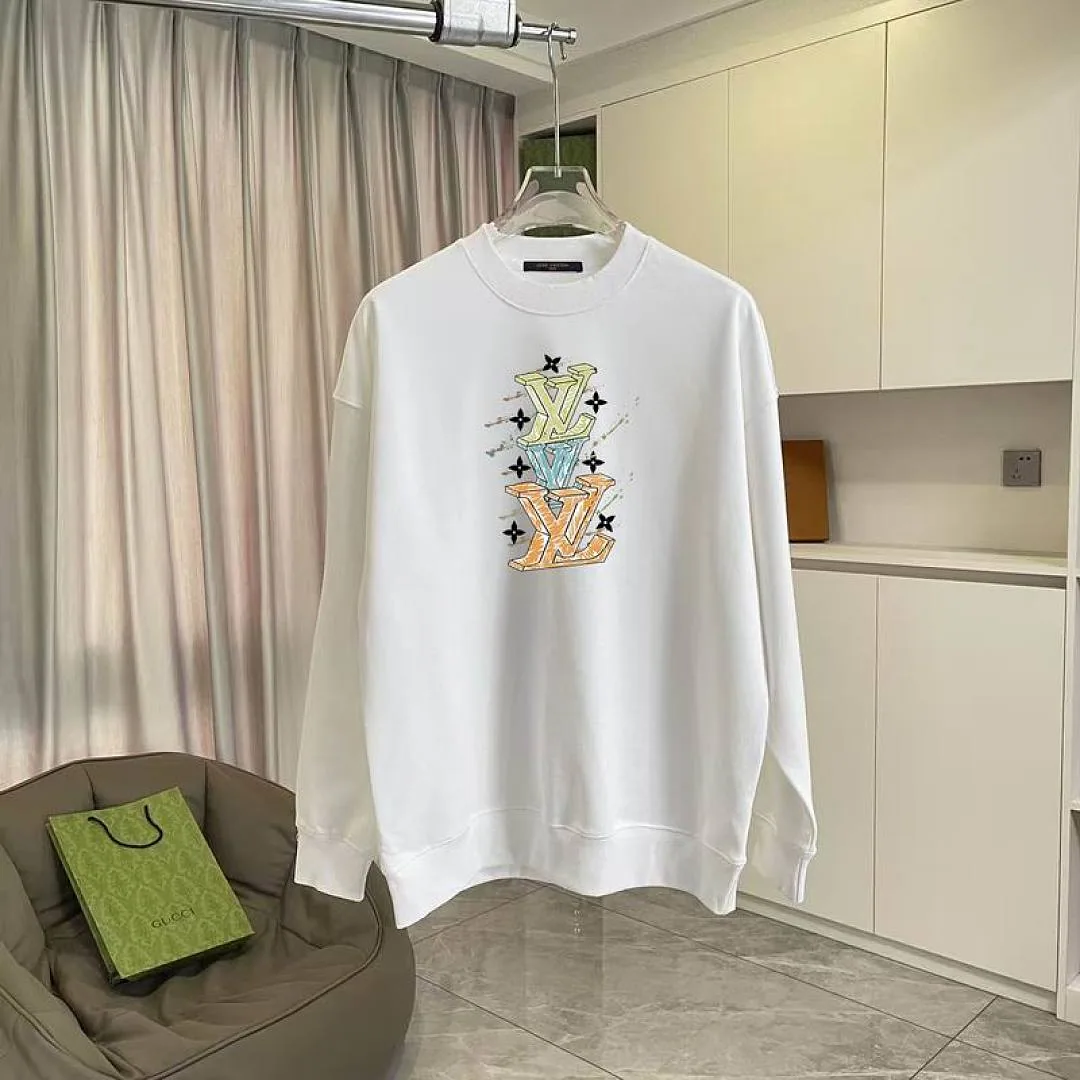
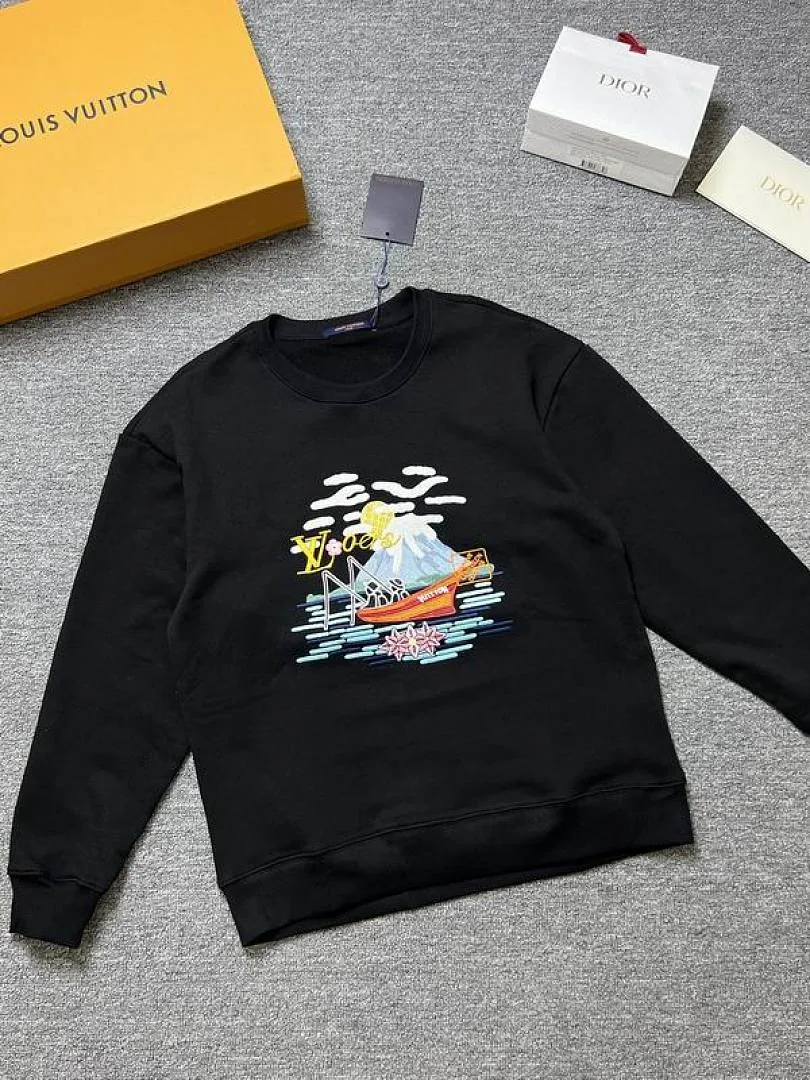
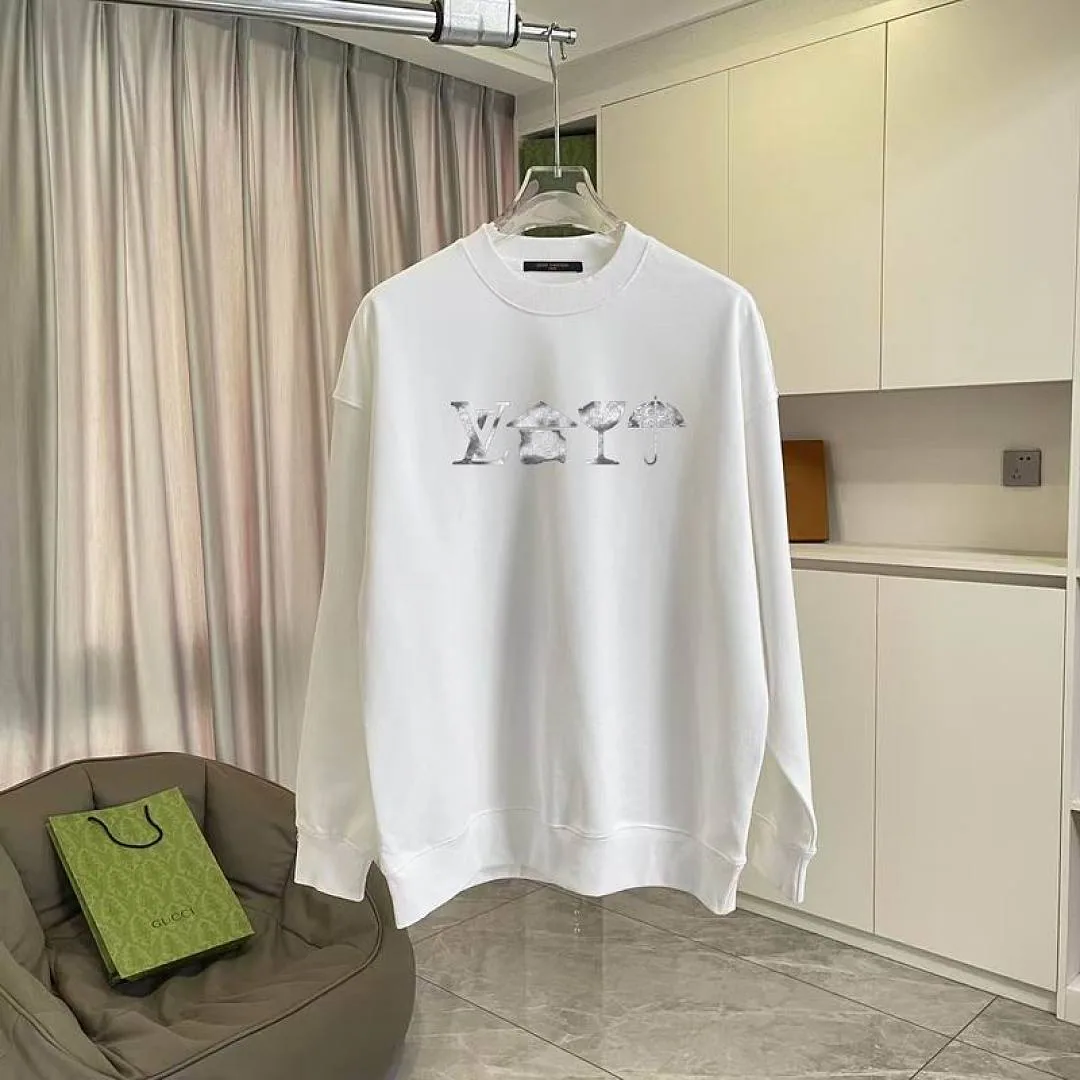
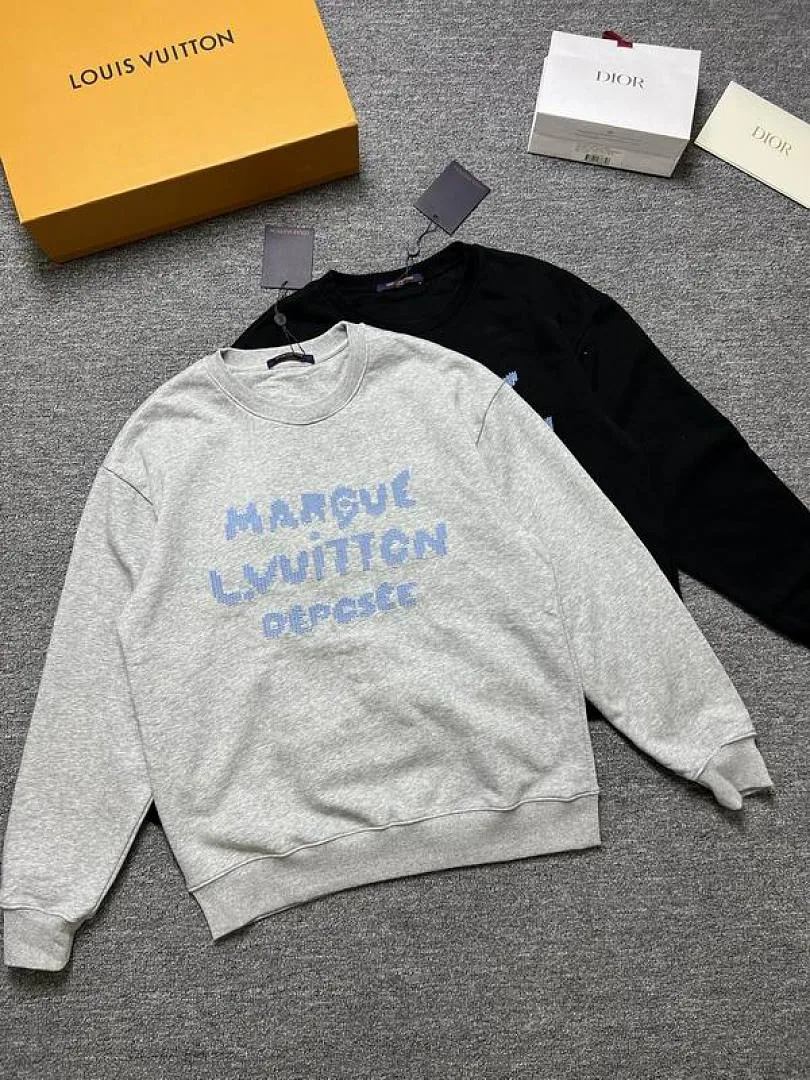
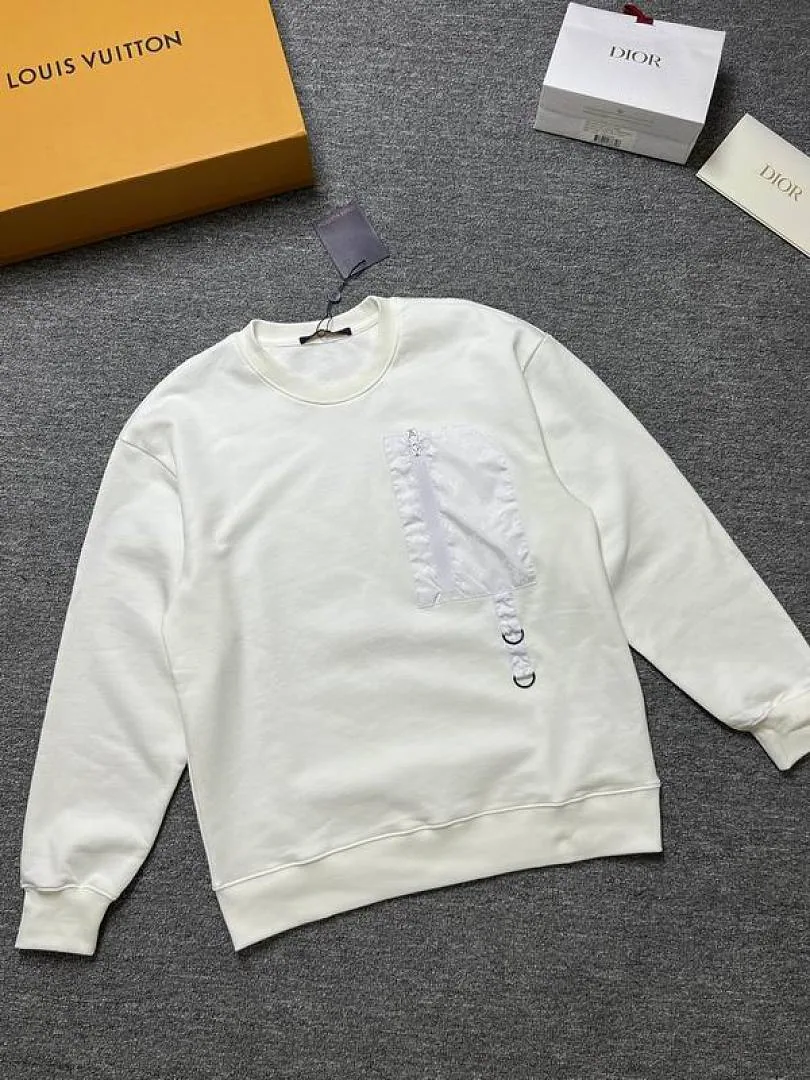
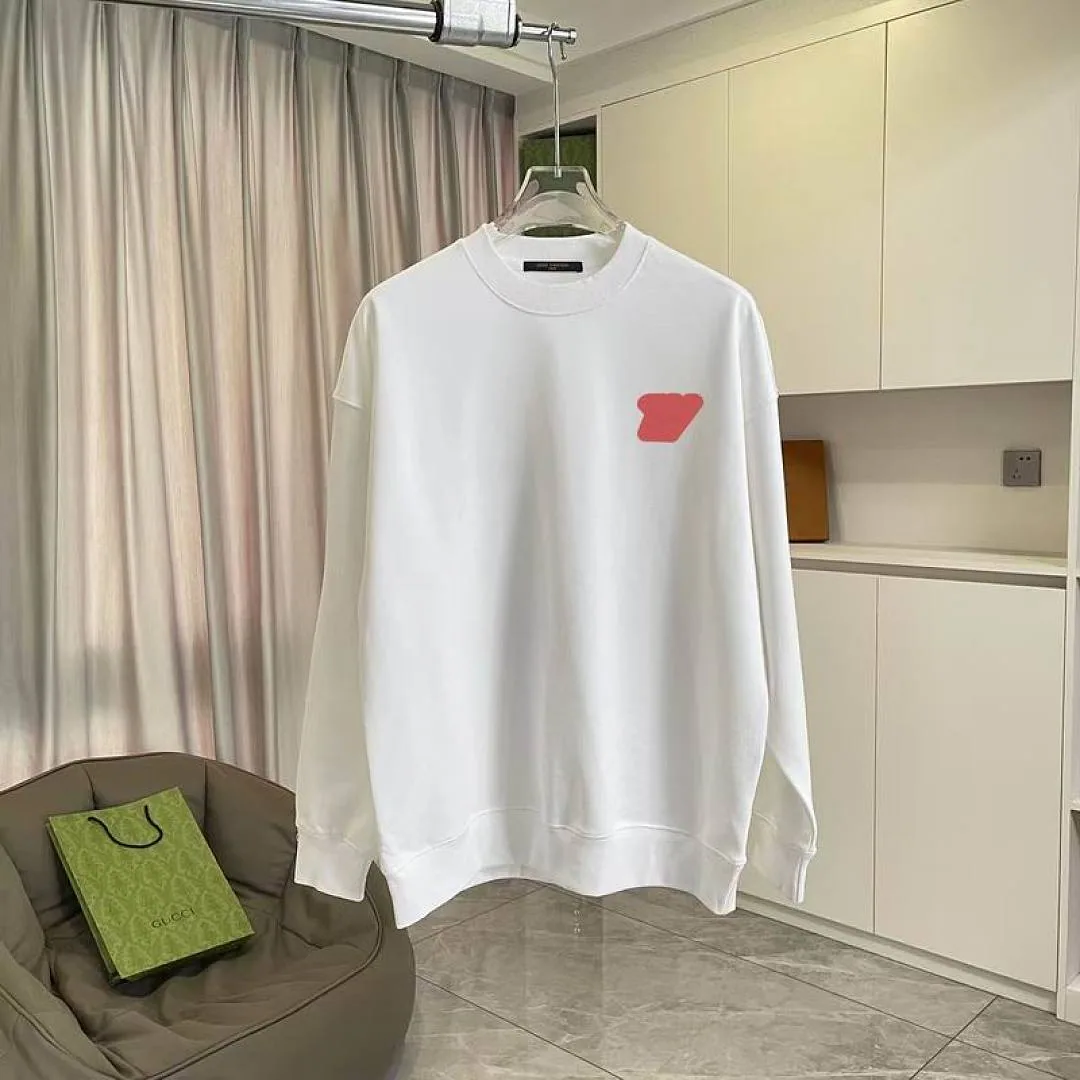
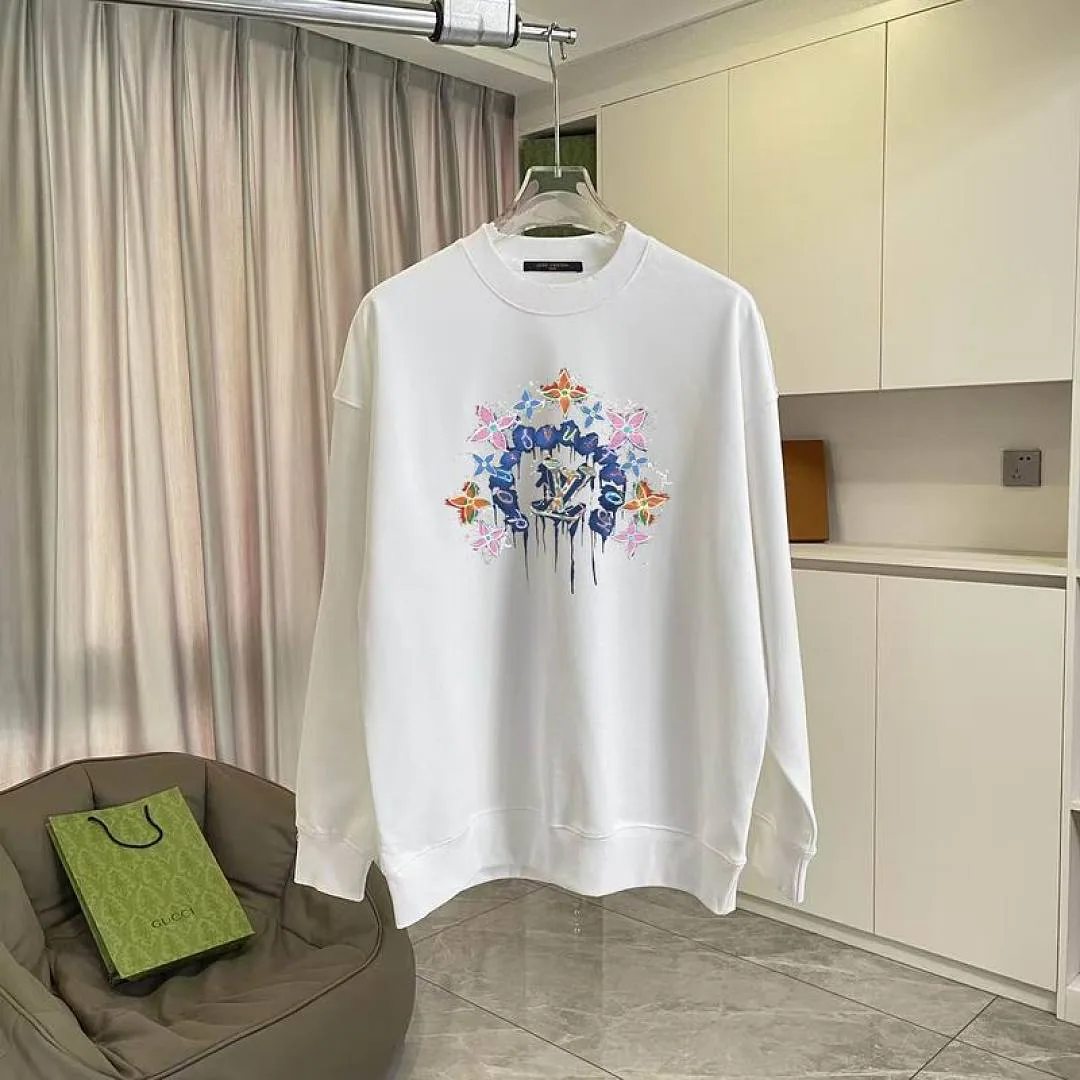
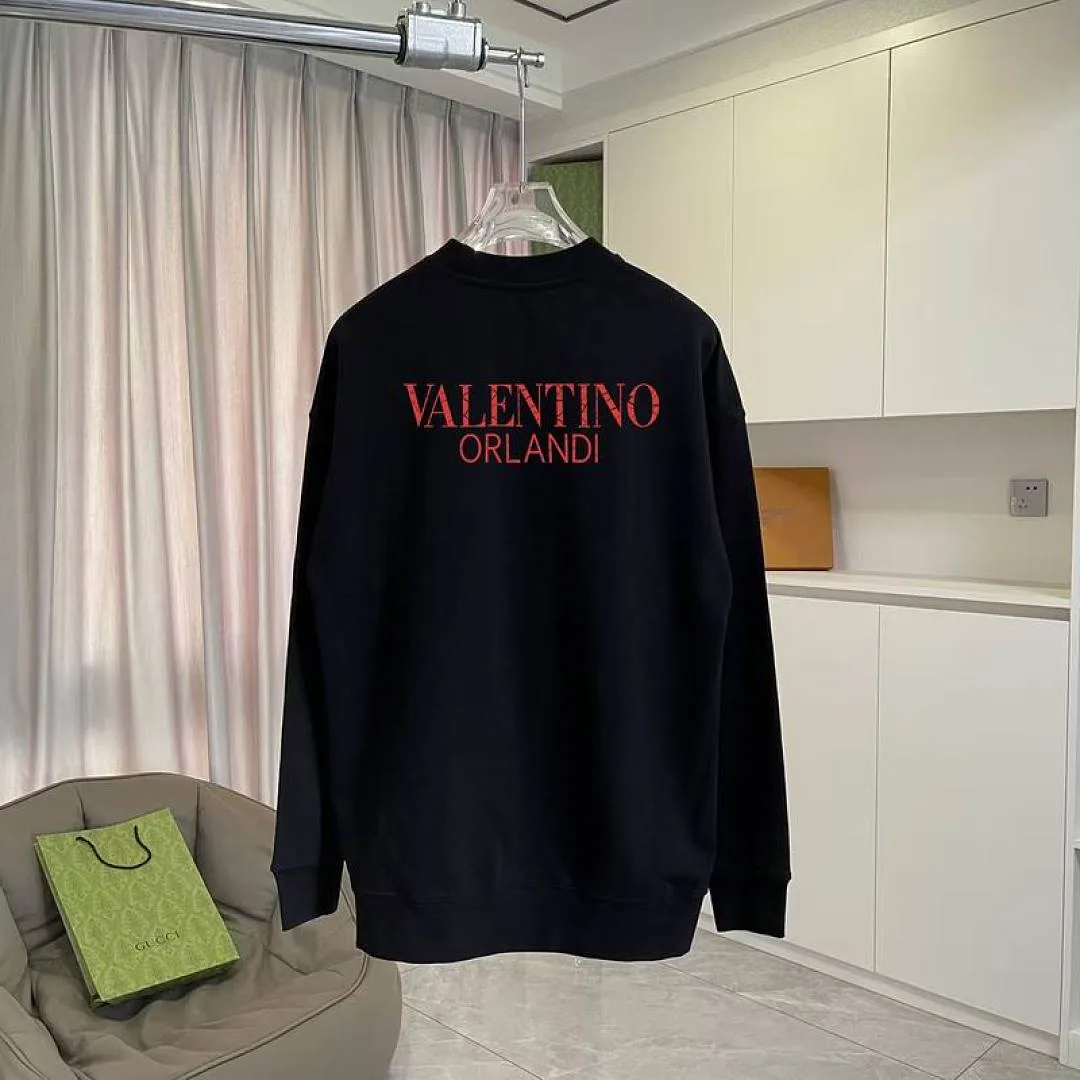
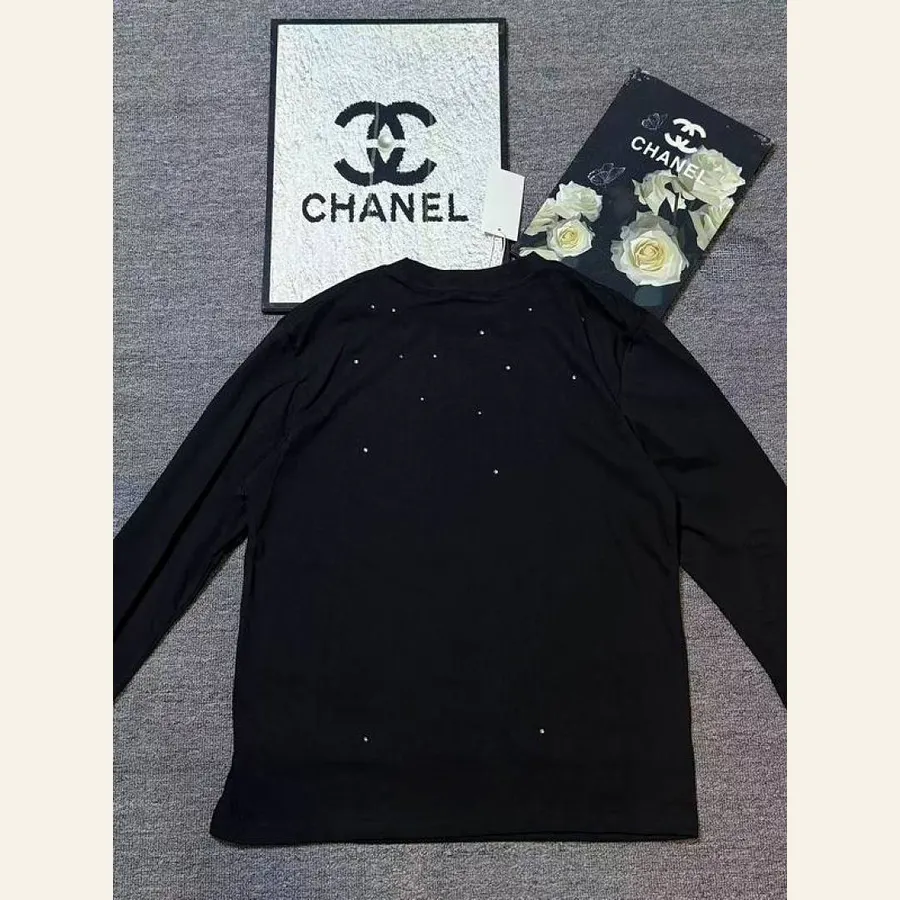
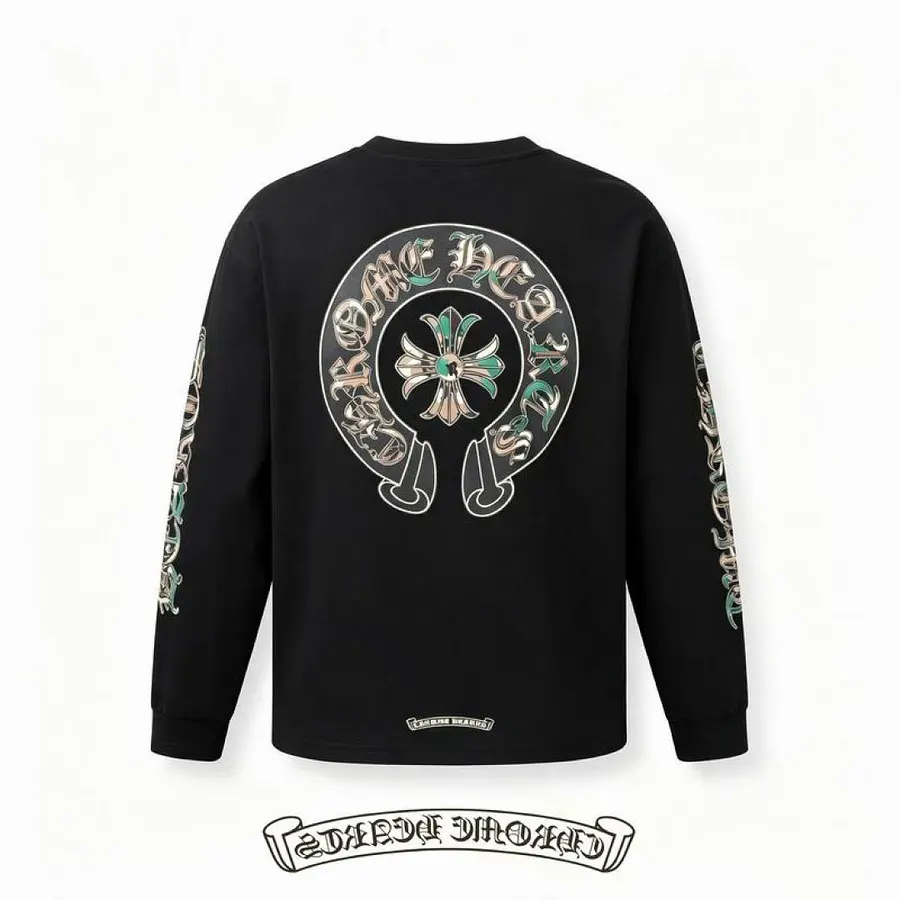
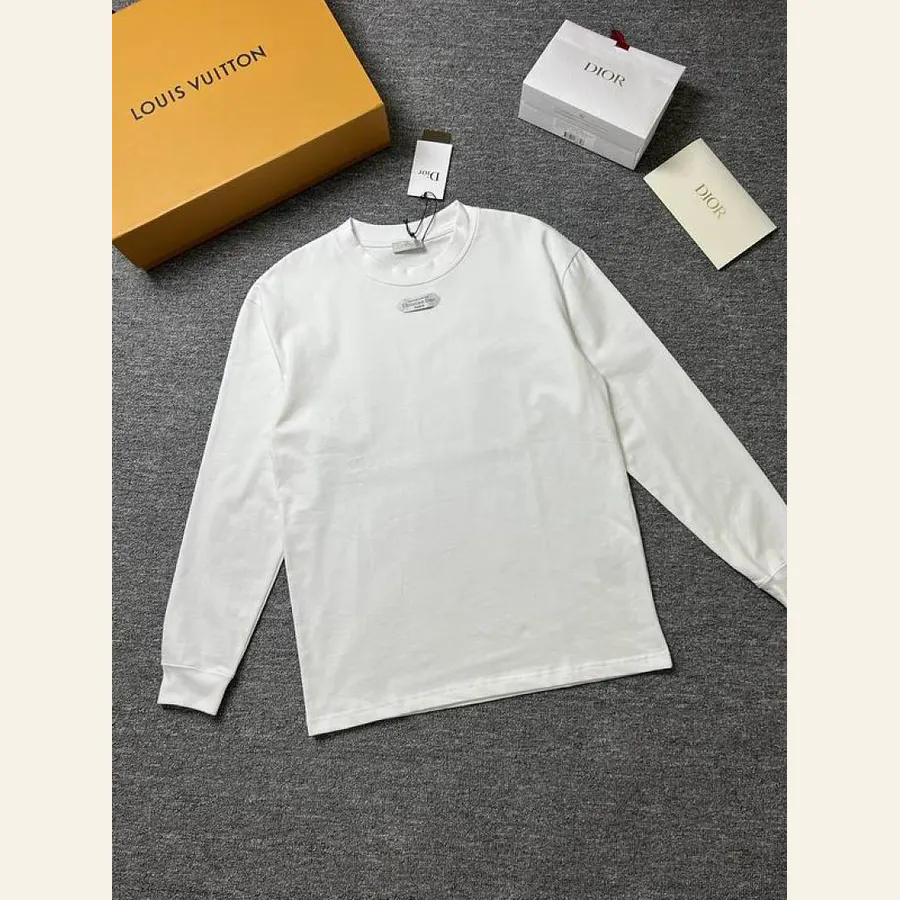
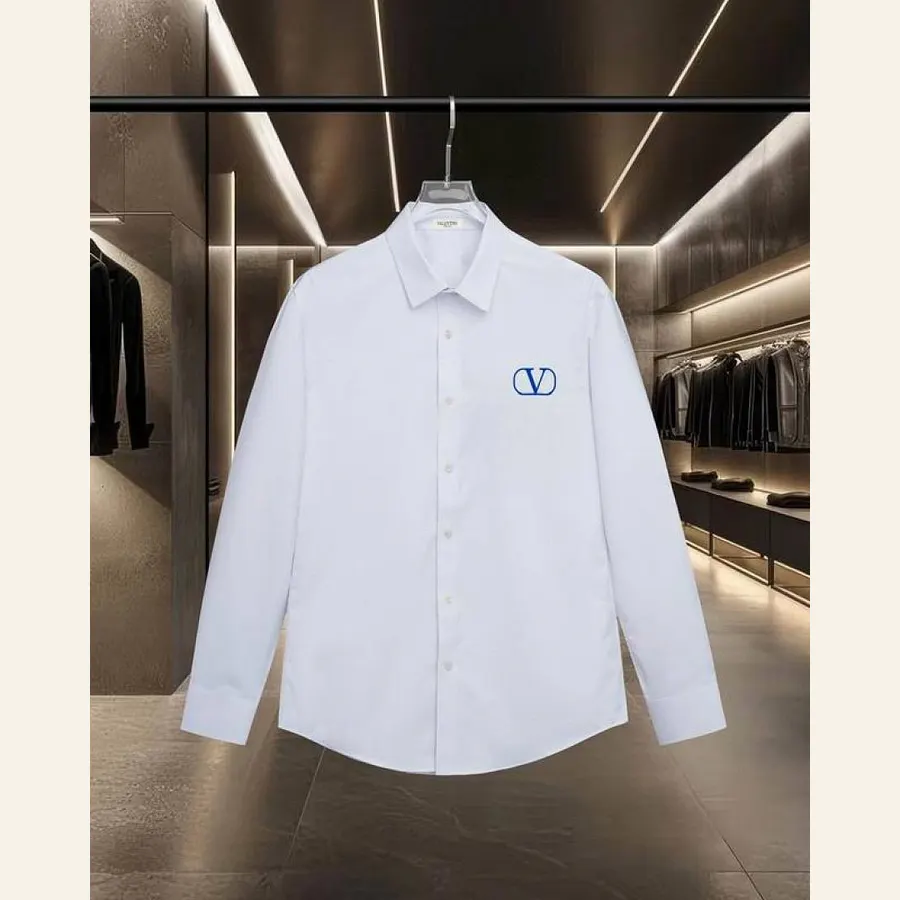
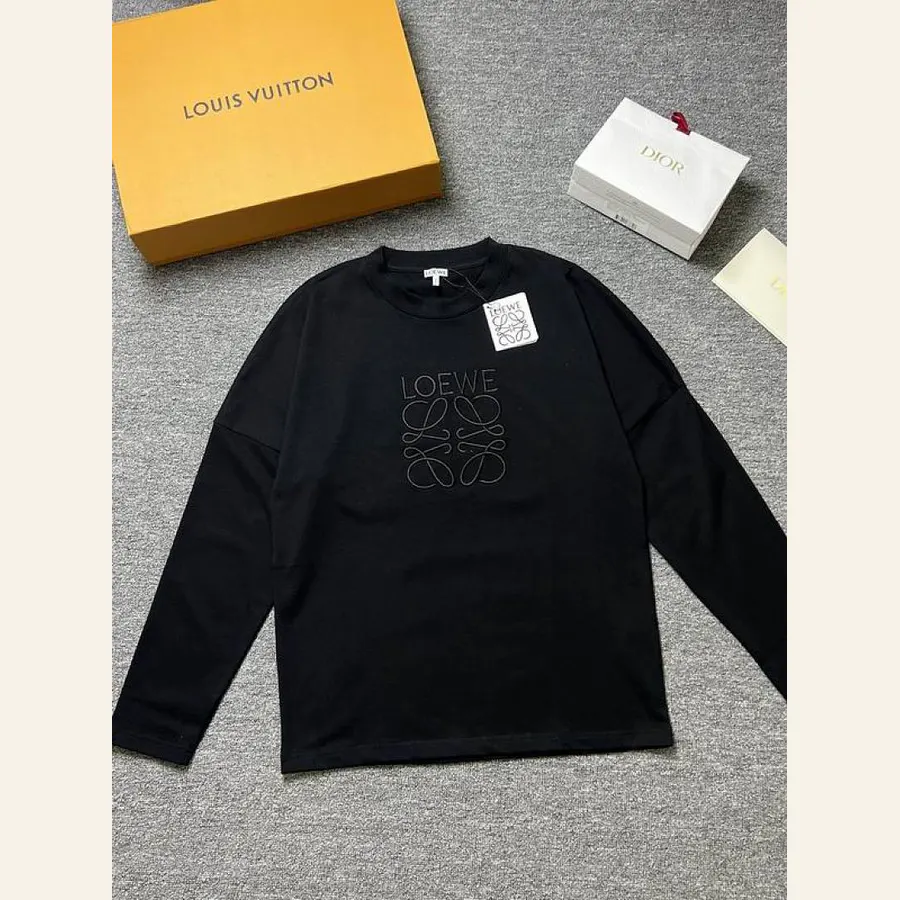
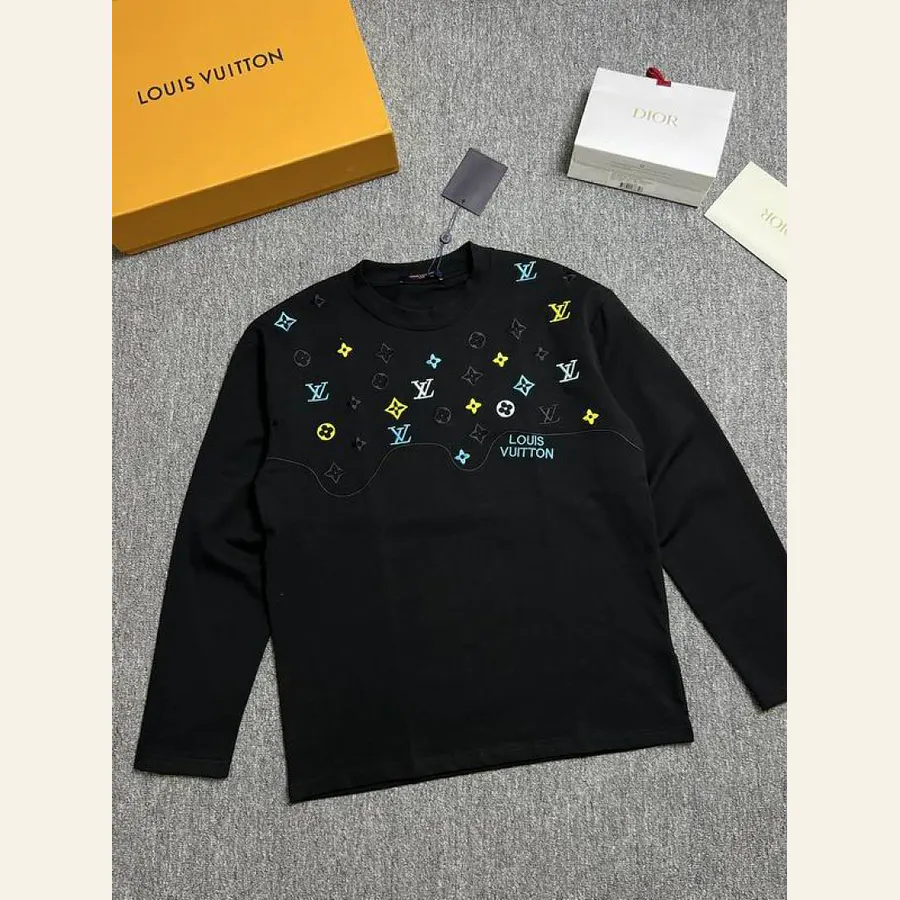
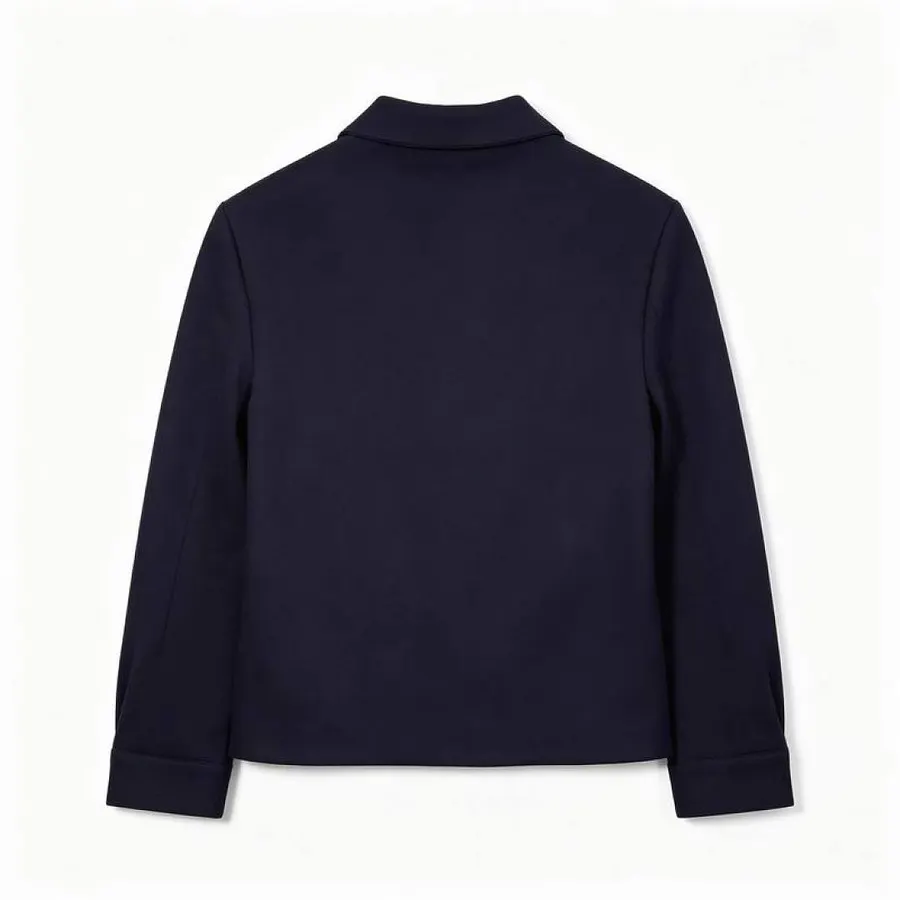
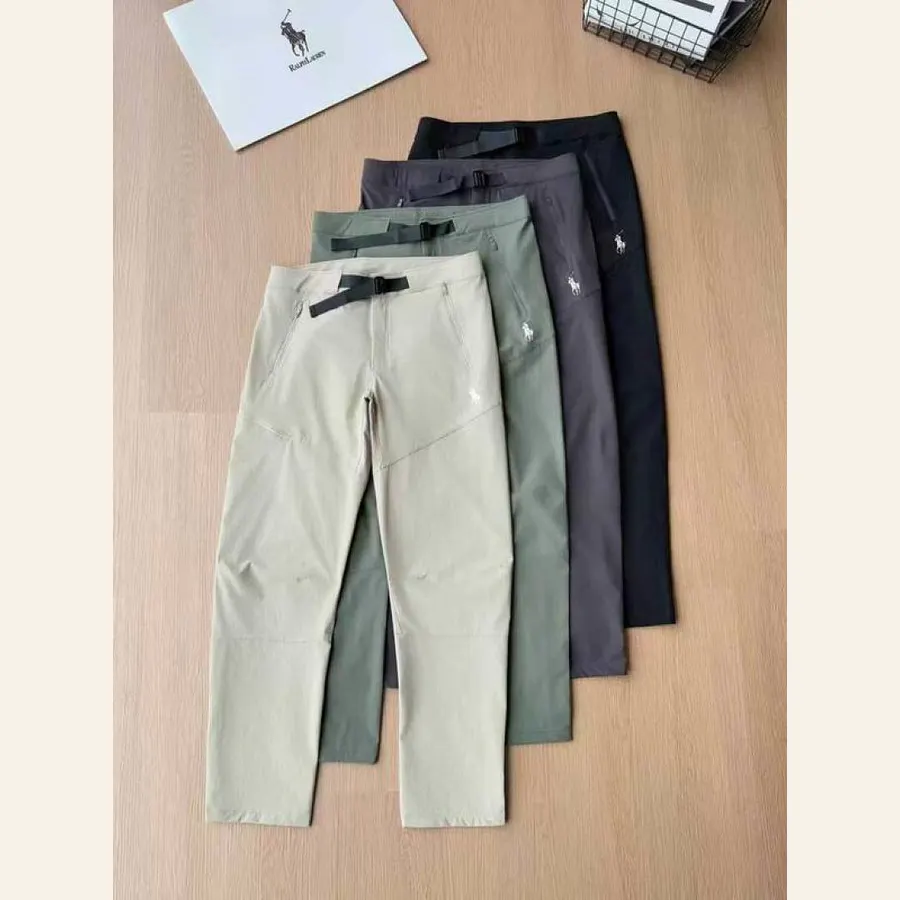
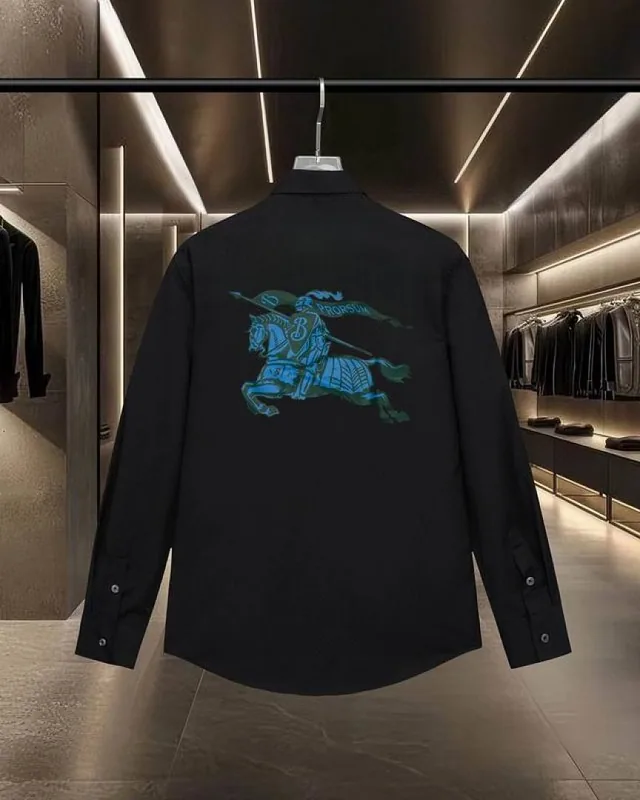
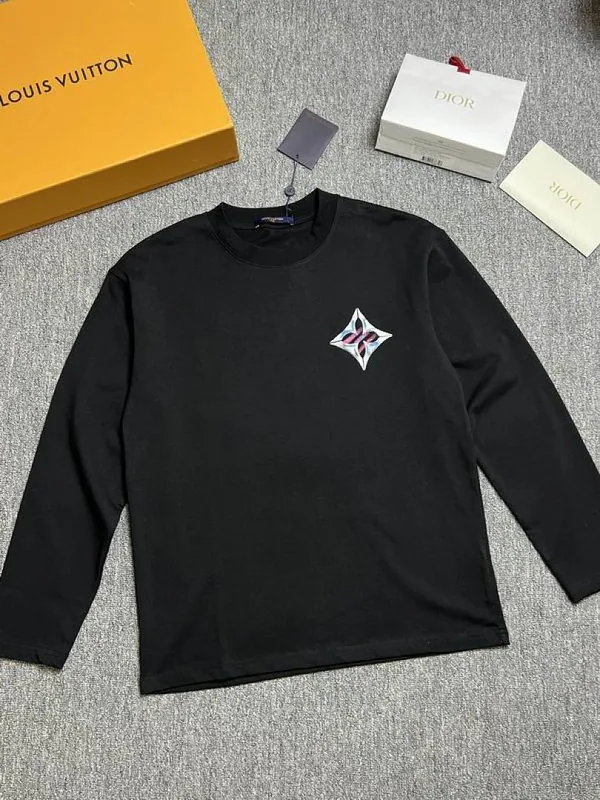
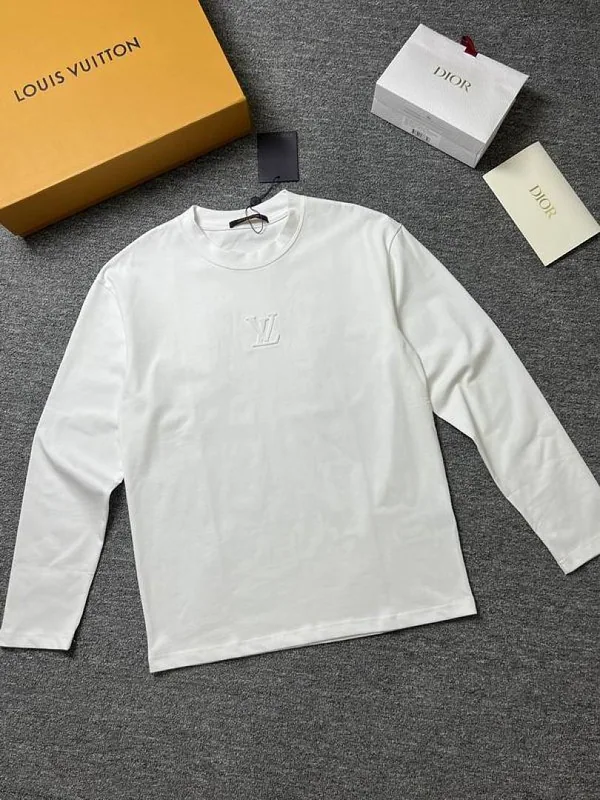
A useful clothing search begins with the role a garment needs to perform. A structured jacket, relaxed overshirt, lightweight knit, straight trouser, and soft everyday top may share a color, yet each creates a different outline and works in a different setting. Look first at overall length, shoulder position, body width, sleeve shape, rise, and leg line. Then consider whether the item will be worn alone, layered, or used as outerwear. This sequence makes comparisons more meaningful than relying on a brand name or a single styled image. Product pages in this category document the visible shape, stated measurements, available sizing, and construction details that can be verified from the source material.
Compare fit with real measurements
Size labels are only a starting point because the same nominal size can represent different garment dimensions across cuts and collections. Compare a listed piece with a similar garment that already fits well. Record the chest or pit-to-pit width, shoulder width, total length, sleeve length, waist, rise, and inseam where those measurements apply. Allow additional room for a deliberately relaxed silhouette and less room for a fitted base layer, while remembering that a rigid woven fabric behaves differently from a flexible knit. The sizing guide explains a repeatable flat-measurement method. Every published product should state the source size range without converting it into unsupported regional equivalents or promising a fit that has not been verified.
Read material and construction together
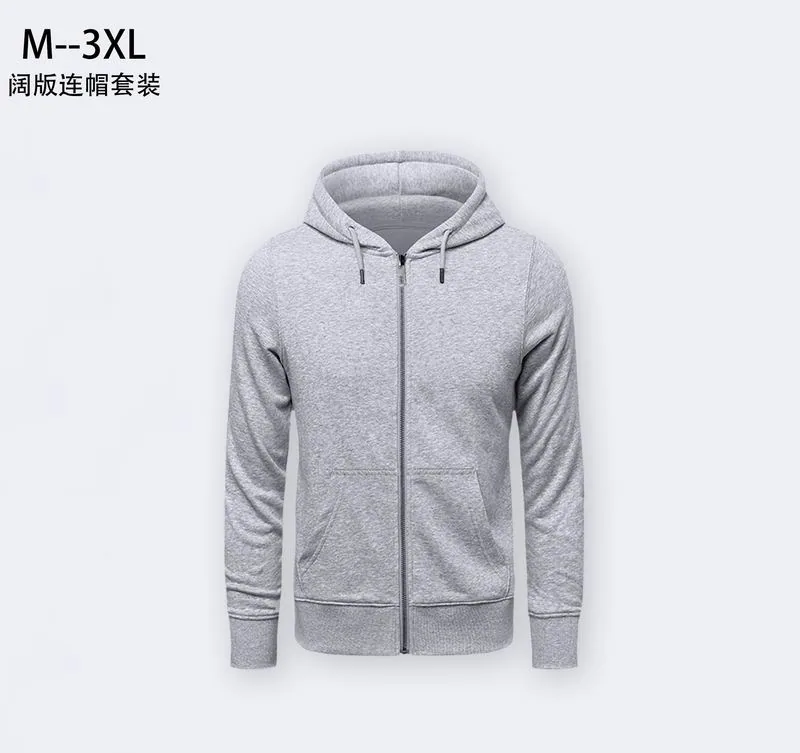
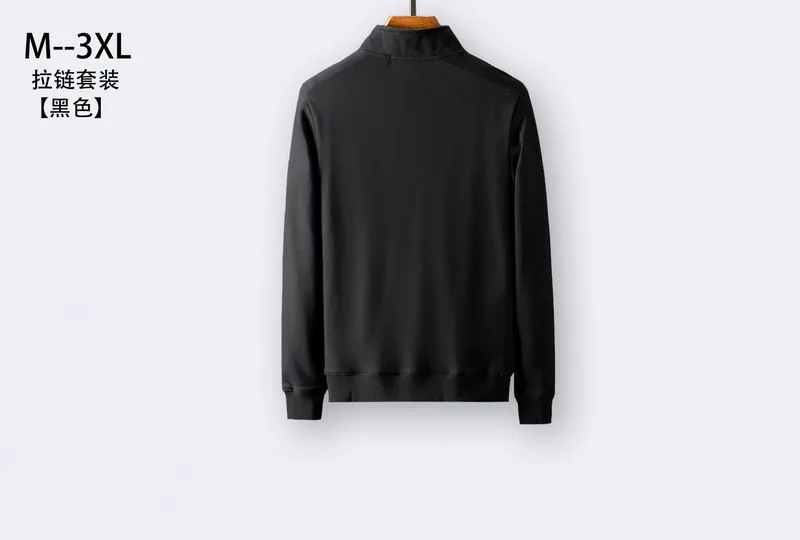
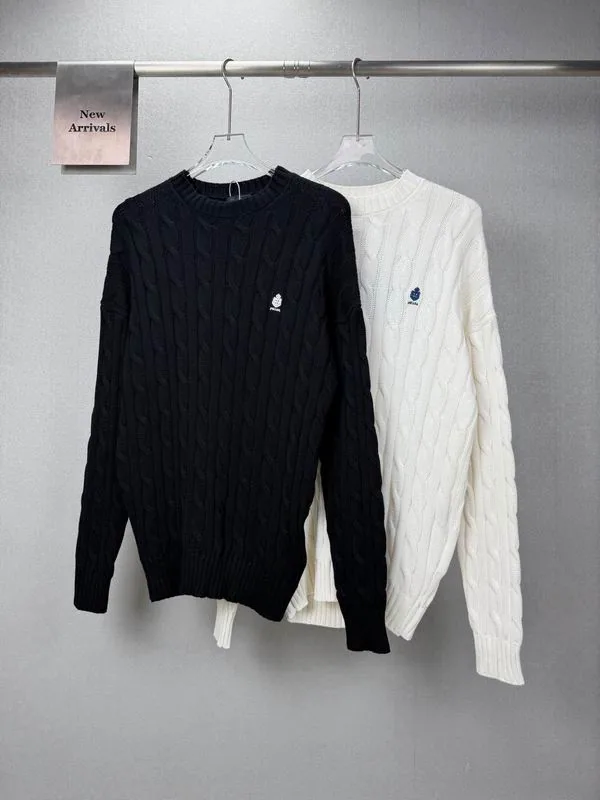
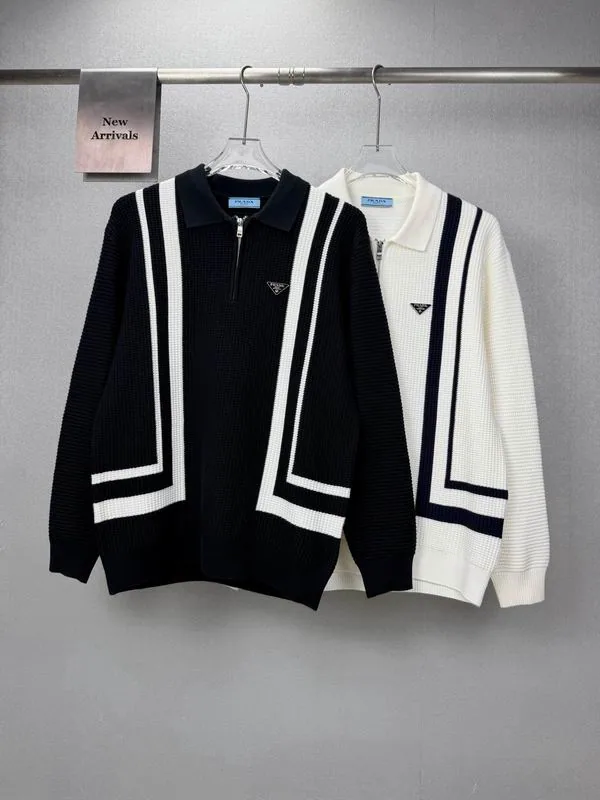
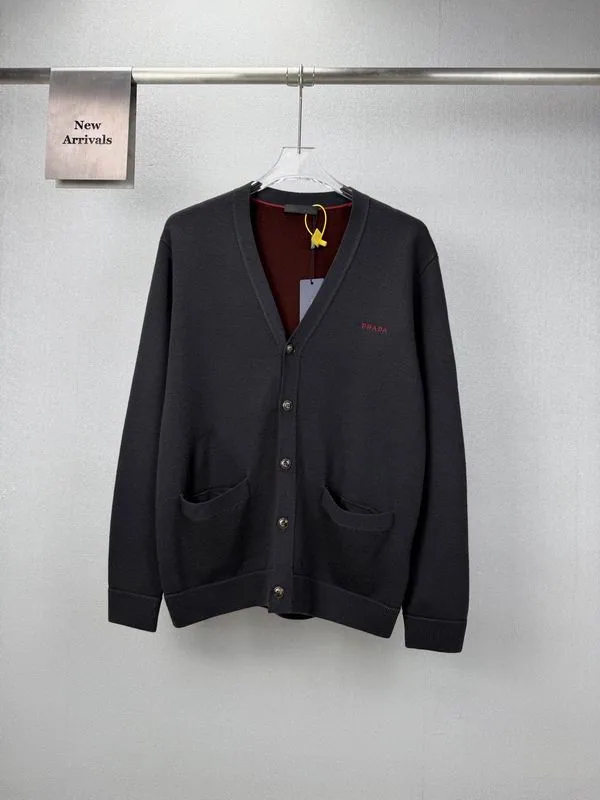
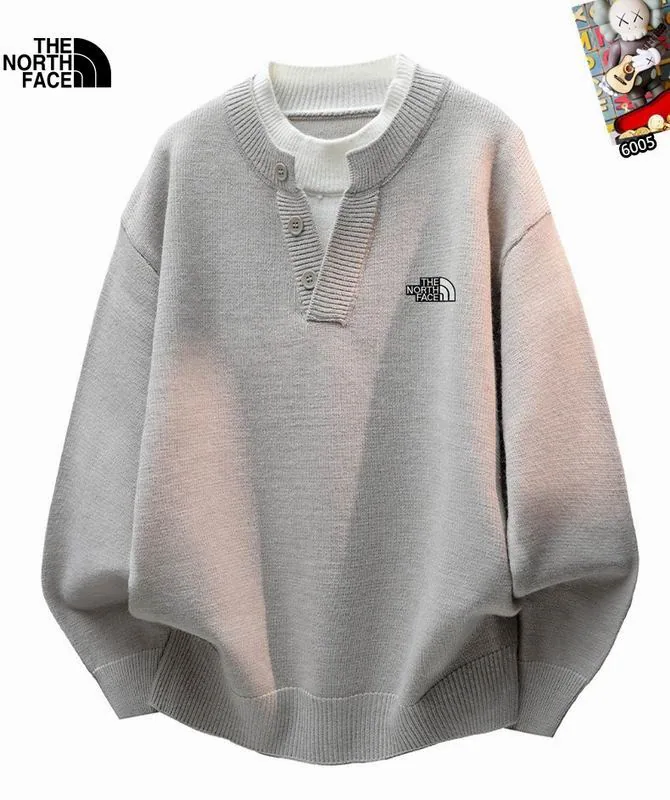
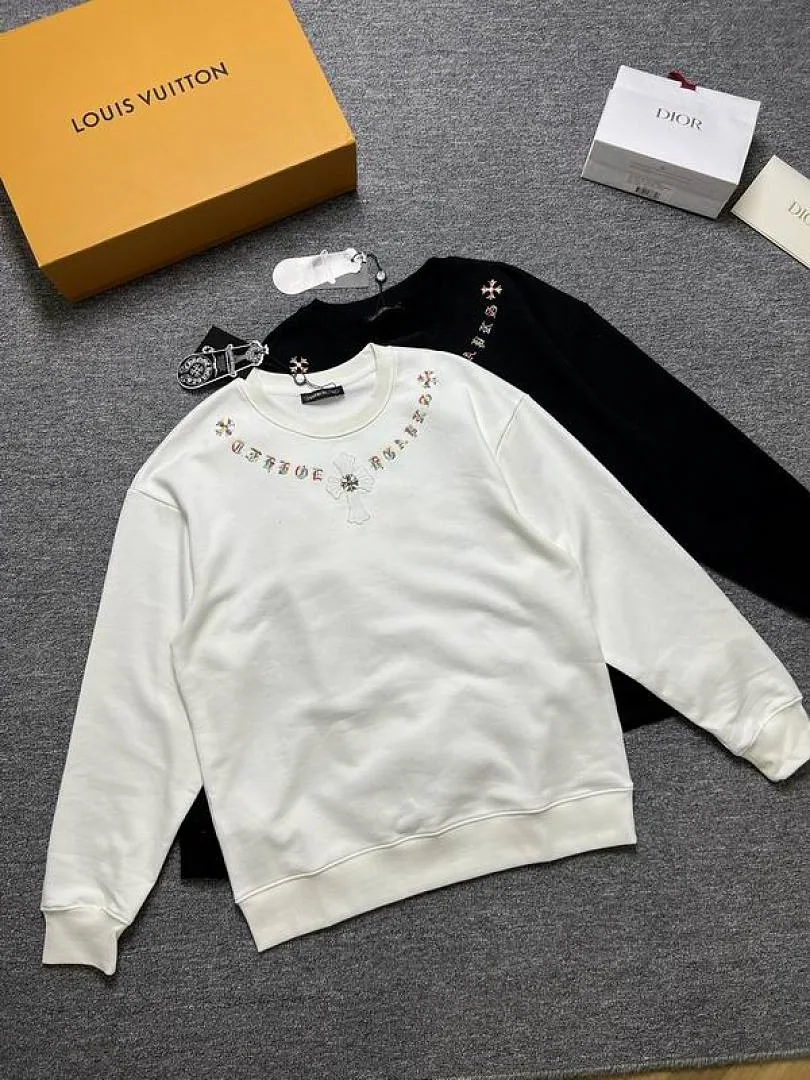
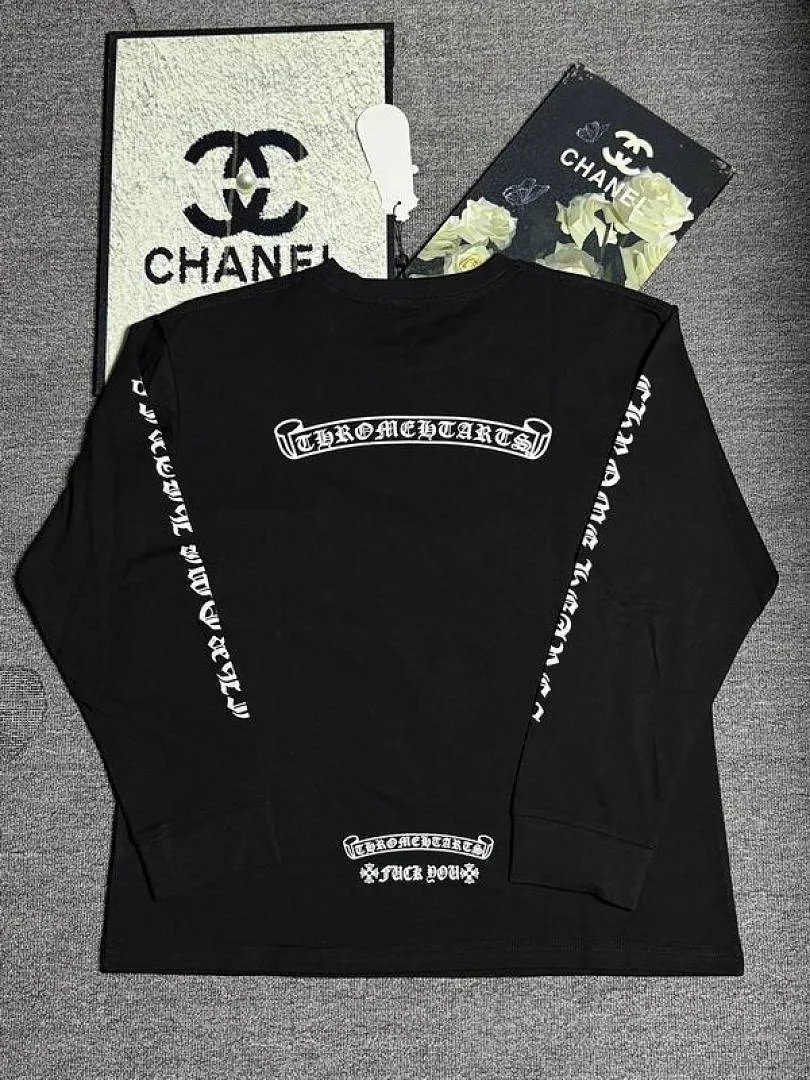
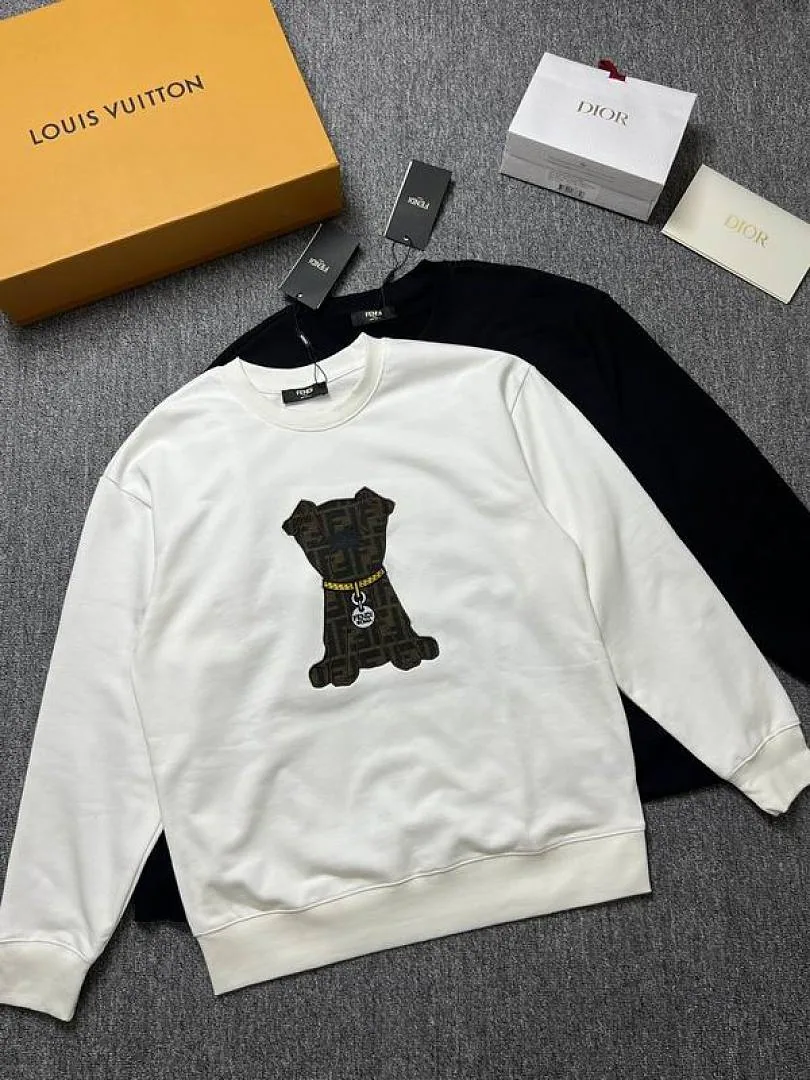
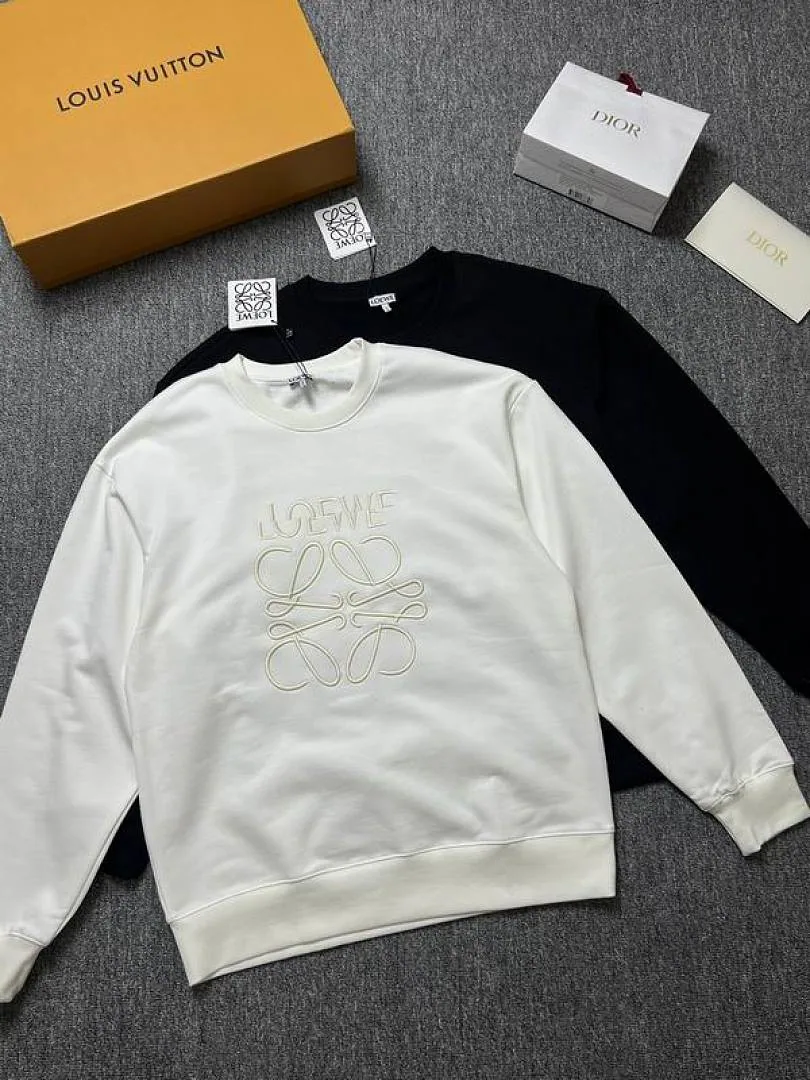
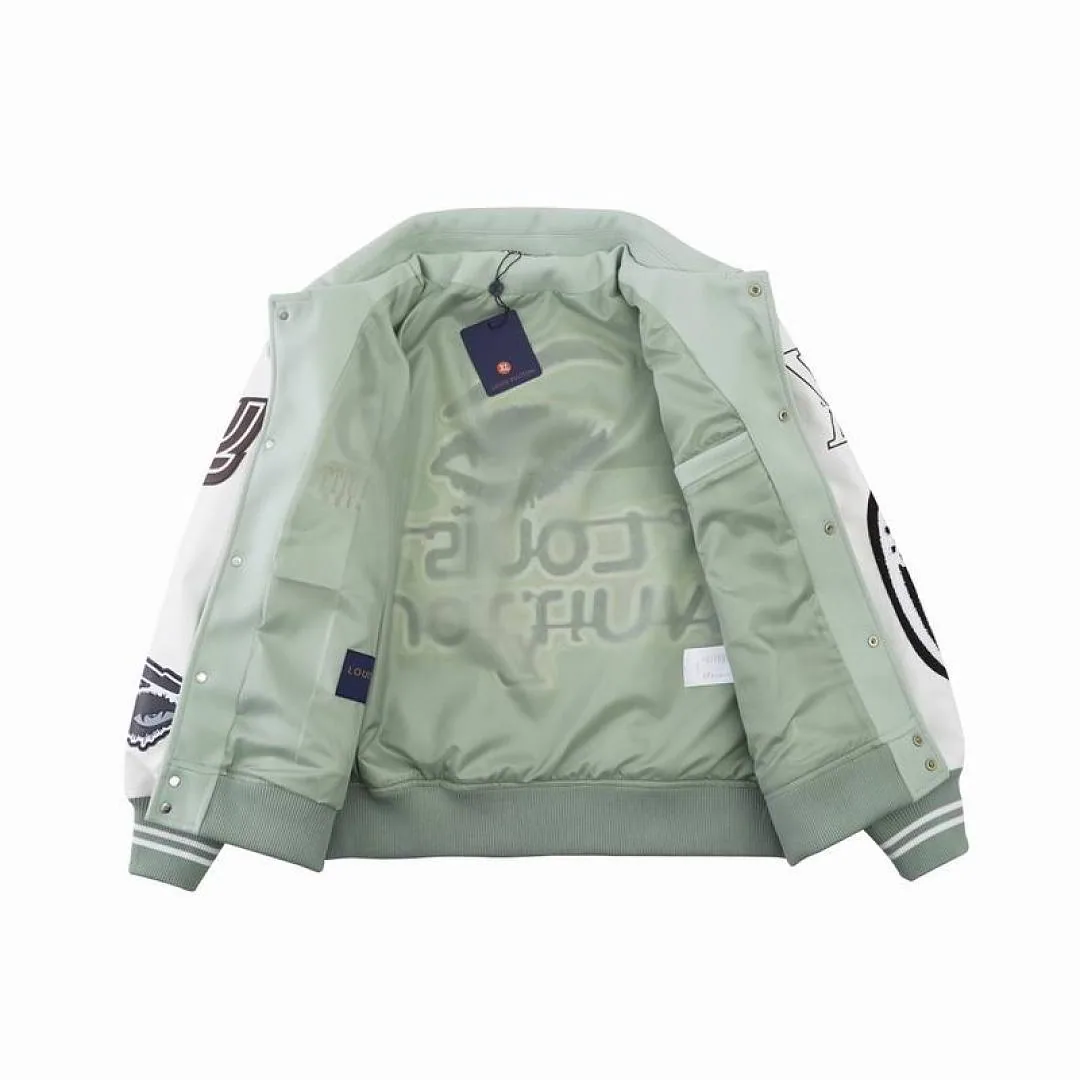
Fiber composition matters, but it does not describe a garment on its own. Fabric weight, weave or knit structure, lining, surface finish, stretch, and reinforcement all affect warmth, drape, durability, and care. A lightweight woven shirt can feel crisp or fluid depending on yarn and finish, while two cotton sweatshirts can differ substantially in density and interior texture. Use the material field only when the composition is confirmed by source information or a visible label. Construction notes should distinguish observable features such as ribbed edges, panel seams, pockets, closures, lining, and embroidery from assumptions about manufacturing. The material guide provides a framework for interpreting verified composition without treating one fiber as automatically superior in every use case.
Build color combinations deliberately
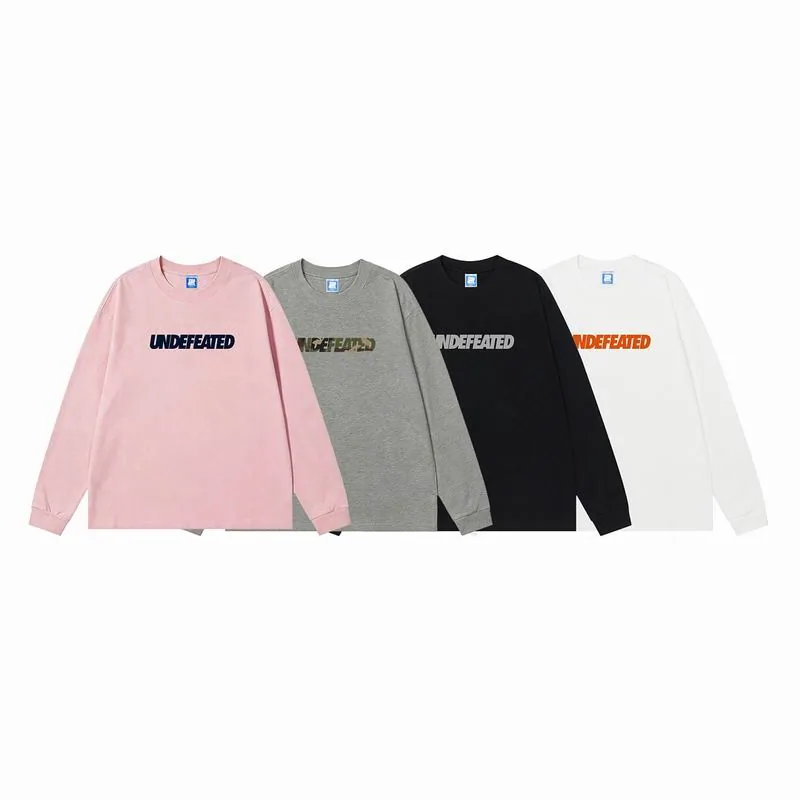
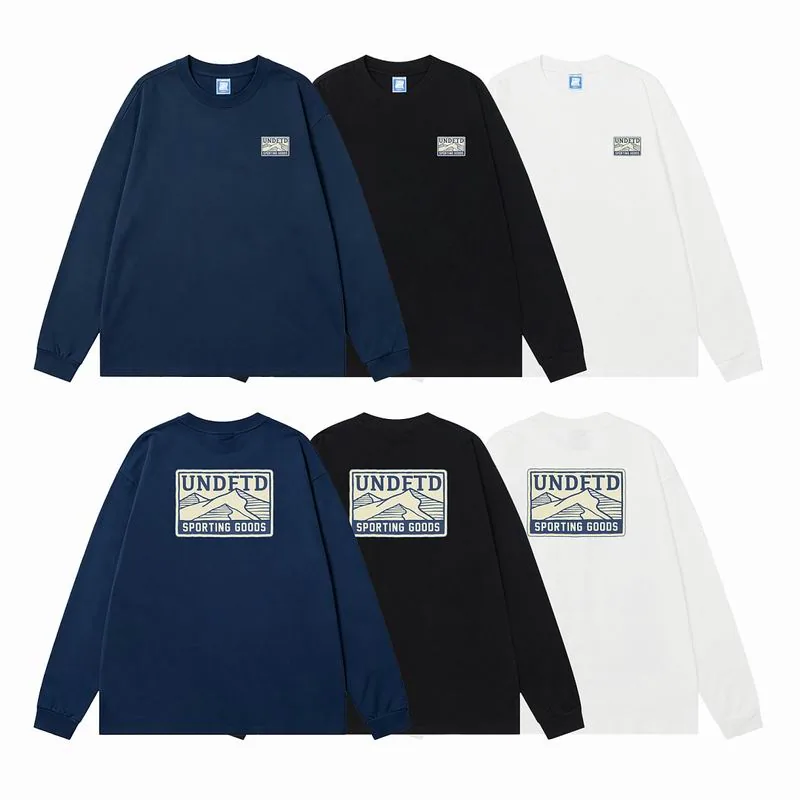
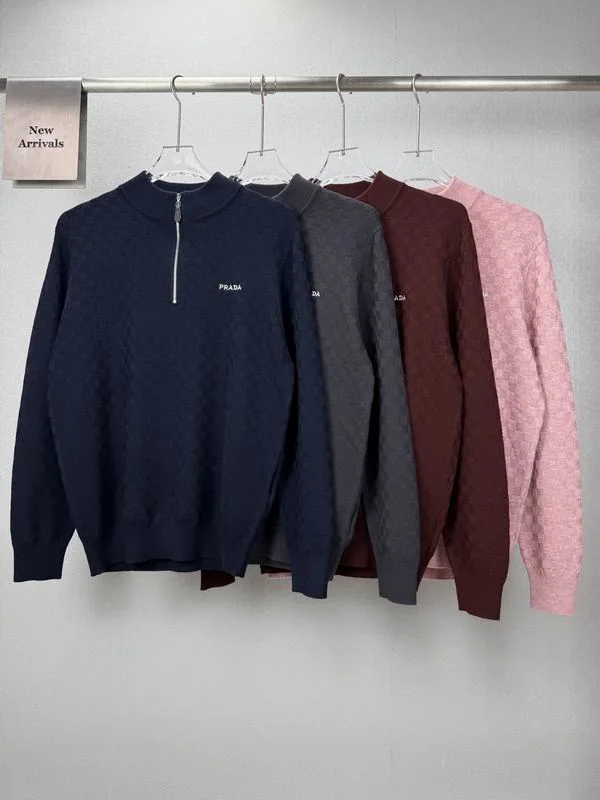
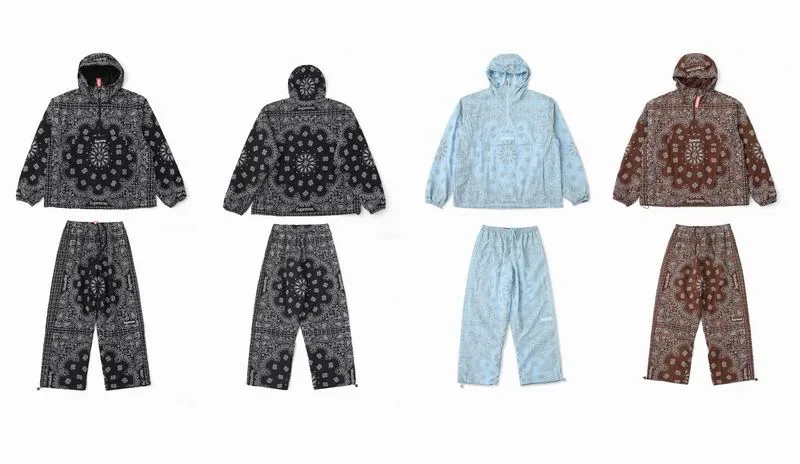
Color is easier to use when it is evaluated as part of a wardrobe rather than as an isolated product photograph. Begin with the neutrals already worn most often, such as black, navy, charcoal, cream, brown, or olive, and decide whether a new item should blend with that base or create contrast. Account for texture and sheen: a matte fabric and a glossy surface can appear different even when their color names are similar. Screen settings and studio lighting may also shift the apparent tone, so product copy should describe only what is reasonably visible and should not promise an exact shade match. Related style guidance shows how repeated color families can connect tops, trousers, footwear, and accessories without requiring identical tones.
Use care requirements as a buying filter
A garment is only practical when its care needs fit the way it will be worn. Before choosing a piece, review the confirmed composition, trims, print or embroidery, and any care label visible in the product material. Structured tailoring, coated surfaces, leather details, delicate knits, and color-sensitive fabrics may need professional cleaning or a more cautious routine than an everyday washable layer. Avoid assuming that a fiber name alone determines the correct method, because linings, interlinings, dyes, and decorative elements can impose stricter limits. The care guide explains airing, spot treatment, washing, drying, and storage principles. Product-specific instructions take priority whenever they are available, and missing care information should remain clearly identified rather than being invented.