01 / Wardrobe planning
Style Guide
How to build minimal capsule wardrobes and coordinate color families across styles.
- 06
- Chapters
- 04
- Minutes
- 20
- Related products
Start with the setting
Choose clothing around where it will be worn, the expected weather, the amount of movement required, and the appropriate level of formality. A wardrobe becomes more useful when each piece has a clear role rather than being selected only because it looks striking in one photograph. List the situations that make up a normal month, then identify repeated needs such as a light layer, a structured outer piece, a relaxed trouser, a clean shoe, or an easy bag. This creates a practical editing framework. Product pages can then be compared by silhouette, material, size, and care instead of by brand recognition alone, making it easier to see whether an item genuinely closes a wardrobe gap.
Build a color framework
Use two or three dependable neutrals as the base, then add one or two accent families that work with most of them. Black, navy, charcoal, cream, brown, and olive can all function as neutrals, but the best combination depends on what is already worn frequently. Repetition creates coherence: an accent may appear in a knit, return in a shoe detail, and be echoed by an accessory without matching exactly. Consider temperature and surface as well as the color name. Warm cream and cool white behave differently, while matte wool and polished leather reflect light differently. Product images are useful references, but screen calibration and studio lighting mean they should not be treated as exact color standards.
Balance proportion
Proportion describes how lengths and volumes relate across the whole outfit. A relaxed trouser often works with a cleaner upper silhouette, while oversized outerwear benefits from a defined layer underneath. Cropped jackets lengthen the visible lower body; long coats create a continuous vertical line; wide shoes can balance broader hems; and compact accessories can keep several loose layers from feeling visually heavy. These are starting points rather than rules. Use garment measurements and worn views to understand where shoulders, hems, waists, and breaks are likely to sit. Change one major volume at a time when testing combinations. This makes it easier to identify whether the issue is garment fit, styling, or simply an unfamiliar silhouette.
Coordinate texture and material
A restrained color palette still feels varied when surfaces differ. Smooth leather, brushed wool, dense jersey, crisp poplin, dry canvas, soft knitwear, and reflective hardware each respond to light in a distinct way. Combine one or two noticeable textures with quieter supporting materials so the outfit has depth without becoming busy. Material also affects movement: a rigid fabric holds shape, a fluid weave follows the body, and a bulky knit adds volume even in a dark color. Review verified composition together with weight, structure, lining, and finish where those details are available. When material is not confirmed, rely on neutral visual description instead of turning an image-based impression into a factual claim.
Build outfits in layers
Start with the layer that has the least flexibility, often outerwear, footwear, or a required formal piece, and build around it. Add a base layer that sits comfortably under the chosen structure, then adjust the lower silhouette and finishing accessories. Check practical details such as collar overlap, sleeve length, hem width, pocket access, and whether a bag strap works over the final outer layer. In changing weather, favor layers that can be removed without leaving the outfit incomplete. A capsule does not need every item to work with every other item; it needs enough reliable combinations for real routines. Related category and product links help test those combinations without interrupting the comparison flow with an external gallery.
Review before adding another piece
Before selecting something new, create several complete outfits with what is already available and note the specific limitation. The missing element may be a length, weight, color bridge, weather layer, or practical feature rather than another statement item. Compare the candidate against at least two existing pieces and one expected use case. Check its care requirements and storage needs as well as appearance, because a difficult routine can reduce real wear. Avoid treating popularity, a logo, or a styled image as evidence of versatility. A considered wardrobe grows slowly through documented decisions. Save the full supplier gallery for a final visual review after the local product page has provided verified specifications, context, and links to the relevant category and guides.
Continue exploring
Put the guide into context.
Products related to this guide
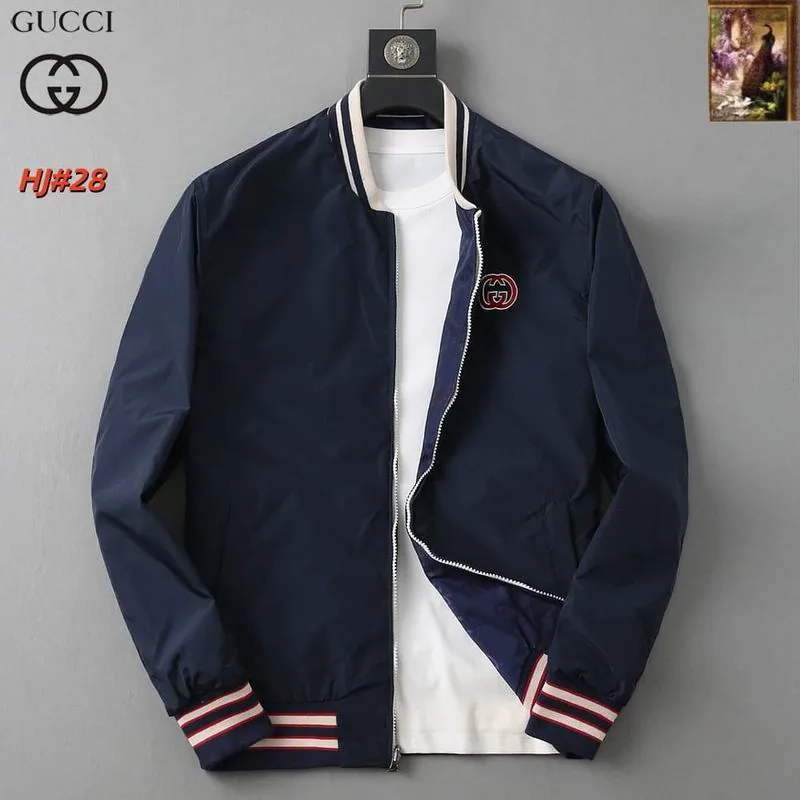
Gucci 12yr219 Navy Bomber Jacket
SKU 12yr219View product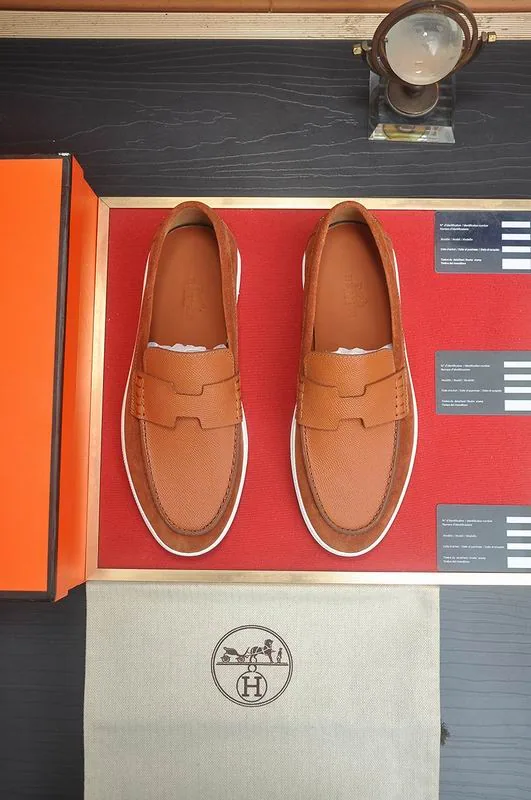
Hermes hnh0503 Tan Loafers
SKU hnh0503View product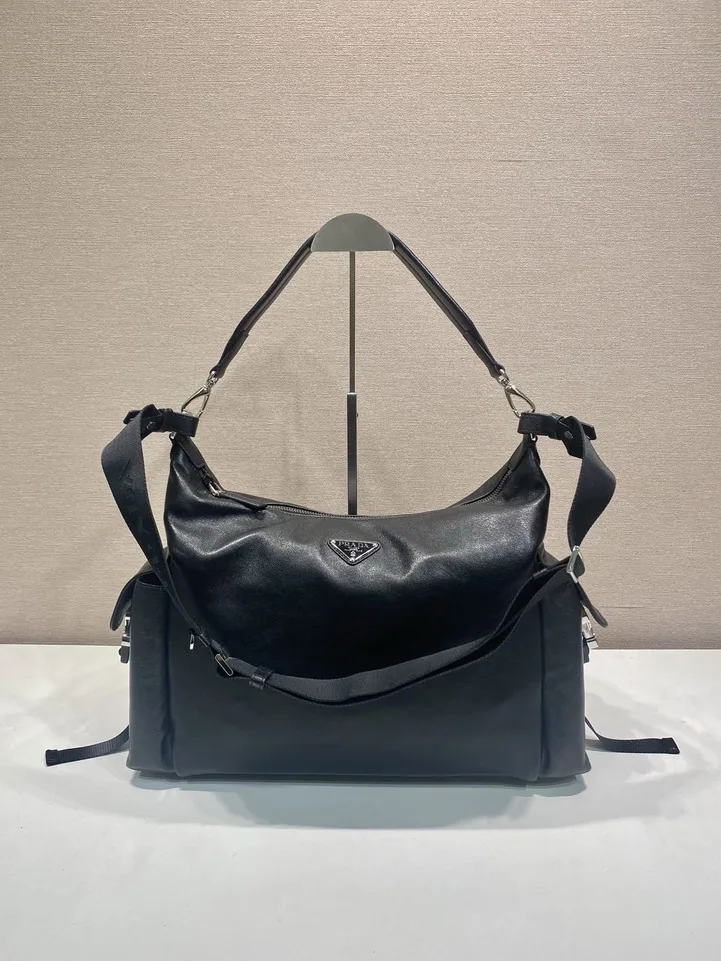
Prada 2VH204 Black Shoulder Bag
SKU 2VH204View product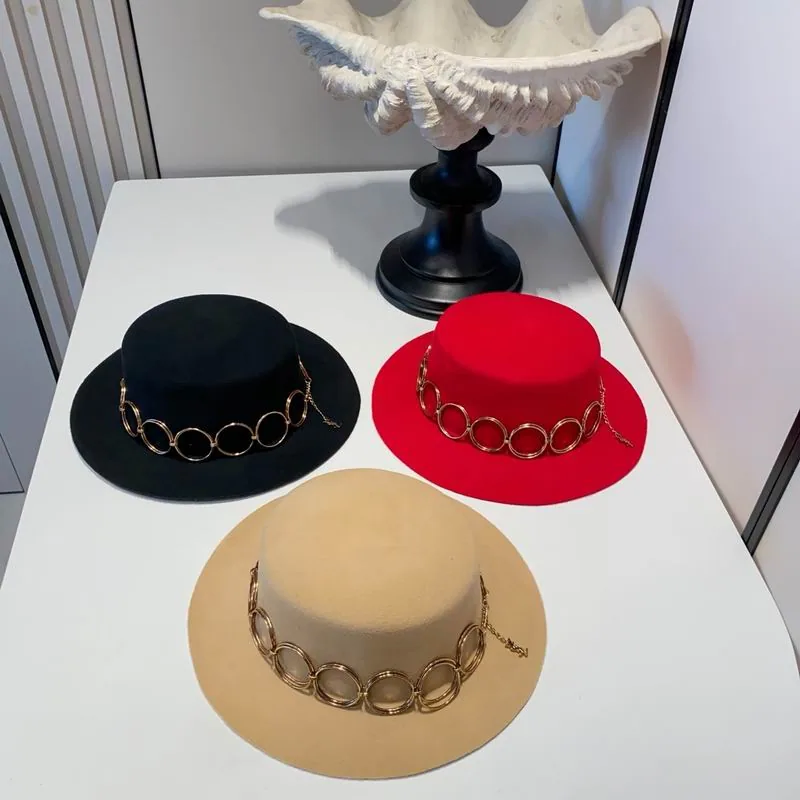
YSL Chain-Detail Wide-Brim Hat
SKU SRC4222856View product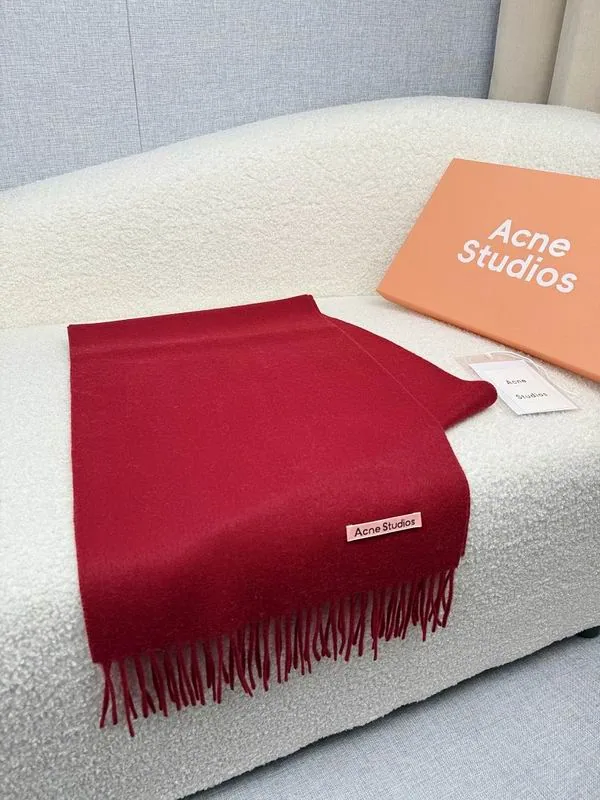
Acne SRC4178203 Scarf
SKU SRC4178203View product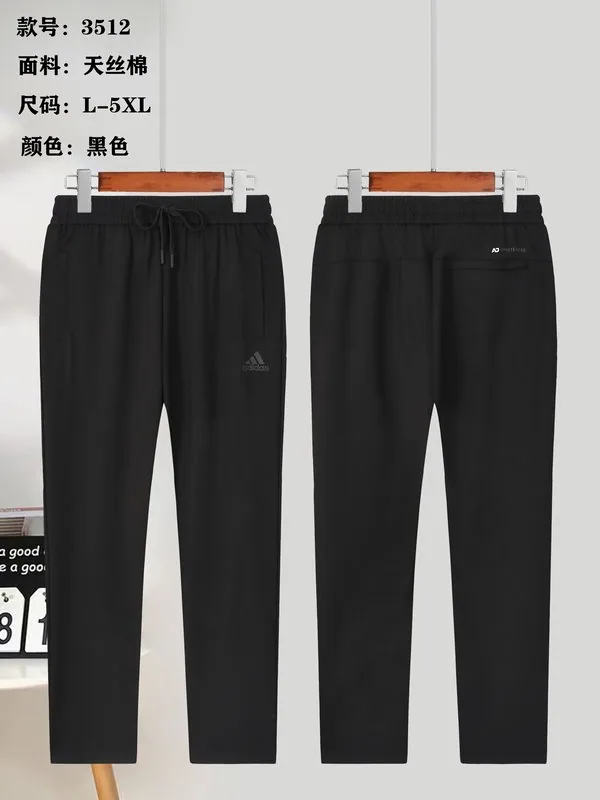
Adidas yfx3512 Pants
SKU yfx3512View product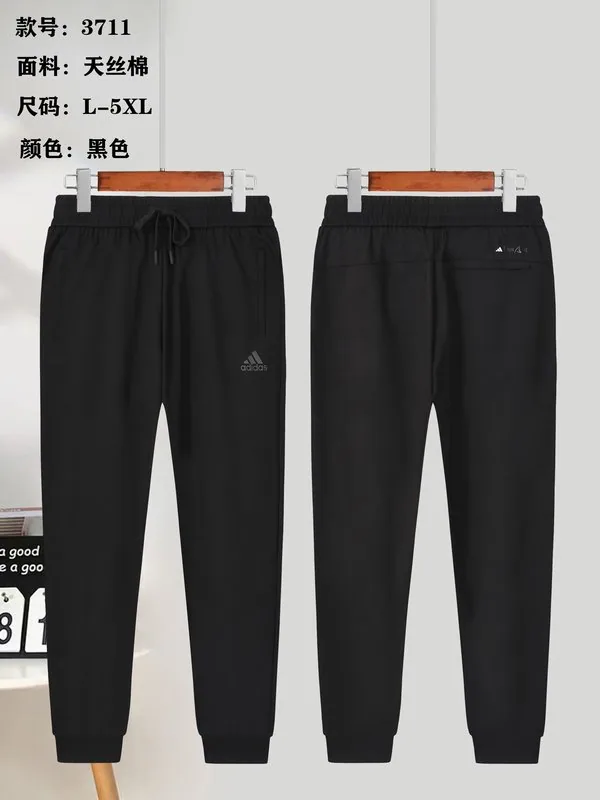
Adidas yfx3711 Pants
SKU yfx3711View product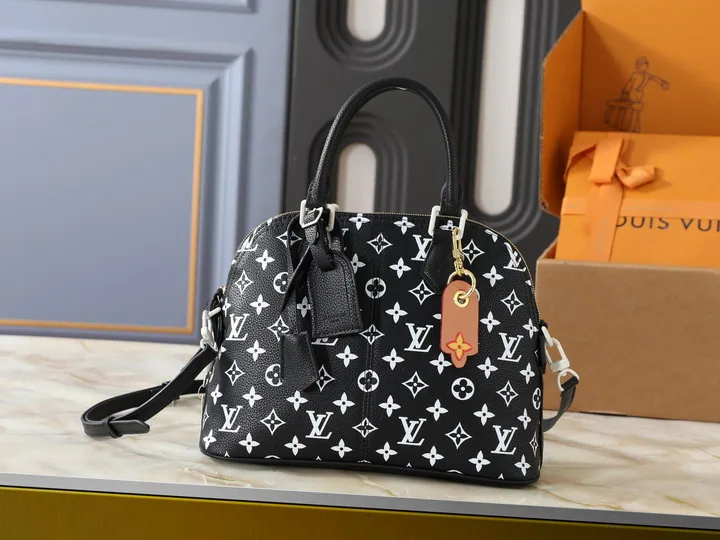
Alma M53151 Top-Handle Bag
SKU M53151View product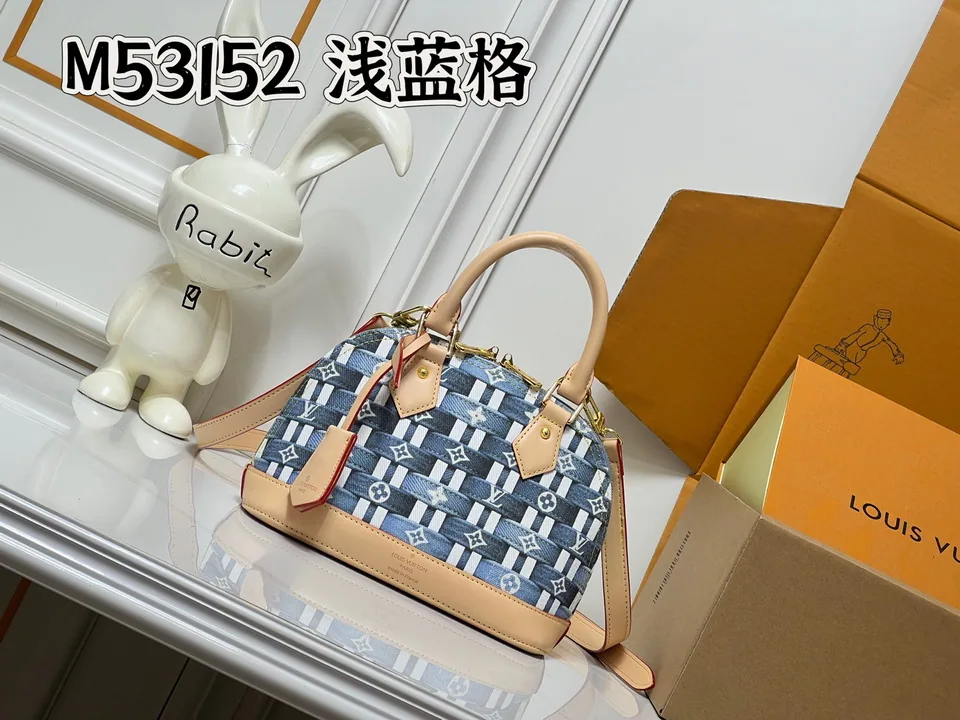
Alma M53152 Top-Handle Bag
SKU M53152View product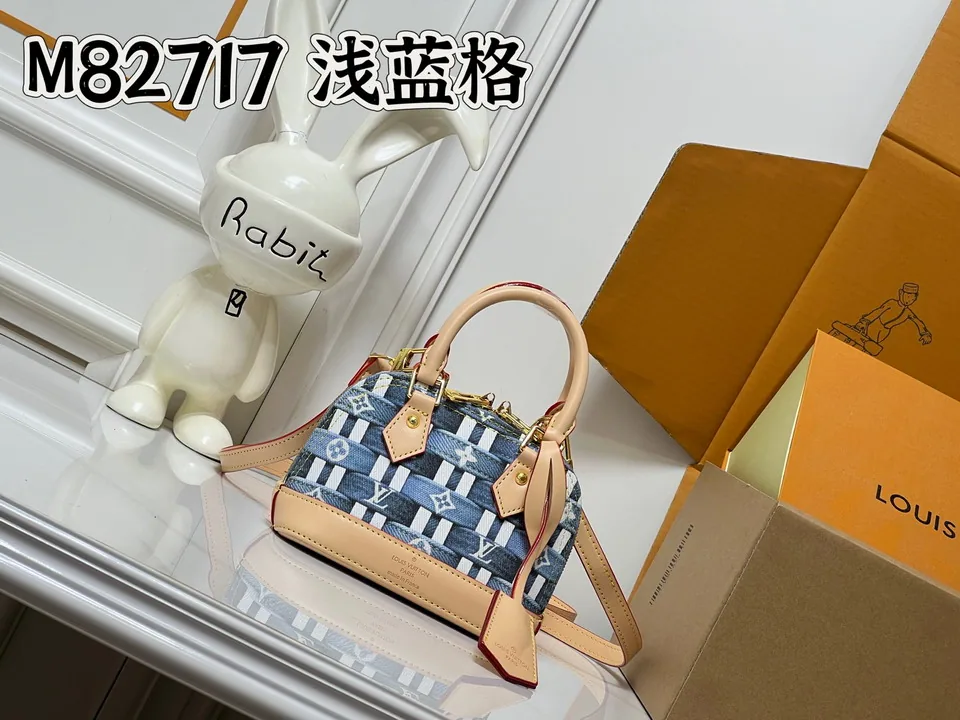
Alma M82717 Top-Handle Bag
SKU M82717View product
AP 12 Watch
SKU 12View product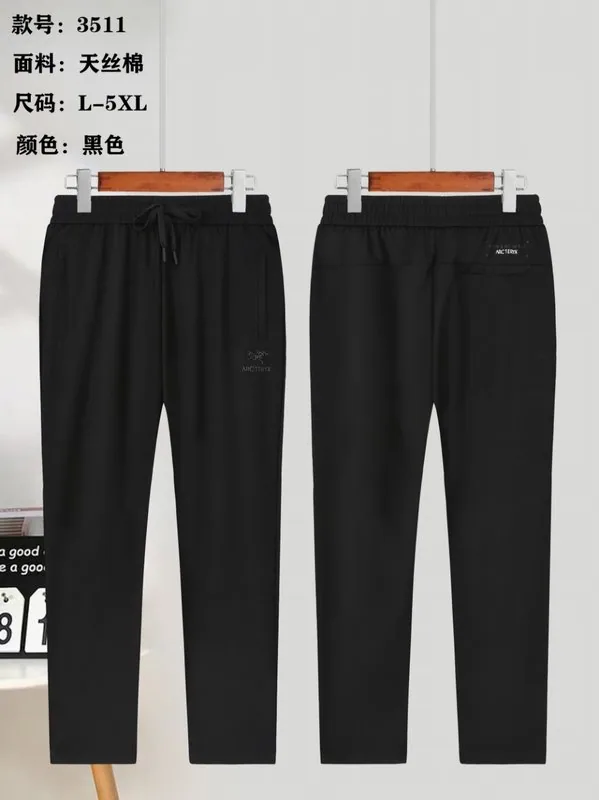
Arcteryx yfx3511 Pants
SKU yfx3511View product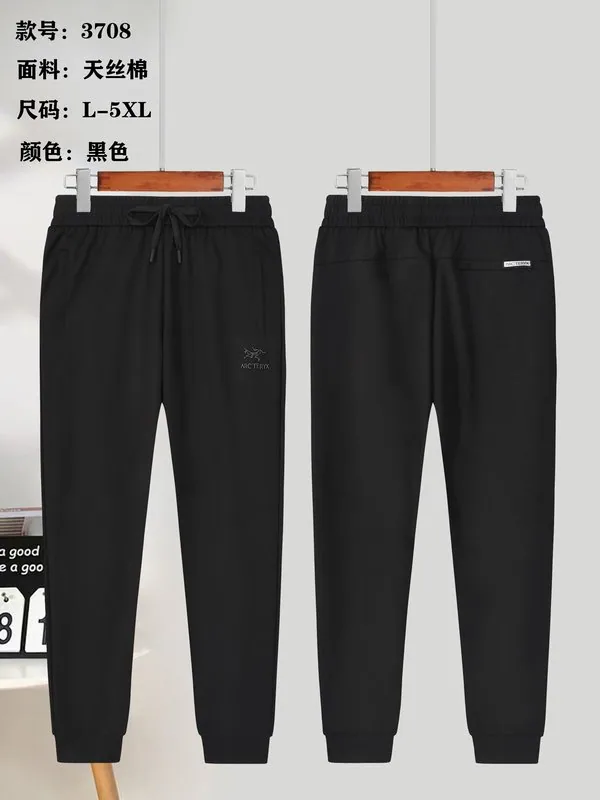
Arcteryx yfx3708 Pants
SKU yfx3708View product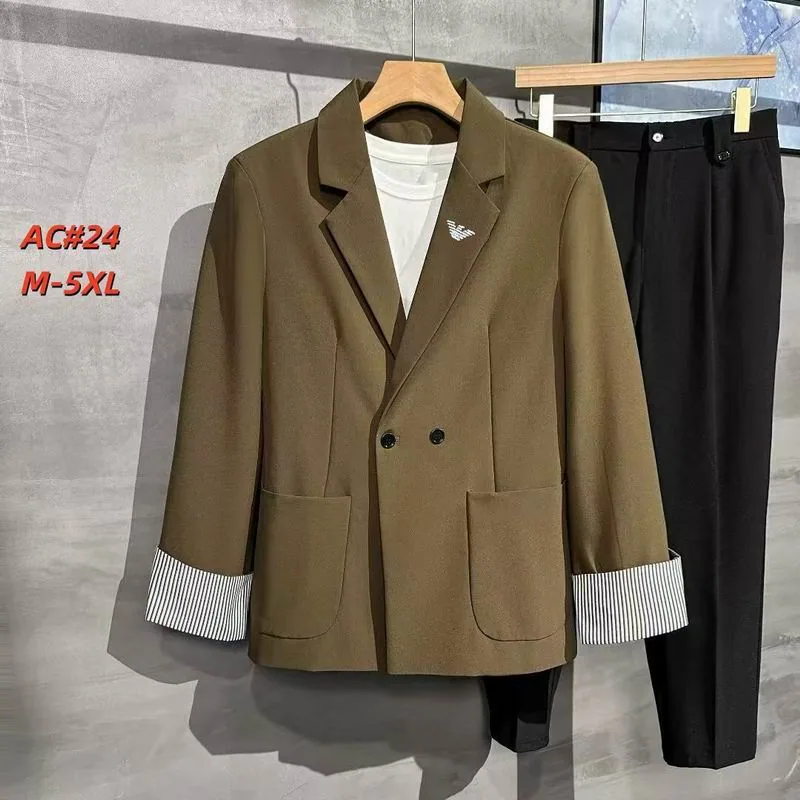
Armani 12yr60 Blazer
SKU 12yr60View product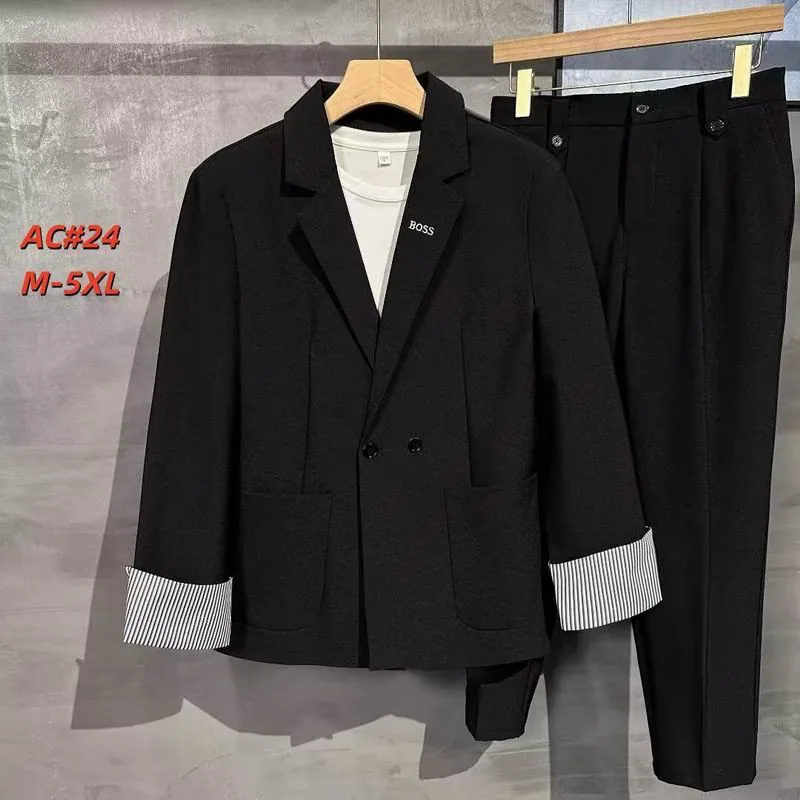
Boss 12yr03 Blazer
SKU 12yr03View product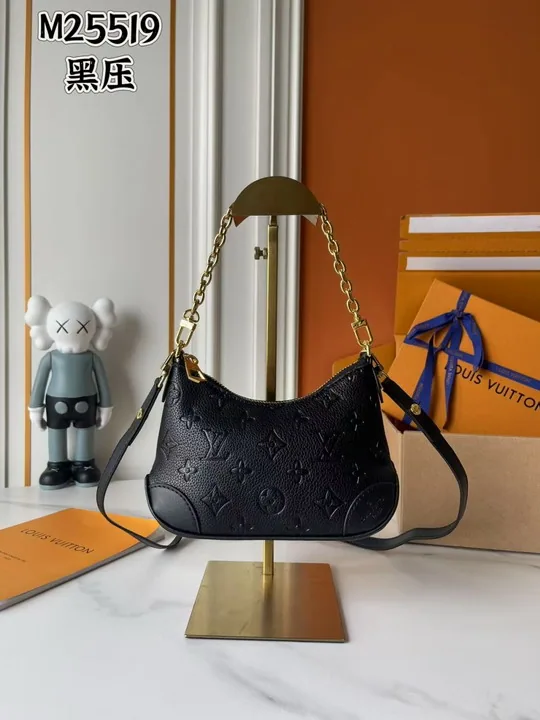
Boulogne M25519 Hobo Bag
SKU M25519View product
Breitling 54 Watch
SKU 54View product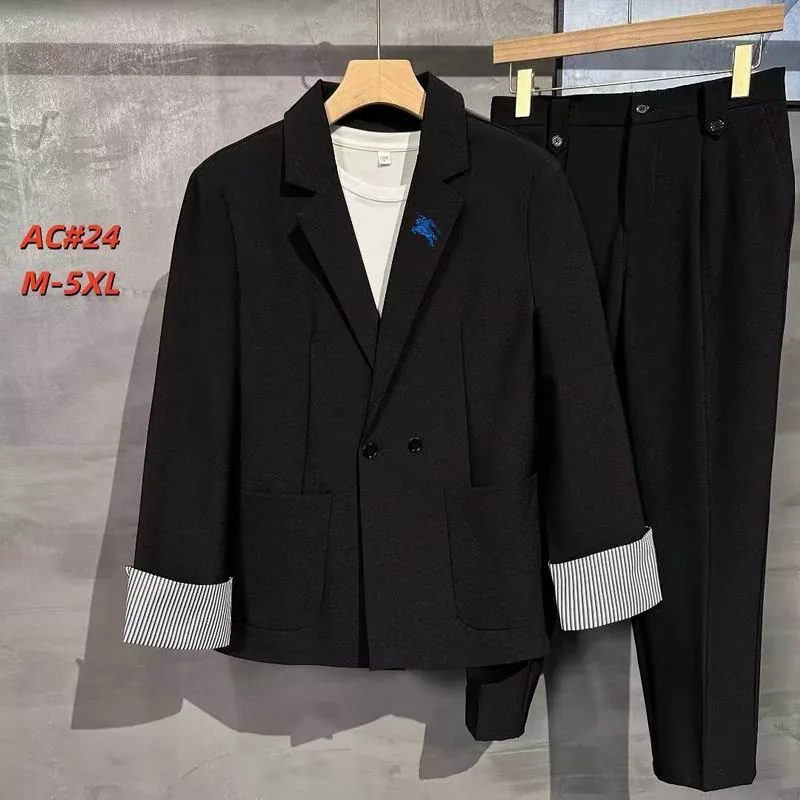
Burberry 12yr224 Blazer
SKU 12yr224View product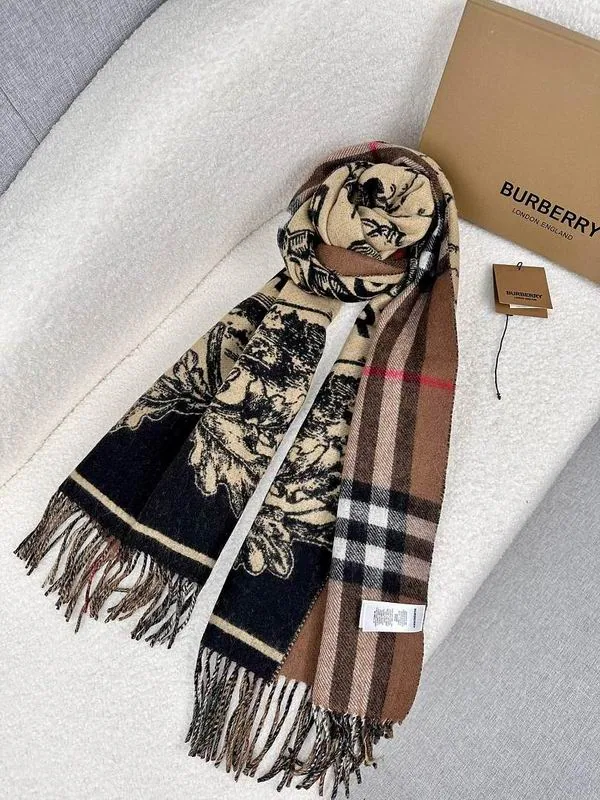
Burberry SRC4178168 Scarf
SKU SRC4178168View product