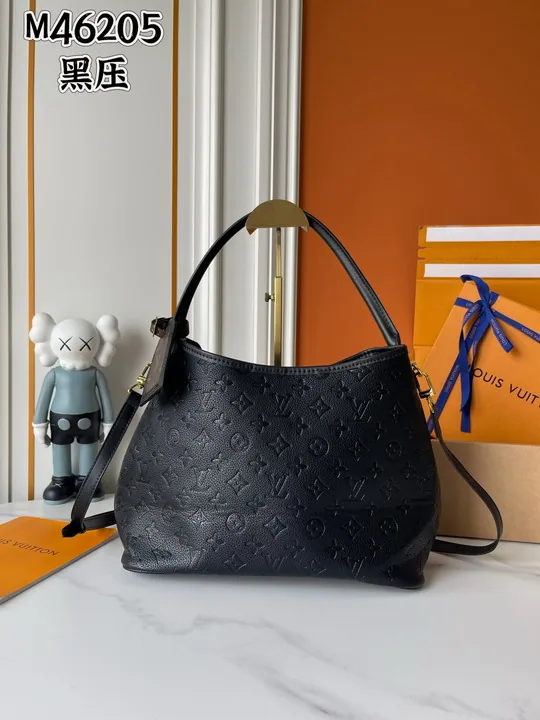
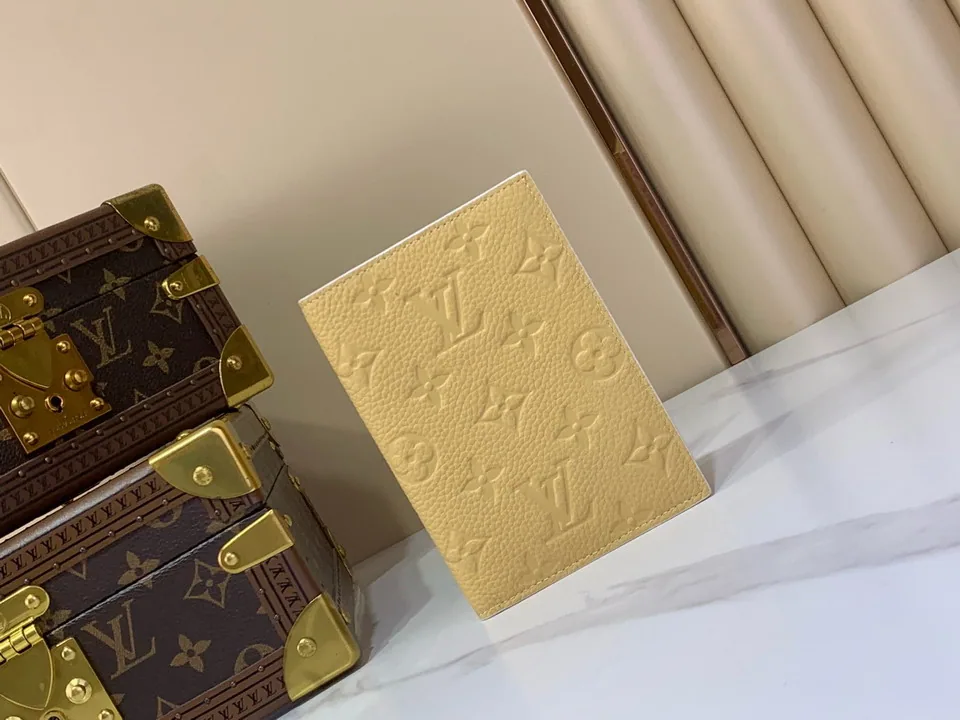
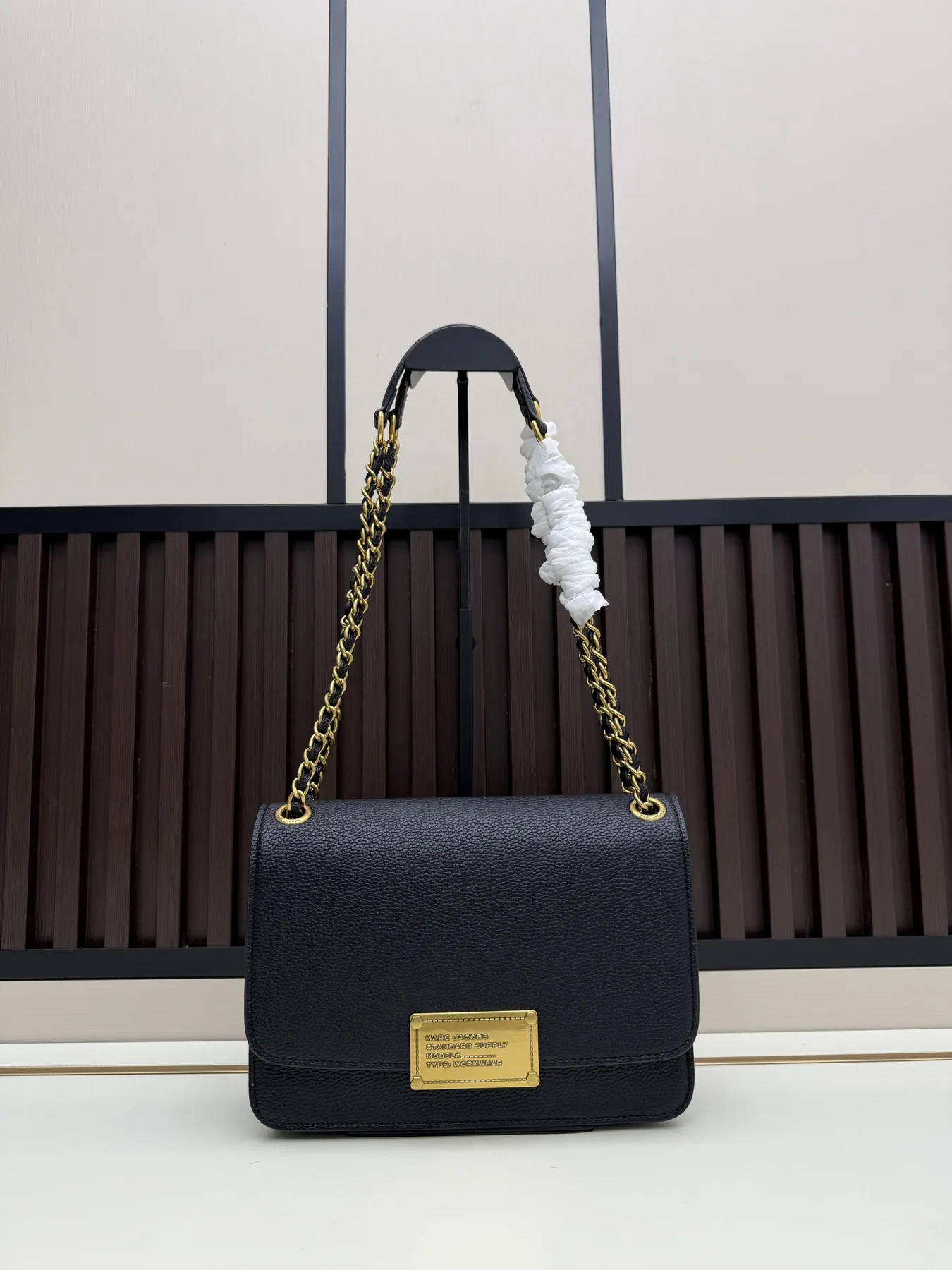
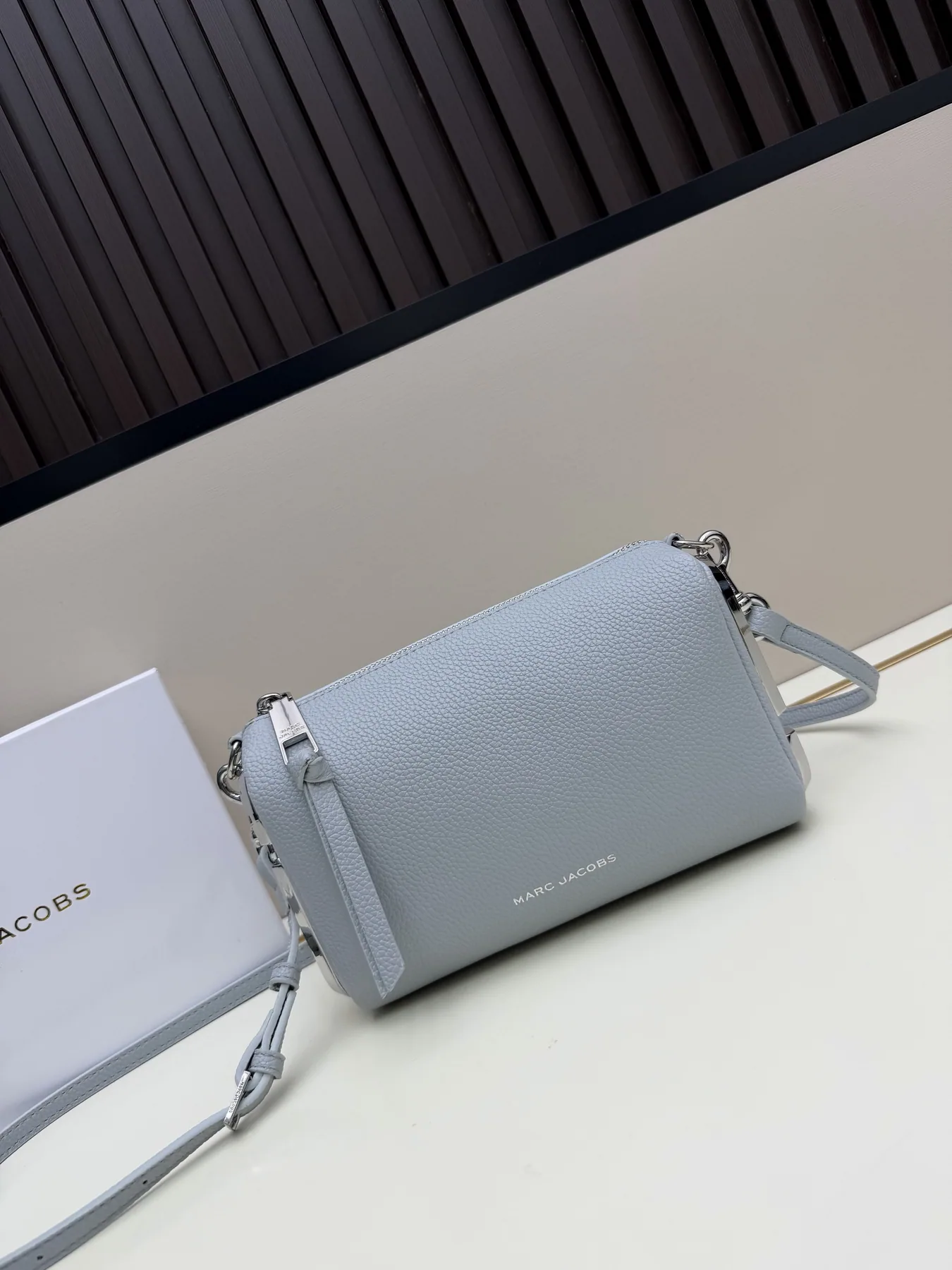
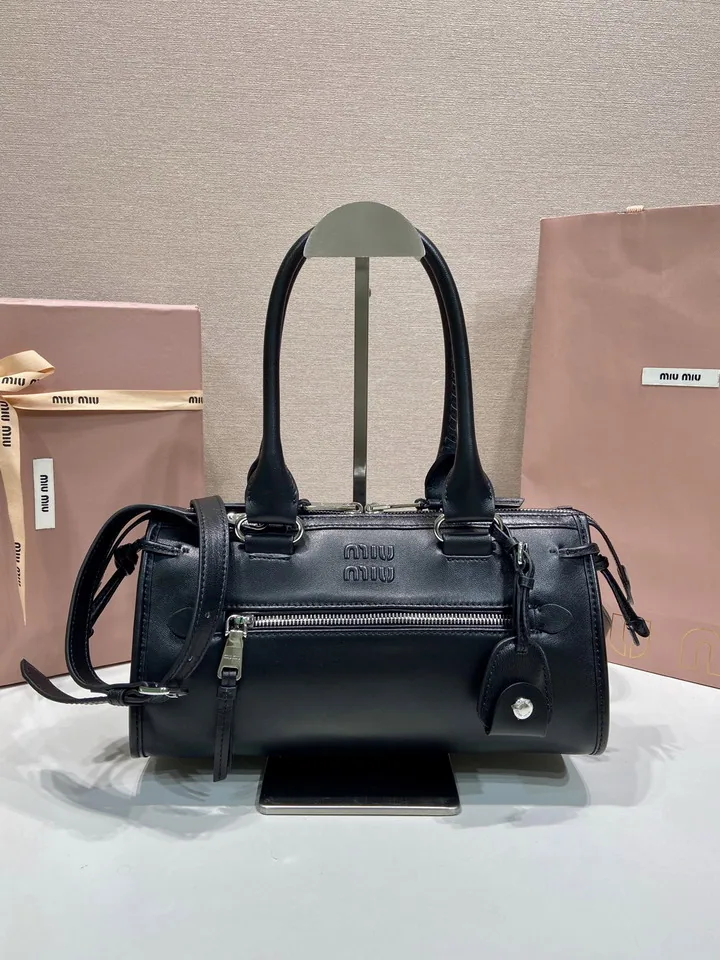
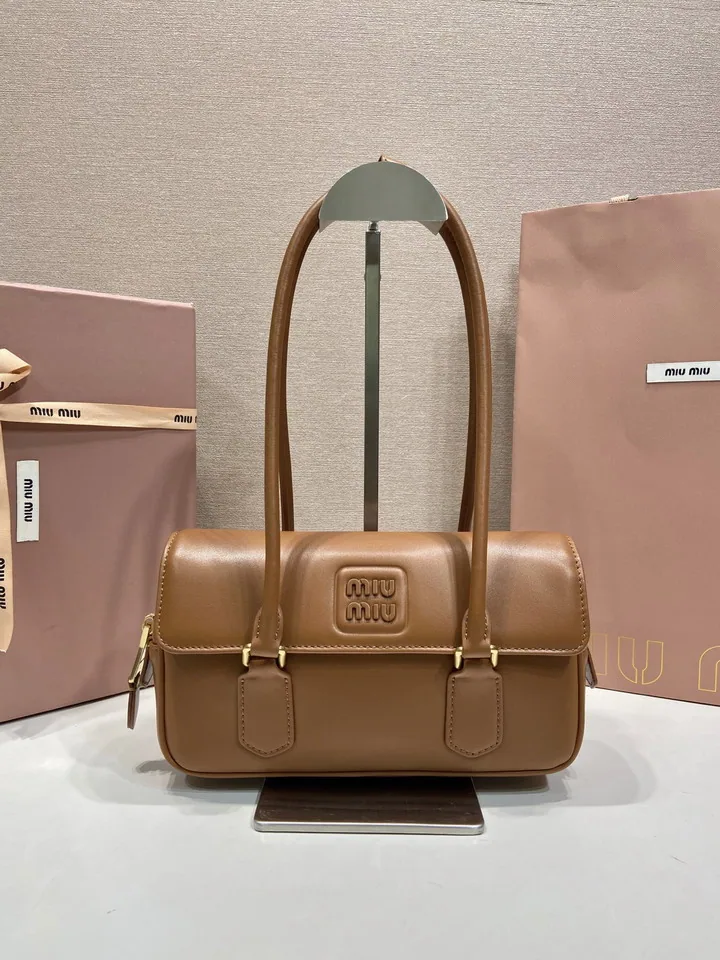
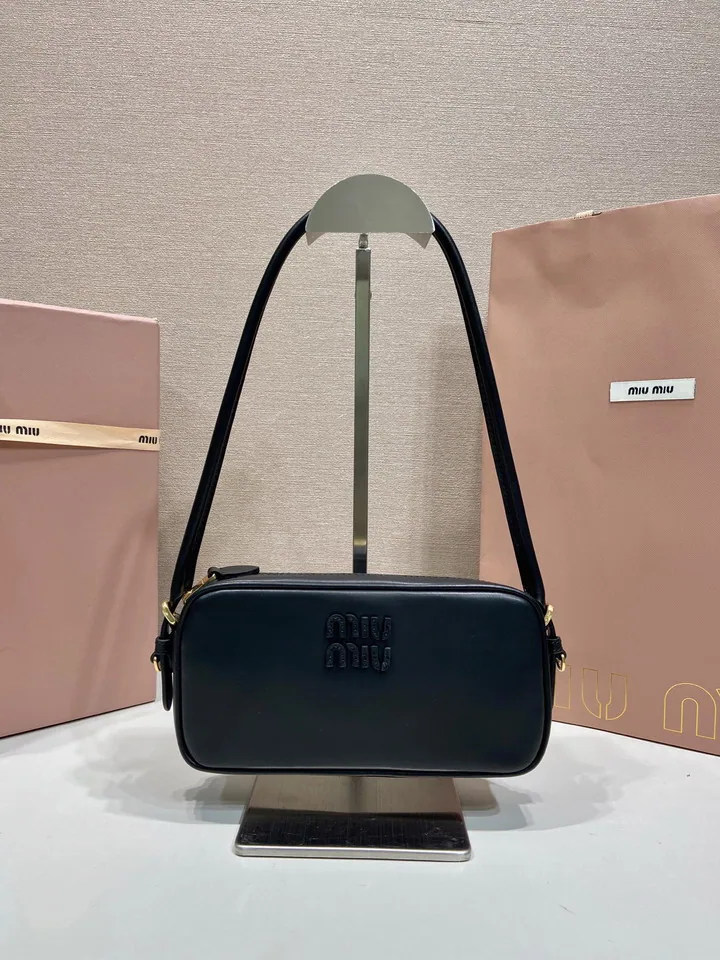
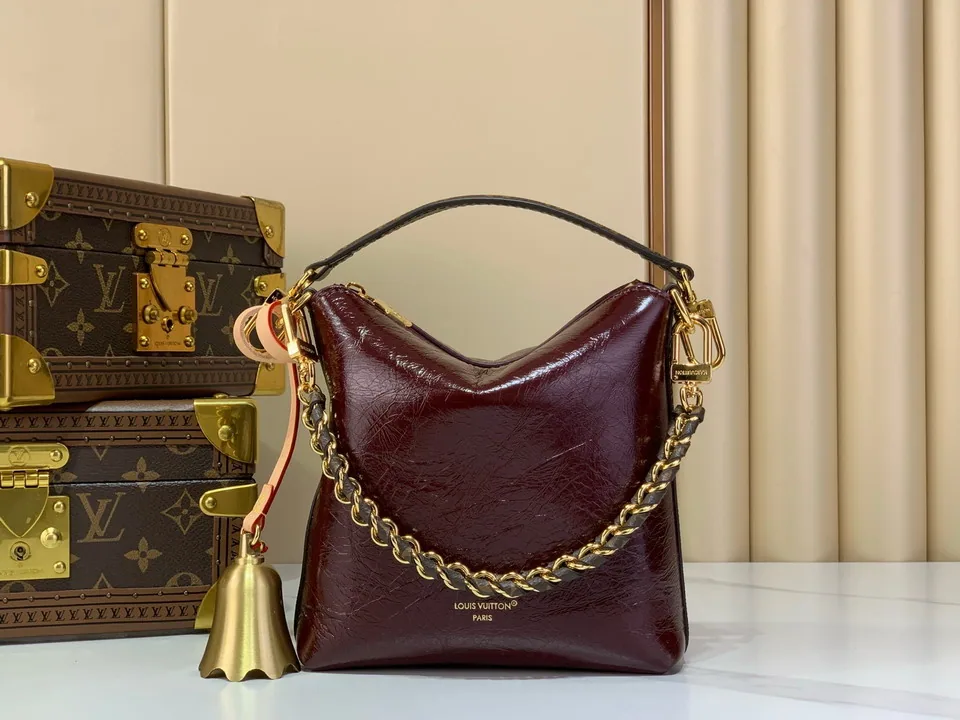
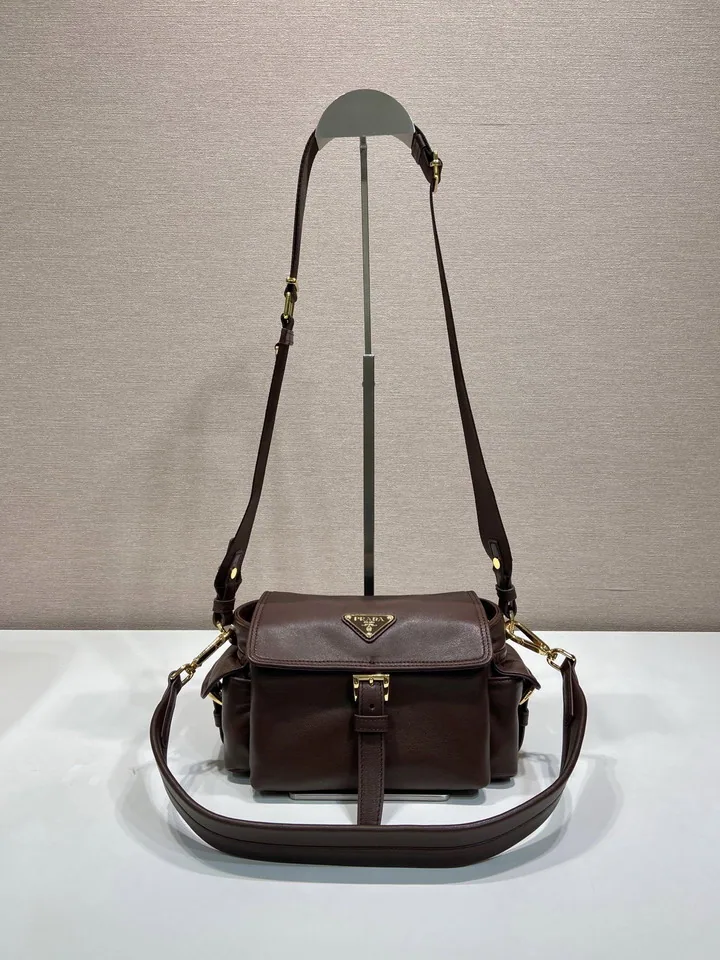
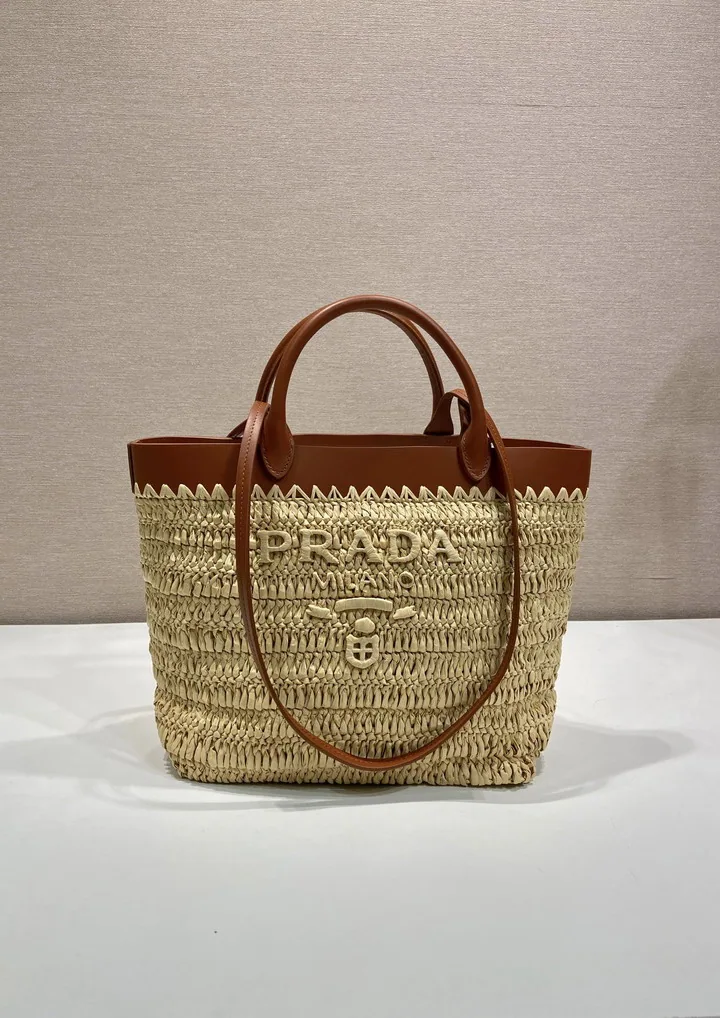
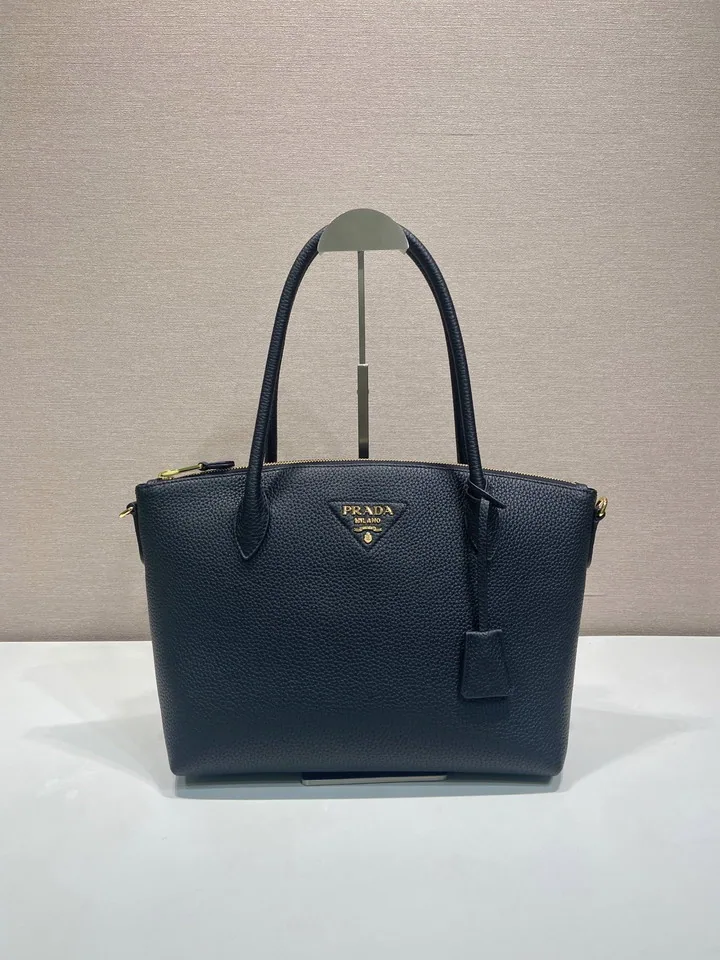
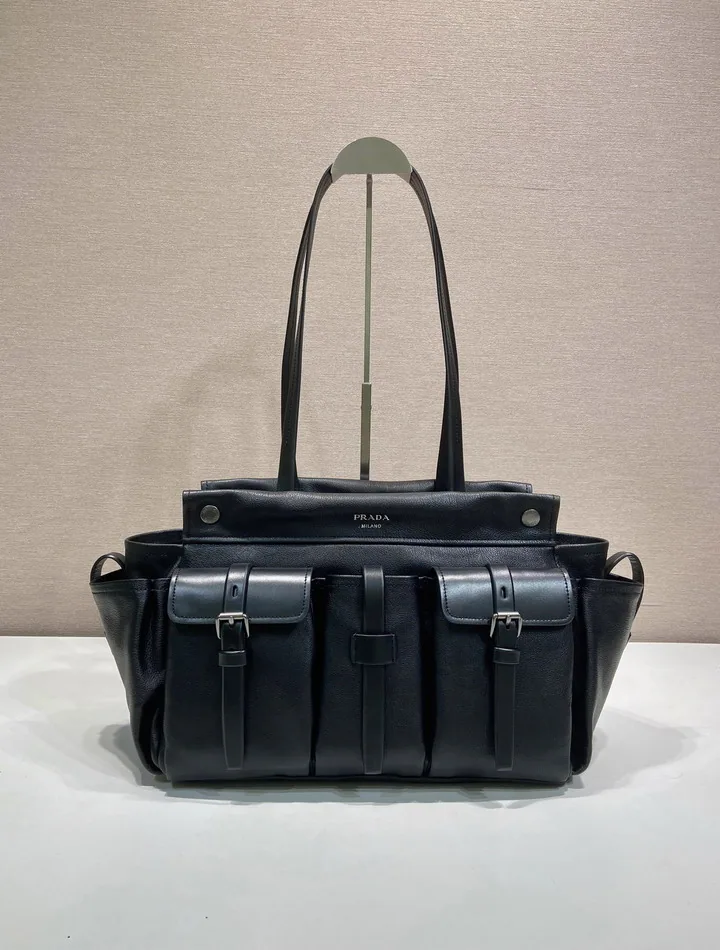
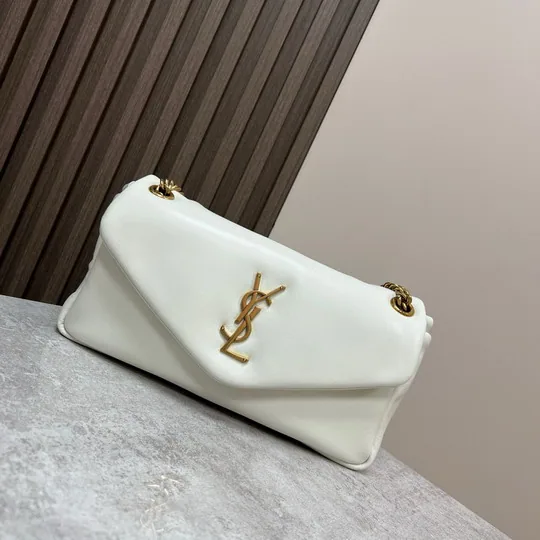
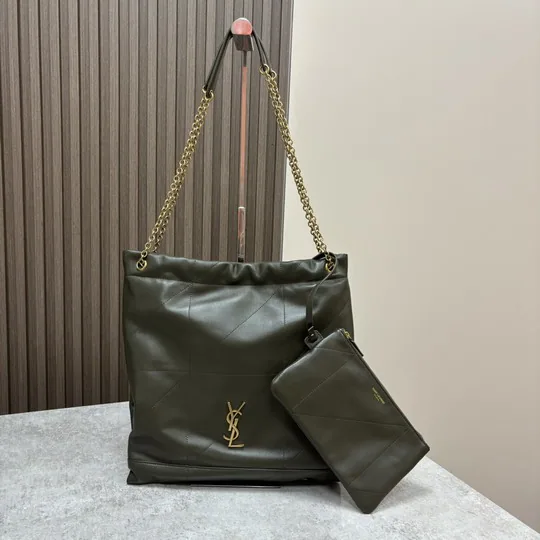
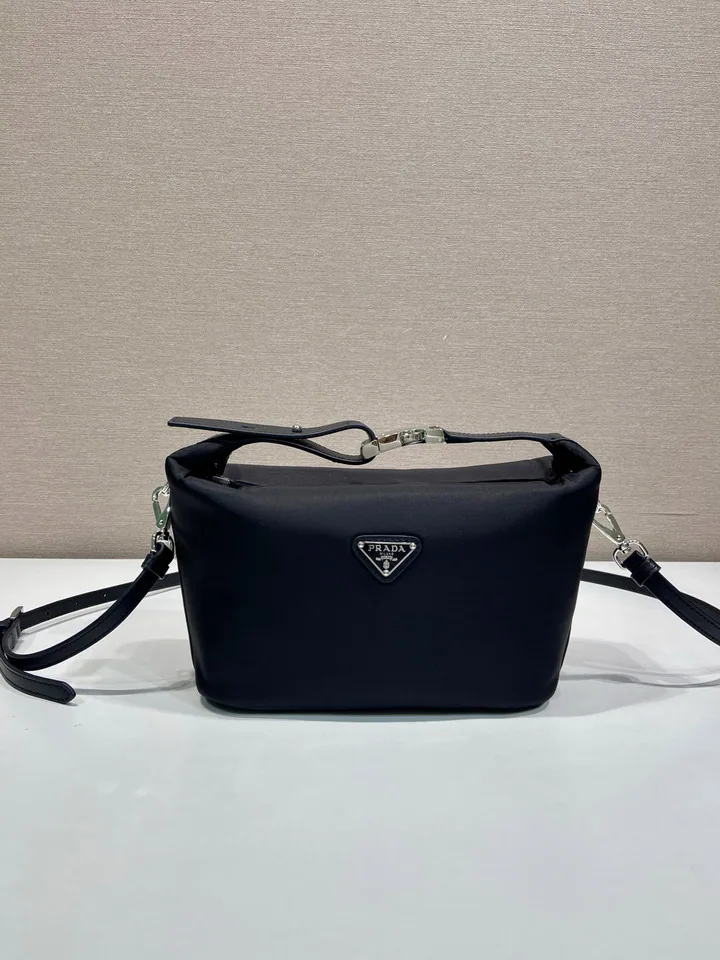
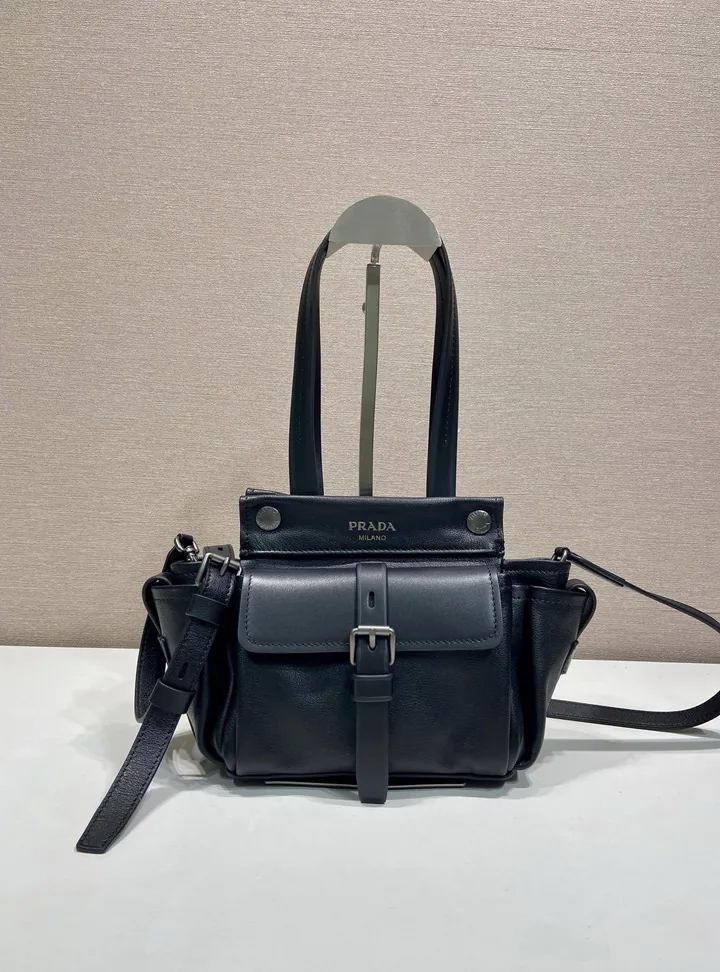
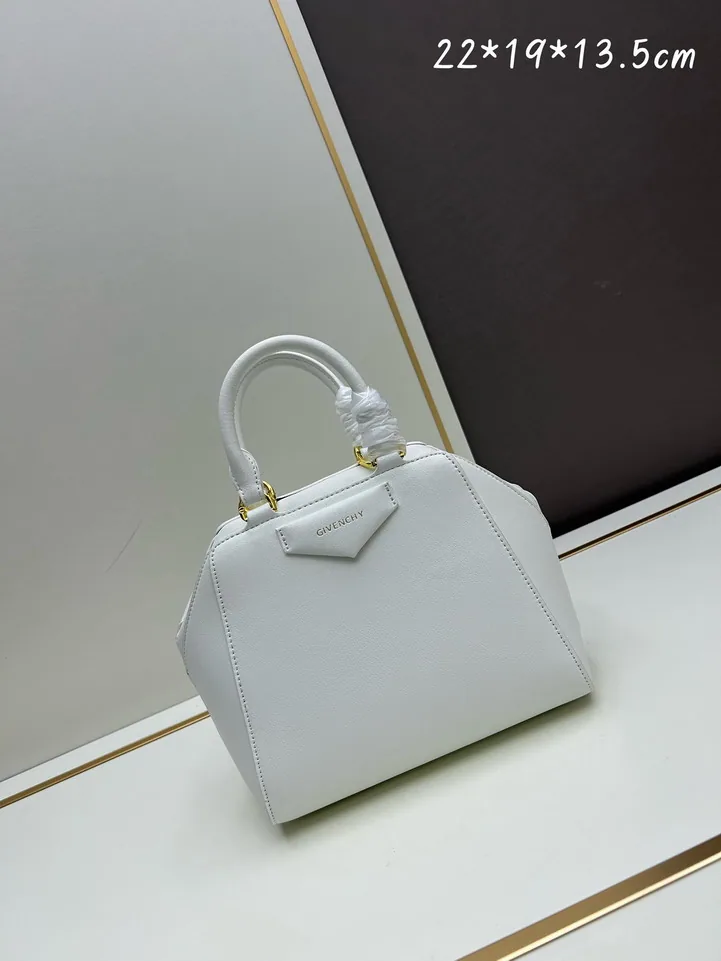
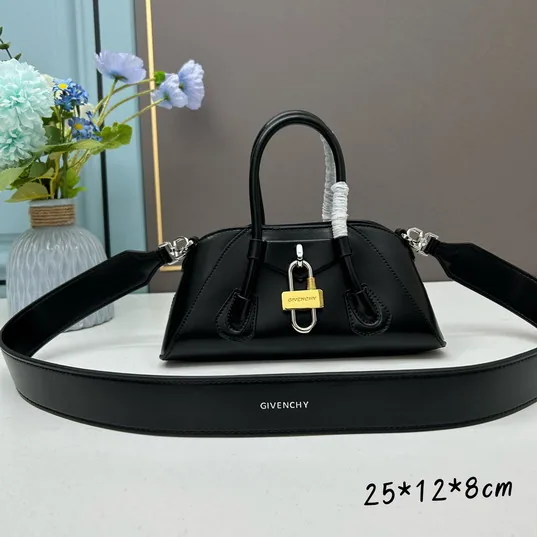
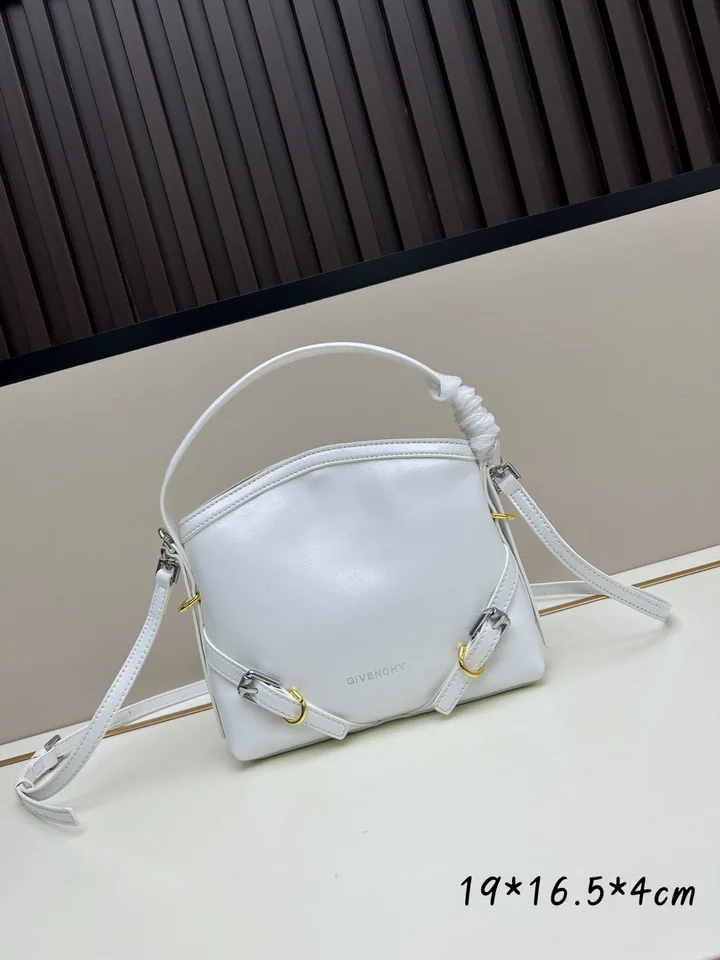
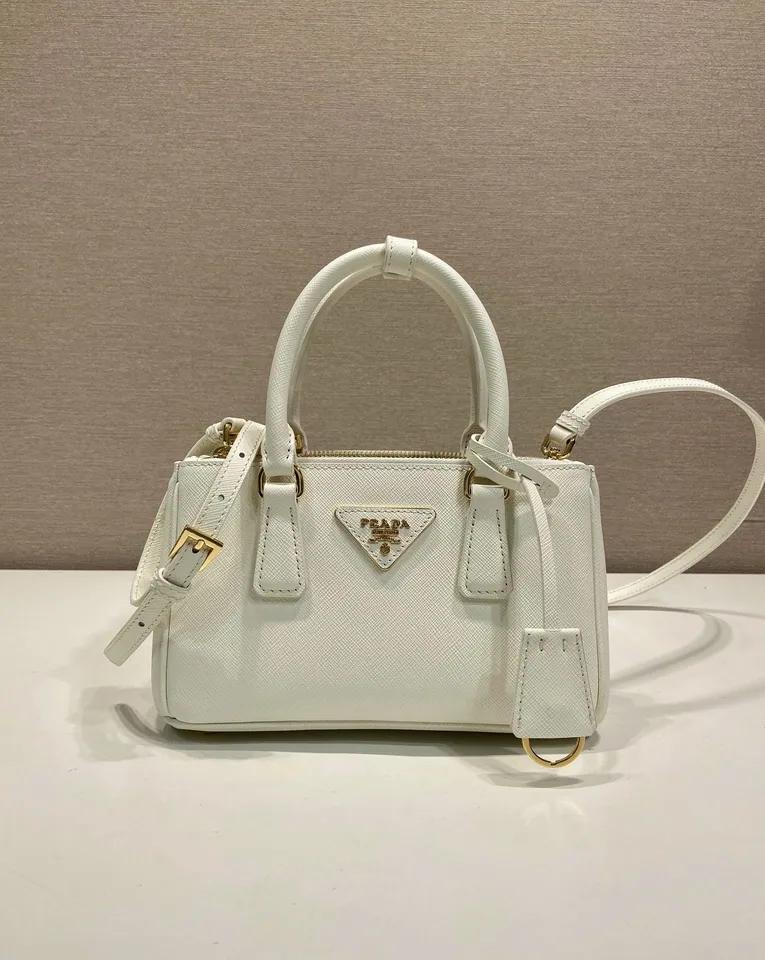
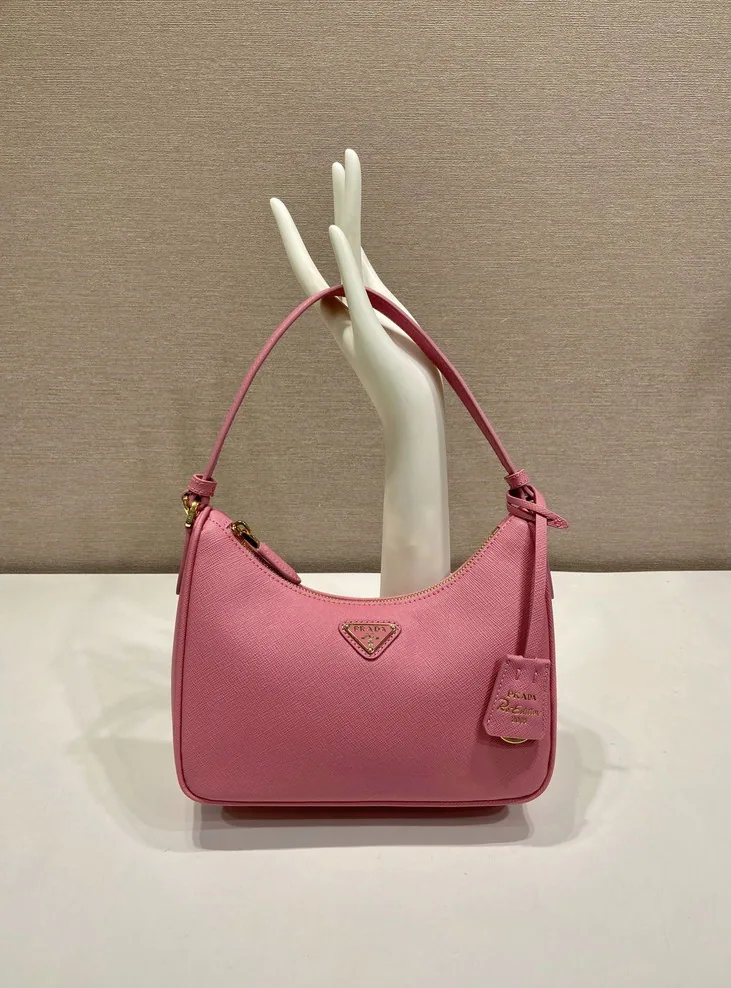
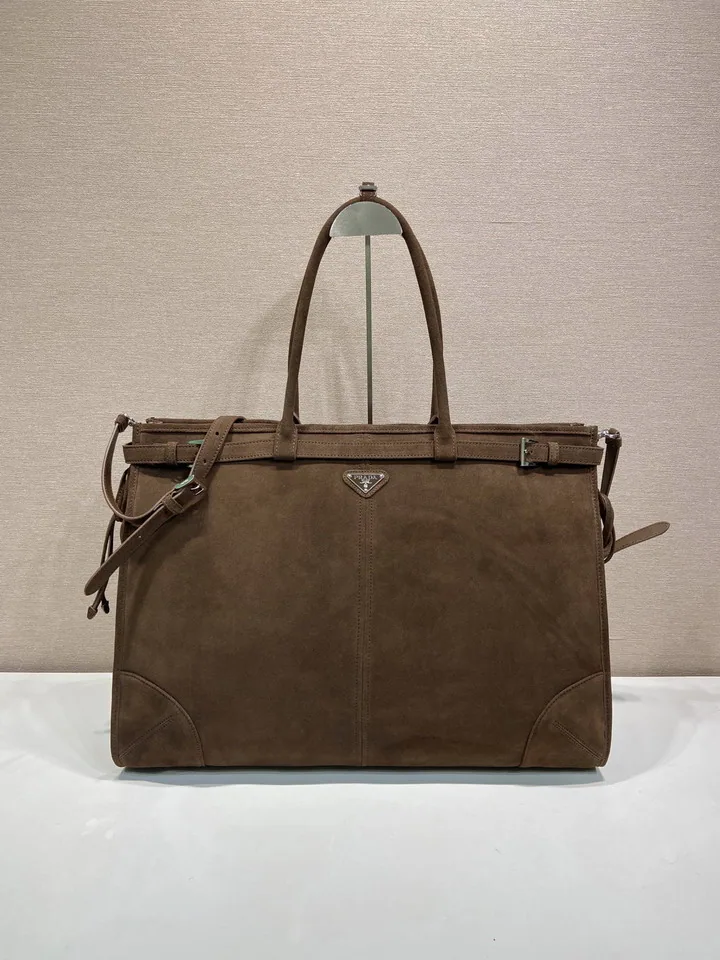
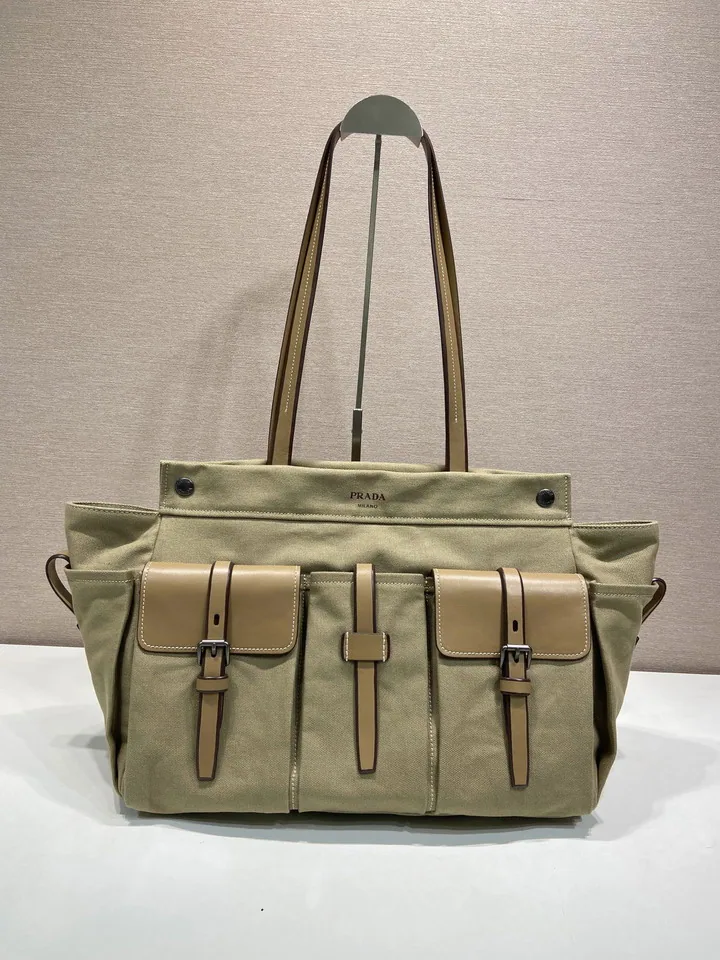
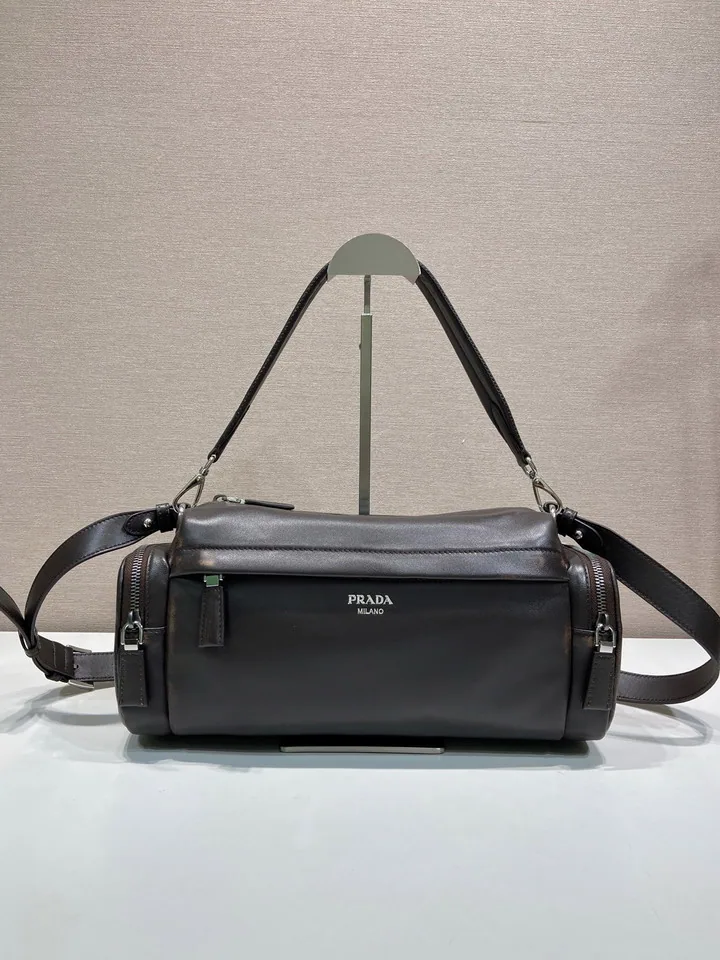
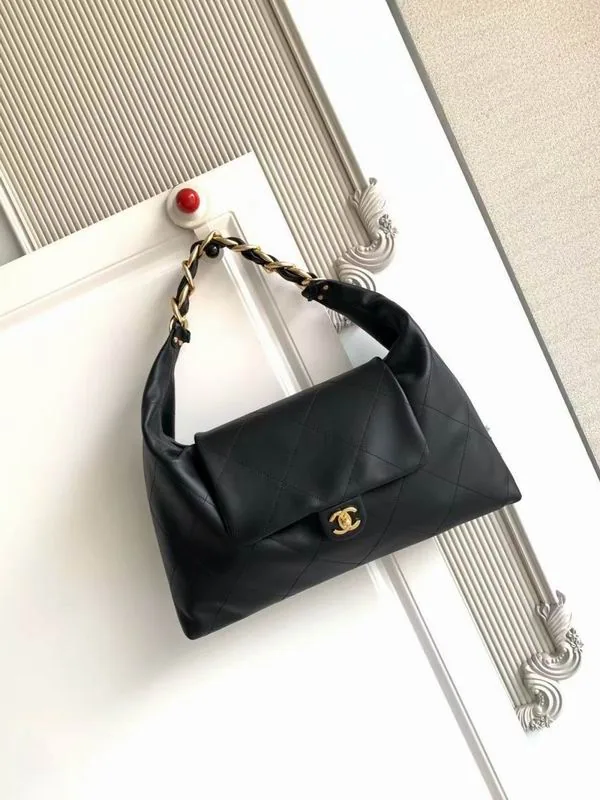
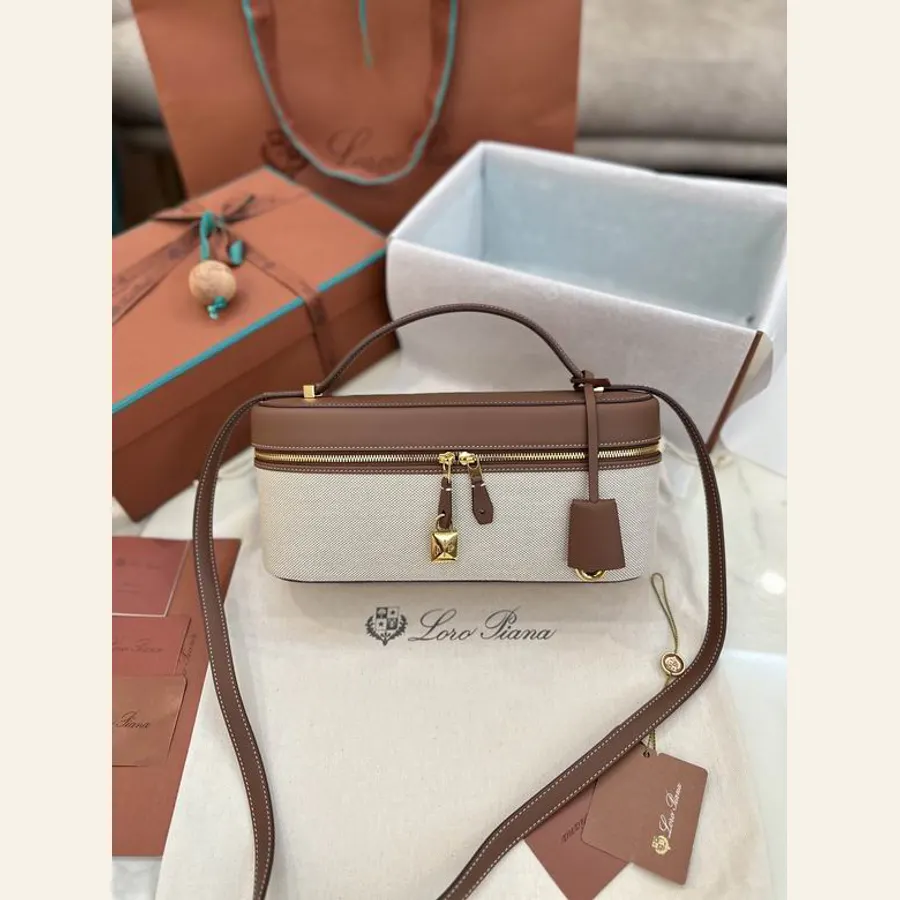
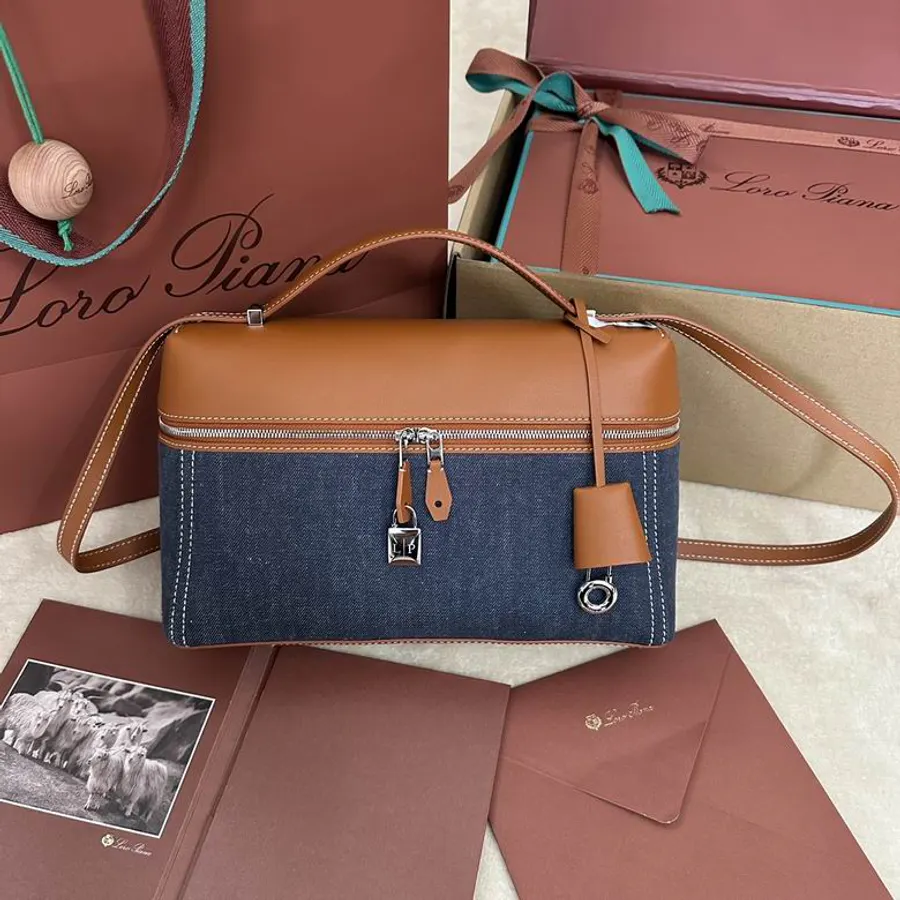
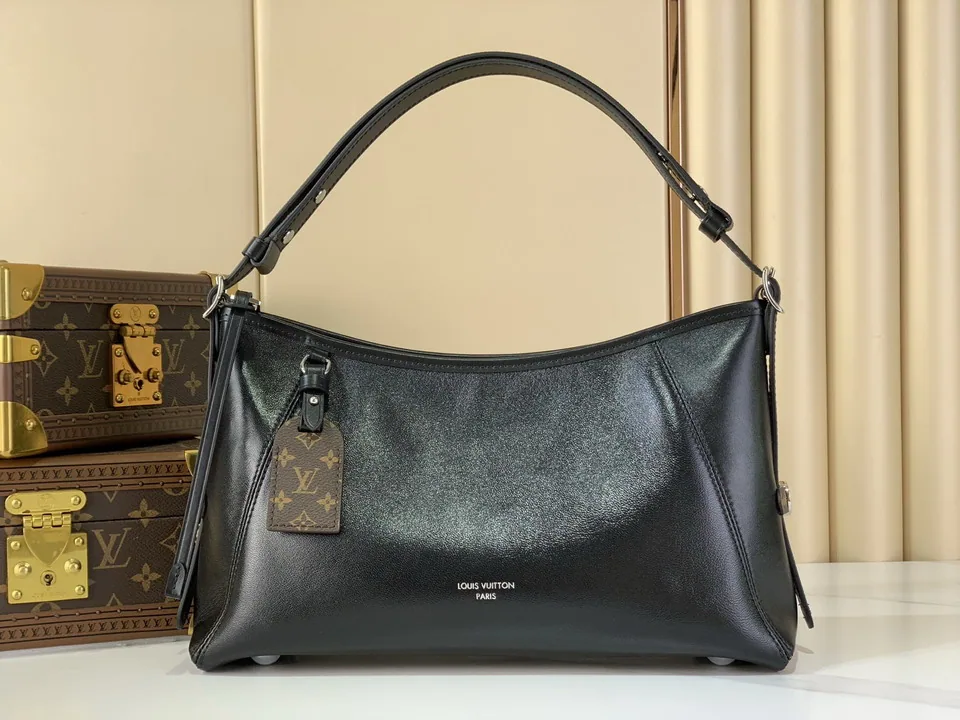
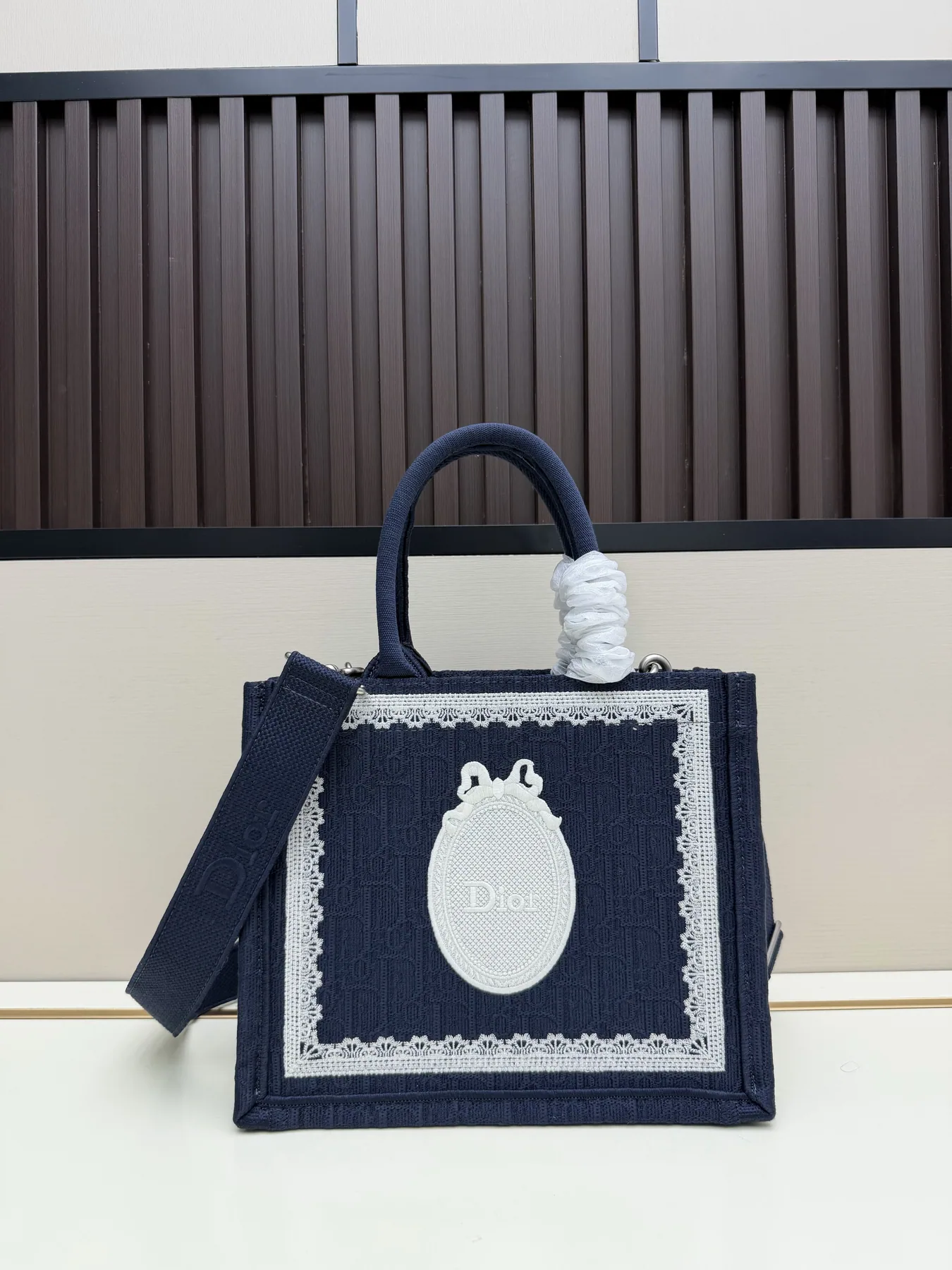
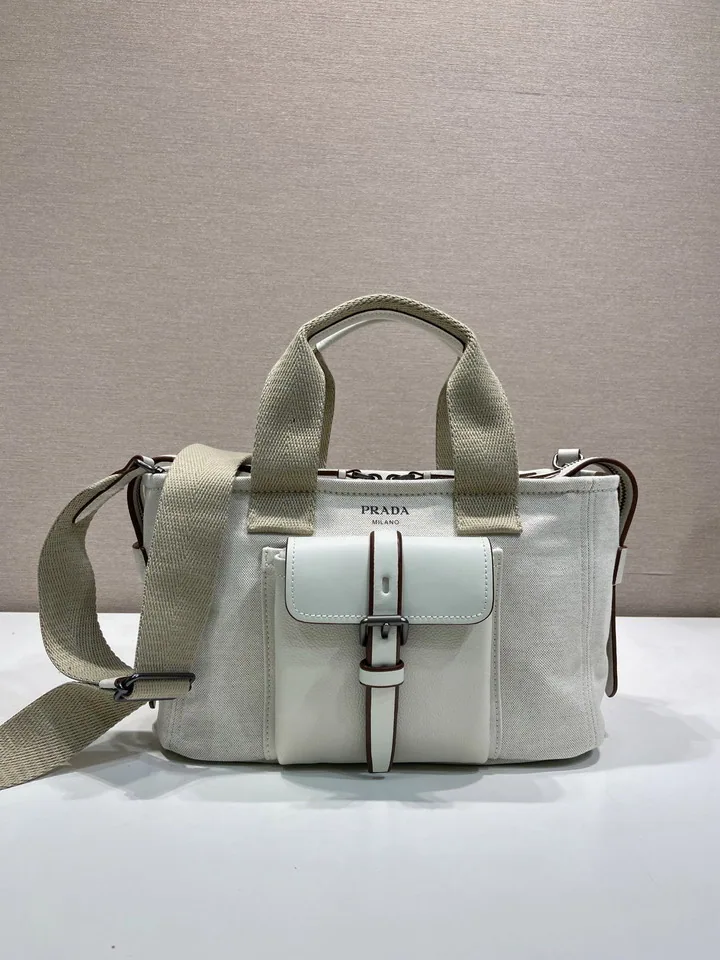
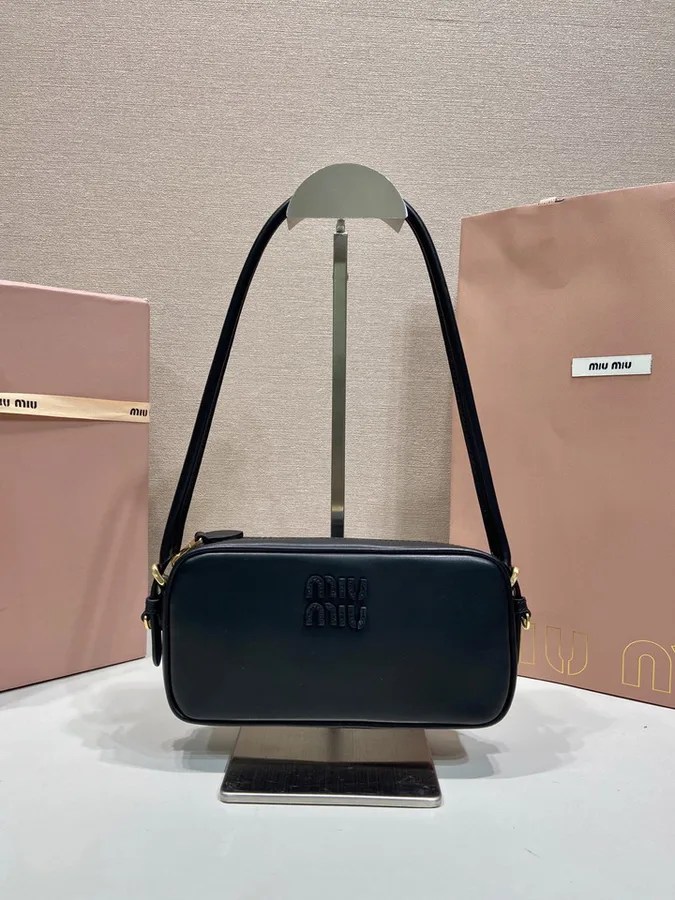
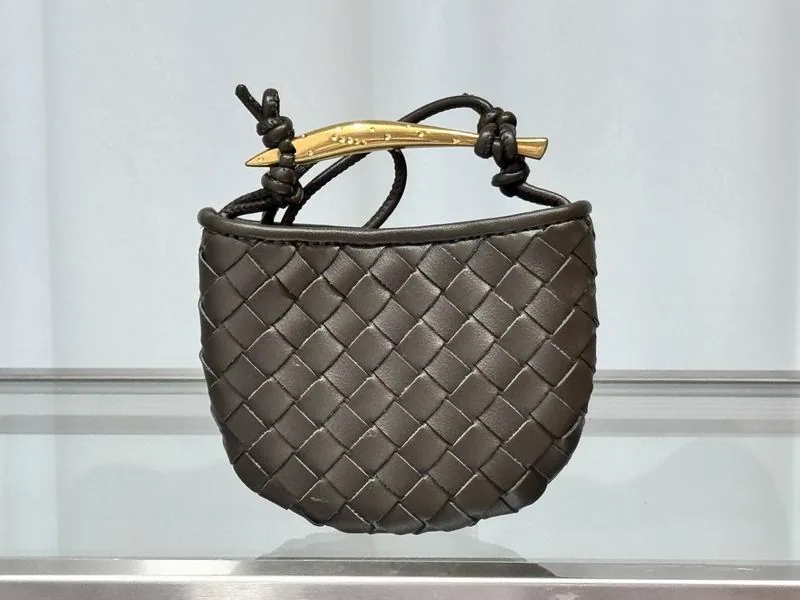
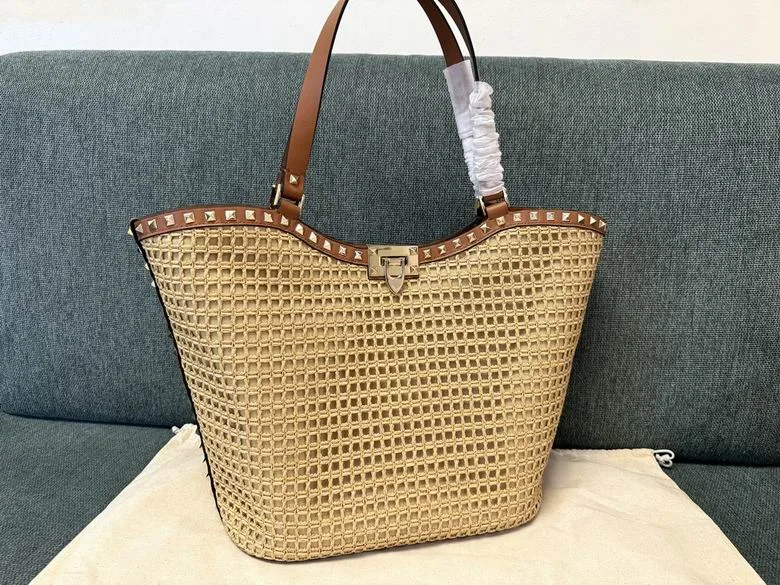
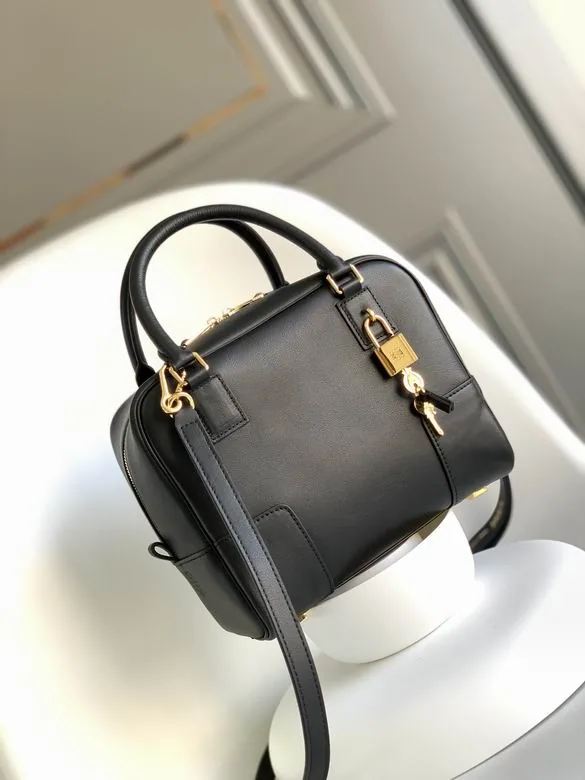
Carry-focused silhouettes
Bags
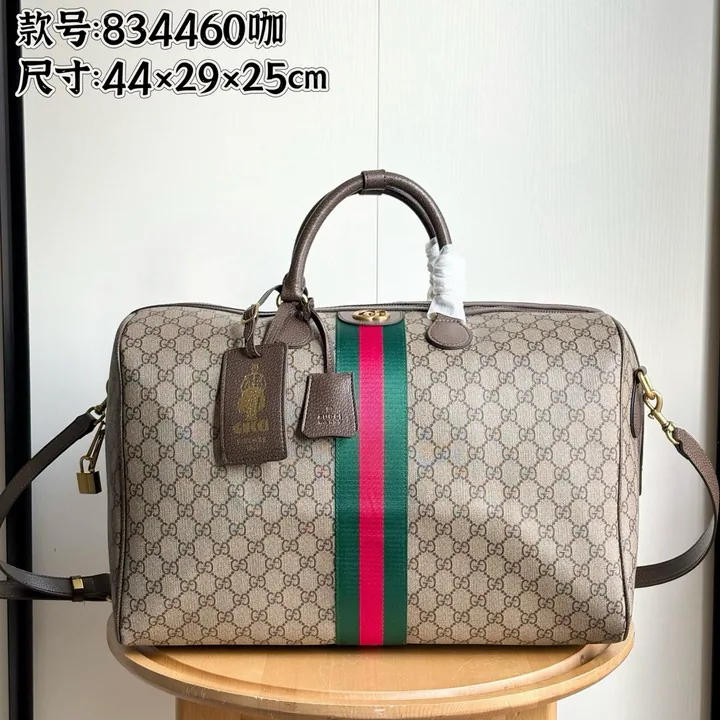
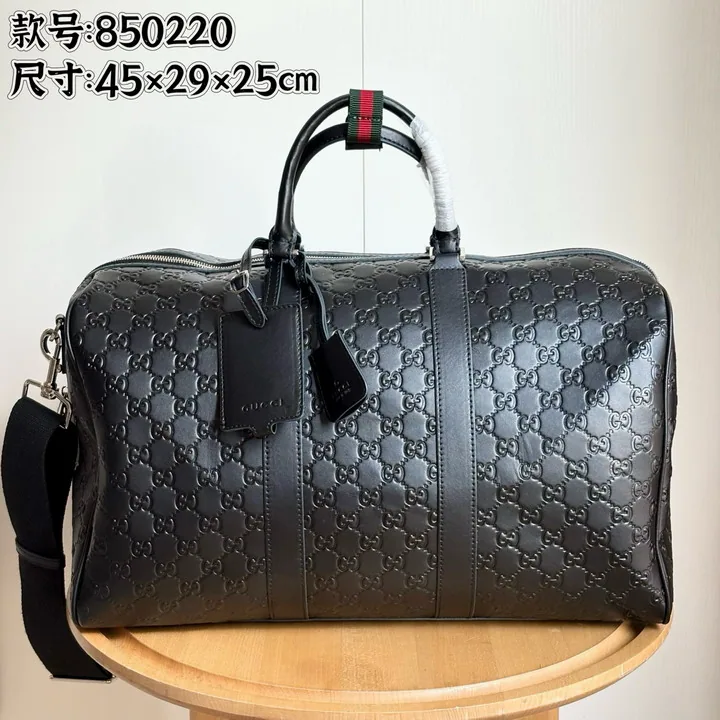
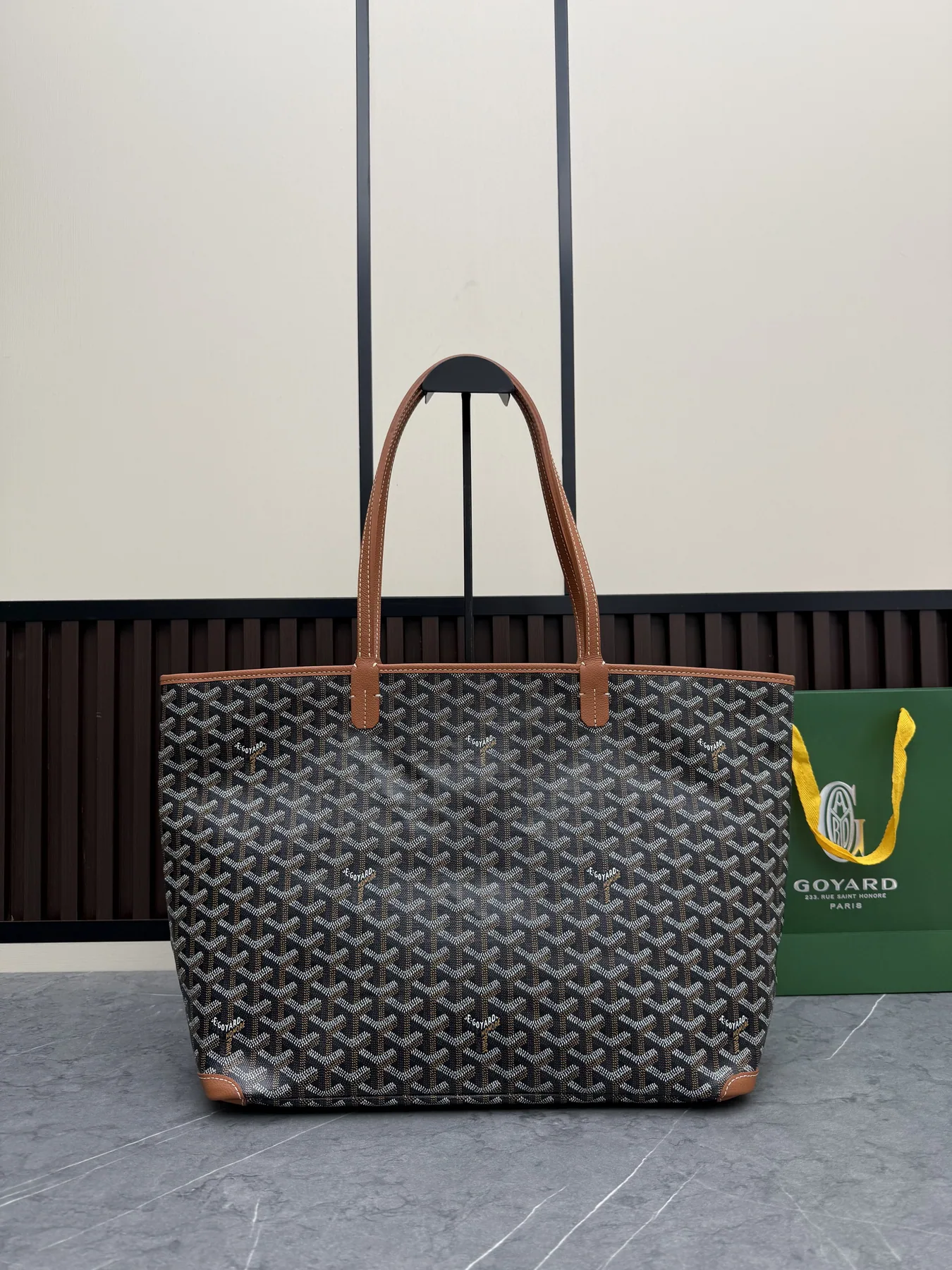
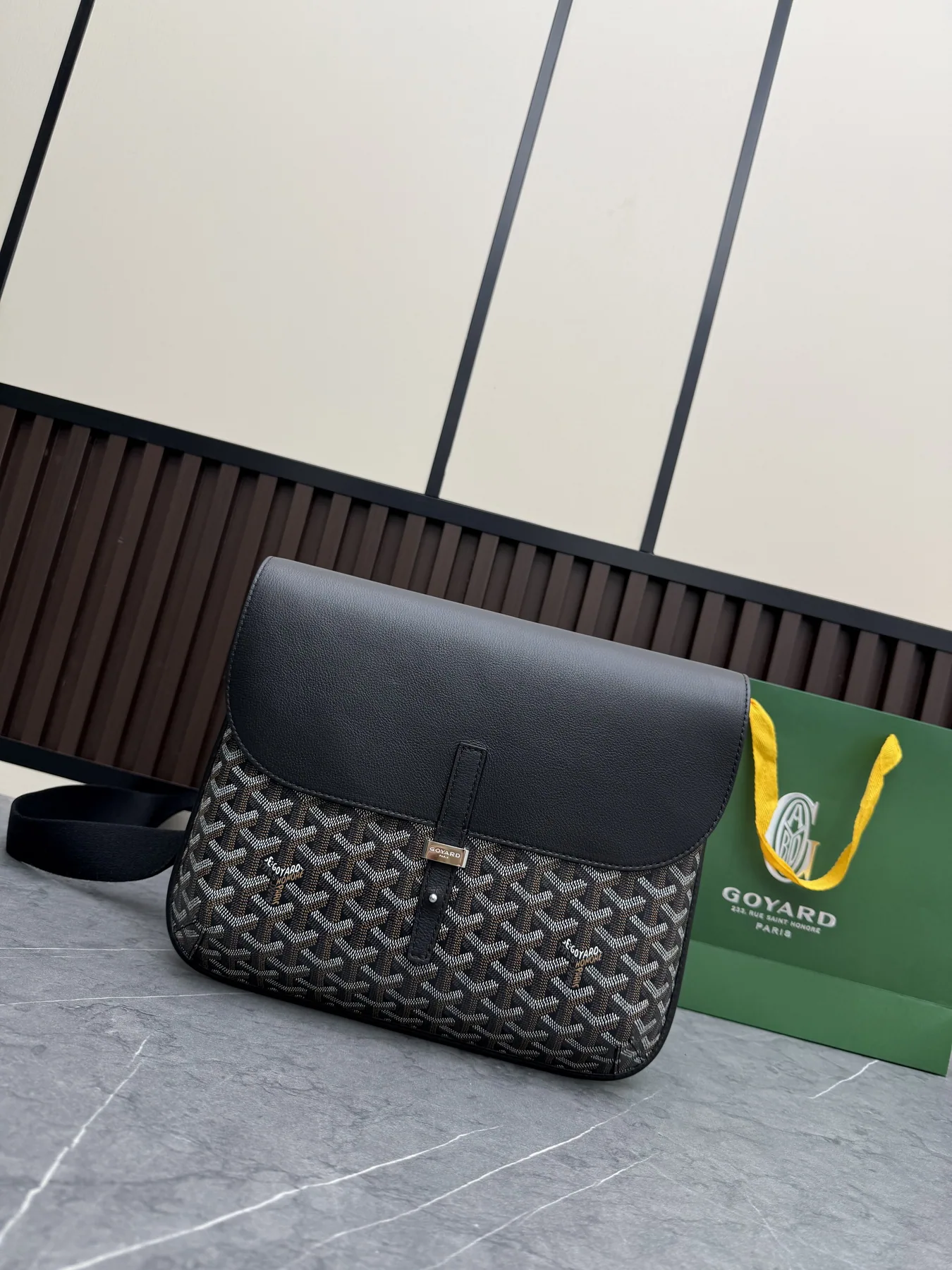
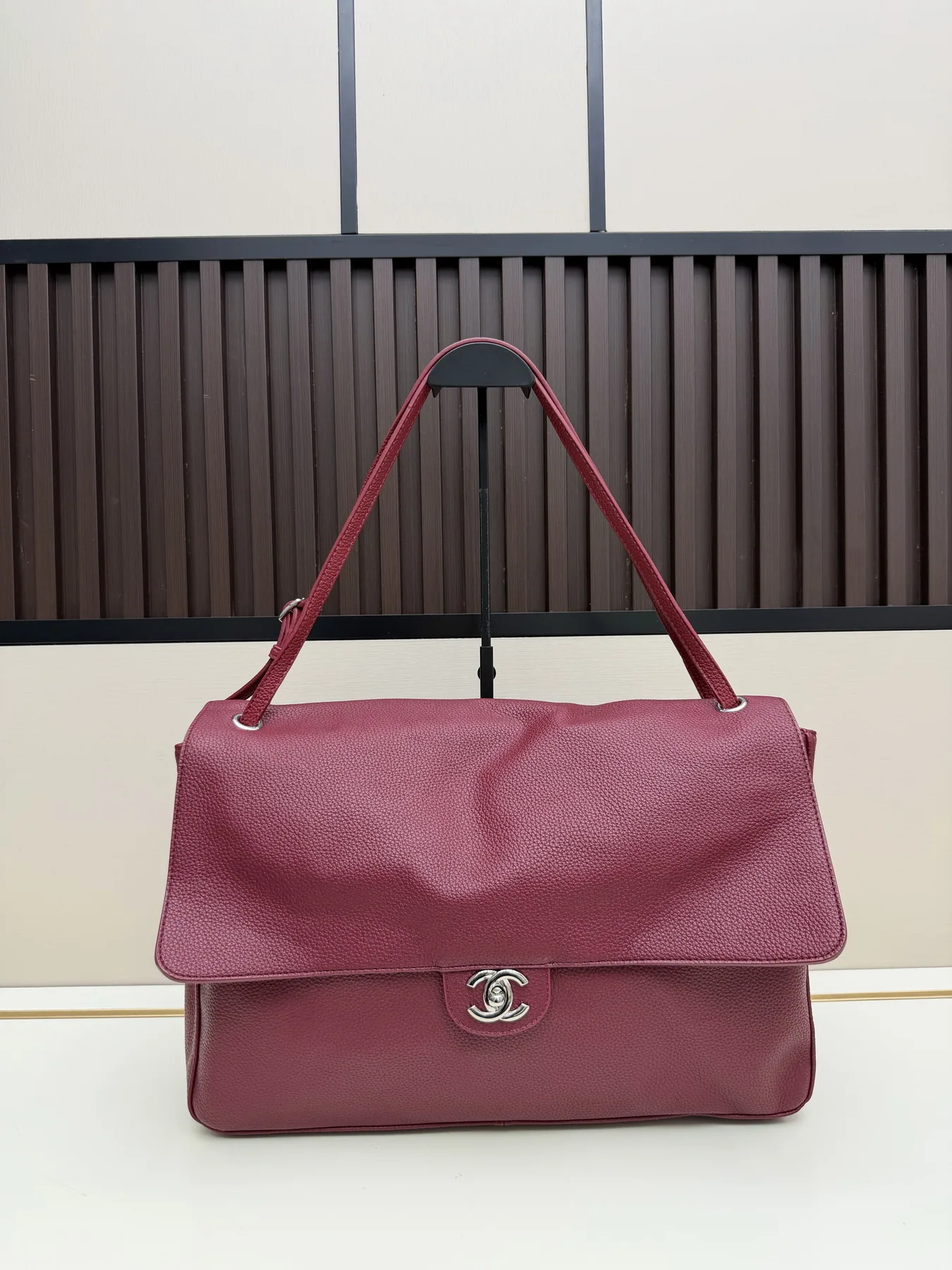
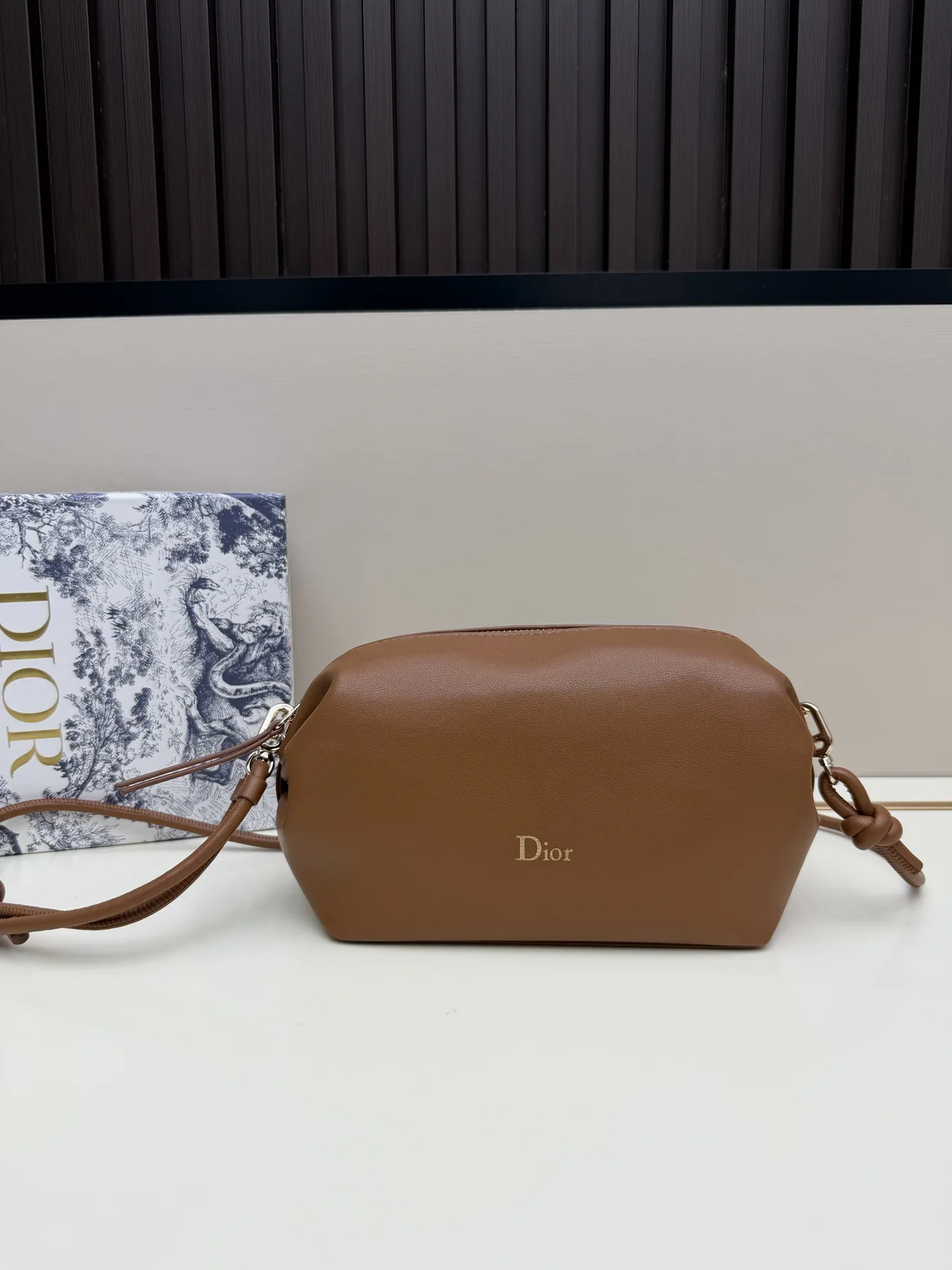
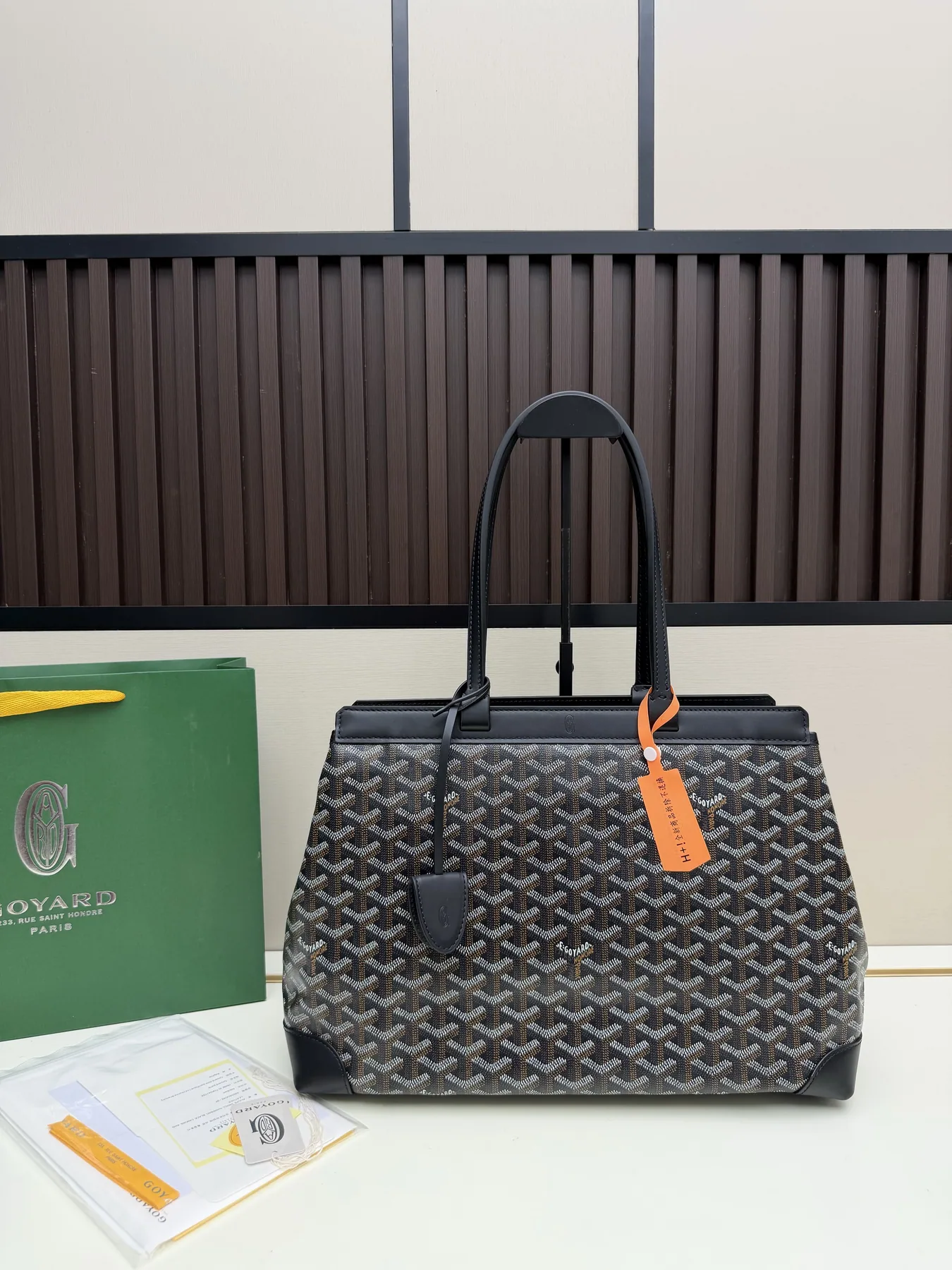
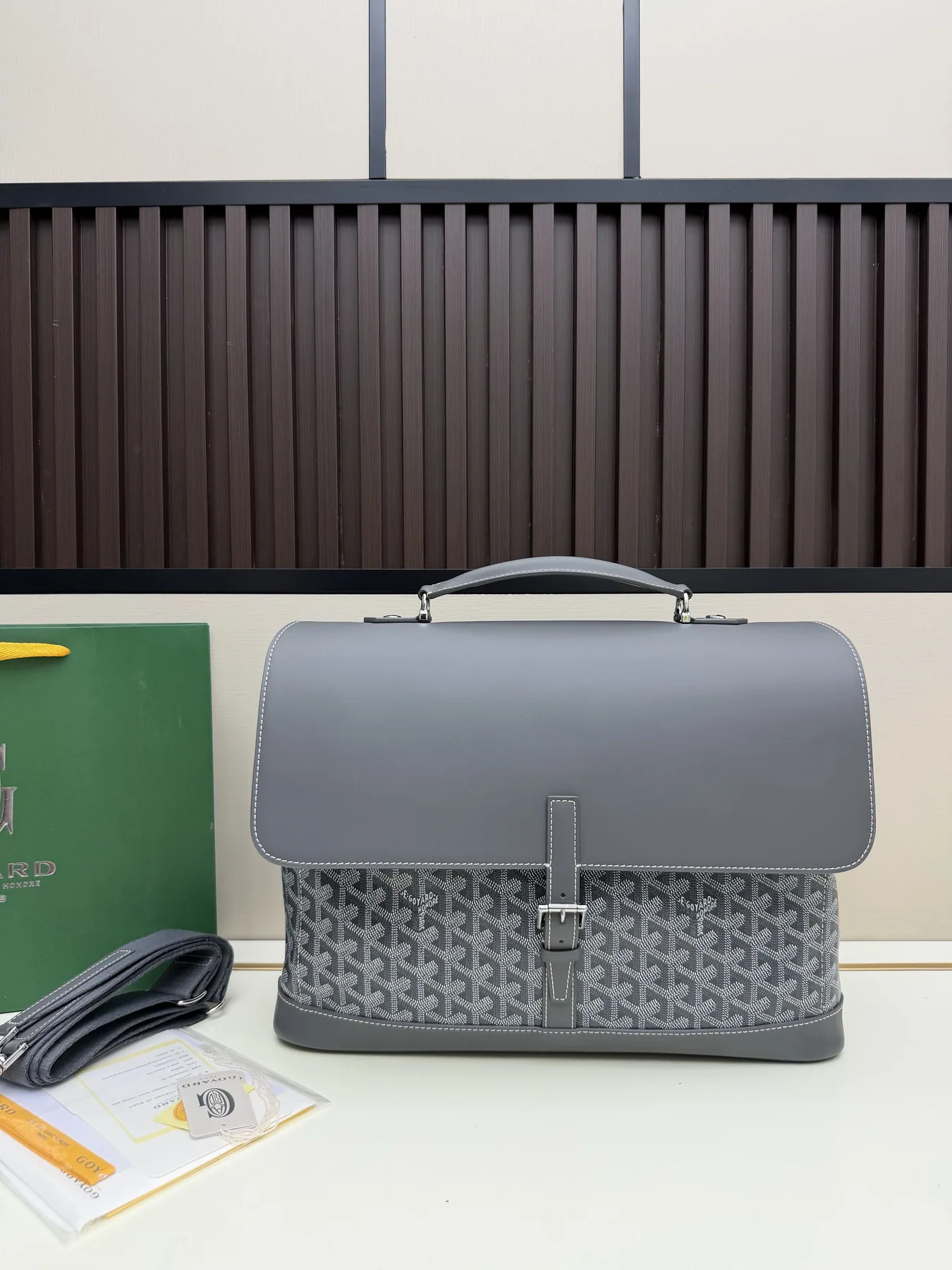
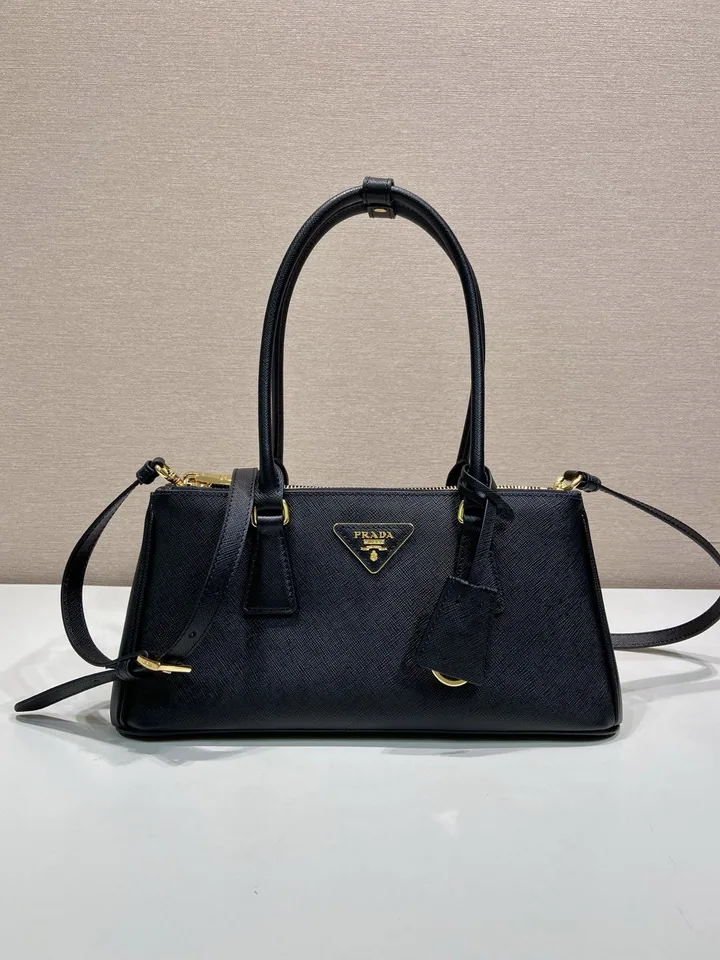
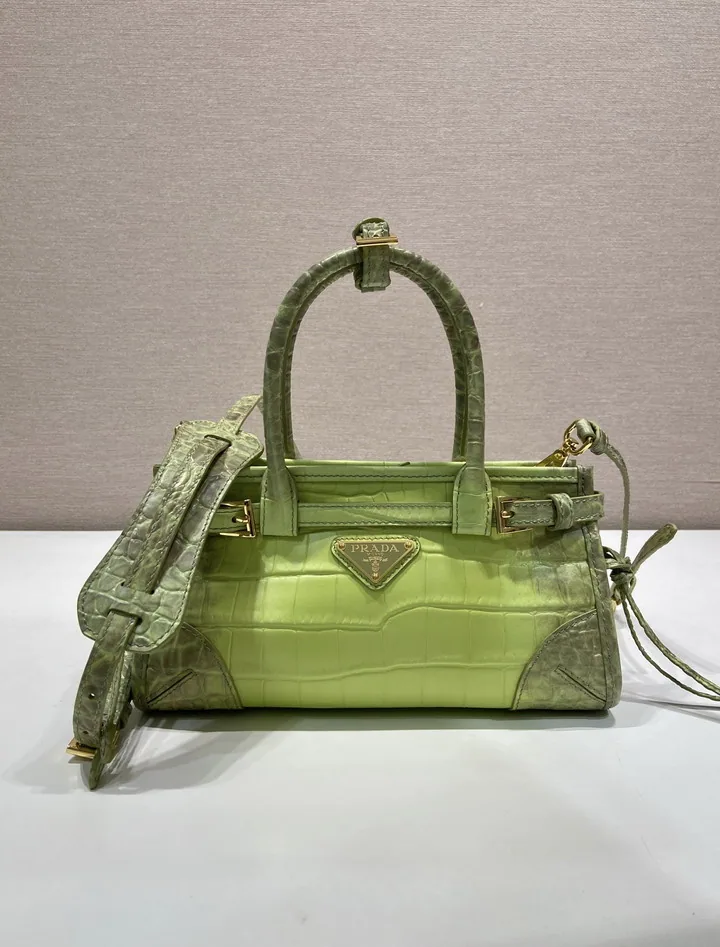
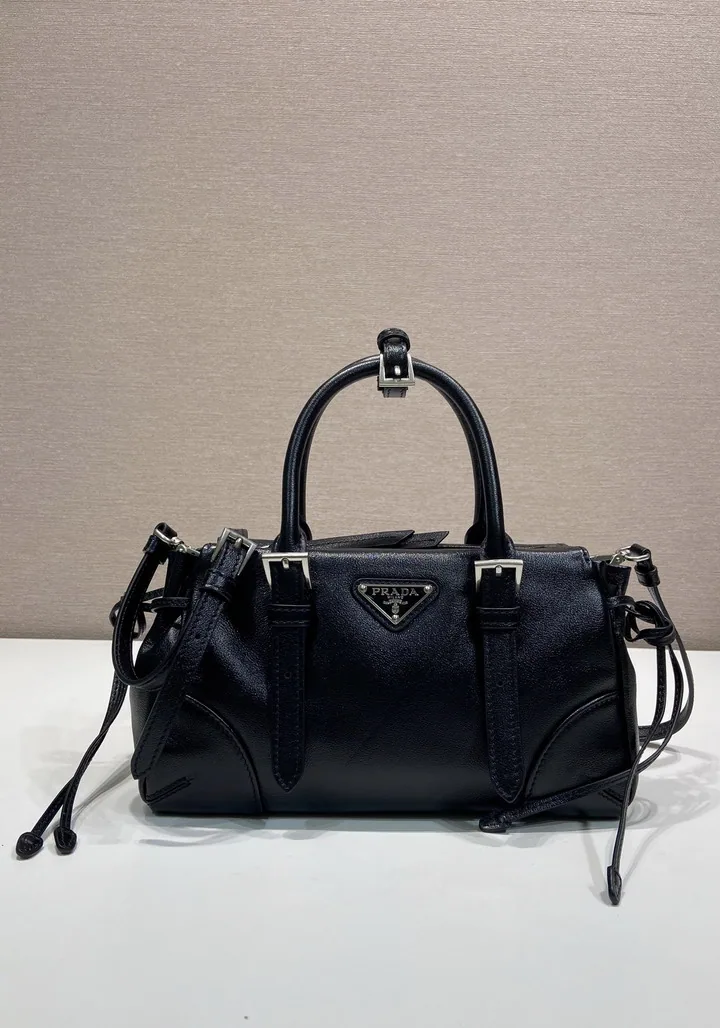
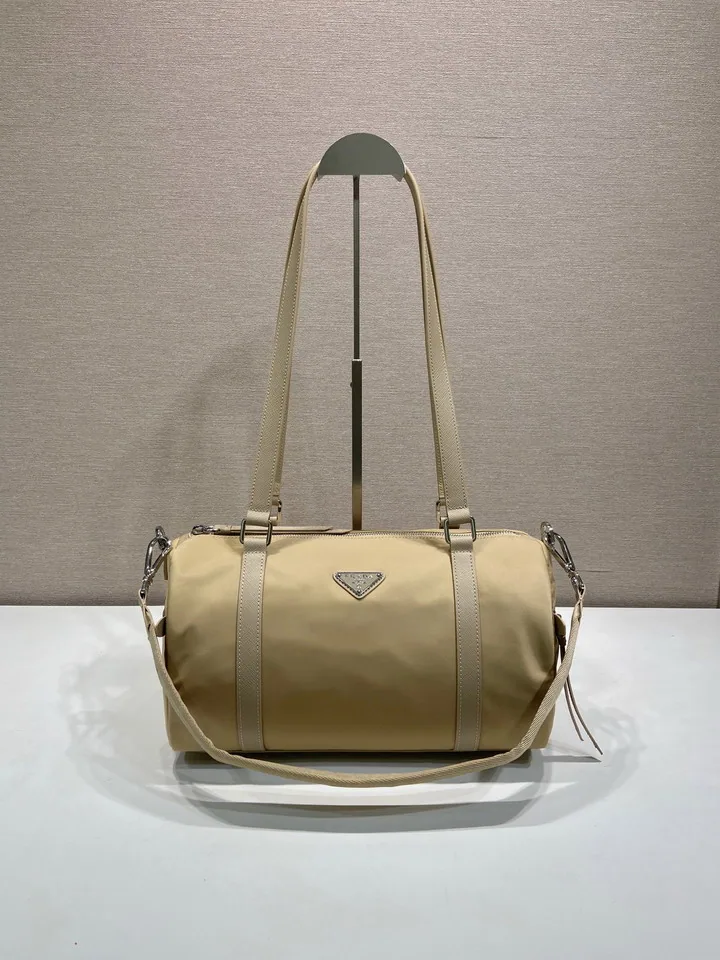
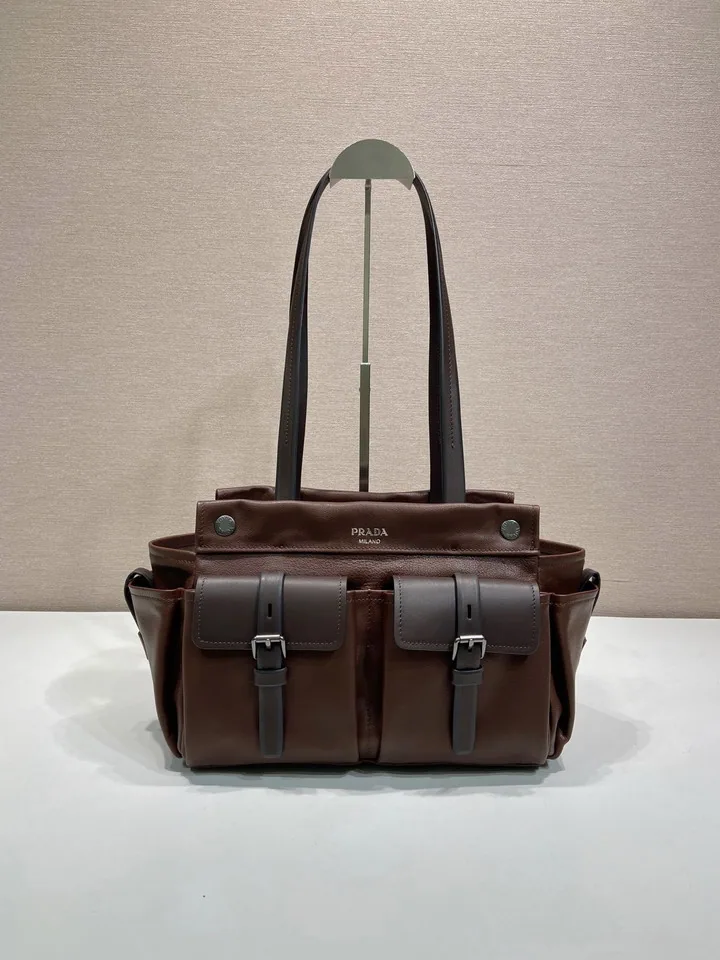
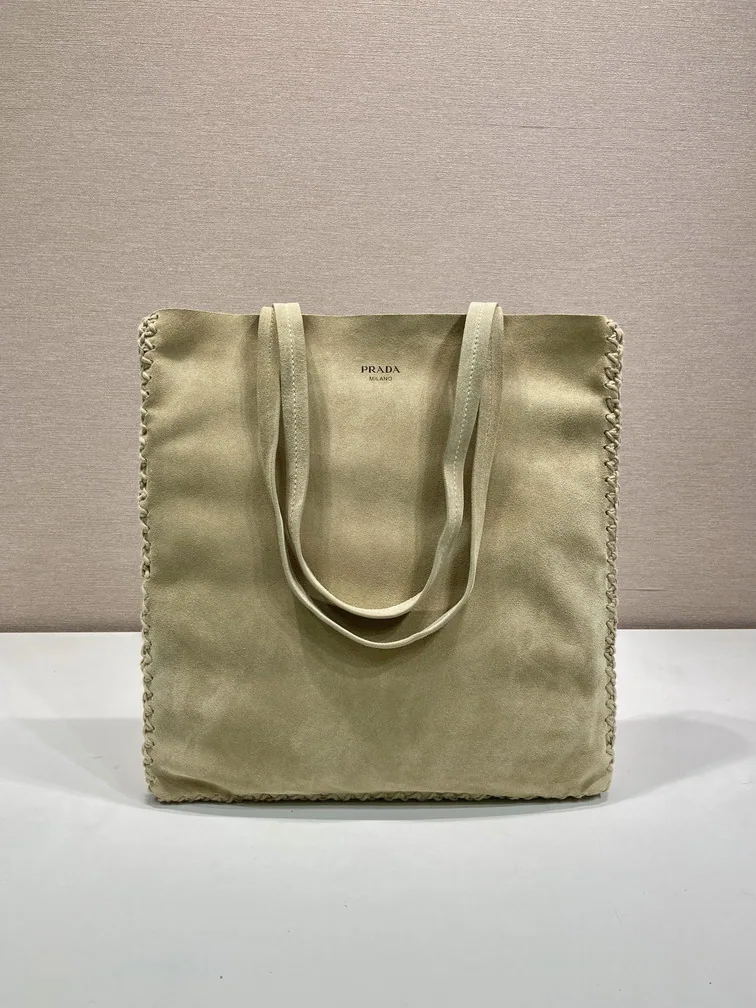
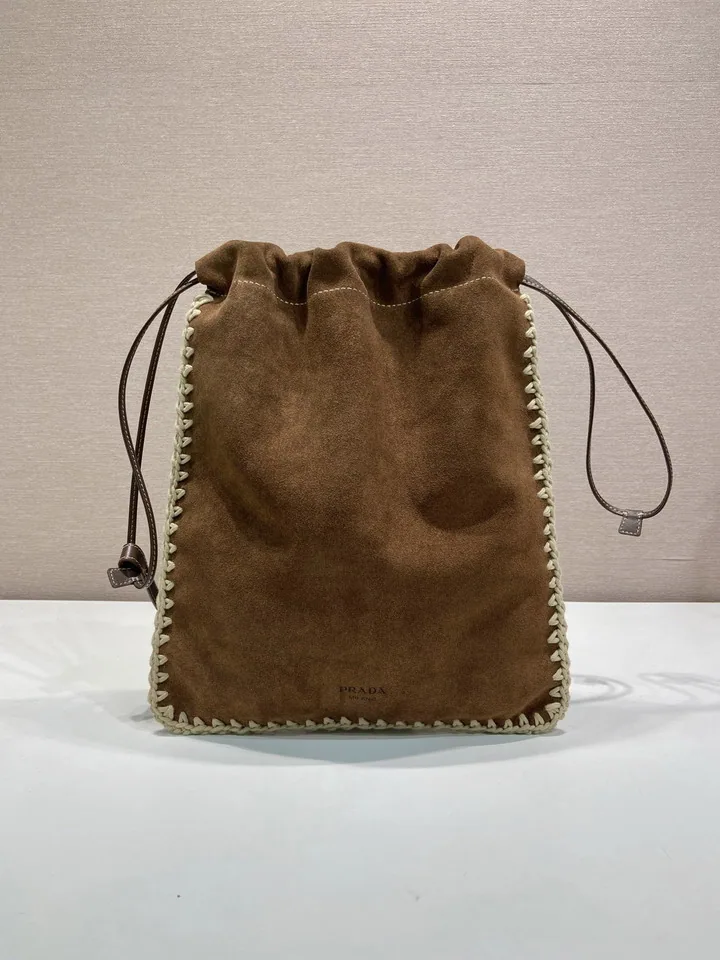
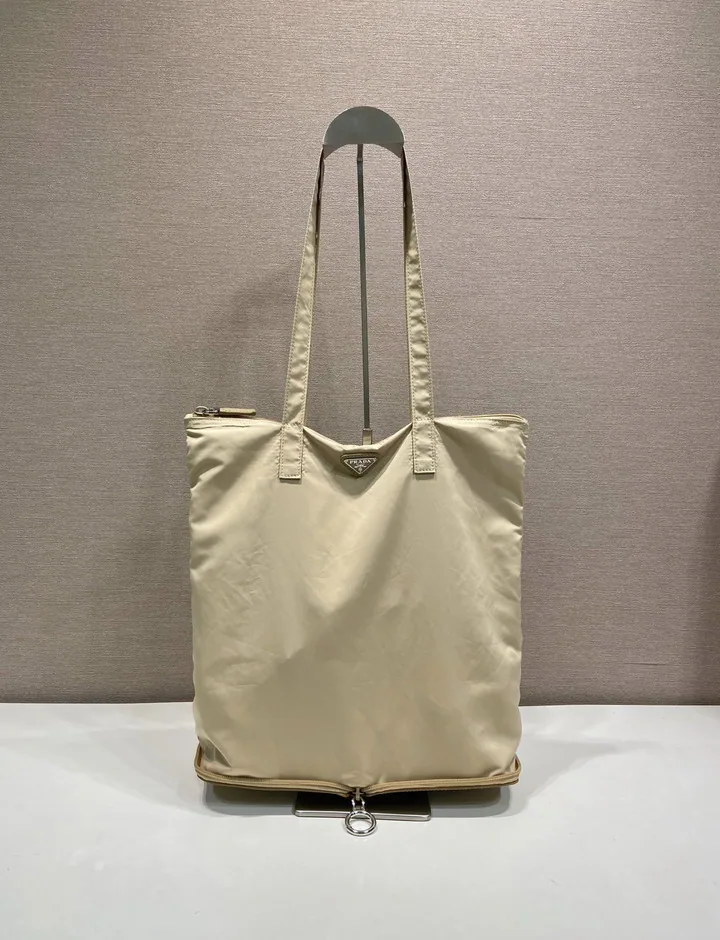
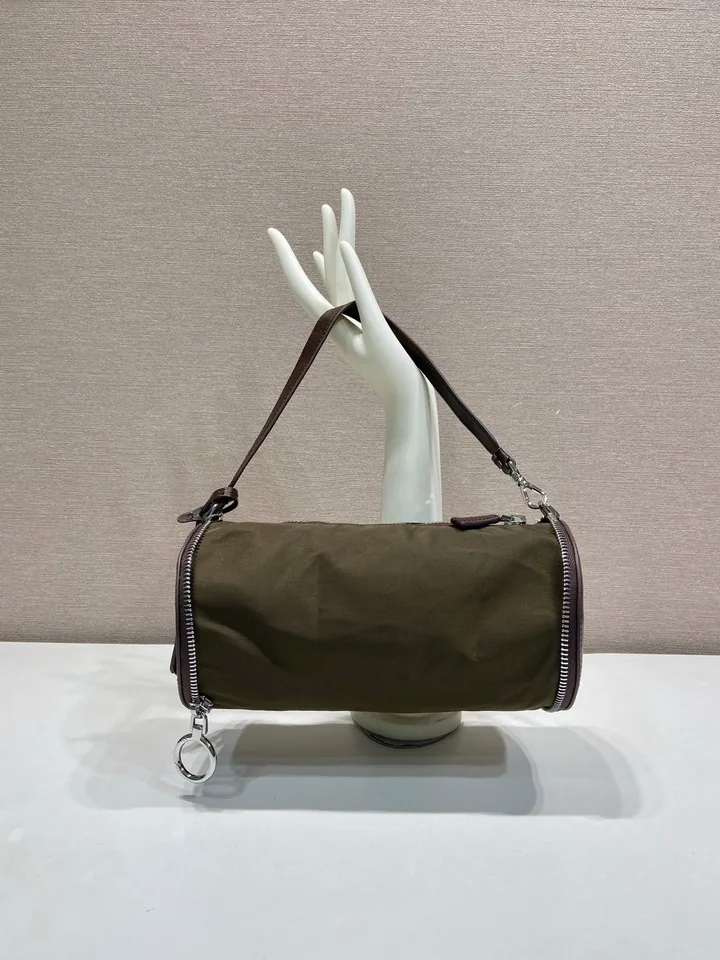
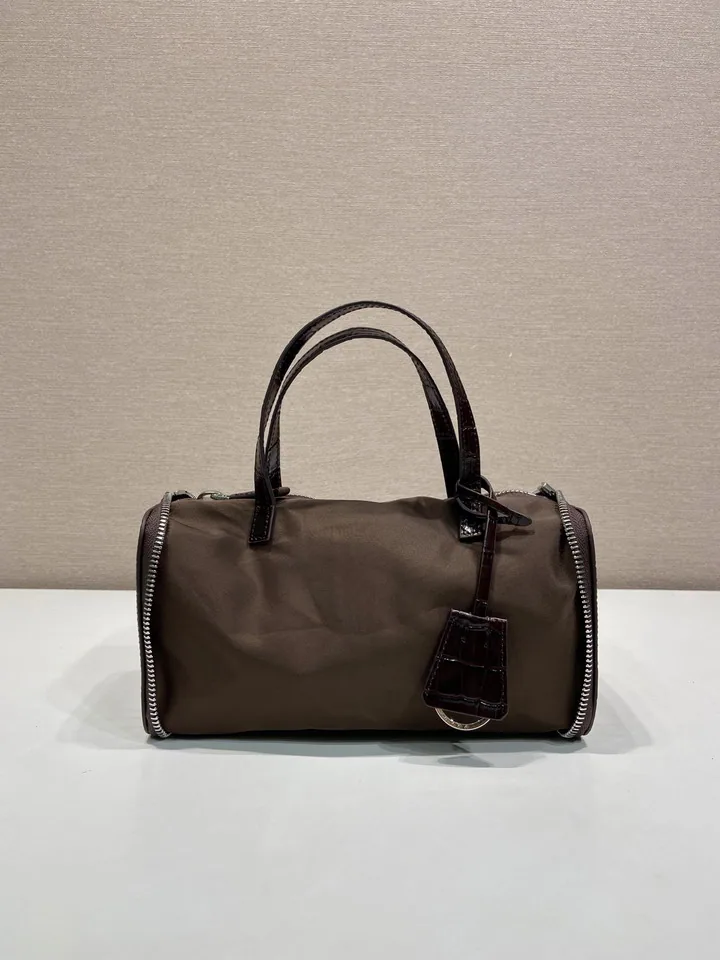
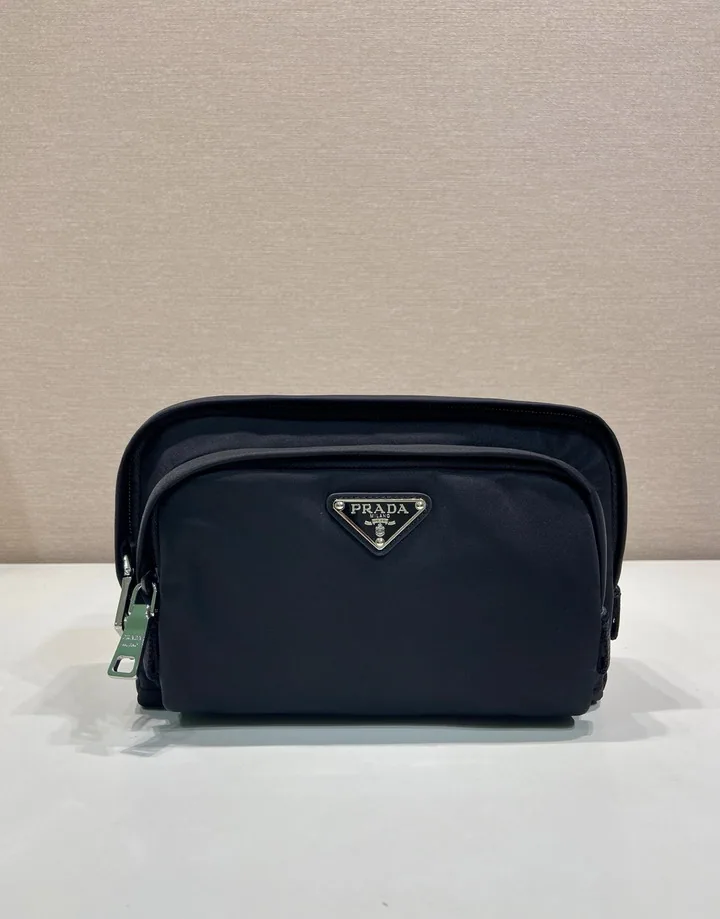
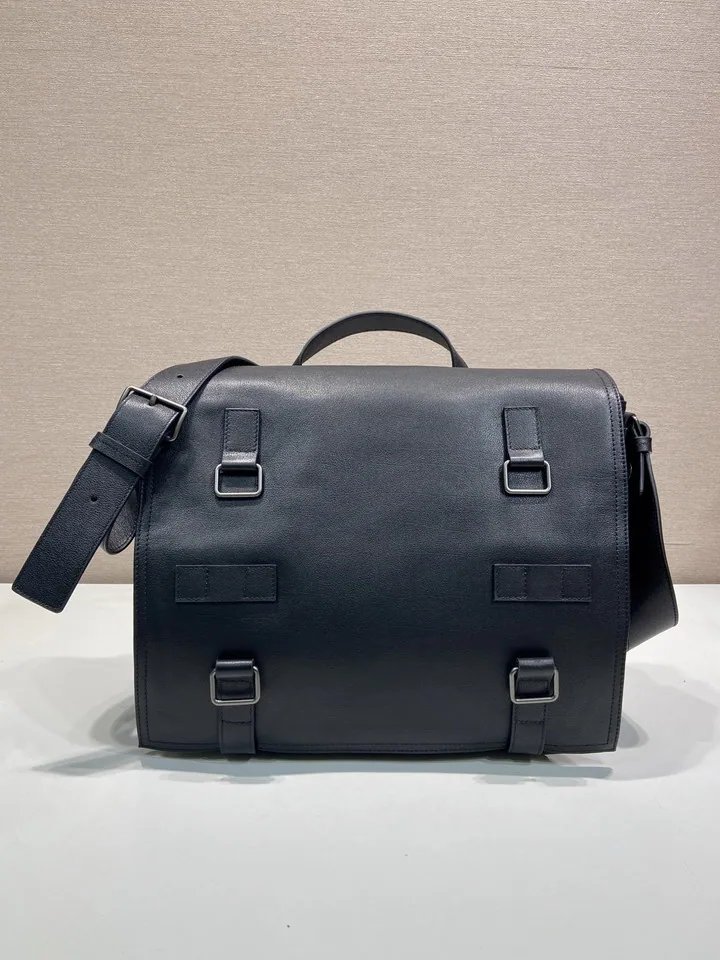
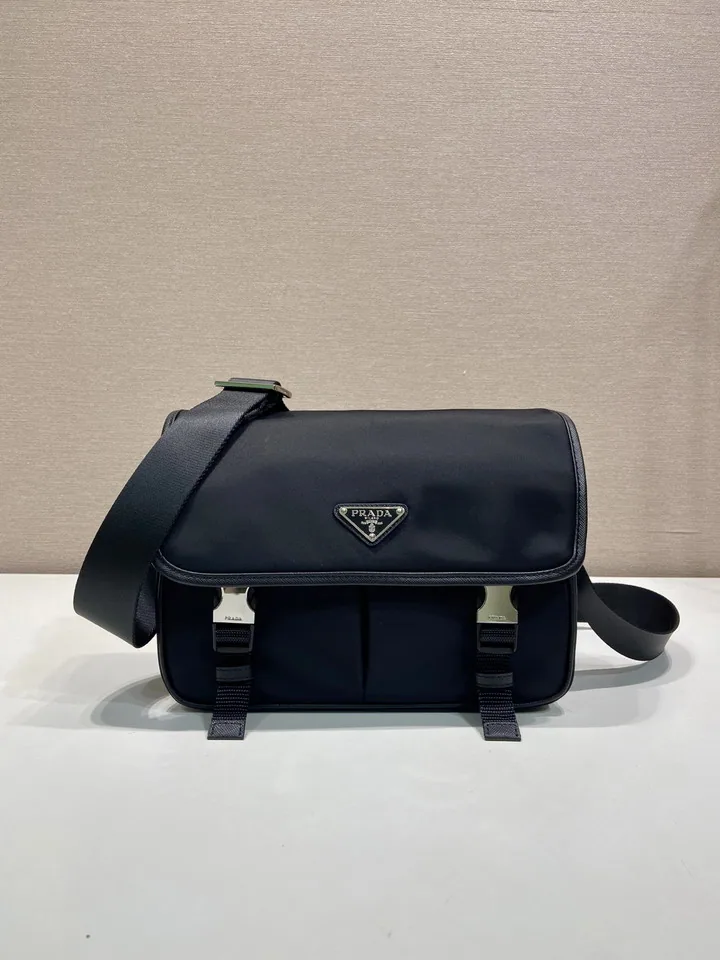
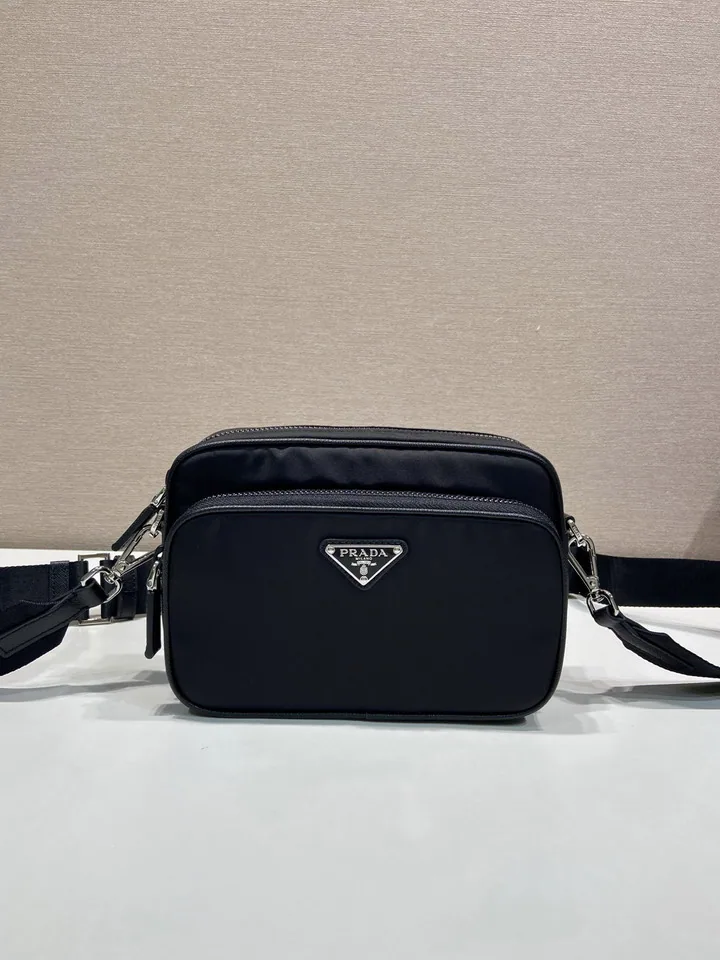
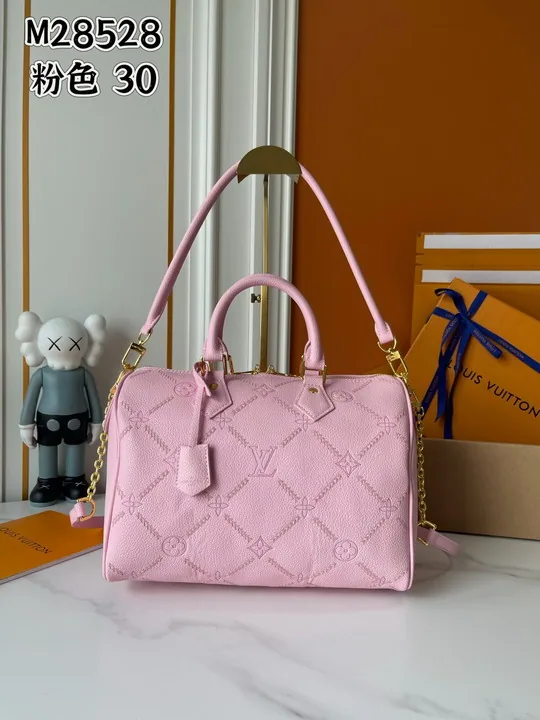
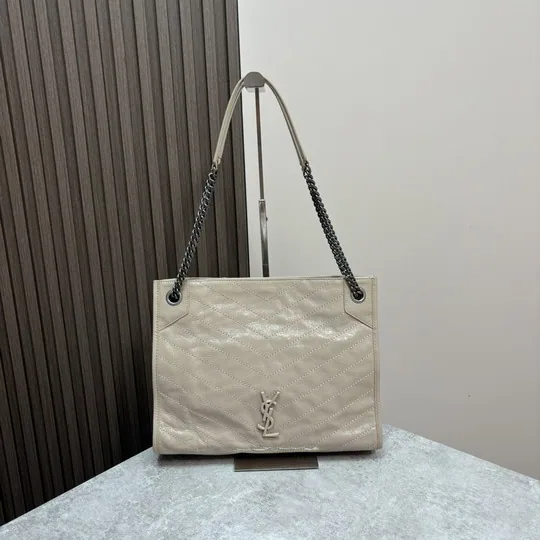
Totes, shoulder bags, crossbody shapes, handheld pieces, and travel-oriented designs organized around silhouette, access, material, carrying method, and practical capacity.

Define capacity by what must fit
Bag categories are most useful when they begin with real carrying needs. List the items that must fit, such as a phone, wallet, keys, eyewear case, small camera, documents, tablet, or daily care items, then compare those needs with verified exterior dimensions and the visible opening. A wide body does not always provide broad usable access, and a structured interior may hold less than a soft silhouette of similar measurements. Product pages should report dimensions only when supported by source information and should not estimate capacity from appearance alone. Interior pockets, dividers, closures, and expandable sections can be documented when clearly shown, helping readers distinguish visual scale from practical organization.
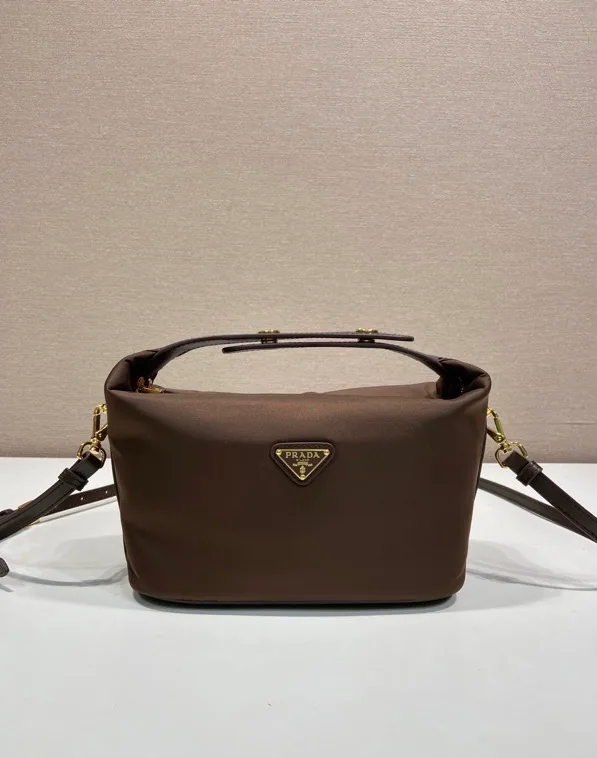
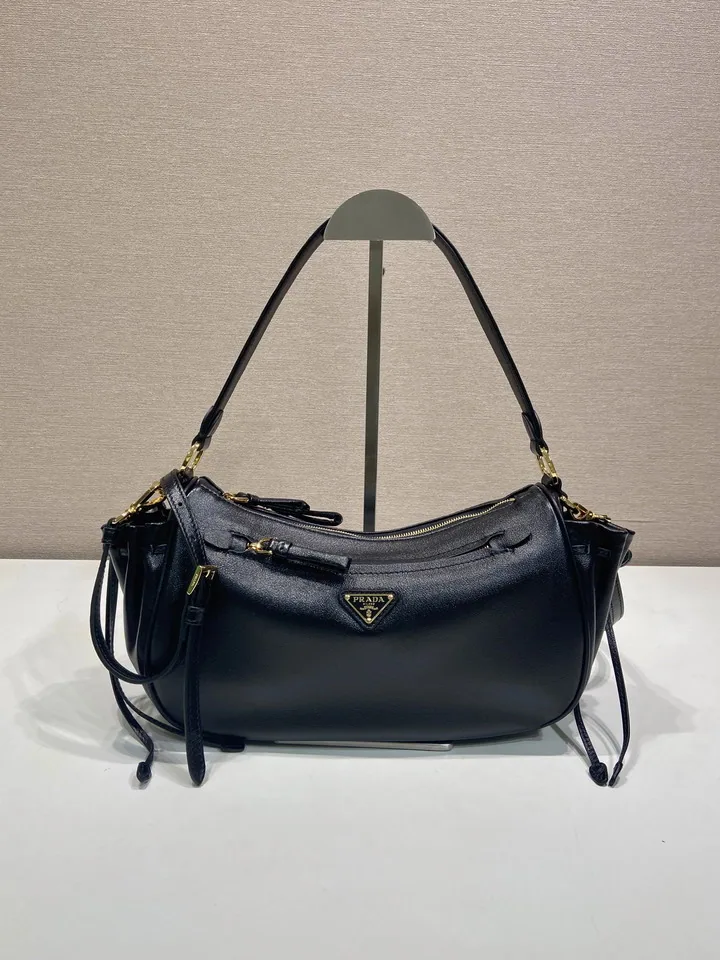
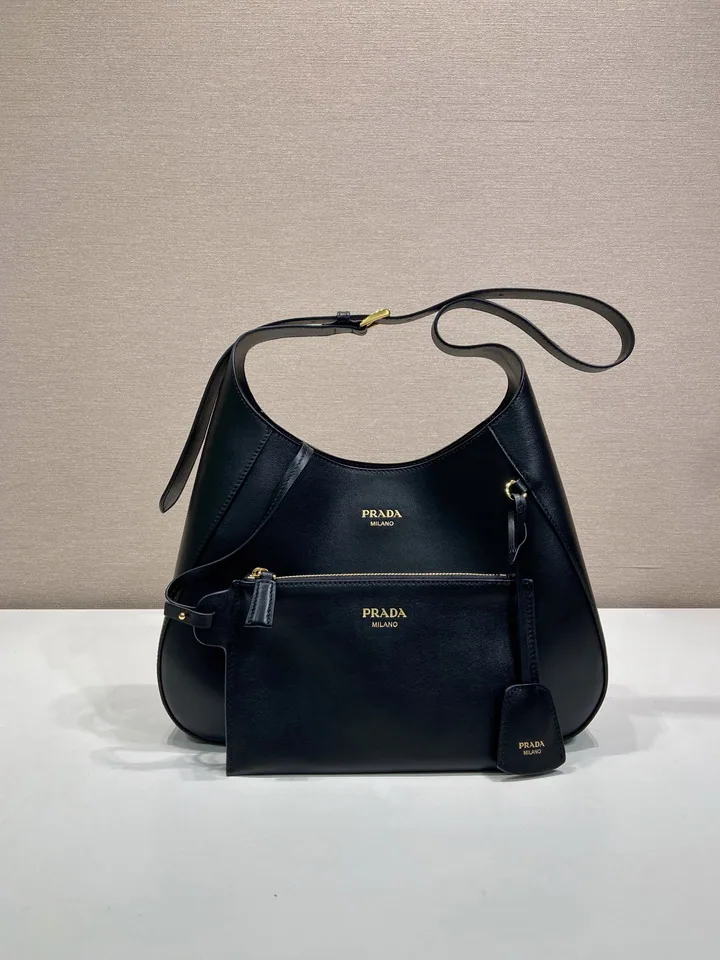
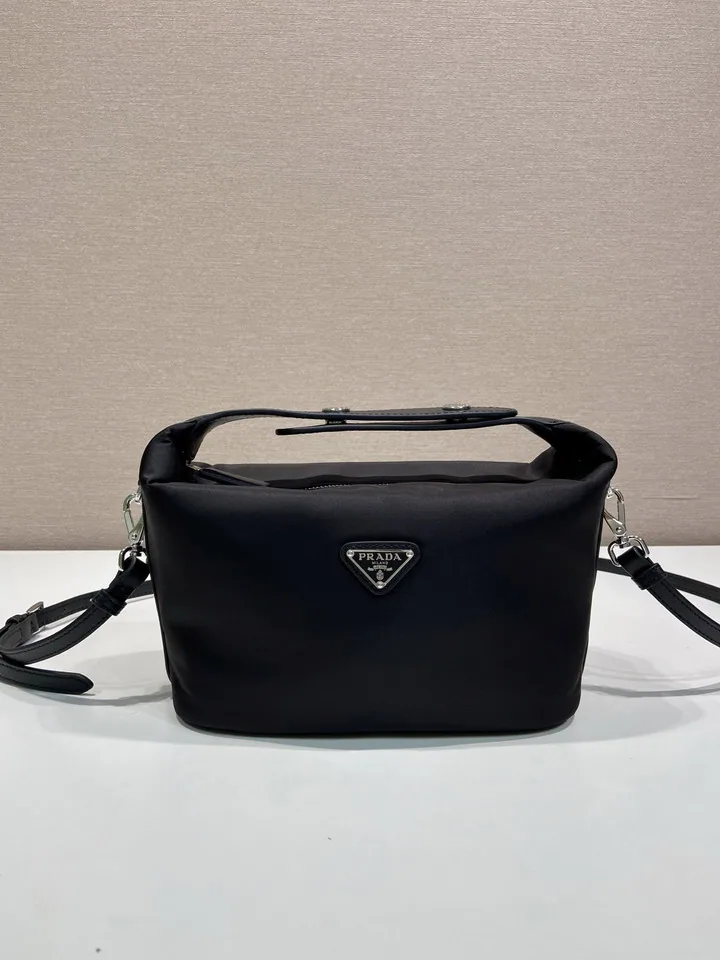
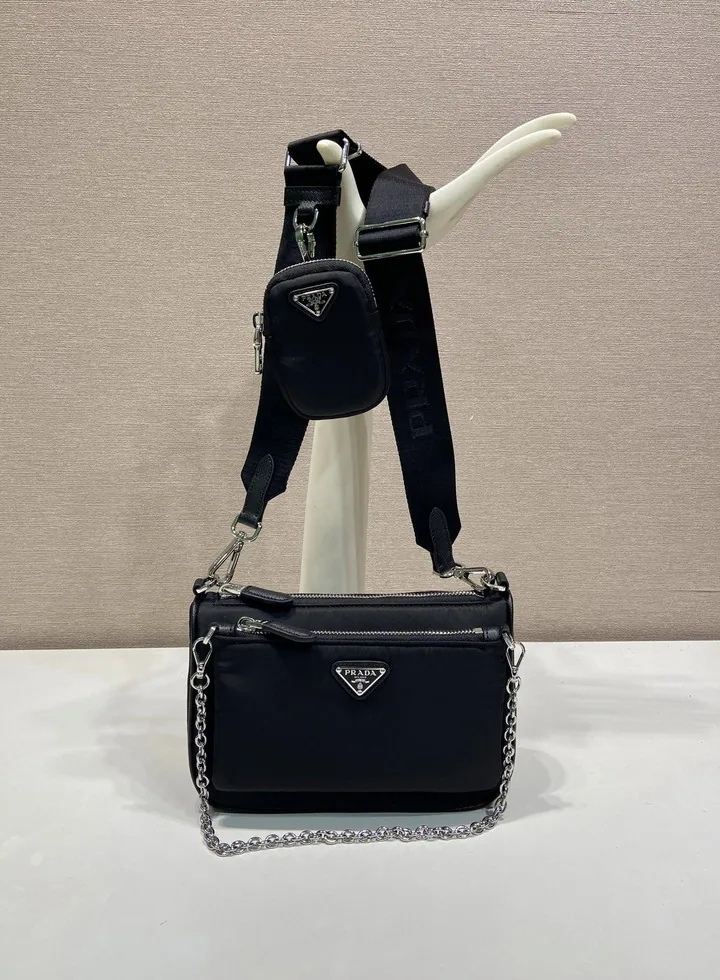
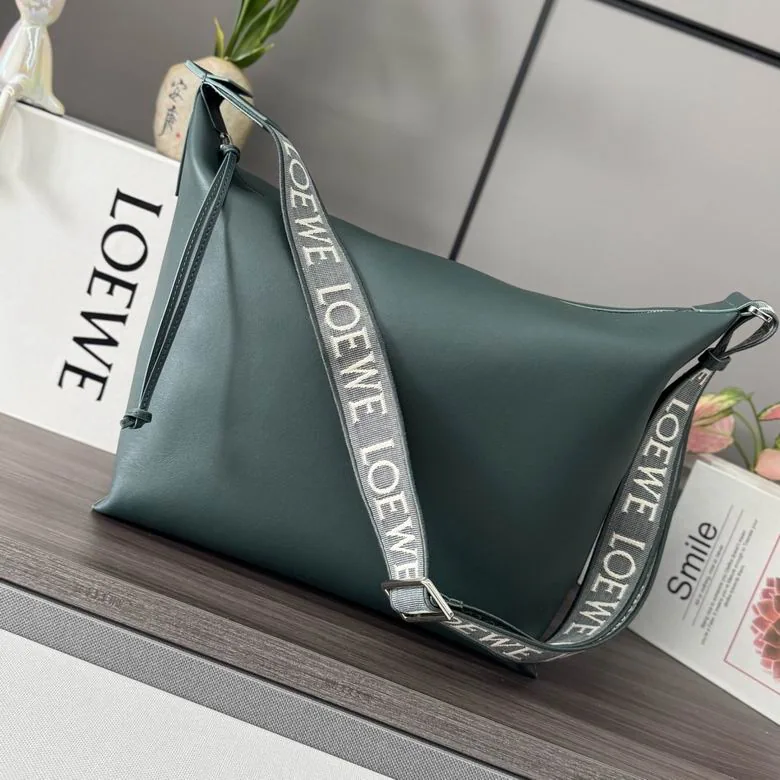
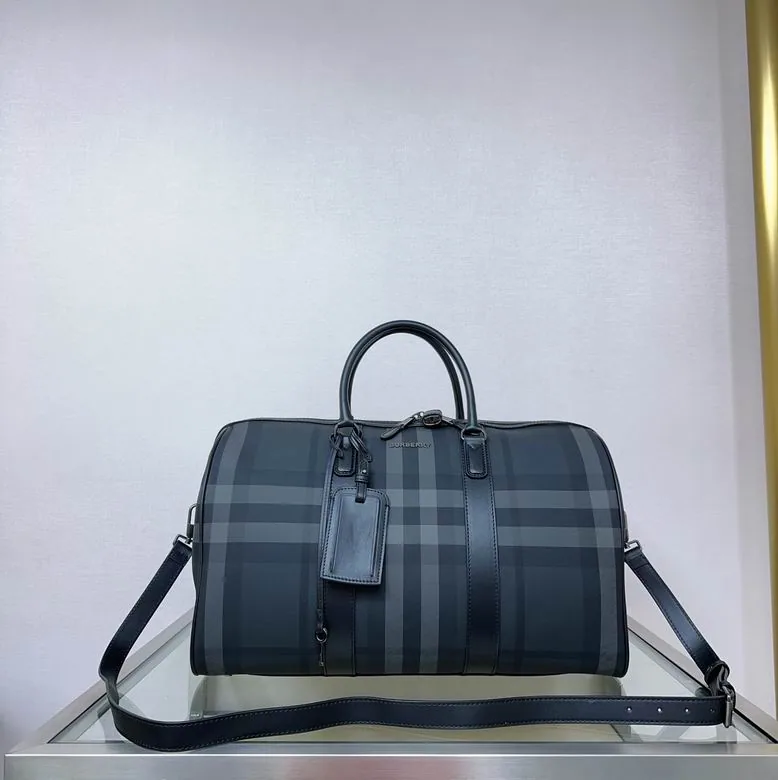
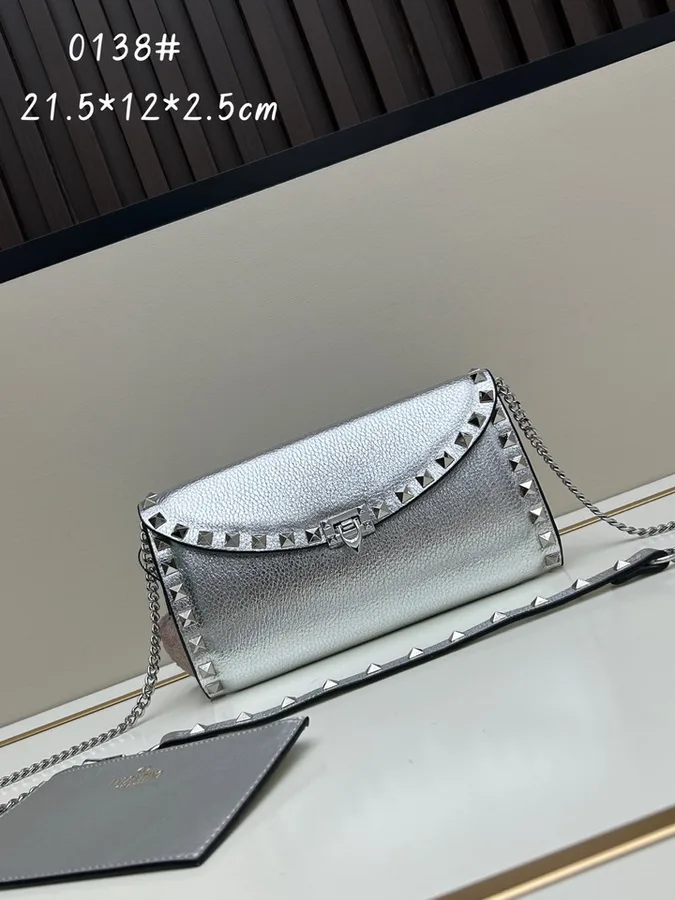
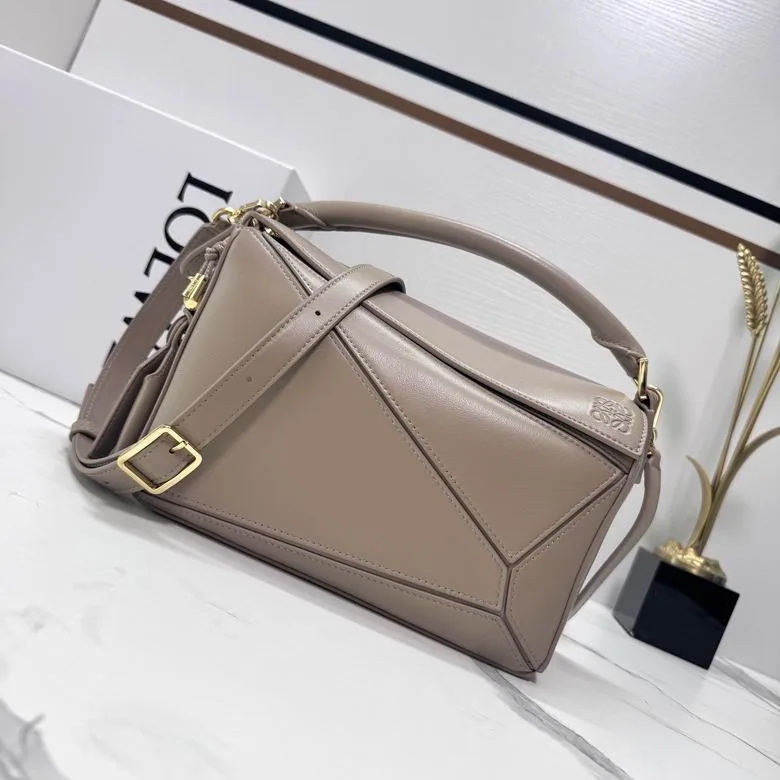
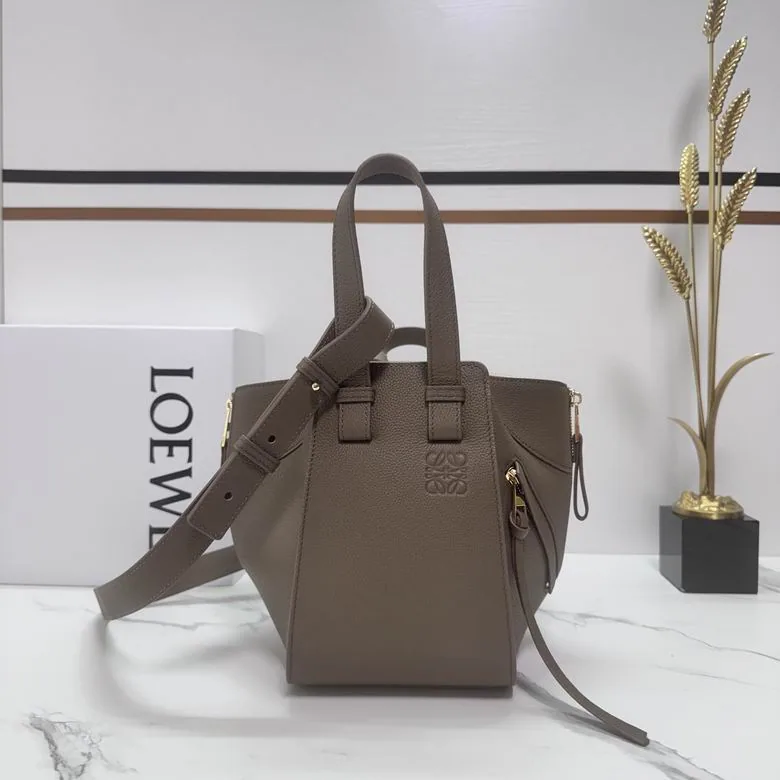
Compare carrying methods and proportion
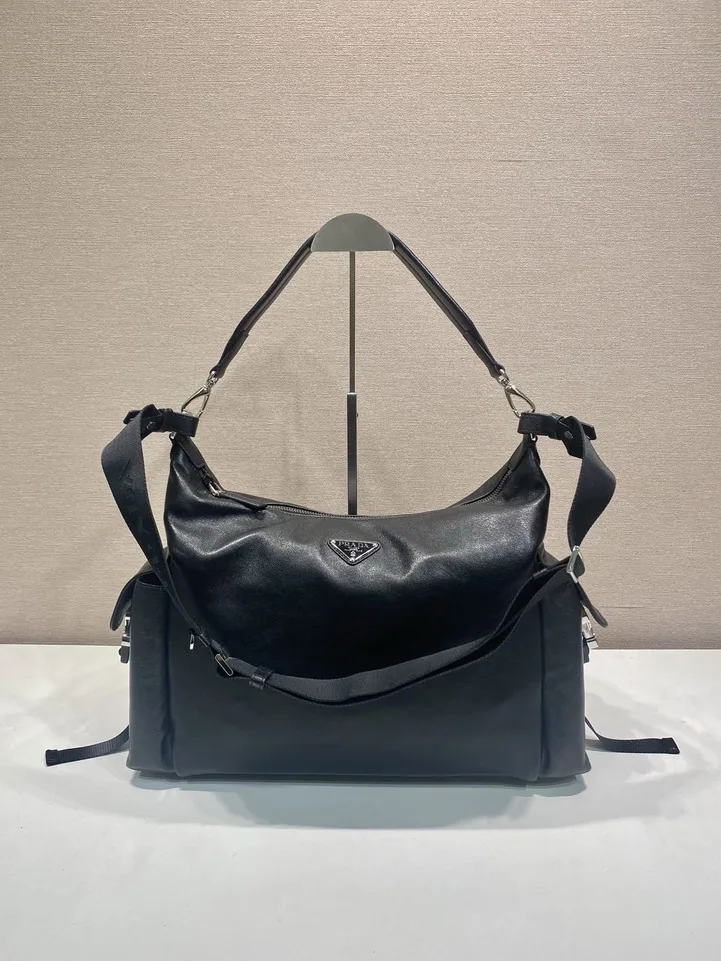
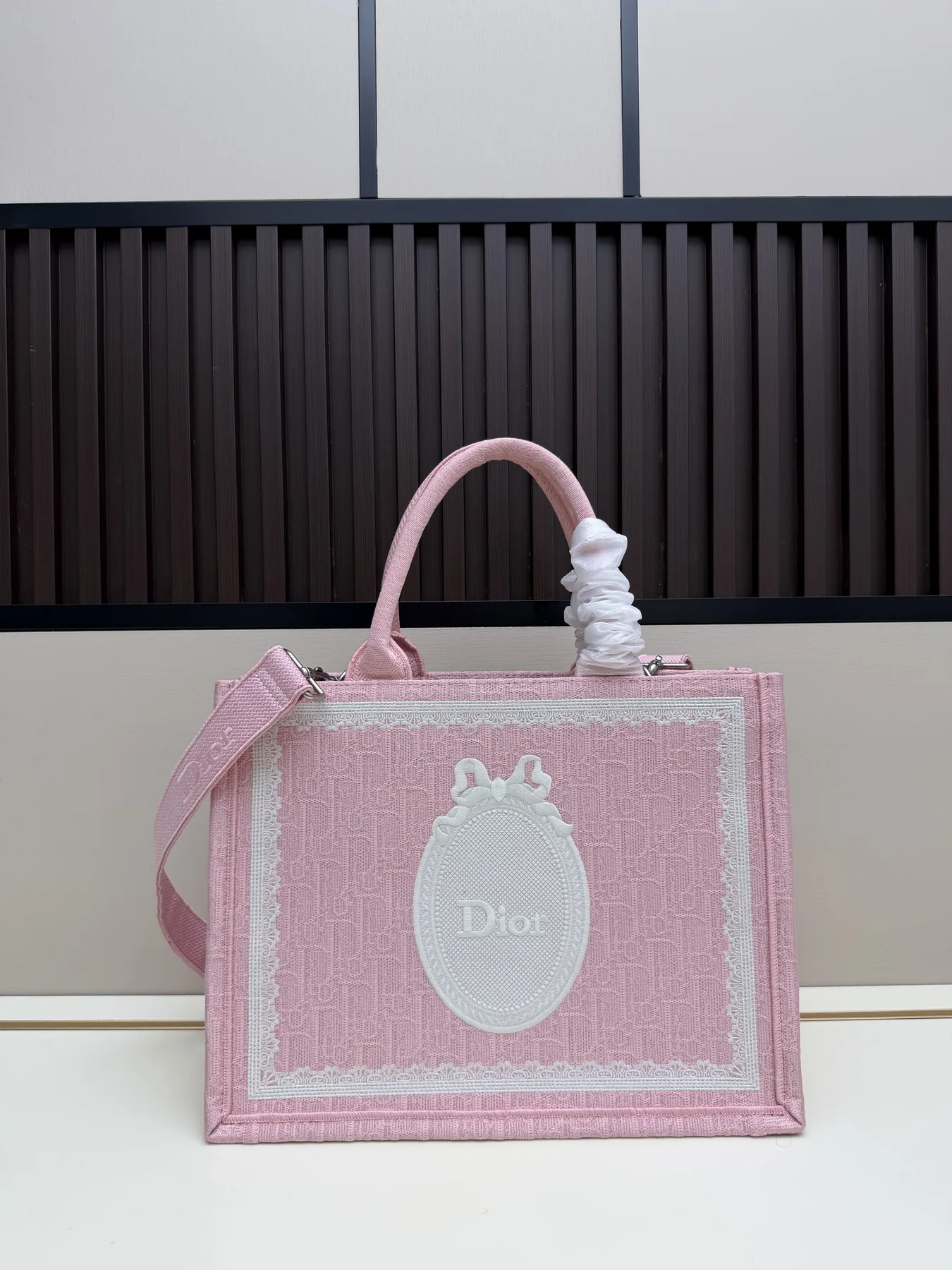
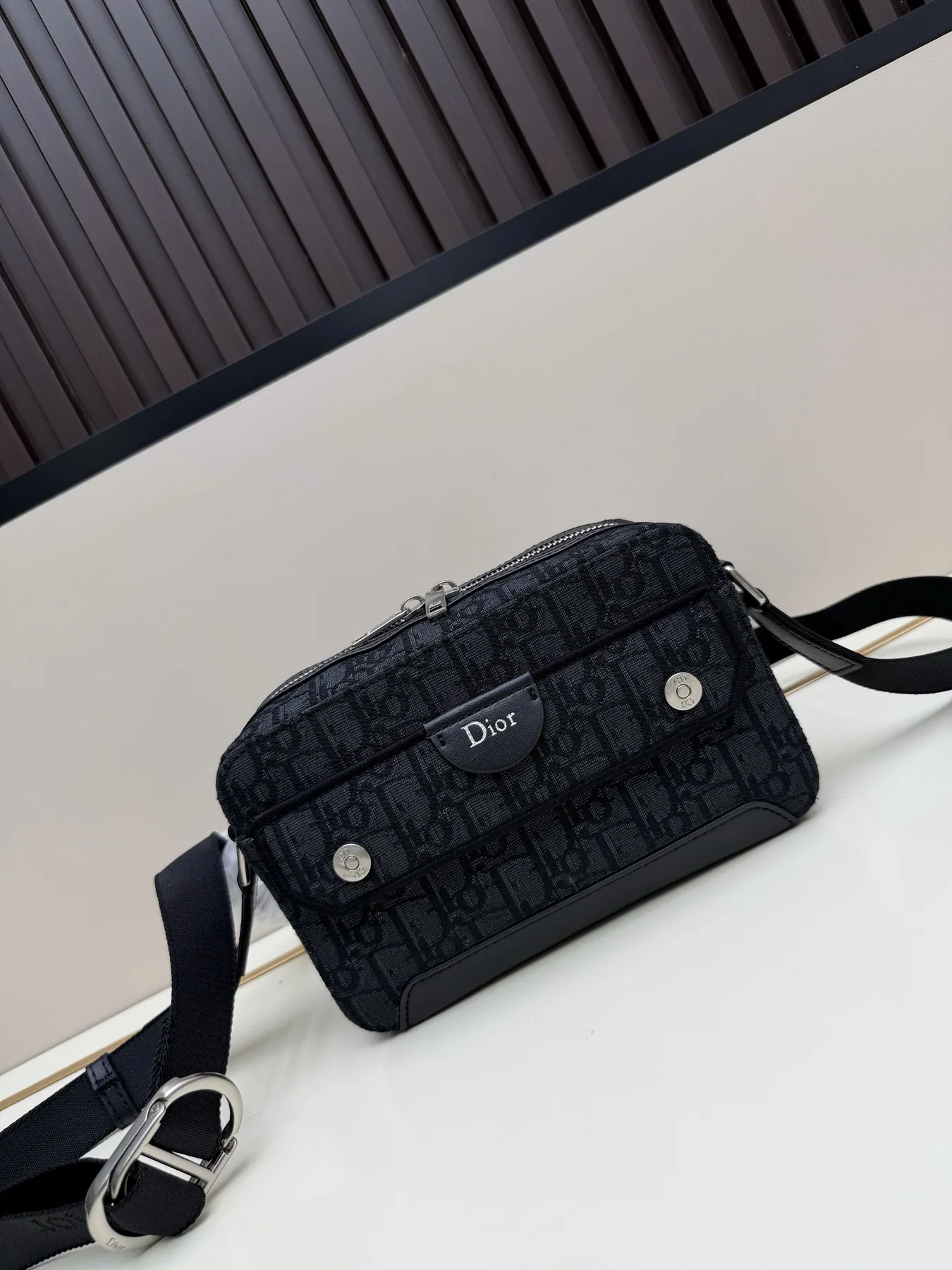
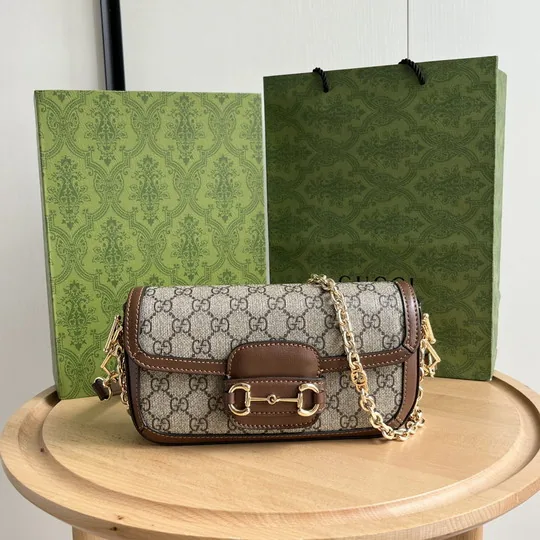
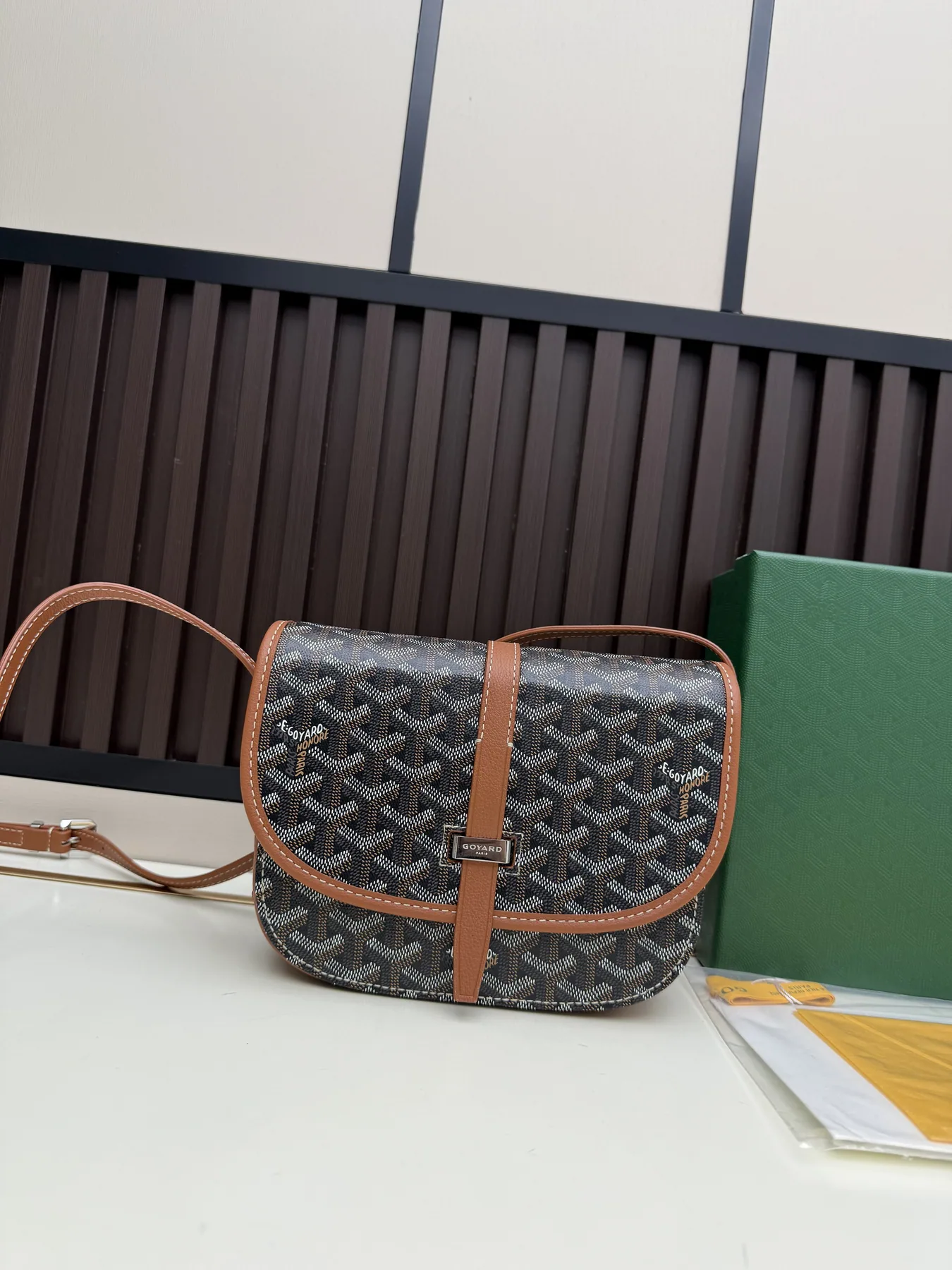
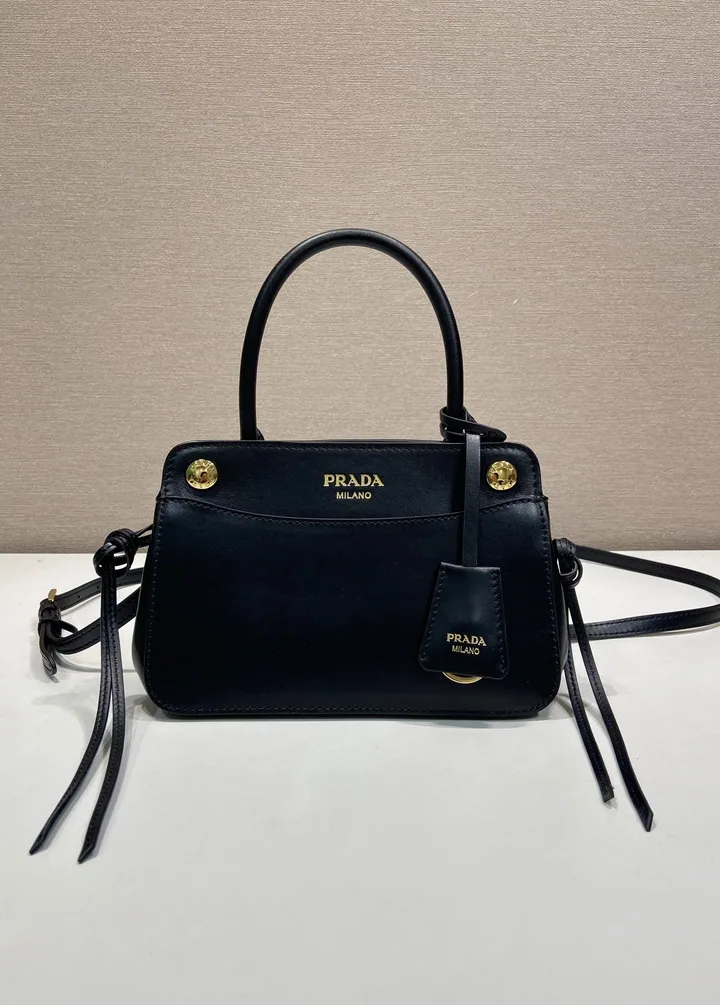
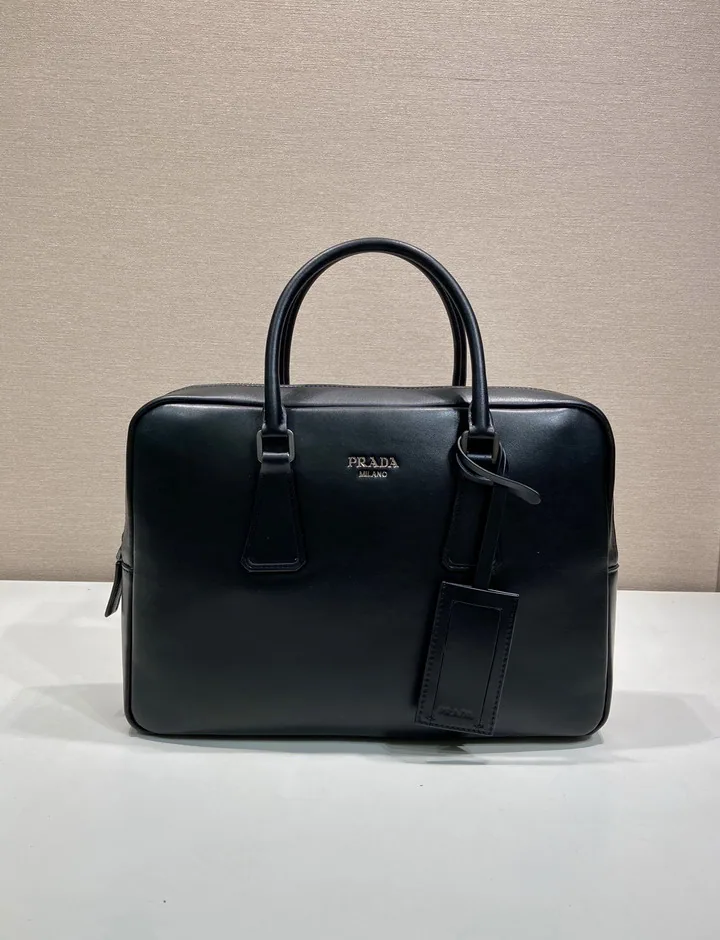
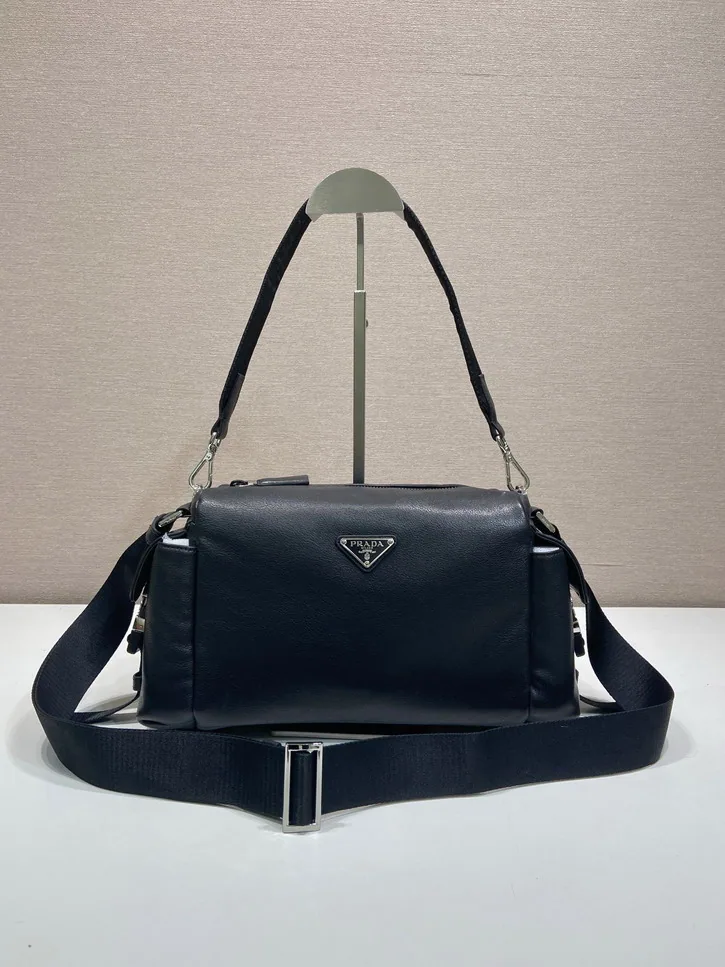
A tote, shoulder bag, crossbody, top-handle piece, and backpack distribute weight differently and create different lines with clothing. Review handle drop, strap length, attachment points, adjustability, and whether a strap appears removable, but record those features only when the images or source data confirm them. A compact bag can look visually substantial if it is rigid or highly detailed, while a larger soft tote may sit quietly against the body. Consider outerwear thickness when evaluating shoulder or crossbody clearance. Front, side, base, and worn views are especially valuable because they reveal depth and scale that a single image cannot communicate. The local preview should provide context before the full supplier gallery is offered as a secondary image resource.
Read structure and materials carefully
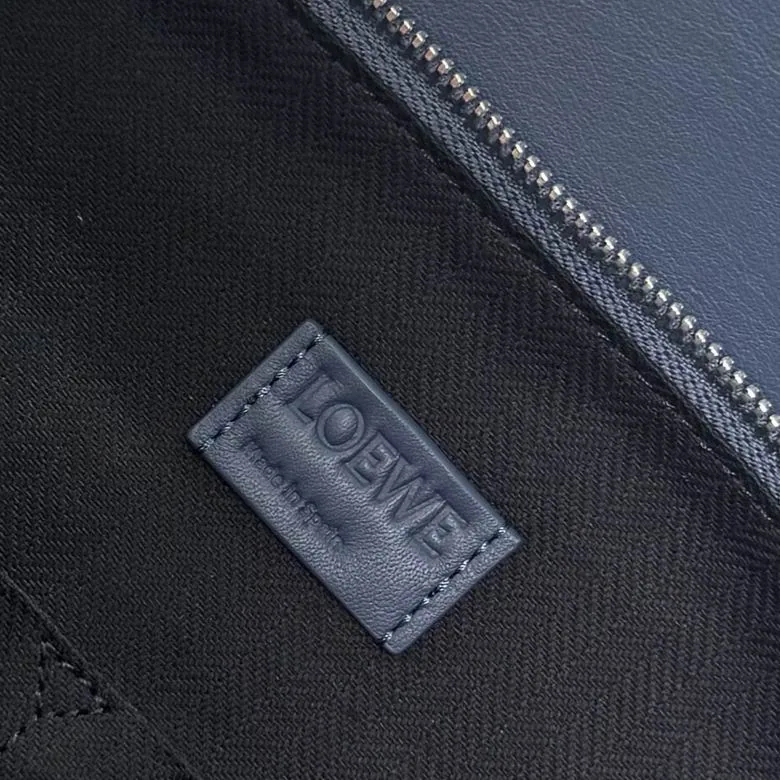
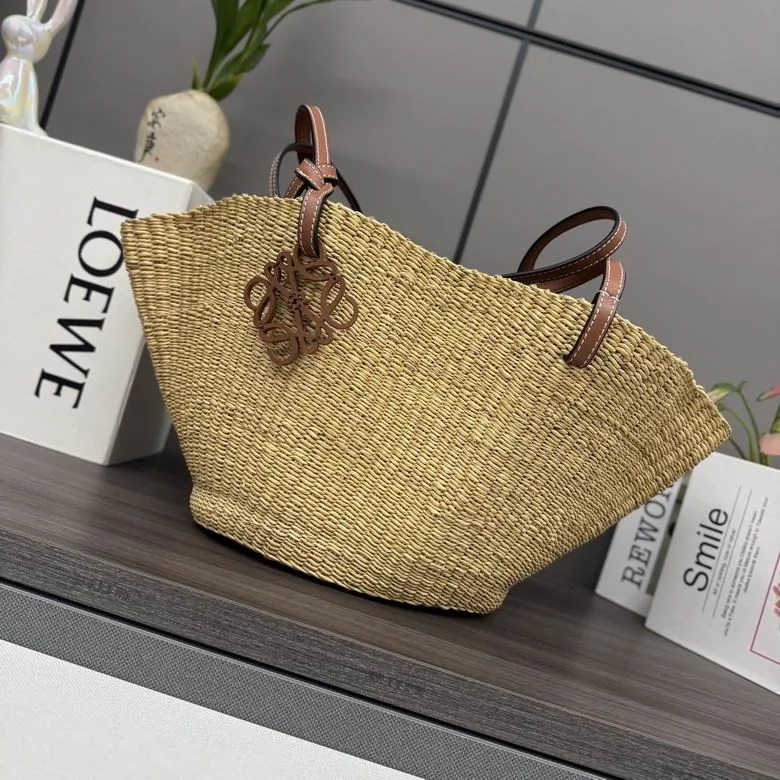
Material names should be precise and verified. Smooth leather, grained leather, coated canvas, textile, nylon-like fabric, suede-like surfaces, and synthetic alternatives can have very different weight, flexibility, water response, and care requirements. Photographs may suggest a surface category but cannot always confirm fiber or leather type, so uncertain details should remain unclaimed. Structure depends on more than the shell: lining, edge paint, reinforcement, base panels, hardware, stitching, and internal supports all influence how a bag holds its shape. Product features can describe visible construction without making unsupported statements about origin, craftsmanship, durability, or authenticity. The material guide explains how to separate confirmed composition from visual observation.
Evaluate access, security, and hardware
The main opening determines how quickly contents can be reached and how securely they are contained. Zippers, flaps, magnetic closures, drawstrings, buckles, open tops, and internal fasteners each create a different balance between access and coverage. Hardware color and finish affect styling, but studio lighting can make polished, brushed, silver-tone, or gold-tone surfaces appear different from real conditions. Note only what is visible and avoid promising corrosion resistance or metal composition without documentation. Check whether feet protect the base, whether corners appear reinforced, and whether straps attach at load-bearing points. These details help compare function while staying within evidence available from the product record and photographs.
Protect shape and surface during storage
Bag care begins with reducing avoidable pressure, moisture, color transfer, and hardware contact. Empty unnecessary contents before storage, gently remove surface dust, and support the interior with clean, colorfast material so the body is not sharply folded. Avoid overfilling, which can strain handles, closures, seams, and edge finishes. Store detachable straps without tight bends and wrap prominent hardware when it could press against the exterior. Keep the bag in a breathable cover in a stable, dry environment away from prolonged sunlight or heat. Cleaning methods depend on the confirmed material and finish, so product labels or manufacturer instructions override general advice. The care guide provides a conservative routine when exact treatment information is available.