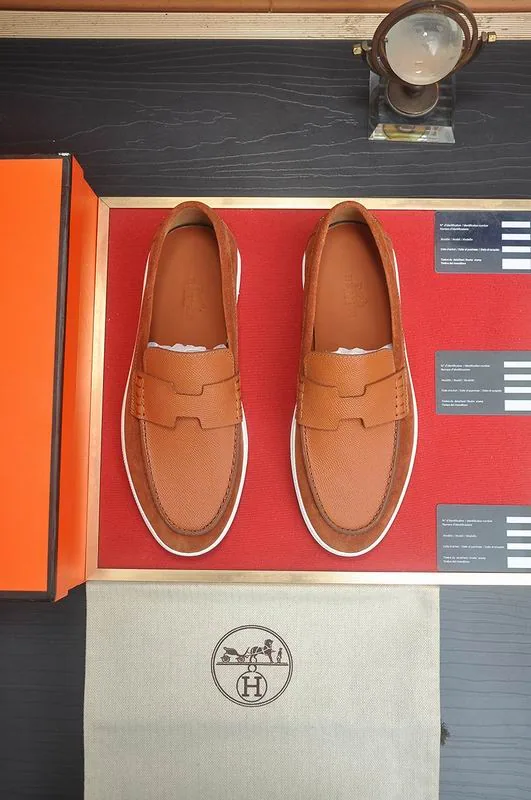
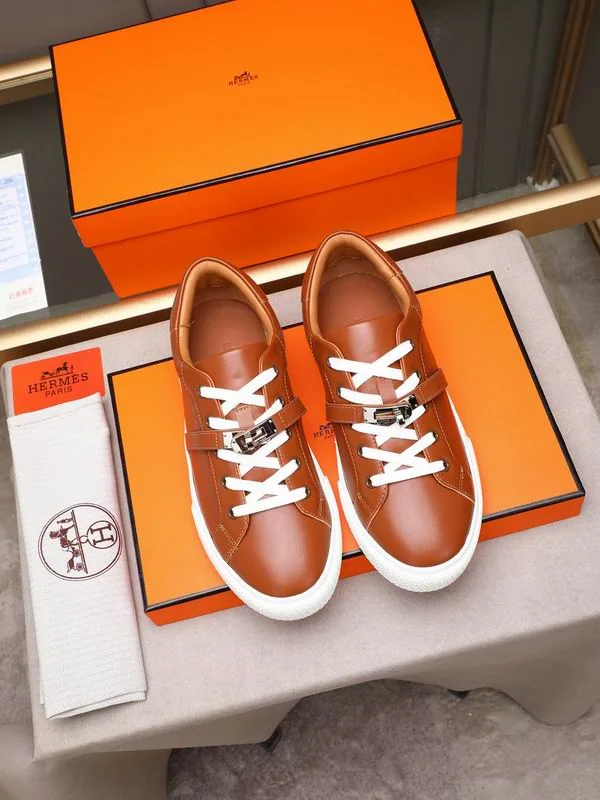
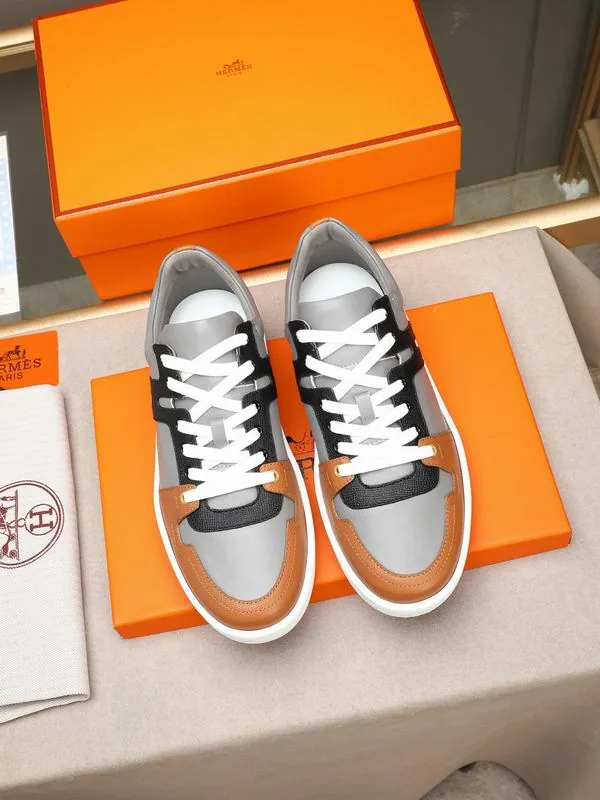
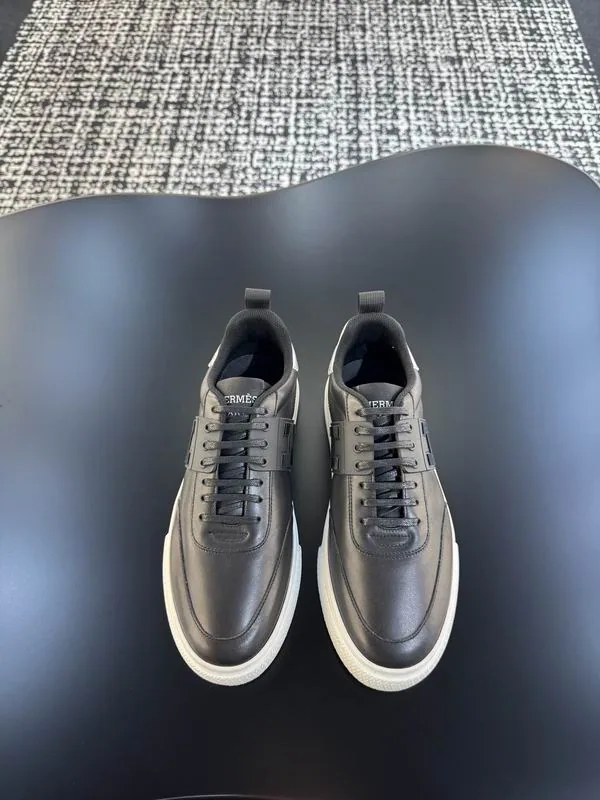
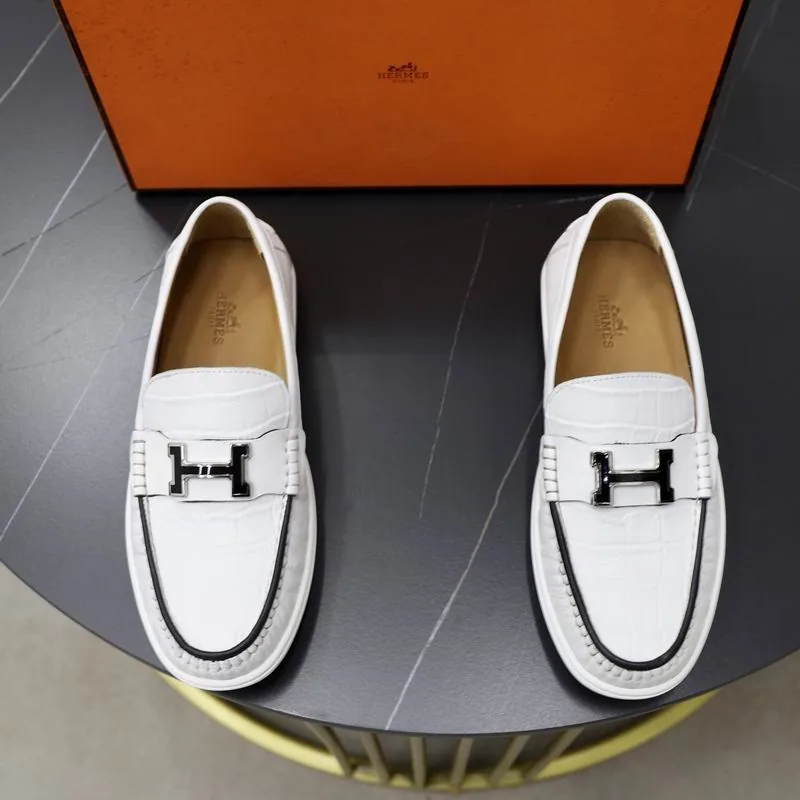
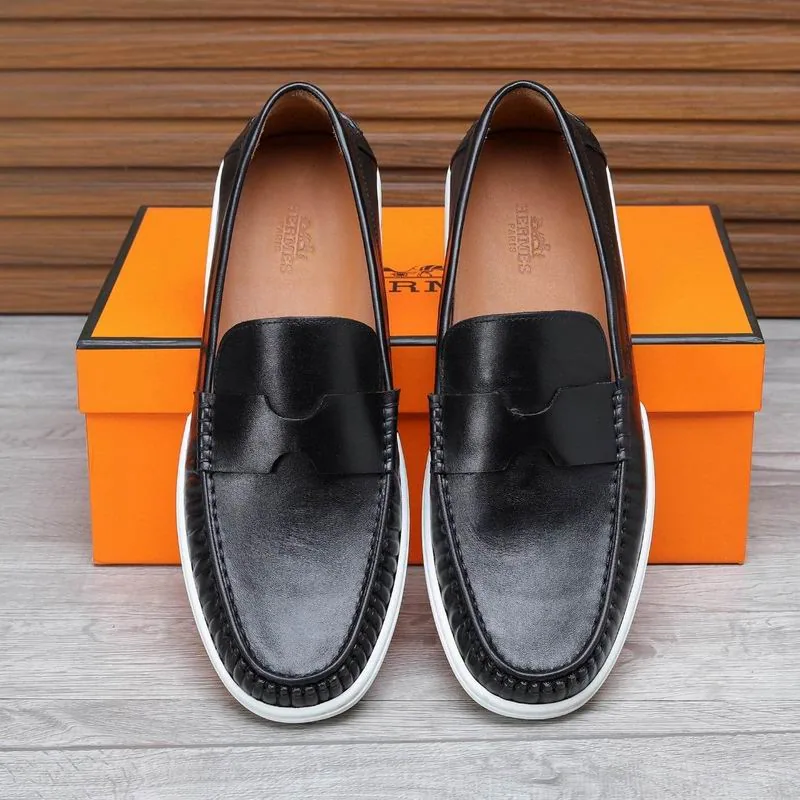
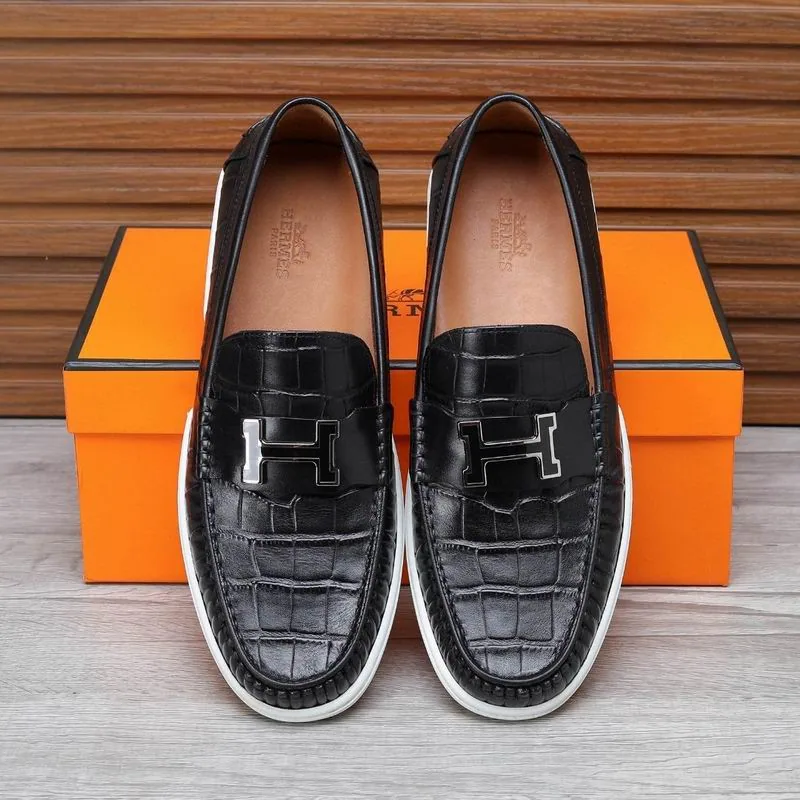
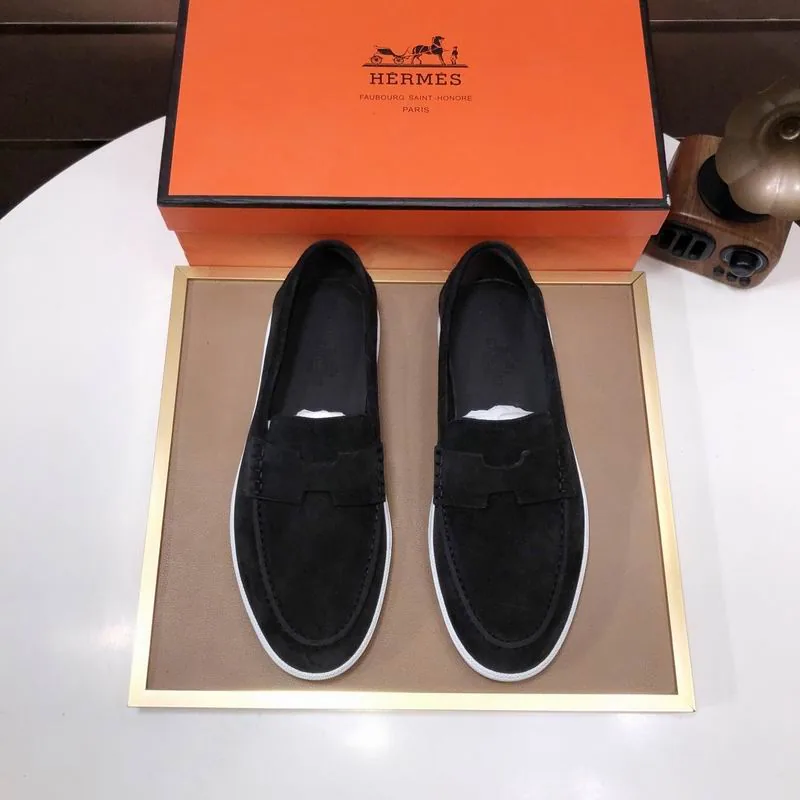
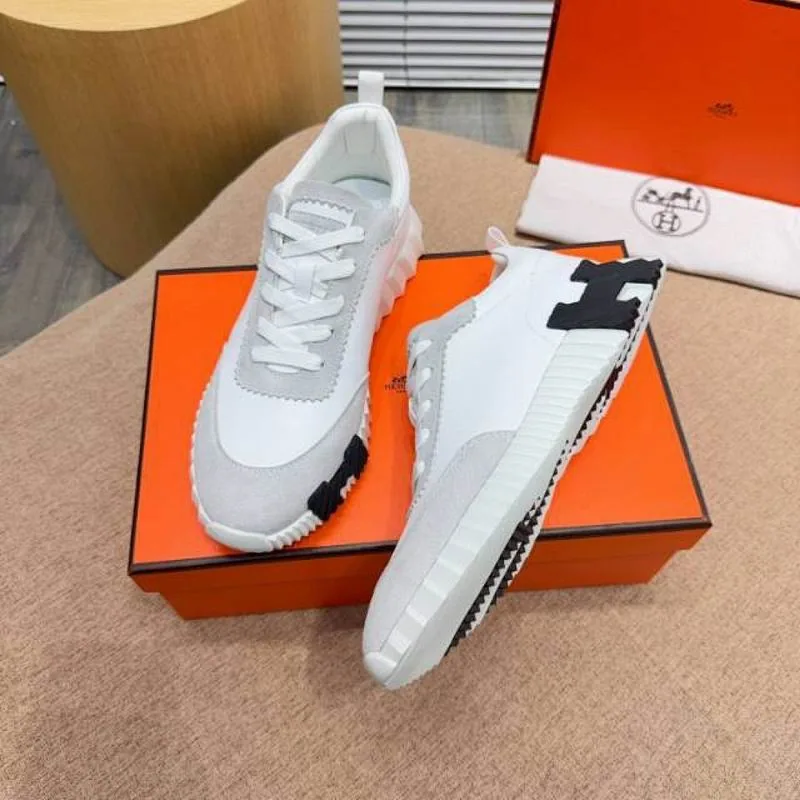
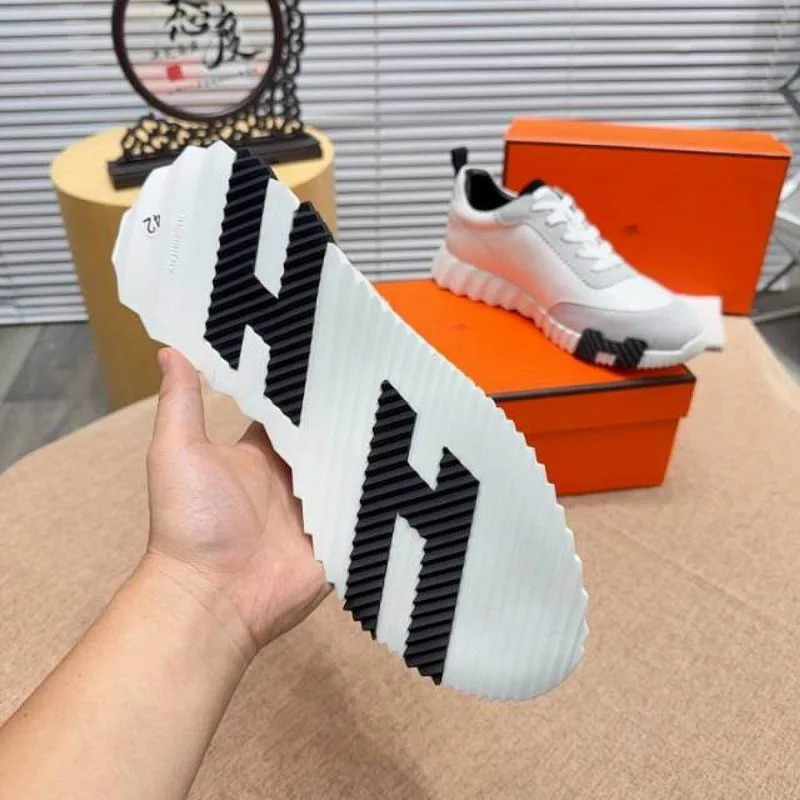
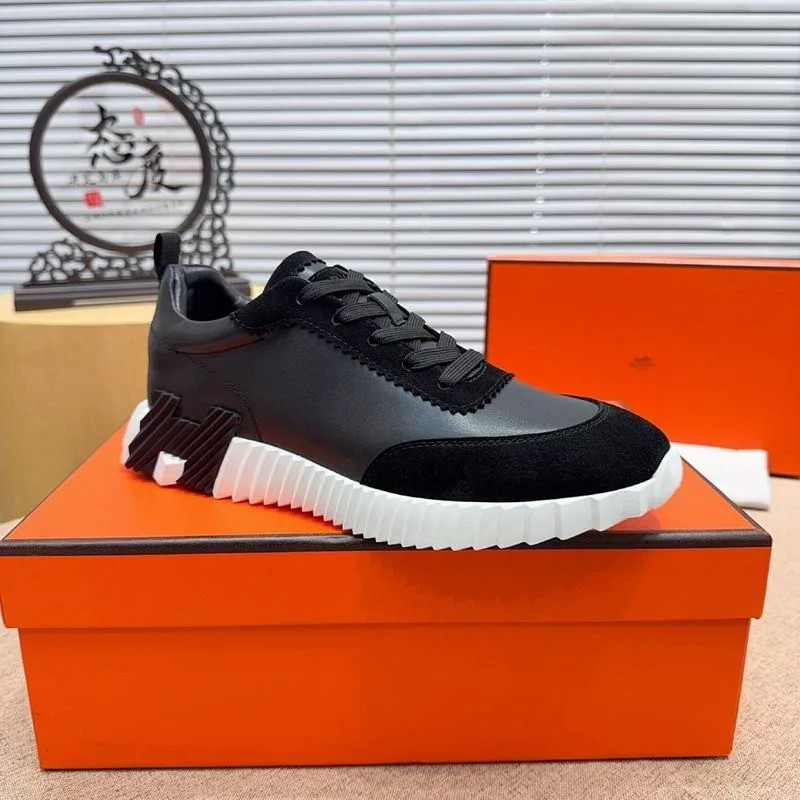
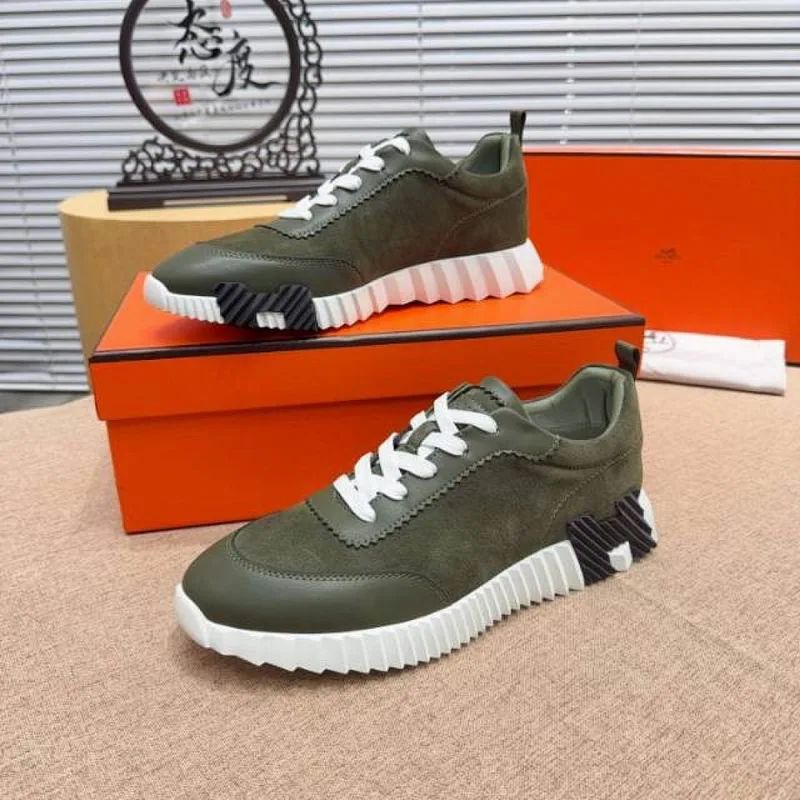
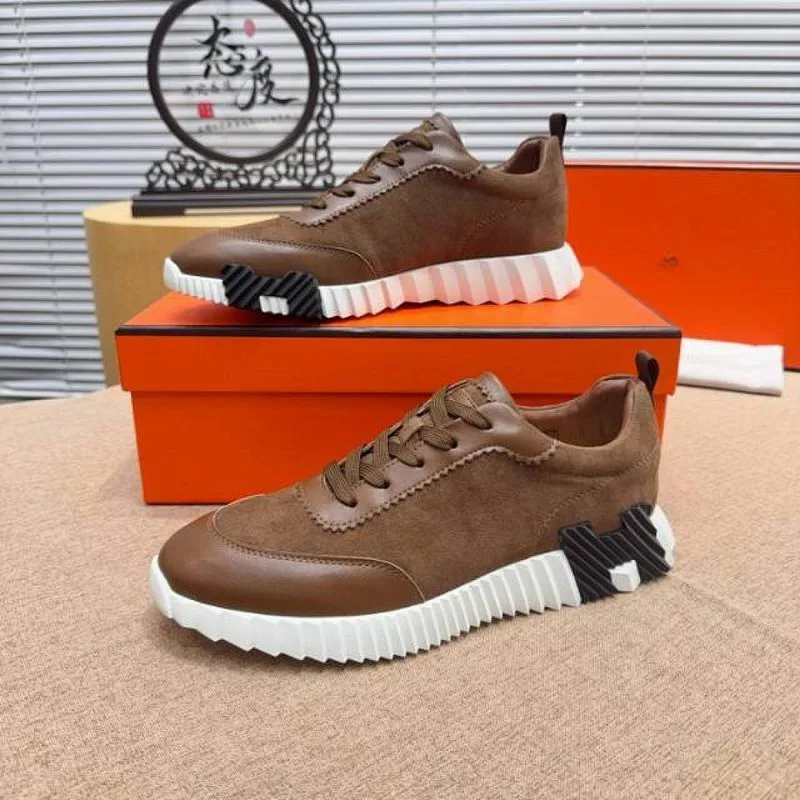
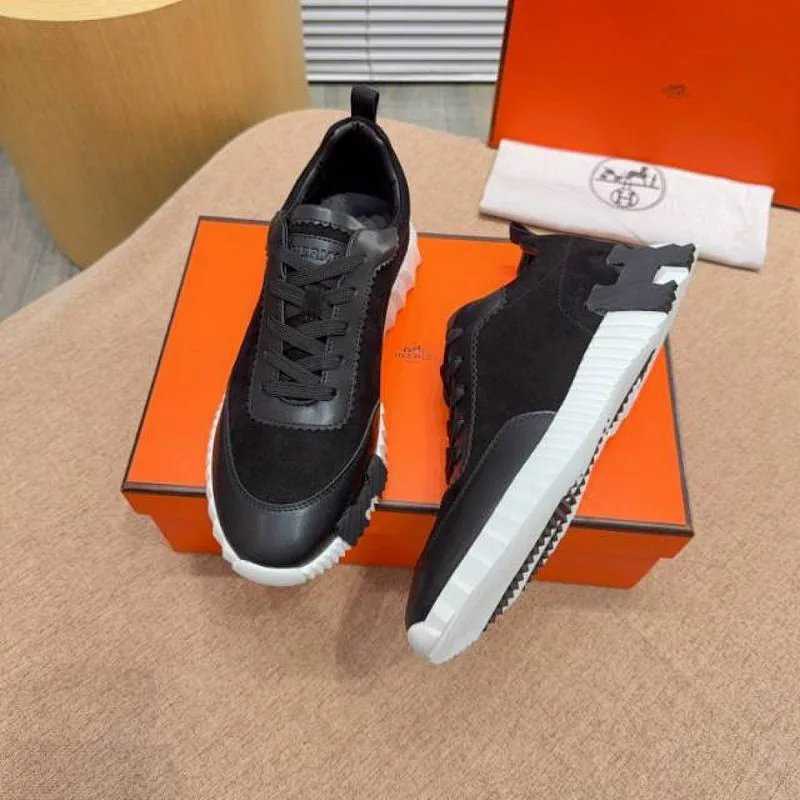
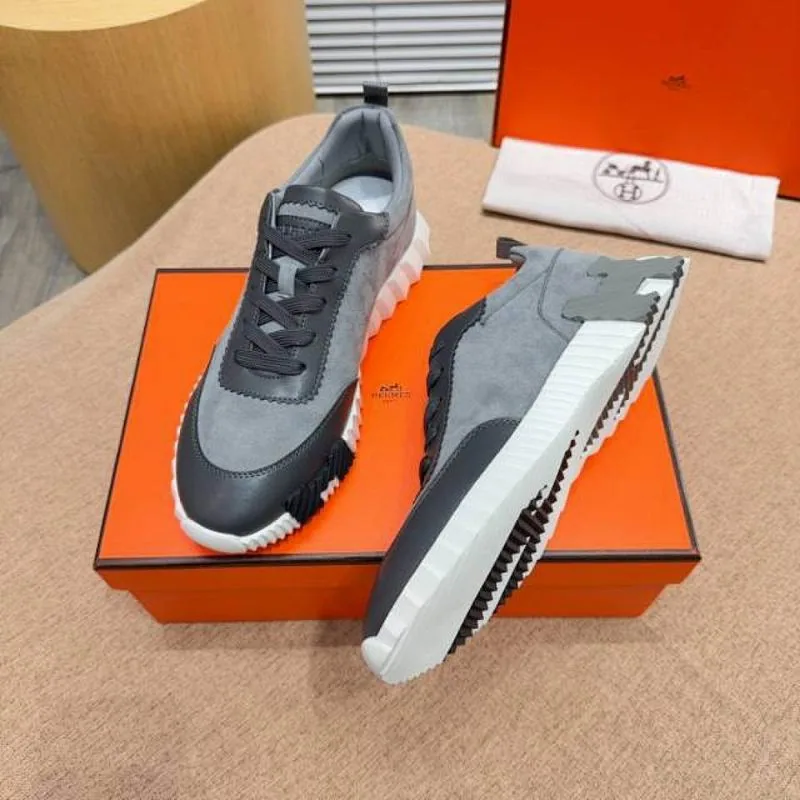
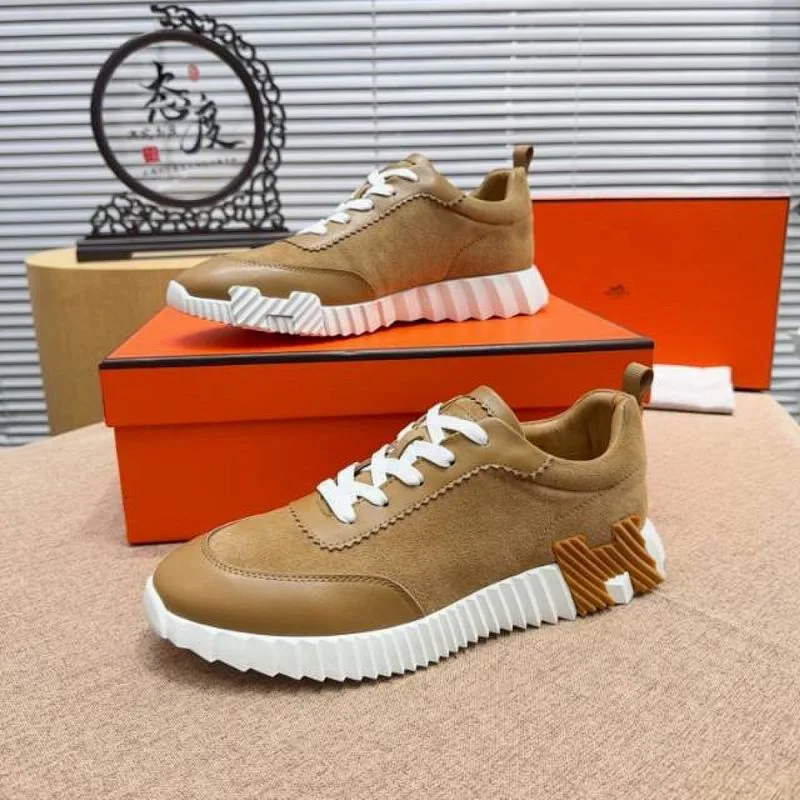
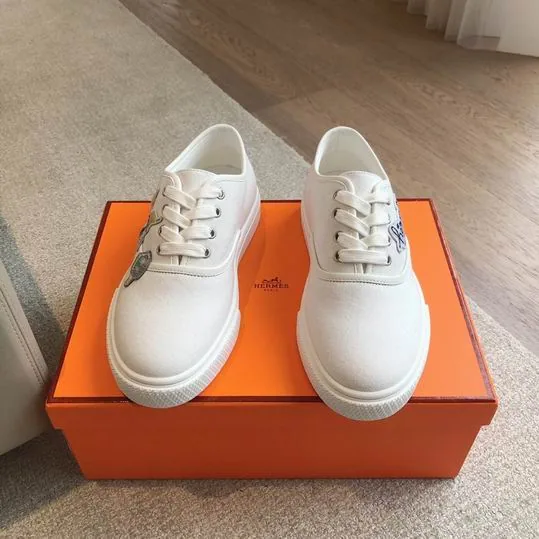
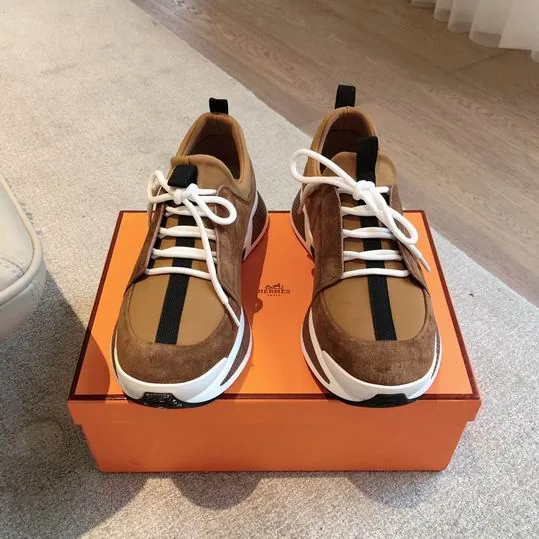
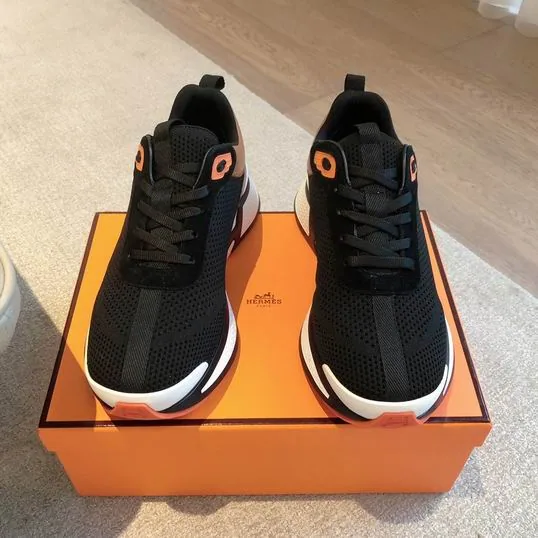
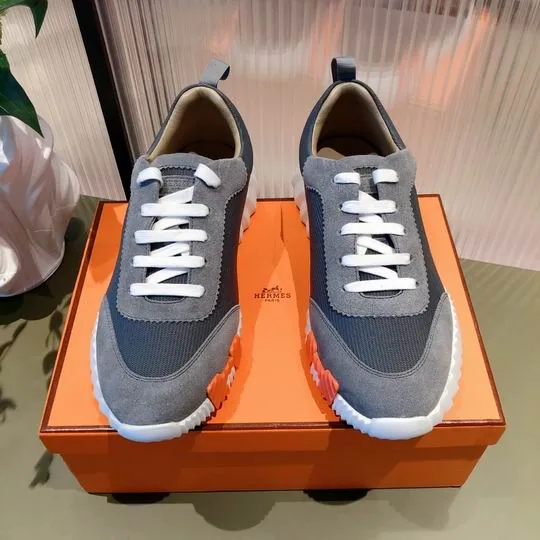
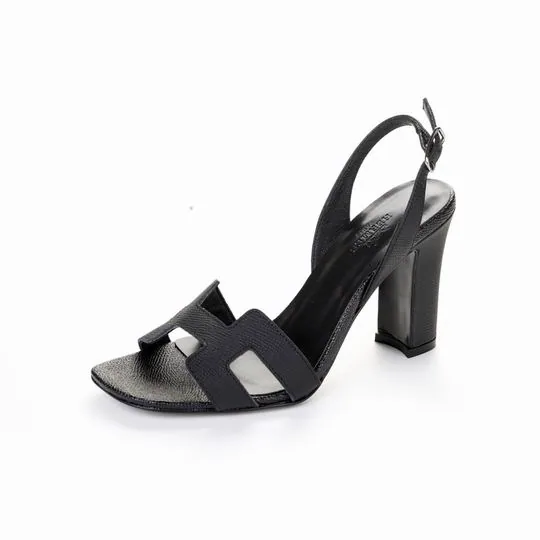
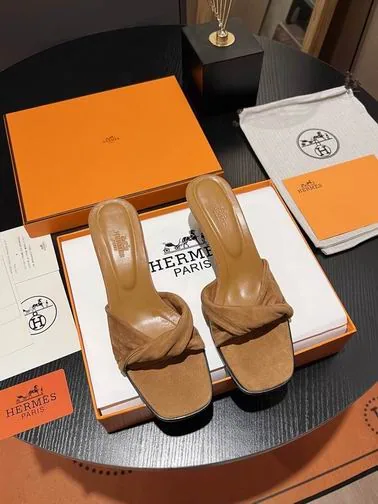
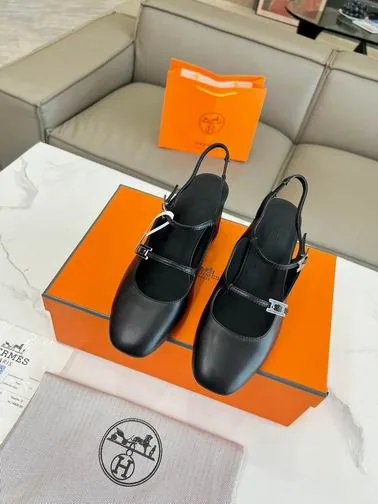
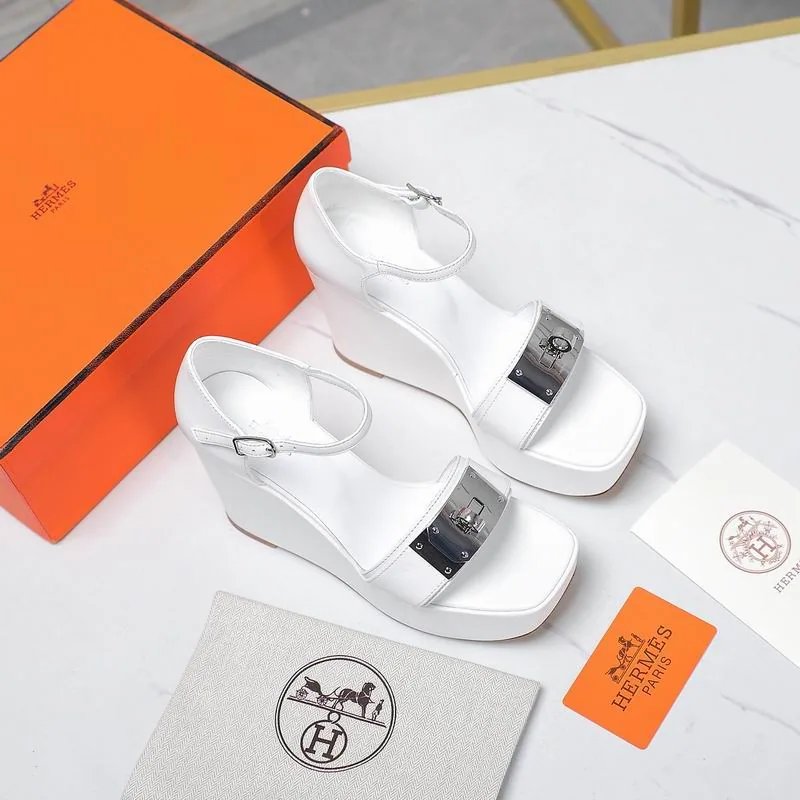
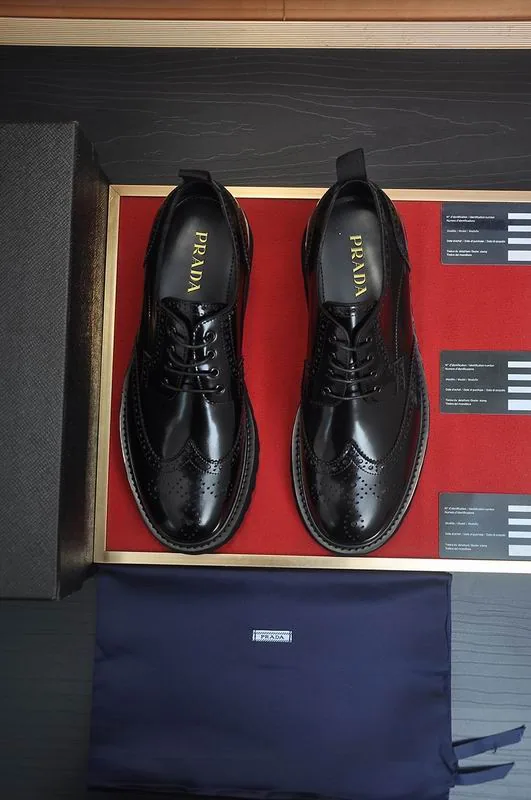
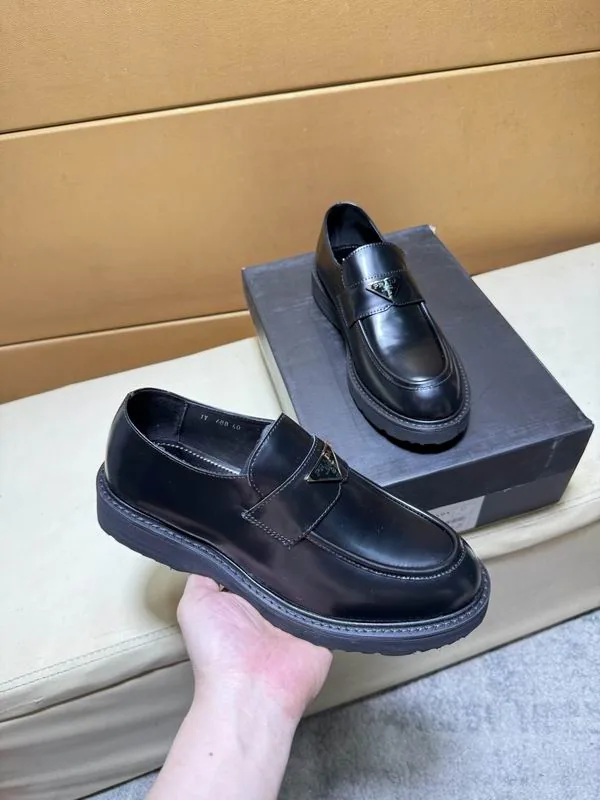
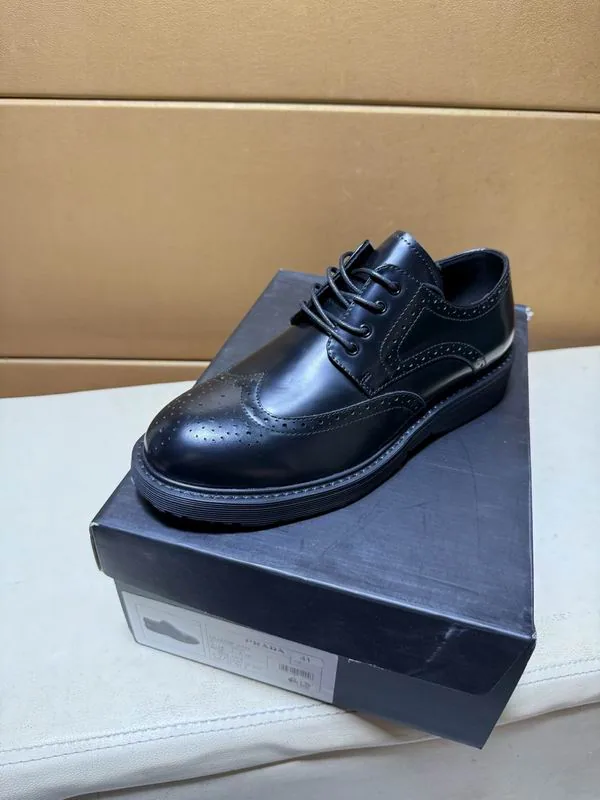
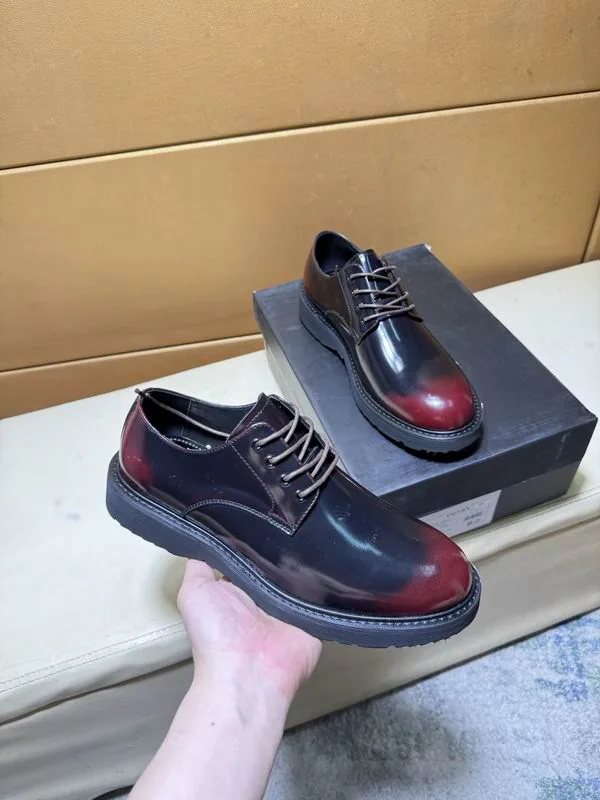
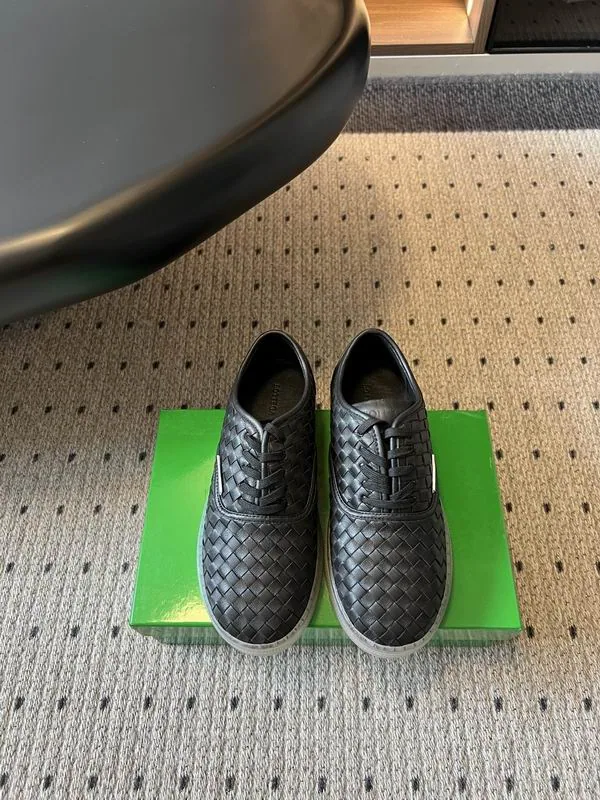
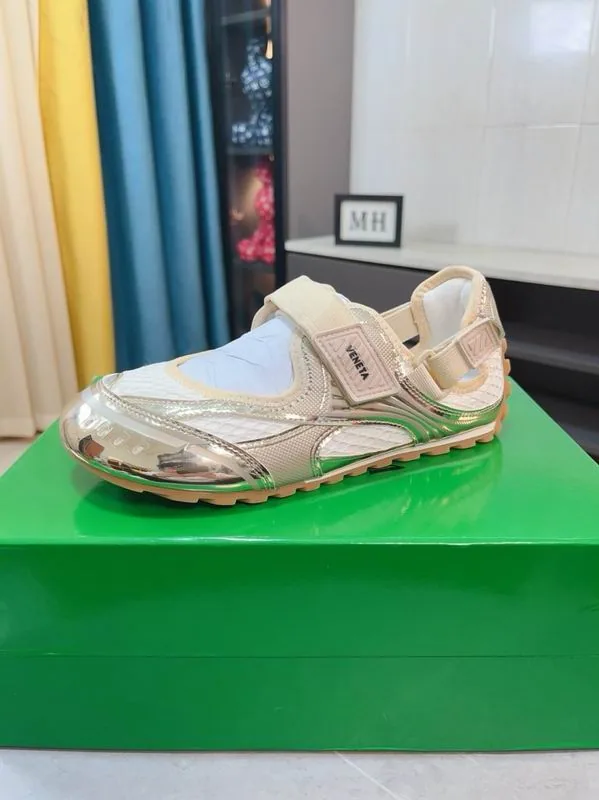
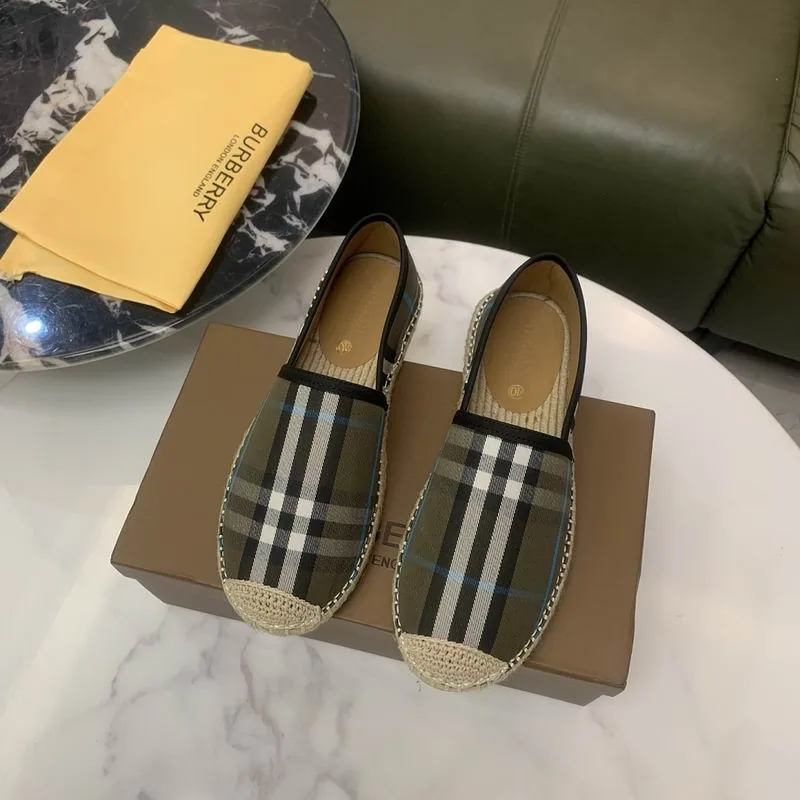
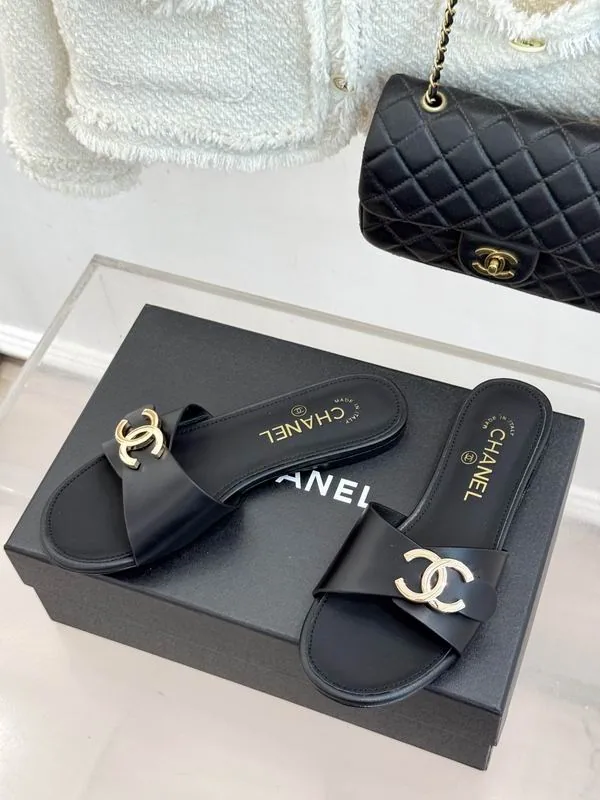
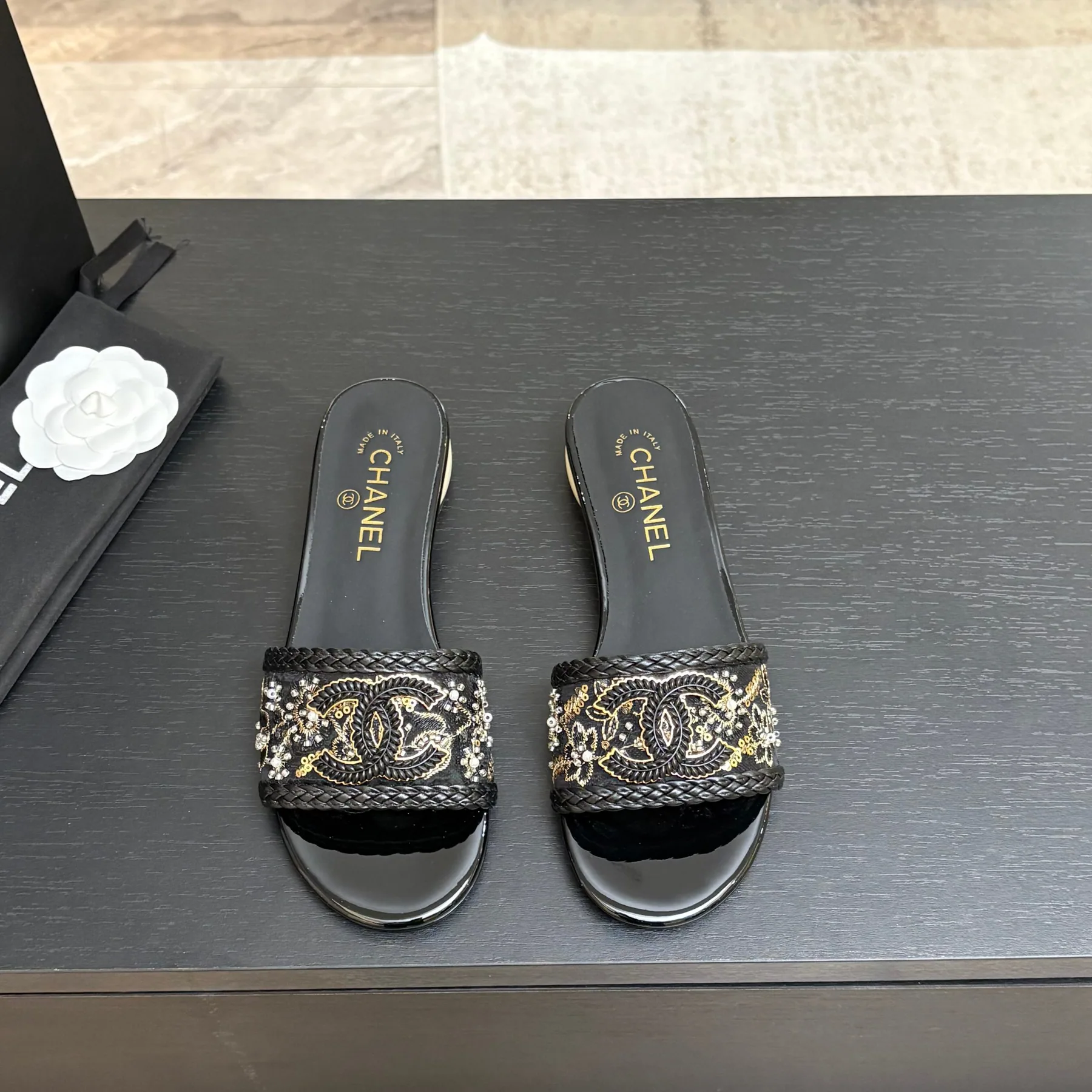
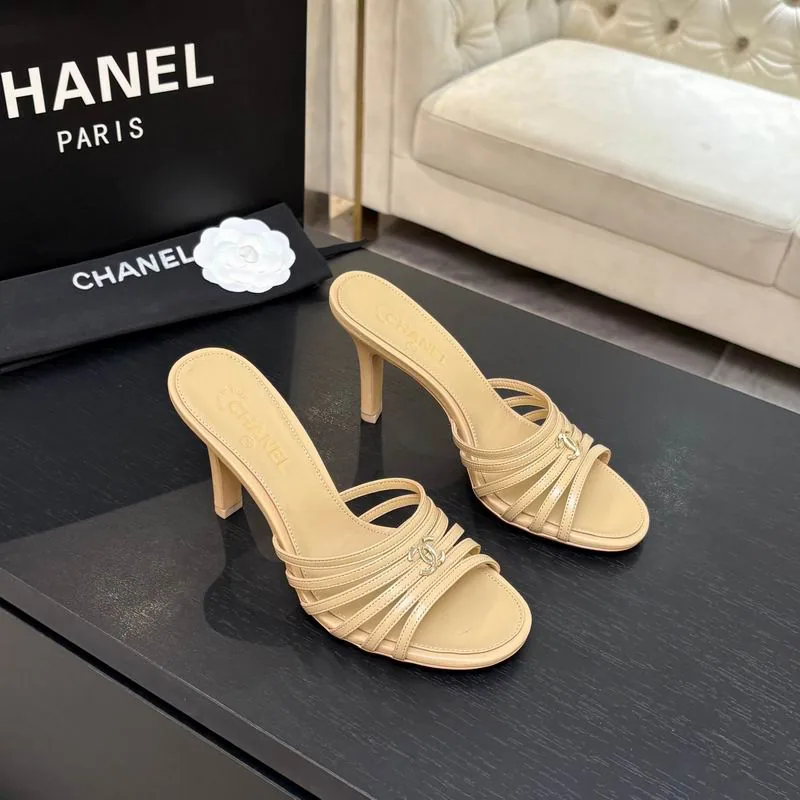
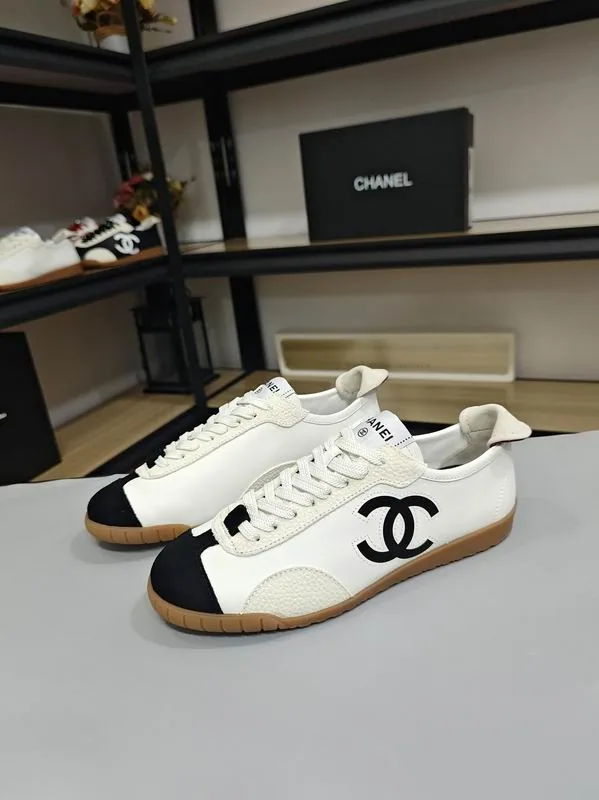
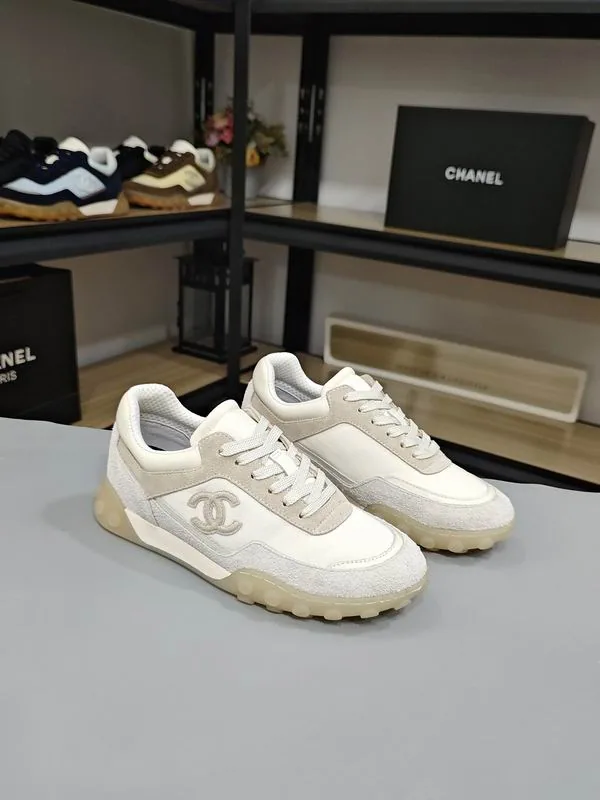
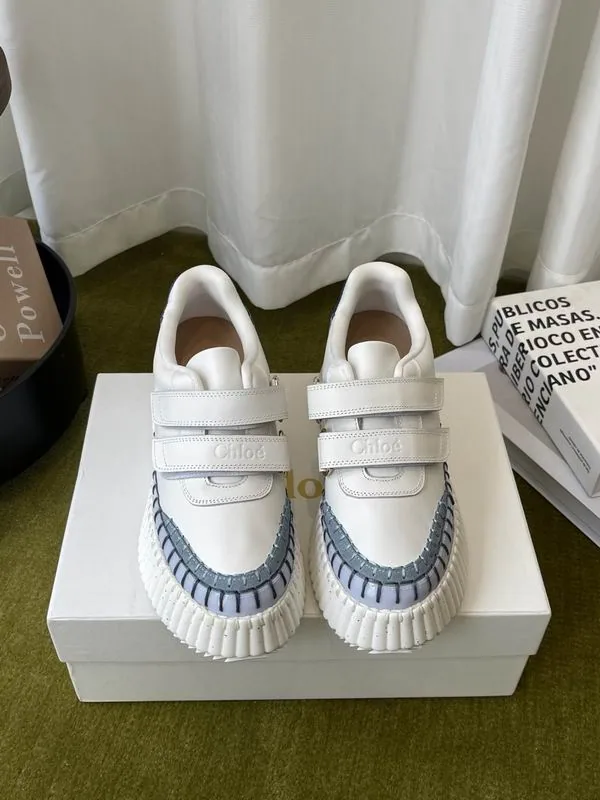
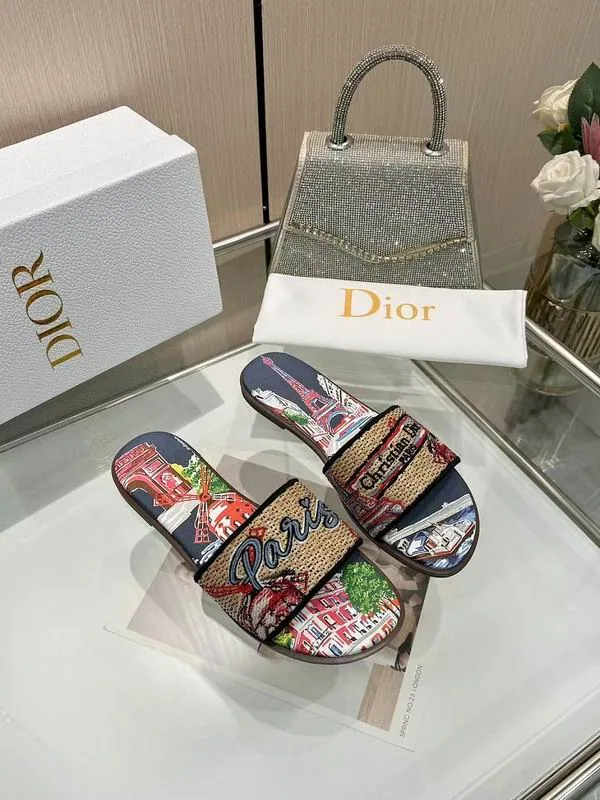
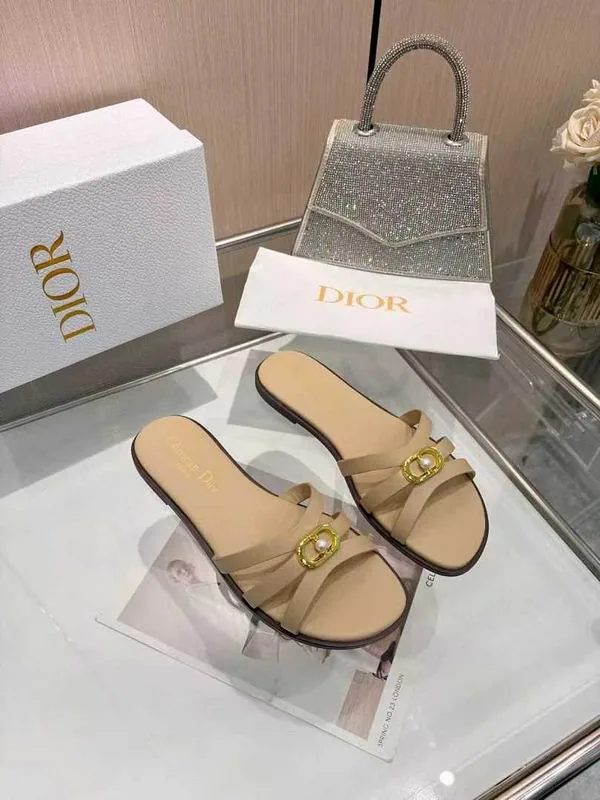
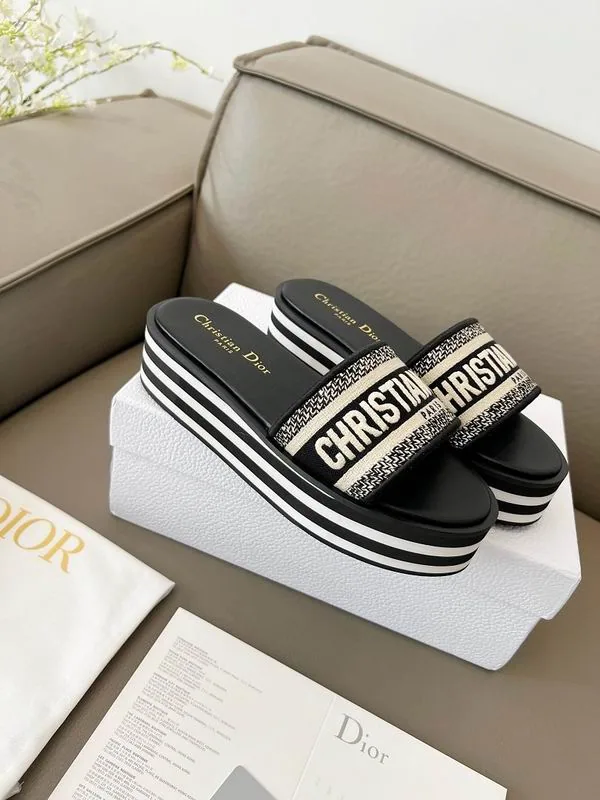
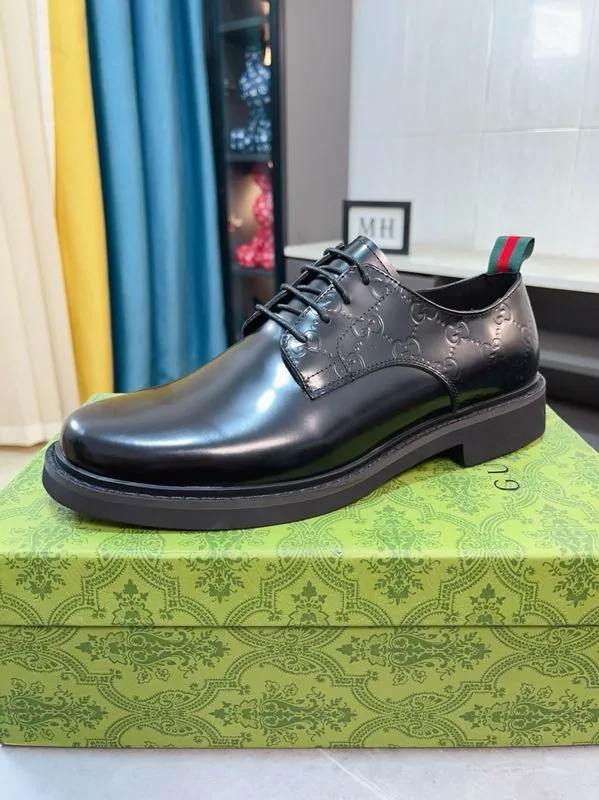
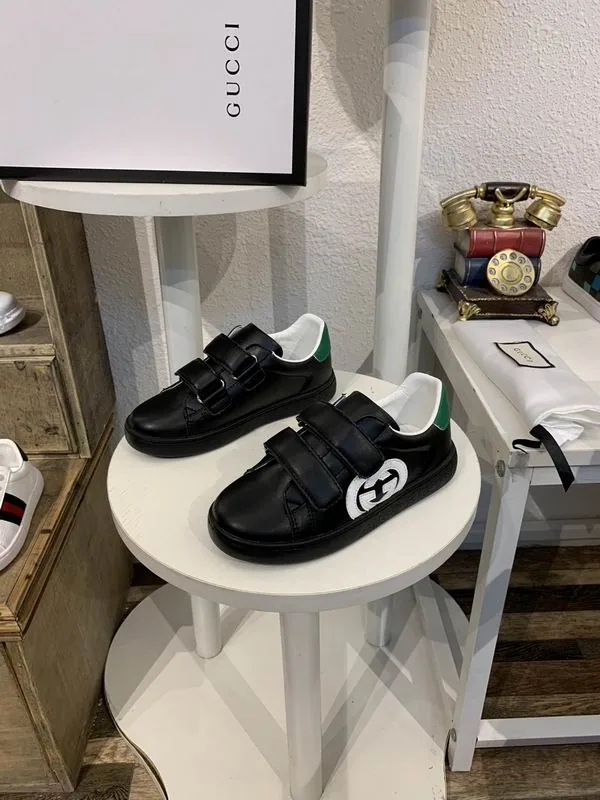
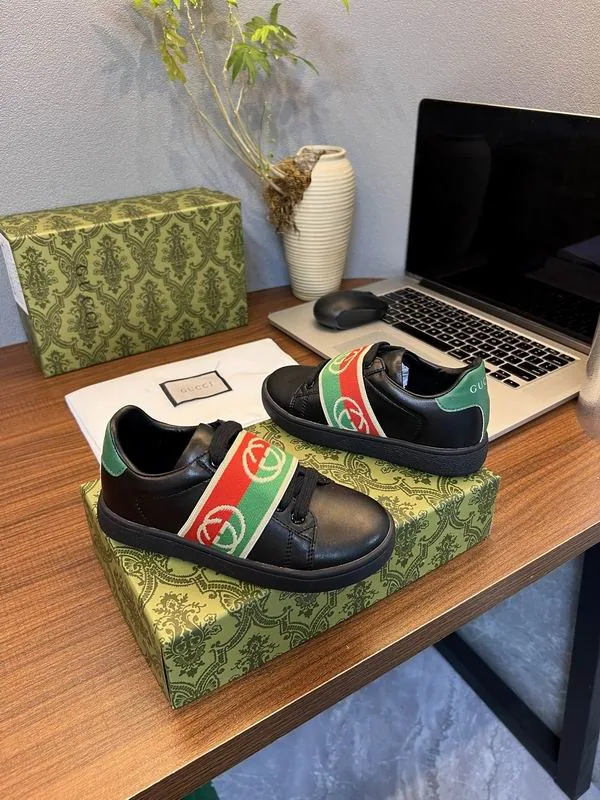
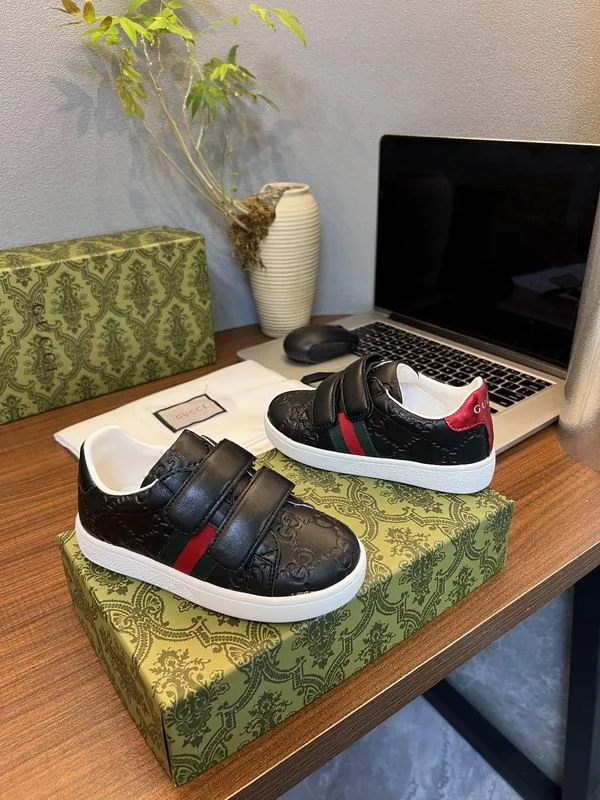
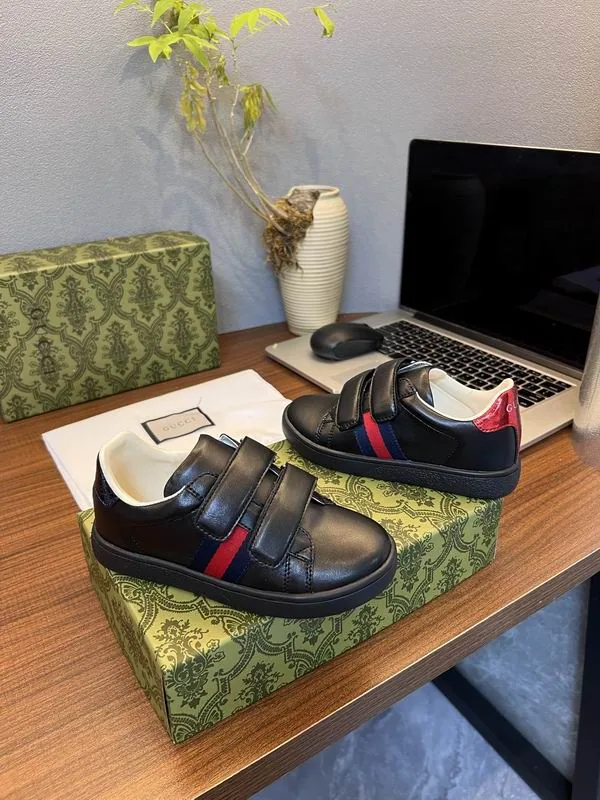
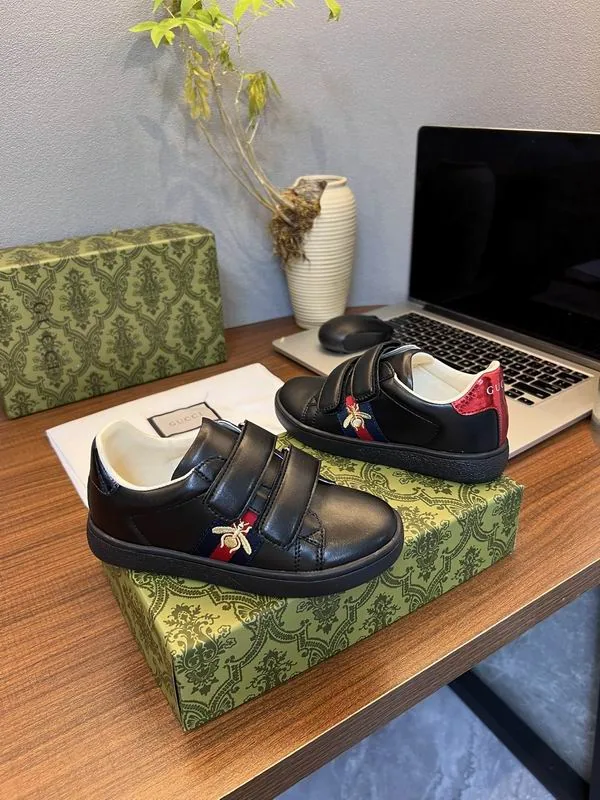
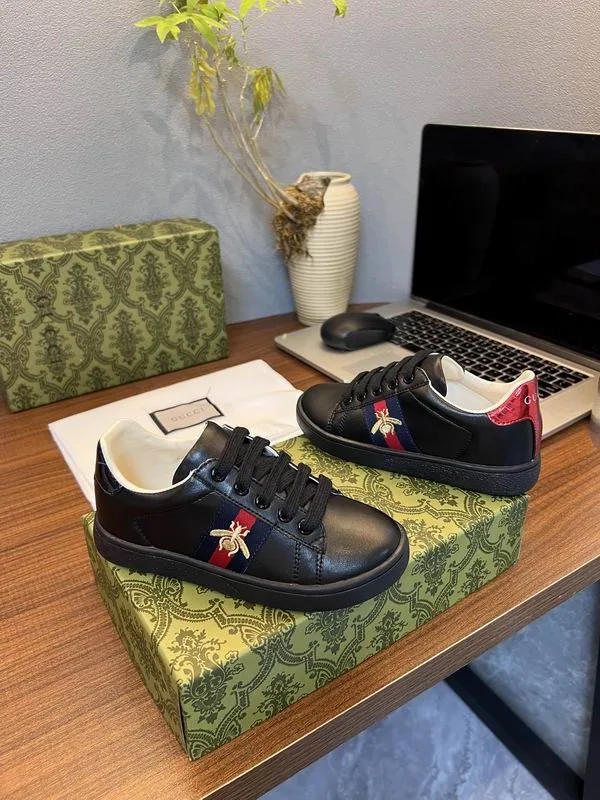
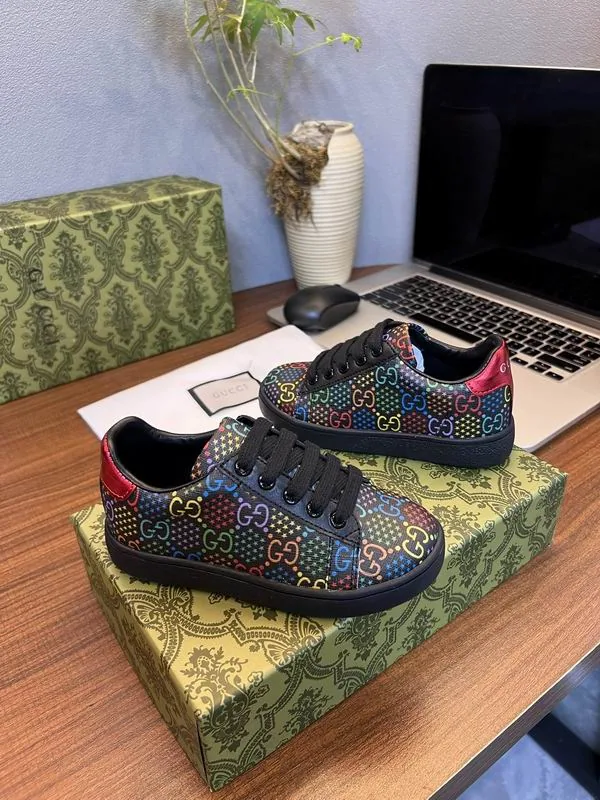
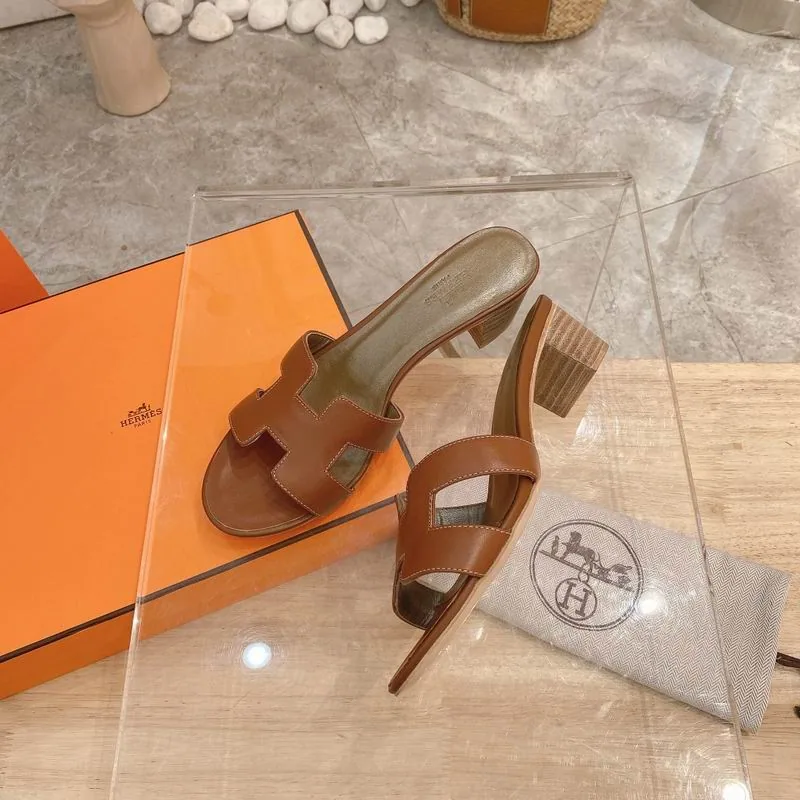
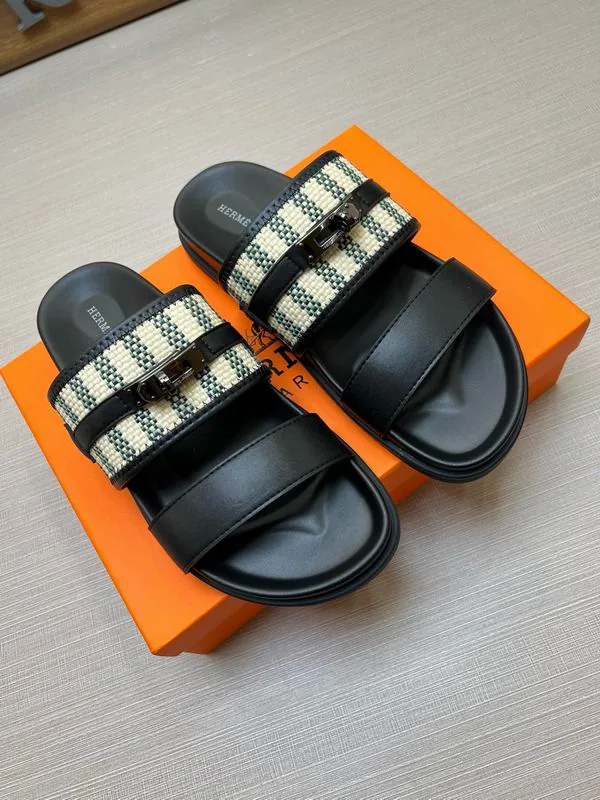
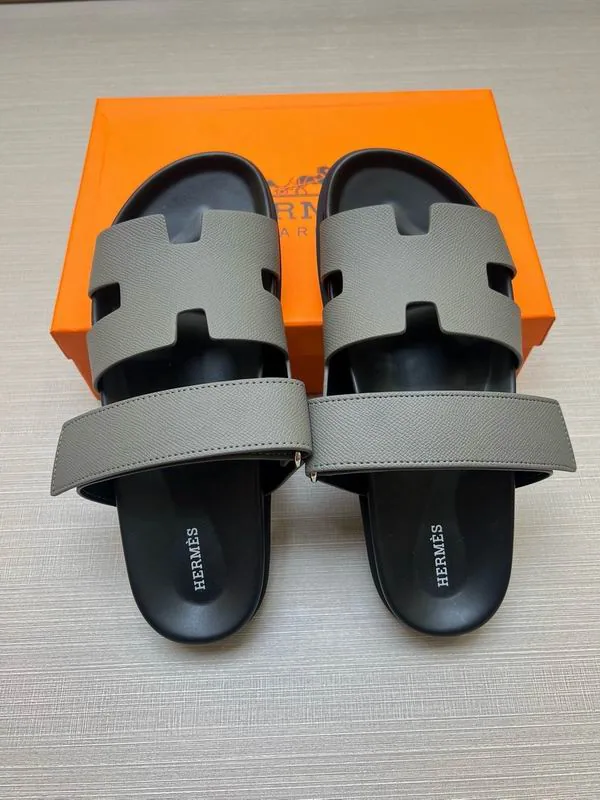
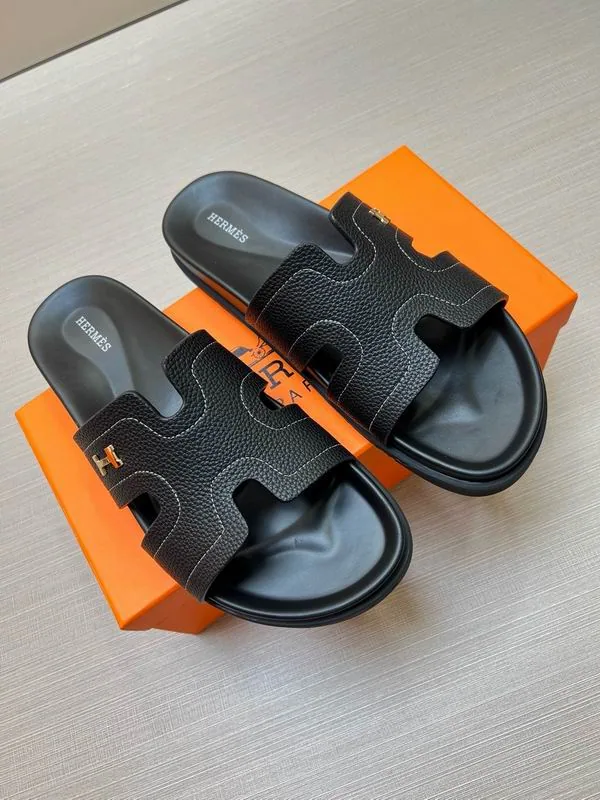
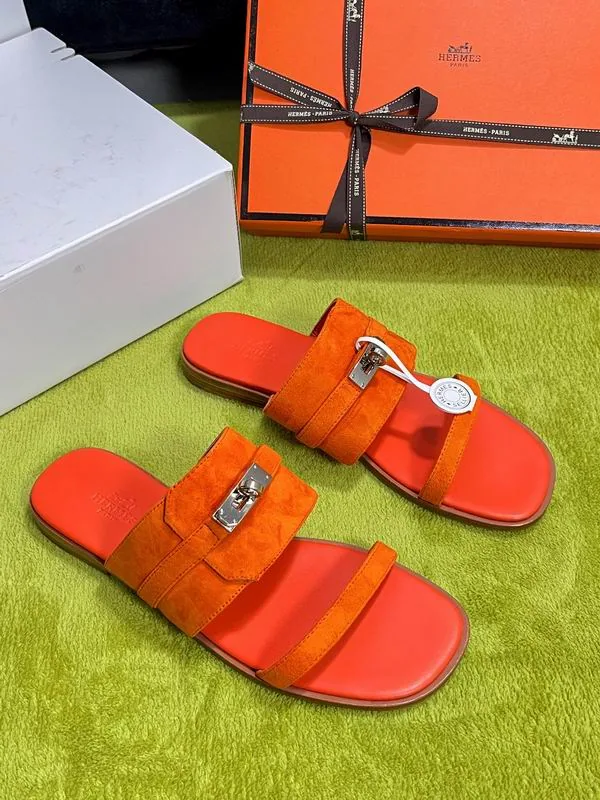
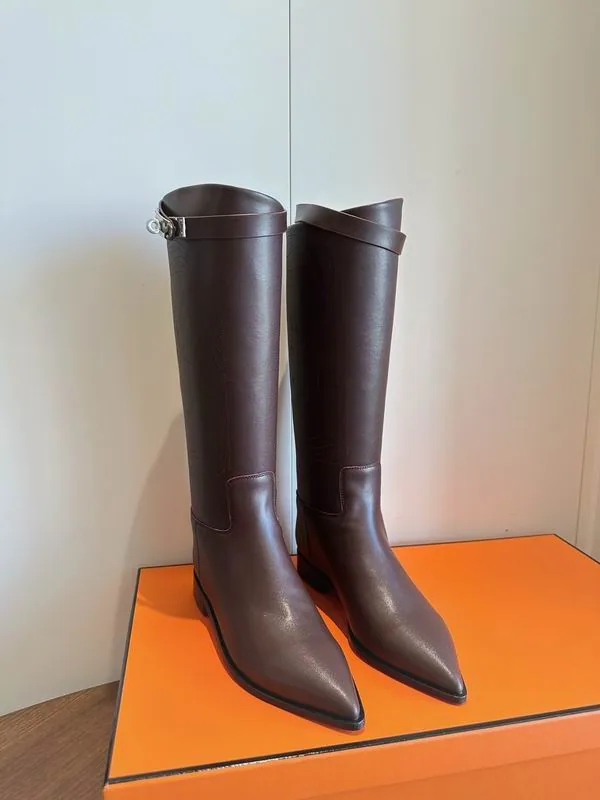
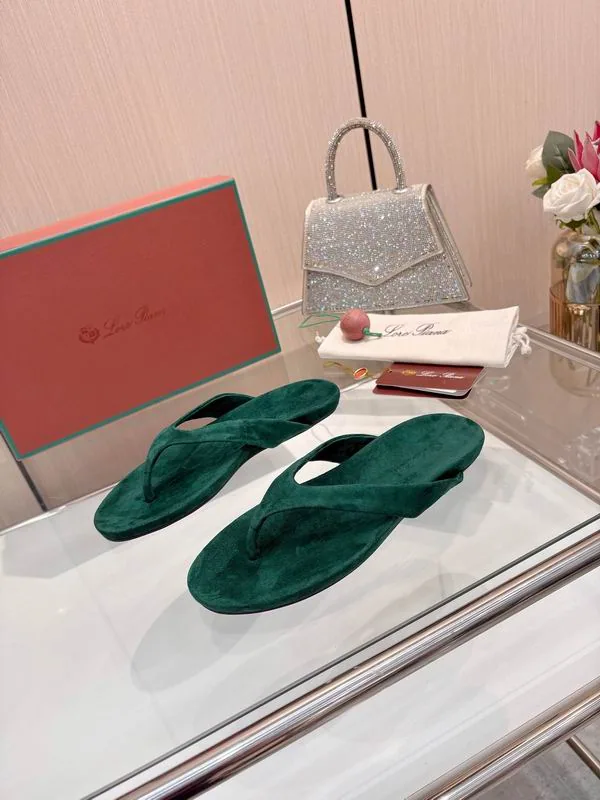
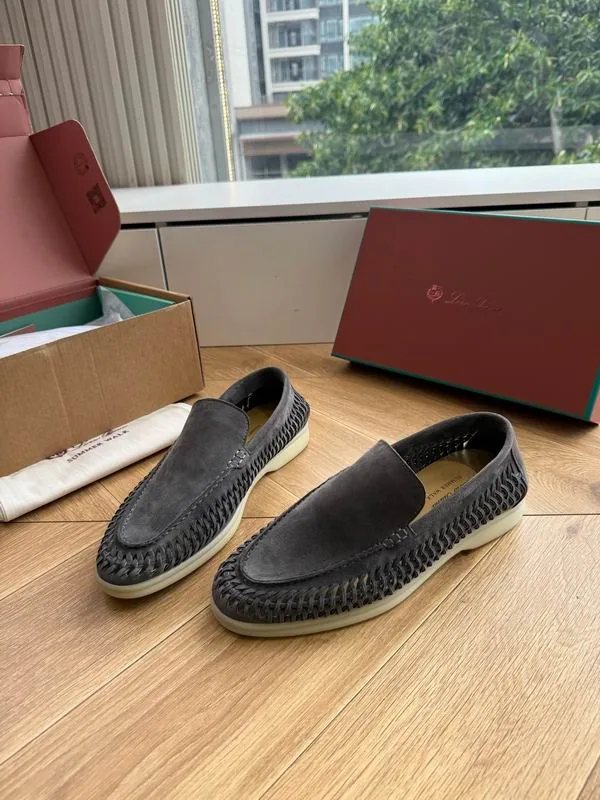
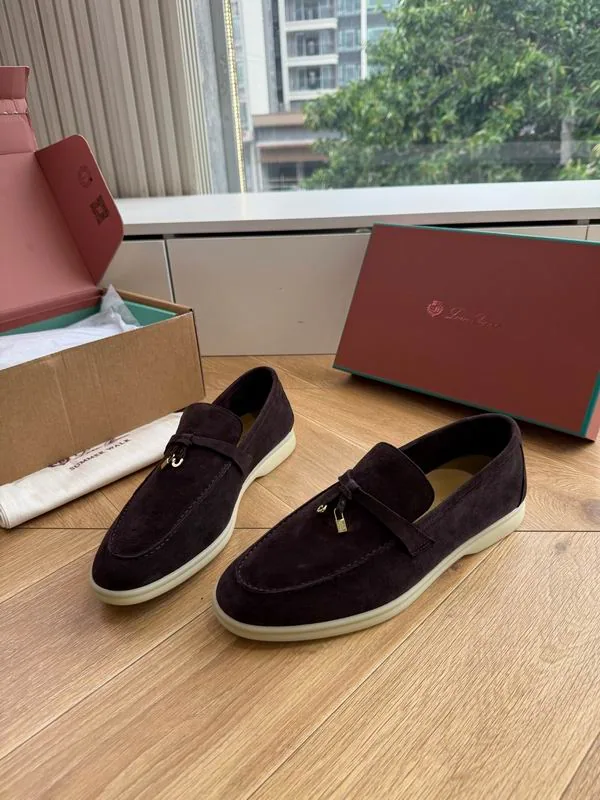
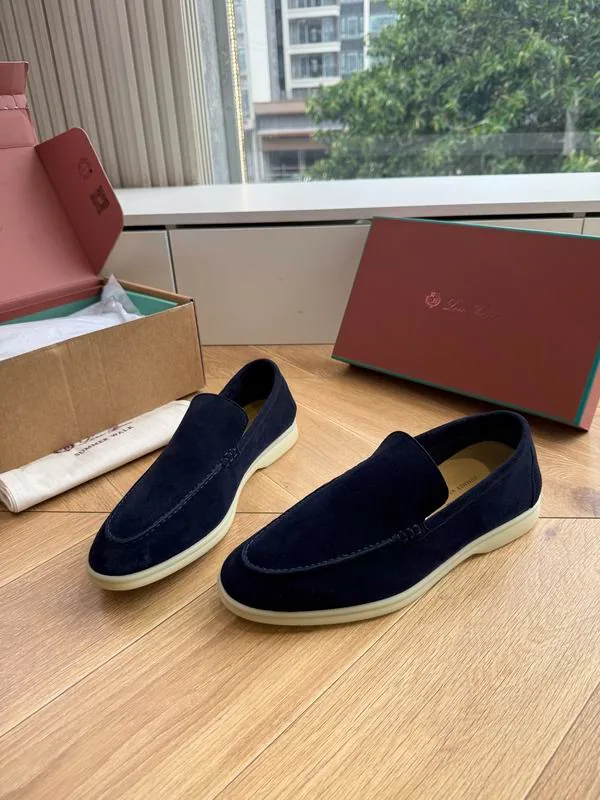
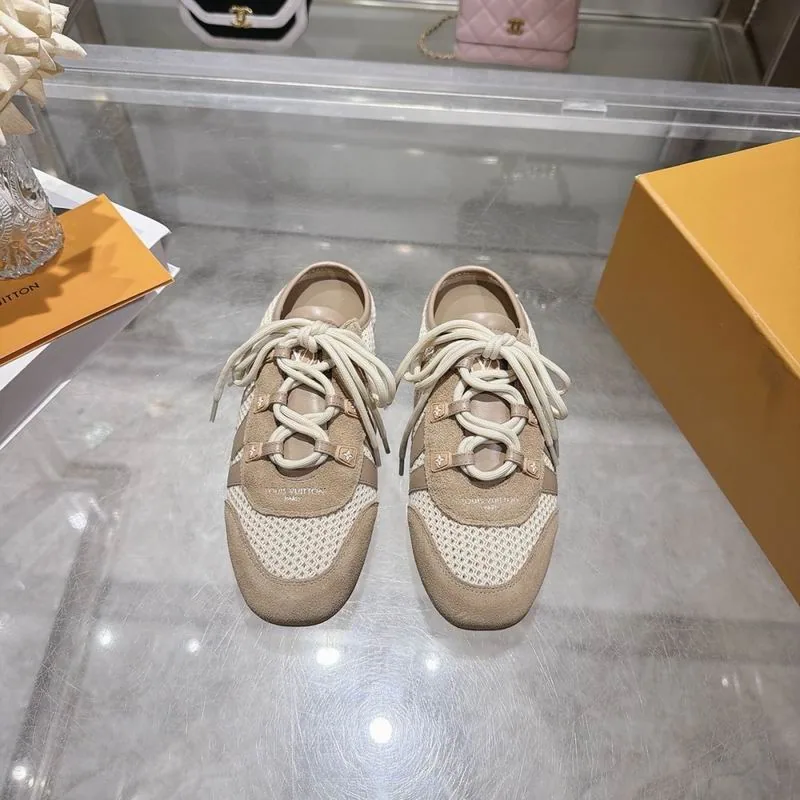
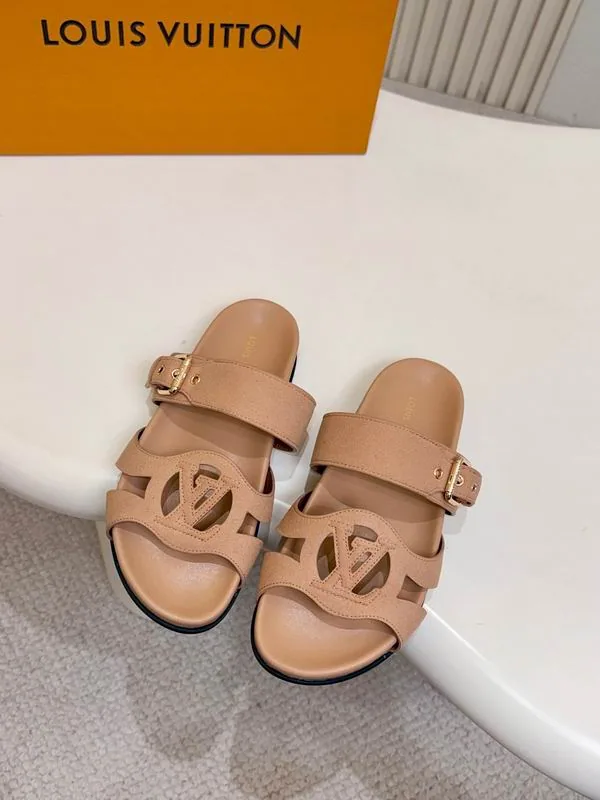
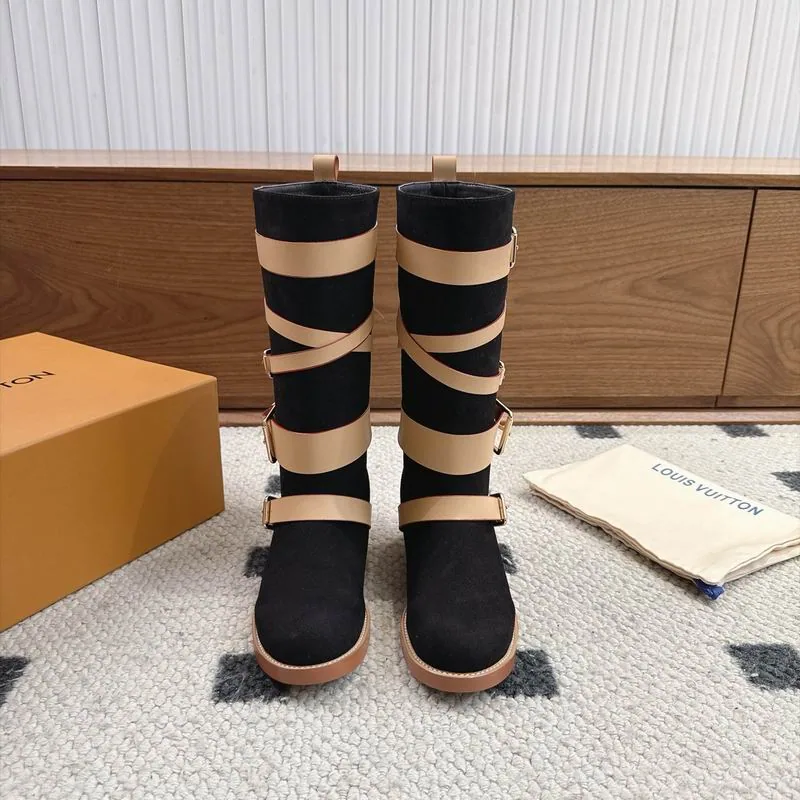
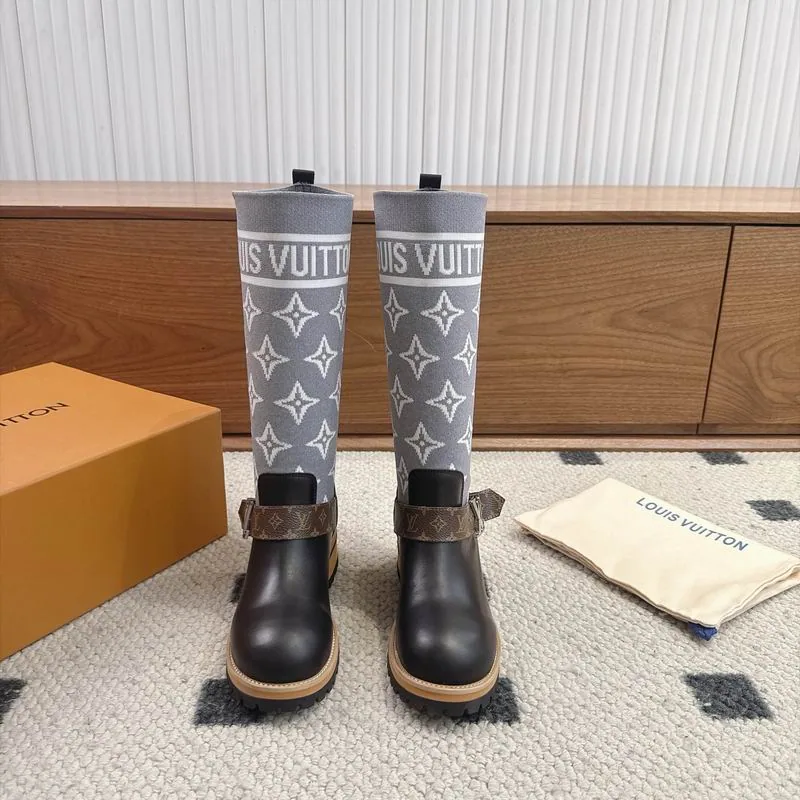
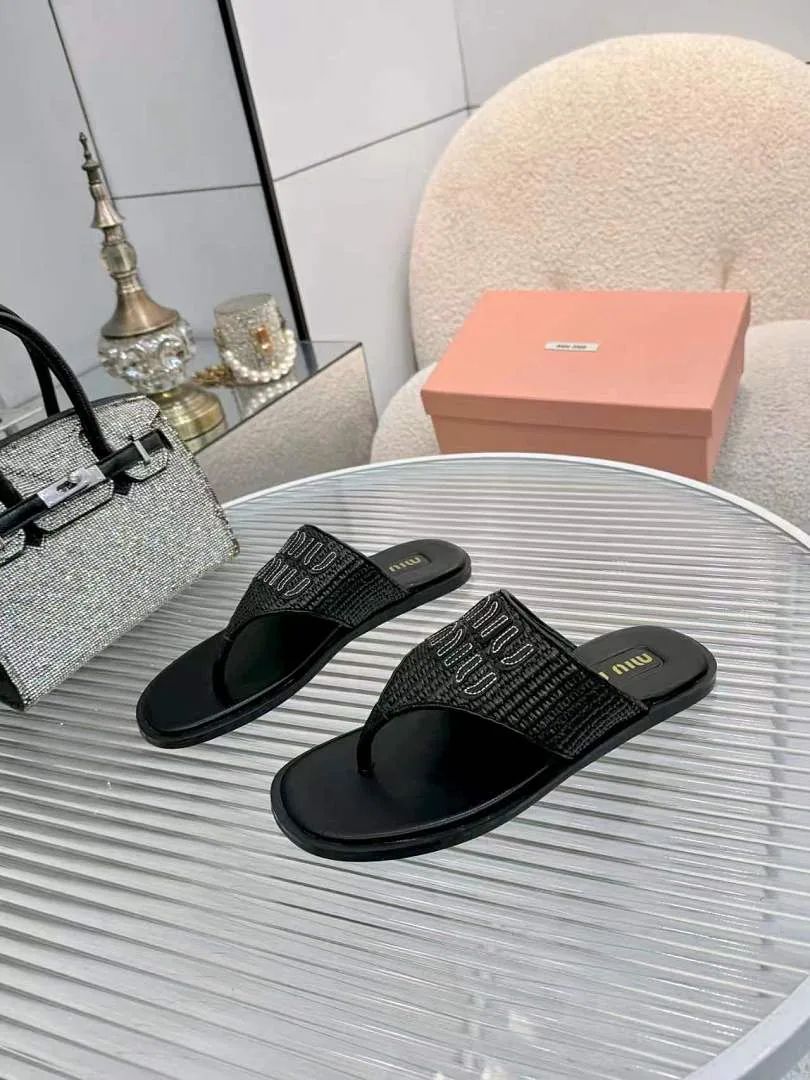
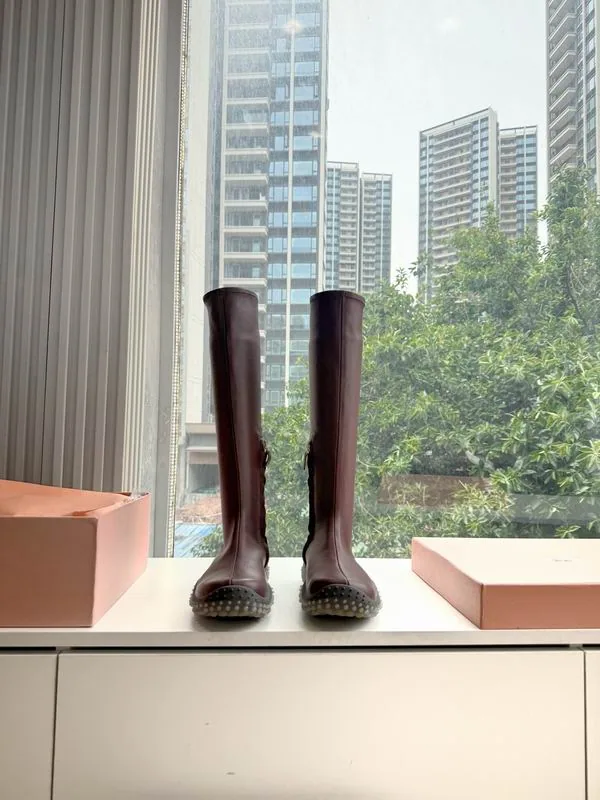
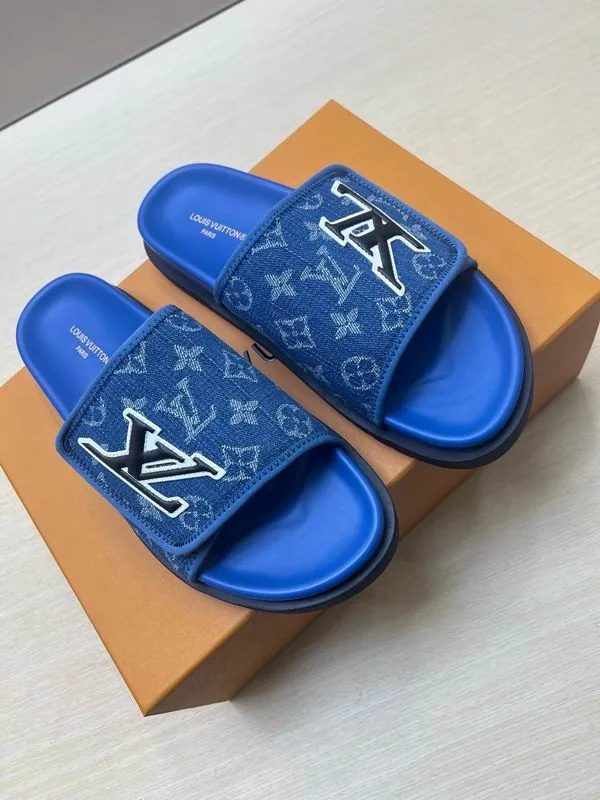
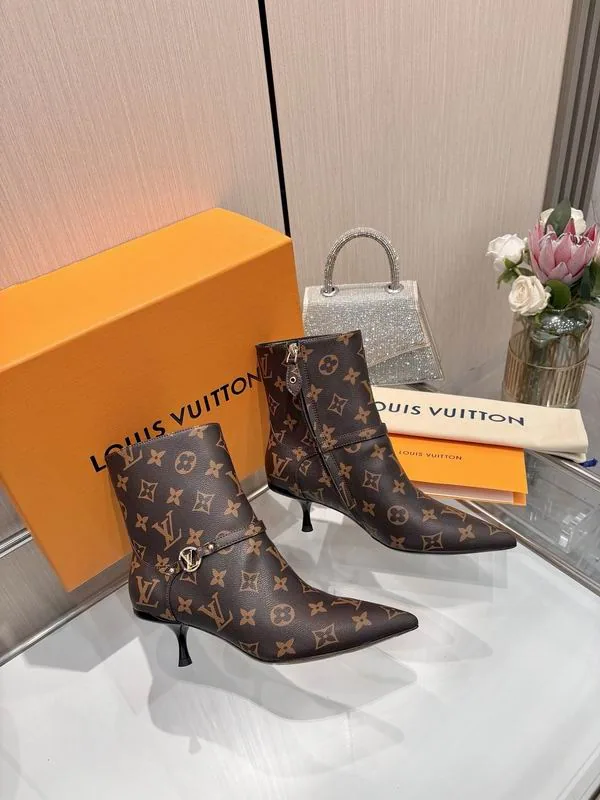
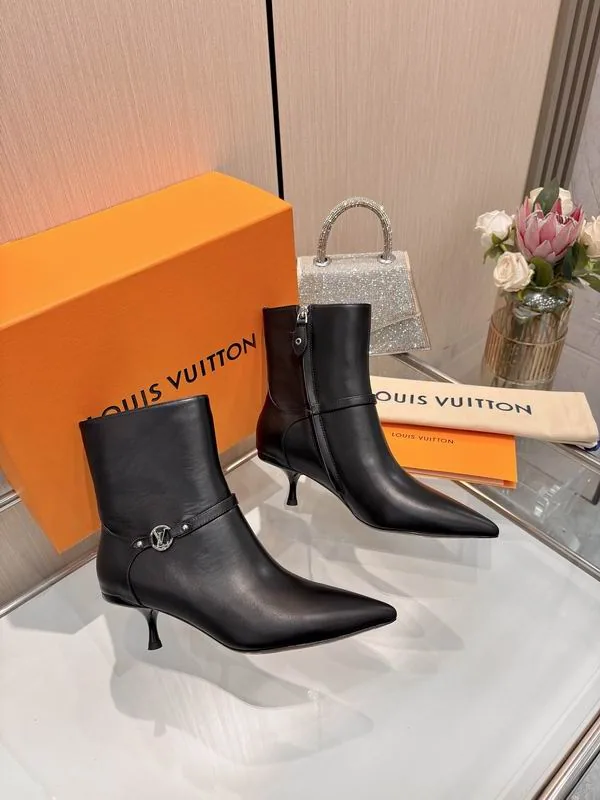
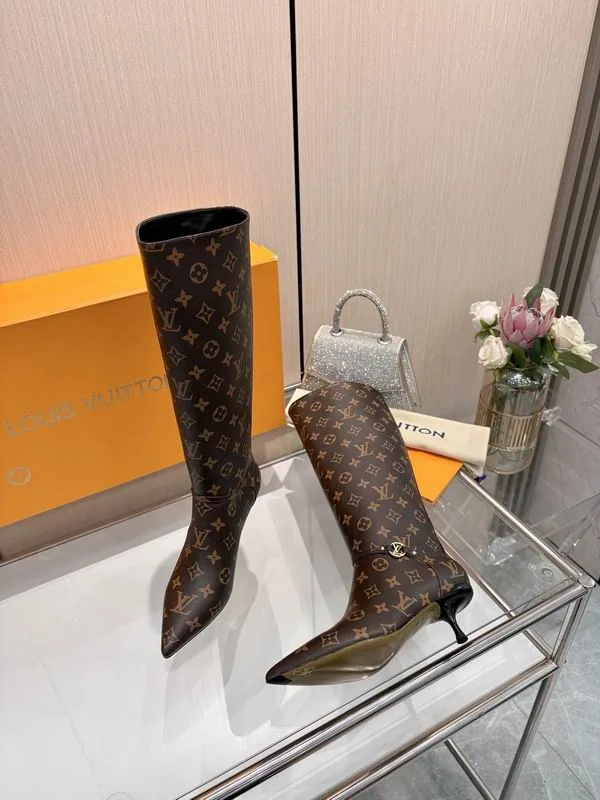
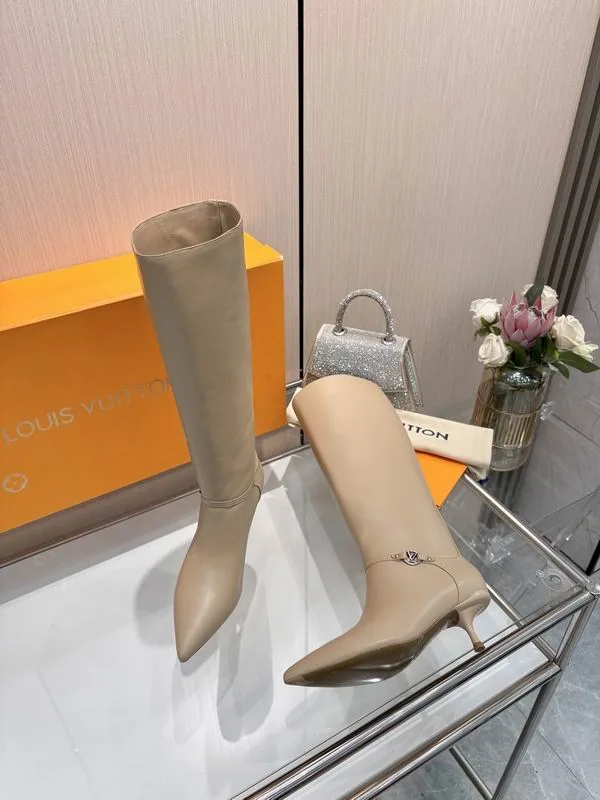
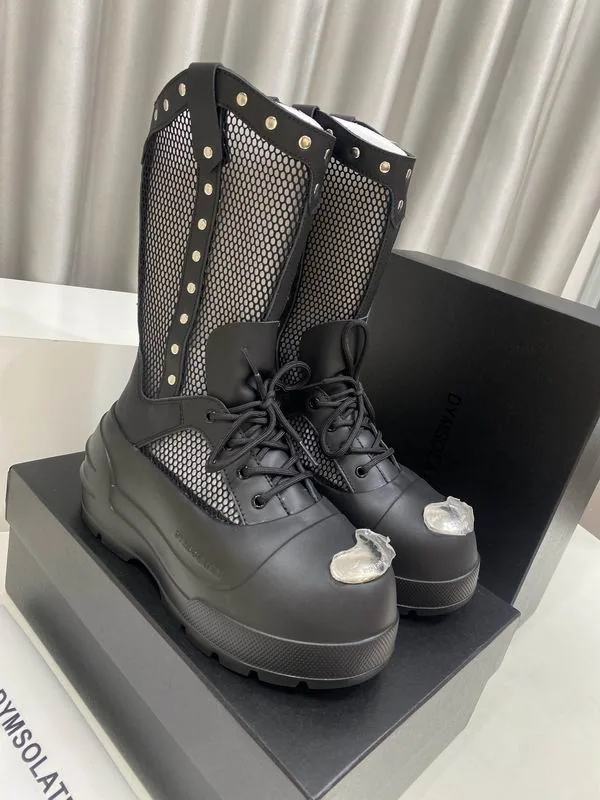
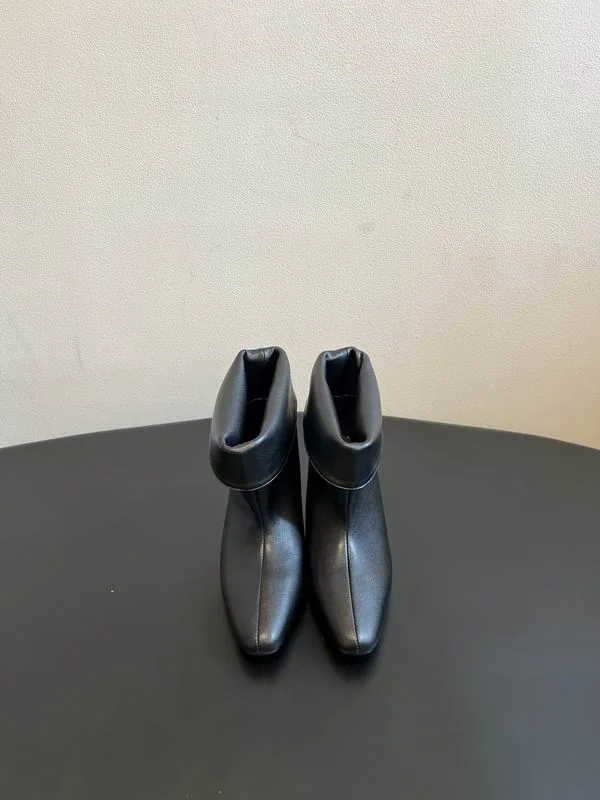
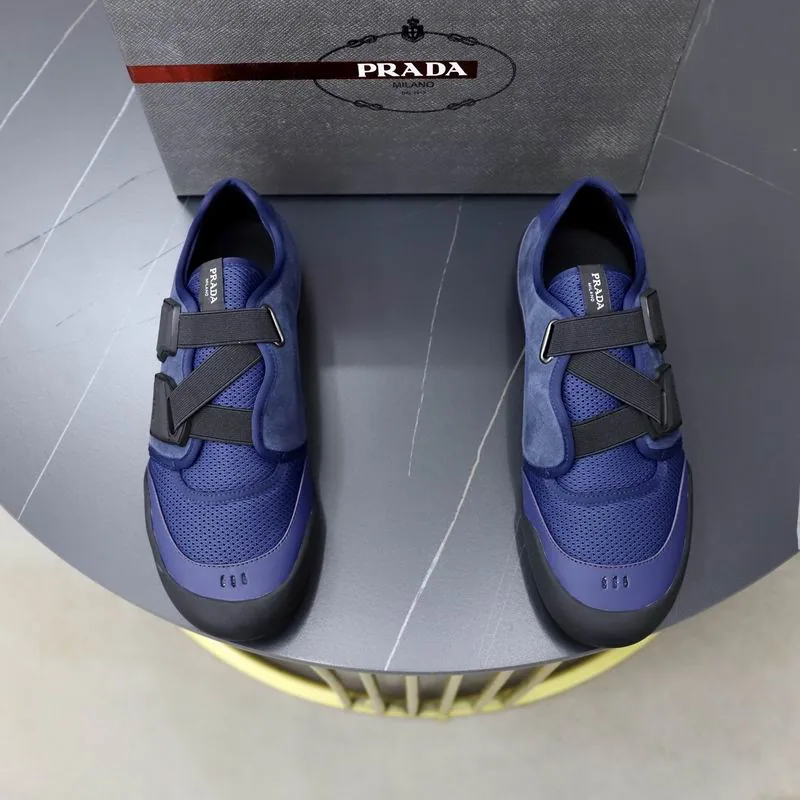
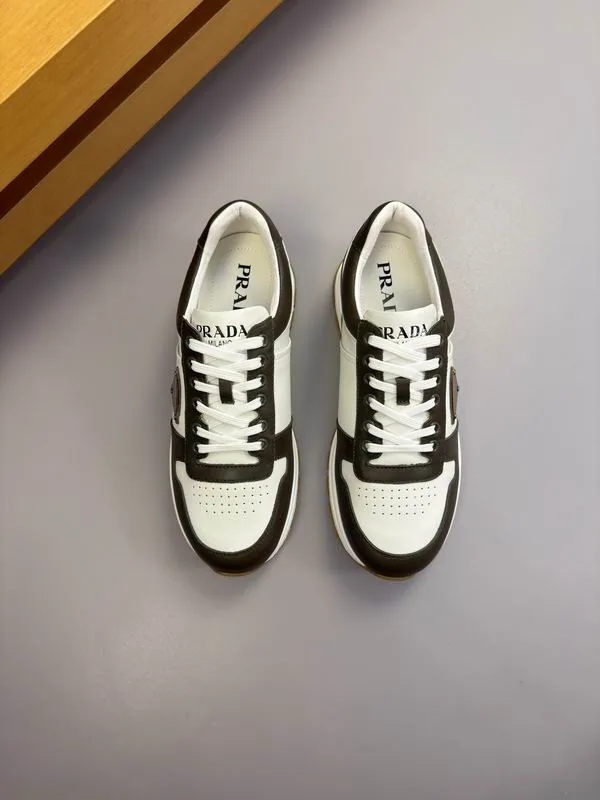
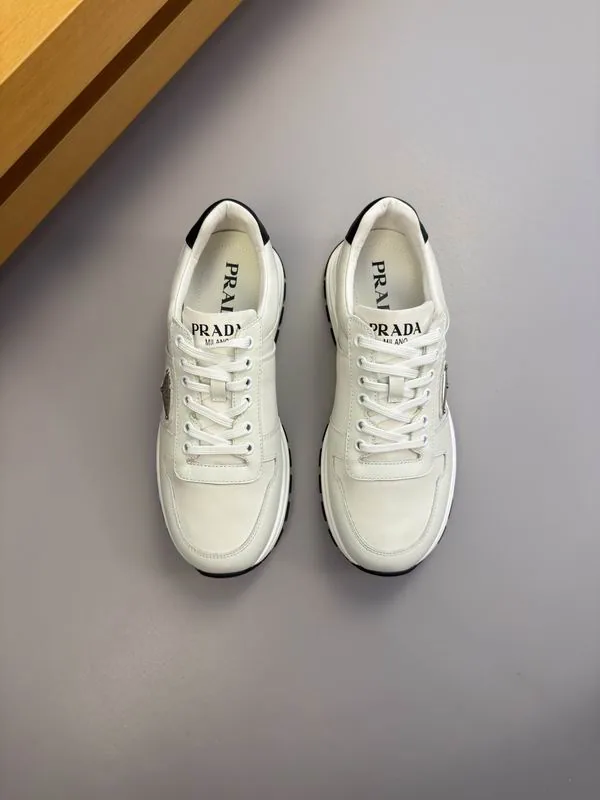
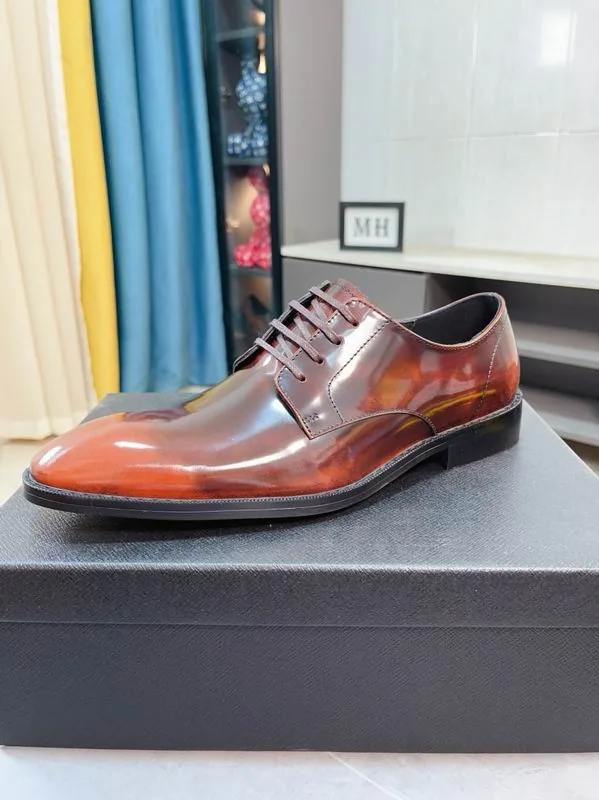
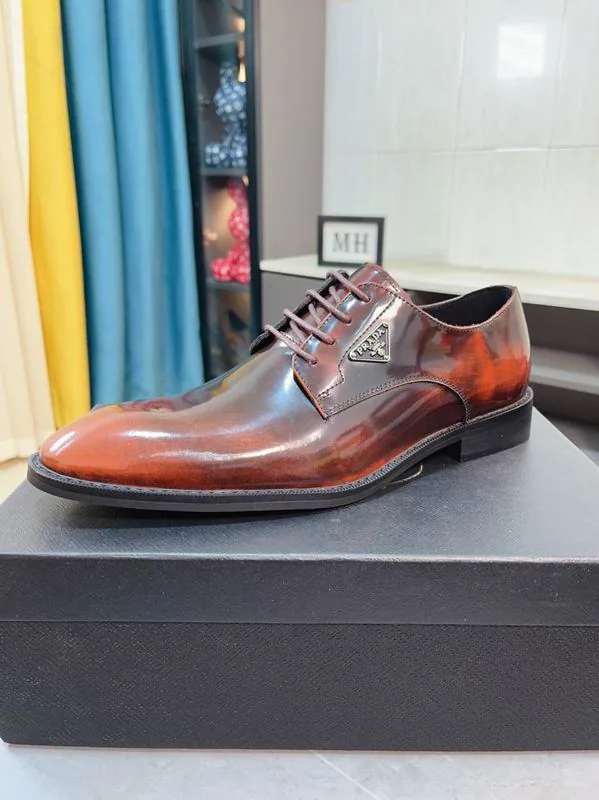
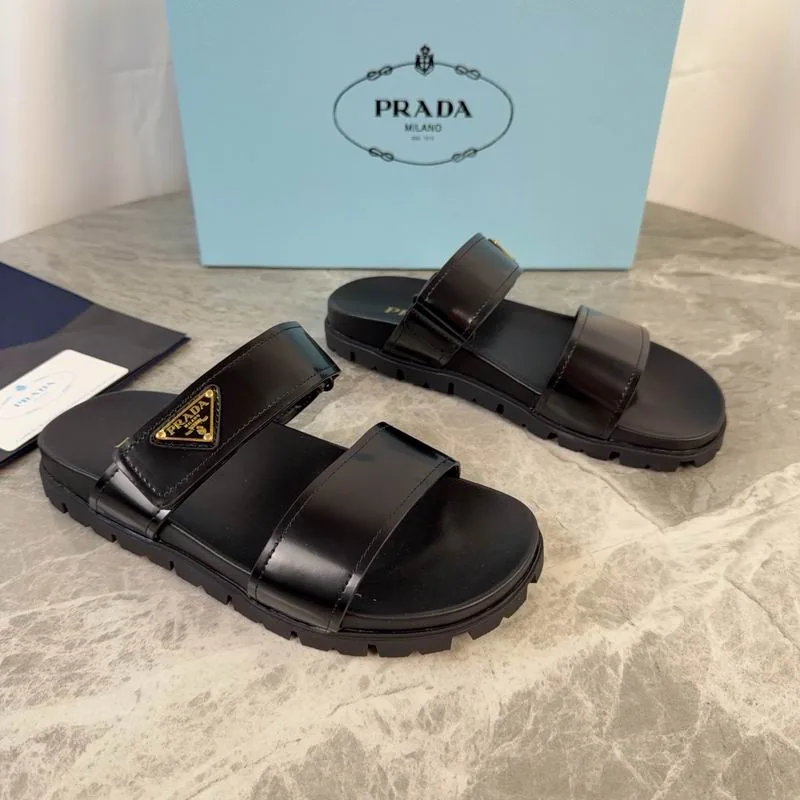
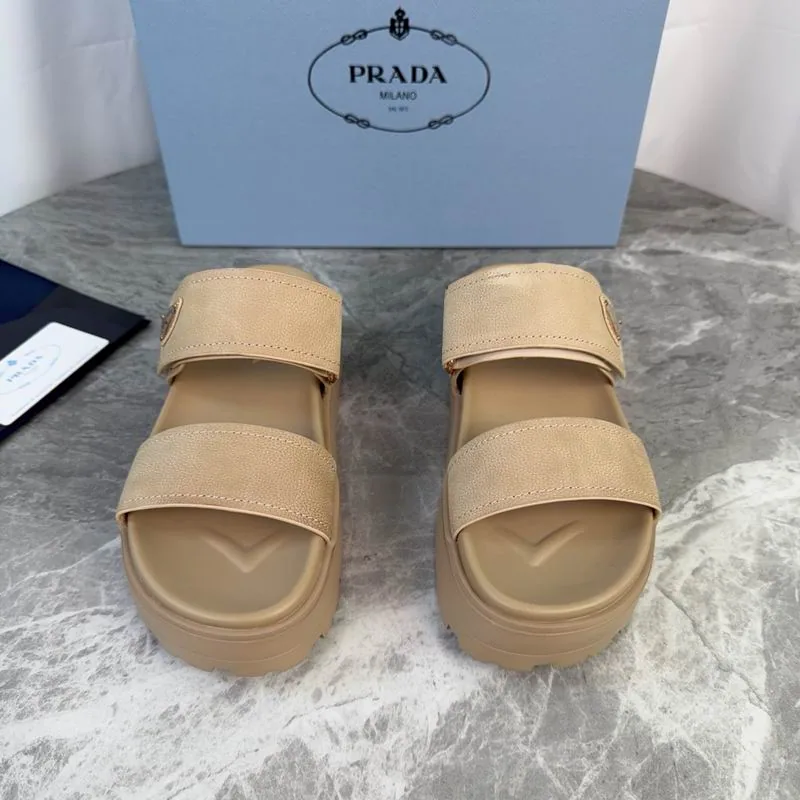
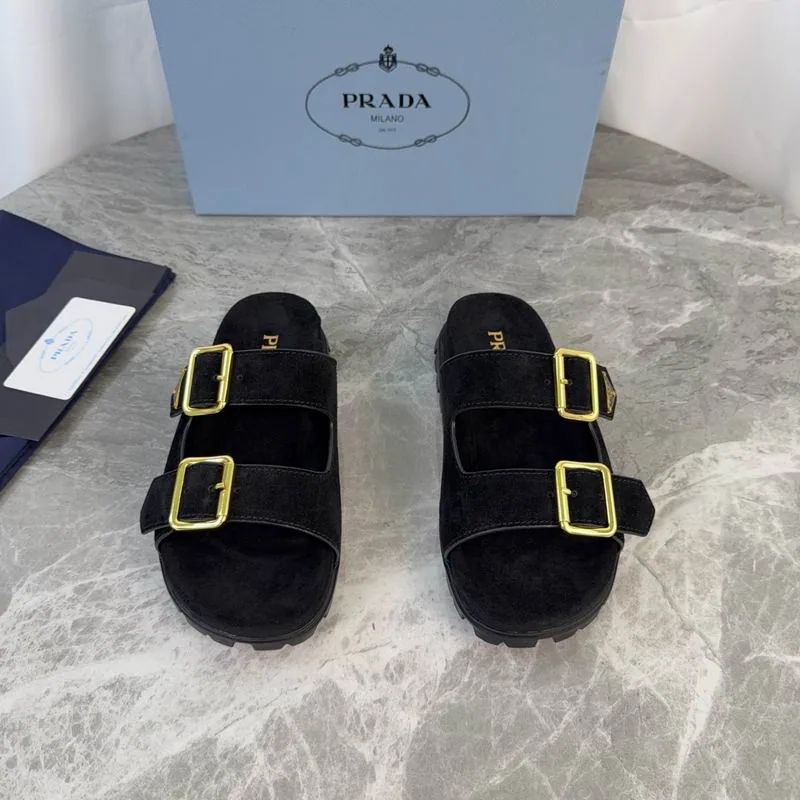
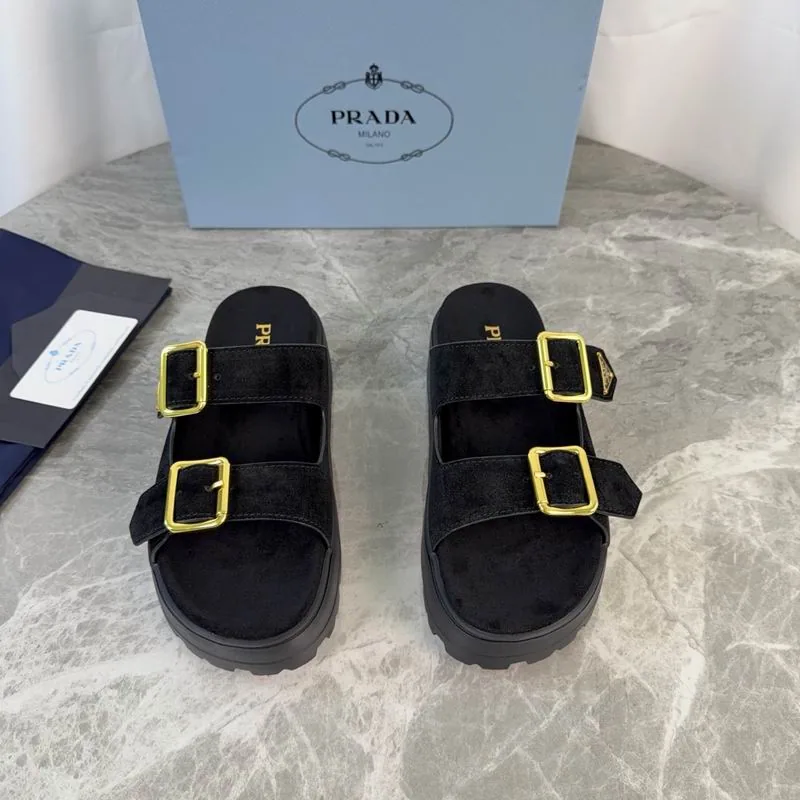
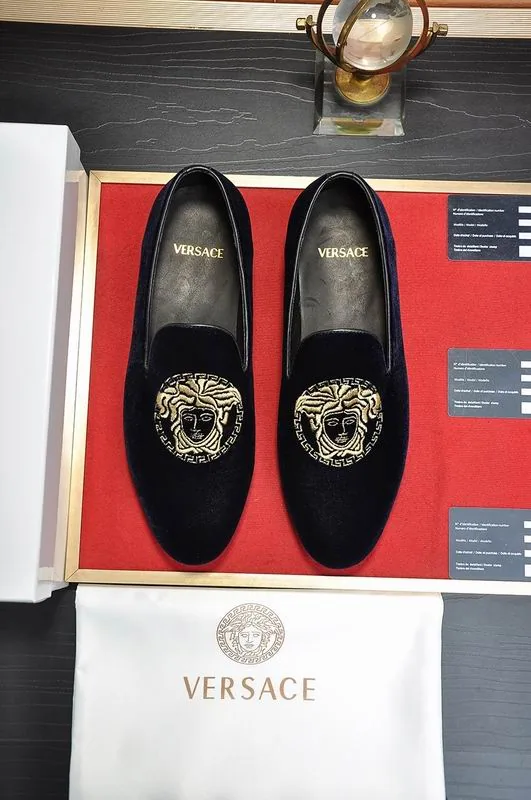
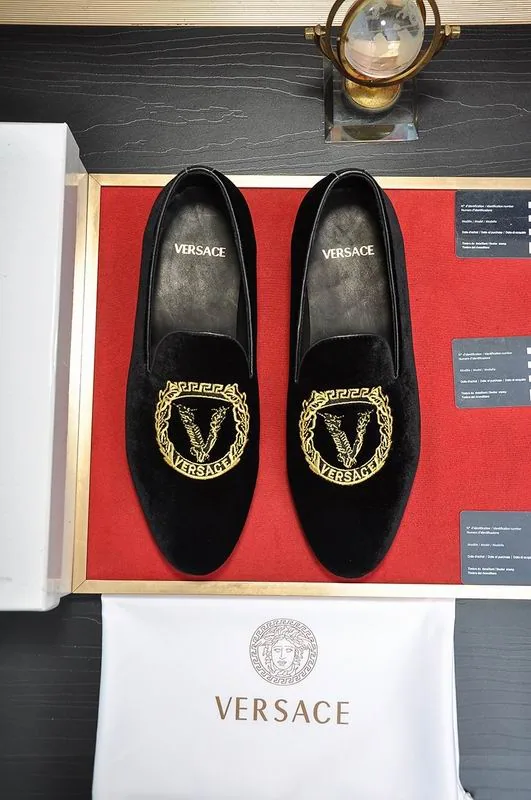
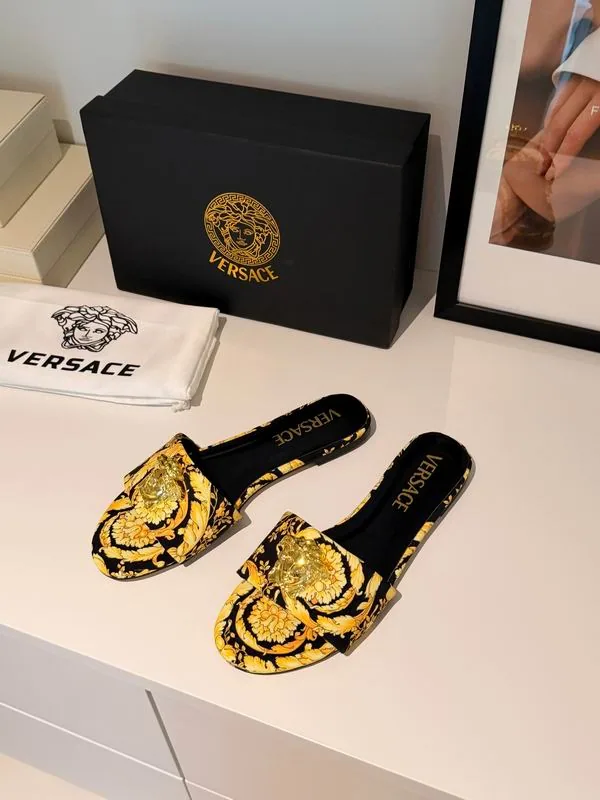
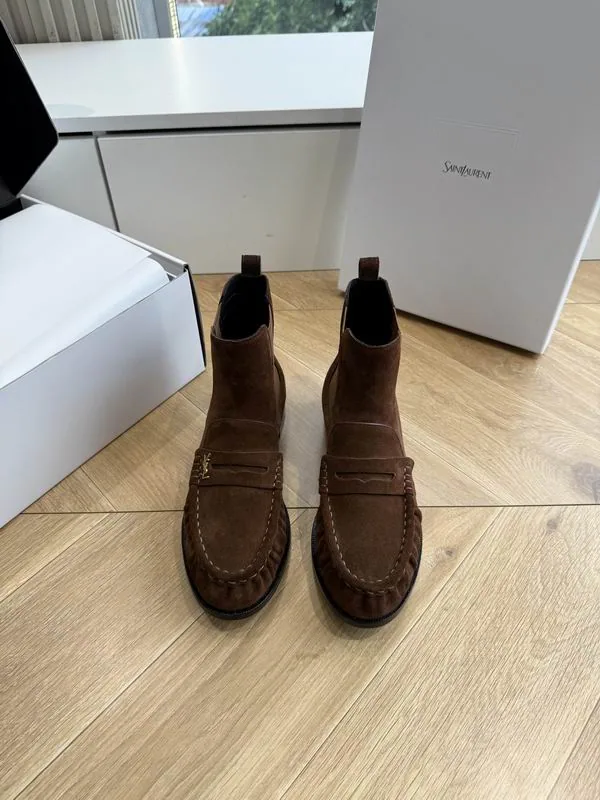
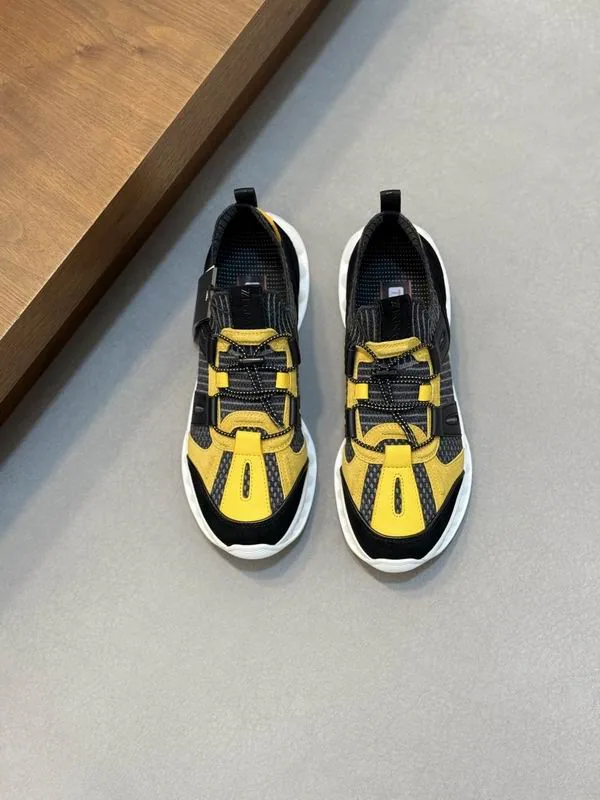
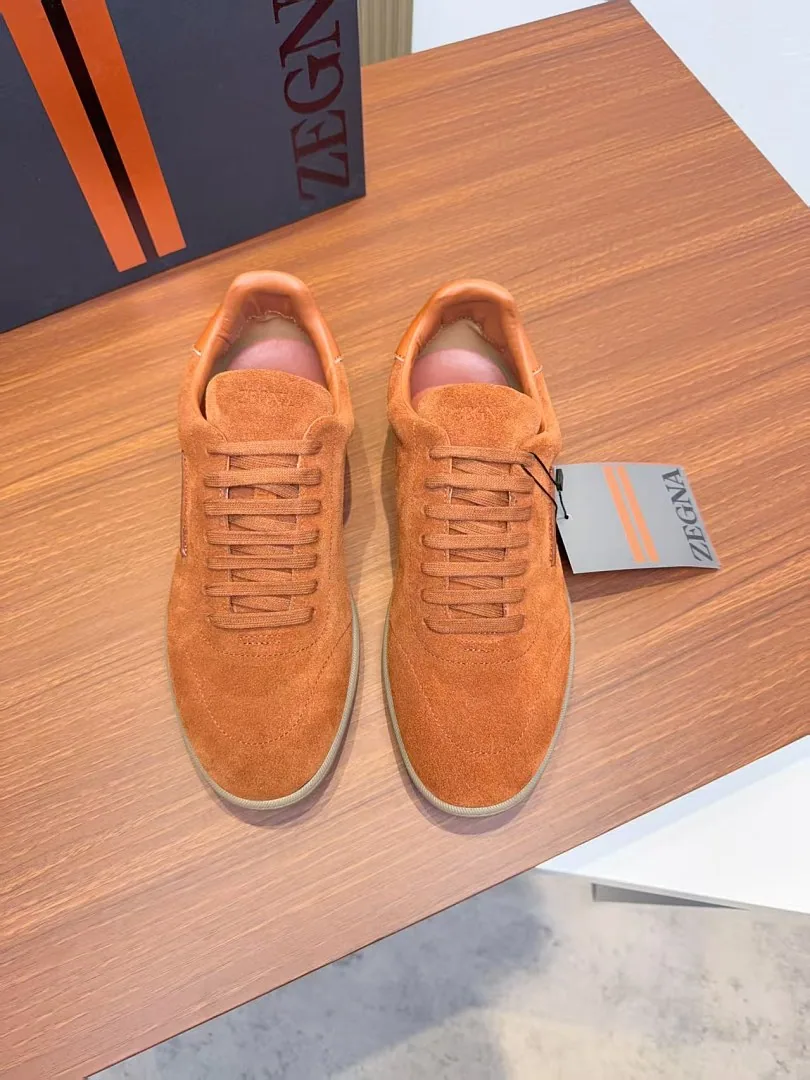
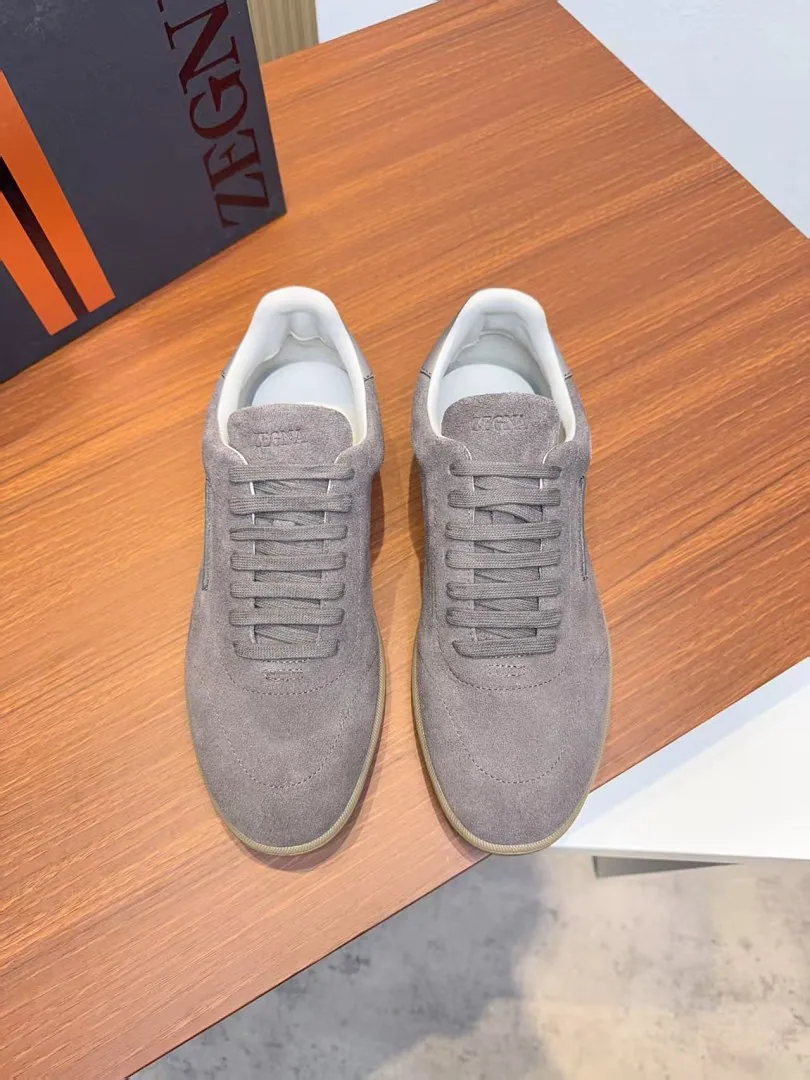
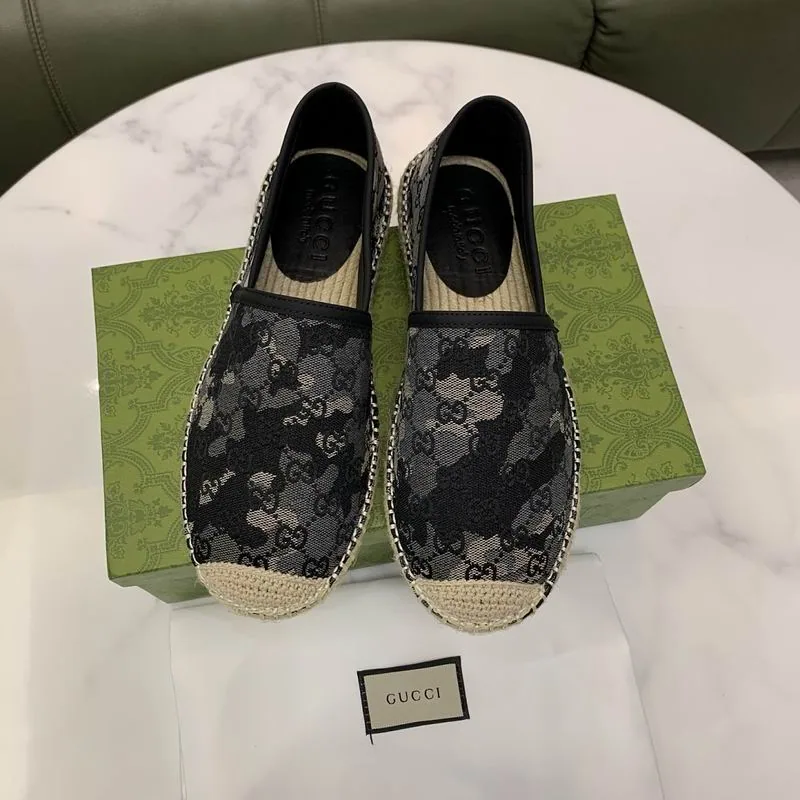
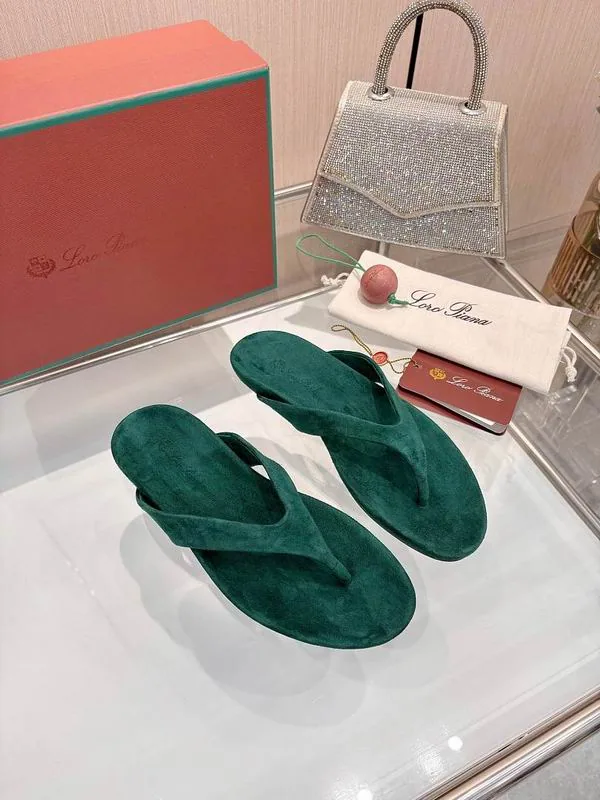
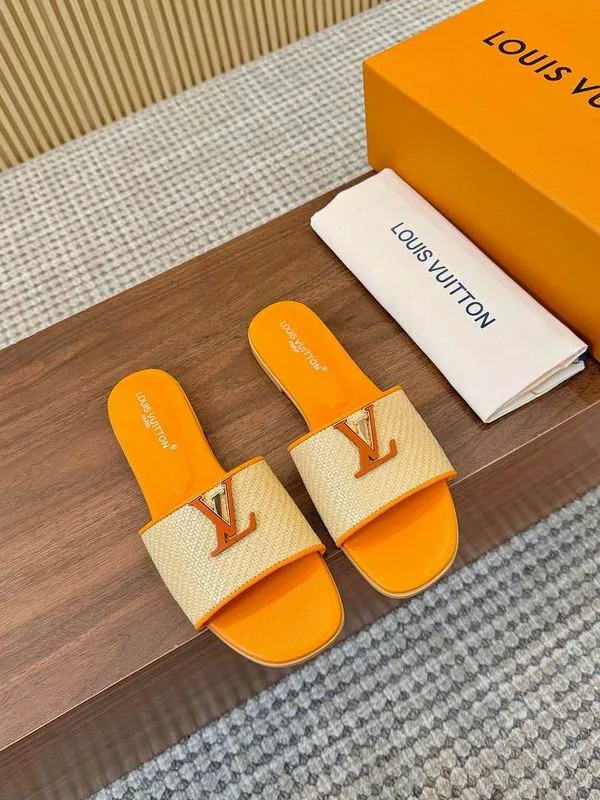
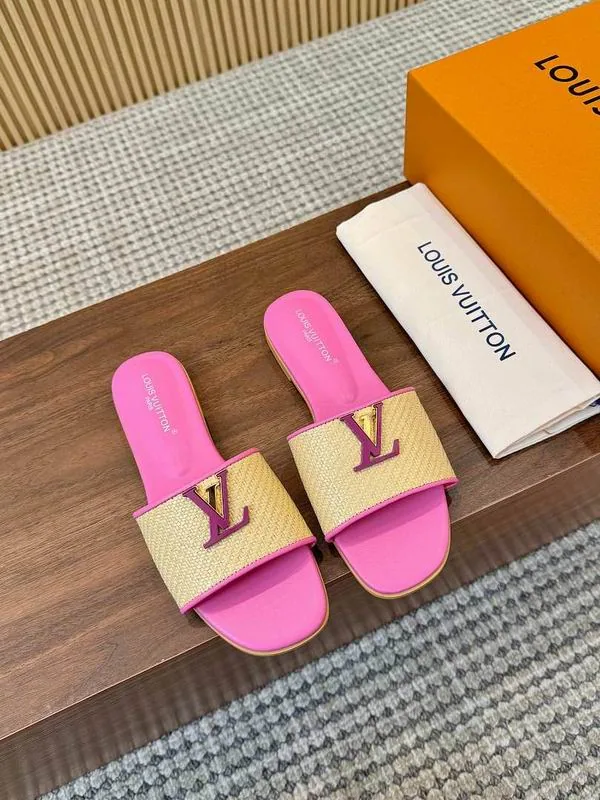
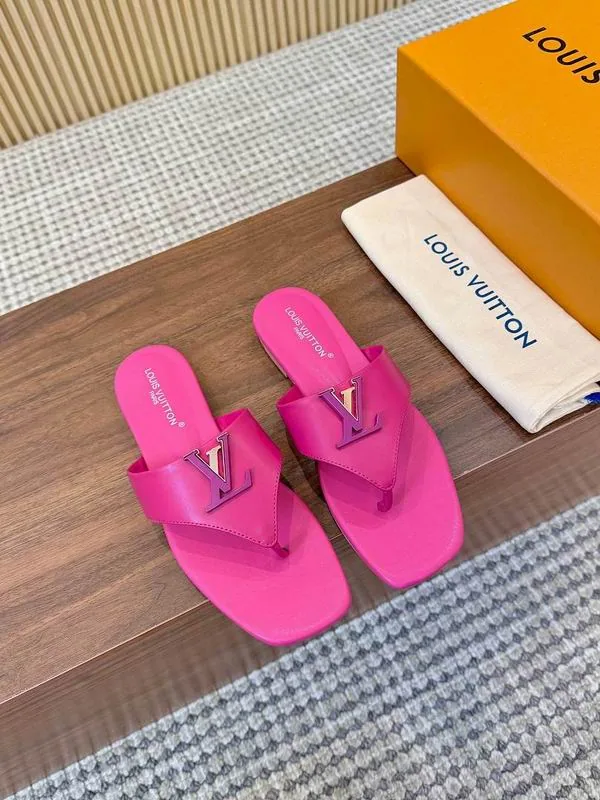
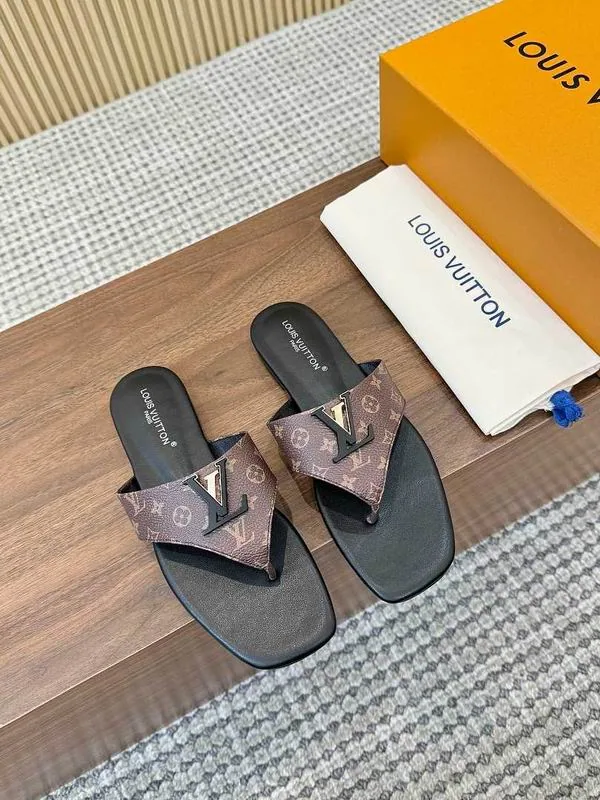
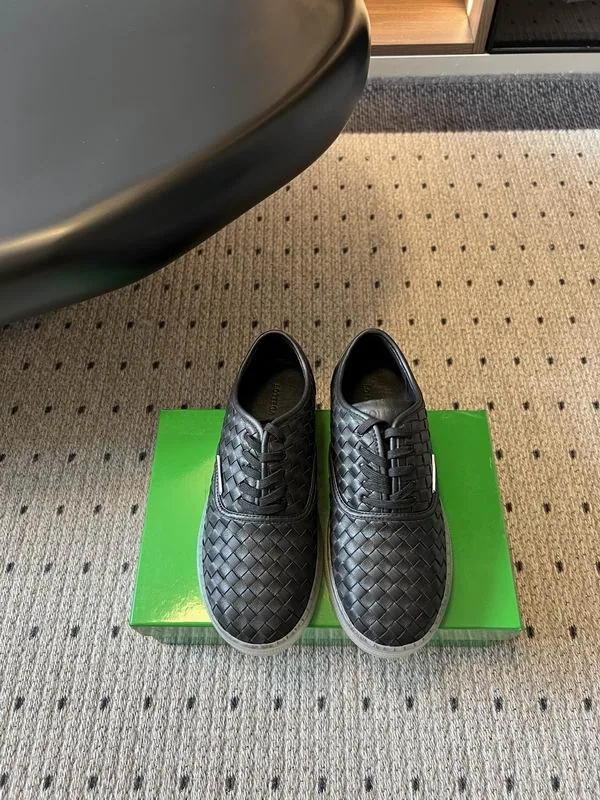
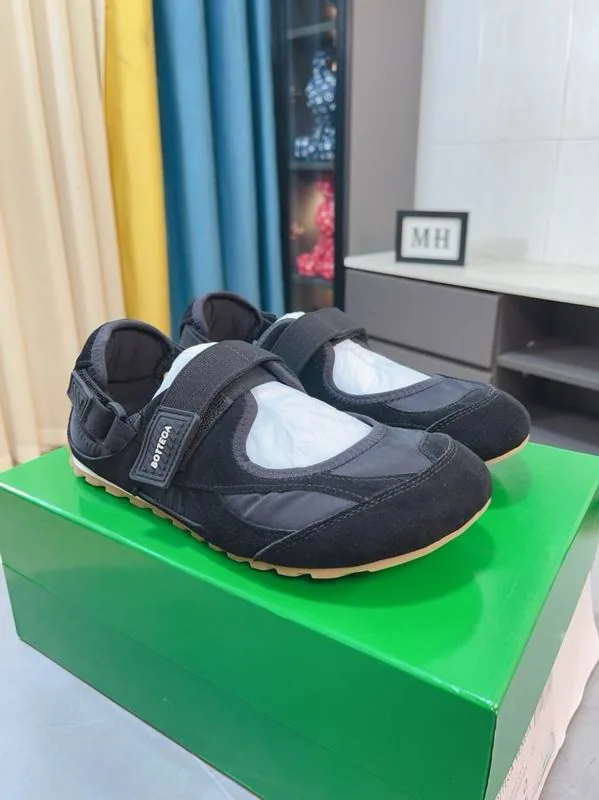
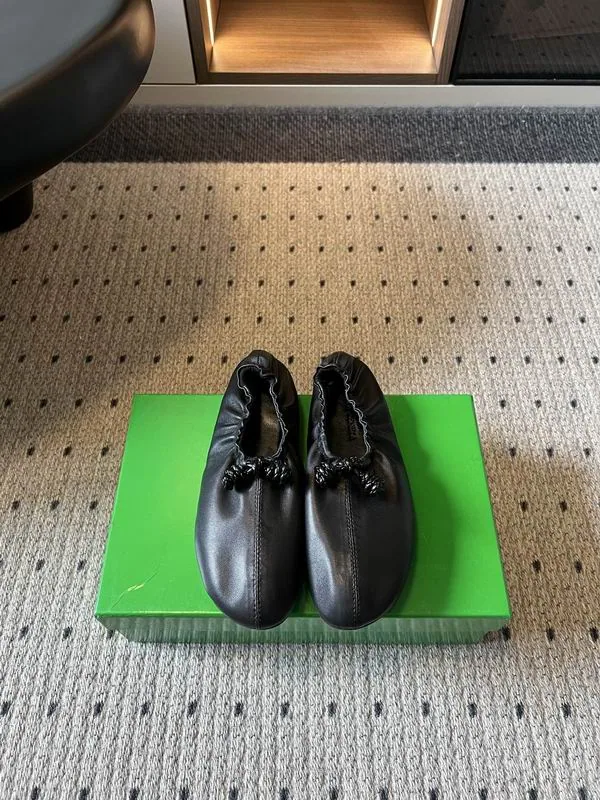
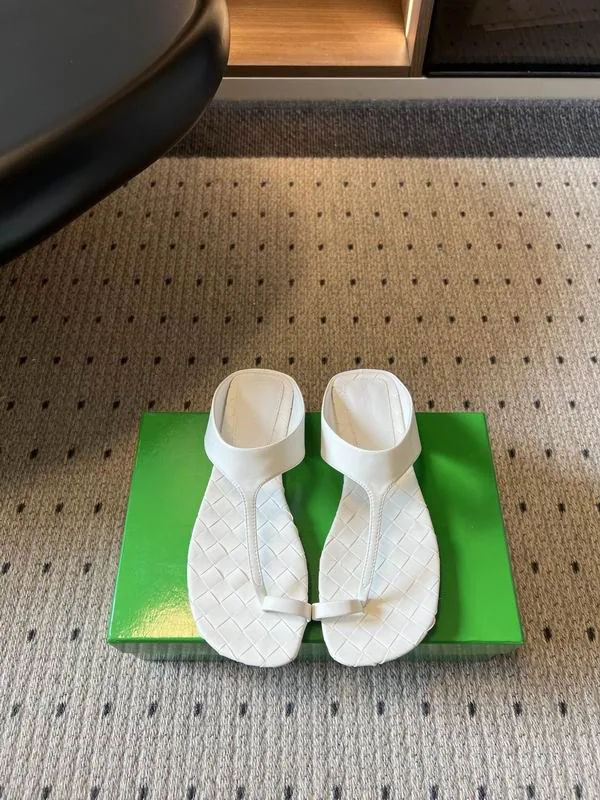
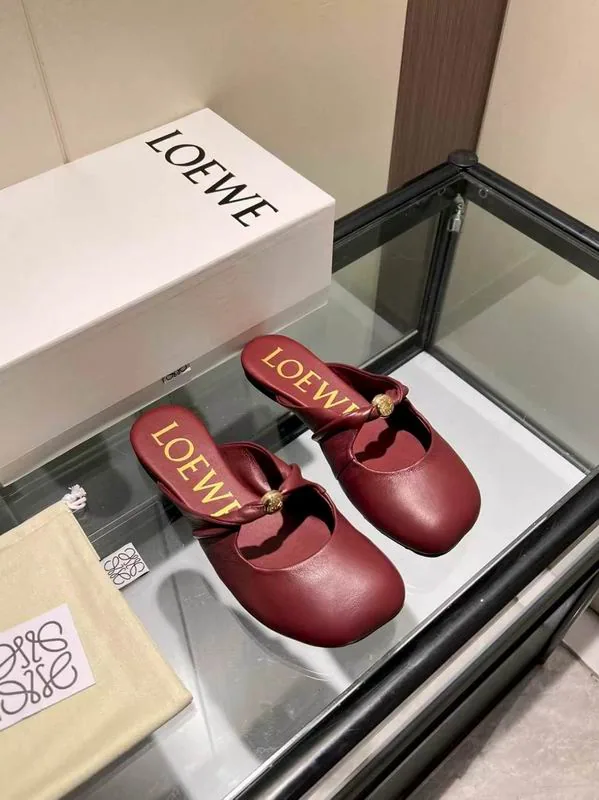
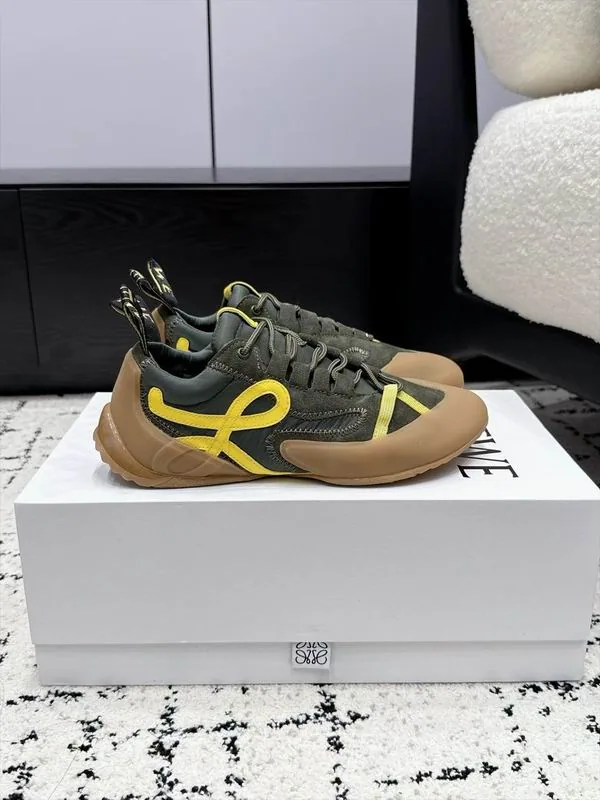
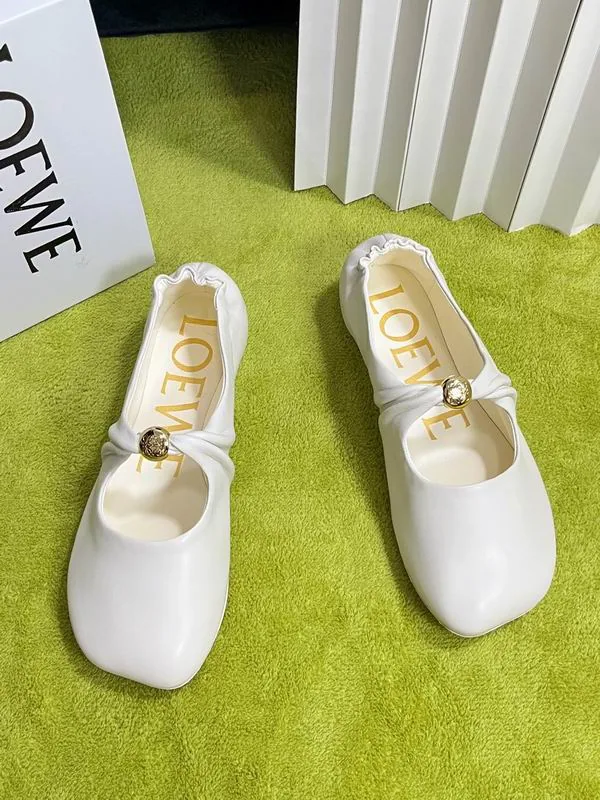
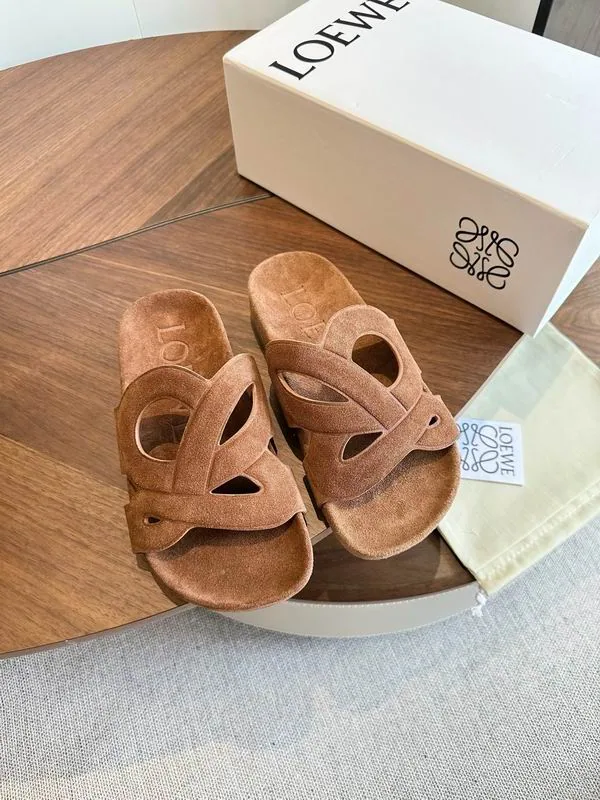
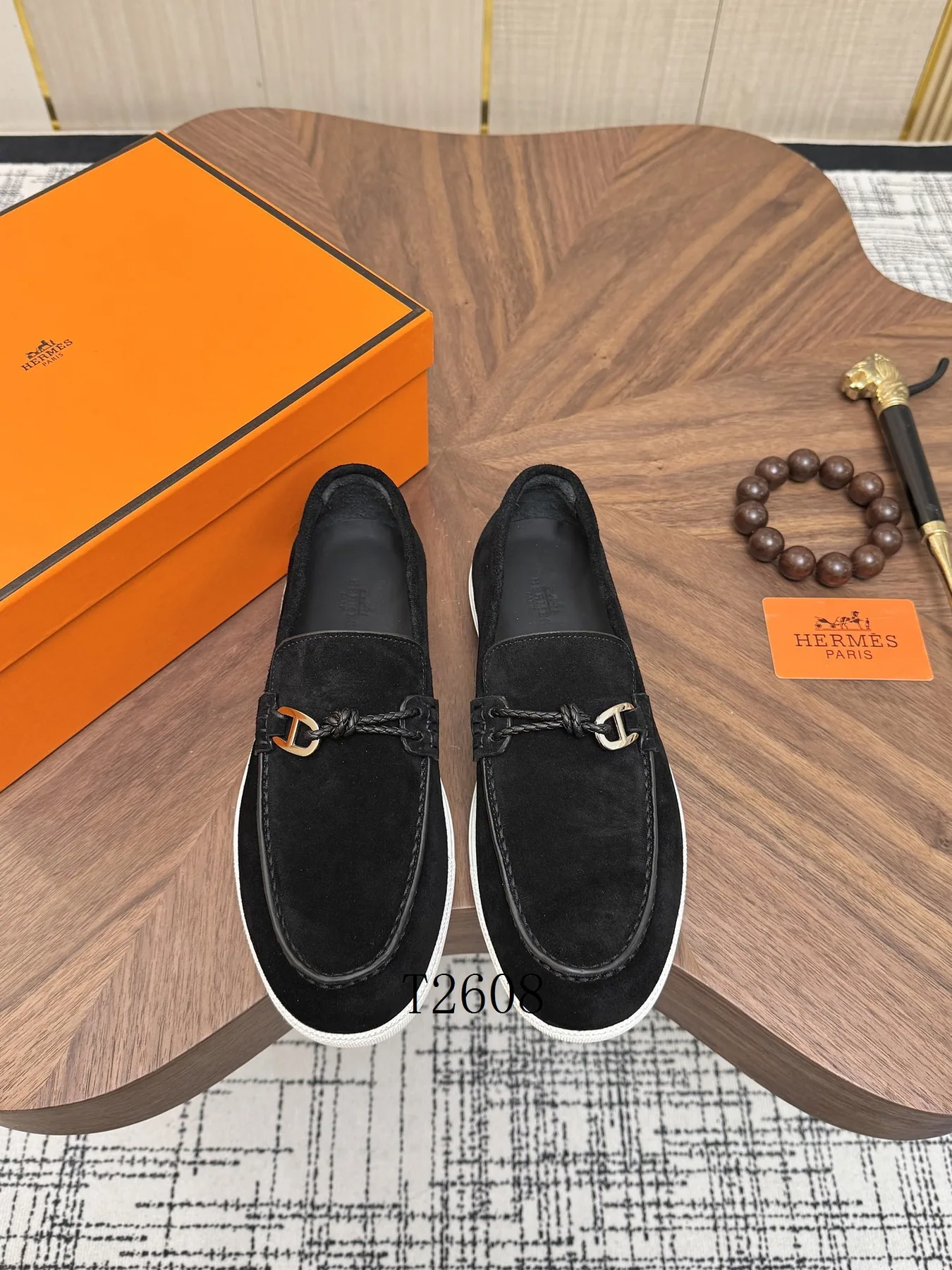
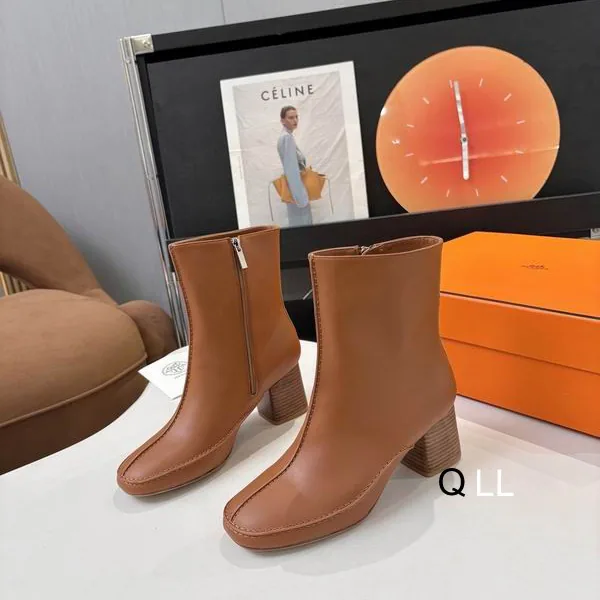
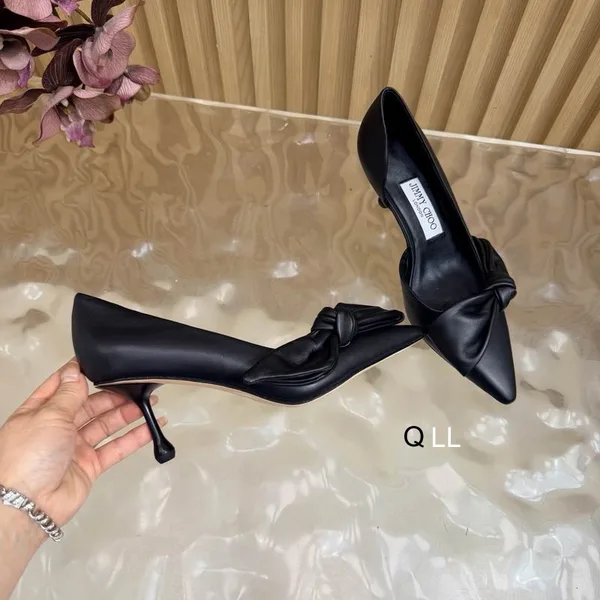
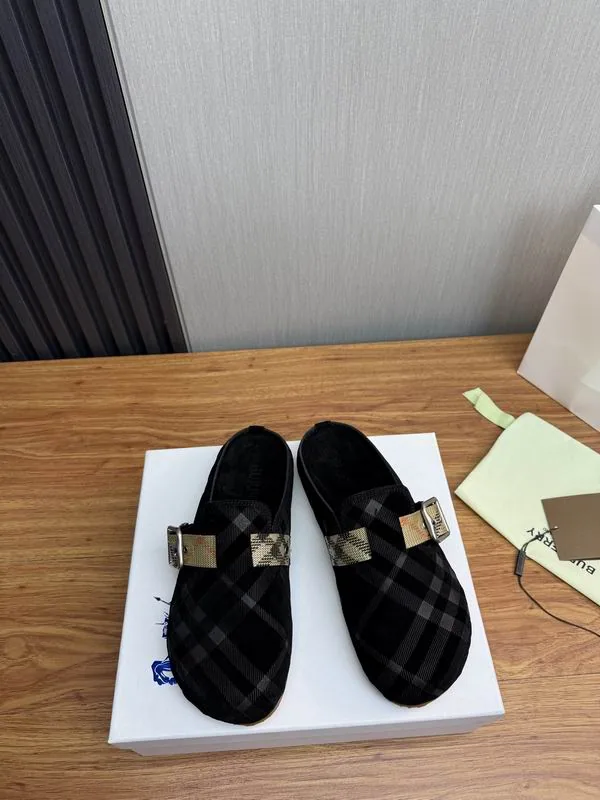
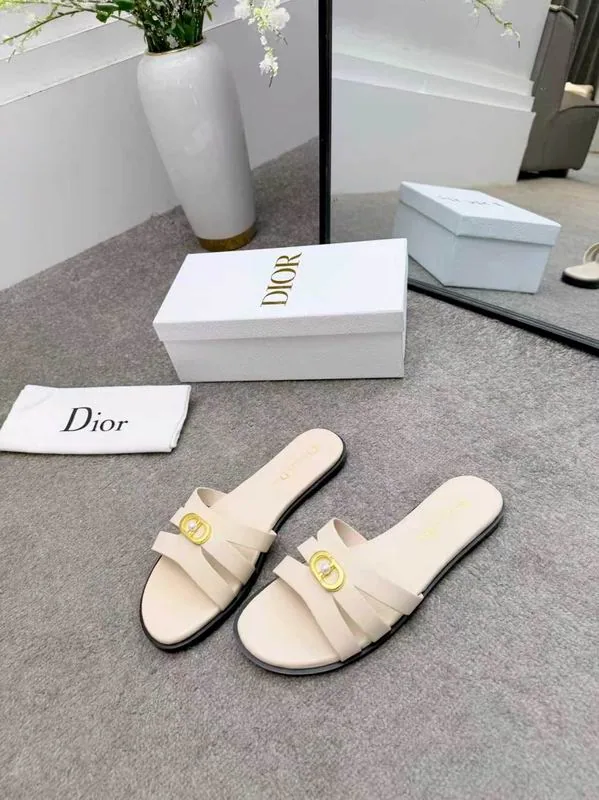
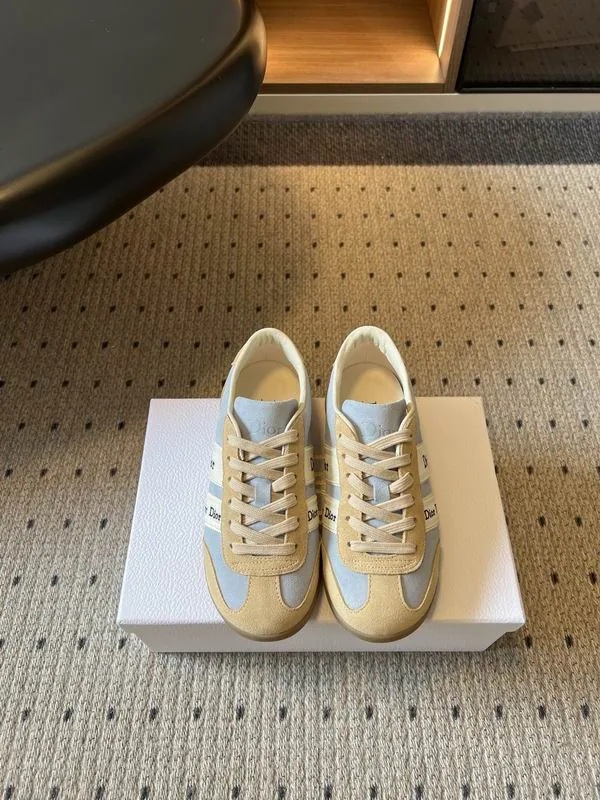
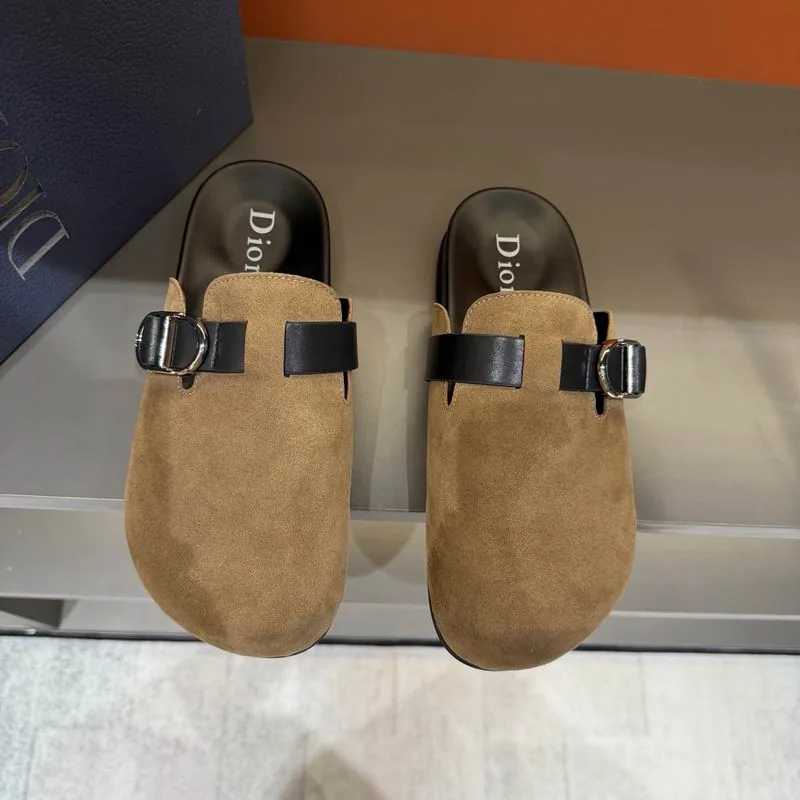
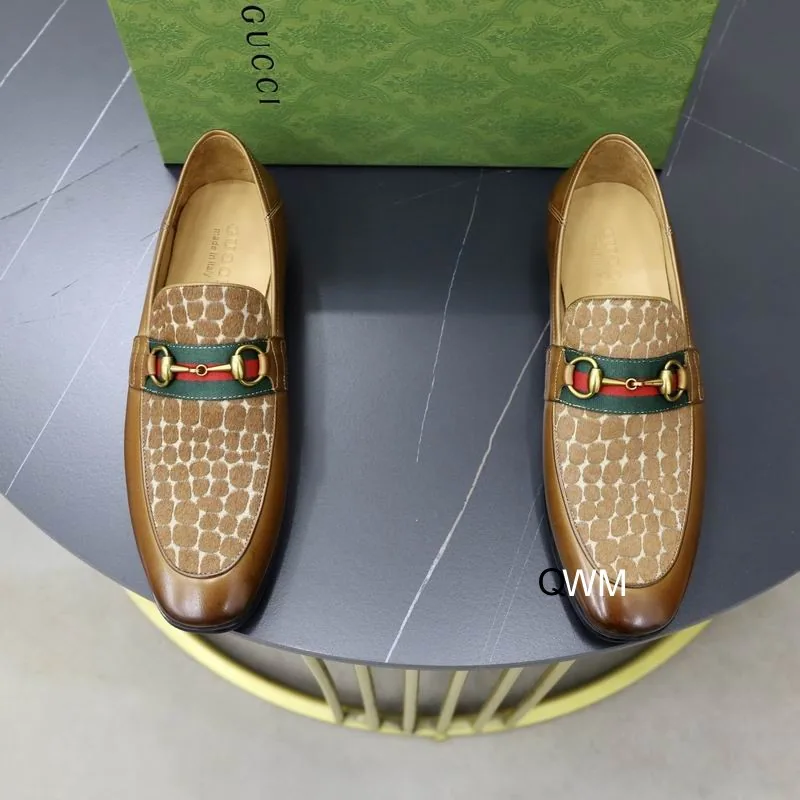
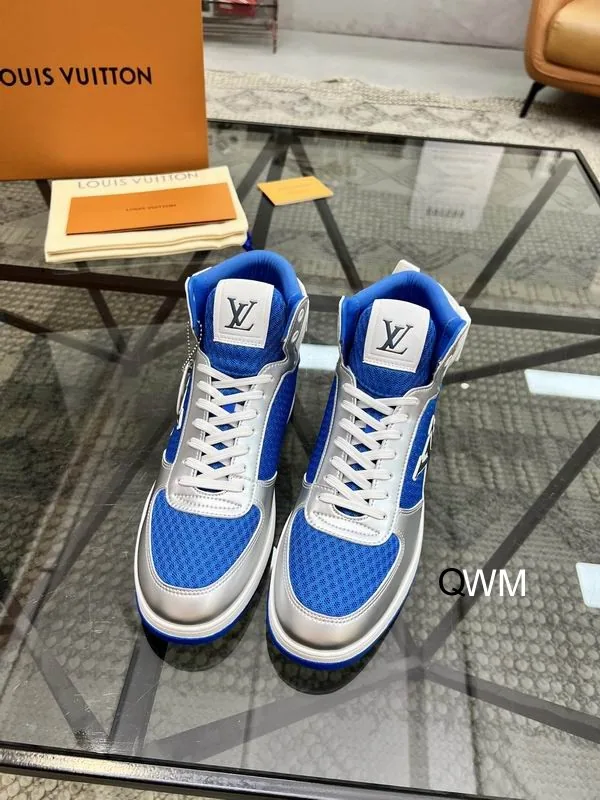
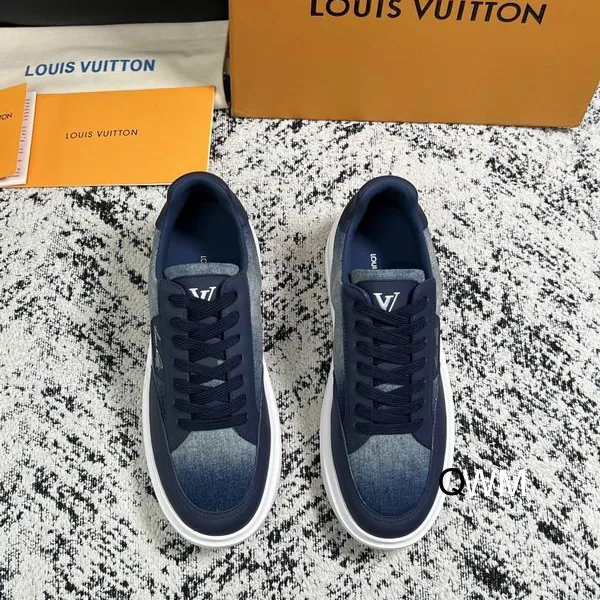
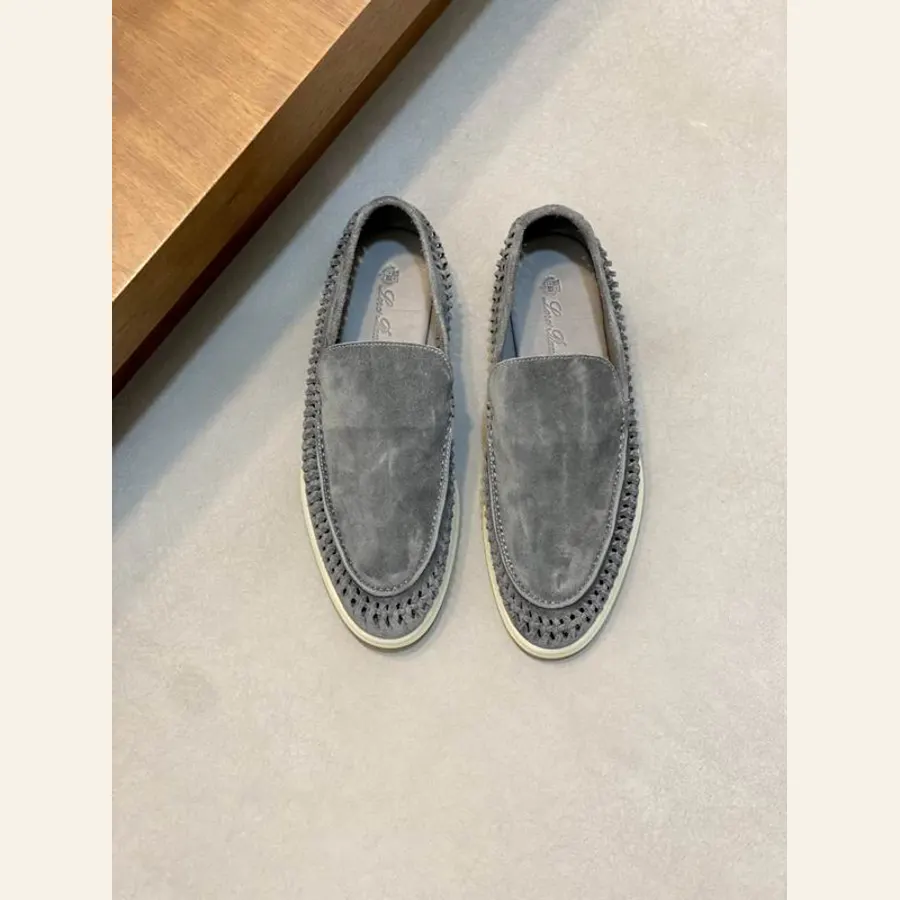
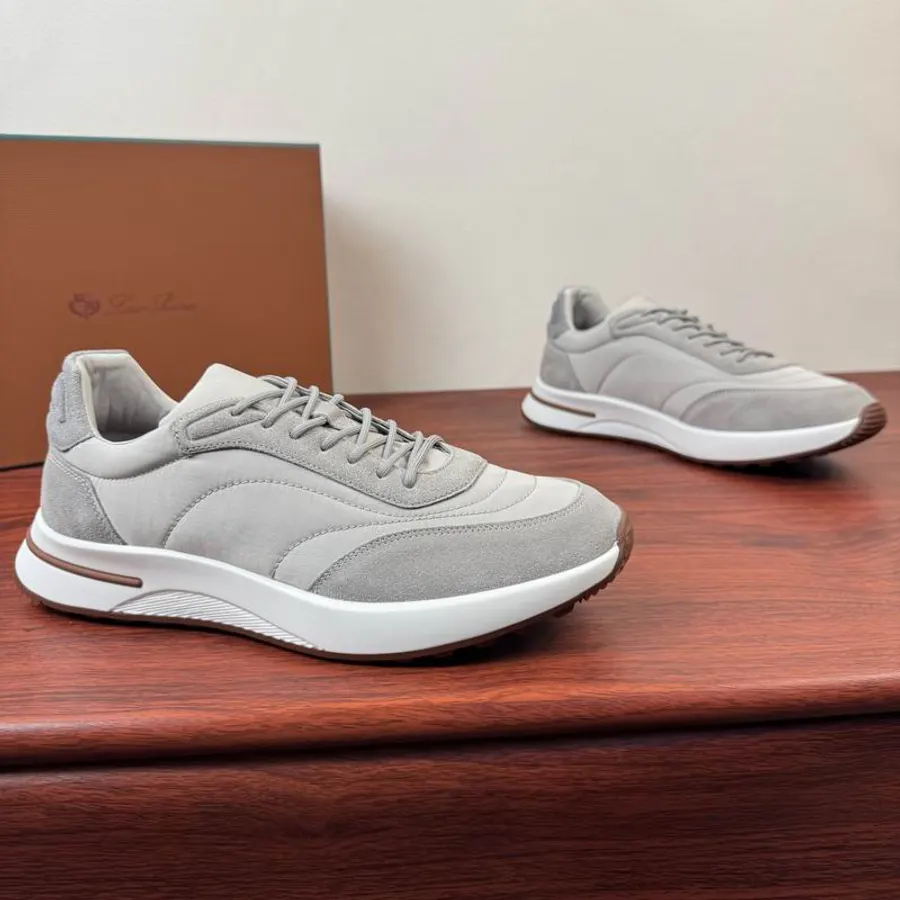
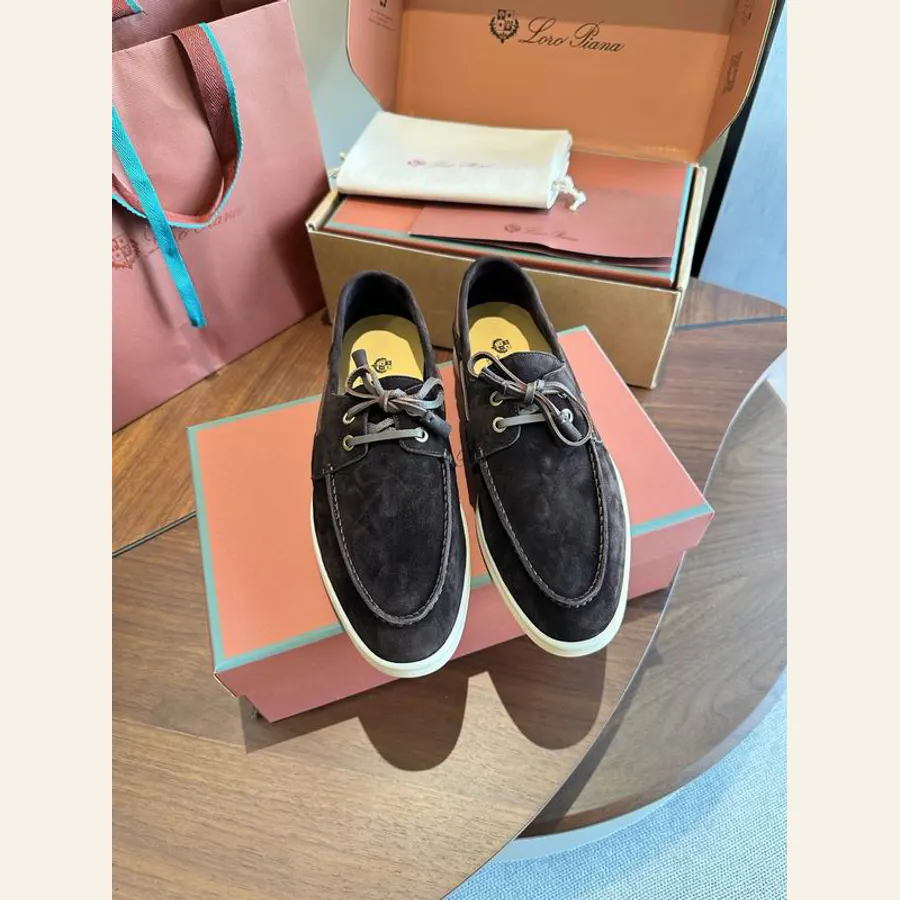
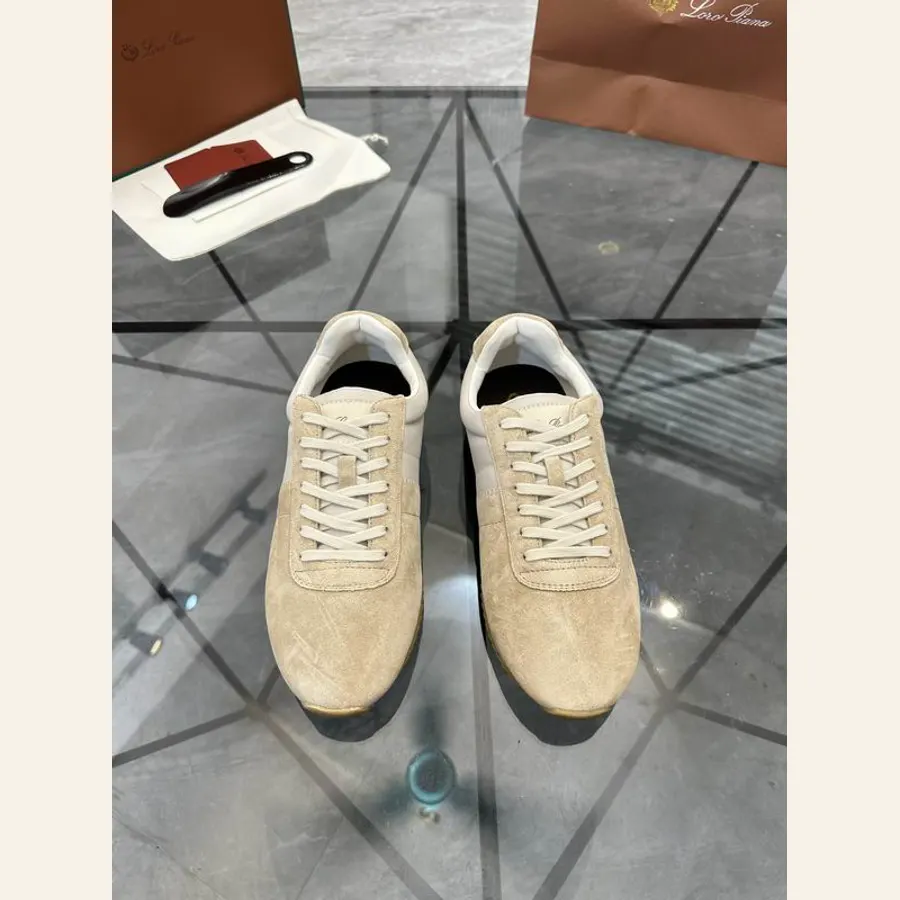
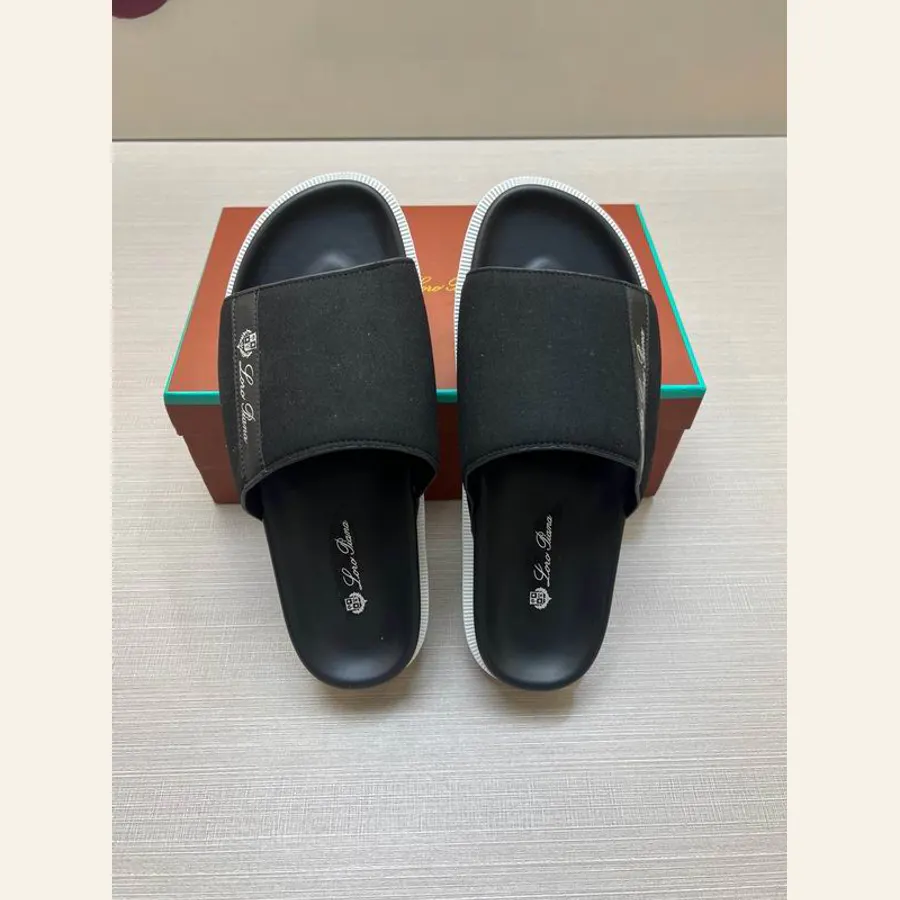
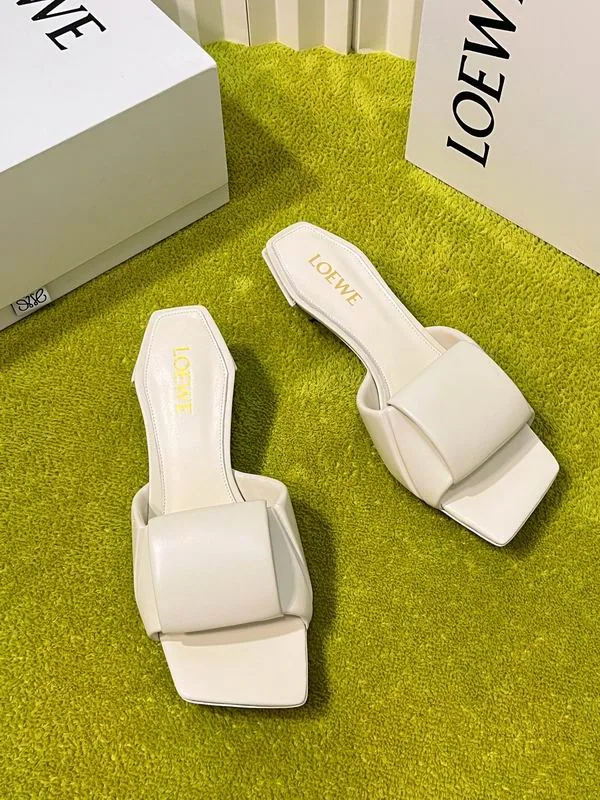
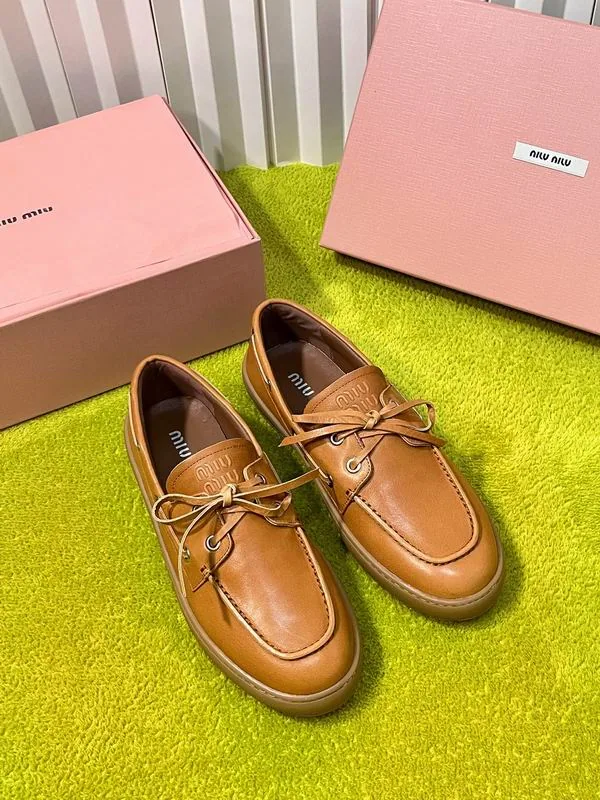
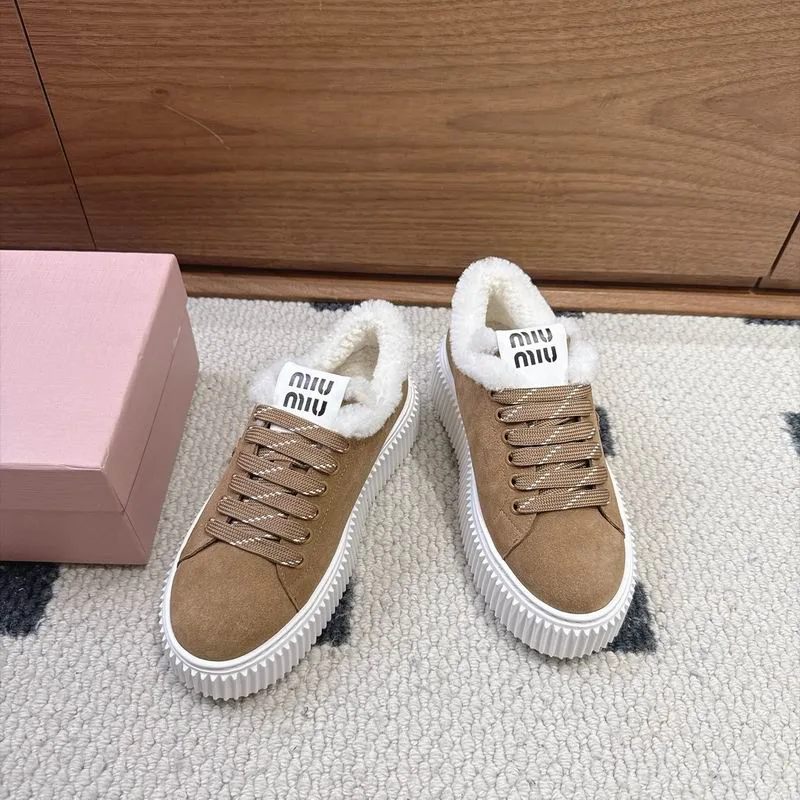
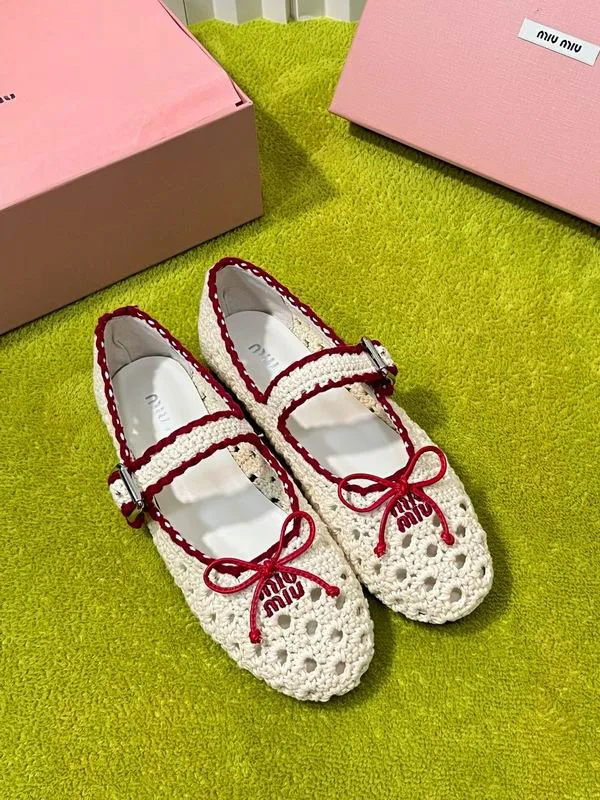
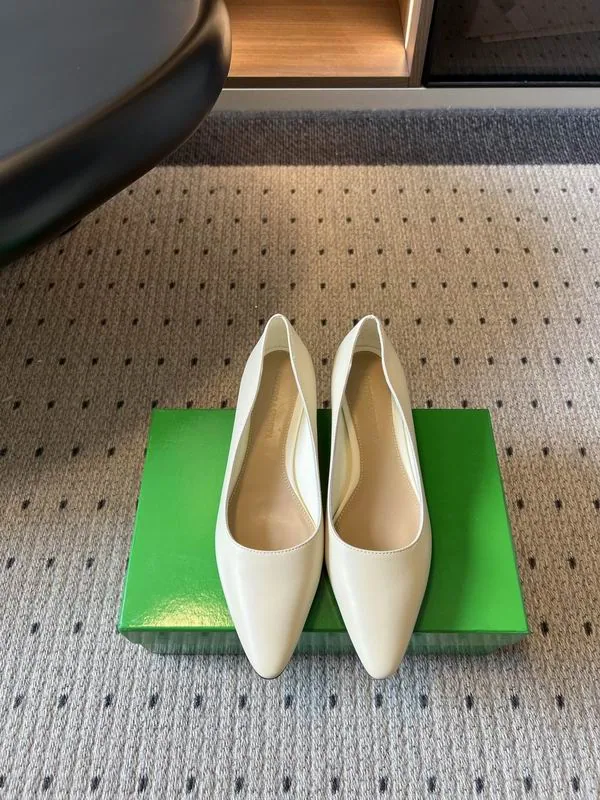
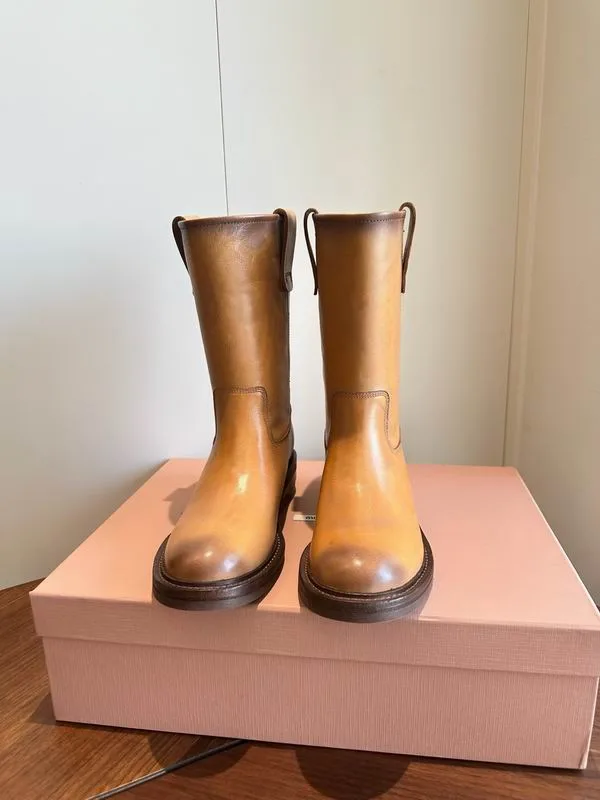
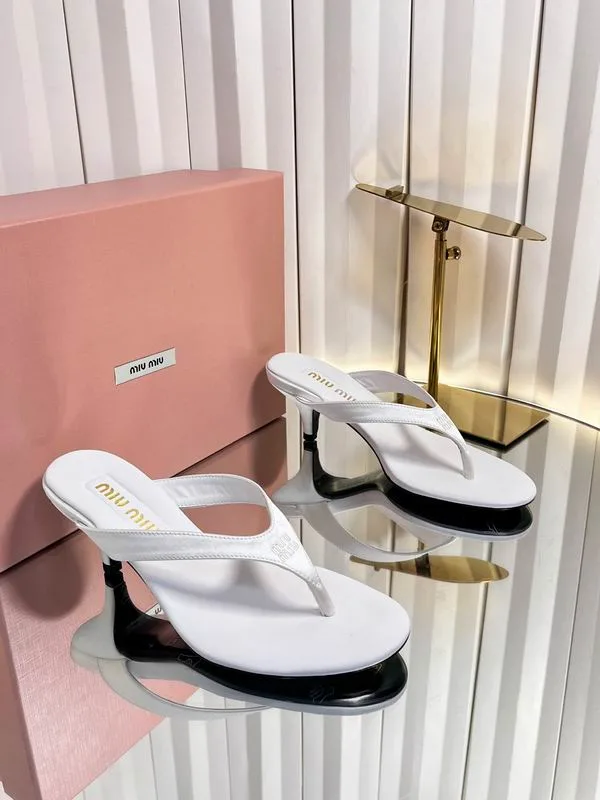
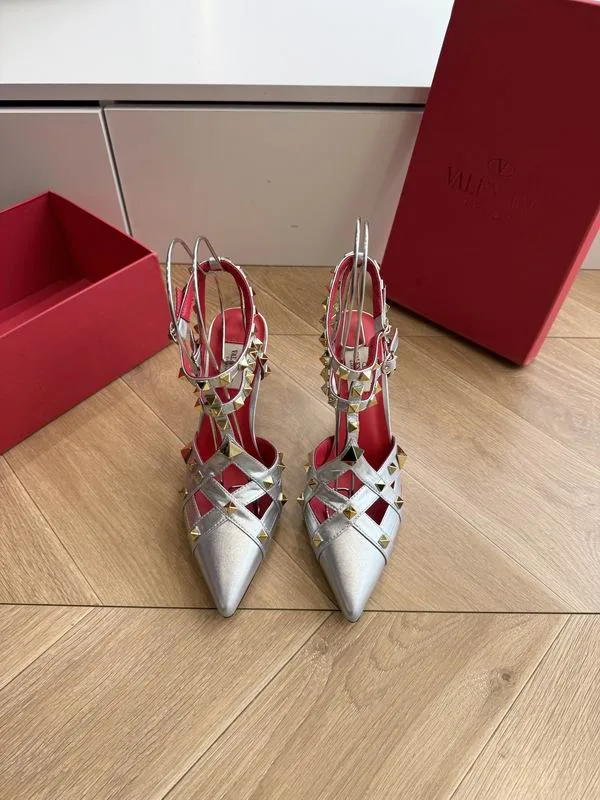
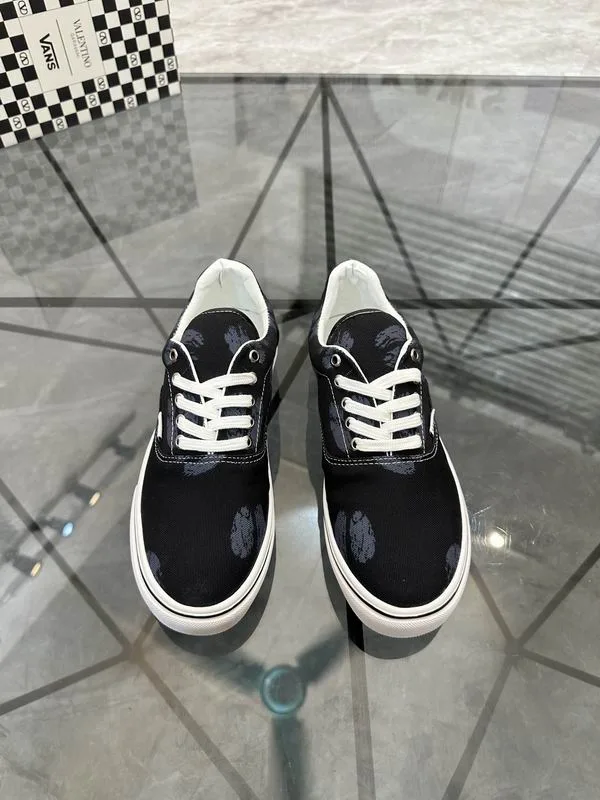
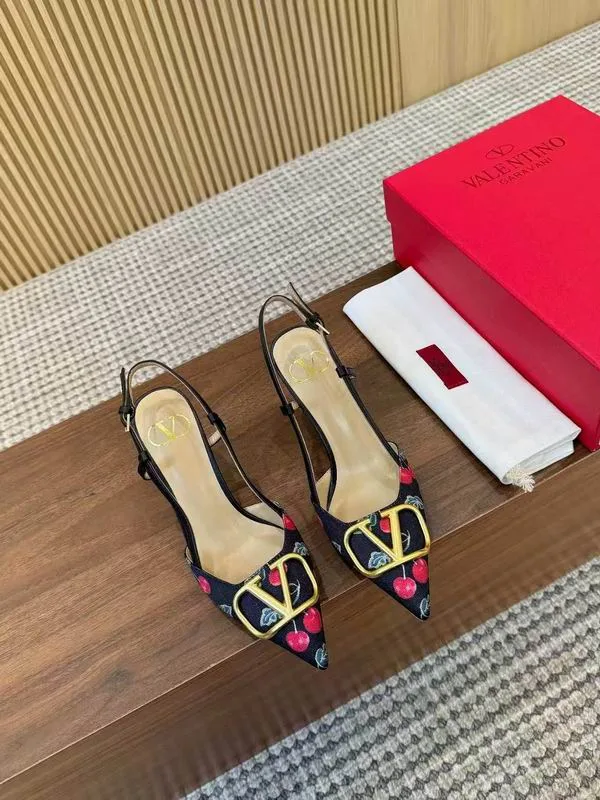
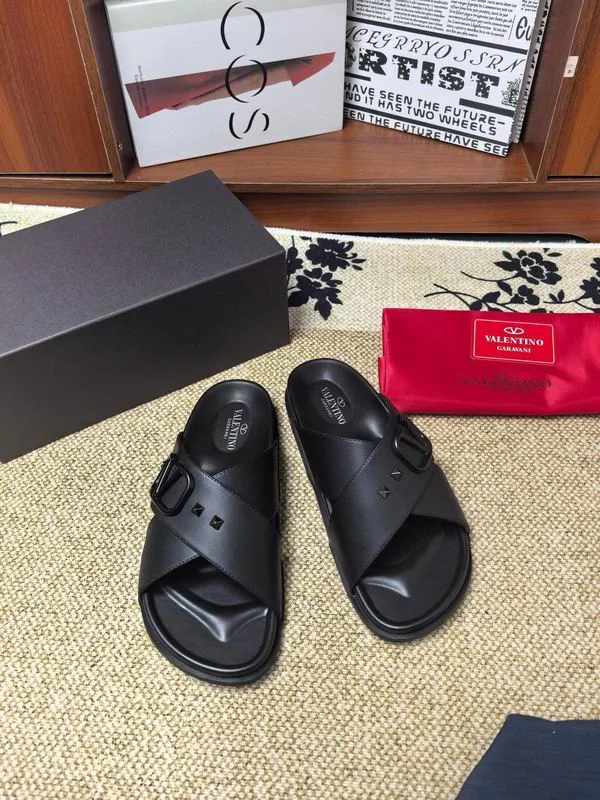
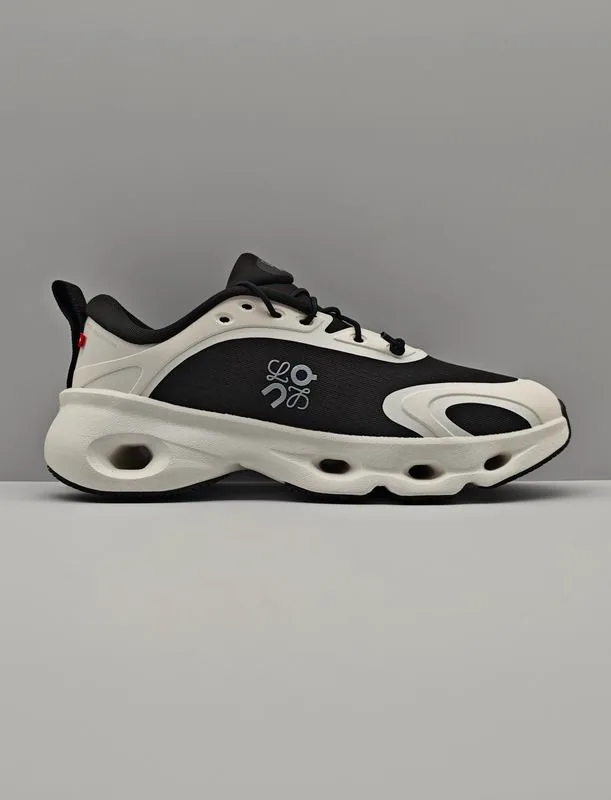
Shape and construction
Shoes
Footwear organized by silhouette, upper material, sole construction, closure, proportion, and styling purpose, with verified details separated from visual interpretation.
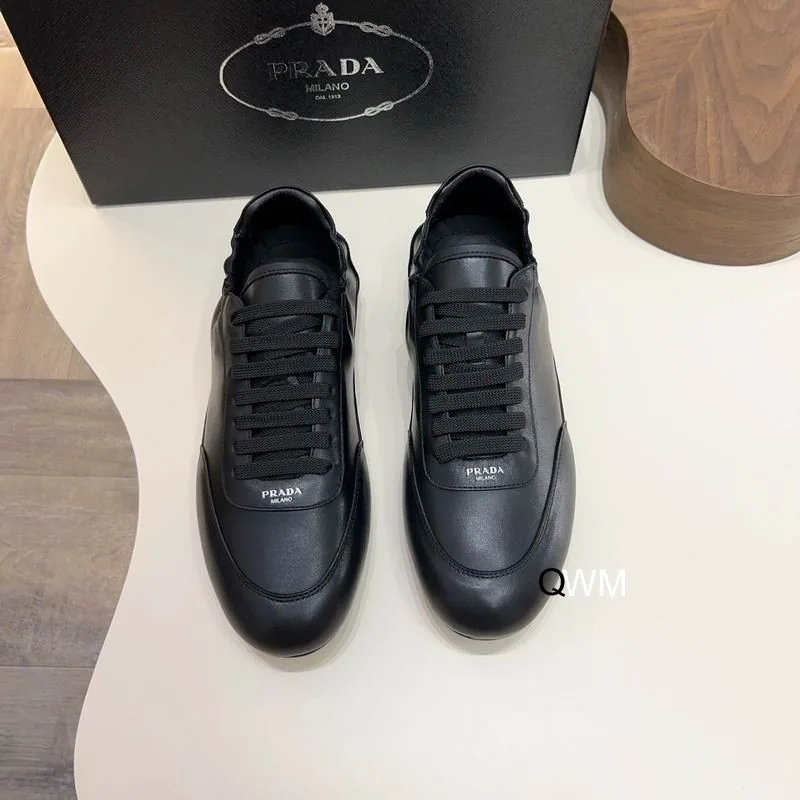
Choose the footwear role first
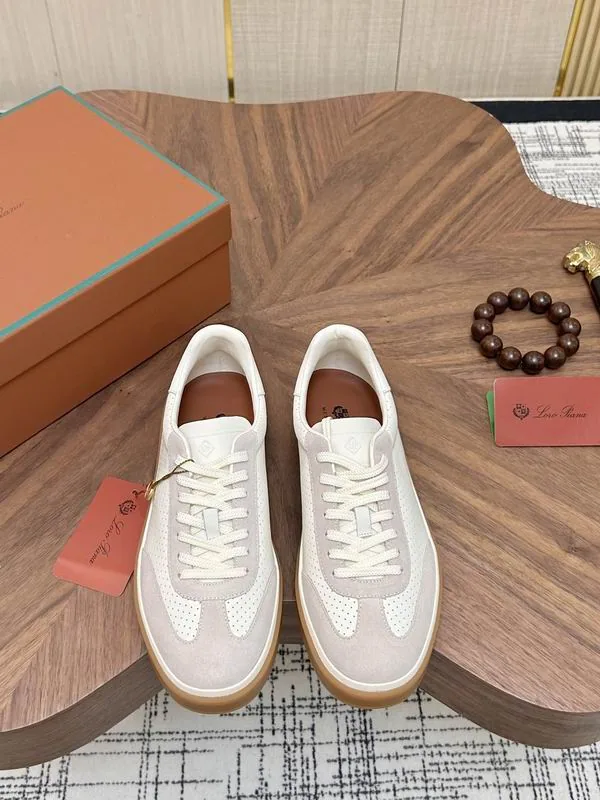
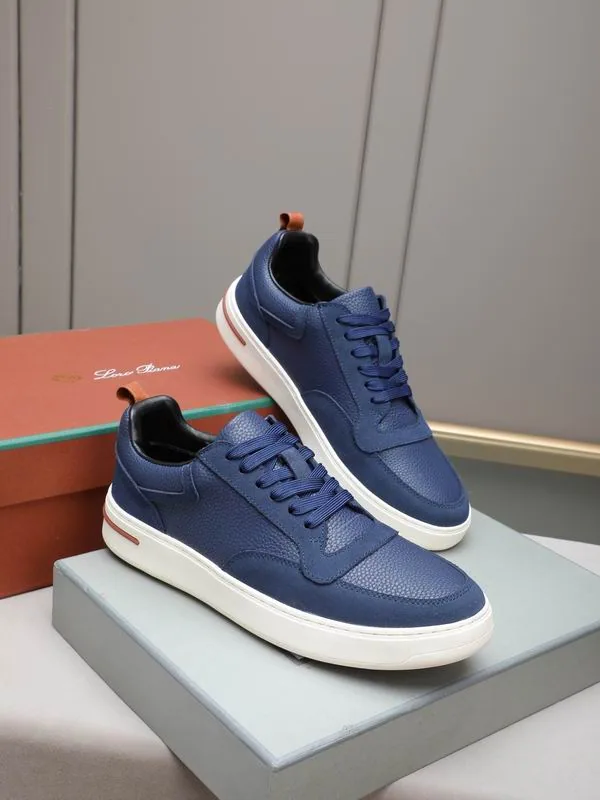
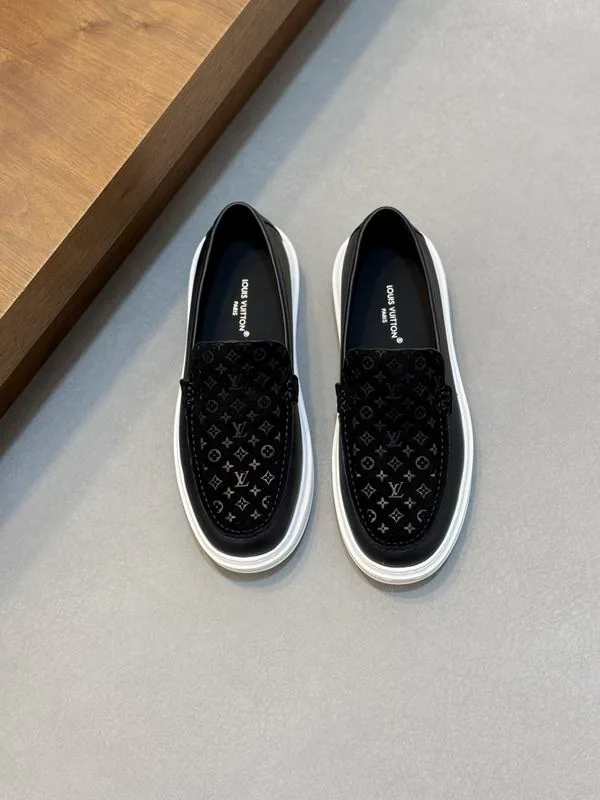
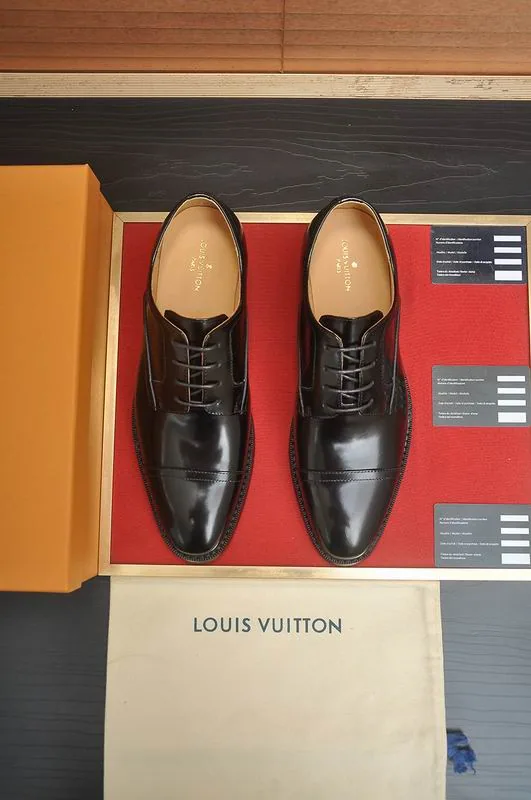
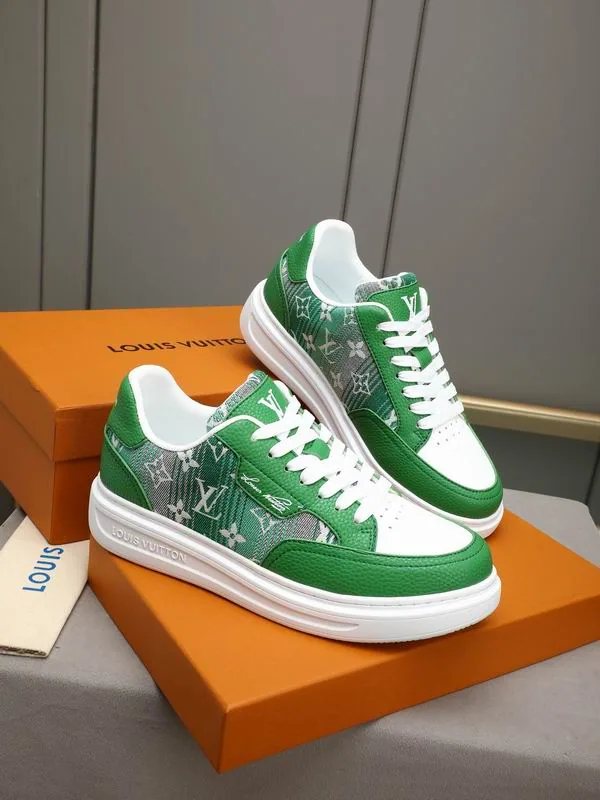
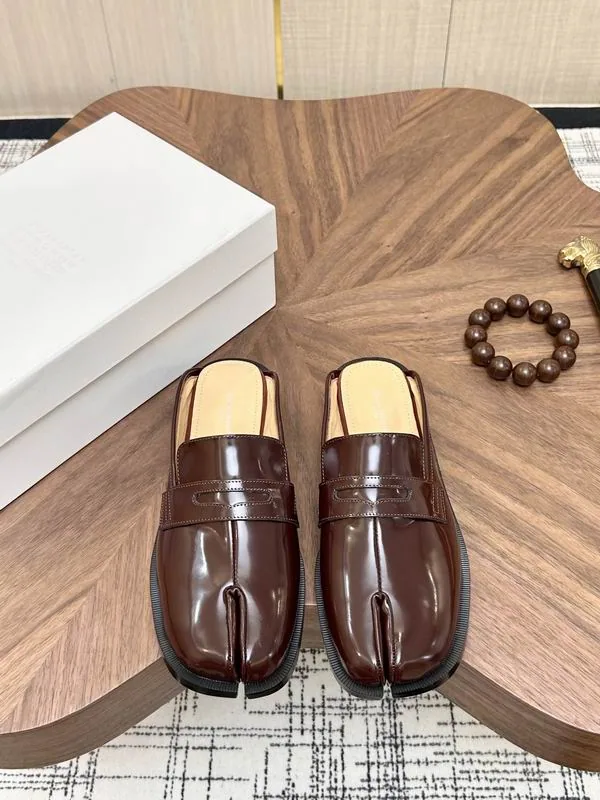
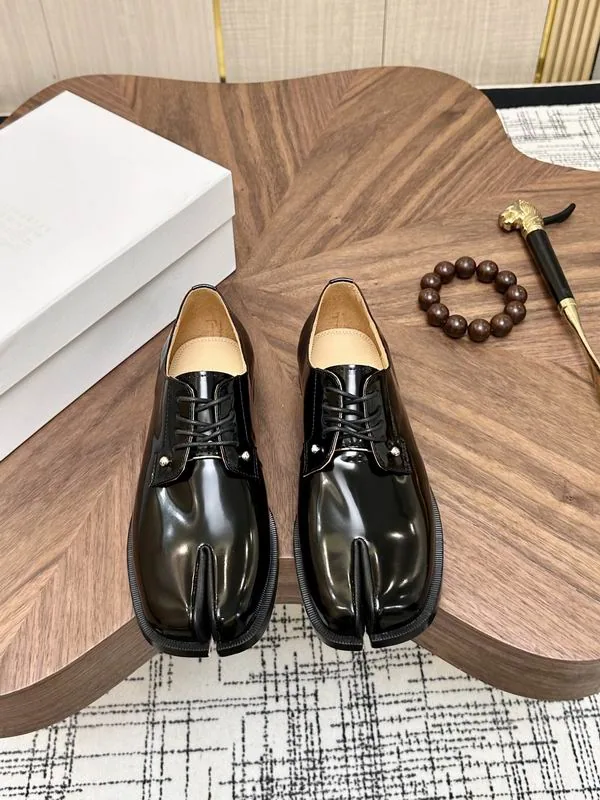
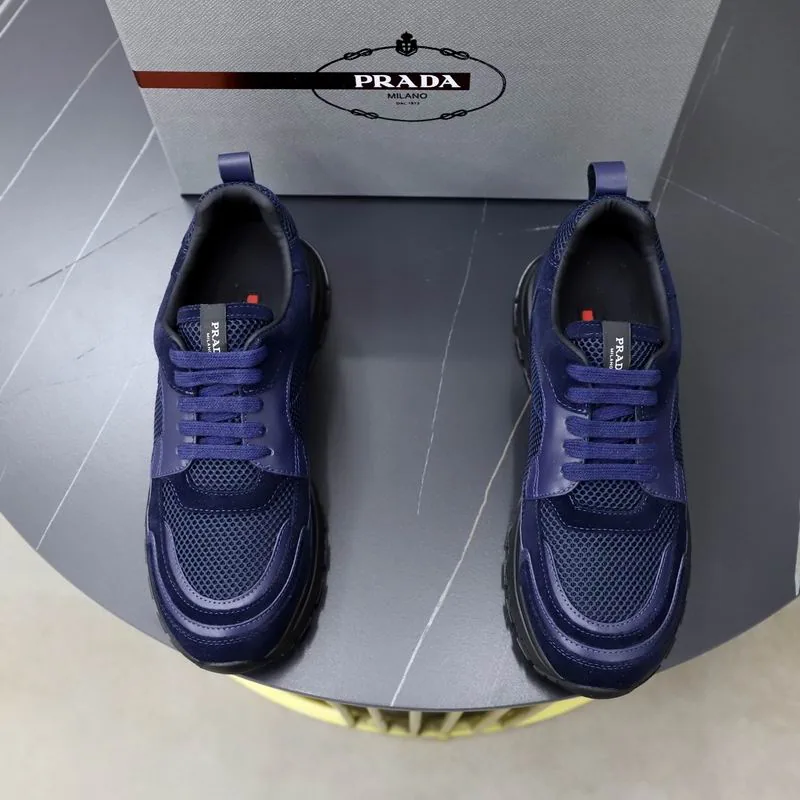
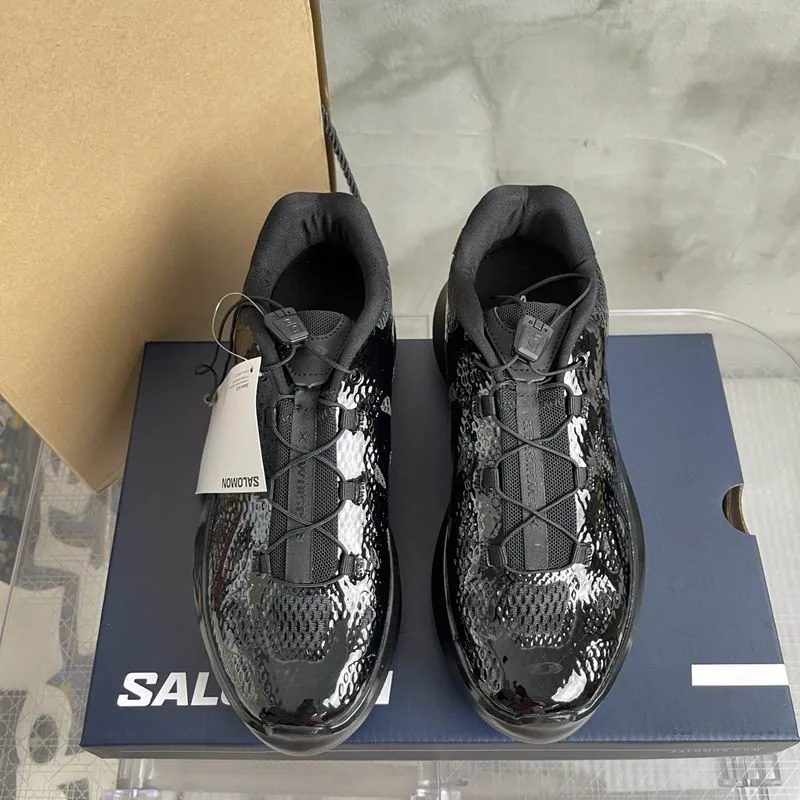
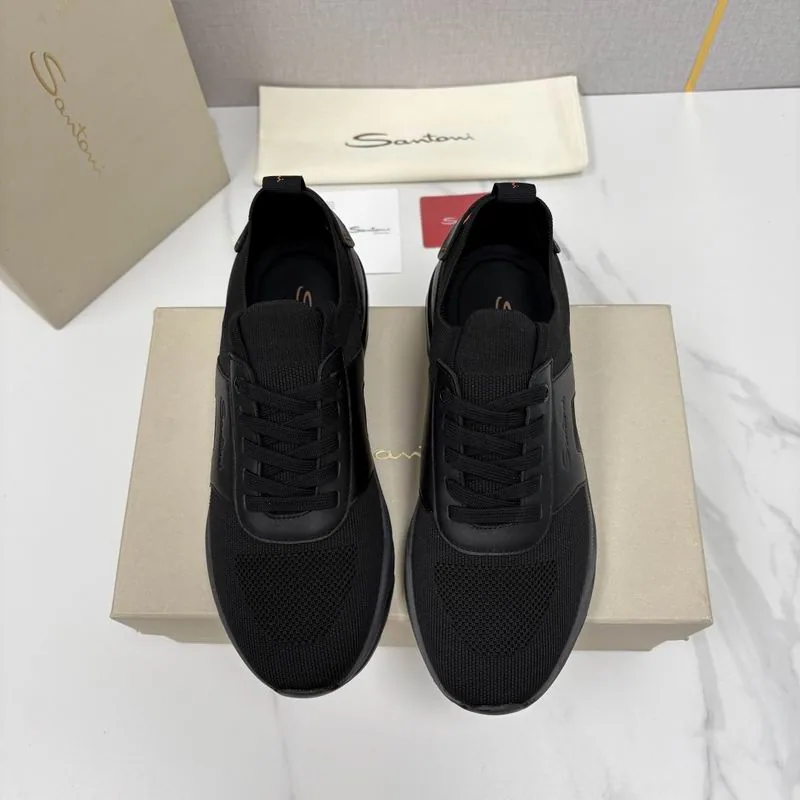
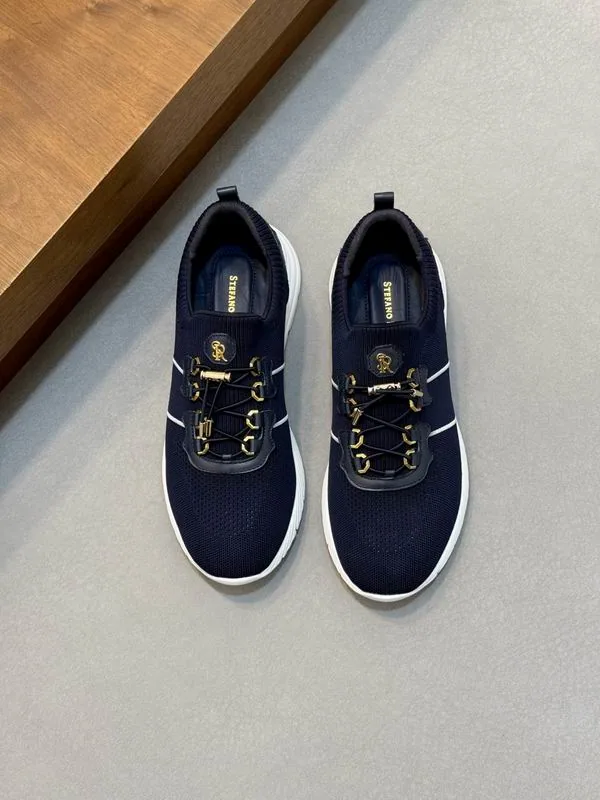
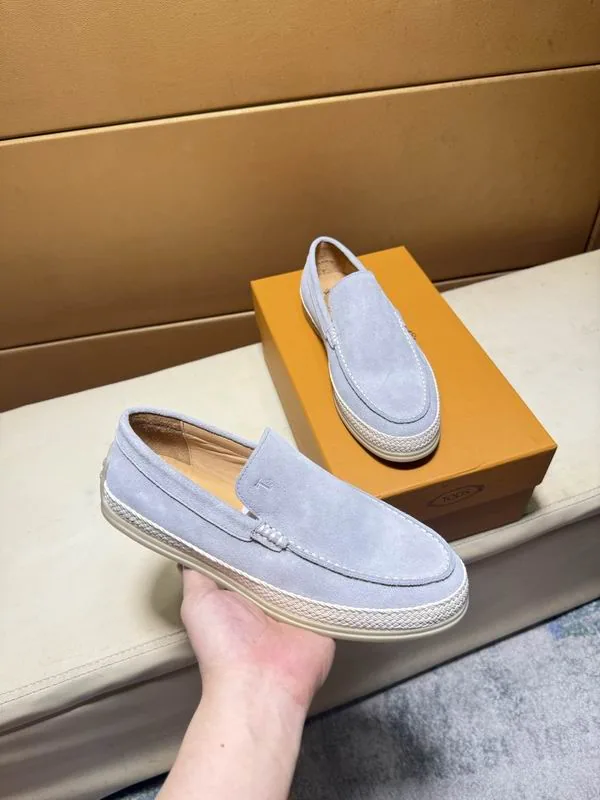
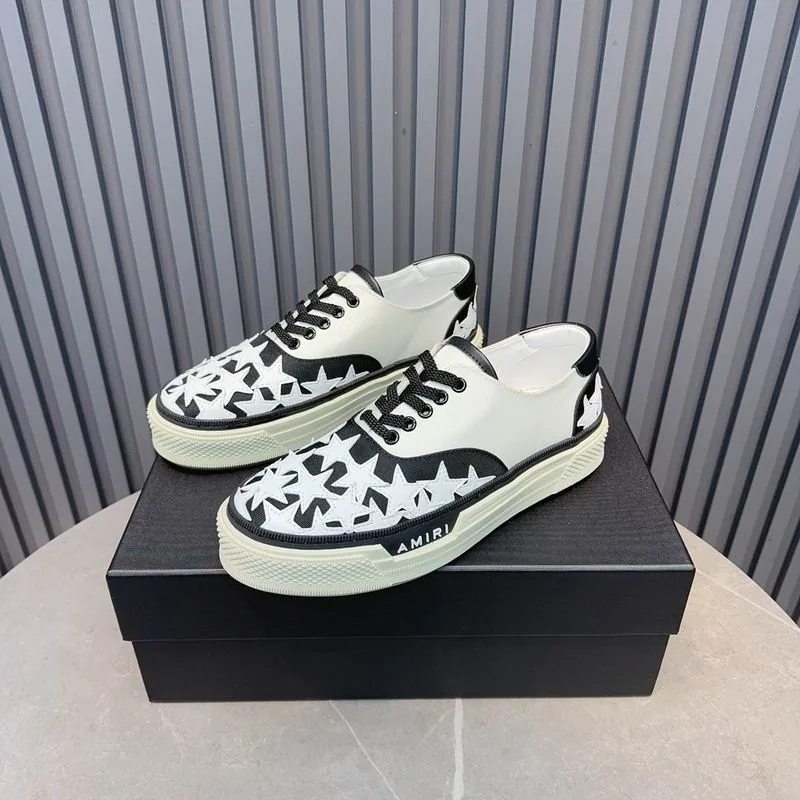
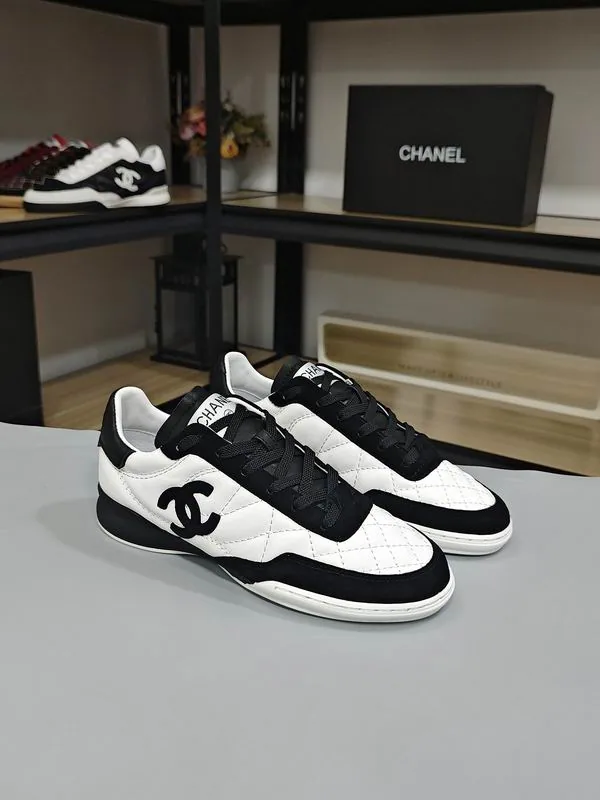
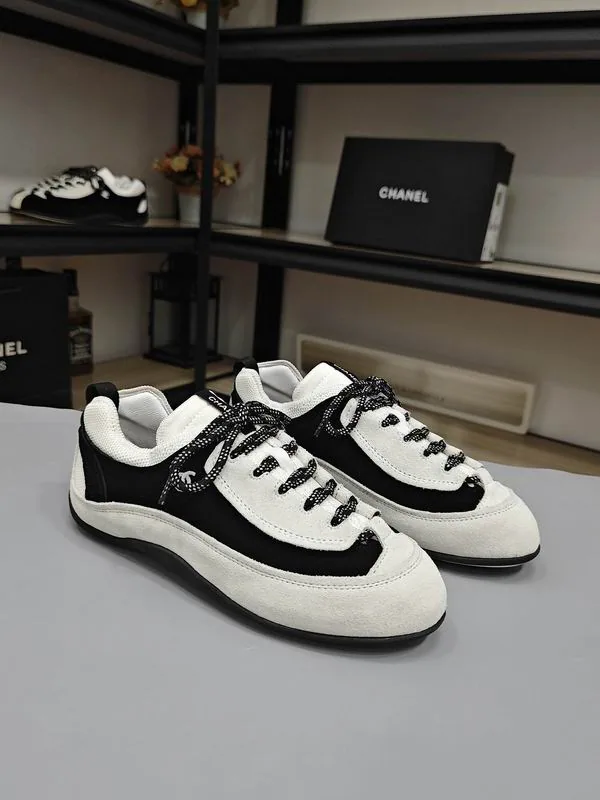
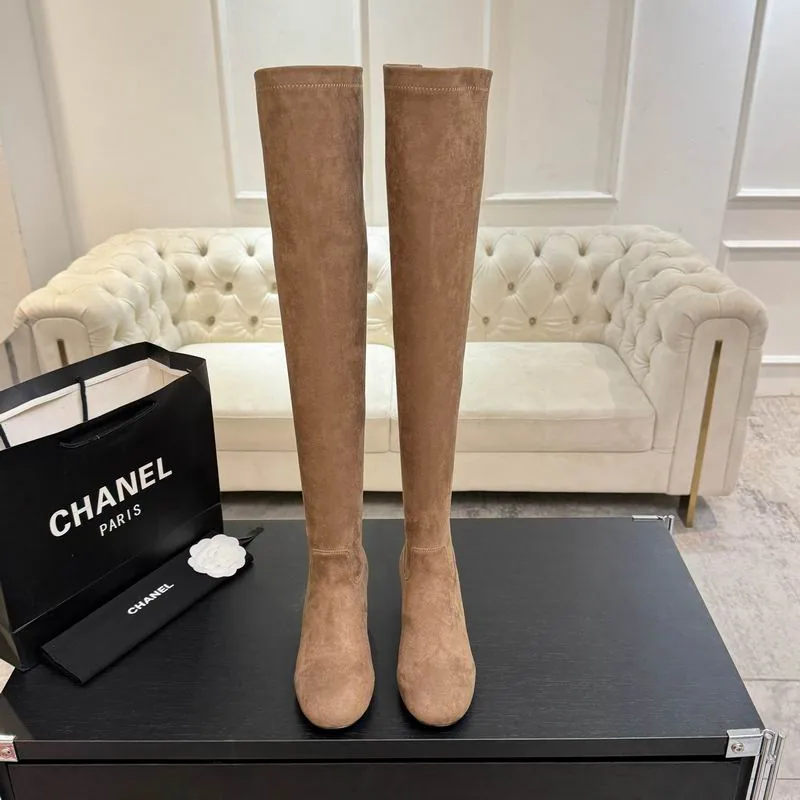
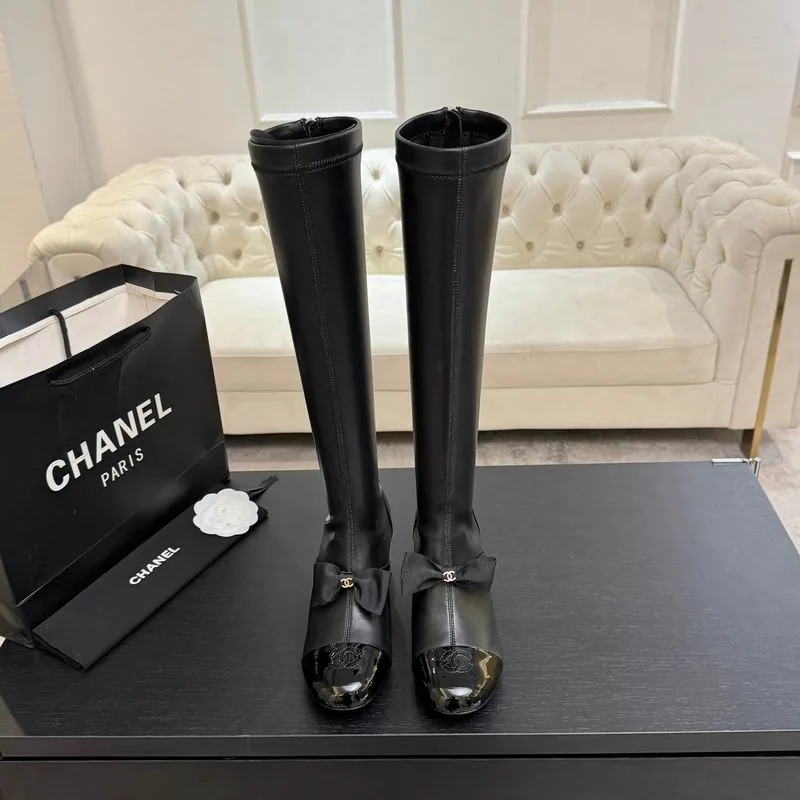
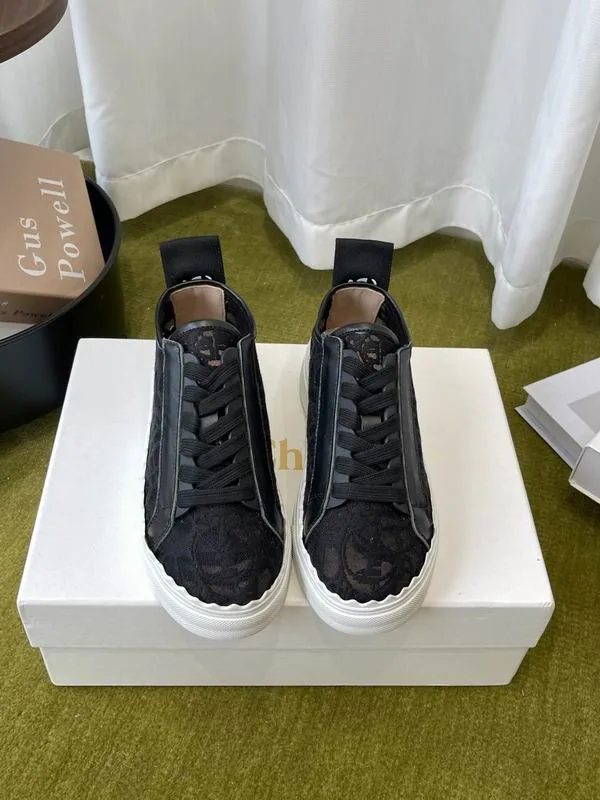
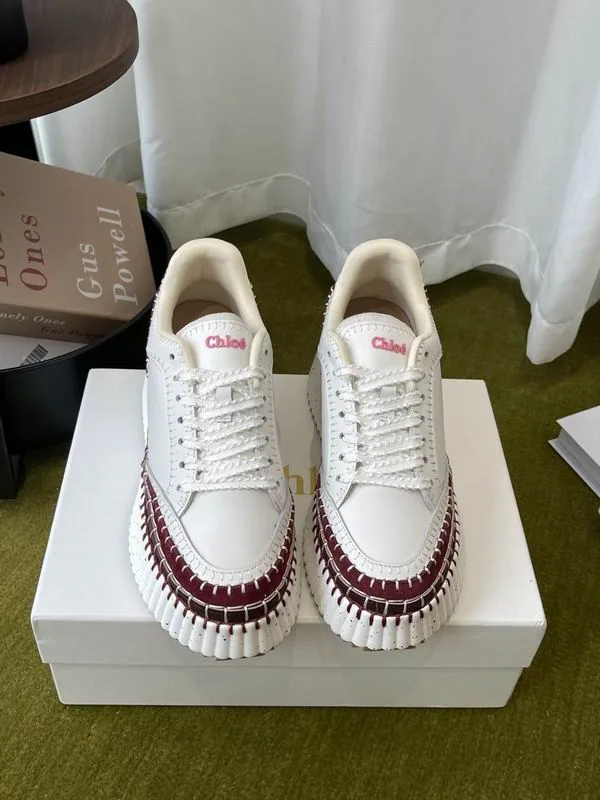
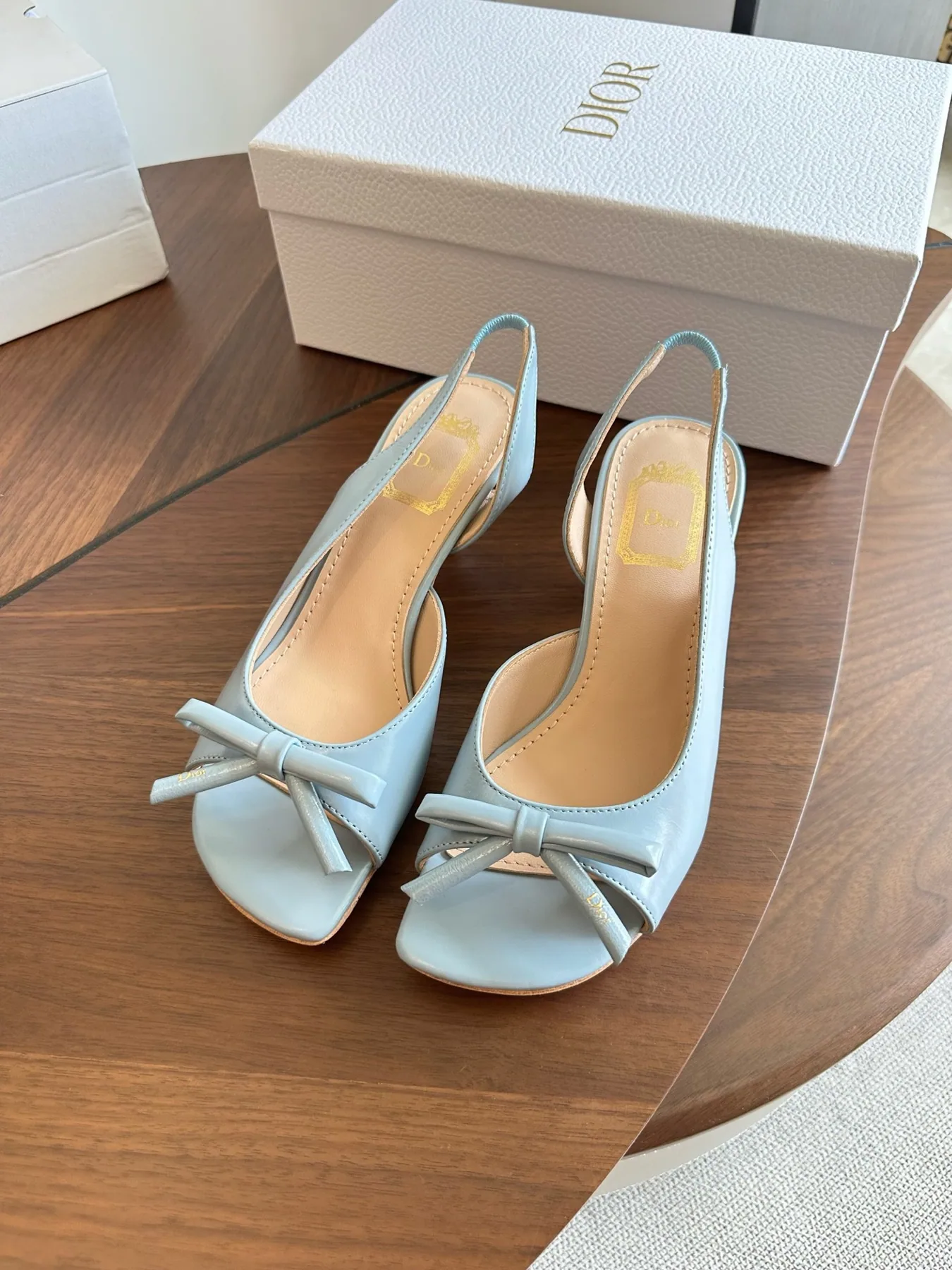
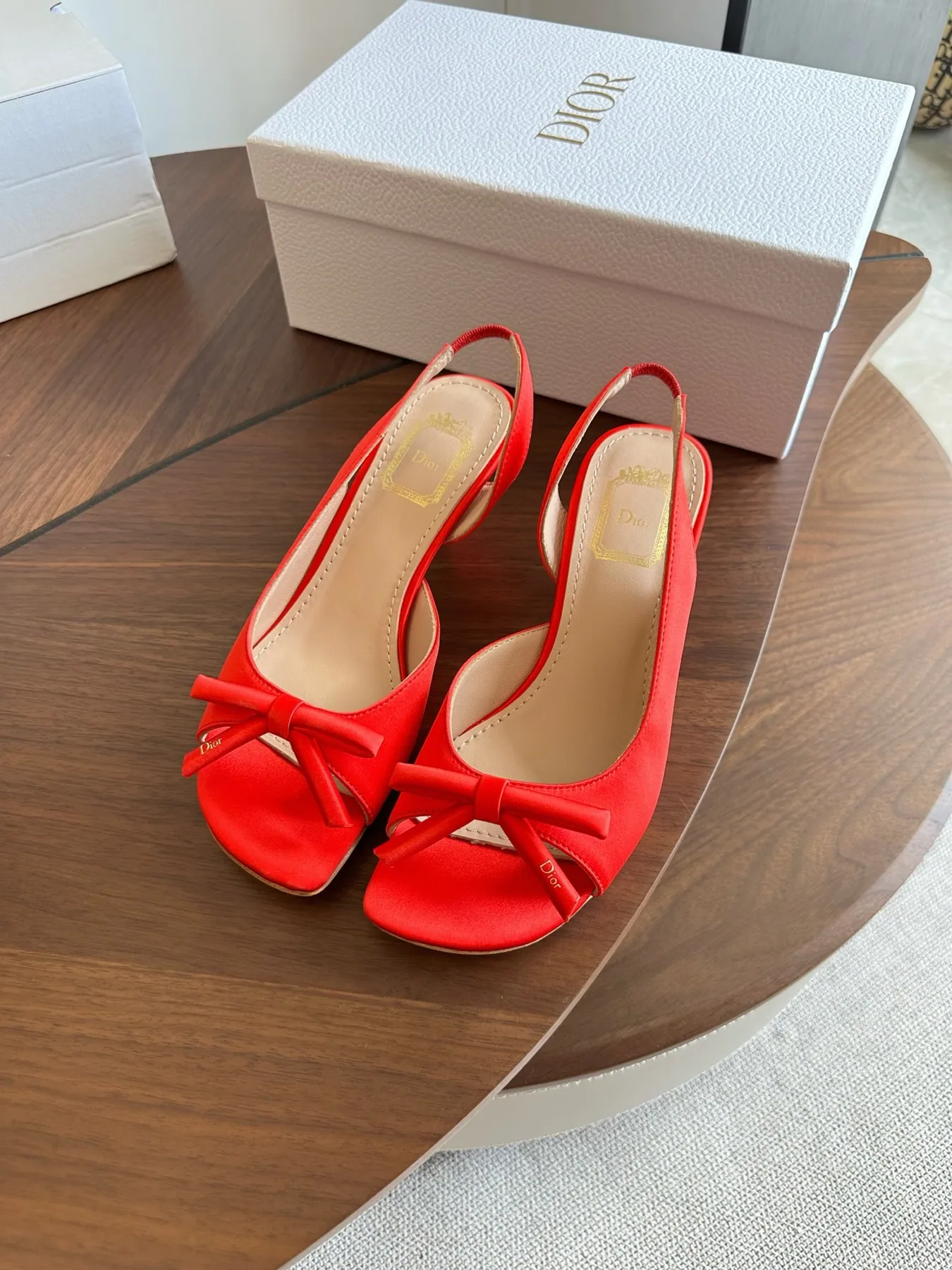
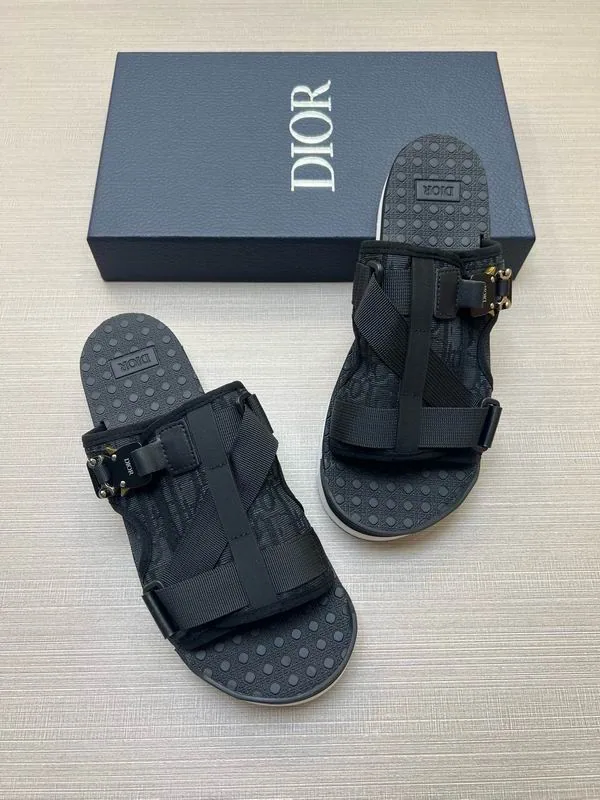
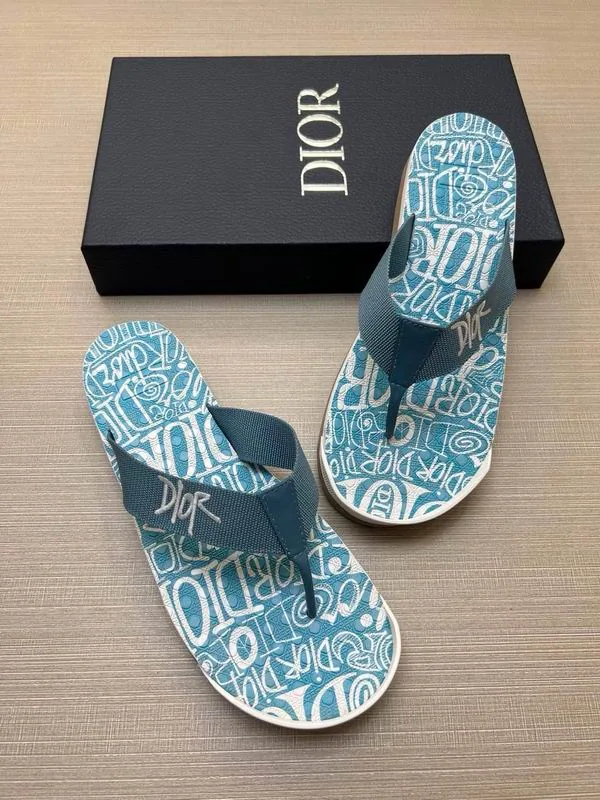
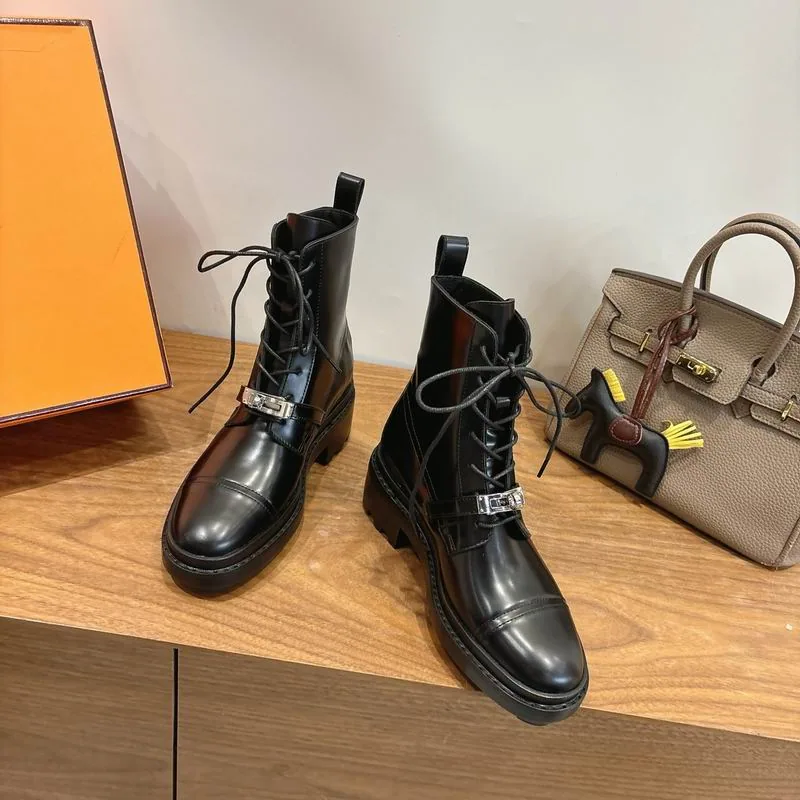
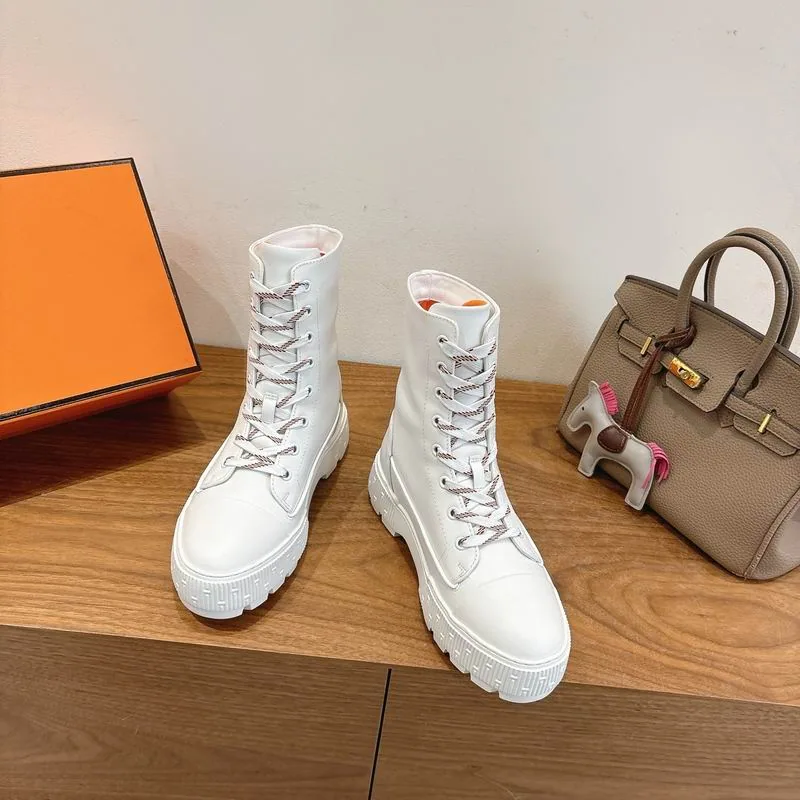
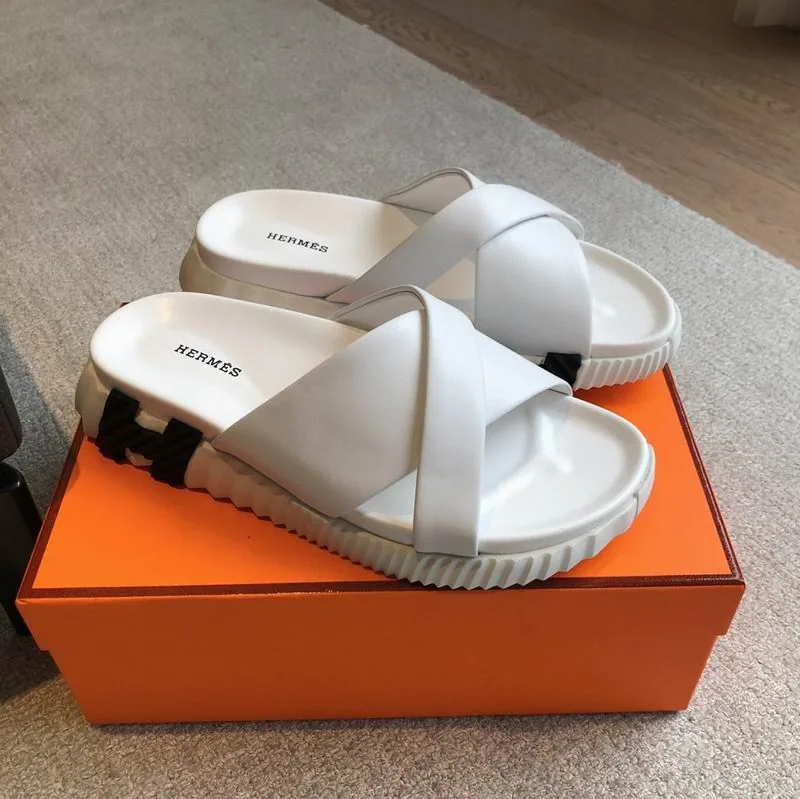
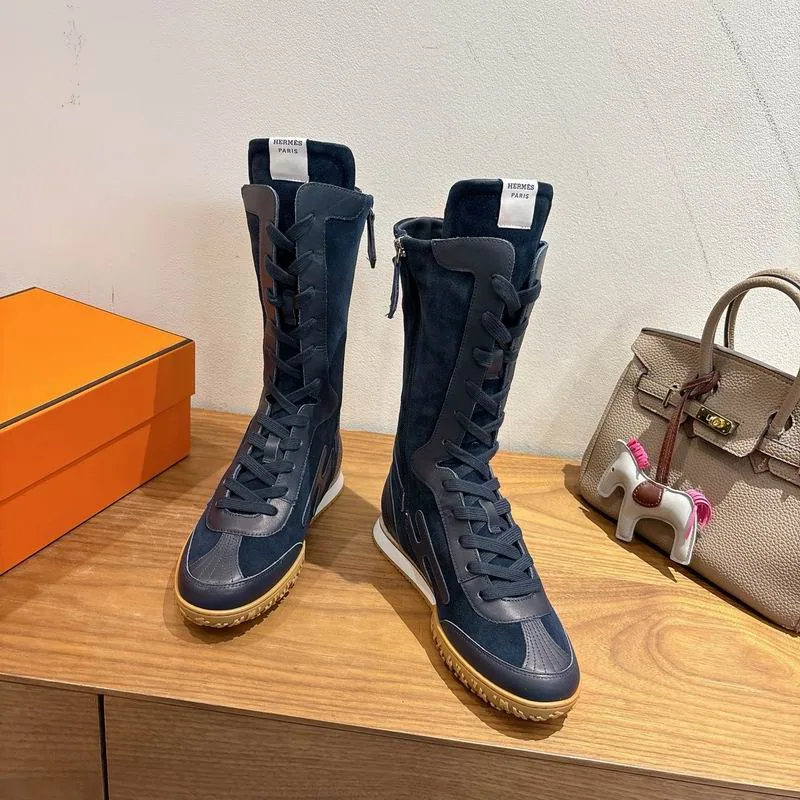
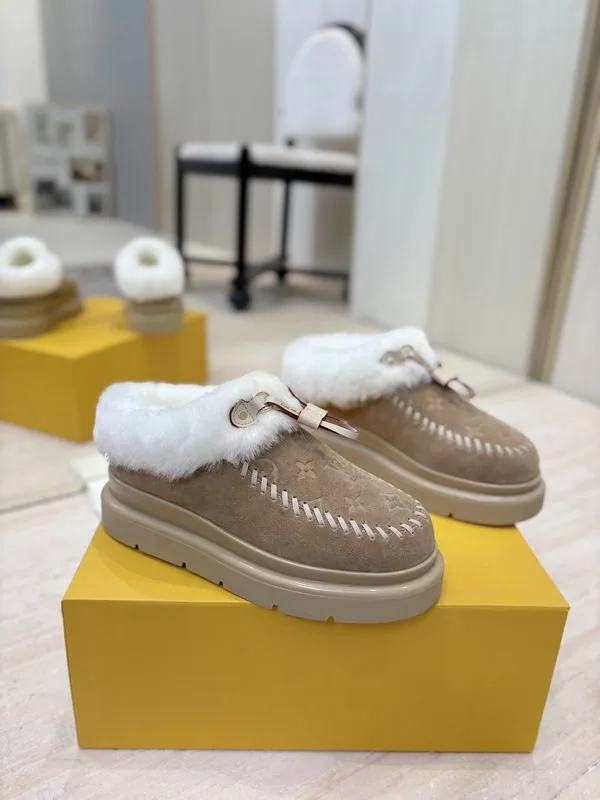
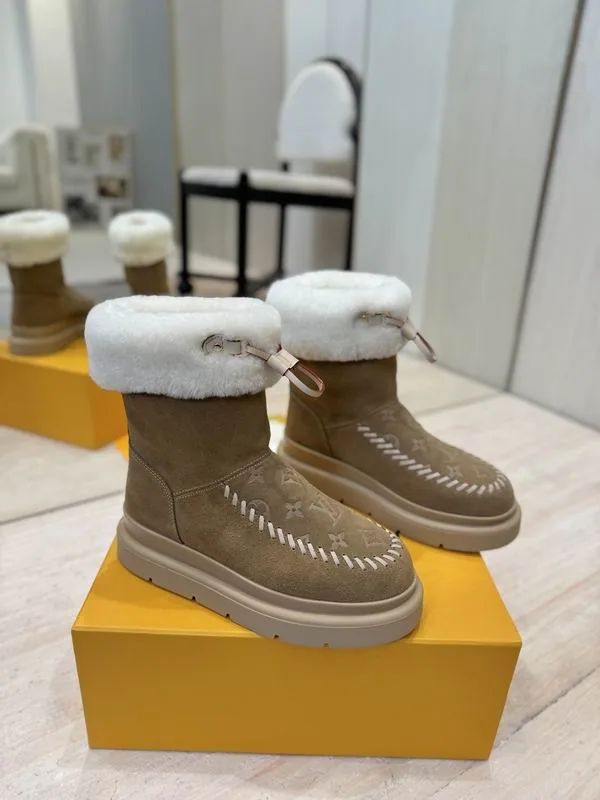
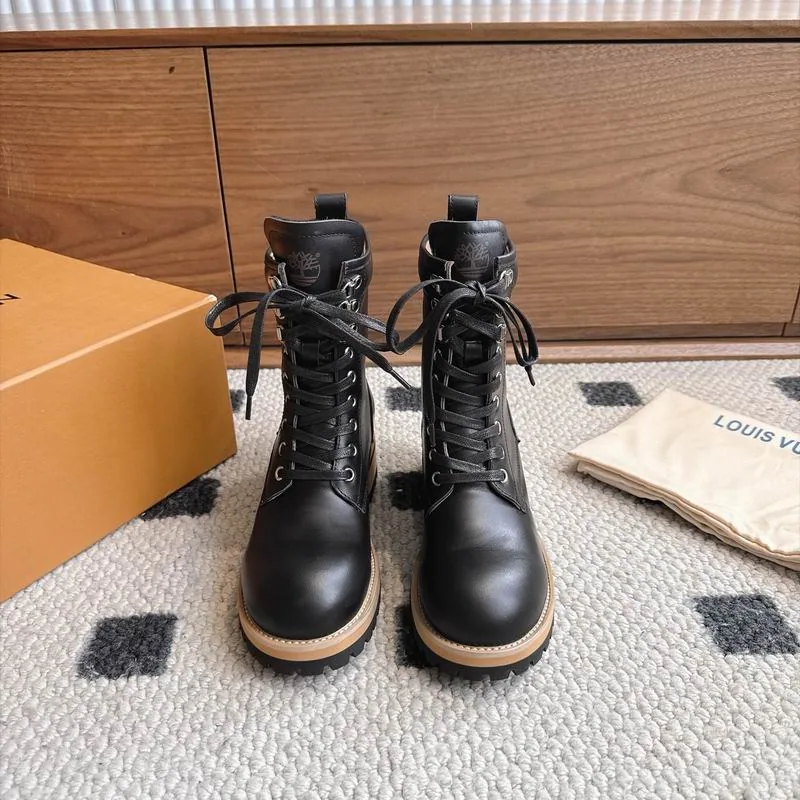
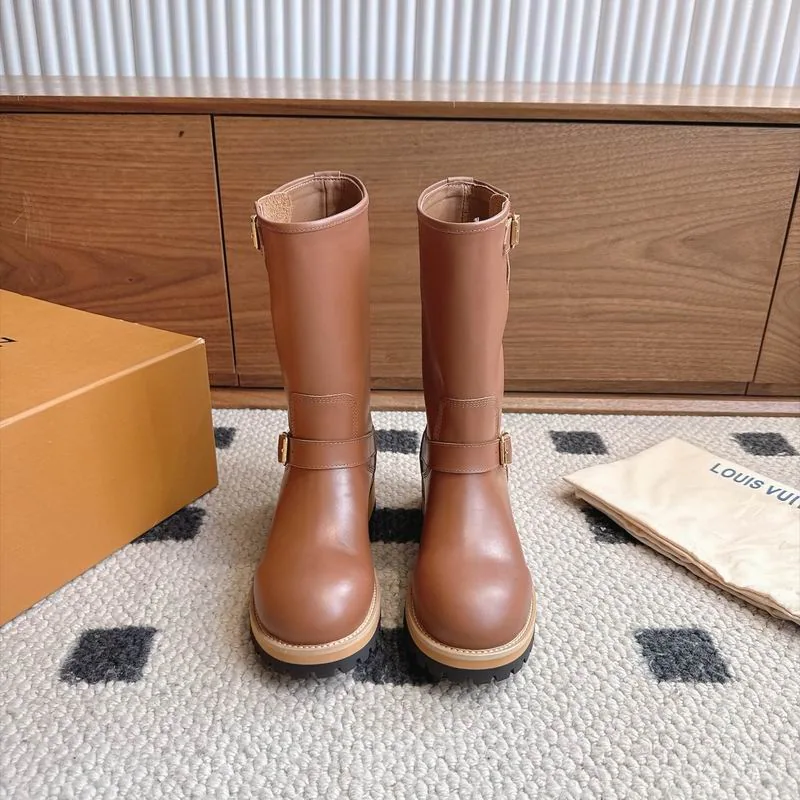
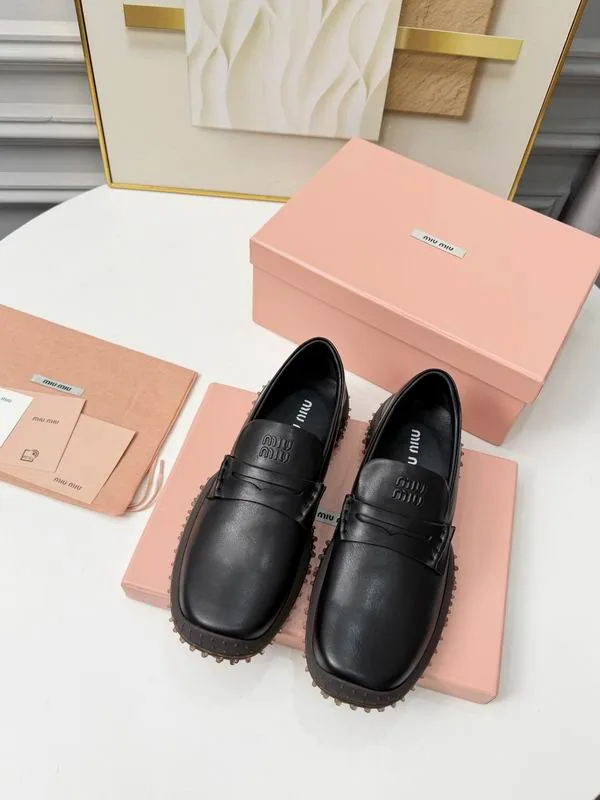
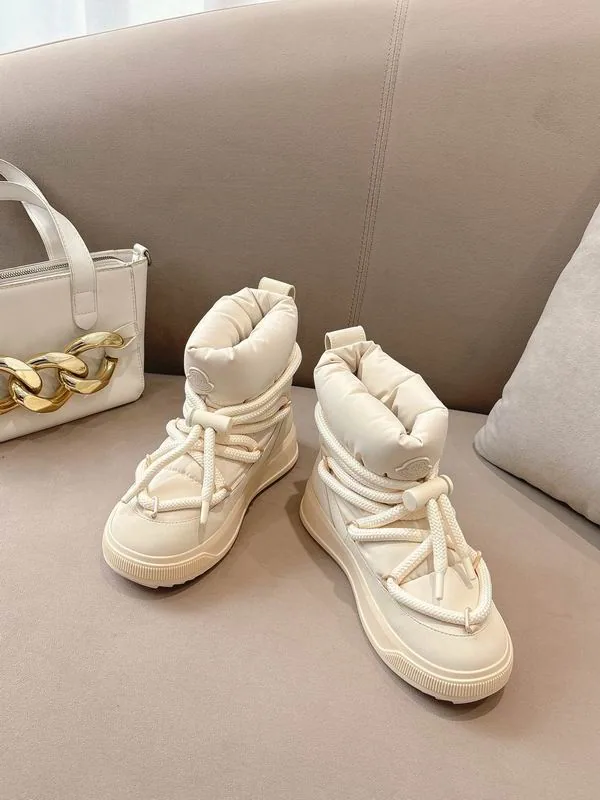
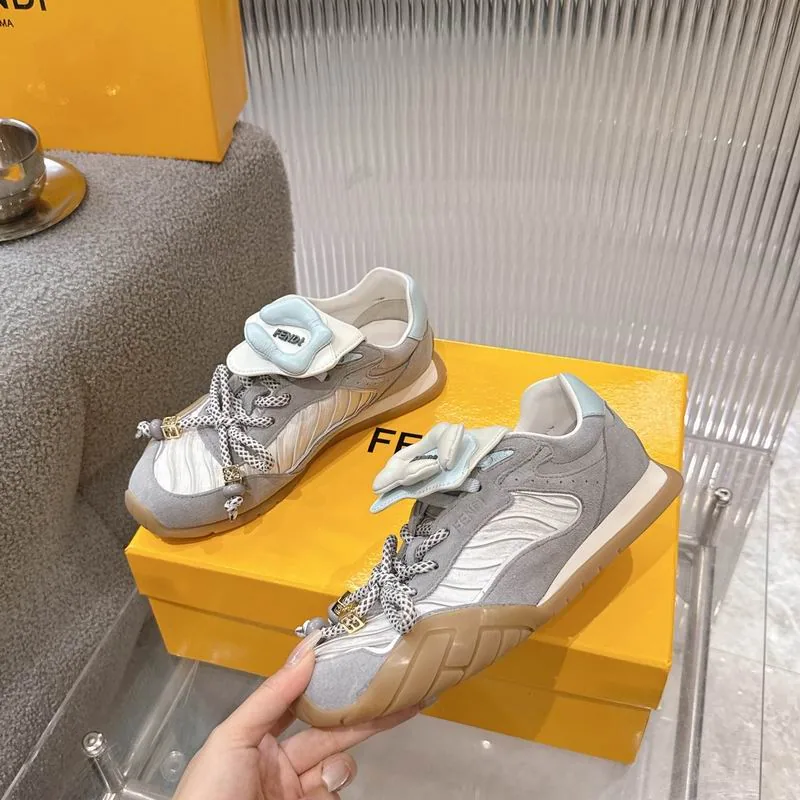
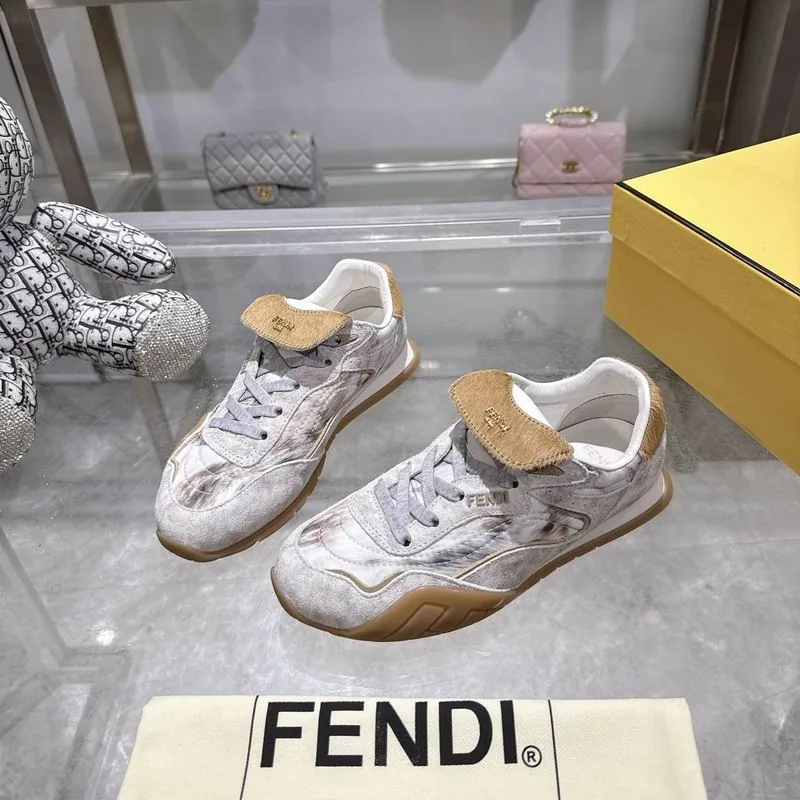
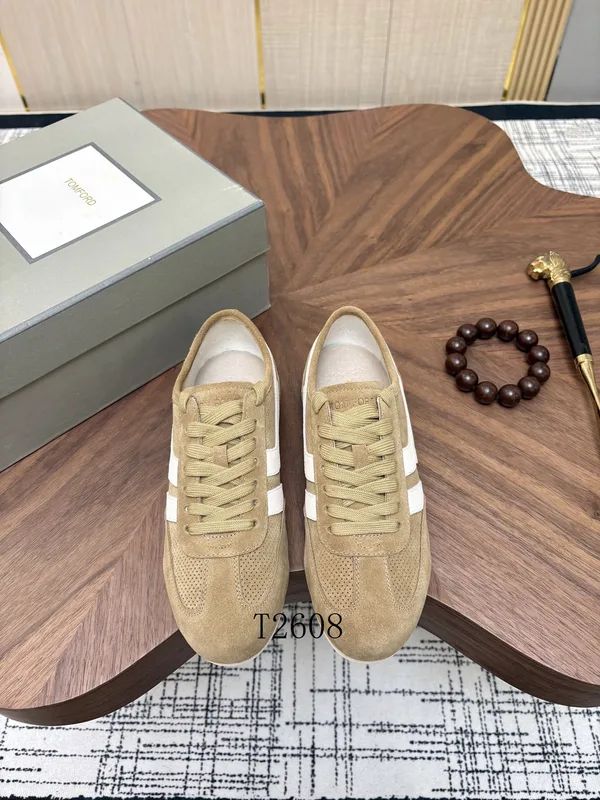
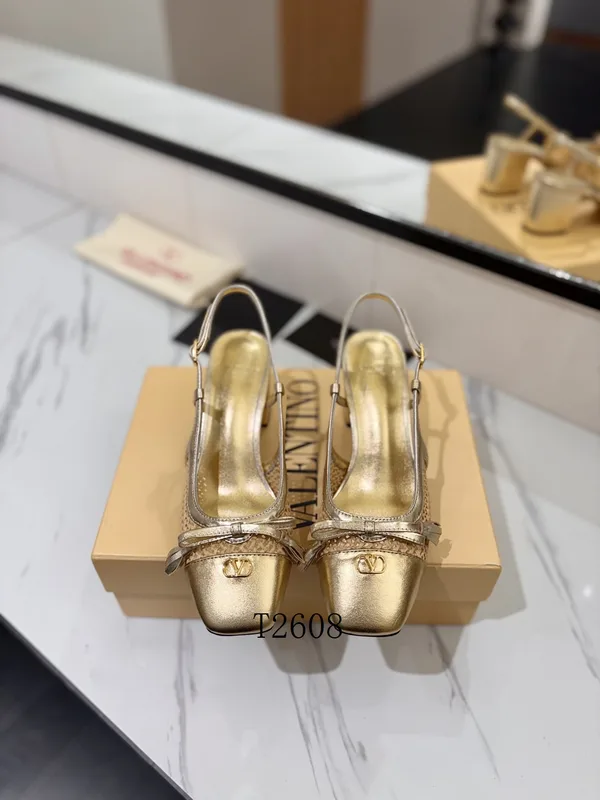
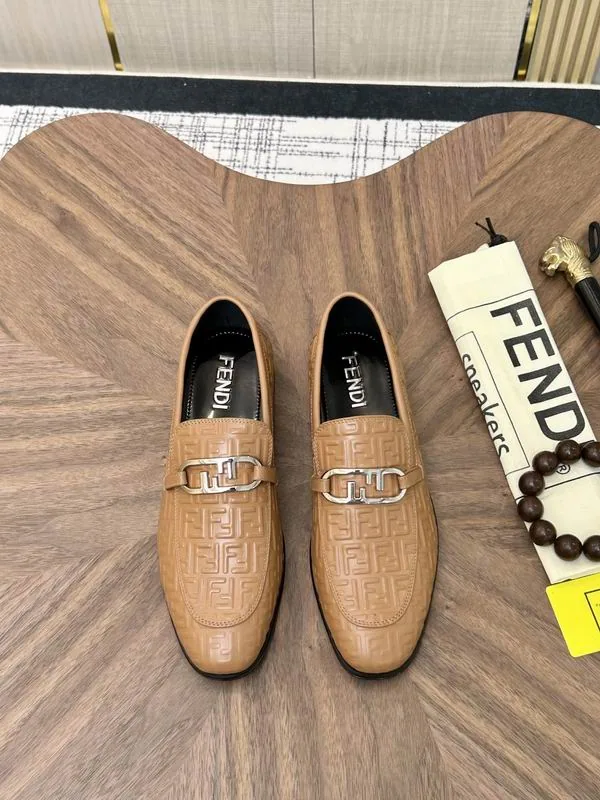
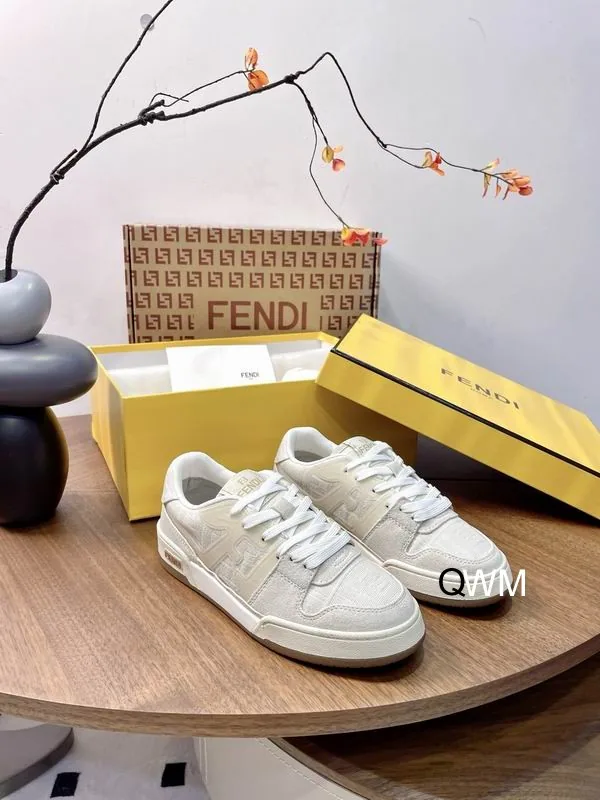
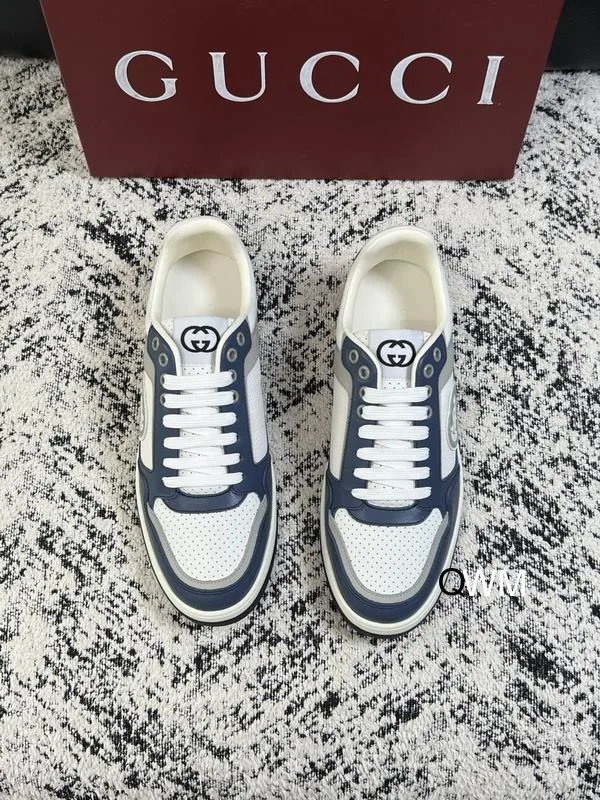
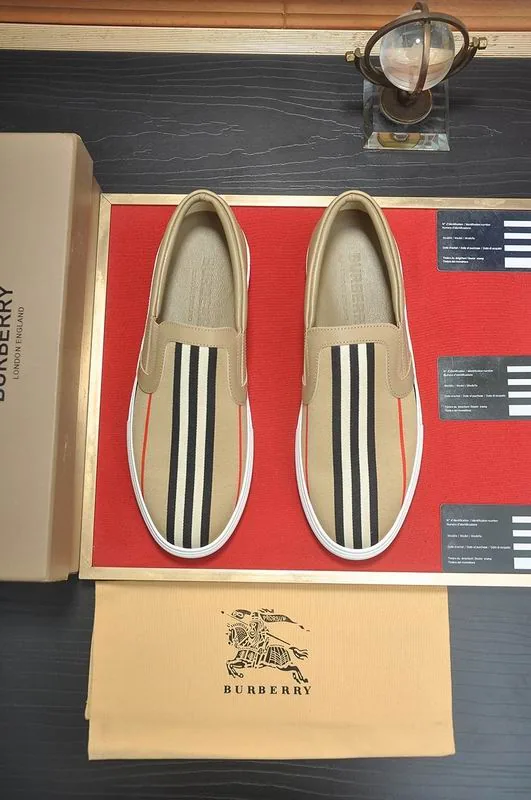
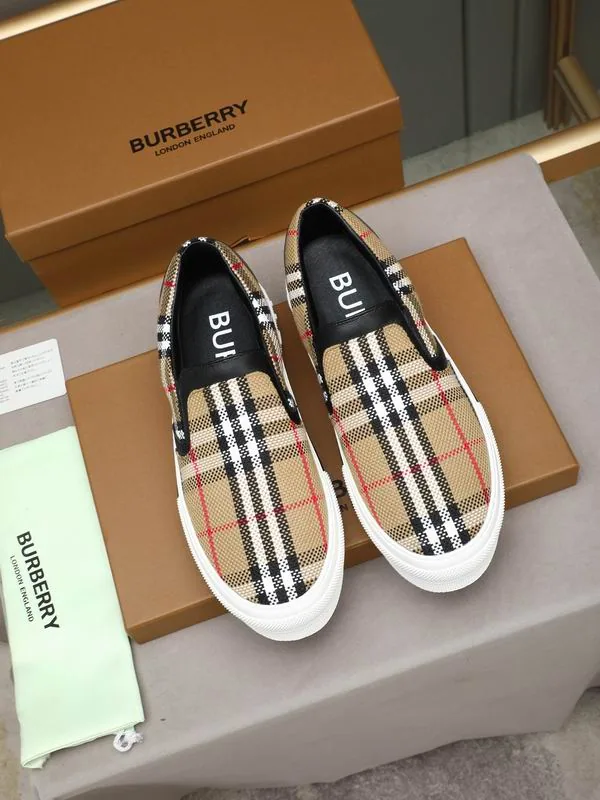
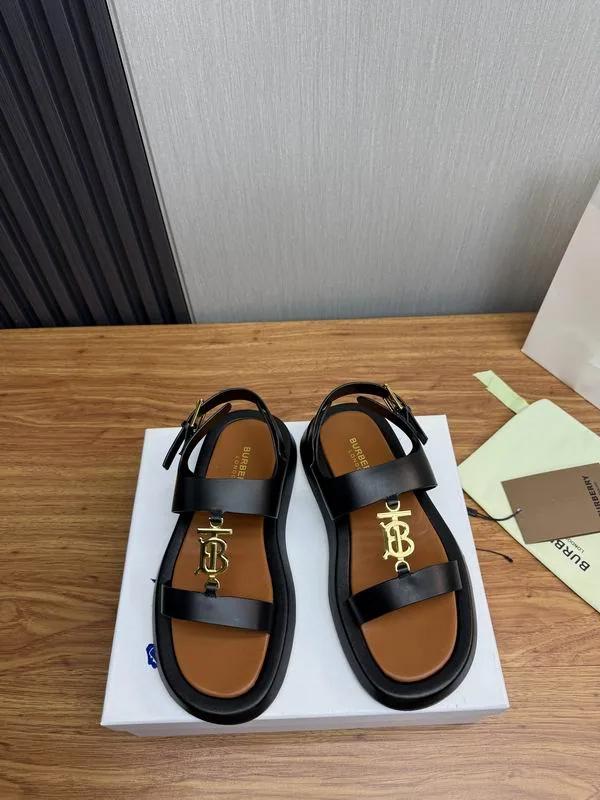
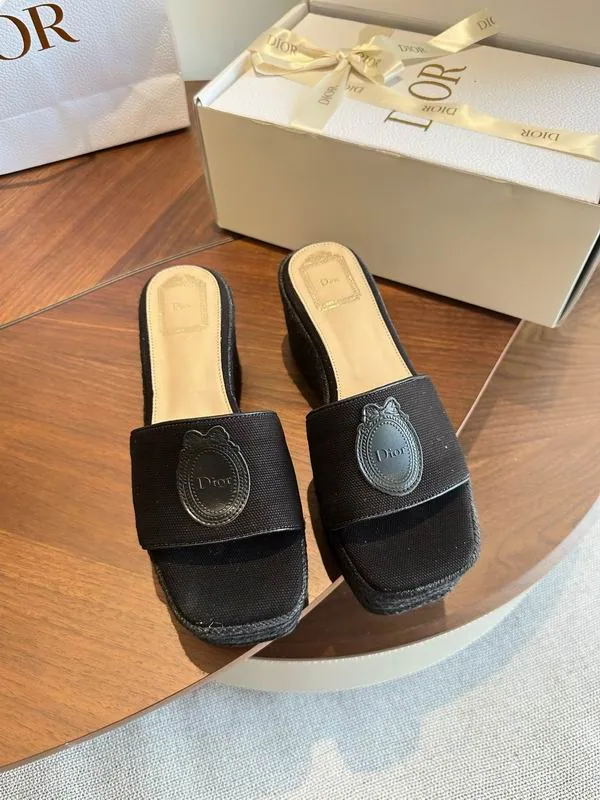
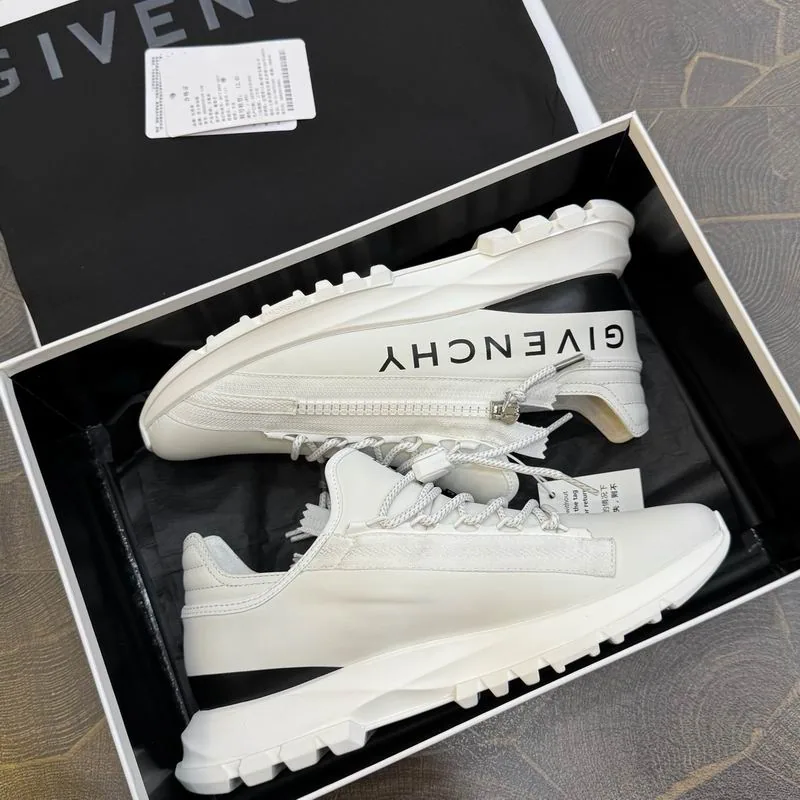
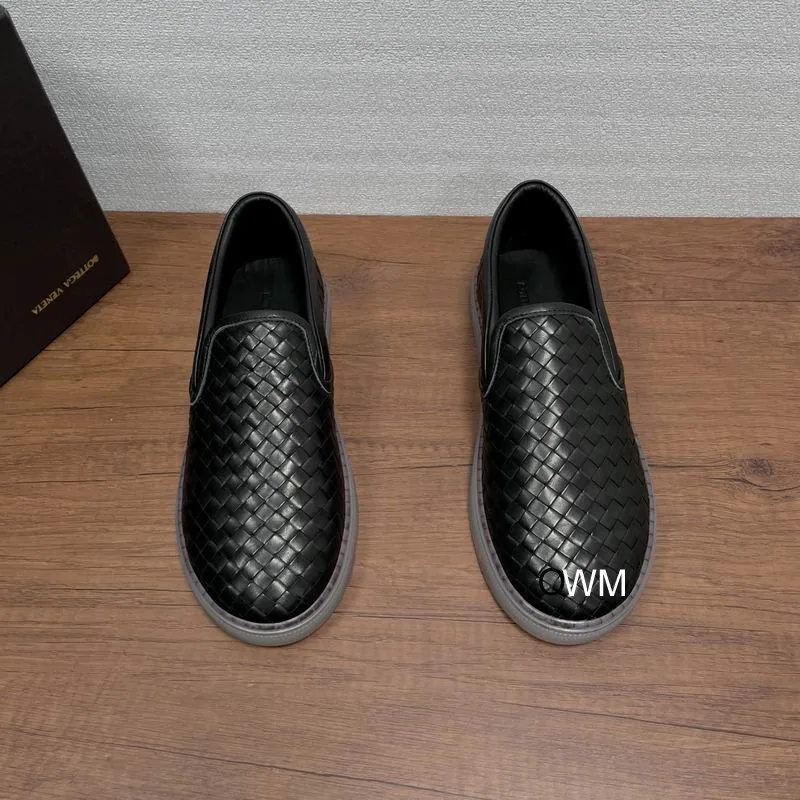
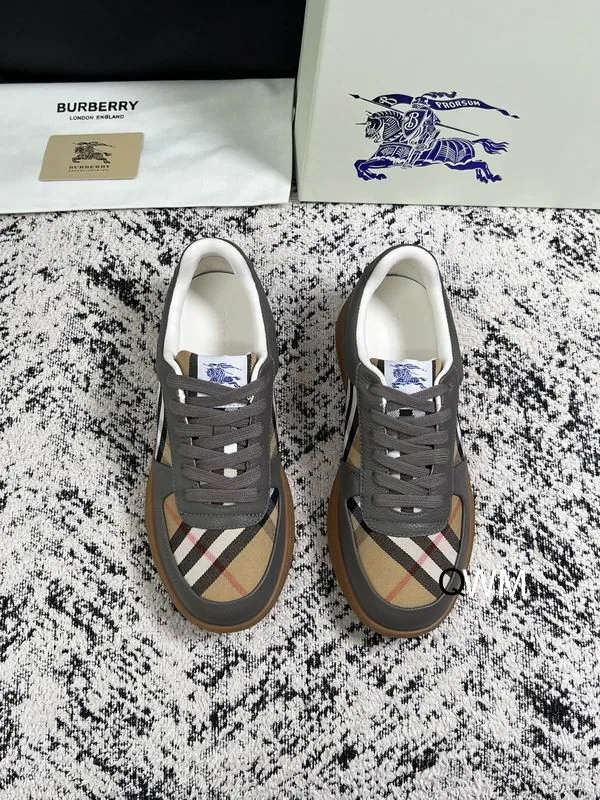
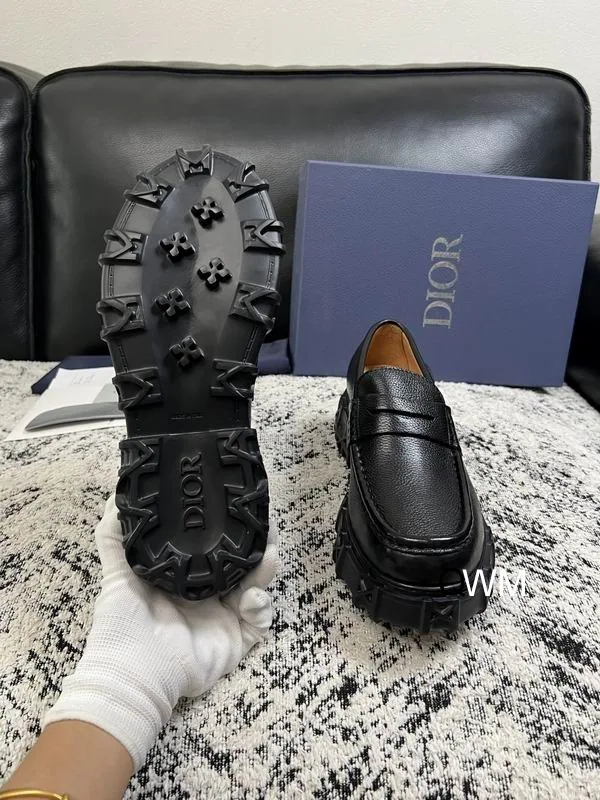
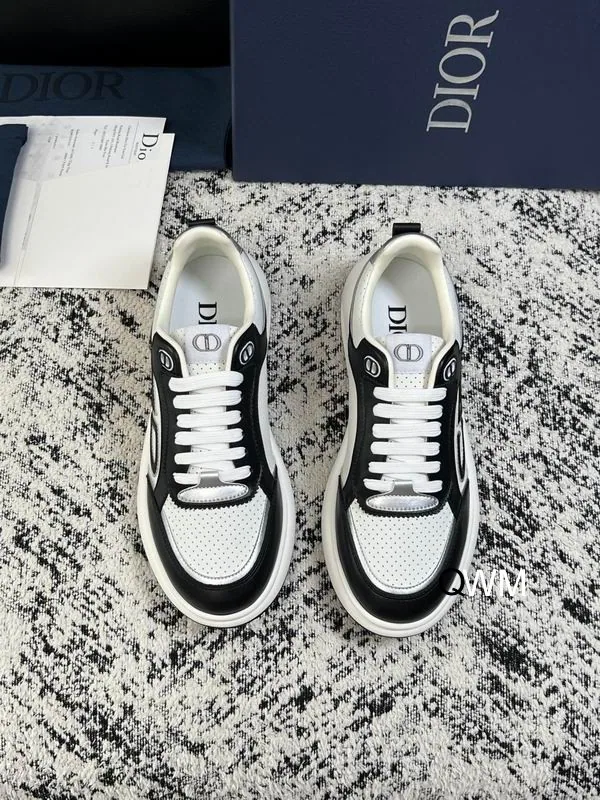
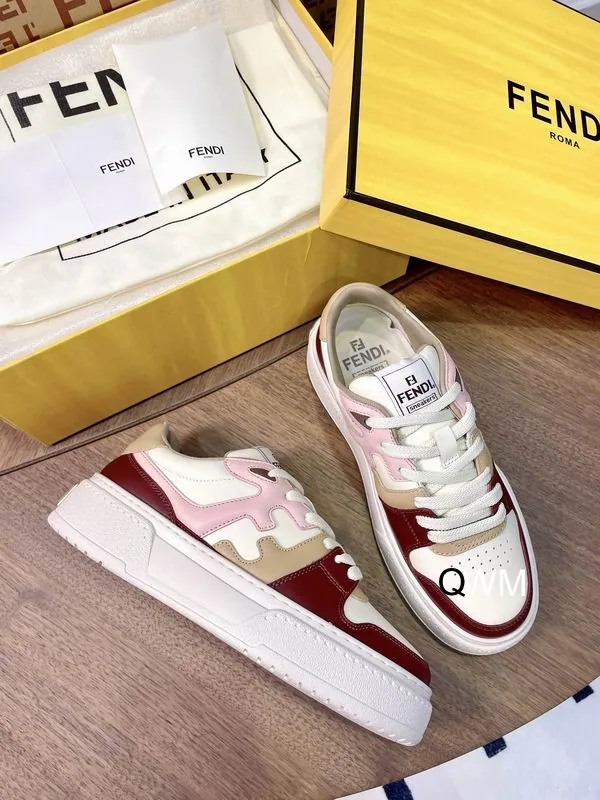
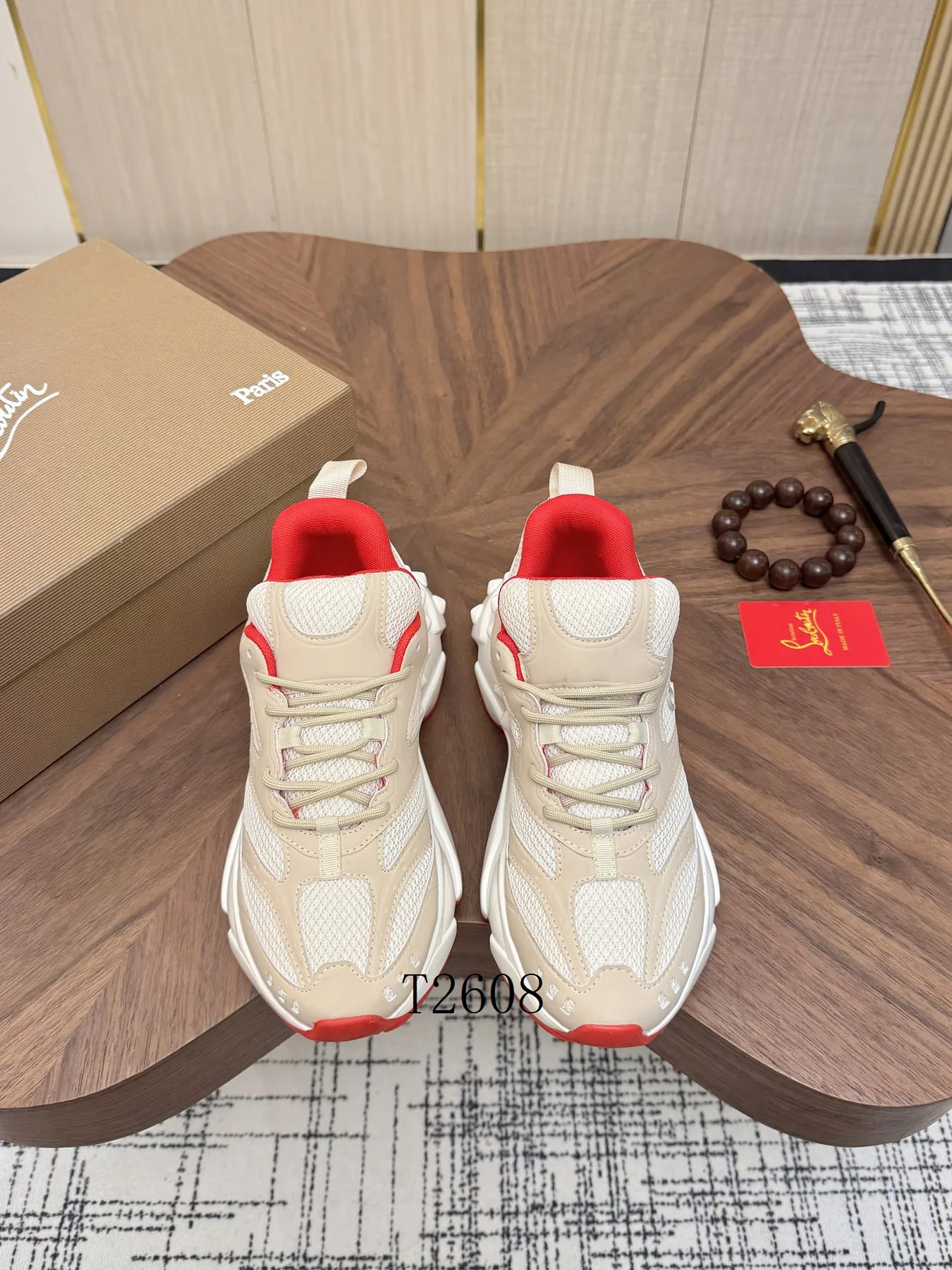
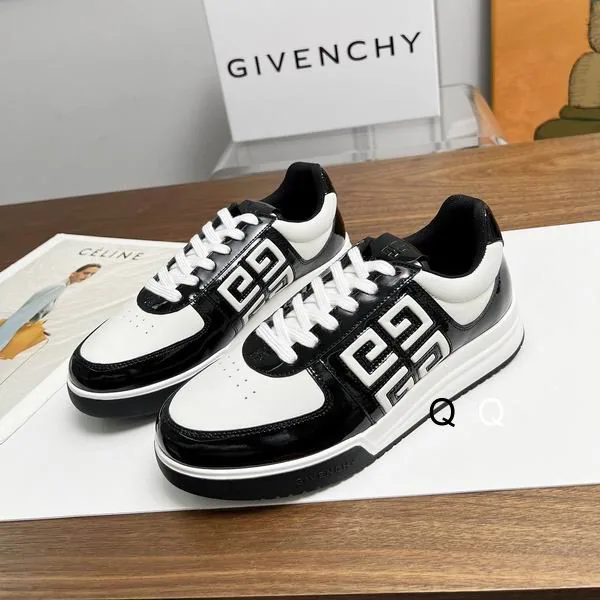
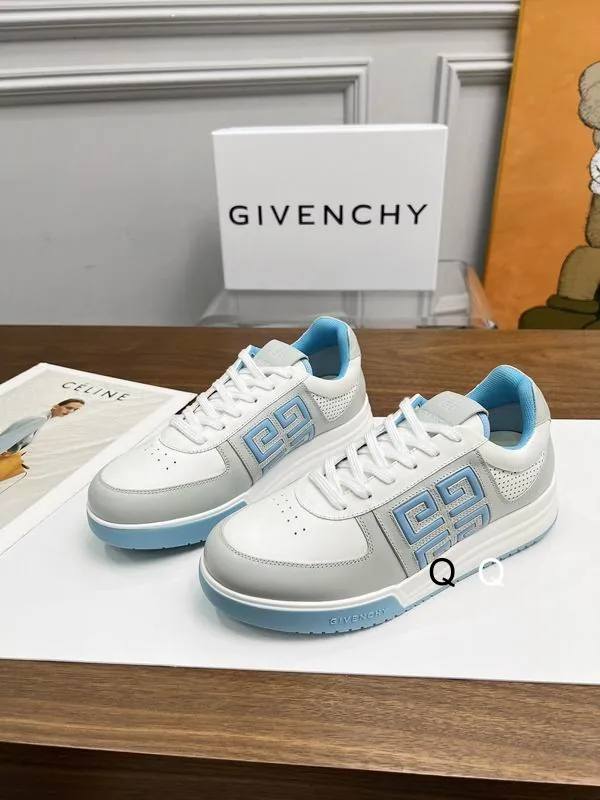
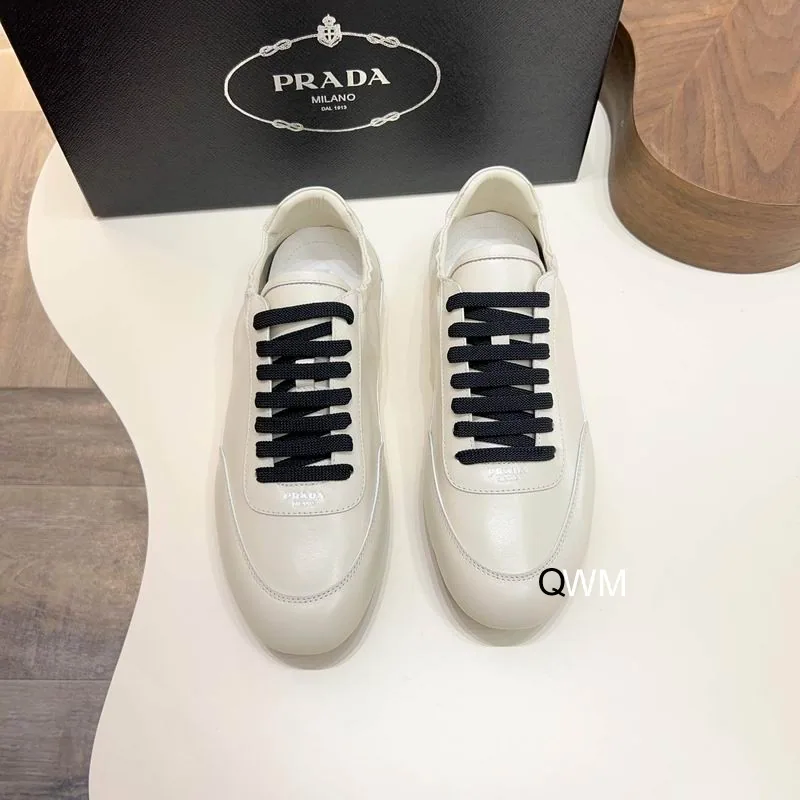
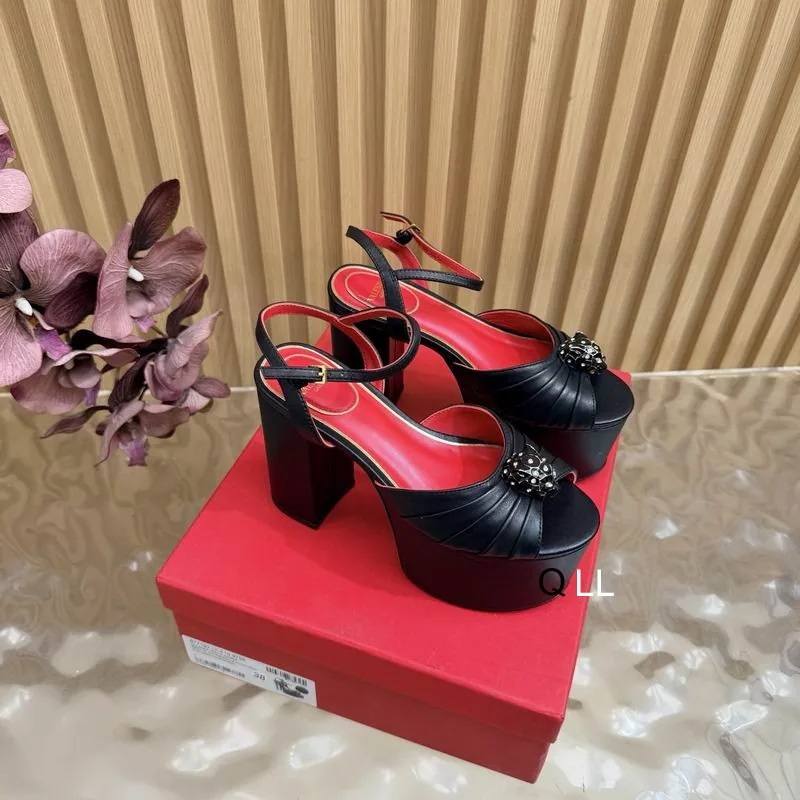
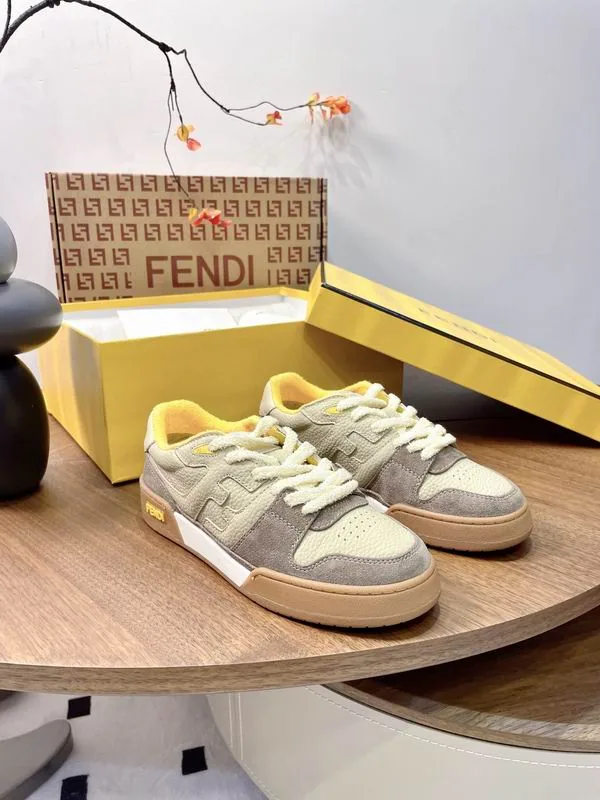
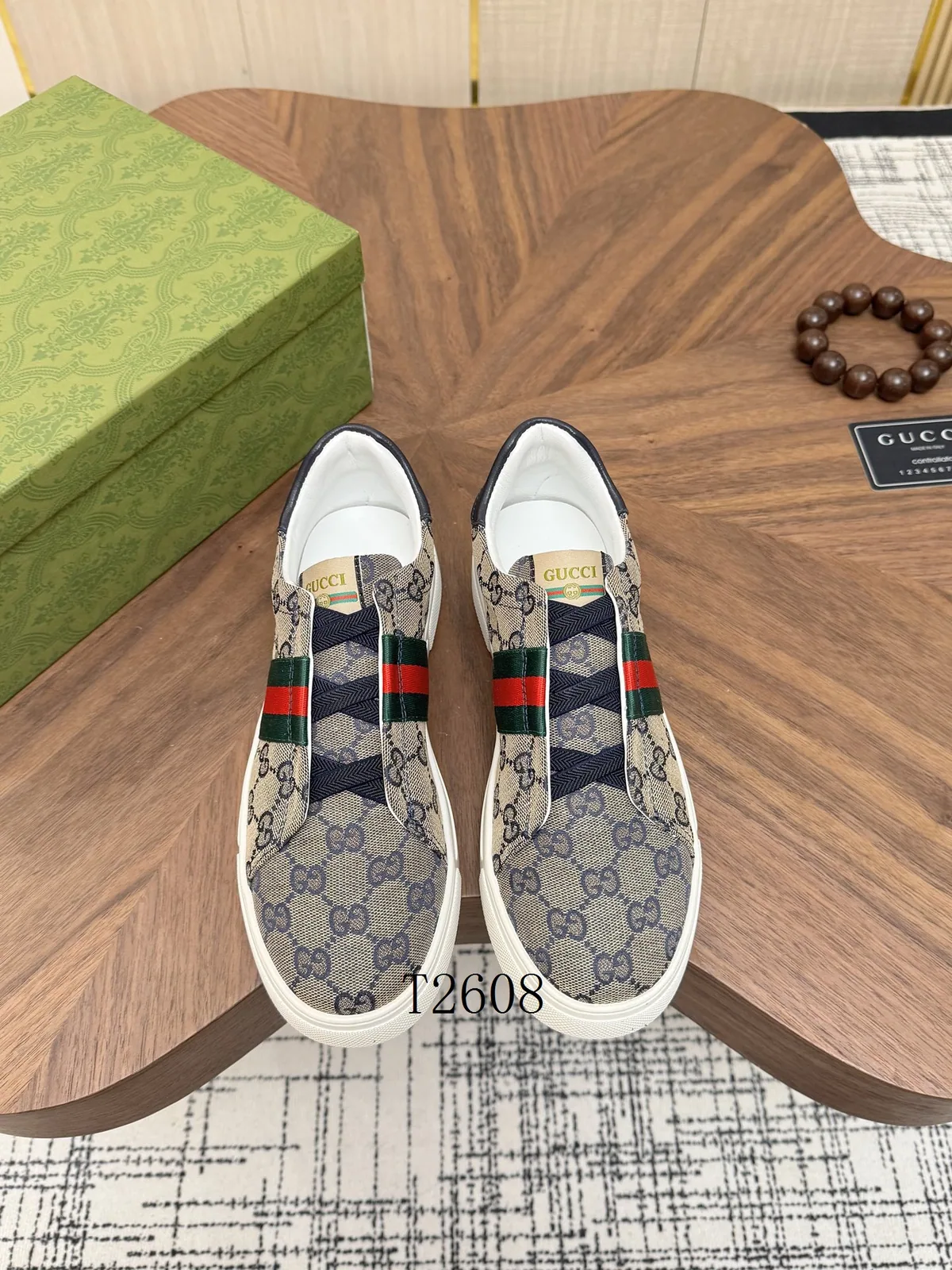
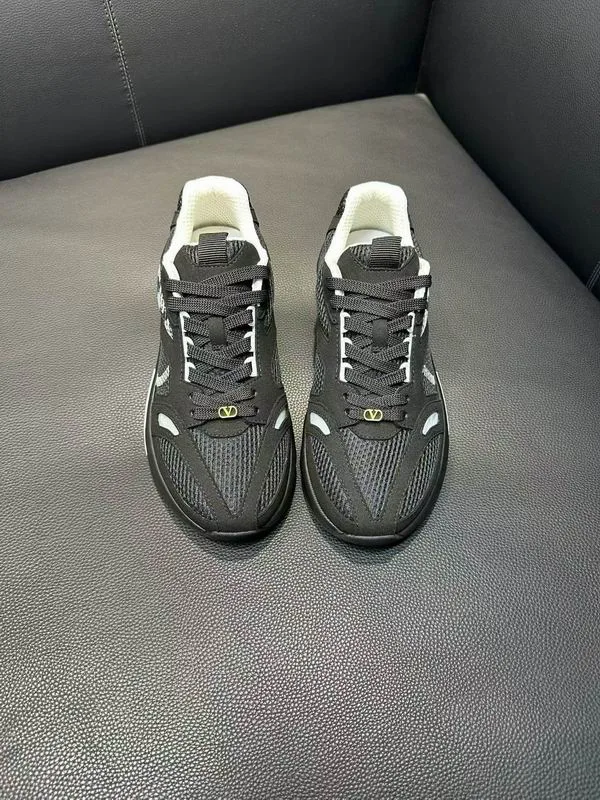
Begin by defining where and how a pair will be worn. A low-profile sneaker, substantial court-inspired shoe, loafer, boot, and technical trail silhouette solve different wardrobe and comfort needs even when they share a color. Consider expected walking time, weather exposure, dress level, and the trousers most likely to sit above the shoe. The height and visual weight of the sole can change the balance of an outfit as much as the upper design. Product pages therefore focus on observable silhouette, closure, paneling, sole profile, and available size information. They do not infer performance certification, waterproofing, cushioning technology, or intended sport unless those claims are confirmed by reliable product data.
Approach sizing with measurements
Footwear sizing varies by last, toe shape, lining, construction, and regional scale, so a familiar number is not a guarantee of fit. Start with the size system actually shown by the product source and compare it with a pair of similar construction that fits well. Foot length can help, but internal length, width, instep volume, heel shape, and sock thickness also influence comfort. Do not convert between regional scales unless the manufacturer provides the conversion. When measurements are missing, the honest action is to keep that limitation visible. The sizing guide outlines how to trace and measure the foot, compare a removable insole where available, and preserve enough toe room without treating a generic chart as product-specific evidence.
Examine upper and sole construction
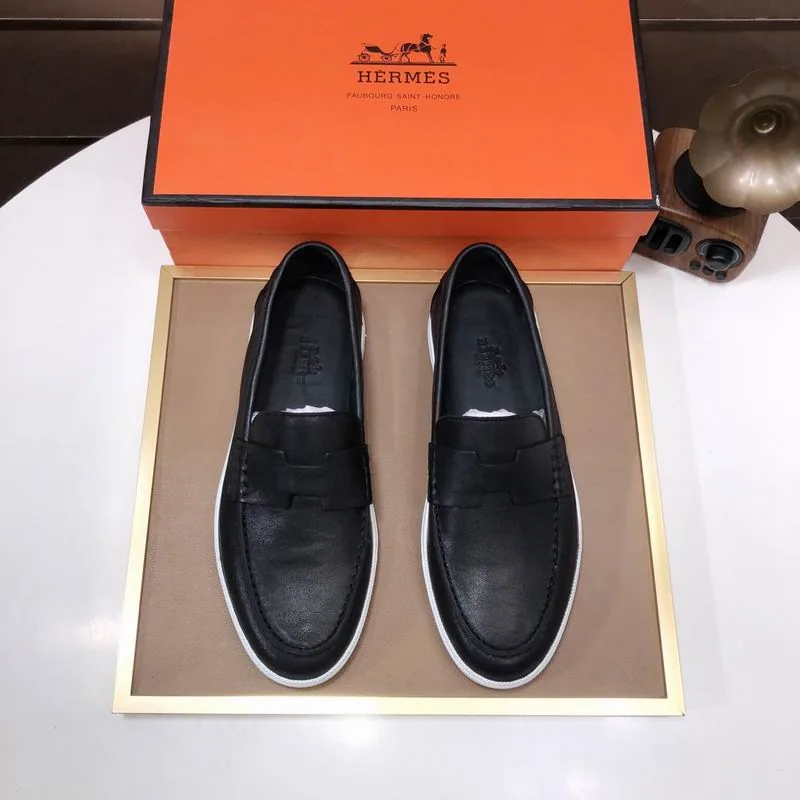
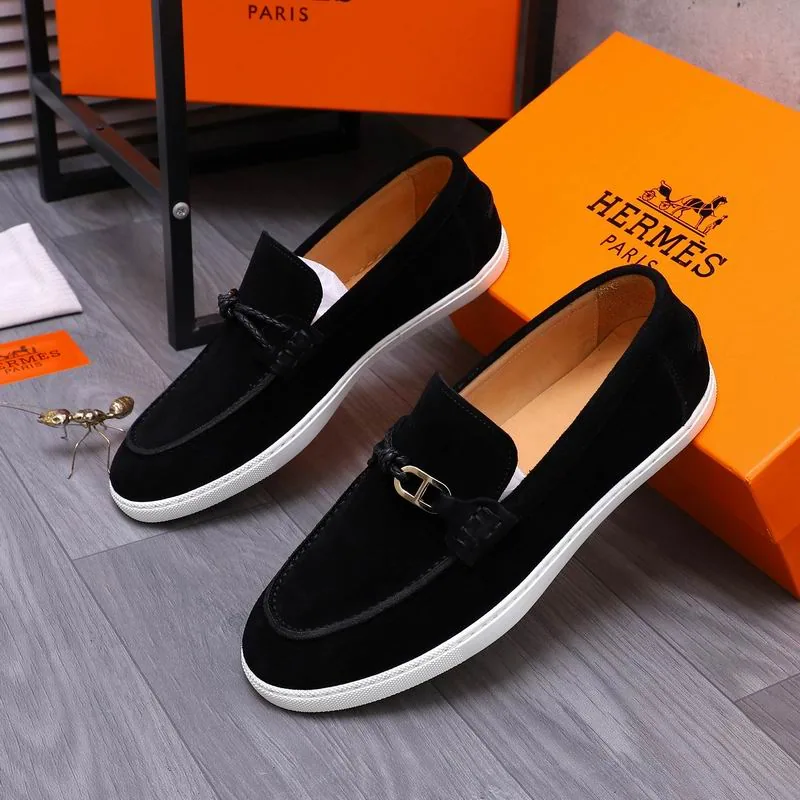
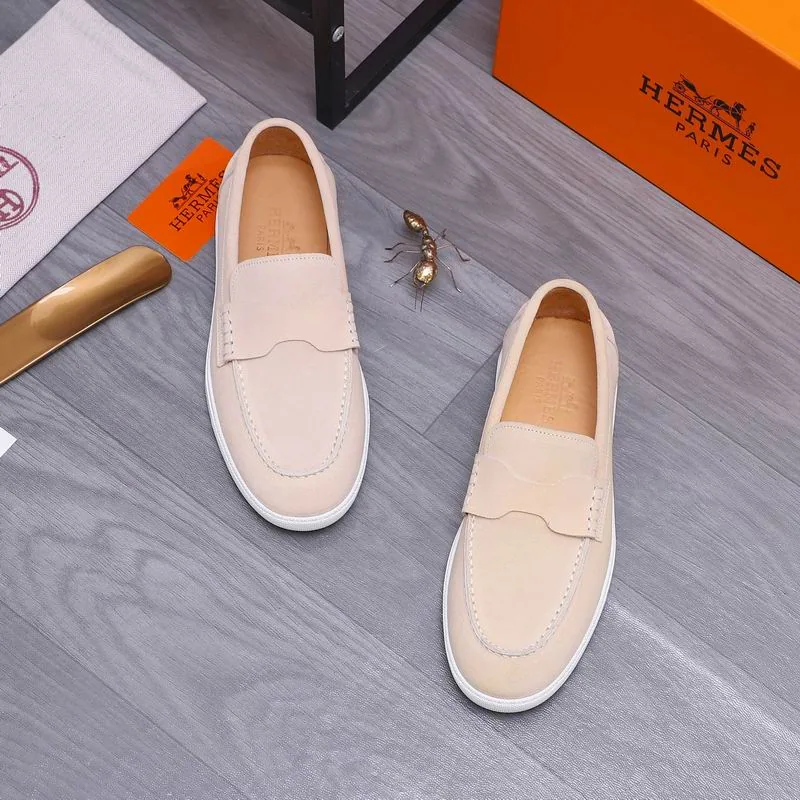
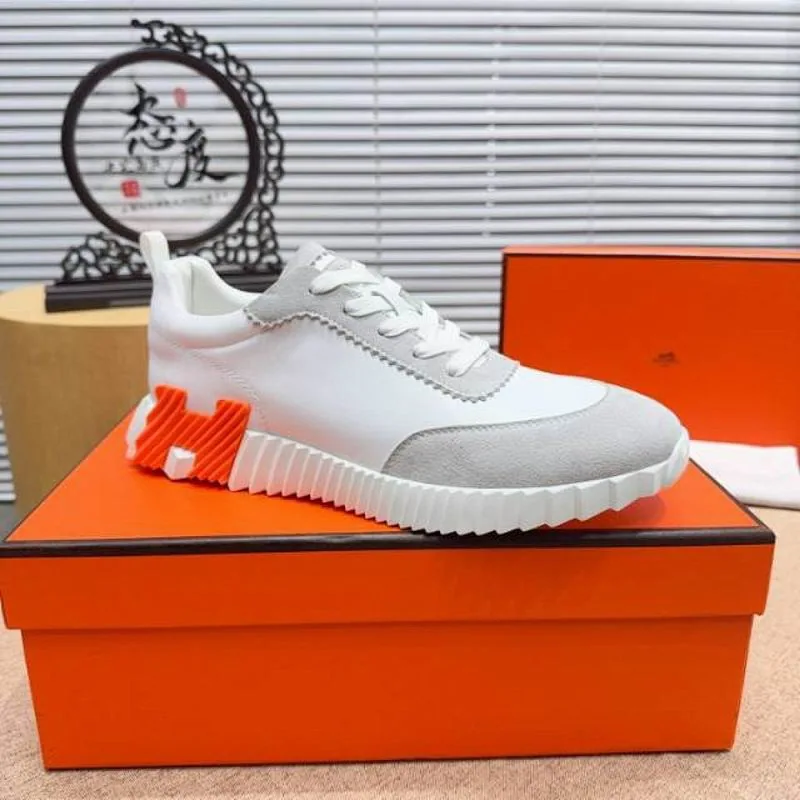
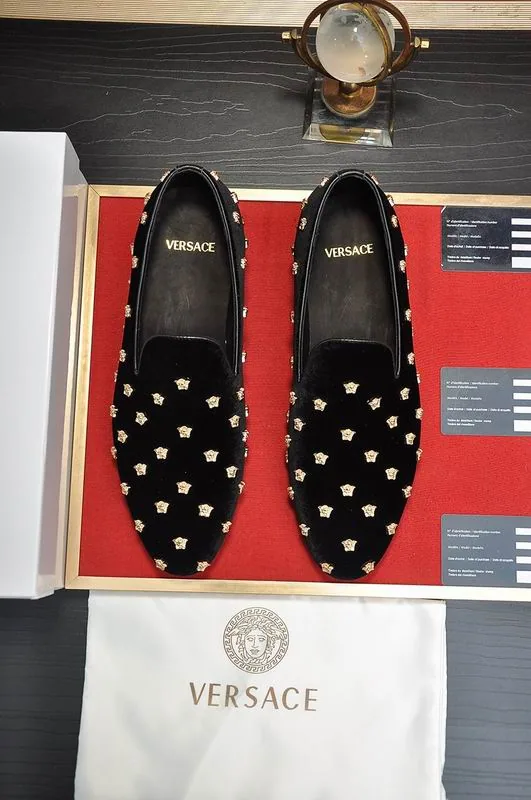
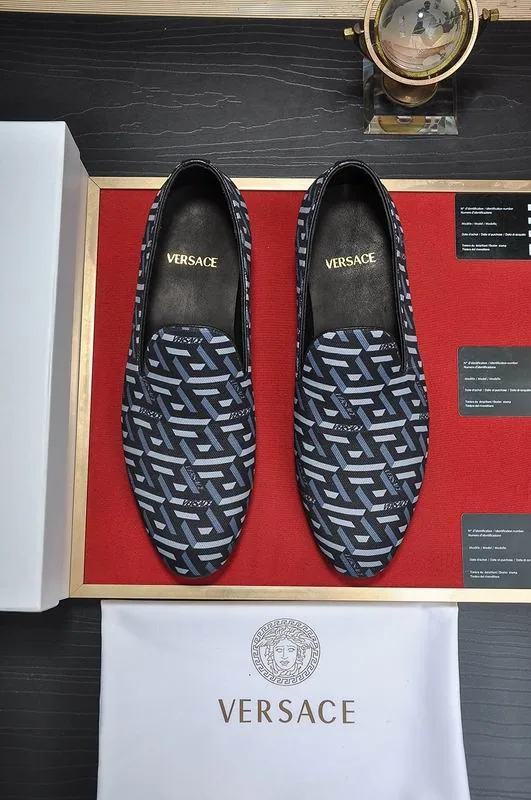
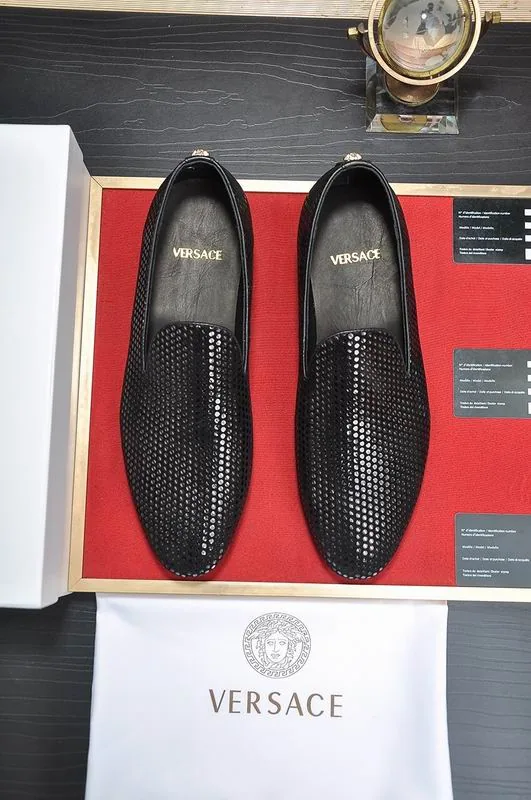
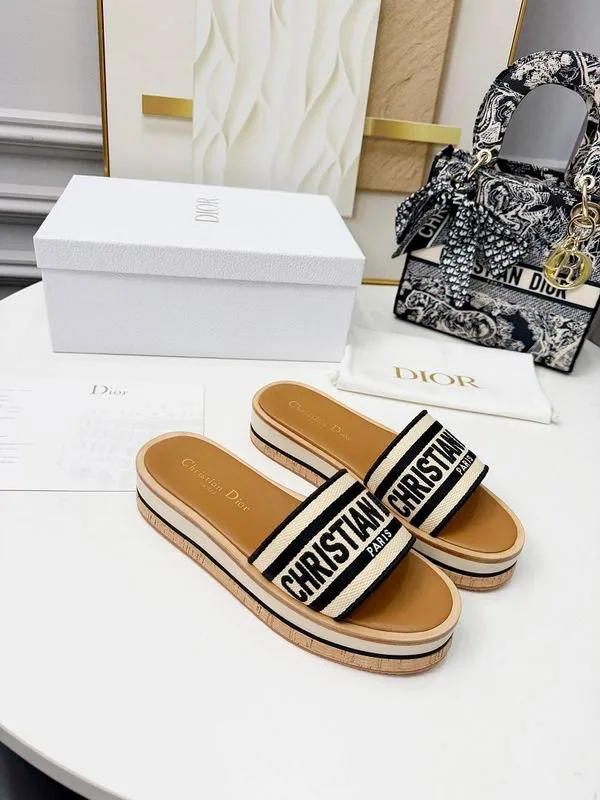
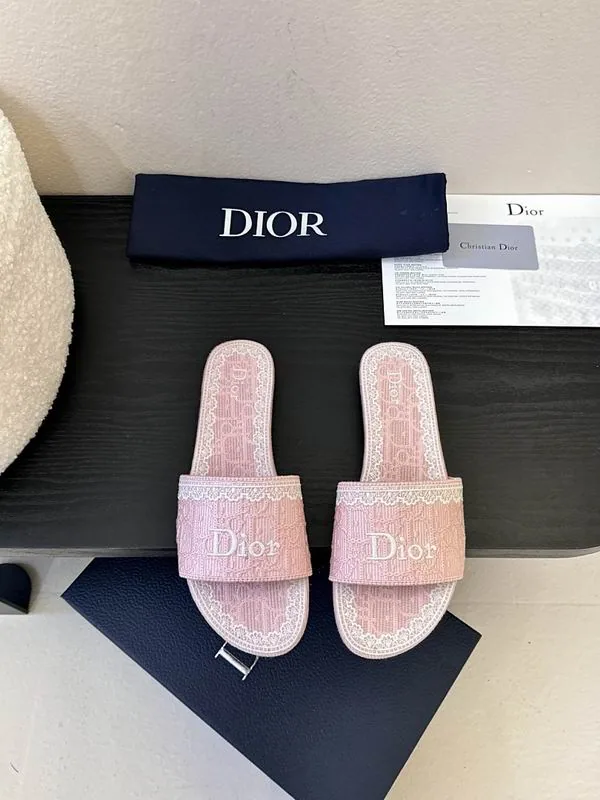
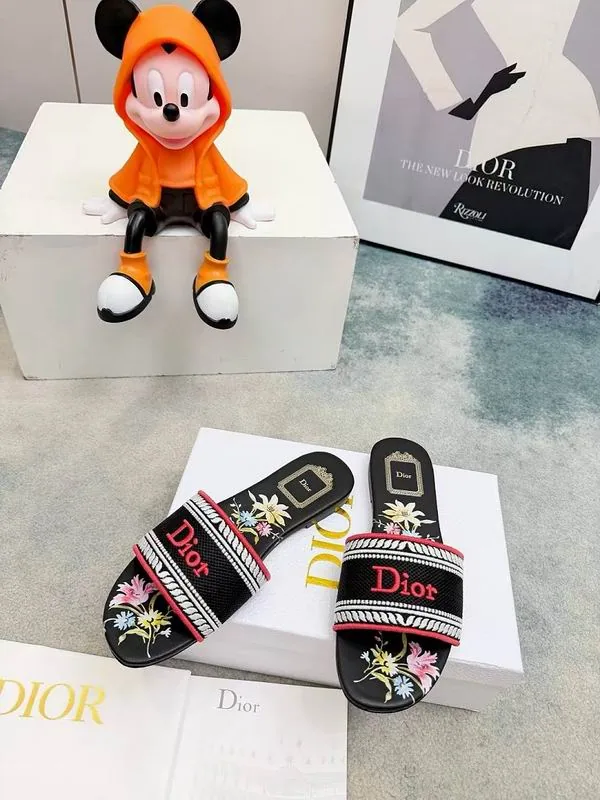
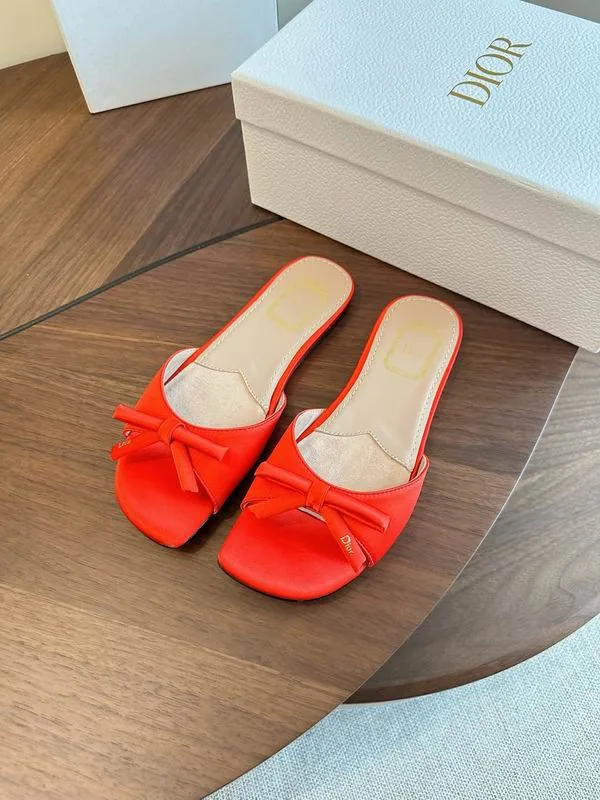
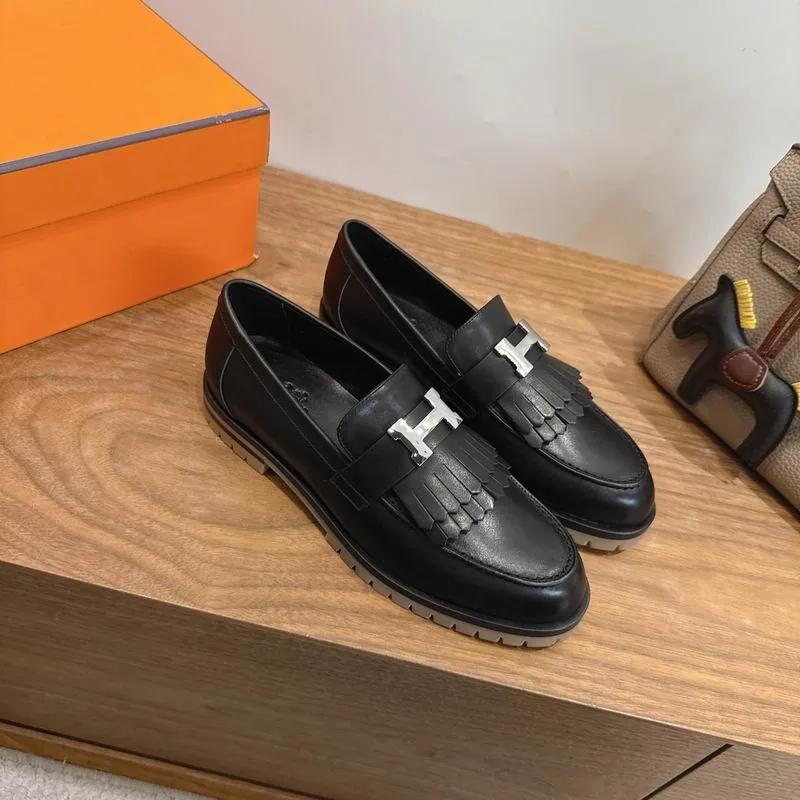
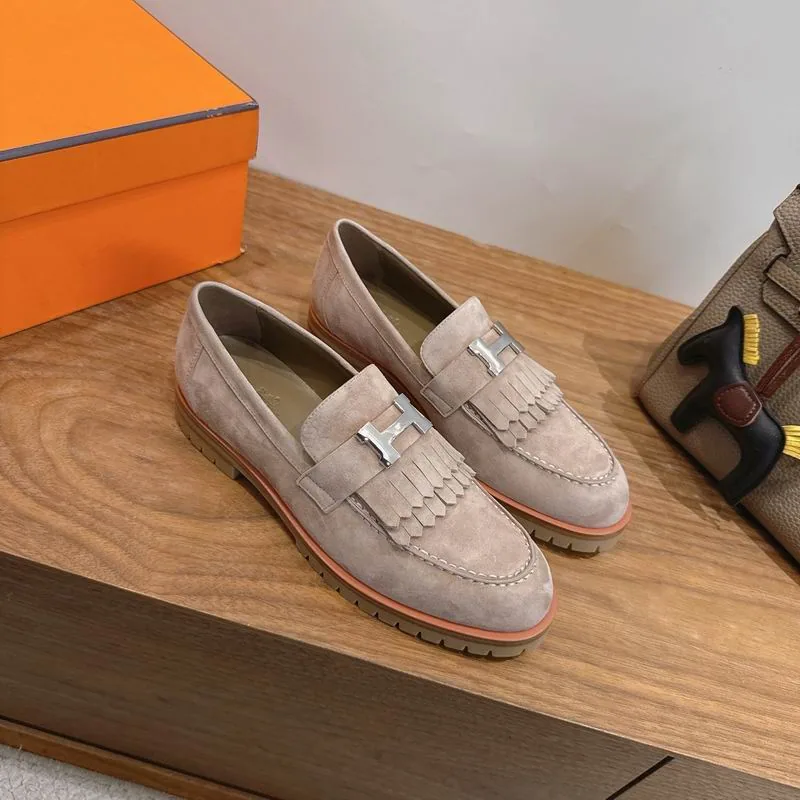
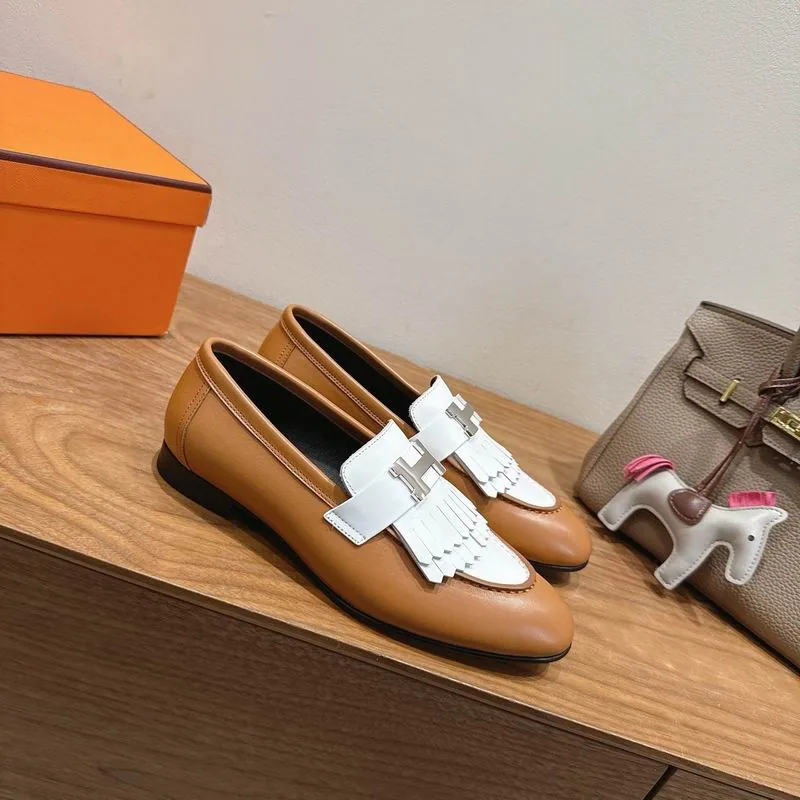
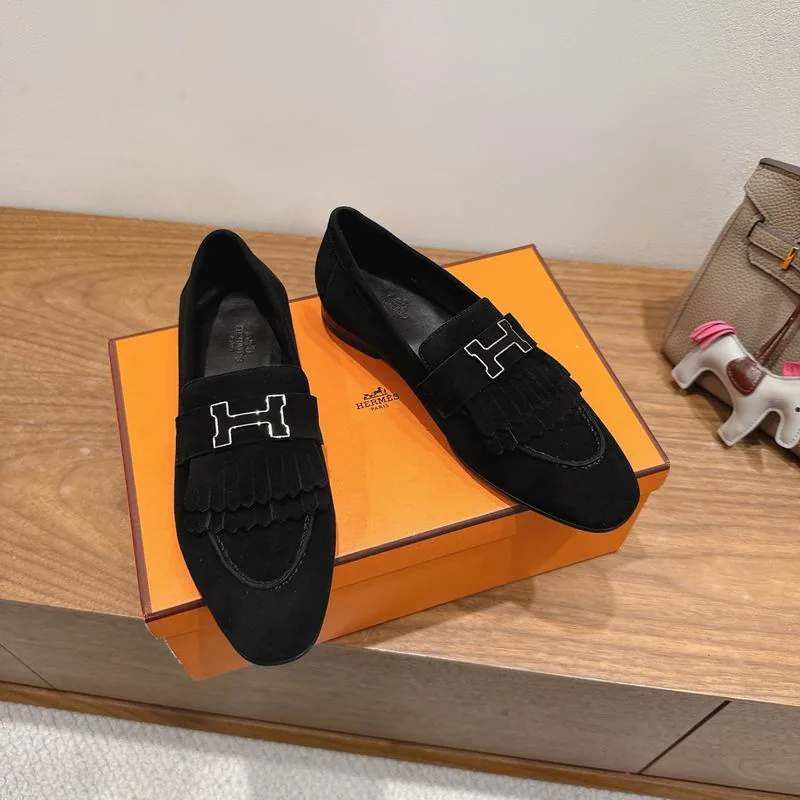
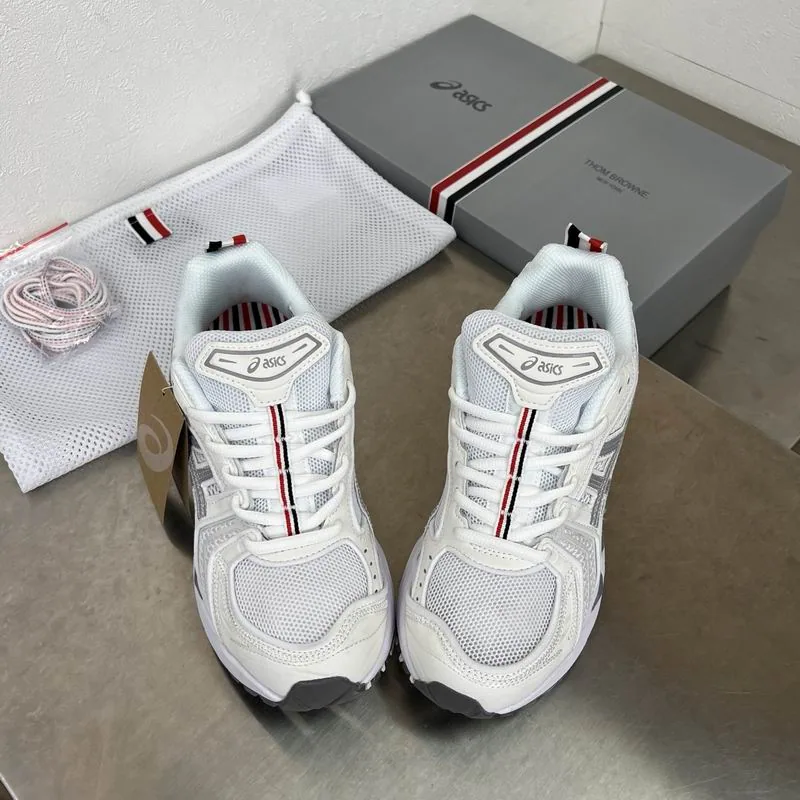
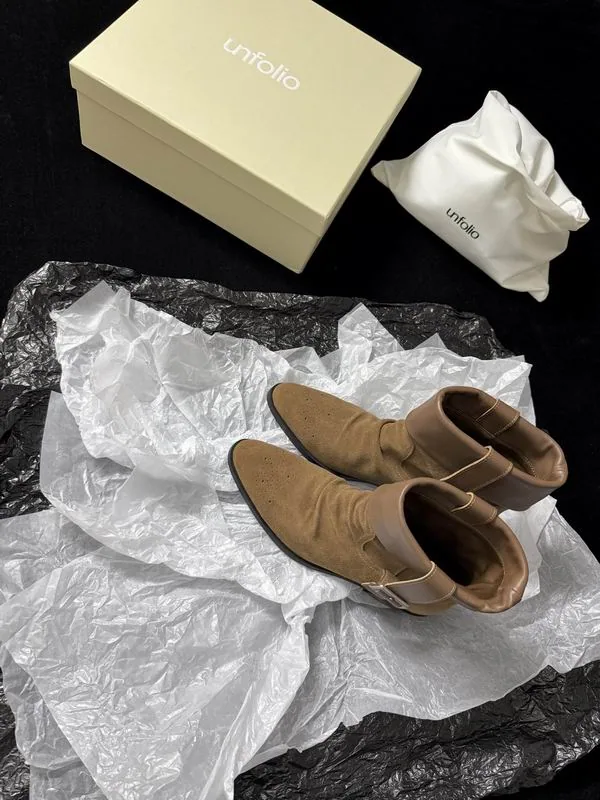
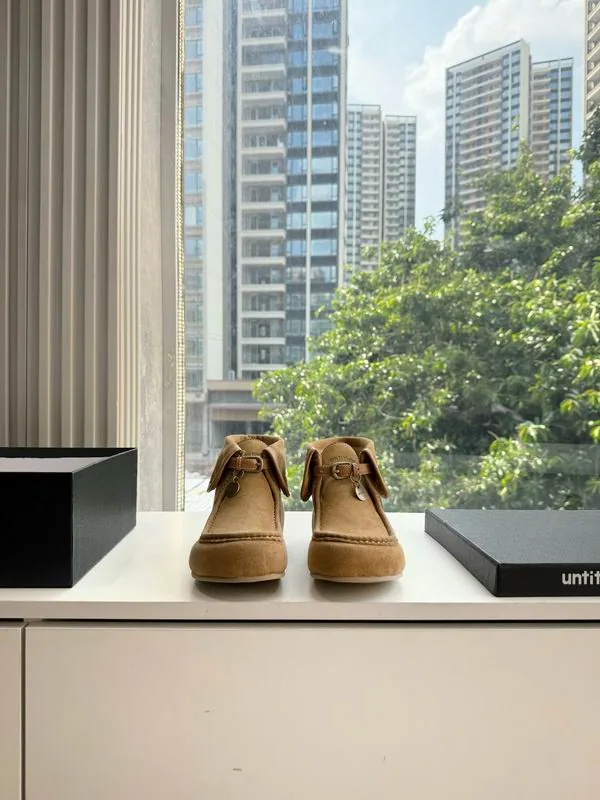
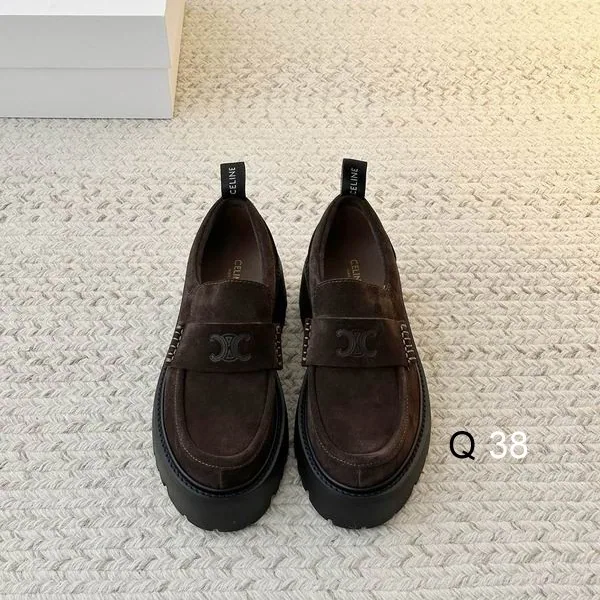
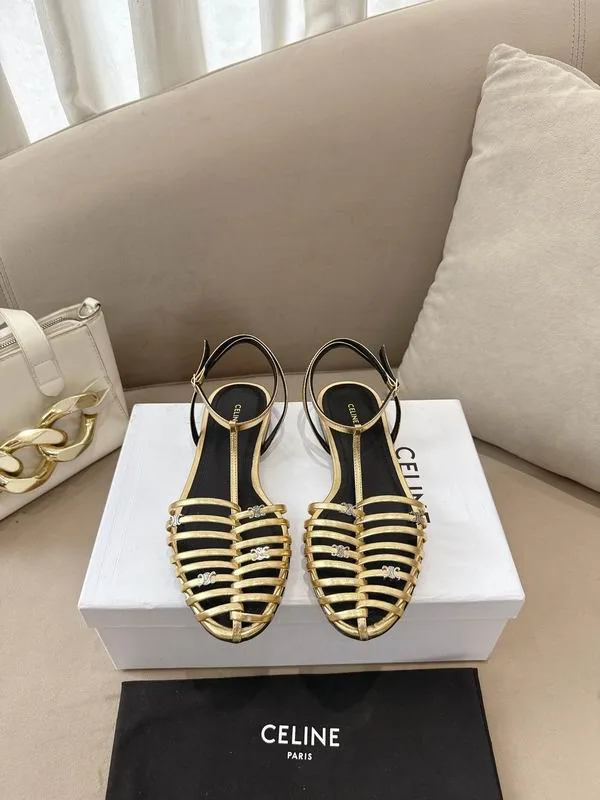
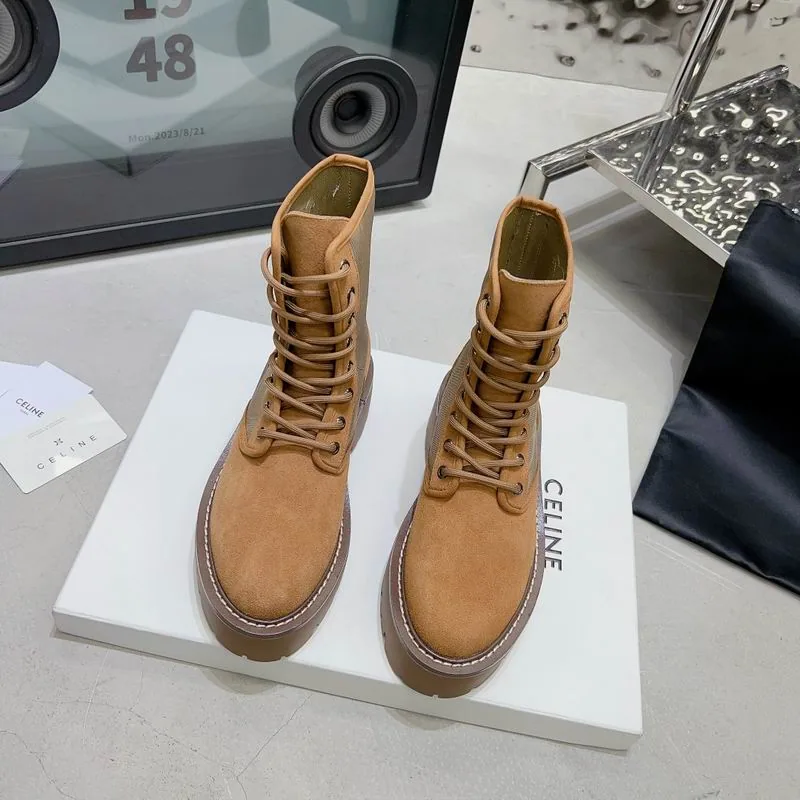
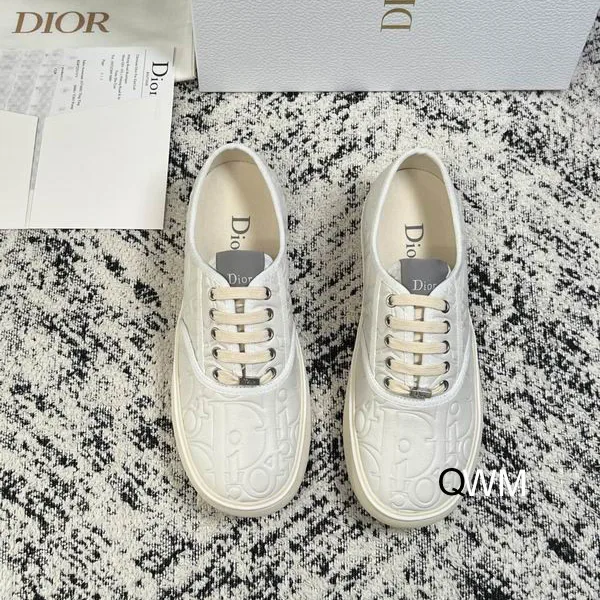
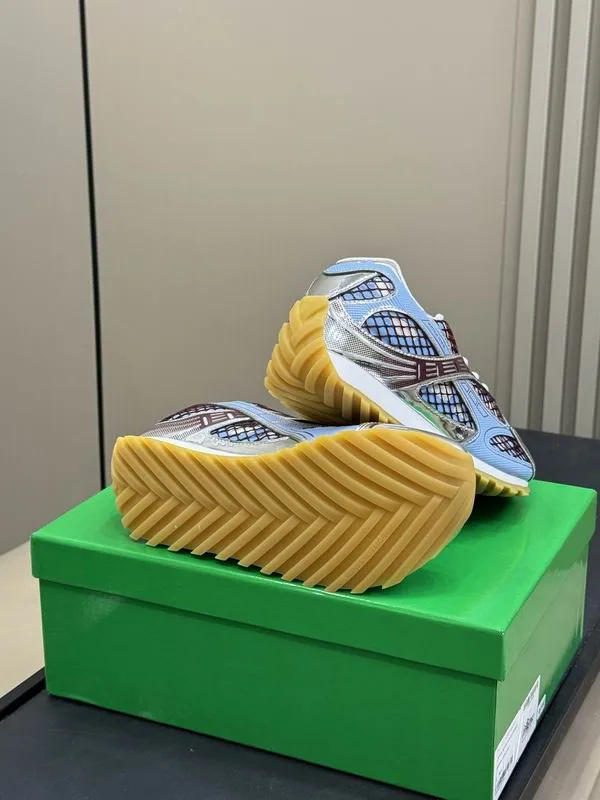
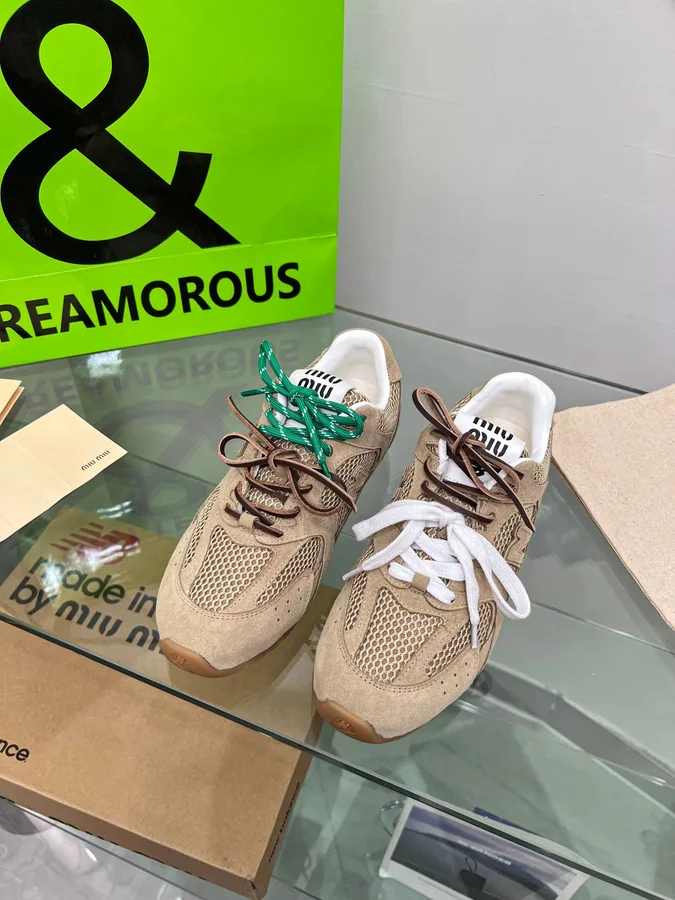
A useful comparison separates the upper, lining, insole, midsole, and outsole instead of describing the whole shoe with one material term. Leather, coated textile, mesh, knit, suede-like surfaces, and synthetic panels respond differently to moisture, abrasion, cleaning, and flex. Stitching, bonded edges, overlays, eye stays, heel counters, and toe reinforcement can be noted when they are visible, but construction methods should not be guessed from photographs. Sole depth and tread pattern may suggest a visual style without proving grip or performance. The material guide helps readers interpret confirmed composition, while each product page records only the details supported by source text, labels, or clear local preview images.
Coordinate shape with the rest of the outfit
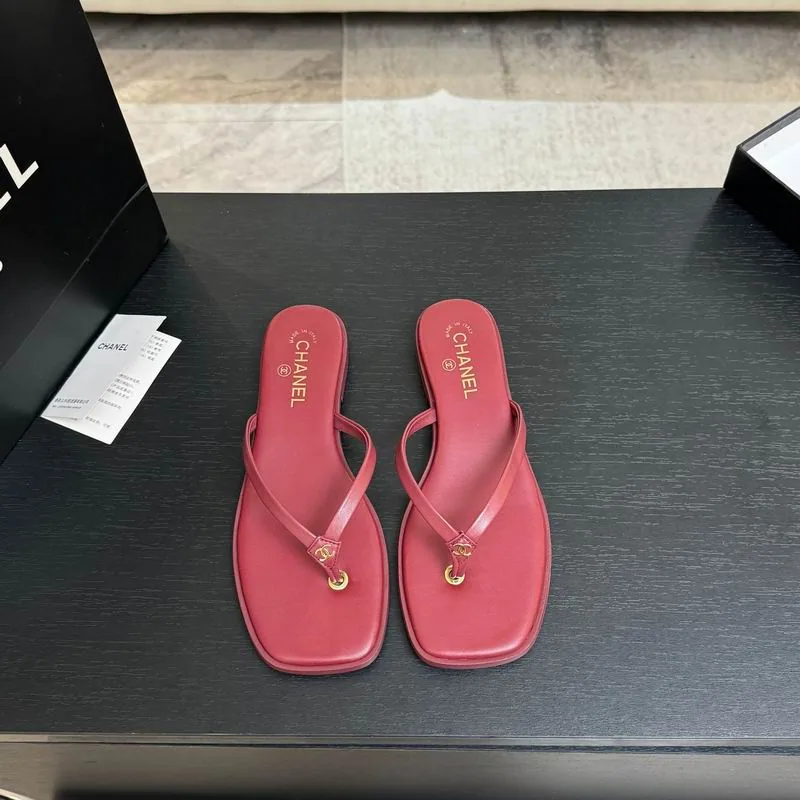
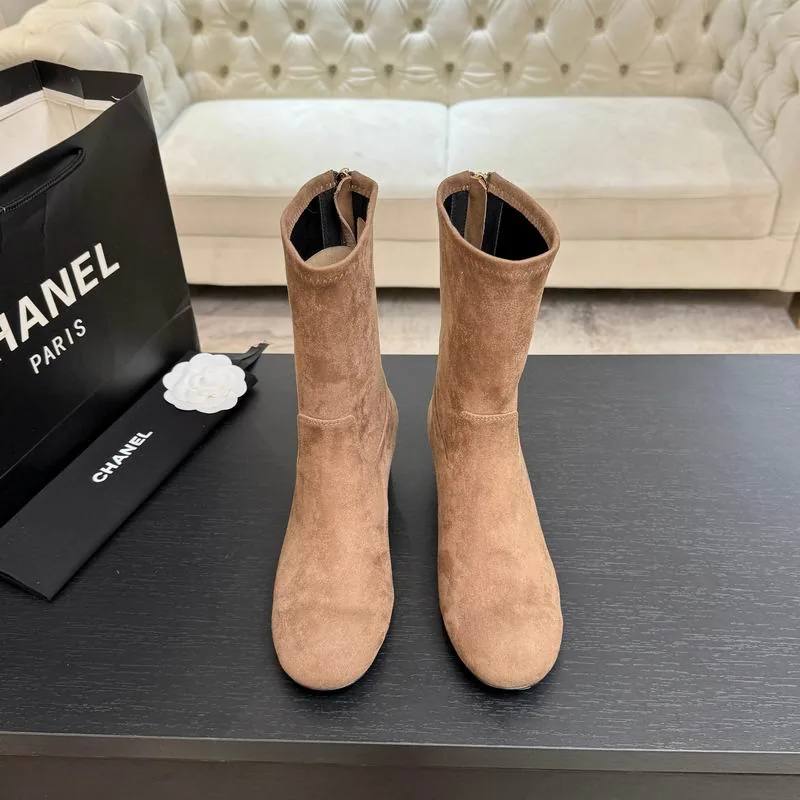
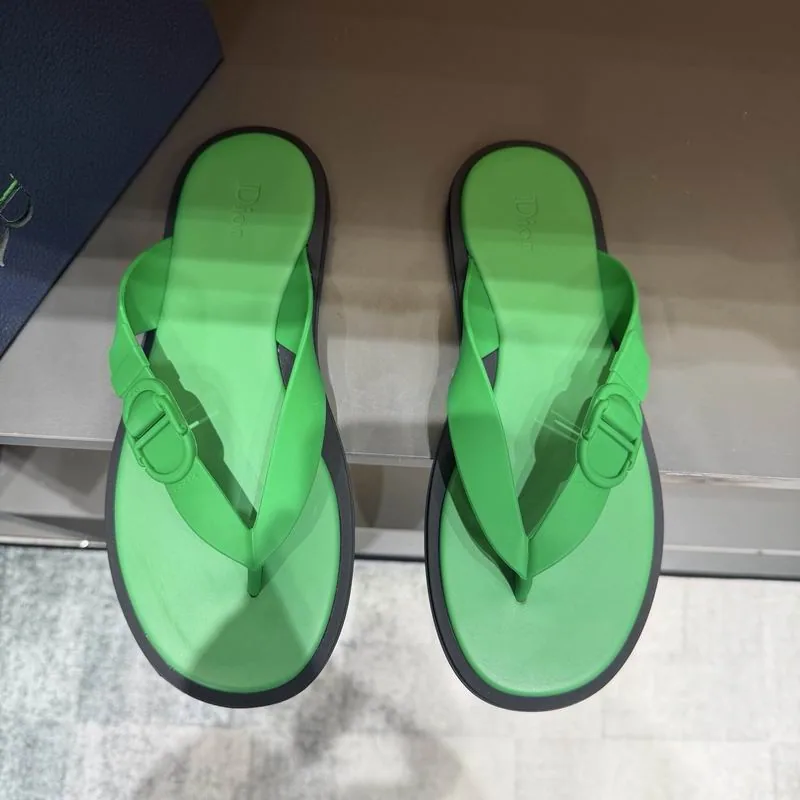
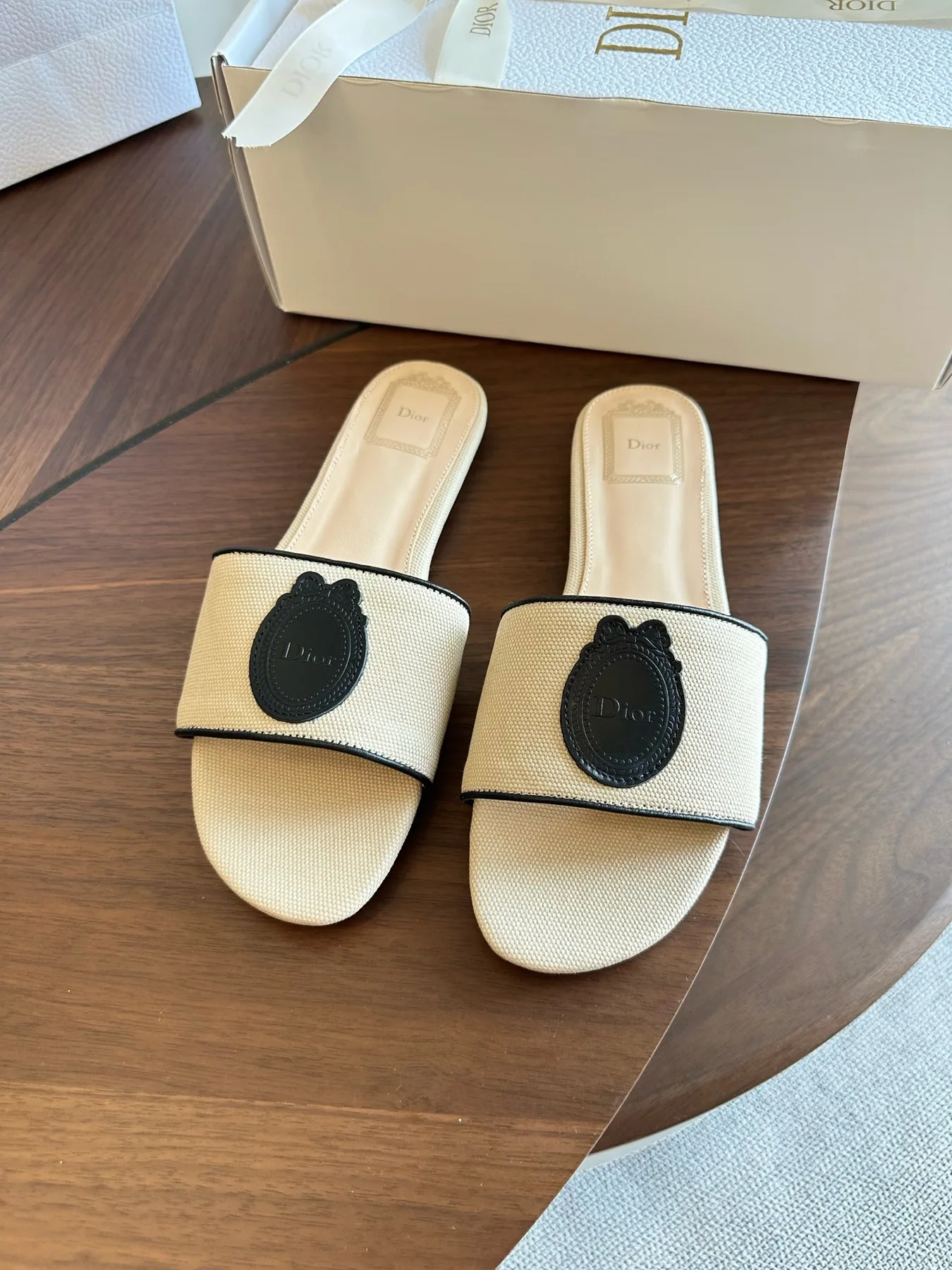
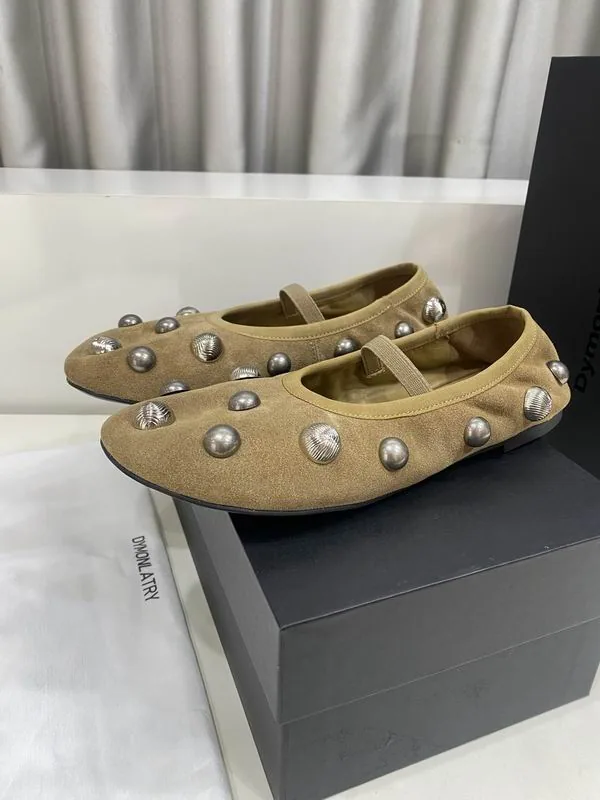
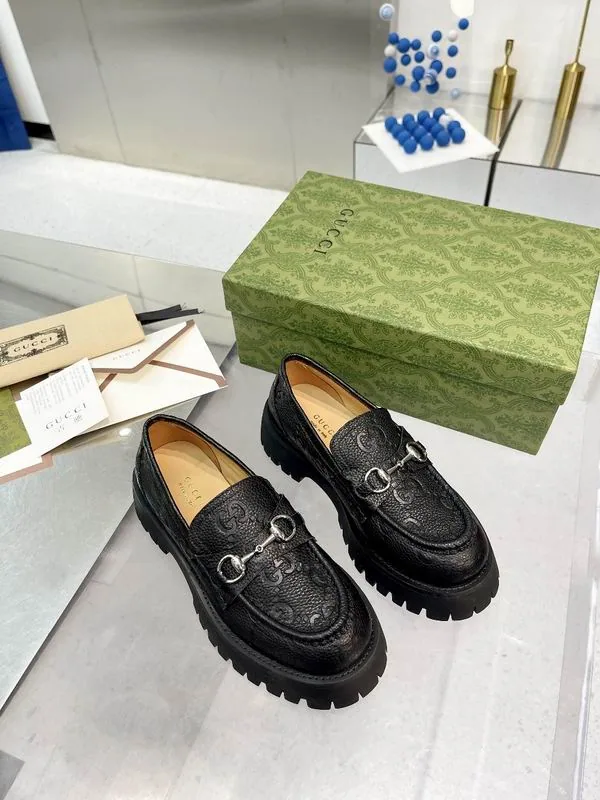
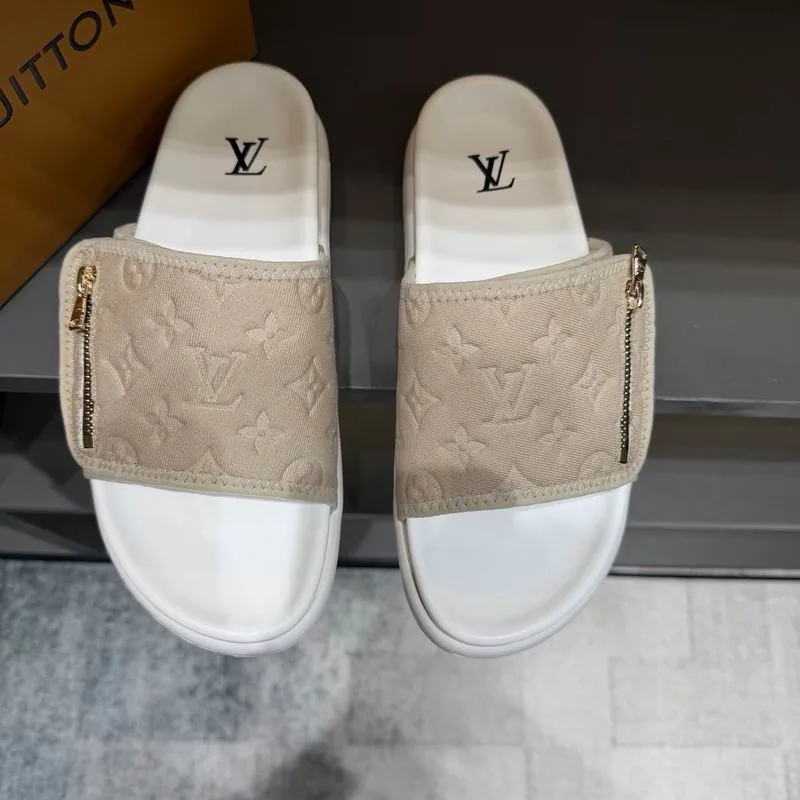
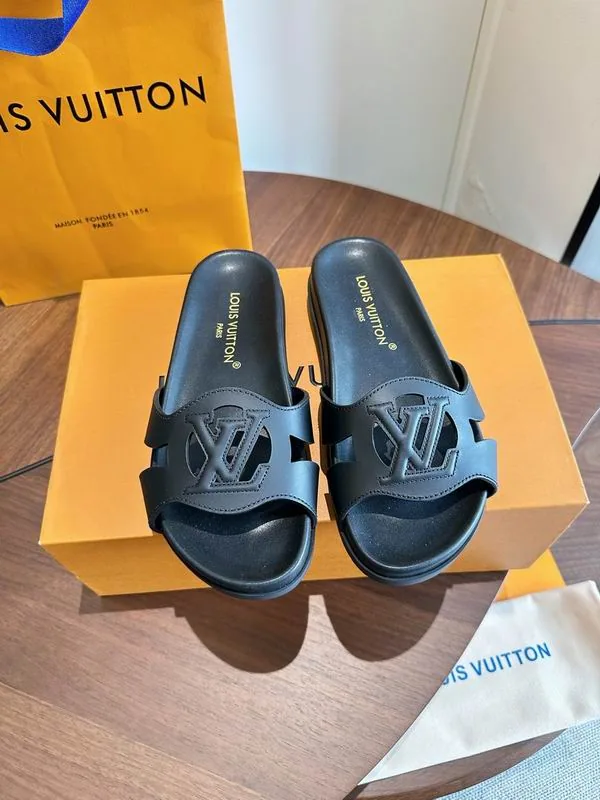
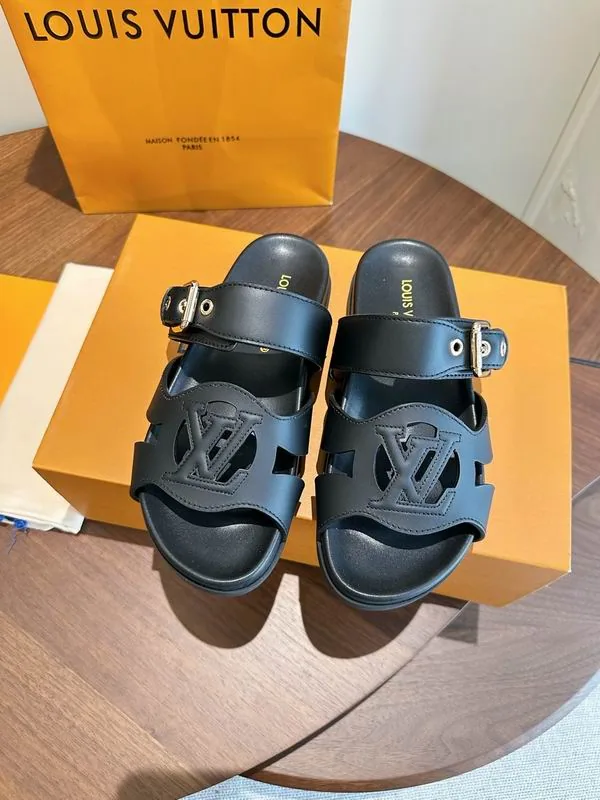
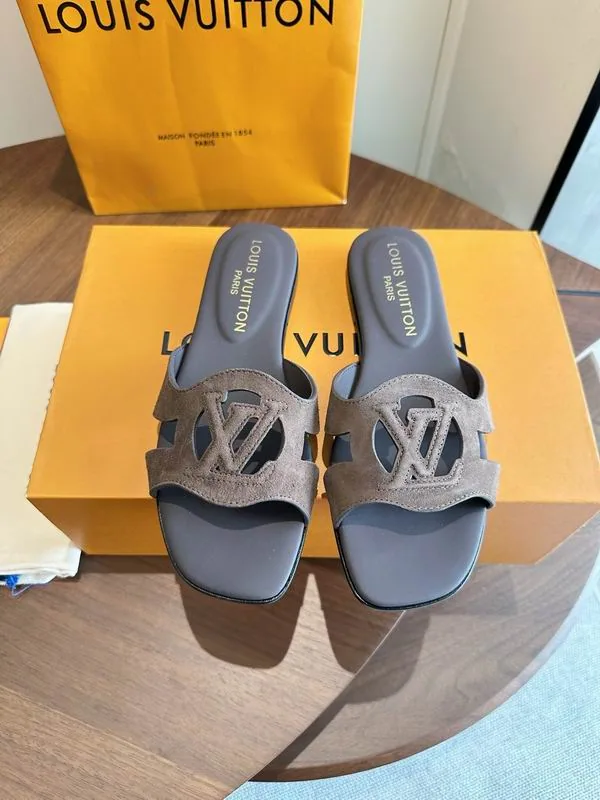
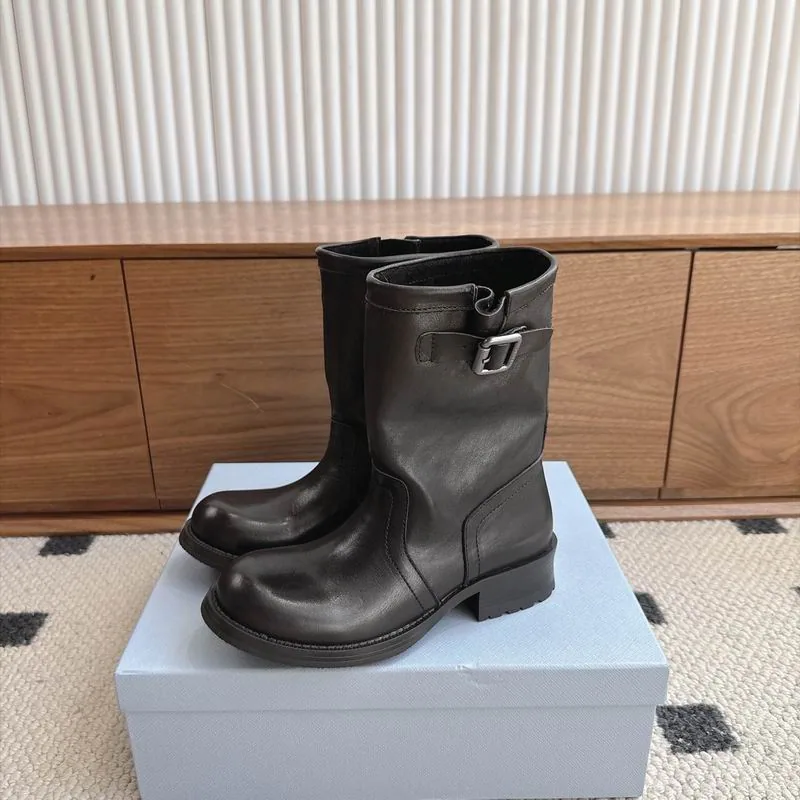
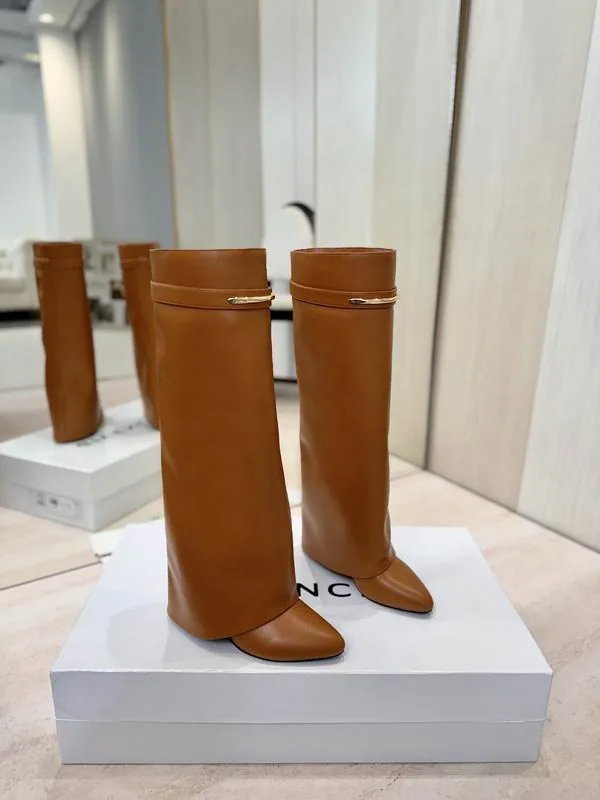
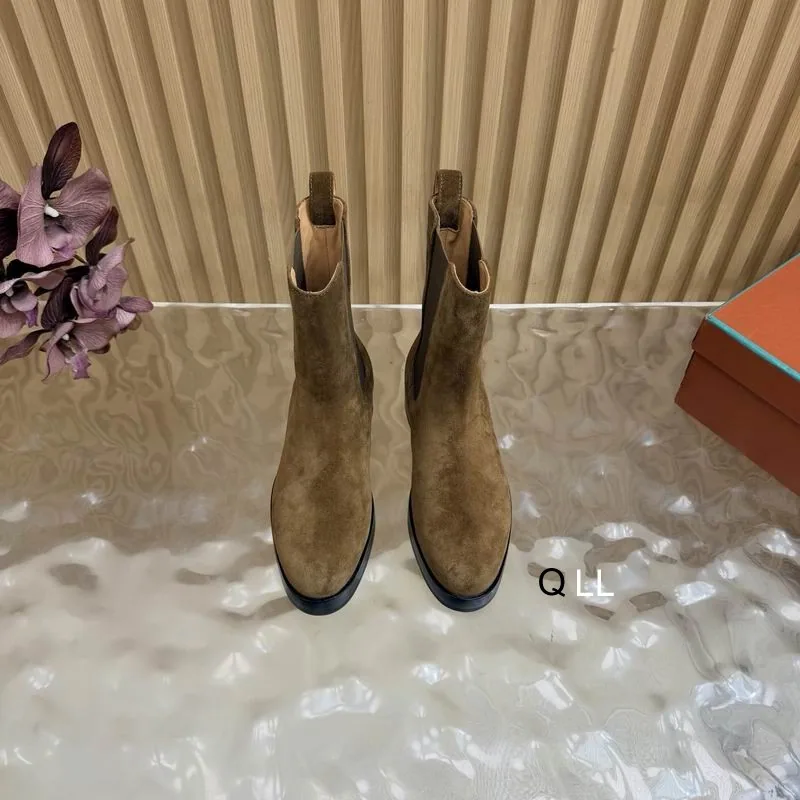
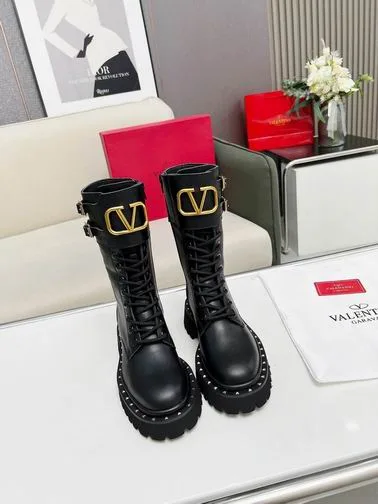
Footwear proportion affects how trousers and outer layers read together. A narrow, low sole usually creates a quieter line with straight or tapered trousers, while a broad or thick sole can balance wider hems and oversized layers. Boots introduce shaft height and may require enough hem opening to sit cleanly. Color need not match another item exactly; repeating a neutral family or linking one accent is often enough. Evaluate the shoe from more than the side view, because toe shape, heel volume, and top-down width influence the impression on foot. Related product previews stay on the main site so comparisons remain contextual before an optional external gallery is opened for additional high-resolution views.
Plan cleaning and storage before wear
Different components can require different care, and the most delicate part should guide the routine. Remove surface dust gently, test any cleaner on an inconspicuous area, and avoid saturating glued seams, dyed suede-like surfaces, or layered interiors. Let damp footwear dry naturally away from direct heat, which can distort shape or weaken adhesives. Use unprinted paper or suitable shoe forms to support the toe, and rotate frequently worn pairs so interior moisture can dissipate. Store clean shoes in a ventilated, dry area rather than sealed while damp. Product-specific labels and manufacturer instructions always take priority. The care guide offers broader principles without making unsupported claims about stain resistance, waterproofing, or material treatment.